
Is Tent Of Meeting And Tabernacle The Same
This post contains affiliate links. As an Amazon Associate, we earn from qualifying purchases.
The Tent of Meeting and the Tabernacle are related but not the same. The Tent of Meeting was a temporary place where Moses communicated directly with God, located outside the Israelite camp, while the Tabernacle was a more permanent, central sanctuary designed for communal worship and sacrifices. Further explanation and details about their differences and significance will be provided below for a deeper understanding.
Essential Facts in 30 Seconds
- The Tent of Meeting was a temporary structure for Moses’ direct communication with God during the wilderness journey.
- The Tabernacle was a more permanent dwelling for God’s presence, built after the Israelites settled in the Promised Land.
- The Tent of Meeting was positioned outside the camp, while the Tabernacle was centrally located to symbolize God’s closeness.
- The Tent of Meeting focused on personal worship and guidance; the Tabernacle supported organized communal worship and sacrifices.
- These structures represent different phases in God’s relationship with the Israelites, moving from temporary to permanent presence.
Definition and Terminology Differences

Many people use “Tent of Meeting” and “Tabernacle” as if they mean the same thing. They do not. These terms describe different places in the Bible. The Tent of Meeting was a simple, temporary place. Moses met God there, outside the Israelite camp.
The Tabernacle came later. It was a special, mobile temple inside the camp. The whole community used it to worship.
Sometimes, the Tent of Meeting means part of the Tabernacle. The Tabernacle had many fancy items inside. The Levites took care of it. It showed a more formal way to worship.
Words like “tent of meeting” in the Bible, especially in Leviticus, point to certain parts or jobs inside the Tabernacle. These words help us see the clear differences between these holy places.
Location and Physical Placement
The Tent of Meeting first stood outside the Israelite camp. This showed the people’s sin kept them apart from God.
After building the Tabernacle, they moved it to the camp’s center. This change meant God stayed close to His people always.
The new spot showed a strong, close relationship between God and His people. It wasn’t just a move. It was a big sign of God’s love and presence.
Tent Outside Israelite Camp
The Tent of Meeting stood outside the Israelite camp during their journey. It showed that the people were separated from God because of their sins.
Moses went inside this tent to talk directly with God. God gave Moses instructions and guidance there. The Israelites watched Moses enter and leave the tent. A cloud would appear above the tent, showing God’s presence.
This tent was very important. It connected the people’s past sins to a future where God would live among them. This simple tent marked a key moment in their story.
Tabernacle Central Location
The Tabernacle held a central place during the Israelites’ travels in the wilderness. It showed God’s presence among His people. The Tabernacle stood in the middle of the camp. This helped everyone worship together easily.
Here are some key places linked to the Tabernacle:
| Location | Importance |
|---|---|
| Base of Mount Sinai | God gave Moses the Ten Commandments |
| Shiloh | Main worship place during Judges |
| Kadesh-barnea | Long camp and spying missions |
These spots highlight how the Tabernacle stayed at the heart of Israel’s journey. The Levites carried and set up the Tabernacle. It stayed a strong sign of God’s guidance throughout their travels.
Symbolic Placement Differences
The Tent of Meeting and the Tabernacle had different symbolic placements.
The Tent of Meeting stood outside the camp. It marked a special place where people met God directly. This spot showed how God was near and ready to connect with humans.
The Tabernacle stayed in the camp’s center. It was a bigger holy place designed for group worship. Priests could enter different areas inside, each with a higher level of holiness. The Tabernacle had many layers for protection.
The Tent of Meeting was the most sacred part. It held the Ark of the Covenant, showing God’s presence among His people.
These placements showed their unique roles in Israel’s faith and community.
Function and Usage
The Tent of Meeting and the Tabernacle have different jobs in the Israelite community. The Tent of Meeting was a temporary place. Moses met God there “face to face.” It helped Moses get God’s guidance and commands. The Tent stood outside the camp when people did wrong. Only Moses and some leaders, like Joshua, could go there.
The Tabernacle was a permanent home for God among the people. It stood in the middle of the camp. This showed that God was always with them. The Tabernacle held special items for worship. Only priests who were made holy could enter.
The Tent of Meeting let people have personal talks with God. The Tabernacle allowed for organized worship. This change showed how God’s relationship with the people grew on their journey.
Construction and Scriptural Context
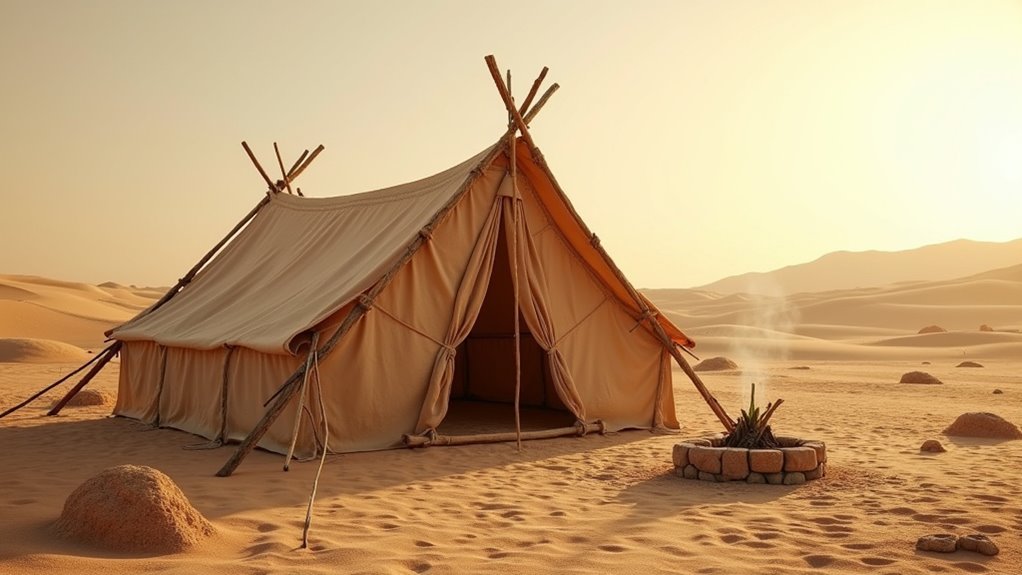
The Tent of Meeting and the Tabernacle both played key roles in Israelite worship. The Tent of Meeting was a simple tent. Moses set it up outside the camp. The Bible doesn’t give many details about how to build it. It served as a temporary place for God to meet with Moses.
The Tabernacle was very different. God gave Moses exact instructions on how to build it on Mount Sinai. It had specific sizes and materials. For example, its frames were made from acacia wood, about 10 cubits tall and 1.5 cubits wide.
The Tabernacle had three parts: the Holy of Holies, the Holy Place, and the courtyard. Each part had special furniture placed in the right spot.
The Bible writes in detail about the Tabernacle’s construction. You can read about it in Exodus chapters 25 to 31 and 35 to 40. The Tent of Meeting appears mainly in Exodus 33. It was used before the Tabernacle was ready.
These differences show their unique roles. The Tent was a simple meeting place. The Tabernacle was a sacred, carefully built house for worship.
Symbolic and Theological Significance
The Tent of Meeting and the Tabernacle hold deep symbolic and theological meaning. They aren’t just buildings. They show how God meets and talks with His people.
These places help people worship and come together as a community. They also represent God’s promise to His people.
Through them, people learn to connect with God in a closer way. These structures guide believers toward a strong and meaningful relationship with God.
Divine Presence Representation
Divine presence plays a key role in the Tent of Meeting and the Tabernacle. The Tent of Meeting was where God met Moses “face to face.” This showed a special and close connection between God and His people.
Though the Tent was temporary, it symbolized God’s guidance and care. The Tabernacle served as a permanent home for God’s presence. A cloud always hovered over it, showing God’s glory and holiness.
Both places marked where people could meet God with respect and awe. The Tabernacle’s design, including its furniture and veils, showed how important God’s presence was. It helped bridge the gap between humans and the divine. This made God’s nearness real and powerful to Israel.
Worship and Communion Significance
Worship and communion hold deep meaning in the Tent of Meeting and the Tabernacle. These places showed how Israel worshipped God.
The Tent of Meeting was a temporary spot for God’s messages. The Tabernacle became a permanent place for worship. People joined in rituals like sacrifices at the altar. These acts showed the need to be pure before seeing God.
The design, from the courtyard to the Holy of Holies, showed a path to meet God. These parts taught obedience and respect. They helped the community feel close to God through worship.
Summary of Scholarly Perspectives
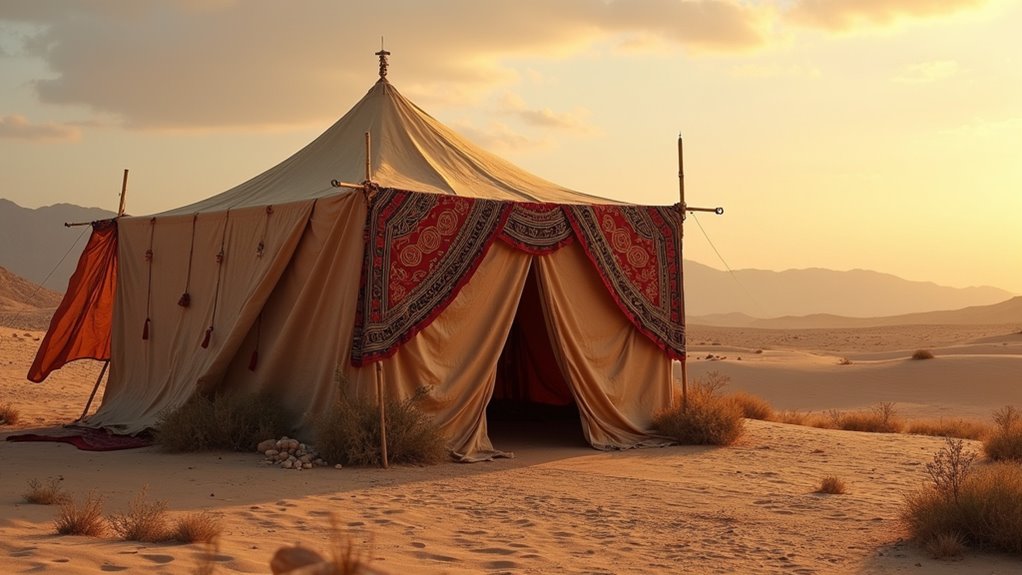
Many people think the “Tent of Meeting” and the “Tabernacle” are the same. Scholars show important differences between them. These two words often appear as if they mean the same thing. Yet, they describe different places and purposes.
The Tabernacle is a detailed, special building. God gave Moses exact instructions to build it. It shows God’s permanent presence with His people.
The Tent of Meeting is simpler and temporary. Moses used it to speak directly with God. It was a place for open and easy communication.
The Tabernacle had restricted access. Only priests could enter because it was very sacred.
The Tent of Meeting allowed more people to come close. This difference helps us understand the history and meaning of these places. Both played important roles for the Israelites during their journey in the wilderness.
Frequently Asked Questions
What Are the Key Differences in Worship Practices Between the Two Structures?
The Tent of Meeting allowed people to talk directly with God. It was simple and personal. The Tabernacle had special rules for sacrifices. Priests had clear duties to follow. Worship was more about community and order. People gathered to take part in rituals together. This made worship feel more formal and organized.
How Did Ancient Israelites Perceive the Significance of Each Structure?
The Tent of Meeting served as a holy place for personal meetings with God. It was where individuals could seek guidance and feel close to Him. The Tabernacle meant much more. It stood for group worship and showed God’s lasting presence with the Israelites. This made the Tabernacle a symbol of unity and faith during their long journey. Each structure held strong meaning and helped shape their spiritual life.
Did the Physical Design of Each Influence Worship Rituals?
The Tabernacle’s design shapes how people worship. Each part shows important symbols and guides the steps of worship. Moving closer to the center means entering a more sacred space. The layout helps worshipers focus and feel the presence of God. It makes rituals clear and meaningful. The design is like a path leading to something holy. It teaches respect and shows what is most important in worship.
Were There Any Historical Events Linked Specifically to Either Structure?
Both structures hold strong historical importance. The Tent of Meeting served as a special place where Moses talked directly with God. This event shows a unique connection between humans and the divine. The Tabernacle stood as a sign of God living permanently with the Israelites. It shaped their way of worship and daily life. These sites helped form the foundation of Israelite faith and culture. They marked key moments in their history and beliefs.
How Do Modern Interpretations Differ Regarding These Biblical Entities?
Modern views see the Tent of Meeting as a place for a personal meeting with God. The Tabernacle stands for group worship and community. These ideas show two sides of worship: one is about connection, the other about tradition. Many people find meaning in both symbols today. They help explain how people relate to God in different ways. This shows the Bible’s rich use of symbols for faith.
Conclusion
The Tent of Meeting and the Tabernacle are closely connected but not the same. The Tent of Meeting was a simple, temporary place where people met God. The Tabernacle was a larger, lasting structure. It showed that God lived among His people. The Tent was used early in the journey of the Israelites. The Tabernacle came later and had more parts inside. Both helped people worship and connect with God. Understanding this helps you see their importance in the Bible. It also shows how worship changed over time. These places teach us about God’s presence and care.
