Types & Accessories

  • How To Drape A Tent

    Draping a tent adds style and comfort. Measure the height to know fabric length. Measure the perimeter for fabric width. Use soft fabrics like silk or chiffon. These work well for ceilings and walls. Pick fabrics that block light for a neat look. Attach fabric with clips or hooks. Layer fabrics to make it look fuller. For tent poles, use light fabric to hide hardware. Match colors and textures to your event theme. This makes the tent inviting and beautiful. Many tips can help you drape better. Try different styles to find what fits best.

  • How To Patch A Tent

    Patch your tent quickly to keep it strong and dry. Start by cleaning the torn area with rubbing alcohol. Wait until it is completely dry. Cut a patch that is one inch bigger than the hole. Use strong tape like Tenacious Tape™ or Tear-Aid Type A. For bigger tears, use waterproof glue such as Seam Grip. Press the patch hard to remove air bubbles. Let it dry well before use. Keep repair tools and patches ready for any future damage. This helps you fix your tent fast and easy.

  • What To Put Under Tent

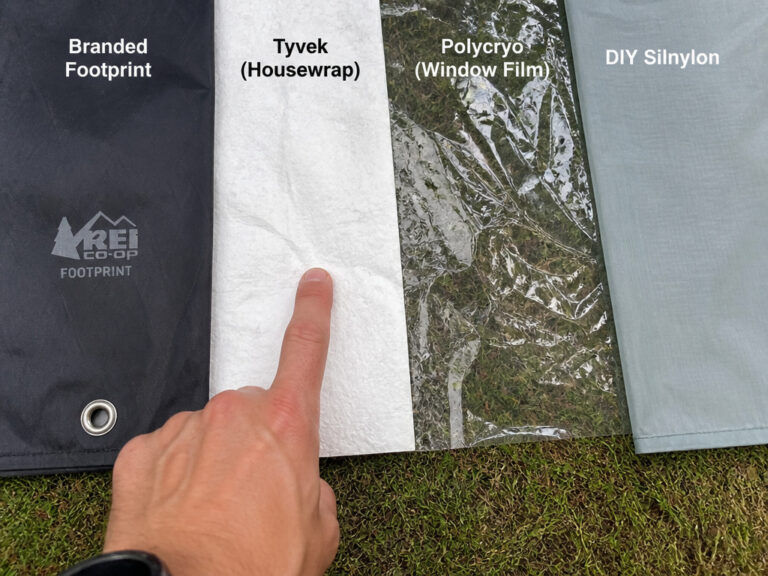
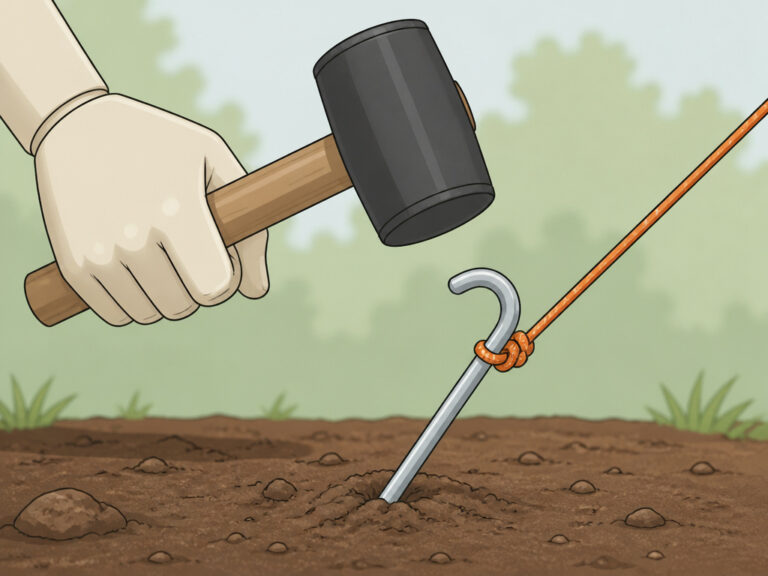
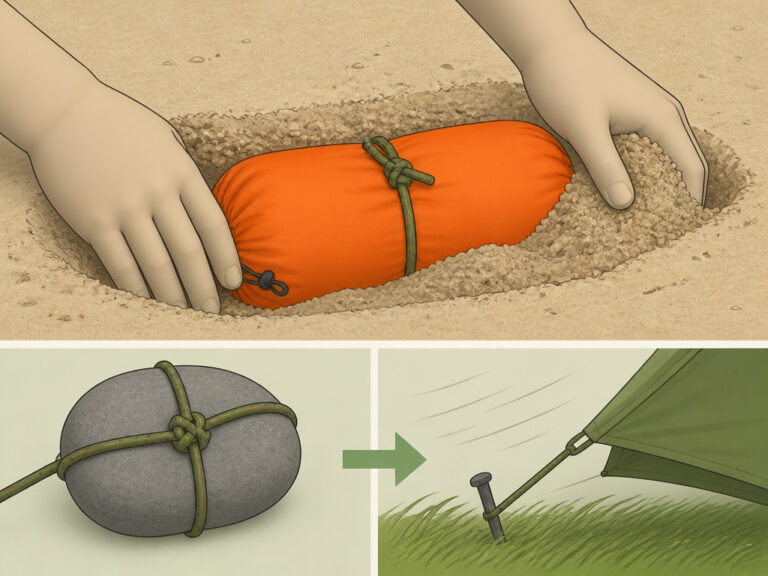
    Place a ground cover under your tent to keep moisture out. Use a waterproof tarp or a tent footprint to protect the tent floor. In dry places, a canvas tarp works well and makes less noise. Strong stakes and guylines help keep your tent steady. A mallet drives stakes firmly into the ground. These simple steps make your campsite more comfortable. Small details like these improve your camping experience. Try adding a groundsheet for extra warmth and cleanliness. Choose materials that fit the weather and terrain. This way, your tent stays dry and lasts longer.

  • How To Set Up A Big Tent

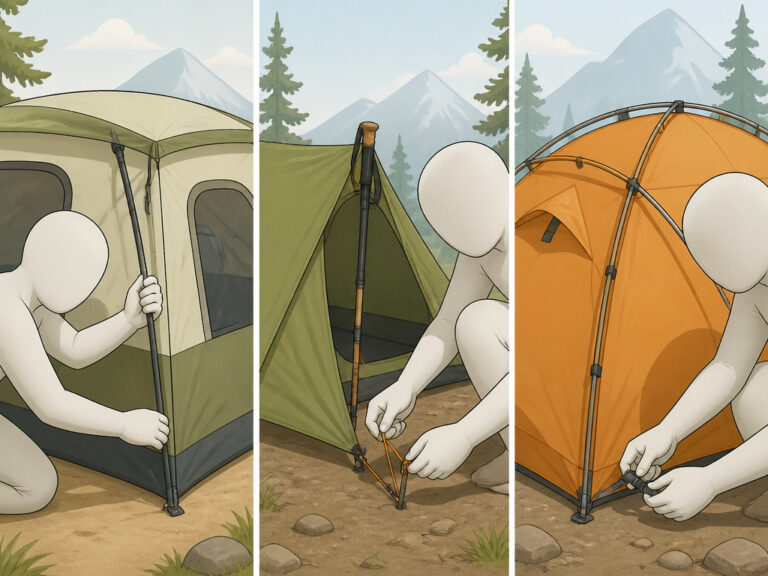
    Setting up a big tent needs careful steps. First, check all the parts. Pick a flat spot with no rocks or sticks. Clear the ground well. Use stakes to mark the tent’s shape on the ground. Put together the frame by fitting each pole in place. Secure the crossbars and legs tightly. Next, spread the canopy evenly over the frame. Fasten it firmly to the poles. Use stakes to hold the tent to the ground. Tighten ratchet straps to keep the fabric strong and smooth. Check the tent often to keep it stable and safe. This way, your big tent stays up and works well.

  • How To Create Tent Cards In Word

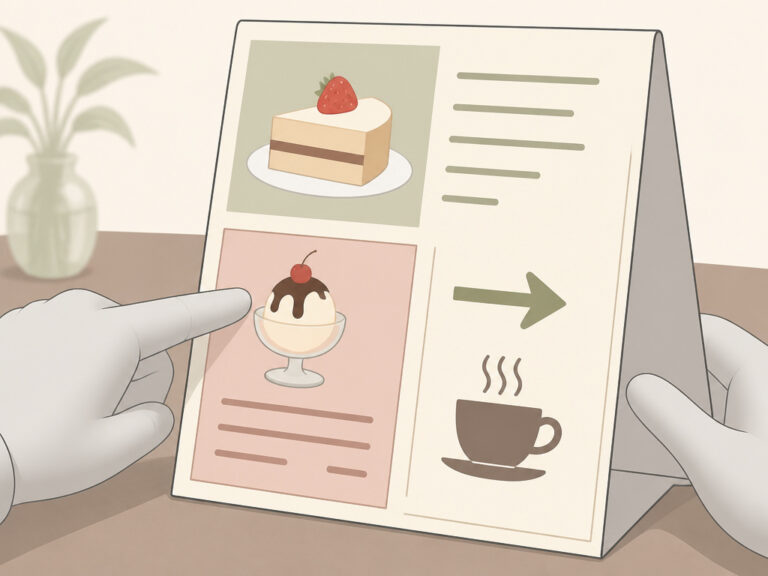
    Start by setting your Word document to 8.5″ x 11″. Change the page layout to horizontal. Add a table with two columns. Each column should be about 3.75 inches wide. This will help split the card into two parts. Use bold fonts sized between 150 and 200 points for clear text. Center your text inside the table cells. Rotate text for the back side to face the right way when folded. Use built-in templates or mail merge to save time. Print on thick paper for durability. These steps make strong, neat tent cards that stand well.

  • How To Fold A Tent

    Clean the tent well. Make sure it is dry to stop mildew. Pull stakes straight up. Use a stake puller for hard ones. Spread the tent flat on the ground. Smooth out all wrinkles. Fold the tent in even sections. Roll tightly from the thin end. This keeps air out. Pack the rainfly first. Next, add poles and pegs. Put everything in the stuff sack. This keeps the tent ready for your trip. Keep these steps clear for easy folding every time.

  • How To Make Name Tents

    Make name tents using strong materials like cardstock or thick fabric. Fold the paper into three equal parts and press the edges to make sharp folds. Write the name in big, clear letters in the middle section. Add pictures related to seasons or hobbies to make it personal. Keep the bottom fold about one inch wide so it stands well. Place tents on desks where everyone can see them easily. Use them every day to help people learn and remember names better. Simple steps, big help!

  • How To Find Surface Area Of A Tent

    Measure the tent’s length, width, and height first. Know the tent’s shape—dome, pyramid, or cylinder. Use the right math formula for that shape. For cone tents, the surface area equals π times radius times slant height plus π times radius squared. For other shapes, find their specific formulas. Accurate numbers prevent material waste and keep the tent comfy inside. Keep practicing these steps to get better at finding surface area. Simple math makes building or buying tents easier and smarter.

  • Haven Safari Hammock Tent

    The Haven Safari Hammock Tent offers a roomy and steady place to sleep for one camper. It has a flat design with aluminum bars that keep it open. The neck support adjusts to keep you comfortable. It weighs just over 12 pounds and fits into a small 20 x 10 x 5 inch pack. This tent holds up to 350 pounds, making it strong for many outdoor trips. A waterproof rainfly keeps rain and wind away, so you stay dry. This gear is perfect for campers who want comfort and protection in one. Explore more to learn useful tips and details.

  • How To Set Up A Canopy Tent

    Start by picking a flat spot. Clear away sticks, rocks, and trash. Look up to check for tree branches or wires above. Open the box and lay out all parts. Count them to make sure nothing is missing. Pull the tent legs apart to open the frame. Lock the legs in place so the frame stays firm. Place the canopy top over the frame. Match each corner carefully. Use Velcro straps to hold the canopy tight. Lift the legs to the height you want. Lock each leg so the tent stands strong. Use stakes to secure the tent to the ground if it is windy. This keeps your tent safe and steady. Simple steps, great results.

  • Where To Rent A Tent For A Party

    Renting a tent for your party is easy. Local party rental companies have many tent types. You can find frame tents, pole tents, or pop-up tents. Some companies specialize in tents for weddings or business events. Community event centers may offer tents with tables and chairs. Big stores sometimes rent tents too. Online sites make booking simple and fast. Know what you need before you rent. This helps you pick the best tent for your event.

  • How To Clean Tent Mold

    Clean mold from your tent with simple steps. Mix half a cup of vinegar with one gallon of water. Spray this mix on moldy spots. Let it sit for ten minutes. Scrub the area gently. For tough mold, use two teaspoons of tea tree oil in two cups of water. Test any cleaner on a small hidden fabric area first. Dry your tent well under sunlight. Sun kills mold spores and stops mold from growing. Keep your tent dry and clean to prevent mold. These steps help keep your tent fresh and safe for camping.