Types & Accessories

  • What Is A Tent Card

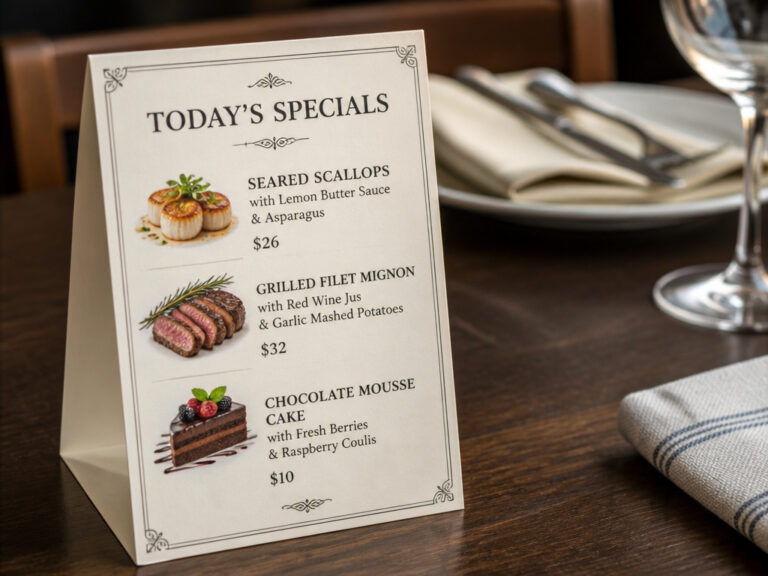
    Tent cards stand on tables and counters to catch eyes quickly. Made from folded cardstock, they form a triangle shape. Businesses use them in restaurants, stores, and events to share messages or offers. You can add pictures, text, or QR codes to make them interactive. Strong materials keep them looking good longer. Sizes vary to fit small or large spaces. Tent cards help increase sales and customer interest effectively. Many companies report a 30% boost in engagement using tent cards. Simple, clear, and smart marketing tools for any business.

  • How Do You Build A Tent

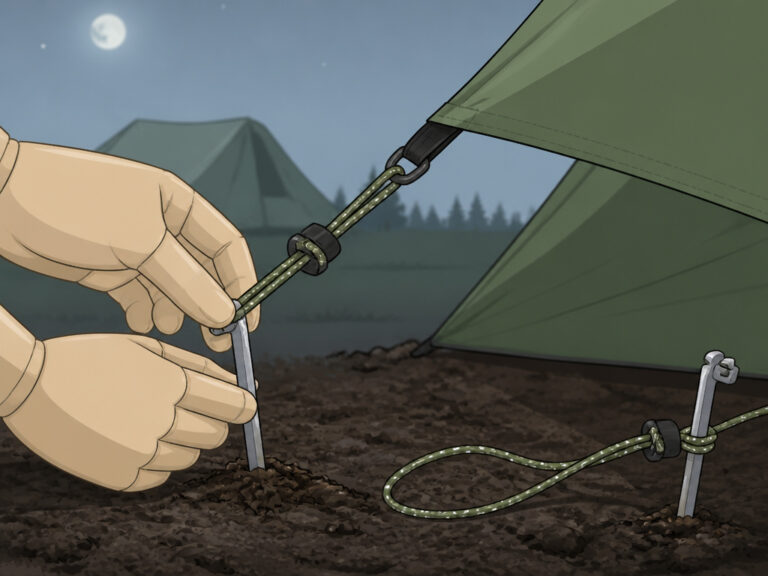
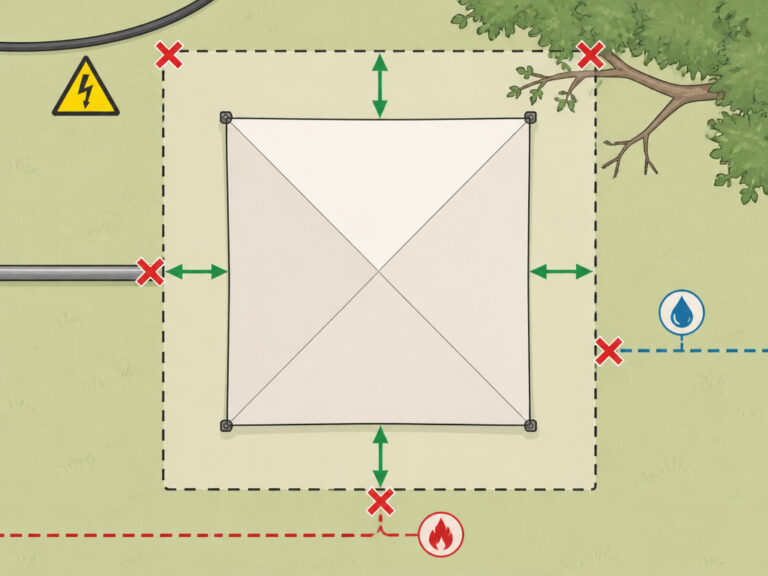
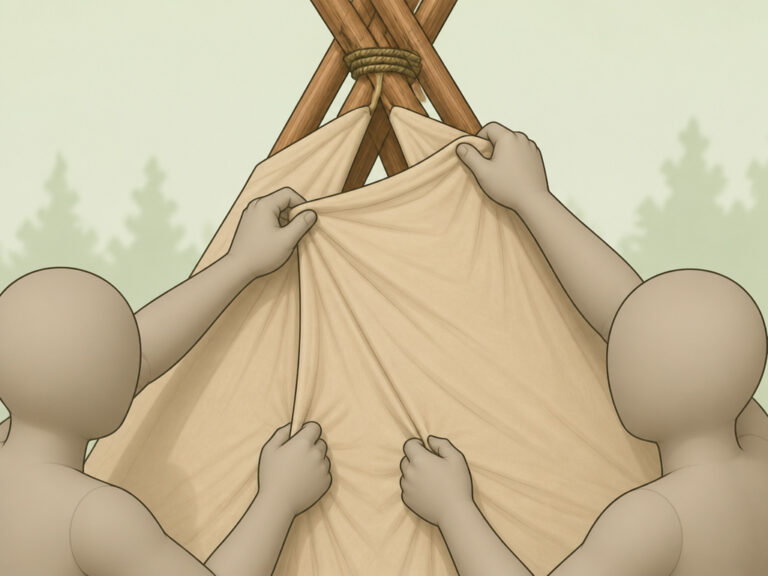
    Start by finding a flat, dry place away from water and rocks. Spread out all tent parts and check they fit together well. Connect poles by sliding them into sleeves and snapping them tight. Push stakes into the ground to hold the tent firm. Tighten ropes to keep the tent strong against wind. Put the rain fly on last, pull it tight, and adjust ropes to stop sagging. These steps make camping safe and easy.

  • Must Haves For Tent Camping

    A strong tent and a warm sleeping bag are must-haves for tent camping. A portable camp stove and lightweight pots make cooking easy. Bright headlamps or LED lanterns keep your camp lit at night. Carry a first aid kit to handle small injuries. Keep your gear neat and close inside your tent. These essentials make camping safe and fun. Planning well means you enjoy every moment outdoors.

  • How To Clean A Tent That Smells

    A smelly tent often means dampness or mildew inside. Warm water and mild soap work well to clean the tent. Scrub seams carefully; moisture hides there. For strong smells, mix vinegar with water or use an enzyme cleaner like Revivex. Let the tent dry fully in shade with good air flow. Drying stops mold and keeps smells away. Clean tents last longer and stay fresh. Try these steps to enjoy a clean, odor-free tent.

  • How To Choose A Tent

    Start by thinking about how many people will use the tent and how much gear you have. Pick from popular types like dome or frame tents. Dome tents are easy to set up and durable. Frame tents offer strong support and good space. Choose a tent size that fits your group plus two extra spots for gear. Season matters. A 3-season tent works well in spring, summer, and fall. For cold winter trips, select a 4-season tent made to handle snow and wind. Weight counts if you carry the tent far. Lighter tents help backpackers move faster. Look for sturdy materials like nylon or polyester. Good features include vents, rain flies, and easy zippers. These keep you dry and comfortable. A smart choice makes camping fun and safe.

  • How To Make A Table Tent In Word

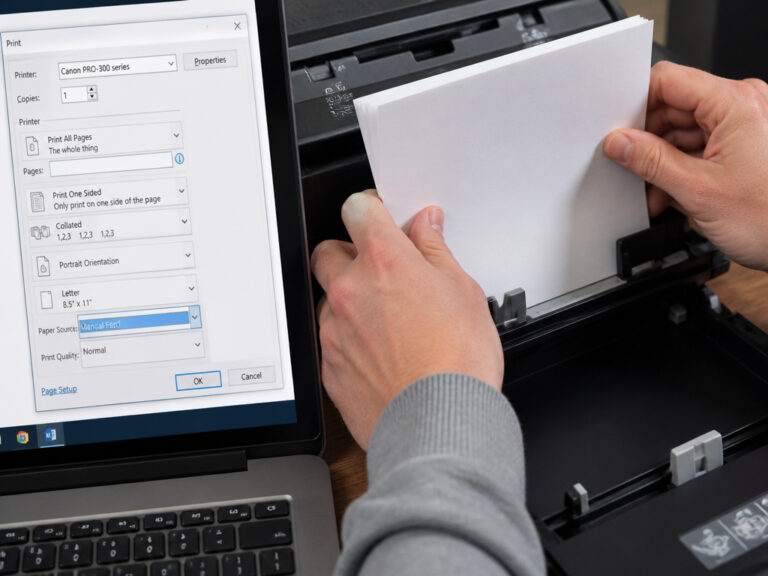
    Make a table tent in Word by setting the page to landscape. Set the margins to 0.25 inches on all sides. Insert a table with one row and two columns. Each cell should be 3.75 inches tall and 1.83 inches wide. Add text boxes inside each cell for names or titles. Use a large font size, about 150 pt, and center the text. Rotate the text in each cell to make it readable from both sides. Print the tent on thick paper for a sturdy feel. Fold the paper down the middle to create the tent shape. This method creates clear, professional-looking table tents quickly.

  • What Are Pop Up Tents

    Pop-up tents provide fast, reliable shelter outdoors. They protect you from sun and light rain. These tents use spring-loaded frames made from fiberglass or steel. Setup takes only a few minutes. Sizes and styles vary, from simple shade covers to tough, feature-rich tents. They are light and easy to carry. Perfect for camping, festivals, or market stalls. Pop-up tents make outdoor activities more comfortable and enjoyable. Take care to keep them clean and dry for longer use.

  • Where To Get A Tent

    Find a tent at big outdoor stores like REI Co-op. They offer many types, such as light tents and family tents. Check online shops like Amazon and Walmart to compare prices easily. Specialty stores sell unique tents like geodesic or pop-up styles. Need a tent only for a short time? Rental shops rent tents in different sizes. Camping gear shops and local markets can also have tents. Explore all these places to pick the best tent for your trip.

  • What Makes A Tent A 4 Season Tent

    A 4-season tent stands strong against tough weather. It has a strong dome frame with crossing poles to fight wind and shed snow. The fabric is thick and tough, like cotton canvas or strong nylon. This fabric keeps heat inside better than 3-season tents. Vents help control moisture and keep air flowing. Seams are sealed tight to stop rain and snow from coming in. These tents offer extra space for gear, making winter trips easier. Many top models show these features clearly in tests and reviews.

  • How To Assemble A Tent

    Start by finding a flat, level spot at least 200 feet from water. Place a strong tarp or footprint on the ground. Remove rocks and sticks from the area. Unfold the tent poles and slide them into the sleeves. Cross the poles to form an “X” shape. Lift the tent and push the poles upright. Use stakes to hold the tent firmly in place. Attach the rain fly made of tough fabric like 70D Ripstop Polyester. Make sure to stake all guylines tightly. This setup keeps your tent stable and dry. Simple steps for a safe and comfy camp!

  • What Fabric Are Tents Made Of

    Tents use different fabrics like nylon, polyester, canvas, and special blends. Nylon feels light and strong. It works well for hikers. Polyester mixes strength and water resistance. Canvas is thick and lets air pass but needs waterproof spray. Polycotton dries faster and feels soft like cotton. Some tents use tough materials like Cuben fiber and PVC for harsh weather. Each fabric has its own good points. Knowing these helps you pick the best tent. Read on to learn about each type.