
What Is a Bivy Tent? The Real Pros, Cons, and Trade-Offs
This post contains affiliate links. As an Amazon Associate, we earn from qualifying purchases.
A bivy tent is a waterproof bivy sack, a minimalist, single-person shelter that wraps your sleeping bag like a cocoon. It protects against rain and wind while trapping body heat, but trades space and ventilation for extreme weight savings and stealth. It’s a tool for speed, not comfort.
I pitched my first bivy on a desperate, moonless night in the Scottish Highlands. The wind was picking up, my headlamp was dying, and the idea of wrestling with tent poles felt impossible. I unrolled my sack, slid in, and was sheltered in under thirty seconds. That’s the magic, and the stark reality, of the bivy life. It’s not a tiny tent. It’s a different beast entirely, one that rewards specific skills and punishes casual assumptions.
This guide cuts through the confusion. We’ll look at what a bivy actually is, the unavoidable trade-off you must accept, and the exact trips where swapping your tent for this minimalist shelter makes brilliant sense.
Key Takeaways
- A true “bivy tent” is a waterproof bivy sack made of a breathable laminate like Gore-Tex. A bug bivy is just a mesh net and offers zero rain protection.
- Condensation isn’t a maybe; it’s a guarantee. You will feel the damp, cold press of fabric against your cheek a few hours after zipping up.
- The famed weight advantage often vanishes when you add the necessary tarp for livability, bringing the system’s weight close to many lightweight one-person tents.
- Setup is blisteringly fast, under 30 seconds, which is a legitimate survival advantage in changing weather or for stealth camping.
- It’s claustrophobic. You cannot sit up, read, or comfortably change clothes. This is a sleeping coffin, not a living room.
A waterproof bivy sack utilizes a microporous laminate membrane (e.g., Gore-Tex, eVent) bonded to a durable outer fabric. These membranes contain pores smaller than a water droplet but larger than a water vapor molecule, theoretically allowing perspiration to escape while preventing liquid water from entering. This balance defines the shelter’s performance and its primary limitation.
What Exactly Is a Bivy Tent (And What Is It Not)?
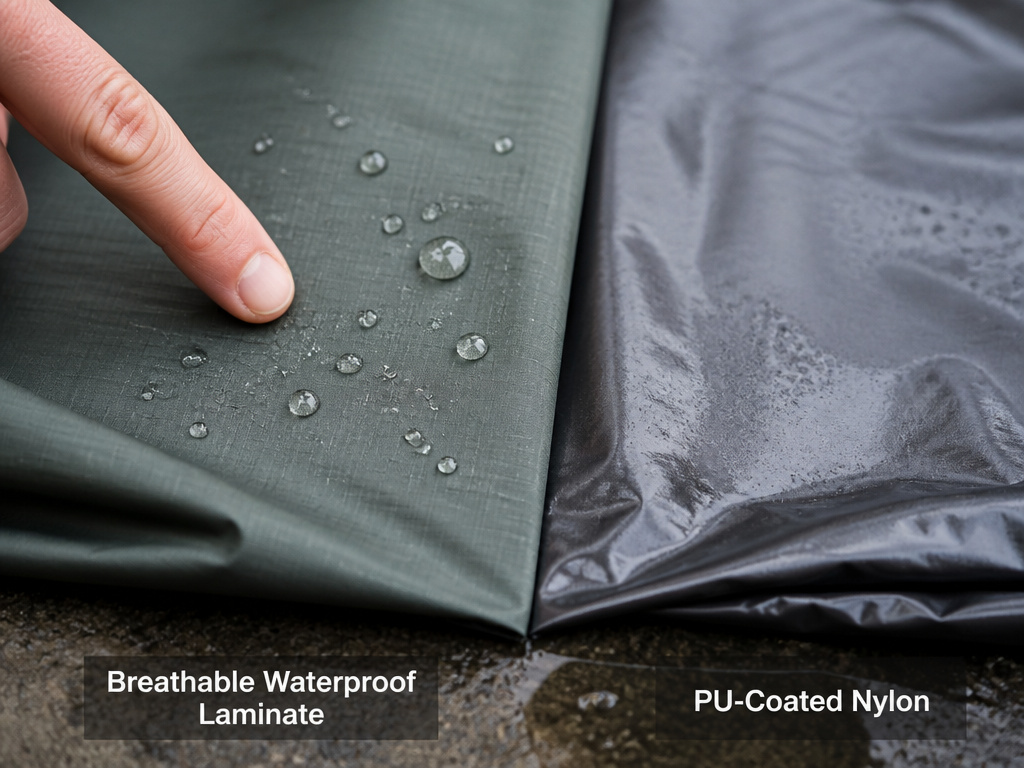
Let’s clear this up first. The term “bivy tent” is marketing shorthand that causes endless confusion. A true bivy tent is a waterproof bivy sack. It’s a fabric envelope, often with a hoop at the head for a bit of breathing room, that you slip your sleeping bag and pad into. It has no poles, no vestibule, and barely any volume beyond your body.
The imposter is the bug bivy. This is a mesh top with a waterproof floor. It’s fantastic for keeping mosquitoes off you on a dry, starry night, but if a single raindrop falls, you and your sleeping bag are getting wet. I’ve watched hikers on the Oregon Coast learn this lesson the hard way, their expensive down bags damp and useless by midnight.
The core difference is the fabric. A proper bivy uses a breathable, waterproof laminate. This isn’t just a coated nylon; it’s a engineered membrane. As noted in the U.S. Army Corps of Engineers condensation guidelines, the physical dynamics of vapor transfer and temperature differential are critical in confined shelters. The bivy sack is a perfect laboratory for these forces.
Common mistake: Buying a “bivy” based on price alone and ending up with a non-breathable PU-coated sack for a humid trek. The interior will become a wet locker within 2–3 hours, soaking your bag’s outer layer and slashing its insulation value.
The Unavoidable Trade-Off: Condensation Is Your Roommate
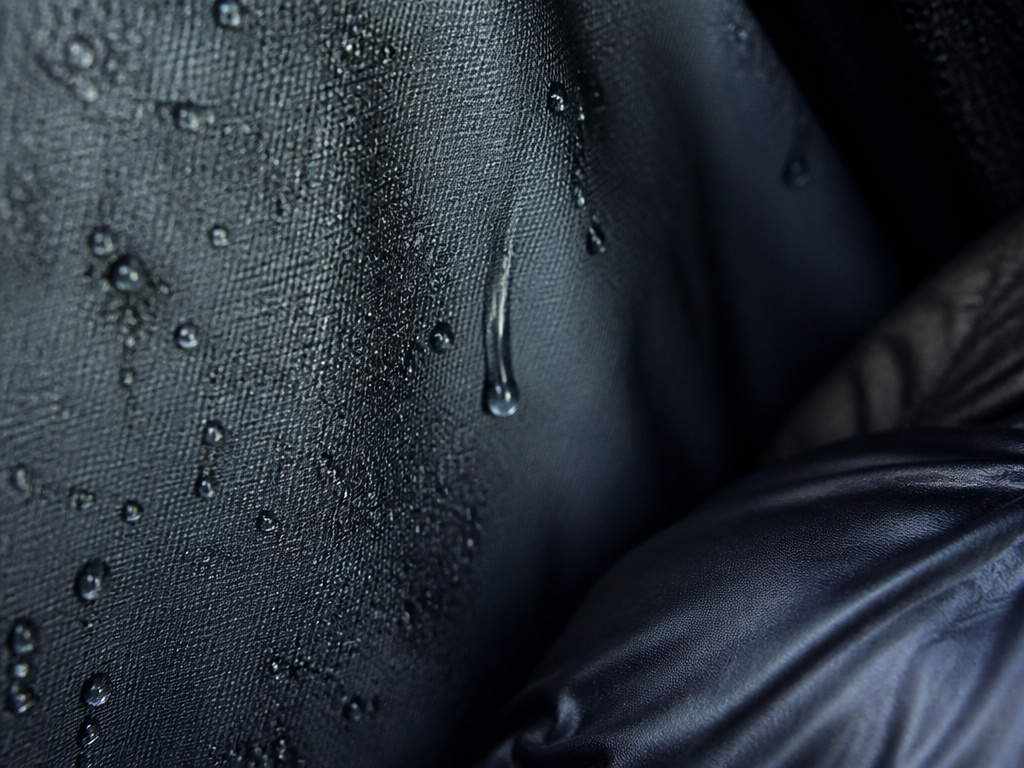
You will get wet inside. Not from rain, but from you. Your body exhales about a liter of water vapor overnight. In a sealed, waterproof enclosure, that vapor hits the cooler inner fabric and turns to liquid. Breathable laminates help, but they’re not a forcefield.
I’ve woken up in my Rab Storm Bivy on the Tahoe Rim Trail with droplets so heavy they’d roll into my hair if I turned my head. That cold, clammy press against your cheek an hour after zipping up, that’s the trade-off. In near-freezing conditions, the pores in even the best Gore-Tex contract, slowing breathability to a crawl.
So how do you manage it? You build a system.
1. Never skip the tarp. Pitch it with a steep angle and a generous gap over the bivy for airflow. This keeps rain off and lets vapor escape. A lightweight tarp tent can serve this role perfectly.
2. Site selection is non-negotiable. Avoid valleys where cold air pools. A slight slope or a breezy ridge reduces the temperature differential that drives condensation.
3. Wipe it down. Every. Single. Morning. Pack a small microfiber towel. Skip this, and you’re packing a petri dish. I killed my Outdoor Research Helium Bivy on a 2019 trip along California’s Lost Coast Trail. I packed it damp after two foggy mornings, and by the time I got home, black mildew spots had bloomed across the footbox. The Gore-Tex laminate was permanently stained.
TL;DR: Condensation is inevitable. Manage it with a tarp, smart siting, and religious morning drying, or your gear will pay the price.
Bivy vs. Tent: A Clear-Cut Decision Matrix
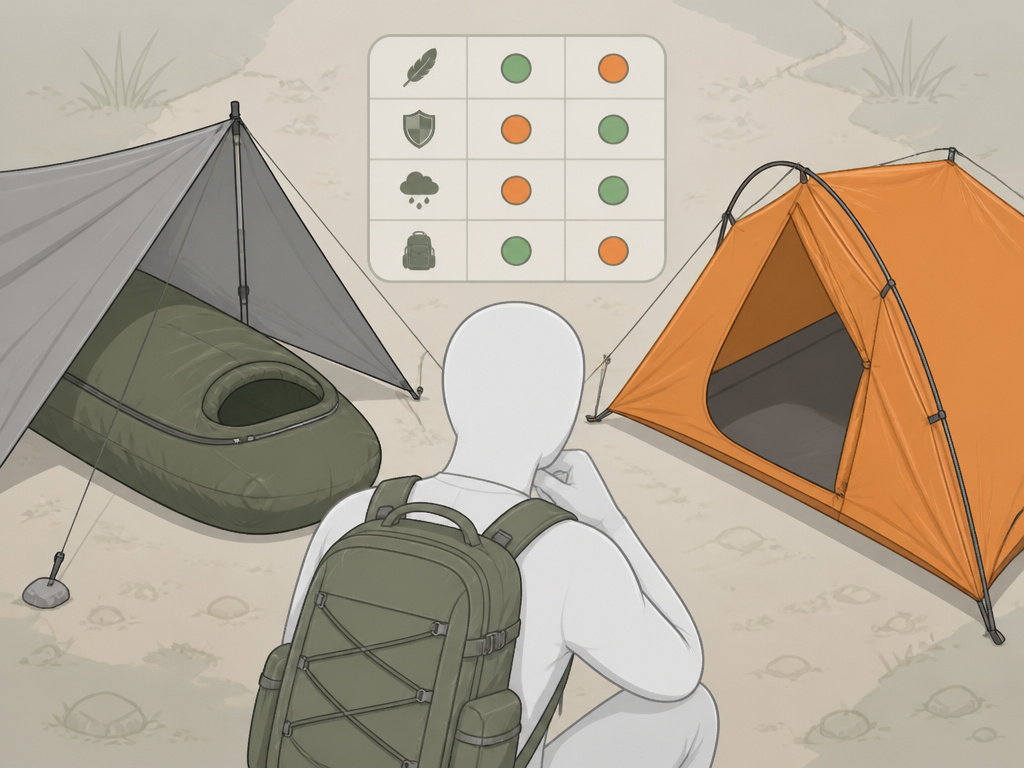
Is a bivy right for you? It’s not about grams alone. It’s about your trip’s personality. This table breaks down where a bivy shines and where a tent is the undisputed winner.
| Your Trip Scenario | Bivy Sack + Tarp System | Traditional Solo Tent | Verdict |
|---|---|---|---|
| Stealth Camping | Extremely low profile, sets up silently in under 30 seconds. | Poles and silhouette are visible, setup is slower and noisier. | Bivy Wins |
| Fast & Light Alpine Mission | Combined weight can dip under 2 lbs. Superior wind shedding. | More space but often heavier. Can catch wind. | Bivy Wins |
| Multi-Day Rainy Trek (e.g., PNW) | Condensation management becomes a daily, draining chore. | Dry interior, space to sit out storms, organize gear. | Tent Wins |
| Summer Weekend, Dry Climate | Simple, fast, and sufficient. Bug bivy may even work. | More comfort than needed for fair weather. | Toss-Up |
| Camping with a Partner | Not an option. | The only option, like with a two-person backpacking tent. | Tent Wins |
The weight advantage looks compelling on paper, until you remember you’ll also need a tarp. (And honestly, who packs a bivy without one?) The combined weight of a robust bivy-tarp system often matches that of many ultralight two-person tents or dedicated solo backpacking tent models, turning the choice into one of flexibility versus livability.
The Three Types of Bivy Sacks: Picking Your Poison
Not all bivies are created equal. Choosing the wrong type is the fastest route to a miserable night. Here are the three categories.
-
The Waterproof Bivy Sack (The “True” Bivy Tent)
- Materials: Gore-Tex, eVent, or similar premium laminate.
- Purpose: Standalone rain and wind protection.
- Best for: Alpine travel, emergency shelter, stealth camping where a tarp isn’t pitched.
- The Catch: Expensive, and condensation is still a major factor.
-
The Water-Resistant / Hybrid Bivy
- Materials: PU-coated nylon with some breathable panels.
- Purpose: Splash protection and wind blocking under a tarp shelter.
- Best for: Ultralight backpackers using a large tarp who want a protective inner layer.
- The Catch: Not for standalone use in sustained rain. Breathability is poor.
-
The Bug Bivy
- Materials: Mesh body, waterproof floor.
- Purpose: Insect protection only.
- Best for: Desert hiking, summer nights under a stars with no rain forecast.
- The Catch: Absolutely no rain protection. Mislabeling this as a “bivy tent” is a common retail sin.
If you’re looking at affordable tent brands like Naturehike, be very careful. They often sell bug bivies that are mistakenly marketed as all-season shelters. Always check the material description.
How to Set Up a Bivy Correctly (The 30-Second Method)
The legendary setup speed only happens if you do it right. A messy bivy is a wet, uncomfortable bivy. Follow this sequence.
Before you start: A poorly chosen site can lead to pooling water under you or excessive condensation. A badly pitched tarp can fail in wind, leaving you exposed. Always have a headlamp ready for after-dark adjustments.
- Insert Your Sleep System First. This is the pro move. Slide your inflated pad and sleeping bag into the bivy before you hit the campsite. It keeps the interior dry and everything aligned. Trying to arrange a pad inside a deployed bivy on a windy ridge is a fool’s errand. I’ve done it, and my bag soaked up ground moisture before I even got in.
- Site with Drainage in Mind. Clear debris. A slight incline is your friend to prevent water pooling under your hips.
- Deploy and Orient. Lay the bivy out. If it has a head hoop, orient it so the vent is angled away from the prevailing wind to minimize drafts.
- Pitch the Tarp. If using one, create that critical air gap. A-frame or lean-to pitches work well. This takes practice, a sloppy pitch leads to a flapping, face-slapping nightmare, just like in that YouTube video.
- Enter and Settle. Unzip, slide in feet-first, and zip up. Wiggle to get your pad flat underneath you.
TL;DR: Practice the insert-first method at home. It turns a frantic fumble into a smooth, fast deployment that actually lives up to the hype.
Gearing Up for the Bivy Life: Your Sleep System Matters
Your bivy is only one part of the equation. Your sleeping bag choice becomes critically important.
- Synthetic over Down: In a damp bivy environment, a synthetic bag like the Therm-a-Rest Questar is more forgiving. Its insulation won’t collapse permanently when damp, unlike down. I learned this after a soggy night ruined the loft in my old Feathered Friends bag.
- Pad Insulation: Your pad’s R-value is key. You’re directly on the ground. Skimp here, and you’ll be cold regardless of your bag.
- The Morning Kit: Pack a dedicated small microfiber towel and a gallon-sized Ziploc bag to store it in after wiping down the bivy’s interior.
If you’re comparing this system to a lightweight backpacking tent, remember you’re also comparing the cost of a high-end bivy, a good tarp, and a possibly more expensive synthetic bag. Sometimes, a simple budget tent option under $100, while heavier, offers a simpler, drier solution for the casual backpacker.
Frequently Asked Questions
Does a bivy sack keep you dry in the rain?
waterproof bivy will keep rain from falling on you. However, condensation from your own breath and sweat will dampen the inside of the bivy and the outside of your sleeping bag. You will not wake up soaked from rain, but you may feel damp from condensation.
Can I use a bivy sack without a tarp?
You can, but only in absolutely dry, clear conditions or in a true emergency. In any humidity or with rain in the forecast, using a bivy alone guarantees you’ll be sleeping in a damp envelope. The tarp is essential for managing the microclimate.
How much warmer is a bivy than a tent?
Significantly, in dry, cold conditions. A bivy eliminates drafts and reduces the volume of air your body has to heat. This can feel like adding 5-10 degrees to your bag’s rating. In wet conditions, however, the chilling effect of condensation can negate this benefit entirely.
Are bivy sacks claustrophobic?
For many people, yes. The fabric is often inches from your face, and you cannot sit up. If you dislike confined spaces, test a bivy in your backyard before committing to it on a trip. The space in even the most compact backpacking tents will feel palatial in comparison.
What’s the lifespan of a bivy sack?
With meticulous care, always storing it clean, dry, and loosely, a laminate bivy can last 5-10 years. With neglect (packing it damp, storing it compressed), the laminate can delaminate in a single season. Your care routine directly dictates its lifespan.
Is a bivy good for winter camping?
It can be, but with major caveats. The warmth boost is great, but condensation management is harder in freezing temps as breathability drops. Ventilation is crucial to prevent your breath from freezing into ice on the interior, which can then melt onto you later.
The Bottom Line
A bivy tent is a specialist’s tool. It’s for the fastpacker moving light over a mountain pass, the stealth camper needing to disappear at dusk, or the alpinist who counts every gram above treeline. It is not a universal replacement for a tent.
The 30-second setup is real. The weight savings can be real, if you’re honest about the full system weight. But the morning ritual of wiping condensation from the ceiling is just as real. Before you buy, ask yourself if your trips prioritize speed and minimalism over space and dry comfort. For most multi-day adventures, especially in variable climates, a reliable lightweight one-person tent or a duo backpacking shelter will offer more enjoyment and less daily maintenance.
Choose the bivy for the mission, not just the myth of ultralight freedom. Your future dry, rested self will thank you for the honesty.
