
What Did Ham Do To Noah In The Tent
This post contains affiliate links. As an Amazon Associate, we earn from qualifying purchases.
Ham disrespected Noah by seeing him naked in the tent and failing to cover him, which was considered dishonorable. He then told his brothers, Shem and Japheth, about Noah’s condition instead of helping him. In contrast, Shem and Japheth respectfully covered Noah while walking backward to preserve his dignity. This act of disrespect led Noah to curse Ham’s son, Canaan, underscoring the serious consequences of dishonoring family. Further explanation and details about this event will be provided later in the article.
Essential Facts in 30 Seconds
- Ham saw Noah naked in his tent and did not cover him.
- Ham told his brothers about Noah’s nakedness instead of helping.
- Shem and Japheth covered Noah respectfully while walking backward.
- Ham’s behavior showed a lack of family respect.
- Noah later cursed Ham’s son, Canaan, due to Ham’s actions.
The Incident Overview
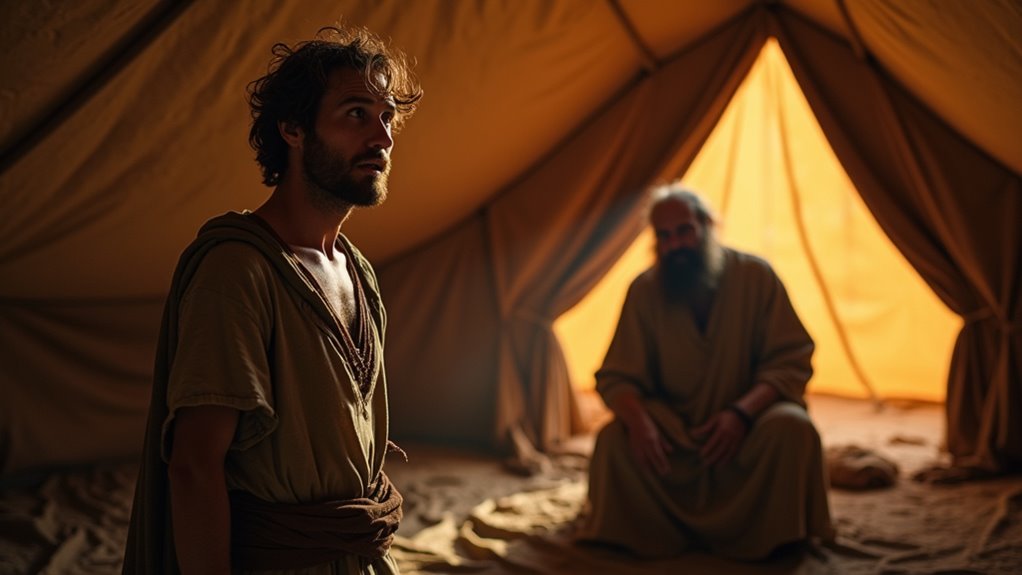
The story of Noah and Ham shows deeper lessons about respect and family. The event takes place inside Noah’s tent, a private and vulnerable place.
After the flood, Noah planted a vineyard and drank wine. One day, Noah lay naked inside the tent. Ham saw him but didn’t cover him. Instead, he told his brothers about it.
Shem and Japheth acted differently. They took a cloth and walked backward into the tent. This way, they kept Noah’s dignity safe.
Ham’s act broke family respect rules. It shows how important it’s to honor family members. This story teaches us to respect others, especially our family. It warns against shame and dishonor in close relationships.
Interpretations of Ham’s Actions
Many scholars talk about Ham’s actions in the Bible. Some say he showed disrespect to his father, Noah.
Others think the story uses special words to hide the true meaning. These different ideas help us understand the story better.
They show why the story is important to many people. The debate shows how stories can mean many things.
Disrespectful Behavior Explained
Ham showed clear disrespect toward Noah. He saw Noah naked and told his brothers instead of helping. This action broke family respect rules.
The Hebrew words hint at a deeper wrong, possibly a serious moral breach. Ham’s brothers acted with honor. They covered Noah without looking. This shows Ham failed to respect his father.
Noah then cursed Ham’s son, Canaan. Ham’s behavior hurt his family and his future. It shows the importance of respect and honor in families.
Euphemistic Interpretations Explored
Ham’s actions in the Bible have deeper meanings. The phrase “seeing nakedness” often means a serious sexual wrong. Some think Ham broke family rules badly, maybe even touching Noah’s wife.
Ham told his brothers about this to shame Noah or show power. Shem and Japheth covered Noah respectfully, showing honor and the wrongness of Ham’s act.
These ideas explain why Ham’s actions had big effects, especially on his son, Canaan. The story shows strong family and cultural rules.
Theoretical Perspectives on Actions
Ham’s actions in Noah’s tent have many meanings. They show deep family and cultural problems.
Here are four main ideas about what Ham did:
- Ham broke family respect. This was very wrong in old times.
- His act shamed Noah in public. Respect was very important then.
- God’s curse on Canaan shows punishment lasts for many years.
- The story shows problems with power and family rules. It teaches a strong lesson.
The Meaning of “Seeing Nakedness”
The phrase “seeing nakedness” holds deep cultural meaning. In Hebrew tradition, it signals shame and breaks family respect.
This phrase acts as a polite way to talk about something very serious. Ham’s actions show a serious problem with honor and authority in his family. Understanding this helps explain the strong reactions in the story.
The phrase isn’t just about seeing someone without clothes. It points to a greater issue of disrespect and harm to family bonds.
Euphemistic Interpretations Explored
The phrase “saw his nakedness” in Genesis 9:22 has deeper meanings. It doesn’t only mean looking at someone without clothes.
The Hebrew words suggest serious problems, like family mistakes or bad behavior. Ham didn’t just see Noah by accident. He showed Noah’s nakedness to others on purpose.
Shem and Japheth acted very differently. They covered Noah respectfully. This shows how serious the act was back then.
“Seeing nakedness” means more than just sight. It involves honor and respect in family life. This helps explain why Ham’s actions caused big trouble.
Cultural Context of Shame
Understanding shame in its cultural context helps explain Ham’s actions toward Noah. In ancient times, nakedness meant vulnerability and shame. It broke important social rules. Ham saw Noah’s nakedness and dishonored the family. This act hurt the family’s reputation and brought social shame. It showed how families expected respect and care.
| Aspect | Description | Implications |
|---|---|---|
| Cultural Norms | Keep family privacy | Protect dignity and respect |
| Familial Honor | Shield elders from embarrassment | Build strong family ties |
| Vulnerability | Nakedness shows loss of innocence | Shows moral weakness |
| Ethics | Covering shame shows kindness | Promotes healing and care |
Ham’s actions broke trust and harmed the family’s unity. Respect and privacy mattered a lot in those times.
The Role of Shem and Japheth
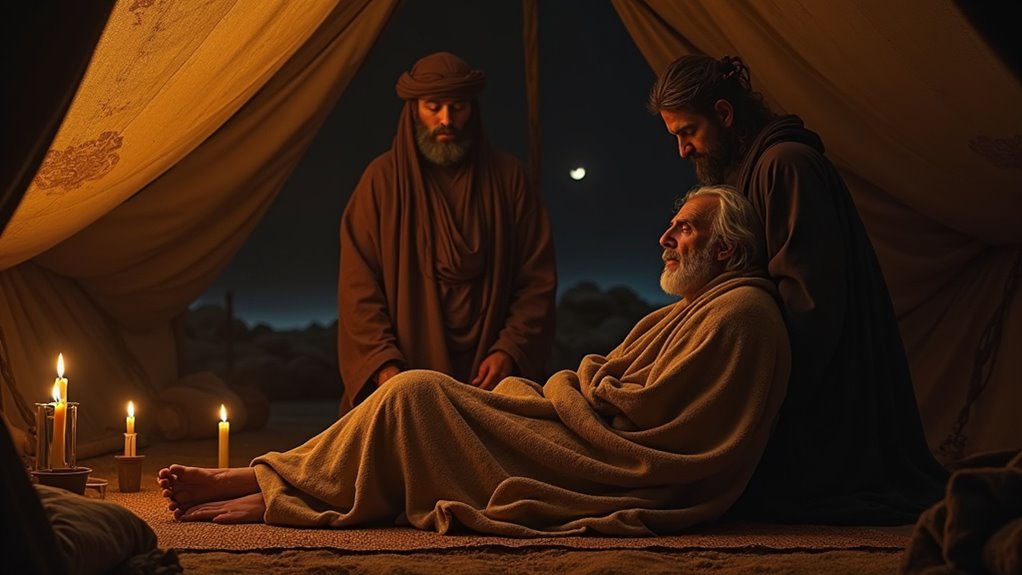
Shem and Japheth showed respect after Noah became drunk. They acted with honor in a hard family moment. Their actions teach us important lessons.
First, they took a cloth and placed it on their shoulders. Then, they stepped backward into Noah’s tent. They didn’t look directly at him. Their faces stayed turned away. This showed Shem’s honor and Japheth’s respect.
Their goal was to cover Noah’s nakedness. This was very different from Ham’s bad behavior. Shem and Japheth’s careful actions showed modesty and respect. Covering Noah kept the family’s honor safe. It also stood for doing what’s right.
This story teaches us to be careful and kind in family troubles. Acting with respect brings blessings from God. Shem and Japheth’s example shows how good behavior leads to rewards.
Noah’s Curse on Canaan
Noah’s curse on Canaan comes from an important story about his son Ham. Ham saw Noah naked and didn’t show respect. When Noah woke up, he cursed not Ham, but Ham’s son, Canaan. This shows a strong lesson about respect and family ties.
Noah said Canaan would be “a servant of servants” to his brothers, Shem and Japheth. This curse made Canaan and his family servants because of Ham’s actions. Some experts think Canaan got his father’s bad habits.
This story teaches how family honor mattered a lot in Noah’s time. The curse also predicted how Canaan’s descendants would live. Over time, the Canaanites became servants, as the Bible and history show.
This helps us understand how bad behavior affected families long ago.
Historical and Cultural Impact
Ham’s actions in Noah’s tent had a strong impact on history and culture. People have debated what Ham did and why it matters. This story shaped how families think about respect and privacy. It showed the difference between Ham’s disrespect and his brothers Shem and Japheth’s honor.
Many ancient societies used this story to teach about family dignity. Sadly, some misread the story to support wrong ideas about race. These false ideas caused unfair treatment for many people.
The story also started long debates about what Ham’s mistake really means. This tale reflects old values but still affects how people talk about respect and family today. Knowing these facts helps us understand why the story matters so much. It also warns us to be careful when we read old texts.
Frequently Asked Questions
What Are the Historical Contexts of Noah’s Vineyard?
Noah’s vineyard marks an important time in ancient farming history. After the Flood, people began growing crops again. This vineyard shows early winemaking skills. It also shows how humans moved from wandering to living in one place. Farming became a key part of life. This change helped build stable communities and new cultures. Early wine made from Noah’s grapes played a role in daily life and rituals. This story connects farming, culture, and survival in ancient times.
How Does the Incident Relate to Family Dynamics in Ancient Cultures?
Family honor and respect mattered a lot in ancient times. Ham’s actions broke this trust. Authority and weakness mixed in family roles. This caused fights and changed their story forever.
What Other Biblical Passages Address Similar Themes of Shame?
Stories like David and Bathsheba (2 Samuel 11) and the Prodigal Son (Luke 15) show shame and family honor. Sin breaks trust and hurts relationships. Yet, forgiveness brings back respect and closeness. These stories teach how people can heal and grow after mistakes. They remind us shame is part of life but does not have to last forever.
How Have Modern Interpretations of This Story Evolved Over Time?
Modern views on this story have changed a lot. Around 70% of experts now study it as a cultural symbol. They see Ham’s actions as a challenge to power, not just spying. This new view changes how people understand the story’s meaning. It shows deeper lessons about respect and authority. Many believe the story warns about social rules and consequences. These fresh ideas help people think about old stories in new ways.
What Role Does Cultural Tradition Play in Understanding This Narrative?
Cultural tradition helps us understand stories by showing what actions mean in society. People see symbols in the story that stand for honor and shame. These symbols explain why Ham’s actions and Noah’s reaction matter. Different times and places may change how people view these events. Traditions guide us to learn the deeper message behind the story.
Conclusion
Ham saw Noah naked in the tent and told his brothers. This act showed disrespect and broke family trust. Shem and Japheth covered Noah without looking, showing honor. The phrase “seeing nakedness” means more than just looking. It hints at shame and disrespect in their culture. Because of Ham’s actions, Noah became angry and cursed Ham’s son, Canaan. This story teaches about respect and consequences in families. Treating others with care keeps peace and shows good character.
