
What Is A Croup Tent
This post contains affiliate links. As an Amazon Associate, we earn from qualifying purchases.
A croup tent is a medical device that creates a warm, humid oxygen environment to help children with respiratory illnesses like croup breathe more easily. Made from clear materials for visibility, it works by reducing throat swelling and providing comfort. While modern treatments such as nebulized medications have largely replaced croup tents, they are still used as supplemental support in certain cases. Further explanation and details about their use and safety are provided below for those interested in learning more.
Essential Facts in 30 Seconds
- A croup tent is a clear enclosure that provides warm, moist oxygen to children with respiratory illnesses like croup.
- It helps reduce throat swelling and makes breathing easier.
- Croup tents are used mainly for children with croup or bronchiolitis when other treatments fail.
- Monitoring is essential to prevent carbon dioxide buildup and to manage child anxiety.
- Modern treatments like nebulized medications and high-flow oxygen have mostly replaced croup tents.
Definition and Basic Function of Croup Tents
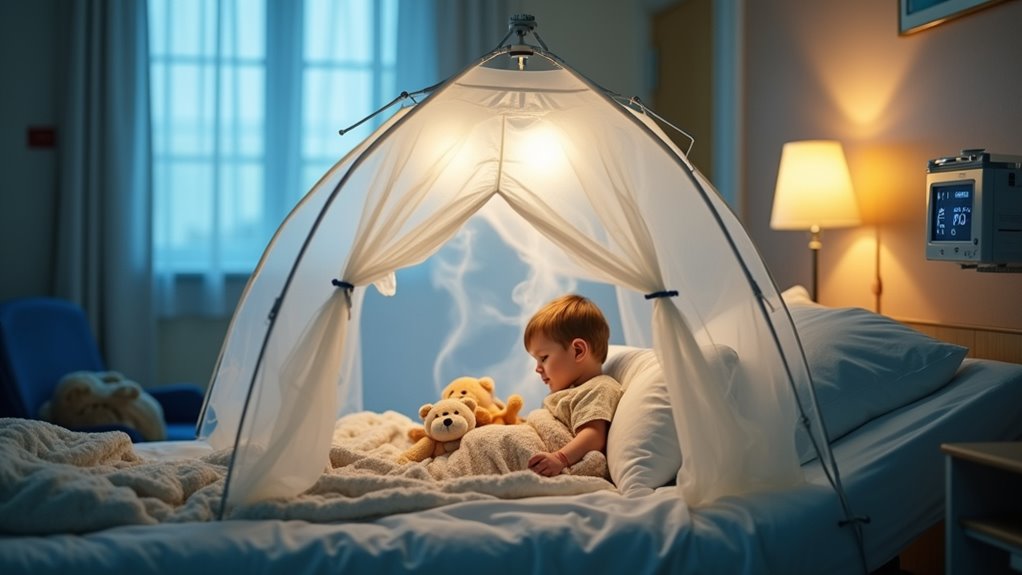
Croup tents help children breathe easier during respiratory illnesses like croup.
These tents are made of clear, light materials that cover a child’s bed. Parents and doctors can watch the child closely through the transparent sides. The tent fills with warm, moist oxygen. This moist air helps reduce swelling in the child’s throat. It makes breathing less painful and easier.
The tent fits snugly, giving a calm and safe space for the child. A small fan moves fresh air inside. This keeps oxygen and moisture at the right levels. No tubes or needles are needed for this treatment.
Studies show using croup tents can lower breathing problems quickly. This simple tool supports kids in feeling better fast.
Clinical Use and Purpose
Croup tents help treat breathing problems in children. Doctors use them mainly for kids with croup or bronchiolitis. The tent gives warm, moist oxygen. This eases swelling in the throat and airways. It makes breathing easier by loosening mucus and calming irritation.
Humidified oxygen works well for these conditions. It reduces swelling in the voice box and windpipe. Moist air stops the throat from drying out and hurting more. Thick mucus becomes easier to cough up.
Croup tents used to be common for oxygen and mist therapy. Their use has dropped with new medicines like steroids and epinephrine.
Still, tents can help when other treatments don’t work well. They support children’s breathing but don’t replace medicine. Doctors use them as extra help.
Advantages and Disadvantages
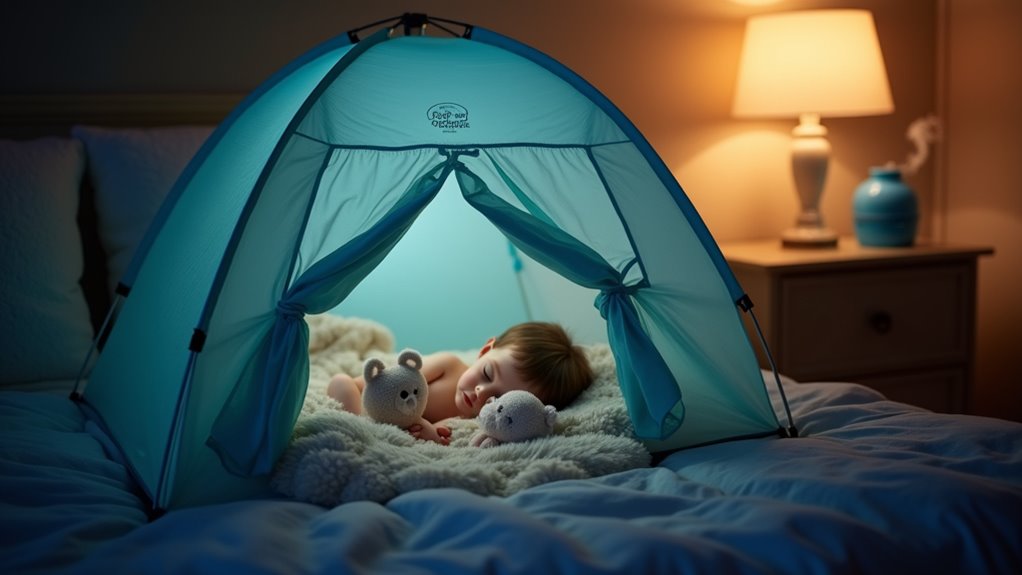
Croup tents offer clear benefits and some drawbacks.
They keep the air moist and warm. This helps soothe swollen airways and stops coughing. Children feel safer inside the tent. This calmness helps them rest and heal faster.
Watch out for carbon dioxide buildup. Poor ventilation can cause breathing problems.
Also, the small space limits movement. This can make children feel anxious and makes care harder.
Use croup tents carefully and under close watch.
Medical Alternatives and Advances
Medical treatments for croup in children have improved a lot.
Doctors now use many options instead of old-fashioned croup tents. Nebulized epinephrine and corticosteroids work fast. They reduce swelling and help children breathe easier. Using them together gives quick and longer relief.
High-flow nasal cannula (HFNC) therapy helps by giving warm, moist oxygen. It’s gentle and less confining than croup tents.
Continuous positive airway pressure (CPAP) helps keep airways open in serious cases.
New devices like vibrating mesh nebulizers deliver medicine well and keep children comfortable.
These modern methods work better and make treatment easier for kids and parents. Children can breathe better and feel less scared. Care becomes simpler and more effective.
Safety and Management Recommendations
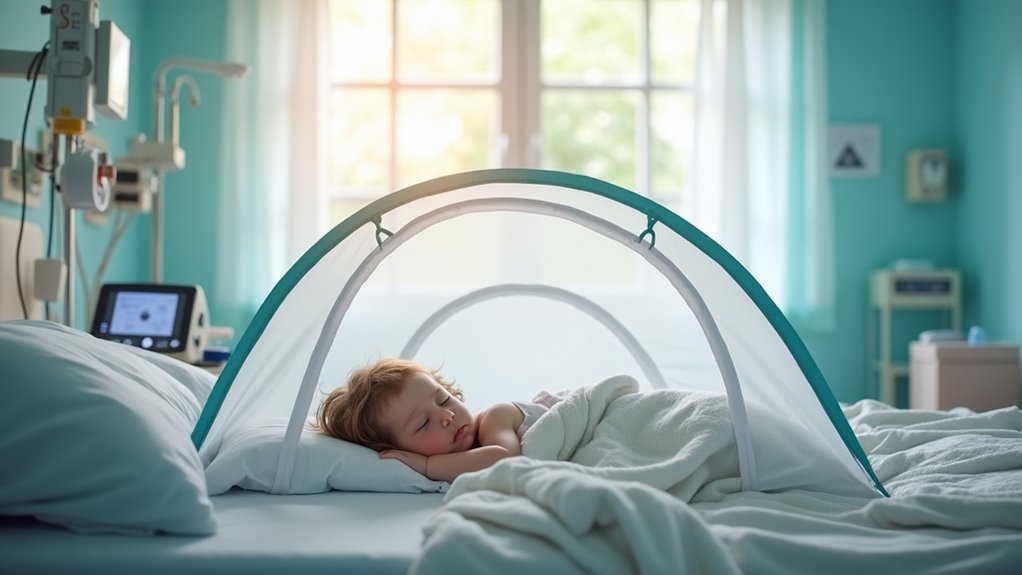
A croup tent must stay safe and work well for your child. Place the tent on a flat, steady surface. Keep it far from heaters and electric devices to avoid fire danger.
Open windows or vents to let fresh air in. This stops too much carbon dioxide and heat buildup inside.
Watch your child all the time. Check their breathing and skin color often.
Clean the tent surfaces with disinfectant. Use fresh bedding to stop germs from spreading.
These steps help keep your child safe and healthy during treatment.
Frequently Asked Questions
How Long Can a Child Stay in a Croup Tent?
Children stay in a croup tent for a few hours to 24 hours. Doctors watch the child closely during this time. They check how the child feels and breathes. The tent helps keep the airway moist and open. This makes breathing easier. If the child feels better, doctors stop the treatment. Safety is the top priority. Careful monitoring helps decide the right time to end the use.
Can Parents Use a Croup Tent at Home?
Using a croup tent at home can be dangerous. These tents need careful control of humidity and temperature. Parents often lack the right equipment. Hospitals use special machines to keep conditions safe. Using a tent without proper tools risks overheating or spreading germs. Safer options include humidifiers or steam from a hot shower. These methods help ease breathing without risks. Always ask a doctor before trying home treatments. Safety must come first for your child’s health.
What Age Group Benefits Most From Croup Tents?
Children between 6 months and 3 years old benefit most from croup tents. This age group often has trouble breathing during croup illness. Croup tents provide moist air that helps ease breathing. The humid air soothes swollen airways, making it easier to breathe. Parents and doctors use these tents to help young children feel better faster. The tents work best for infants and toddlers who need extra care.
How Is a Croup Tent Set up for Use?
Setting up a croup tent protects the child with a gentle, moist environment. First, clear the area and check all equipment. Then, assemble the tent frame carefully. Attach the mist hoses securely to the machine. Place the tent around the child’s bed or crib. Turn on the humidifier to produce cool mist inside. Adjust the tent to fit snugly without gaps. This setup helps ease breathing and soothes the airway. Keep monitoring the child throughout the treatment. The croup tent creates a safe, calm space for healing.
Are There Any Long-Term Effects of Using a Croup Tent?
Using a croup tent for a short time does not cause long-term problems. Doctors use it to help children breathe better during croup illness. Studies show no lasting harm from this treatment. The main risks are only during use, like discomfort or low oxygen if not watched. Follow safety rules carefully. This keeps children safe and helps them get well fast.
Conclusion
A croup tent helps children breathe better when they have breathing problems. It adds moisture to the air, which can soothe swollen airways. Parents and doctors can watch the child closely inside the tent. Studies show that humid air can ease coughing and reduce breathing effort. Still, tents have some risks, like overheating or infection if not cleaned well. New devices may offer similar help without these risks. Knowing how a croup tent works helps families make smart choices. Always talk with a doctor before using one to keep your child safe.
