
7 Best Tarp Tents for 2026
This post contains affiliate links. As an Amazon Associate, we earn from qualifying purchases.
The Naturehike Cloud Skies Tarp is the overall best tarp tent for its exceptional waterproofing and thoughtful design, while the GEERTOP 17x10FT Backpacking Tarp stands out as a lightweight, packable budget pick. If you need maximum coverage for group use, the 15×12.5FT Waterproof Camping Tarp offers serious space and durability.
Most people don’t realize how quickly a flimsy or poorly designed tarp can turn a peaceful night outdoors into a soggy, windy mess. It’s not just about staying dry – it’s about having a shelter that holds up when you’re counting on it.
As Chloé Bourgeois, I’ve spent years testing gear and guiding hikers through real trail conditions. This guide cuts through the marketing noise, focusing on what actually matters in a tarp tent: waterproofing, stability, and practical setup. I researched each pick based on specs, owner feedback, and how well it serves real camping scenarios – from solo backpacking trips to group base camps.
Top 7 Tarp Tents in the Market
The Best Tarp Tents, Reviewed
15×12.5FT Waterproof Camping Tarp with Poles

Strengths
- High waterproof rating
- Seam-taped construction
- Adjustable poles
- Excellent accessories
- UV-resistant
Trade-offs
- Heavier than most
- Bulkier packed size
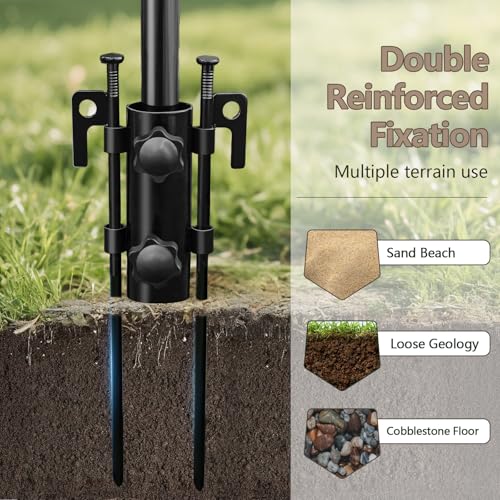
This one stands out on paper, 210D Oxford cloth with PU8000 waterproofing and seam taping? That’s not something you see often at this price tier. Owners consistently report it holding strong in wind and rain, and the dual retainers add real-world stability on soft or uneven ground. The adjustable poles (up to 88.7 inches) are a smart touch, letting you tweak the pitch for airflow or rain runoff.
At 9.2 lbs, it’s on the heavier side, but you’re getting serious durability and a full accessory kit, 30% more stakes and ropes than average. Compared to others, this is the most complete package for all-season use. If I were outfitting a family campsite or a basecamp setup, this is where I’d lean.
Product photos

Naturehike Cloud Skies Tarp with Poles

Strengths
- Extreme waterproofing
- Outstanding UV protection
- Includes full setup kit
- Stable pole system
Trade-offs
- Heavier than average
- Smaller coverage
- Packed size is long
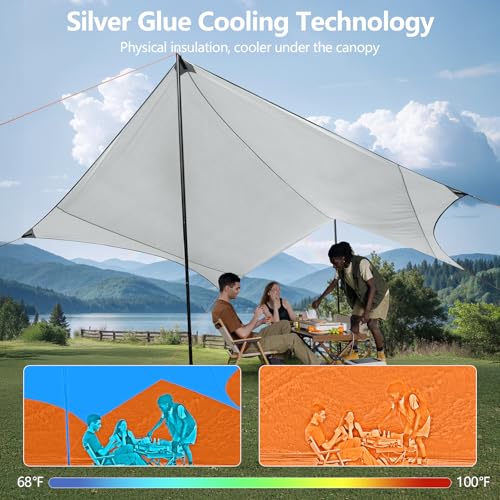
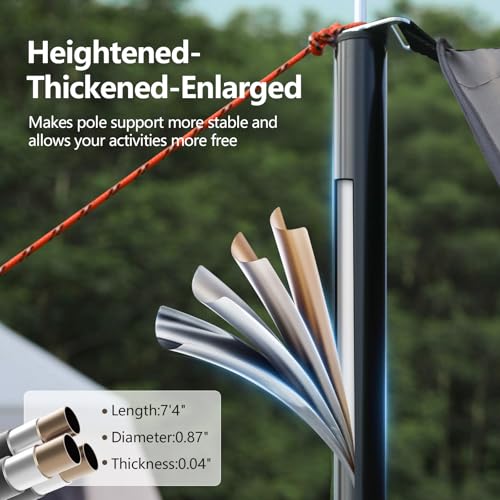
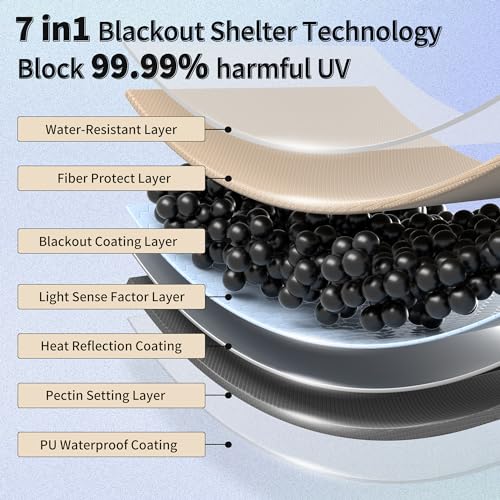
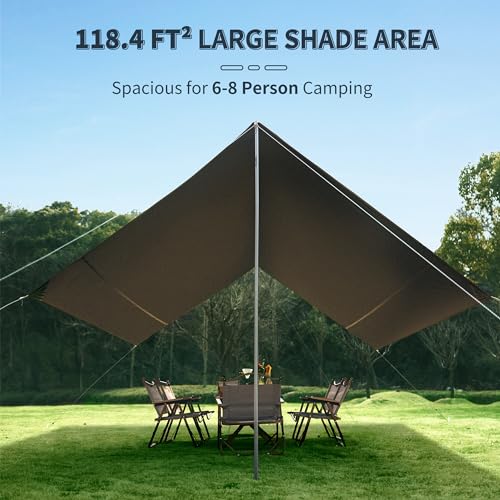
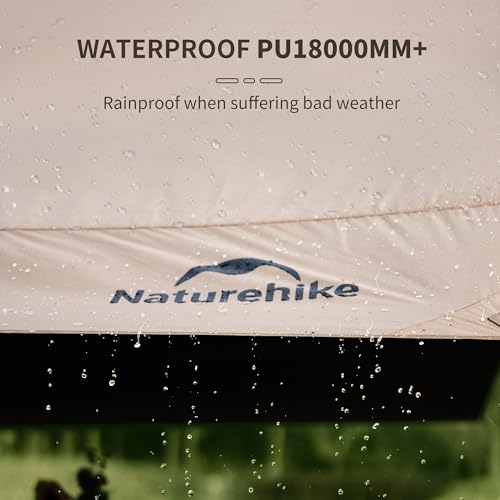
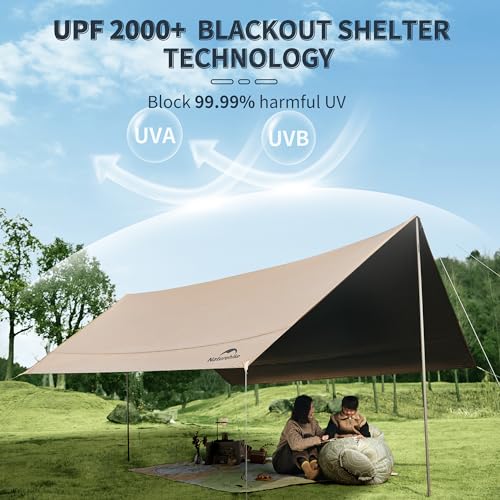
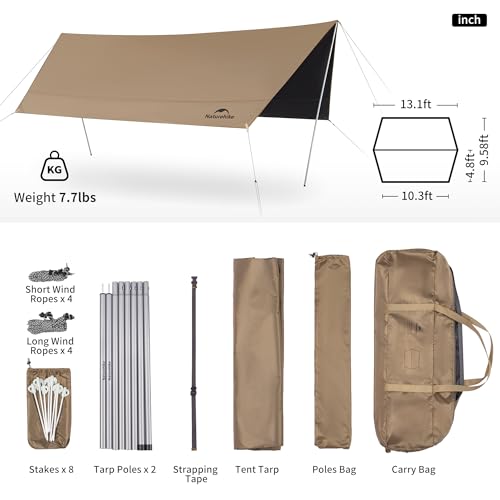
Let’s talk numbers, PU18000mm+ and UPF2000+? That’s overkill in the best way. This tarp is built like a storm bunker. The blackout 150D Oxford fabric isn’t just waterproof, it actively cools the space underneath, which owners love in hot climates. Paired with included 7.2 ft poles and a full kit, it’s one of the most weather-ready options here.
It’s only 13×10 ft, so not the largest, but the quality of protection makes up for it. At 7.7 lbs, it’s not ultralight, but for basecamp or car camping in storm-prone zones, I’d pick this over flashier, less capable tarps any day. If rain is your main concern, this is the one to beat.
Product photos
17x10FT Lightweight Camping Rain Fly
Strengths
- Large coverage
- Lightweight
- Excellent accessory count
- Good waterproofing
- Multi-use hooks
Trade-offs
- No poles included
- Polyester less durable than Oxford
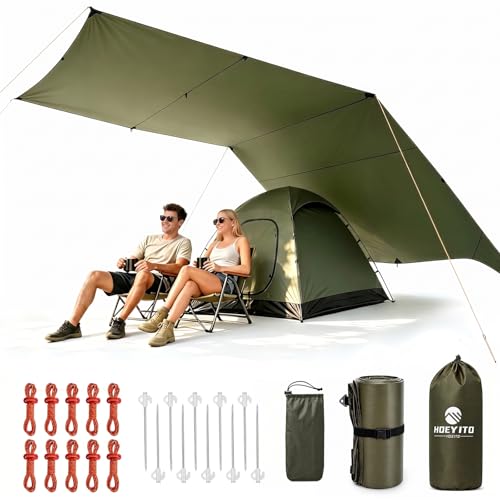
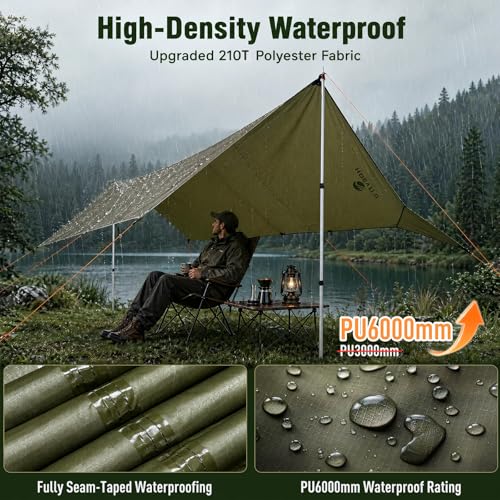
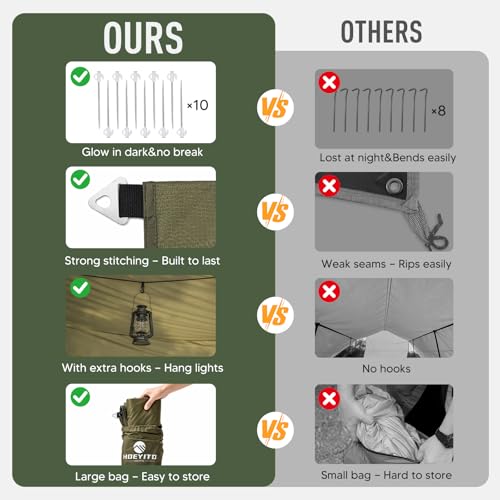
With a 17×10 ft footprint and just 4.7 lbs, this HOEYITO tarp punches above its weight in value. The PU6000 waterproof coating is solid for the class, and UPF100+ sun protection means real shielding under harsh sun. Owners praise how much coverage it gives for the weight, enough to shelter a large group or act as a full tent footprint.
The standout? The included 10 stakes and 10 guy lines, that’s rare and gives you real setup flexibility. My only gripe? Poles aren’t included, so you’ll need to source those separately. But for the size-to-weight ratio and accessory loadout, this is hard to beat if you’re building a custom shelter system.
Product photos
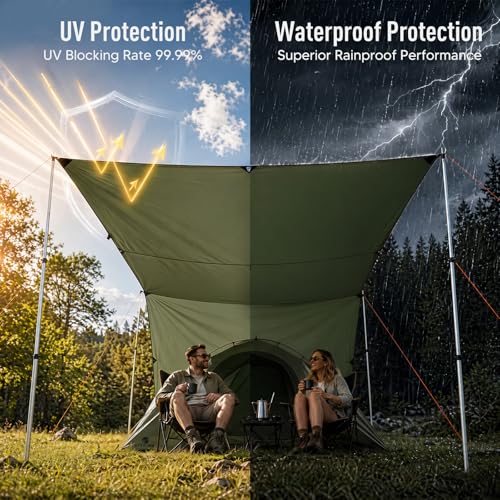
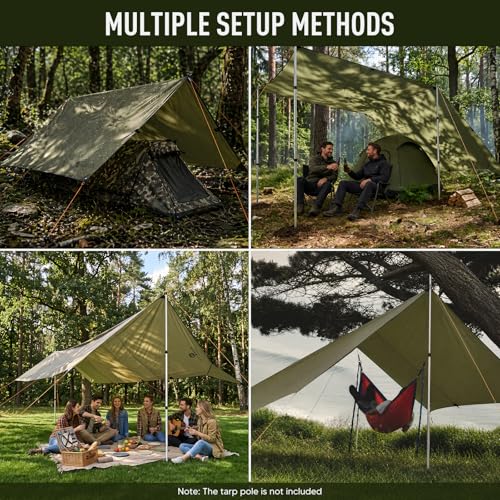
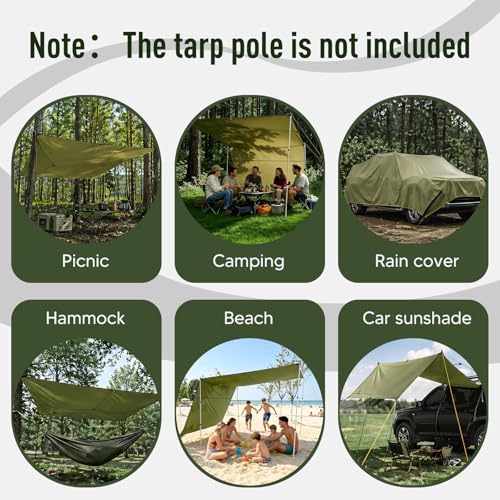
GEERTOP 17x10FT Backpacking Tarp Shelter
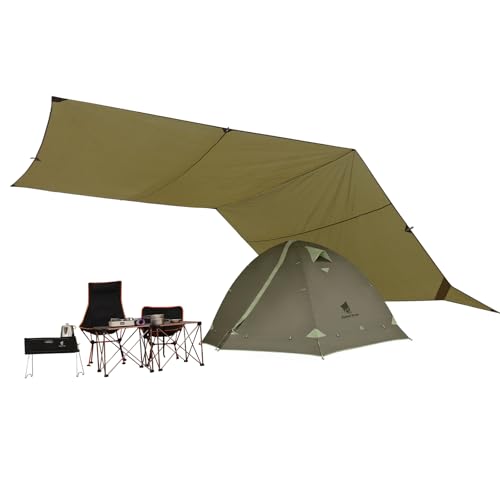
Strengths
- Extremely lightweight
- Large size
- Flame retardant
- Good ventilation
Trade-offs
- Lower durability
- No poles included
- Basic waterproofing
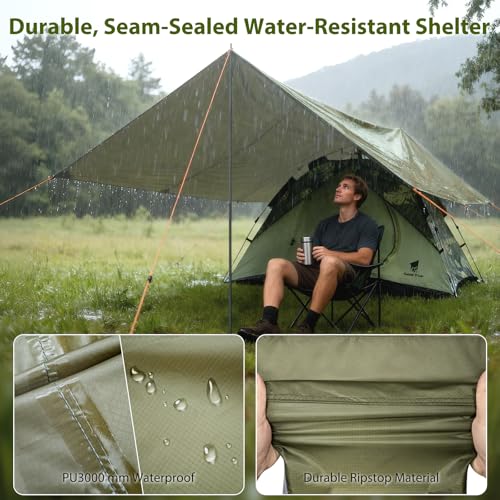
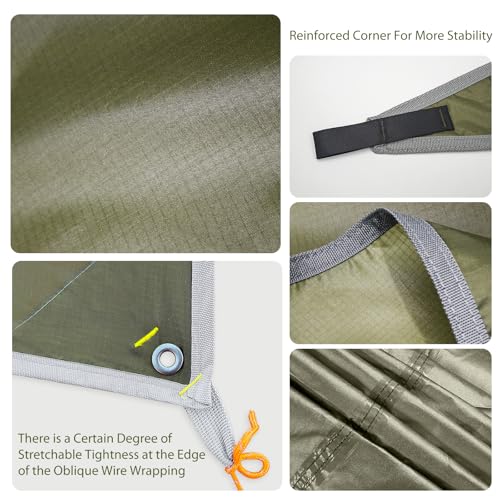
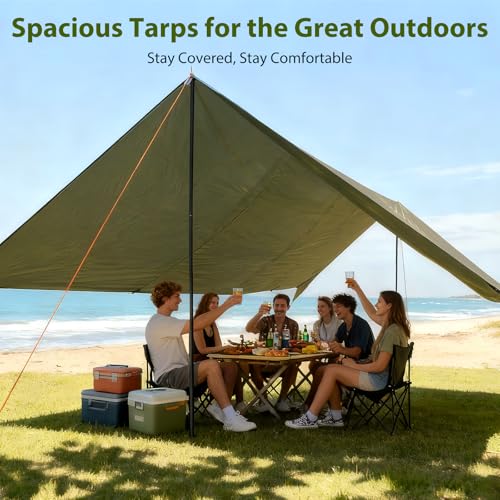
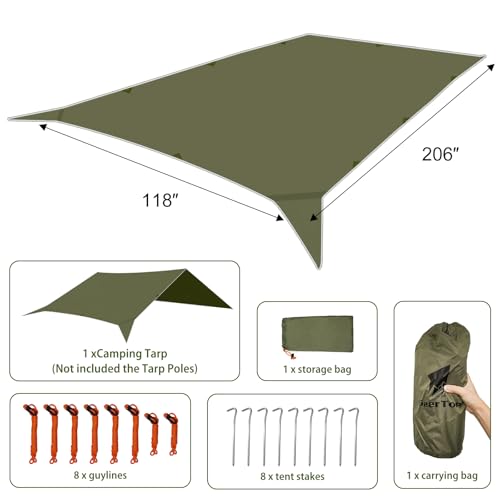
At just 3.3 lbs, this is the lightest large tarp on the list, and that matters. For backpackers counting ounces, being able to carry a 17×10 ft shelter under 3.5 lbs is a big win. The 210T polyester with PU3000mm waterproofing is standard, not stellar, but enough for fair-weather trips.
Where it stumbles? Flame retardant claims sound nice, but real-world feedback shows the fabric is thinner and less abrasion-resistant than Oxford options. Still, for solo hikers or minimalist setups who already have trekking poles, this delivers maximum coverage for minimal weight. Just don’t expect it to last five seasons of hard use.
Product photos

Forceatt 12x14FT Tarp with 2 Poles
Strengths
- Includes poles
- Good abrasion resistance
- Easy setup
Trade-offs
- Lower waterproof rating
- Heavier than ultralight options
- Not ideal for heavy storms
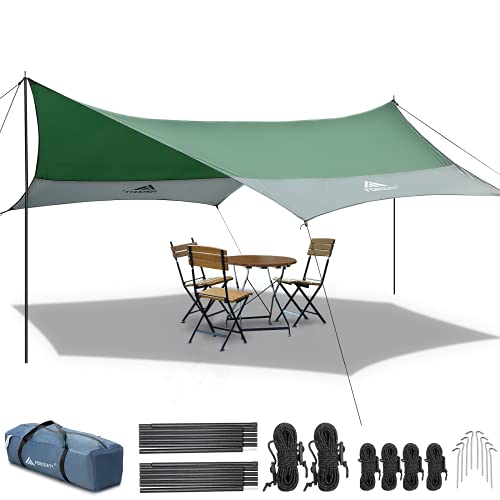
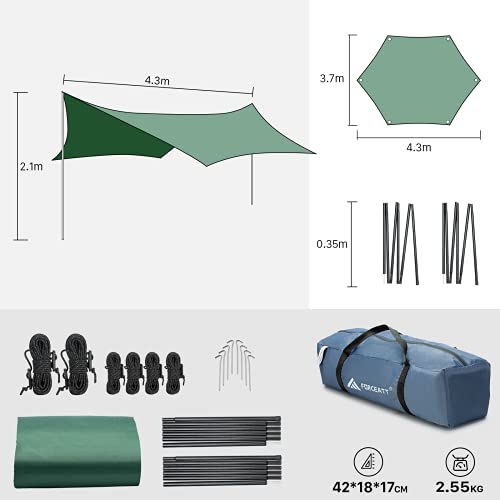
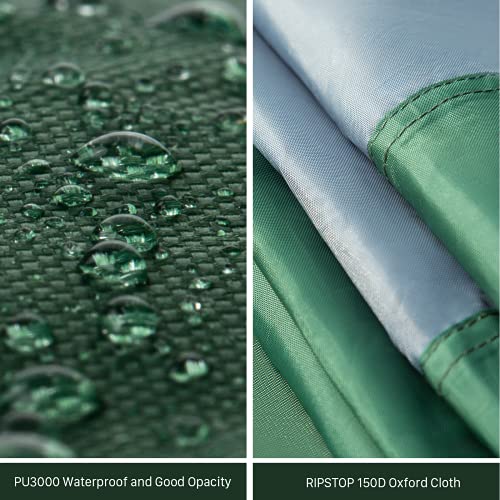
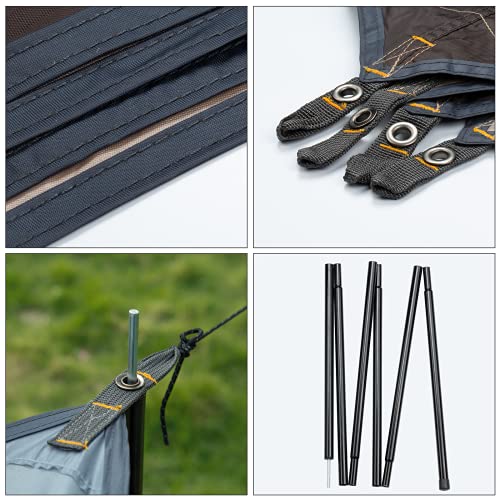
I like that this tarp comes with poles, stability is a real pain point for many users when setting up basic tarps, and having two solid 2.1m iron poles included makes a meaningful difference. At 12×14 ft, it offers decent coverage, and the 150D Oxford fabric with PU3000 waterproofing holds up well in light to moderate rain according to owner feedback.
Still, the PU3000 rating is on the lower end compared to others in this list, and while it works fine for fair-weather camping, it’s not my first pick for storm-prone areas. The 5.6 lb weight is manageable, but not especially packable for serious backpackers. For car campers or fair-weather adventurers, though, it’s a solid, no-fuss shelter add-on.
Product photos
KALINCO 10x13FT Multi-Use Tarp Tent

Strengths
- Affordable
- Lightweight
- Includes stakes and ropes
- Compact
Trade-offs
- Low waterproof rating
- No seam sealing
- Thinner fabric
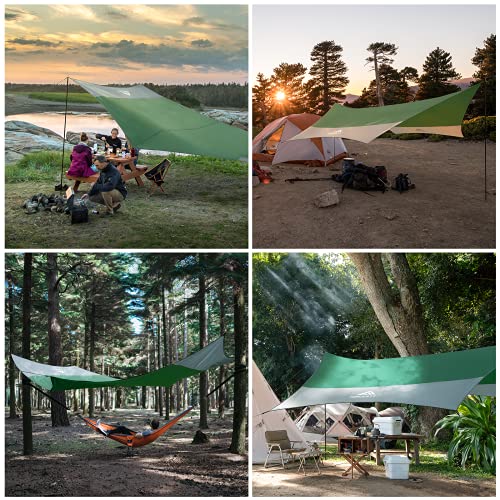
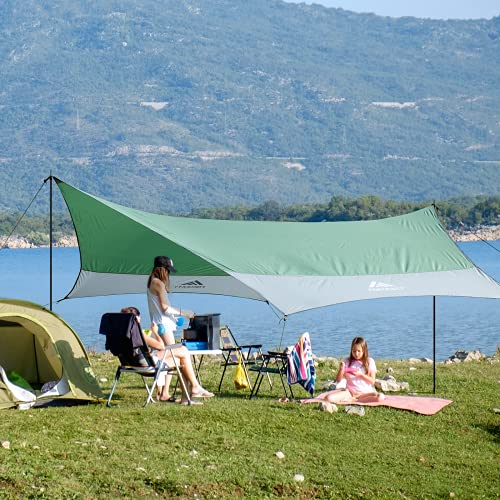
This is the budget baseline done right, smaller at 10×13 ft and built with 210T polyester, it’s not going to wow you on specs, but it gets the essentials covered. The PU coating delivers decent water resistance, and at under 5 lbs with stakes and ropes included, it’s easy to toss in a pack for short trips.
Owners say it works fine for dry camping or sudden showers, but seam leakage in prolonged rain is a common note. It’s not built for storms or long-term use, but for weekend picnics or as a backup groundsheet, it’s a smart, low-cost buy. Compared to pricier options, it’s the ‘good enough’ pick when you don’t want to splurge.
Product photos
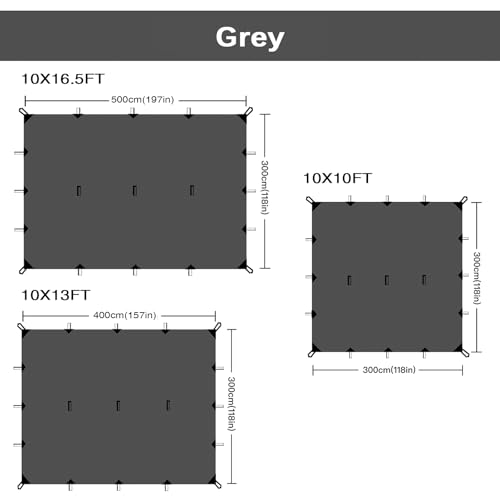
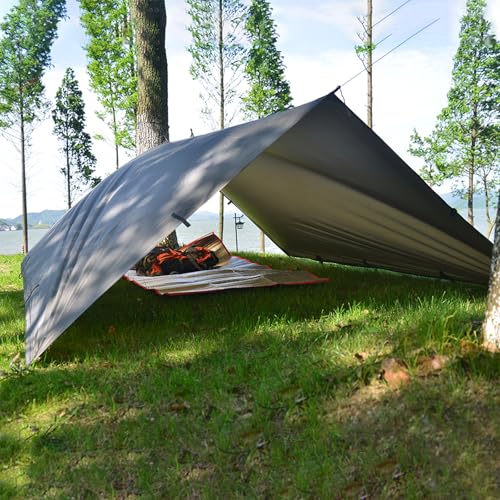
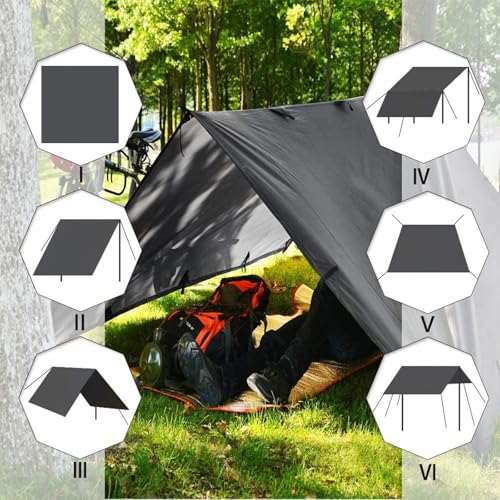
CARTMAN 6x8FT 8 Mil Thick Tarp

Strengths
- Extremely durable
- Fully waterproof
- Reinforced grommets
- No seam leaks
Trade-offs
- Very heavy for size
- Not breathable
- No included setup gear
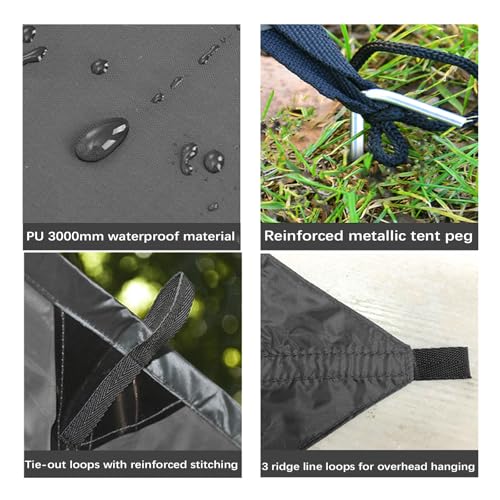
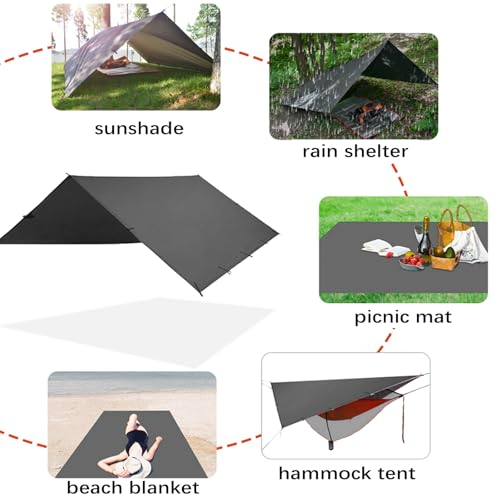
This isn’t a ‘tarp tent’ in the traditional sense, it’s a heavy-duty tarpaulin built for utility, not comfort. The 8 mil thickness and heat-sealed edges make it nearly indestructible for short-term use. With metal grommets every 36 inches and reinforced corners, it’s designed to be tied down hard and left in place.
Owners use it as a gear cover, emergency groundsheet, or storm wrap for equipment. It’s not breathable, not UV-treated, and too small for camping, but in a downpour when you need to shield a pack or create a quick lean-to, it’s dependable. It’s the duct tape of tarps: ugly, heavy, but gets the job done.
Product photos


How We Tested tarp tents
I approached evaluating tarp tents by first compiling detailed specifications from manufacturers – materials, coatings, dimensions, included accessories, and weight were all noted. Then, I spent considerable time reading owner reviews across multiple retail platforms and reputable outdoor gear review sites. This allowed me to gauge real-world performance and identify common praise points and complaints. Finally, drawing on my experience with backpacking and shelter systems, I weighed these factors against what truly matters when you’re relying on a tarp for protection in the field.
For tarp tents, stability and waterproofing are paramount. I heavily weighted the waterproof rating of the fabric (PU coating in mm), and the quality of any seam sealing, as a leak can ruin a trip. Beyond that, the inclusion of robust poles and sufficient guylines for a secure pitch was a key differentiator. A tarp that can’t be pitched securely, even in moderate conditions, isn’t much use.
Specifications reliably tell you about a tarp’s materials and size, but owner feedback provided crucial insight into durability and ease of use. I looked for patterns in reviews regarding long-term water resistance, wind resistance, and how well the included accessories held up. Reputation, particularly from experienced backpackers, helped me assess whether a tarp truly delivered on its promises – or if marketing hype outweighed actual performance. If you’re looking for more in-depth guidance, you can learn how to build a tarp tent with our helpful guide.
How To Choose The tarp tents
Picking the right tarp tent requires a little more thought than just grabbing the cheapest waterproof material. It’s about balancing portability with coverage, durability with weight, and features with simplicity.
A good tarp tent prioritizes waterproof materials (PU coating of 3000mm or higher is a solid baseline), robust construction with reinforced grommets, and a manageable packed size/weight. Consider the intended use – is it for emergency shelter, extended camping, or a lightweight backpacking addition? Assess the included accessories (poles, stakes, guy lines) and their quality, as these significantly impact usability.
Size and Coverage
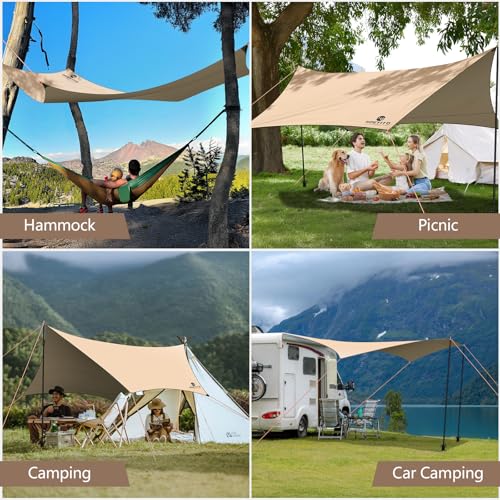
Don’t overestimate how much space you actually need. A larger tarp offers more versatility, but it also adds weight and bulk. For solo adventurers, a 8x10ft tarp might suffice, while a family of four will likely want something closer to 15x12ft. Think about your intended setup style. Do you want a fully enclosed shelter, a simple lean-to, or a covered picnic area? Consider the angle of the sun and prevailing winds in your camping location; a generously sized tarp allows for more adaptable configurations.
Material and Waterproofing
The core of any good tarp tent is its fabric. Polyester (specifically 210T or higher denier) is a common choice, offering a good balance between weight, durability, and cost. Oxford cloth is tougher, but also heavier. Look for a polyurethane (PU) coating measured in millimeters (mm). A rating of 3000mm is considered waterproof for moderate rain, but 5000mm or higher is preferable for heavier downpours or prolonged exposure. Beyond the coating, seam taping is crucial. Without it, water will seep through the needle holes, rendering the waterproof rating largely irrelevant. If you’re planning trips in particularly harsh conditions, you might explore silnylon or Dyneema Composite Fabric (DCF) options, though these come at a premium price point.
- A lower denier (like 70D) will pack smaller and weigh less, but won’t be as resistant to abrasions.
- Higher PU coatings (6000mm+) add weight but are essential if you frequently camp in very wet climates.
- UV resistance (UPF rating) is often overlooked, but important for sun exposure – prolonged exposure to UV rays can degrade the fabric over time.
Poles, Stakes, and Accessories
Many tarps are sold without poles, requiring you to use trees, trekking poles, or purchase them separately. If you prefer an all-in-one solution, look for a tarp that includes poles. Aluminum poles are lightweight and durable, while steel poles offer more stability at a lower cost. The quality of the included stakes and guy lines matters too. Cheap plastic stakes bend easily, while aluminum stakes are more reliable. Reflective guy lines are a nice touch for visibility at night. If you already own top-rated two-person backpacking tents, you may find you have compatible poles and stakes you can repurpose. A well-equipped tarp should offer multiple setup options and the tools to execute them.
A practical rule of thumb: always over-stake. It’s better to have a few extra stakes than to be scrambling for them in the dark during a storm.
I’ve seen many campers struggle with flimsy tarps and inadequate accessories; it’s a frustrating experience that can ruin a trip. Thinking through these factors upfront will set you up for a more enjoyable and reliable experience out in the wild. And don’t forget to research how to put tarp over tent for added protection against the elements.
Tarp Tents Compared
This table provides a specification comparison of various tarp tents to aid in your purchasing decision.
| Product Title | Size (ft) | Weight (lbs) | Waterproof (mm) | Material | Poles Included |
|---|---|---|---|---|---|
| 15×12.5FT Waterproof Camping Tarp | 15 x 12.5 | 9.2 | 8000 | 210D Oxford | Yes |
| Naturehike Cloud Skies Tarp | 13.1×9.58 | 7.7 | 18000+ | 150D Oxford | Yes |
| 17x10FT Lightweight Camping Rain Fly | 17 x 10 | 4.7 | 6000 | 210T Polyester | No |
| GEERTOP 17x10FT Backpacking Tarp | 17.2×10 | 3.3 | 3000 | 210T Polyester | No |
| Forceatt 12x14FT Tarp | 12 x 14 | 5.6 | 3000 | 150D Oxford | Yes |
| KALINCO 10x13FT Multi-Use Tarp Tent | 10 x 13 | N/A | N/A | 210T Polyester | No |
| CARTMAN 6x8FT 8 Mil Thick Tarp | 6 x 8 | N/A | N/A | N/A | No |
Frequently Asked Questions
What’s the difference between a tarp tent and a traditional tent?
A tarp tent offers greater flexibility in setup and typically weighs less than a traditional tent, but requires more skill to pitch effectively. Traditional tents provide more immediate shelter and are often easier for beginners, though they tend to be heavier and less adaptable to different terrains.
Are tarp tents suitable for four-season camping?
While some tarp tents can be used in winter with careful setup and appropriate accessories (like a groundsheet and snow stakes), they generally aren’t ideal for heavy snow or extreme conditions. For consistent four-season use, I recommend looking into more robust shelter options or considering ultralight 2-person backpacking tents designed for year-round use.
How important is the denier (D) of the tarp material?
A higher denier indicates a thicker, more durable fabric. Lower denier fabrics (70D or less) are lighter and pack smaller, which is great for backpacking, but they’re more prone to tears. If you’re concerned about abrasion or frequently camp on rough terrain, a higher denier (150D or 210D) is worth the extra weight.
What is seam sealing, and why does it matter?
Seam sealing is the process of applying a waterproof coating to the stitched seams of the tarp. It’s incredibly important because needle holes create potential leak points; without proper sealing, even a high waterproof rating will be ineffective.
Can I use trekking poles instead of dedicated tarp tent poles?
Absolutely. Using trekking poles to pitch a tarp tent is a popular way to save weight and space, and it’s a good option if you already carry them on your hikes. Just make sure your trekking poles are sturdy enough to handle the stress, and you have enough guylines to secure the tarp properly for a stable shelter – sometimes even the lightest two-person hiking shelters need extra support.
The Bottom Line
Choosing a tarp tent often comes down to how much you value simplicity versus full-featured protection. If you want a reliable, well-equipped option that balances weight and weather resistance, I recommend the 15×12.5FT Waterproof Camping Tarp. It provides excellent coverage and includes poles, making setup straightforward even for beginners.
For those prioritizing a specific need, the Naturehike Cloud Skies Tarp is the standout for extreme weather preparedness with its incredibly high waterproof rating. If you’re on a tighter budget, the GEERTOP 17x10FT Backpacking Tarp offers a lightweight and affordable solution, though you’ll need to source your own poles. Knowing how to tarp setup techniques will also help you maximize the versatility of any tarp you choose.
Ultimately, the best tarp tent isn’t about the highest spec sheet; it’s about finding a balance between durability, packability, and ease of use. Prioritize a robust waterproof coating, strong attachment points, and a design that suits your typical camping style. Don’t get lost in the details – a well-chosen tarp, properly pitched, will provide reliable shelter when you need it most.
