
Pup Tent Meaning: From Military Origins to Modern Use
This post contains affiliate links. As an Amazon Associate, we earn from qualifying purchases.
A pup tent is a small, simple shelter, historically made from two canvas halves buttoned together by soldiers. It’s defined by its minimalist A-frame design, quick setup, and origins as a military shelter-half. Today, the term describes any lightweight, compact tent prioritizing speed and low weight over space and comfort.
Let’s be honest: when you hear “pup tent,” you probably picture a flimsy play tent for kids. I did too, until I found a musty, olive-drab shelter-half at a surplus store. Unfolding that heavy canvas, smelling of old army and earth, changed my mind. This wasn’t a toy. It was a piece of history designed for survival.
The real pup tent story is one of grit, not gimmicks. It’s about two soldiers sharing the load, literally, and creating a basic roof in minutes. Getting this history wrong means you might buy a modern tent labeled “pup” that’s just a bulky, complicated small tent. Let’s dig into the true, mud-and-canvas meaning of a pup tent and where this no-frills design still makes sense for campers today.
Key Takeaways
- The term “pup tent” was coined by the Sixth Iowa Infantry in 1862 during the Civil War, describing a two-soldier shelter system.
- True historical shelter-halves, when combined, created a cramped space roughly 7 feet long by 5 feet wide.
- Its core virtues are minimalist design, rapid deployment, and ultra-low weight, making it ideal for fast, lightweight missions.
- Modern equivalents are best for solo adventurers, emergency kits, or as a gear shed, not for comfortable basecamp living.
- When shopping, prioritize simple pole structures (2-3 poles max) and proven waterproof fabrics; avoid models that use the name loosely.
What Exactly Is a Pup Tent?
Forget the toy-store image. A pup tent’s DNA is functional austerity. At its heart, it’s a small, portable shelter traditionally formed from two rectangular canvas pieces called shelter-halves. Each soldier carried one half. In the field, they’d button or strap them together along the long edges, creating a simple wedge supported by a pole at each end, or sometimes, just a rifle.
A pup tent, in its original military context, is a shelter formed by fastening two shelter-halves together. Each half was carried by one soldier, and when combined they created a minimal A-frame tent approximately seven feet long and five feet wide, providing basic protection for two individuals.
This system distributed weight and meant the shelter was a team effort. The space was brutally efficient: the classic 7-by-5-foot footprint left no room for gear, and the low profile meant sitting up was impossible. You slept shoulder-to-shoulder.
The simplicity was the point. With two poles, a handful of stakes, and no separate rainfly, a practiced pair could have it up in minutes. That speed and reliability underpin its military legacy. Modern civilian versions are single units, but they preserve the ethos: minimalist pole structures, low weight, and a focus on speed. When you look at today’s best ultralight two-person tents, you’re seeing the pup tent’s direct, high-tech descendants.
TL;DR: A true pup tent is defined by its two-part military origin, simple A-frame shape, and design for fast, two-person deployment with minimal components.
A Soldier’s Shelter: The Military History of the Pup Tent
The pup tent is older than you think. Armies used the shelter-half concept since at least the mid-19th century. The name itself was born in 1862, courtesy of the Sixth Iowa Infantry during the Civil War. But the design evolved globally, with fascinating innovations that even gave us modern camouflage.
The Austro-Hungarian M888 zeltbahn, issued in ochre then grey, had a bayonet hole so a rifle could serve as the central tent pole. The Italian Telo mimetico, introduced in 1929, was the first printed camouflage pattern, designed for their half-shelters. The German M1931 Splittermuster shelter-halves later became the basis for the first camouflage uniforms. The Russian plasch-palatka, in use since 1894, doubled as a tent panel and a waterproof cape, a design barely changed since 1936.
| Era / Conflict | Key Development | Impact on Design & Materials |
|---|---|---|
| Civil War (1860s) | Term “pup tent” coined by soldiers. | Established the basic two-halves, A-frame concept in U.S. military use. |
| World Wars I & II | Global standardization of shelter-halves. | Introduction of camouflage patterns (Italian Telo, German Splittermuster). |
| Korean War | Color change & feature additions. | Tents shifted from khaki to dark green; added tent flaps for better weather sealing. |
| Vietnam War | New two-pole A-frame design. | Created a slightly roomier shelter used through the Gulf War, though poorly suited for tropical climates. |
| Modern Day | High-tech, mission-configurable systems. | LiteFighter 1-style tents use ultra-lightweight fabrics, integrated mosquito netting, and can attach to cots. |
Holding a vintage M1931 Splittermuster at a surplus store, its coarse fabric and weight, really drove home how far materials have come. That’s why I geek out over modern silnylon. Post-WWII, designs kept improving. By the Vietnam War, a revised A-frame offered a bit more headroom. Today’s military versions, like the LiteFighter, weigh under five pounds and are fully waterproof. This relentless refinement for durability and weight is the direct heritage passed to today’s best backpacking tents for two.
Pup Tent vs. Modern Backpacking Tent: Which Should You Choose?
Calling every small tent a “pup tent” is like calling every 4×4 a “Jeep.” The original is specific. Knowing the difference stops you from buying the wrong shelter for your trip.
A traditional pup tent is a minimalist shell. It’s often single-walled (the fly is the tent), uses two or three poles in a simple external A-frame, and ventilation is usually just the door. Storage is what you can fit at your feet. Its virtues are speed, simplicity, and legendary toughness.
A modern backpacking tent for couples is a comfort system. It features double-wall construction (breathable inner + waterproof fly), flexible pole hubs for freestanding shapes with vertical walls, multiple vents, gear pockets, and a vestibule for wet gear. Its virtues are livability, superior weather protection, and comfort for multi-day trips.
So, which wins? Here’s my take, after shivering in both:
* Choose a pup-tent style for a fast overnight, an emergency kit, or when every gram and second counts. You’ll be under cover before the first raindrop hits.
* Choose a modern backpacking tent for multi-day hikes, variable weather, or when comfort matters. The vestibule alone is a game-changer for keeping your kit dry and organized.
Common mistake: Using a true single-wall pup tent for a multi-day trip in cool, damp conditions, condensation will soak your sleeping bag by the second night, as I learned on a miserable Lake District hike with a cheap, poorly-ventilated model.
The pup tent is a specialist tool. The modern backpacking tent is a versatile all-rounder. Your mission dictates the choice.
What Are Modern Pup Tents Good For?
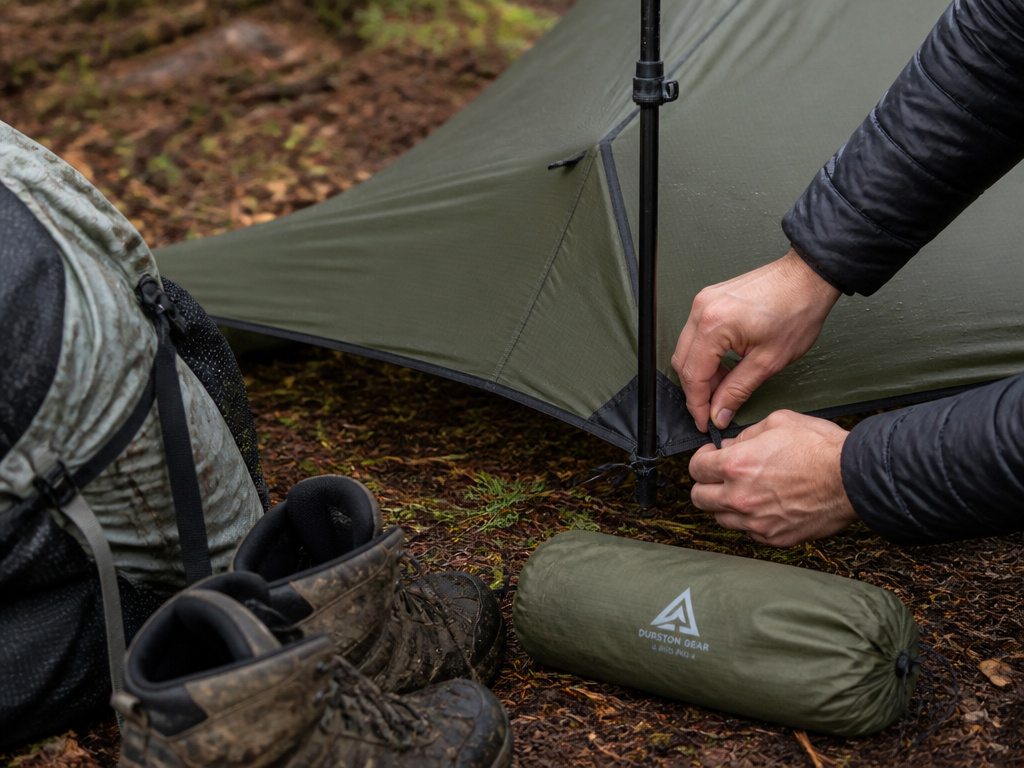
The military didn’t use them because they were cozy. They used them because they worked. That same brutal logic applies to specific civilian scenarios today where speed and weight trump comfort.
- The Ultralight Solo Mission: For a trail runner, peak-bagger, or anyone moving fast and sleeping for just a night, a minimalist shelter is perfect. Modern versions using silicone-nylon can weigh under two pounds. They are the spiritual successor to the shelter-half for the solo adventurer who views sleep as a pit stop. This is the realm of the best solo backpacking shelters.
- The Emergency Kit Essential: A lightweight pup tent or tarp shelter options are ideal for a bug-out bag or car kit. They set up faster than most alternatives with cold, fumbling hands.
- The Basecamp Gear Shed: On a car-camping trip with a large family tent, a simple pup tent keeps muddy boots, wet packs, and food (safely stored) out of your living space. It’s cheaper and more durable than a gear loft.
- Bike Touring & Packrafting: When pannier or dry bag space is brutally limited, a compact, short-pole tent is key.
- Historical Reenactment: For living historians, an authentic shelter-half is non-negotiable. The detailed military pup tent history on Wikipedia shows how this design persisted for over a century.
Condensation. That’s the classic pup tent’s Achilles’ heel. On that soggy Lake District trip, my old budget tent, lacking proper vents, turned into a dripping cave by midnight. Now, I only recommend models with thoughtful airflow or a hybrid design. A tent like the Snugpak Ionosphere 2, with its generous mesh and 5000mm HH fly, keeps you dry from both rain and internal moisture.
How to Choose a Modern “Pup Tent” (And What to Avoid)
If you want the benefits of the classic design without hunting for vintage surplus, here’s what to prioritize. The goal is to capture the spirit without the historical drawbacks.
- Simplicity is King: Prioritize a 2-3 pole design, like the classic A-frame. Why? On a windy ridge in Snowdonia, a friend’s 6-pole “fast-pitch” dome became a tangled mess while my simple Tarptent Stratospire 1 was secure in 90 seconds. More poles mean more fumbling in bad weather.
- Weight & Packed Size Are Everything: This is the core metric. A true successor should pack down small and light. For a one-person model, aim for under 3.5 lbs. Compare specs to dedicated lightweight one-person tents.
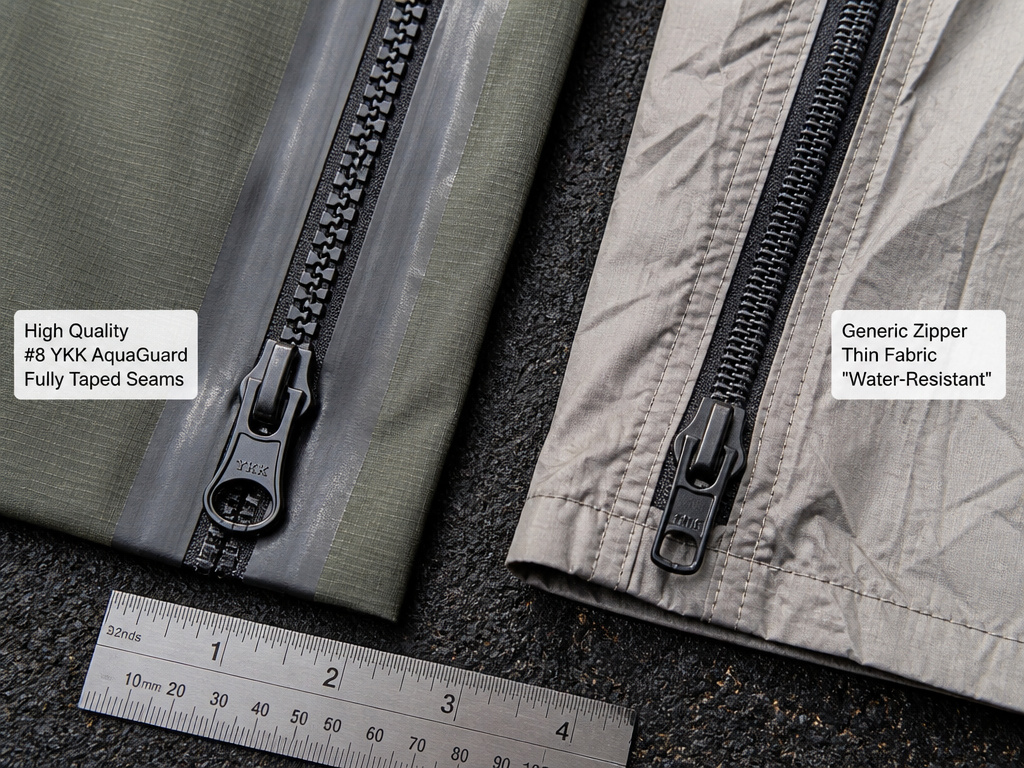
- Demand Real Weatherproofing: Insist on a rated waterproof fabric (a hydrostatic head of 2000mm minimum for the fly, 3000mm+ for the floor). My first cheap tent had a “water-resistant” 800mm fly; a moderate rain in the Peak District turned it into a sieve, soaking my down bag, a costly lesson.
- Ventilation is Non-Negotiable: Look for at least two vents (high and low) to create a condensation-fighting airflow. Mesh panels on doors are standard now.
- Scrutinize the Details: Check the denier rating (70D floor is a good, durable minimum). I trust #8 YKK AquaGuard zippers on my Hilleberg Enan far more than the generic #5 coils on budget tents. Reinforced stress points at pole tips are a sign of quality.
| Feature | What to Look For | What to Avoid |
|---|---|---|
| Pole Structure | Simple, external A-frame (2-3 poles max). | Complex hub systems, 4+ pole designs. |
| Weight | < 3.5 lbs (1-person), < 5 lbs (2-person). | Anything marketed as “lightweight” over 6 lbs. |
| Waterproofing | Rated HH (2000mm+ fly), factory-taped seams. | Vague terms like “weather-resistant,” untaped seams. |
| Ventilation | Multiple mesh panels, dedicated high/low vents. | Single door/window, minimal mesh. |
| Durability | 70D+ floor fabric, branded zippers (YKK), reinforced stress points. | Thin, uncoated floors, generic plastic zippers. |
Avoid tents that borrow only the name. A dome tent that sleeps two but weighs twelve pounds is not a pup tent. It’s just a small, bad tent. The Cambridge Dictionary pup tent definition captures the essence: “a small tent for two people.” The emphasis is on small and functional, not on bells and whistles.
Frequently Asked Questions
How did the pup tent get its name?
The most cited origin comes from the Sixth Iowa Infantry in Memphis, 1862. Soldiers joked that the small, humble tent was “only fit for a dog,” calling it the “dog’s tent.” Over time, “dog tent” softened to the more affectionate “pup tent.”
Are pup tents only for one person?
Not originally. The classic military design was explicitly for two soldiers. Modern interpretations are often marketed as single-person shelters for backpacking, but the historical pup tent was always a two-person system. Today’s comfortable two-person camping tents are its direct descendants.
Can you use a pup tent for winter camping?
Not without major modifications and risk. Traditional single-wall designs have poor ventilation, leading to heavy condensation that will freeze into ice inside. They offer minimal insulation from wind and cold ground. They are strictly three-season shelters. For winter, you need a dedicated four-season tent.
What’s the difference between a pup tent and a bivy sack?
bivy sack is essentially a waterproof shell for your sleeping bag, sometimes with a small hoop for face space. It’s more minimal, lighter, and far more claustrophobic. A pup tent provides a small but actual living space where you can sit up, store a few items, and change clothes. The bivy is for survival; the pup tent is for minimal but functional camping.
How much should I spend on a good modern pup tent?
Prices range from budget to premium. You pay for weight savings and durability. A basic model might be very affordable, but a high-end, ultra-lightweight model using premium materials can cost several hundred dollars. Often, it’s more cost-effective to buy a quality backpacking tent for two that serves more purposes across different trip types.
Before You Go
The pup tent is a masterclass in efficient design born from pure necessity. It’s not about luxury. It’s about reliable shelter that deploys fast with what’s on your back. From the Civil War soldier buttoning his canvas half to a comrade’s, to the modern ultralight hiker pitching a featherweight two-person model, the goal is identical: protection from the elements with zero fuss.
Today, its value is niche but powerful. For the solo speedster, the prepared prepper, or the car camper needing a clean gear locker, the pup tent’s legacy offers a perfect blueprint. Choose a modern version that honors its simplicity, prioritizes weight and speed, and leaves unnecessary complexity behind. That’s how you use a century-old idea to sleep soundly under the stars.
