
How To Clean A Tent After Camping & Prevent Mildew Damage
This post contains affiliate links. As an Amazon Associate, we earn from qualifying purchases.
Clean your tent after camping by first shaking it out and drying it completely, then spot cleaning stains with a mild soap solution or giving it a full bathtub wash with a technical cleaner like Nikwax Tech Wash for heavy dirt. Store it dry, loosely folded, in a cool place. The process hinges on preventing mildew, which can start forming within a single day on damp fabric, and protecting the waterproof coatings from damage.
Most people think cleaning a tent is about scrubbing dirt. It’s not. The real enemy is time. You pack up a damp tent, toss it in the trunk, and forget about it for a week. That’s when the damage happens.
This guide walks through the right sequence, from the quick post-rain recovery to the deep clean for a muddy season-ender. It covers what to use, what to avoid, and the specific mistakes that void warranties and ruin $500 shelters.
Key Takeaways
- Mildew can begin growing on a wet, crumpled tent in as little as 24 hours, leading to permanent stains, odors, and degraded waterproofing.
- Never machine wash or dry a tent. The agitation shreds seam tape and delaminates waterproof coatings. Hand wash only in a tub with cool water.
- Use a technical cleaner like Nikwax Tech Wash or a mild, non-detergent soap (like Dr. Bronner’s). Detergents and dish soaps strip the water-repellent finish.
- A tent is not dry until every seam, corner, and fold feels room-temperature and crisp. Trapped moisture in a folded tent guarantees mildew.
- Store your tent loosely in its original breathable sack or a large pillowcase. Compressing it tightly for months stresses the fabric and coatings.
The 24-Hour Mildew Rule (And Why It Matters)
You finish a trip, it’s drizzling, and you just want to get home. The wet tent gets stuffed into its bag and thrown in the garage. Big mistake.
Mildew spores are everywhere. On a wet, crumpled tent in a warm environment, they can start forming visible colonies in as few as 24 hours.
That timeline isn’t a guess. It’s straight from the MSR Tent Owner’s Manual. The result isn’t just a smell. It’s black or grey splotches that etch into the fabric, weakening the fibers and breaking down the waterproof coating. This damage is explicitly listed as not covered under most manufacturers’ limited warranties, including MSR’s. You’re out a tent because of one damp weekend.
The fix is simple, but non-negotiable. Dry the tent completely before you even think about storing it. If you can’t set it up at home, drape it over a shower rod, a fence, or several chairs in a dry basement. Run a fan on it. Do anything but leave it bundled.
TL;DR: Get the tent dry within a day of coming home, no matter what. Mildew doesn’t wait.
What You Actually Need (And What To Avoid)
You don’t need a garage full of specialty gear. The right tools prevent more damage than they fix.
| Tool | Use Case | What Happens If You Use the Wrong Thing |
|---|---|---|
| Microfiber cloths | Spot cleaning, drying seams, wiping down poles | Paper towels or rough rags leave lint and can scratch coatings. |
| Nikwax Tech Wash | Deep cleaning in a bathtub; safe for all waterproof coatings | Dish soap or laundry detergent strips DWR finishes, leaving the tent permanently wettable. |
| Soft-bristled brush (like a nail brush) | Gently scrubbing ground-in dirt on the tent floor | A stiff brush or scrub pad abrades the fabric and can puncture the waterproof laminate. |
| Bathtub or large plastic bin | Containing the mess of a full wash | A washing machine’s agitation destroys taped seams and delaminates fabric layers. |
| Cool, clean water | Rinsing | Hot water can damage seam tape adhesives and some fabric coatings. |
The biggest offender is the washing machine. The spin cycle alone applies forces that peel seam tape right off the threads. The tumbling action grinds dirt deeper into the fabric. Same goes for the dryer, the heat melts adhesive and can shrink or warp certain materials.
A technical cleaner like Nikwax Tech Wash is formulated to lift dirt without harming polyurethane or silicone waterproof coatings. For lighter jobs, a drop of castile soap like Dr. Bronner’s in a spray bottle works. Avoid anything with detergents, fragrances, or “softening” agents.
The Fast Clean: Shake, Spot, Dry
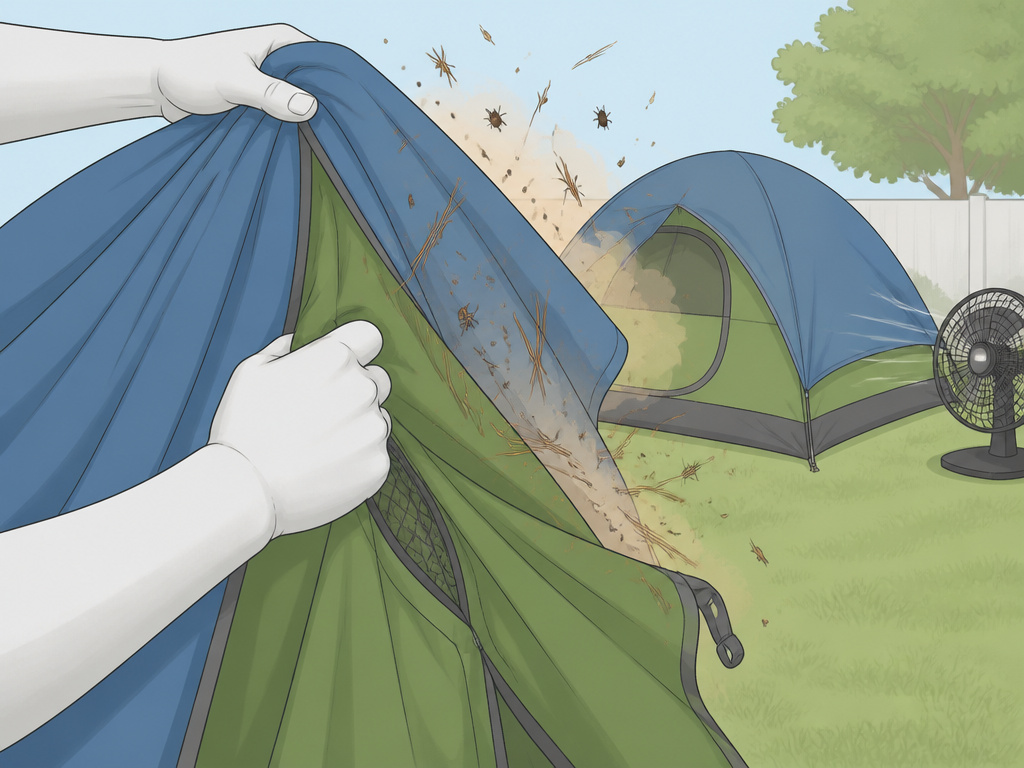
This is your method for a standard trip where the tent got a little dusty, maybe some dew, but isn’t caked in mud.
- Shake it out, hard. Do this outside, away from your car and house. You’d be surprised how much dirt, pine needles, and dead bugs live in the folds. Shake the rainfly separately from the inner tent. This isn’t a gentle flick. Put some shoulder into it.
- Set it up or hang it to dry. If you have the space, pitch the tent in your yard or a shaded part of your driveway. No yard? Drape the inner tent over a shower curtain rod and hang the rainfly over the tub. The goal is maximum air circulation. A fan pointed at it cuts drying time in half.
- Spot clean any stains. Mix a few drops of mild soap in a spray bottle with water. Lightly mist the stained area, bird droppings, sap, a muddy handprint. Let it sit for a minute, then gently dab (don’t rub) with a damp microfiber cloth. Rinse by dabbing with a cloth soaked in clean water.
- Let it dry completely. This is the step everyone cuts short. The tent body might feel dry, but check the seams, the corners, and anywhere fabric overlaps. Run your hand along them. If they feel cool or damp, they’re still wet. A fully dry tent feels crisp and room-temperature everywhere.
- Store it loosely. Once bone-dry, fold the tent loosely, no tight rolls, and place it back in its breathable storage sack. If you lost the sack, a large cotton pillowcase or an old sheet works better than a plastic bin.
Common mistake: Storing a tent that’s “mostly dry”, the trapped moisture in the seams and corners will condense and start a mildew colony within a week, guaranteed.
The Bathtub Wash (For When It’s Really Dirty)
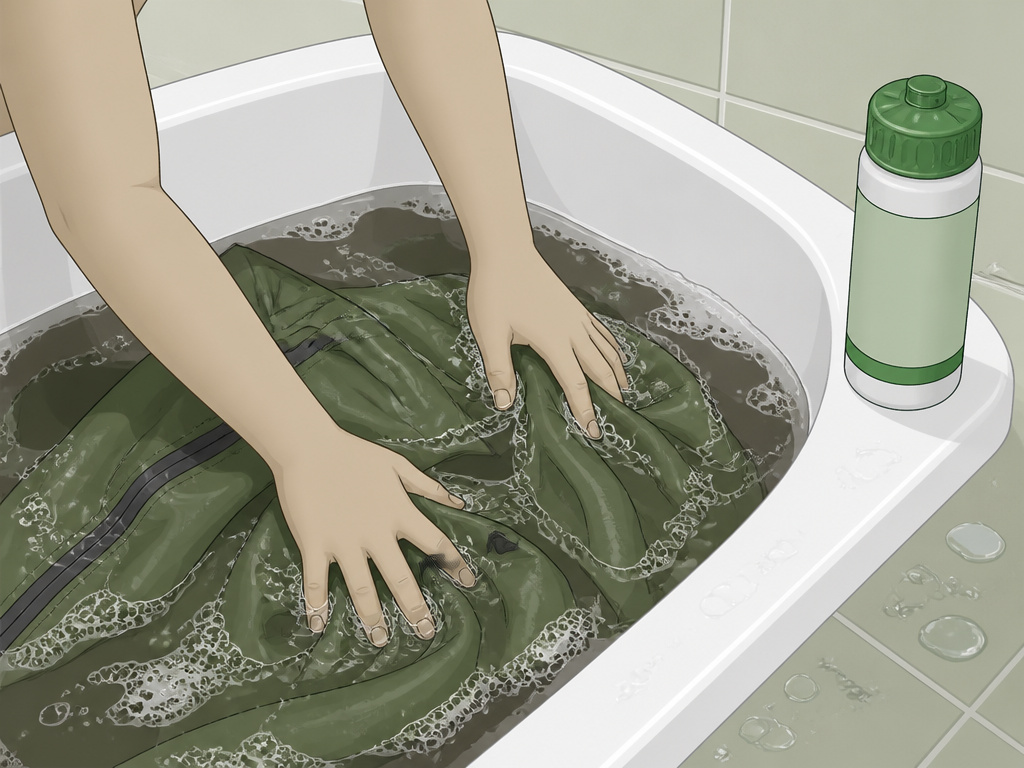
When your tent comes back from a muddy music festival or a week in the desert, it needs a bath. This is a weekend project.
Before you start: Clear the bathroom. Lay down towels. You will splash. Remove the tent’s poles and stakes, wash only the fabric body and rainfly.
- Plug the drain and fill the tub with cool water. Cool water protects the tent’s waterproof coatings and seam tape adhesives. Hot water can compromise them.
- Add cleaner and agitate. Pour in the recommended amount of Nikwax Tech Wash. Submerge the tent fully. Use your hands to gently swish and press the fabric, moving the soapy water through it. This takes about five to ten minutes of gentle motion.
- Soak. Let the tent sit submerged for 15-20 minutes. This gives the cleaner time to break down oils and ground-in dirt.
- Drain and refill. Pull the plug and gently press the water out of the tent against the sides of the tub. Do not wring or twist. Refill the tub with clean, cool water. Swish the tent again to rinse. Repeat this drain-and-rinse cycle until the water runs completely clear with no soap bubbles. This often takes three or four full rinses.
- Remove and press dry. Lift the tent from the tub, supporting its weight. Carry it to a clean, dry area (like a shower floor) and press firmly to squeeze out water. Again, no wringing.
- Dry thoroughly. This is the most critical part. Hang the tent and fly in a shaded, well-ventilated area. Direct sun can degrade fabrics over time. Indoors, a dehumidifier in the room speeds things up significantly. Expect this to take a full day, maybe two.
TL;DR: Bathtub, cool water, technical cleaner, gentle hand agitation, rinse until clear, press dry (don’t wring), dry completely in shade.
How To Dry a Tent When You Live in an Apartment
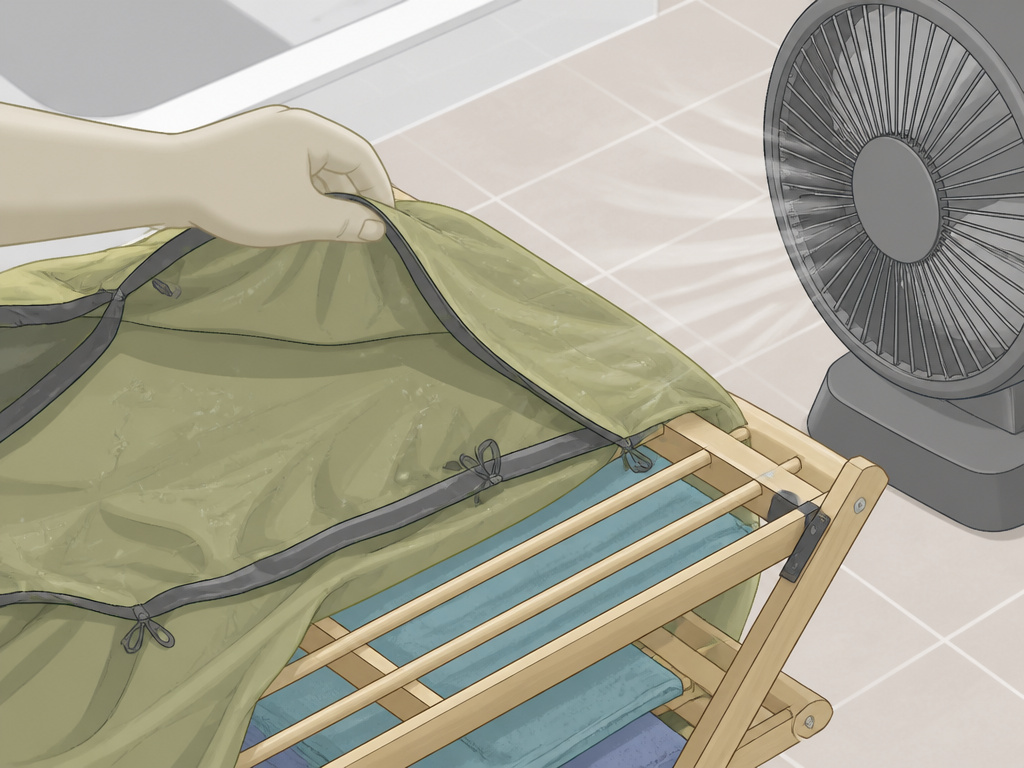
No yard? No problem. The YouTube transcript from a camper in a tiny apartment shows the workaround. It’s about using what you have.
First, shake the tent out over a trash can on your balcony or in a parking lot. If it’s raining, hang the wettest pieces (like the rainfly) over the bathtub. For the main body, drape it over furniture, the backs of chairs, a drying rack, even a clean floor with towels underneath and a fan blowing across it.
The key is maximizing surface area and airflow. Cramming a wet tent into a closet guarantees mildew. If your only storage option is damp, like a basement, place the completely dry tent inside a sealed plastic bin with a desiccant pack. The bin is a last resort for the environment, not for the tent itself.
Inspecting for Damage Before Storage
Never pack away a tent without a quick look-over. You’re checking for two main things: seam integrity and coating health.
Run your fingers along the major seams, especially on the rainfly and tent floor. Feel for any sections where the factory-applied seam tape is peeling up. A small peel can be re-sealed with a seam grip product before your next trip. A long section might mean a warranty claim.
Look at the waterproof coating on the inside of the rainfly and tent floor. It should be a uniform, slightly tacky layer. If it’s flaking off in dry, powdery bits, it’s reached the end of its life but can sometimes be recoated after a thorough cleaning. If it’s turned gooey, sticky, and smells foul, that’s hydrolysis, a chemical breakdown from prolonged moisture exposure. For a high-end tent, check if the manufacturer sells replacement rainflies. For an older or budget model, it’s often a sign the tent is done.
Common mistake: Storing a tent with a failing, gooey coating, the sticky residue can transfer to other parts of the tent and become impossible to remove, ruining the entire shelter.
Silicone-infused nylon rainflies, used in some high-end models, are a different beast. They don’t have a coating that can peel. They’re “never need recoating” according to REI’s expert advice. For these, you’re just checking for physical tears or seam issues.
The Right Way To Store a Tent Long-Term
Storage isn’t just about putting it away. It’s about preserving it for next season.
- Clean and dry is non-negotiable. This bears repeating. Any moisture left in storage becomes permanent damage.
- Fold it loosely. Avoid the tight, original stuff sack for long-term storage. The constant compression weakens fabric fibers and can cause the waterproof coatings to stick together and peel (a phenomenon called “cold cracking”). Use the larger, breathable storage sack that often comes with the tent, or a old pillowcase.
- Choose a cool, dry, dark place. A closet shelf is ideal. Attics and garages experience extreme temperature swings and humidity, which accelerate fabric degradation.
- Never store in a plastic bag. Trapped condensation will create a mini rainforest inside the bag. If you must use a plastic bin (for pest protection in a basement), make absolutely certain the tent is 100% dry first, and consider adding silica gel packets.
Think of it like a down jacket. You wouldn’t cram a wet puffy into its stuff sack and leave it for months. A tent is the same. Proper storage is what separates a tent that lasts a decade from one that fails in three seasons.
Frequently Asked Questions
Can you put a tent in the washing machine?
No, never. The agitation and spin cycle will shred the seam tape, delaminate waterproof coatings, and likely tear lightweight fabrics. It is the single fastest way to destroy a modern tent.
What soap is safe for cleaning a tent?
Use a technical cleaner like Nikwax Tech Wash or a mild, non-detergent soap like Dr. Bronner’s Castile Soap. Avoid dish soaps, laundry detergents, and anything with additives, fragrances, or softeners, as they strip the water-repellent finish.
How do you get mildew out of a tent?
For light mildew, mix one part white vinegar with four parts water and gently scrub the area with a soft brush, then rinse thoroughly and dry completely in the sun (UV light helps kill spores). For heavy mildew, the fabric’s integrity and waterproofing are likely already compromised.
How long does it take for a tent to dry?
In ideal conditions (breezy, low humidity, shade), a tent can dry in 2-4 hours. In a humid apartment or garage, it can take 24 hours or more. Seams and corners are the last to dry.
Can you pressure wash a tent?
Absolutely not. The high-pressure stream will force water through the waterproof seams and laminate, permanently damaging the tent’s ability to keep you dry. It can also tear the fabric.
The Bottom Line
Cleaning a tent isn’t about making it look new. It’s about preventing the slow, expensive failures that happen in storage: mildew, coating delamination, and seam tape failure. The sequence is always the same, dry it first, clean only if necessary, dry it again, store it loose. Skip the machine, skip the harsh soaps, and never, ever put it away damp. Your tent is a significant investment. Twenty minutes of care when you get home protects that investment for years of trips.
