
7 Best 1-Person Tents for Backpacking 2026
This post contains affiliate links. As an Amazon Associate, we earn from qualifying purchases.
The Naturehike Star Trail 1 stands out as the best overall 1 man tent for backpacking, striking a smart balance of low weight, solid weather protection, and liveable space. For those on a tighter budget, the Clostnature 1 Person offers serious durability and all-season capability, while the Naturehike Cloud-Up 1 delivers strong versatility with its unique design and reliable performance in mixed conditions.
If you’re hiking solo, your tent is your lifeline, it needs to be light enough to carry all day but tough enough to keep you dry when the weather turns. Too many hikers learn the hard way that a flimsy floor or poorly taped seams can ruin a trip.
This guide cuts through the noise, focusing on real-world specs and feedback to spotlight the top performers. I looked at weight, waterproof ratings, build quality, and what actual owners say about condensation, wind resistance, and long-term use, so you can pick a shelter that won’t let you down.
Top 7 1 Man Tents For Backpacking in the Market
The Best 1 Man Tents For Backpacking, Reviewed
Naturehike Star Trail 1 Person Tent

Strengths
- Extremely lightweight
- Excellent headroom
- Quick setup
Trade-offs
- Not for winter use
- Less durable fabric
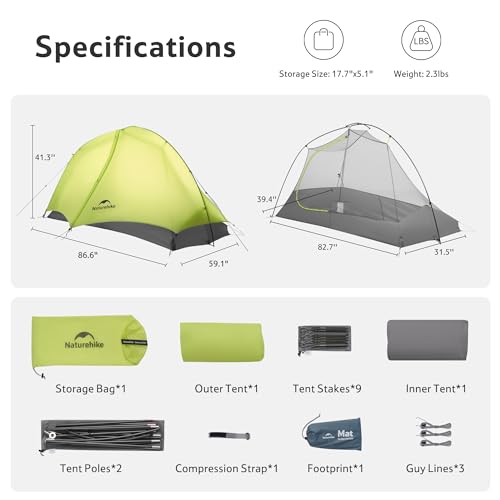
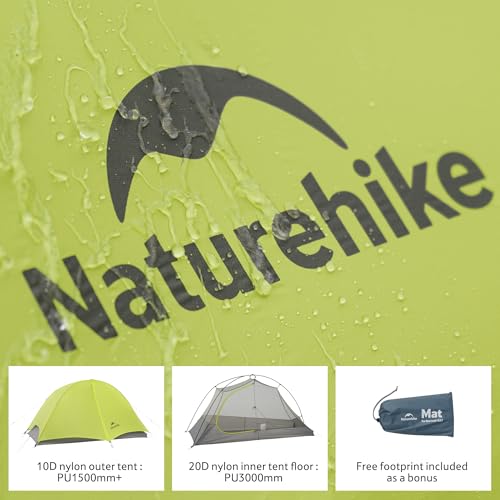
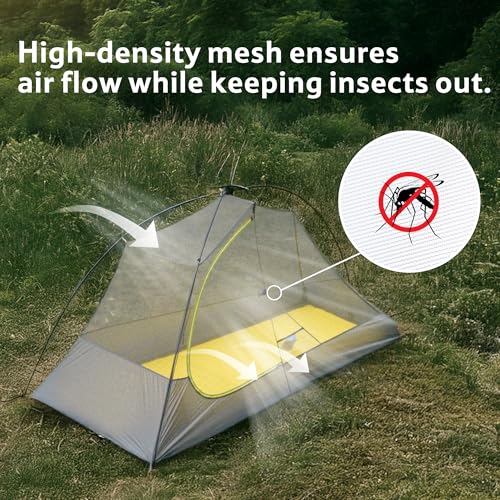
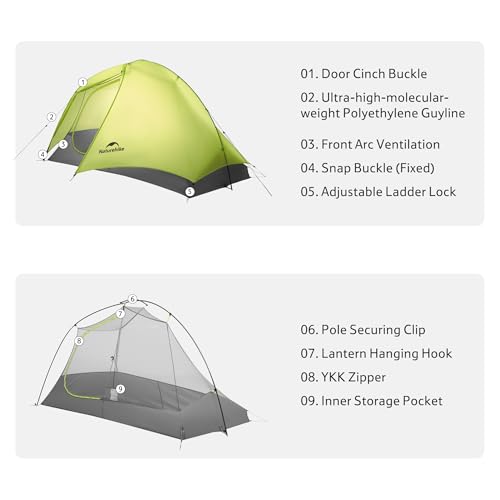
The Star Trail is the lightweight champion, at 2.3 lbs, it’s nearly two water bottles’ worth of shelter, and it packs down to just 17.7″x5.1″. For thru-hikers on the PCT or AT, that weight savings is transformative over hundreds of miles. Despite the ultralight build, it doesn’t feel flimsy: the 10D nylon and PU1500mm+ coating hold up in showers, and the full mesh inner keeps condensation in check.
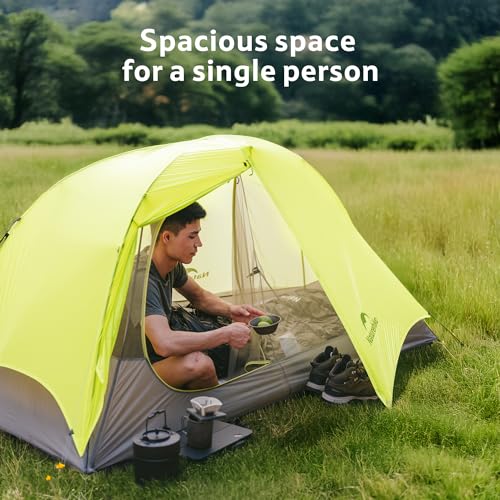
What surprises owners is the headroom, the elevated center peak lets you sit up comfortably, a rare win in this class. It’s a true 3-season tent, not built for snow loads, but perfect for spring to fall. Compared to the GEERTOP or Cloud-Up, it’s lighter and more compact, though less rugged. For most backpackers, this is the easy pick: light, roomy, and well-ventilated.
Product photos
Naturehike Cloud-Up 1 Person Tent
Strengths
- Good ventilation
- Includes footprint
- Spacious entry
Trade-offs
- Heavier than ultralight rivals
- Bulkier packed size
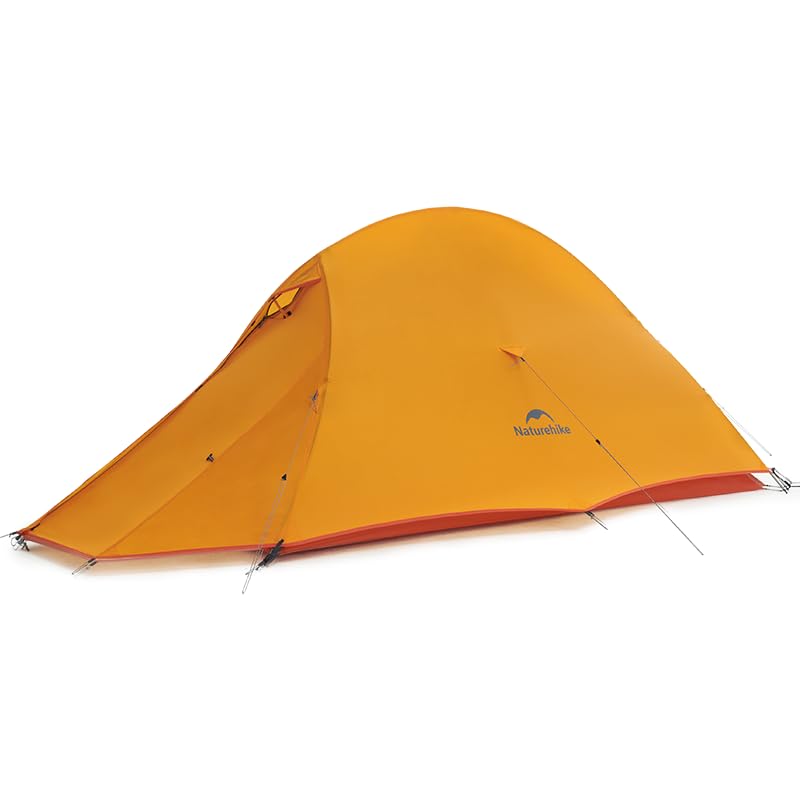
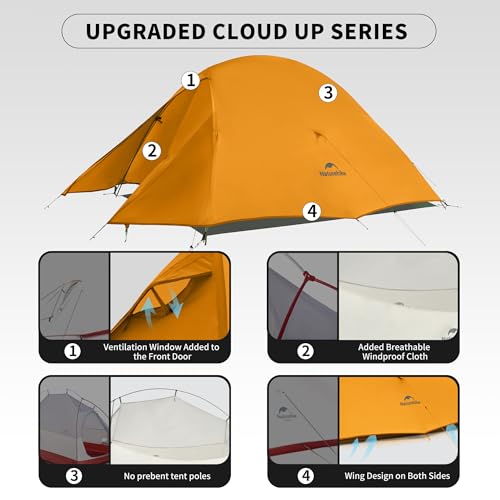
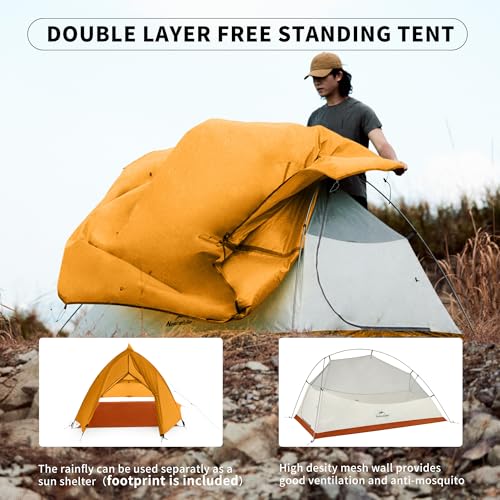
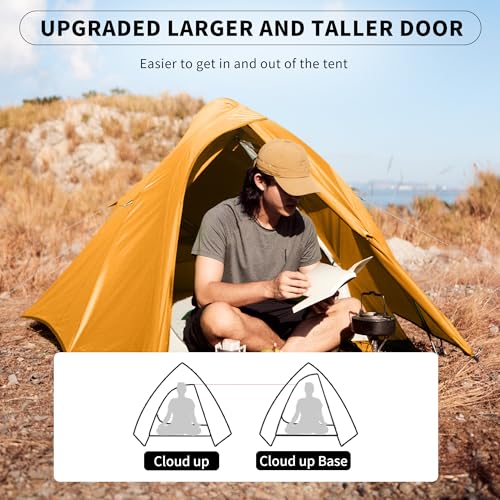
The Naturehike Cloud-Up earns its spot if you’re battling damp mornings and stuffy air in your tent. Owners consistently report that the ventilation window above the door makes a real difference, cutting down on condensation that plagues many single-wall and poorly vented ultralights. That, plus the high front door and roomy layout, gives it a surprisingly open feel for a solo backpacking tent.
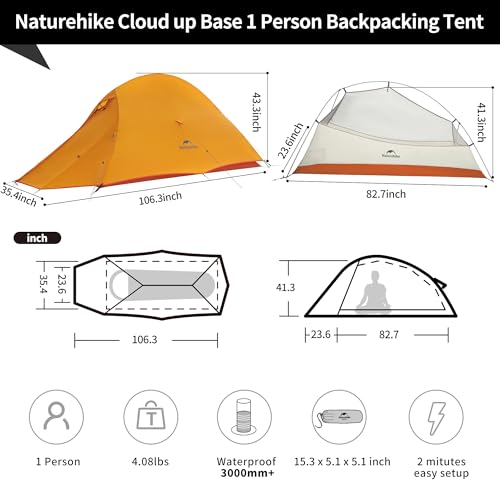
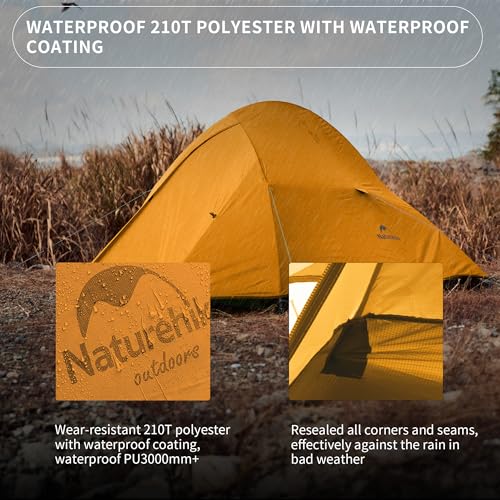
On paper, the 3.66 lb weight is reasonable but not class-leading, and the 210T polyester with PU3000mm+ coating means solid rain protection. It’s not the lightest, but it strikes a balance between weatherworthiness and pack size, especially with the included footprint and full accessory kit. Compared to the feathery Star Trail, this is the pick if you’d rather trade a few ounces for better airflow and durability.
Product photos
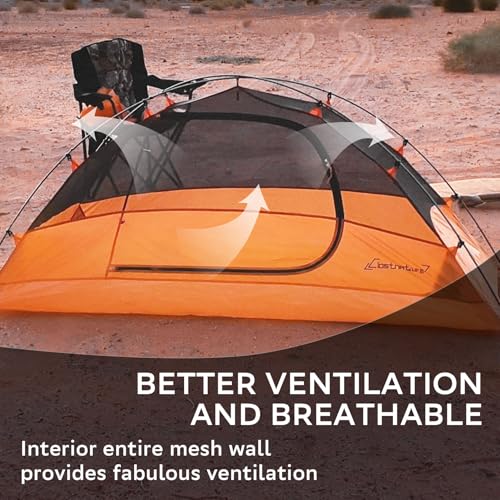
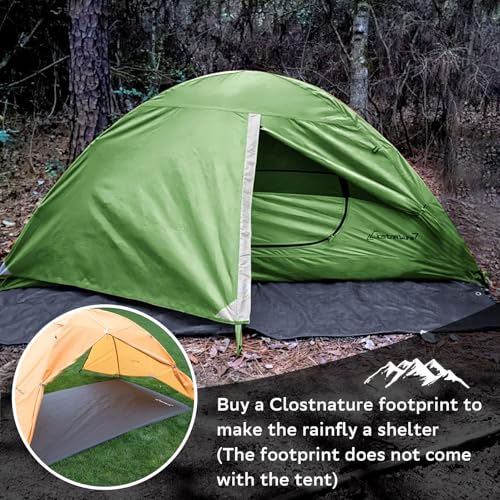
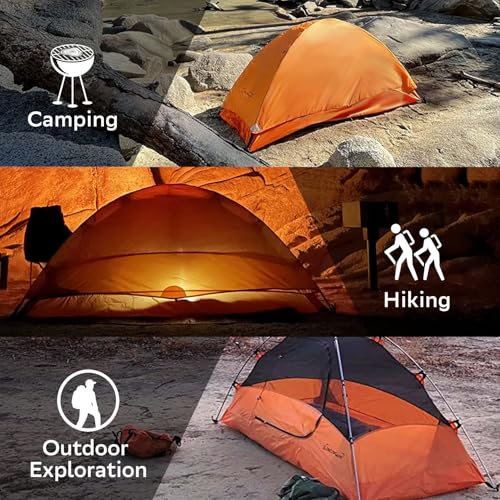
Clostnature 1 Person Backpacking Tent

Strengths
- Exceptional waterproofing
- Low trail weight
- Large vestibule
Trade-offs
- Ventilation lags behind
- Slightly tighter fit
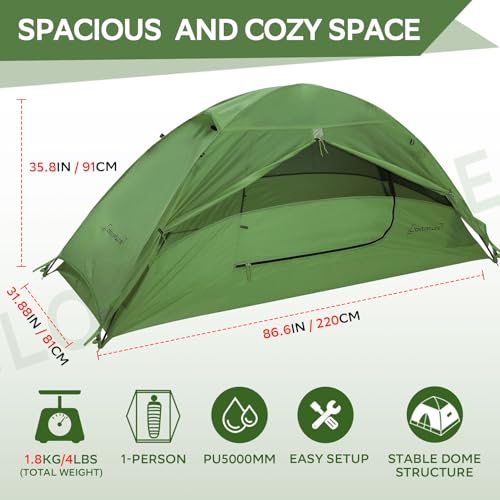
When it comes to waterproofing, the Clostnature tent is in its own league. The PU5000 coating on the rainfly and bathtub floor is overkill for most 3-season use, but that’s the point. This is the tent you want when the forecast says ‘heavy rain for 48 hours’. Owners in the Pacific Northwest and Appalachian Trail sections rave about staying dry even in prolonged downpours.
It’s also impressively packable at 15″x5.1″, and the trail weight drops to 2.97 lbs if you ditch stakes and guylines, a smart option for fair weather. The D-shaped door and large vestibule make gear access easy, and the freestanding design sets up smoothly. Compared to the Naturehike Cloud-Up, it’s better sealed against water but slightly less ventilated. For wet climates, this is the smarter buy.
Product photos

Underwood 4-Season Winter Backpacking Tent
Strengths
- True 4-season build
- Excellent waterproofing
- Snow skirt included
Trade-offs
- Heavier than most
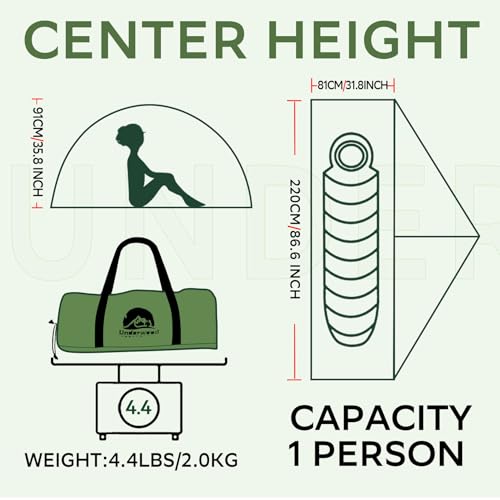
- Limited headroom
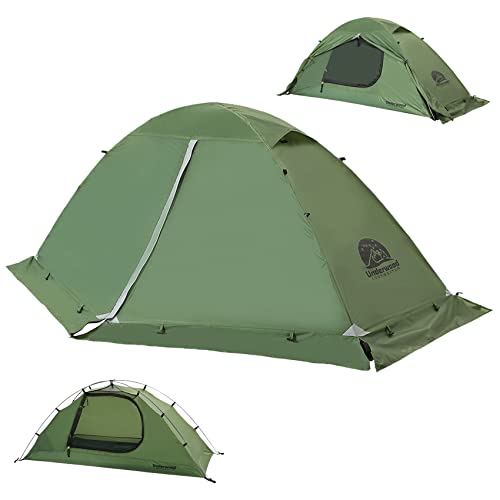
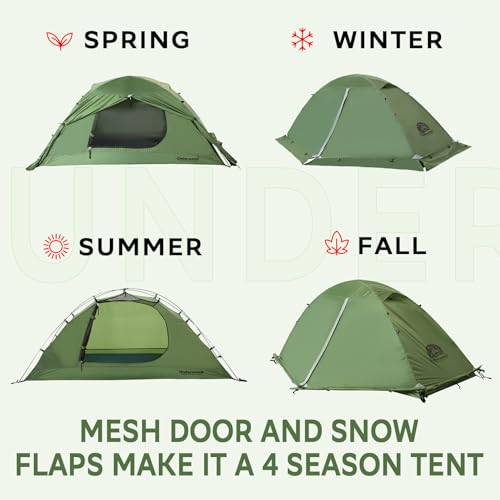
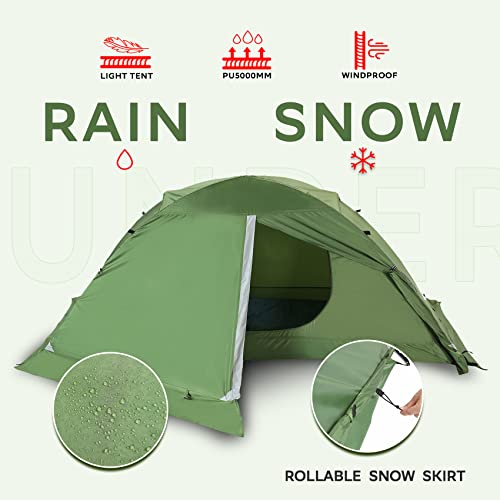
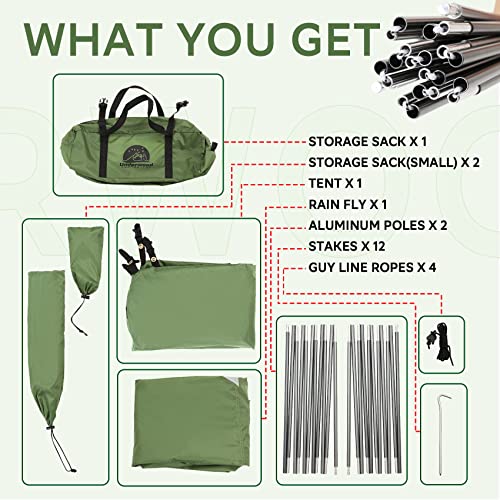
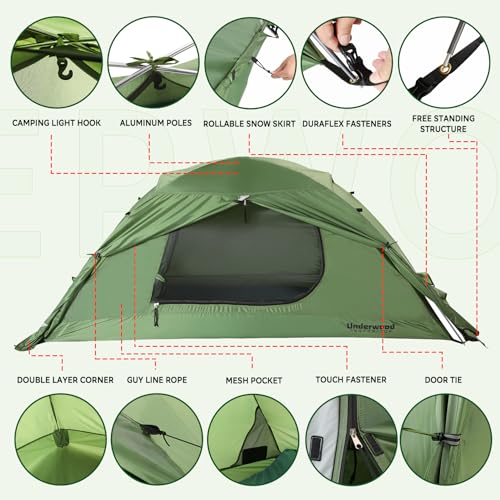
This Underwood Aggregator tent stands out in a niche most solo backpackers overlook: true four-season capability. With a PU5000mm coating, snow skirt, and aircraft-grade aluminum poles, it’s built to handle winter loads and icy winds. Reviewers in colder zones confirm it holds up in snow squalls and sub-freezing temps, making it a rare solo option for alpine winter missions.
It’s not a speed demon, 4.4 lbs and a modest floor size mean it’s heavier and tighter than 3-season picks. But that double-layer door and mesh ventilation show they didn’t sacrifice breathability for toughness. Compared to the GEERTOP bivy, this is overkill for summer hikes but far more capable when the weather turns brutal. For solo mountaineers or winter trail runners, this might be the only 1-person tent on the list that won’t leave you shivering.
Product photos
Night Cat Pop-up 1 Person Tent

Strengths
- Instant setup
- Compact folded size
- Roomy interior
Trade-offs
- Not for harsh weather
- No trekking poles included
- Less durable fabric
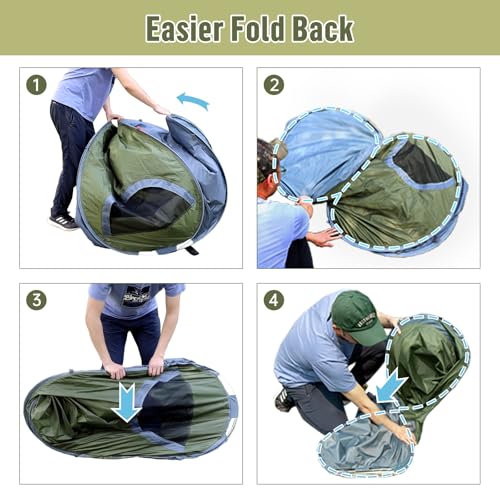
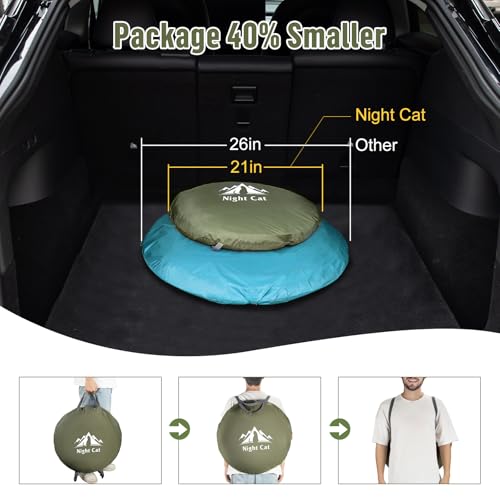
This pop-up design is all about convenience, if you dread tent poles and setup drama, this one’s tempting. The instant deployment works as advertised, and the 40% smaller folded size than traditional pop-ups is a real upgrade for car campers or fair-weather backpackers. The interior space is generous for one, fitting a twin air mattress with room to spare, and the mesh doors and windows offer decent airflow.
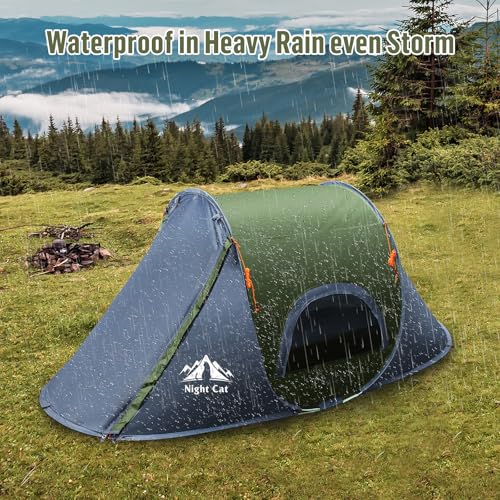
But here’s the catch: at 1.5kg (3.3 lbs), it’s not built for serious trail miles. The 6mm poles and PU2000mm coating are okay for light rain, but reviewers note it’s not a tent you’d want in high winds or sustained storms. It’s better framed as a beach or festival shelter than a true backpacking tent. Compared to the ALPS Lynx or Clostnature, it’s less rugged and not freestanding in the same reliable way.
Product photos

ALPS Mountaineering Lynx 1-Person Tent

Strengths
- Durable 75D fabric
- Gear loft included
- Freestanding design
Trade-offs
- Heavier than ultralights
- Lower center height
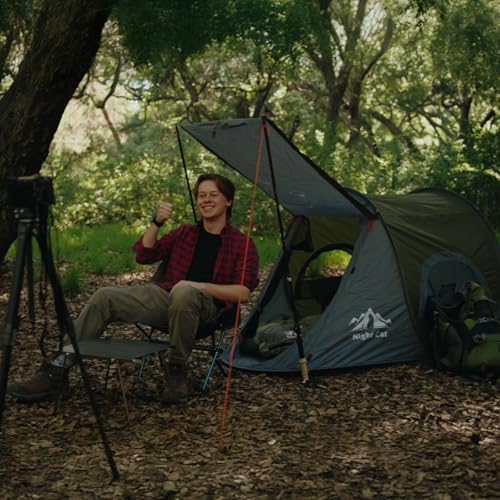
The ALPS Lynx is the workhorse of this group, not the lightest, but built to take a beating season after season. At 4 lbs 1 oz, it’s in the middle of the pack weight-wise, but the 75D fabric and factory-sealed rainfly mean it’ll outlast flimsier models. Reviewers consistently praise its durability on rocky terrain and in gusty mountain passes.
The half-mesh walls deliver solid airflow without sacrificing warmth, and the included gear loft is a small luxury most ultralights skip. It’s also fully freestanding, which makes site selection easier. Compared to the Clostnature, it’s slightly heavier but feels more bombproof. For a weekend warrior or someone starting out in backpacking, this is the tent that won’t quit when things get rough.
Product photos


GEERTOP Ultralight 1 Person Bivy Tent

Strengths
- Camouflage design
- Good vestibule space
- Taped seams
Trade-offs
- Heavier than ultralights
- Mesh less extensive
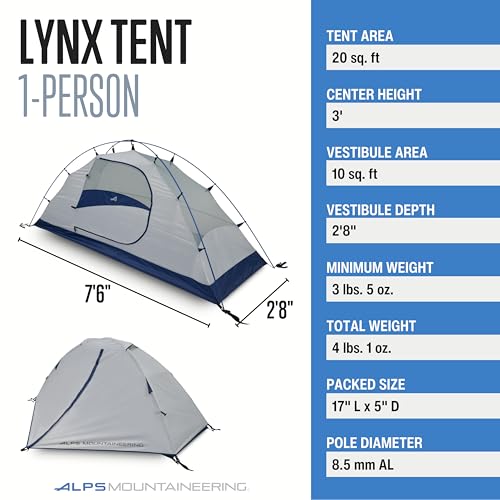
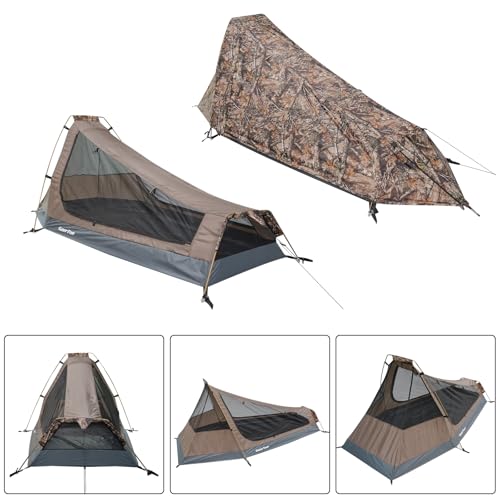
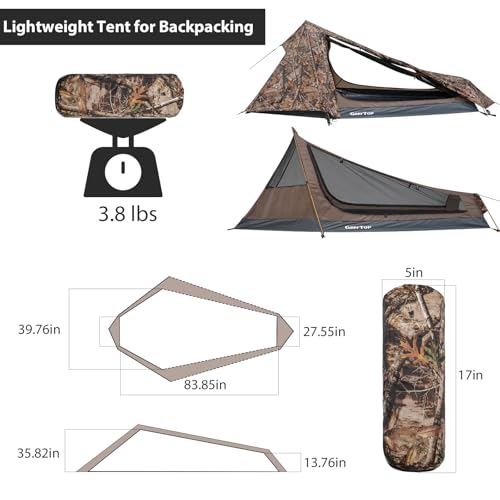
The GEERTOP leans hard into the bivy-style, fast-and-light approach. At just under 4 lbs and with a 17″x4″x4″ pack size, it’s built for those who count every cubic inch. The double-layer design with taped seams and PU2500mm coating offers dependable rain protection, and the two vestibules add rare storage space for a tent this compact.
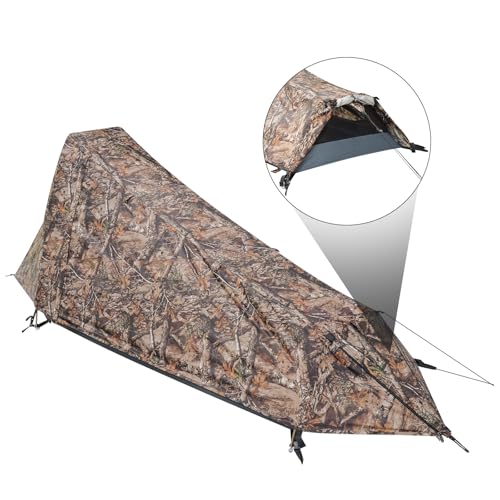
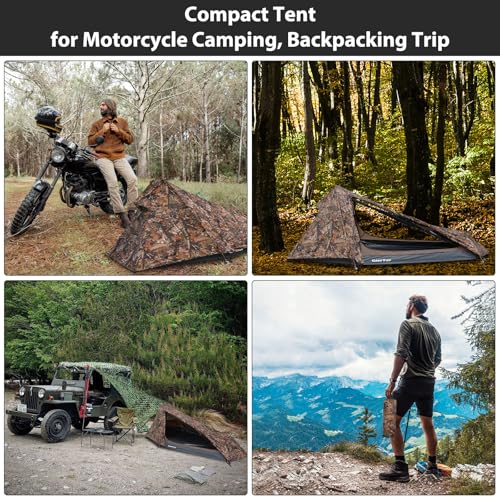
But what really defines it is the camouflage finish, not just for looks. Hunters and stealth campers love how it blends into brush and forest, and the reflective guylines add safety without breaking concealment. Ventilation is solid thanks to dual windows and doors, though it doesn’t match the Cloud-Up’s airflow. Compared to the Naturehike Star Trail, it’s heavier but more rugged and mission-specific. If you’re scouting game or avoiding crowds, this one’s quietly brilliant.
Product photos

How We Chose These 1 man tents for backpacking
Rather than a hands-on lab test, this is a research-led comparison of specifications and owner feedback. I focused on analyzing published specs – weight, dimensions, waterproof ratings, and materials – across a range of models. I then weighed those details against owner reviews from multiple retailers and expert reviews from sites dedicated to outdoor gear. This allowed me to build a picture of real-world performance beyond the marketing claims.
For one-person backpacking tents, weight, waterproofness, and ease of setup are the most critical factors. A lighter tent obviously reduces strain on a solo trek, while reliable waterproof protection is essential for comfort and safety. Quick and simple pitching is also key, especially after a long day on the trail or when facing unexpected weather. I focused on these three elements to differentiate between models and identify those offering the best balance.
Specifications reliably indicate a tent’s potential durability and weather resistance – the denier of the fabric, the PU coating of the rainfly, and pole material all matter. However, owner feedback provided crucial insights into how those specs translate into actual performance. I paid close attention to comments regarding condensation build-up, wind resistance, and long-term durability, and considered the reputation of leading backpacking gear brands when evaluating overall quality.
Choosing The Right 1 man tents for backpacking
Picking the right shelter is crucial for enjoying the backcountry. We’ll break down what truly matters when you’re shopping for a one-person tent.
A good one-person tent balances weight, weather protection, and usable space. Key features to evaluate include the denier (D) and coating (PU mm) of the tent fabrics, pole material (aluminum is generally superior to fiberglass), and the overall packed size and weight. Consider the intended season of use and prioritize features accordingly – ventilation for summer, robust waterproofing for shoulder seasons, and a strong frame for windy conditions.
Weight and Packability
As a solo hiker, I know every ounce counts. Don’t get hung up on the absolute lightest weight, though. Often, shaving those last few ounces means sacrificing durability or liveable space. Look for tents under 4 pounds, but consider the trade-offs. A slightly heavier tent made with more robust materials could save you a lot of headaches in bad weather. The packed size is equally important; you don’t want a bulky tent taking up half your pack.
Weather Protection
The materials used dictate how well a tent will stand up to the elements. A higher PU (polyurethane) coating on the rainfly and floor indicates better waterproofing, but it’s not the whole story. Seam taping is essential – even a high PU rating is useless if the seams leak. Also, pay attention to the denier (D) of the fabrics; a higher D means a more durable, tear-resistant material. If you’re planning on trips in challenging conditions, consider a four-season tent. For those seeking a truly minimalist approach, a compact bivy tent might be a good fit, trading space for extreme weight savings.
- A 1500mm PU coating is generally sufficient for light rain.
- 3000mm or higher provides excellent protection in heavier downpours and prolonged wet conditions.
- Full seam taping is absolutely critical – don’t compromise on this, even if the PU rating is high, because water will find any weakness.
Usability and Features
Don’t underestimate the importance of details. Ease of setup is a huge plus, especially after a long day on the trail. Freestanding designs are generally easier to pitch than non-freestanding ones. Vestibules are also incredibly valuable, providing a dry space to store gear. Ventilation is often overlooked, but it’s crucial for preventing condensation buildup inside the tent. A well-designed ventilation system can make a big difference in your comfort. If you’re looking for a wider selection, check out some best solo hiking tents for more options.
Don’t fall for marketing hype. A tent’s features matter far more than its price tag. Prioritize quality construction and thoughtful design over fancy extras you won’t actually use.
1 Man Tents for Backpacking Compared
This table provides a detailed specification comparison of several 1-person tents designed for backpacking.
| Product Title | Weight (lbs) | Packed Size (in) | Waterproof Rating (Fly) | Waterproof Rating (Floor) | Season |
|---|---|---|---|---|---|
| Naturehike Star Trail 1 | 2.3 | 17.7×5.1 | PU1500mm+ | PU3000mm | 3 |
| Naturehike Cloud-Up 1 | 3.66 | 15.3×5.1×5.1 | PU3000mm+ | N/A | 3 |
| Clostnature 1 Person | 4 | 15×5.1×5.1 | PU 5000 | PU 5000 | All |
| Underwood 4-Season | 4.4 | 5.1×15 | PU5000mm | N/A | 4 |
| Night Cat Pop-up 1 | 1.5kg (3.3lbs) | 21x21x2 | PU 2000mm | N/A | 3 |
| ALPS Mountaineering Lynx 1 | 4.1 | 17×5 | 1500mm | 2000mm | 3 |
| GEERTOP Ultralight 1 | ~4 | 17x4x4 | PU2500mm | N/A | 3 |
Frequently Asked Questions
What waterproof rating is truly necessary for a 1-person backpacking tent?
A 1500mm rating is generally okay for very mild conditions, but I recommend a rainfly with at least a 3000mm rating for reliable protection in most backpacking situations. Don’t forget that a high number doesn’t matter if the seams aren’t fully taped.
Are freestanding tents easier to set up, and does that matter for backpacking?
Yes, freestanding tents are typically easier to pitch because they don’t require staking to maintain their shape. This is a real benefit when you’re dealing with rocky or hard ground, or simply want a quick setup after a long day on the trail.
What does the denier (D) of a tent fabric tell me about its durability?
The denier indicates the thickness of the fabric fibers; a higher denier number means a thicker, more durable material. While lighter fabrics are appealing for weight savings, a lower denier increases the risk of tears and punctures, especially on rugged terrain.
What’s the advantage of aluminum poles over fiberglass in a backpacking tent?
Aluminum poles offer a significantly better strength-to-weight ratio than fiberglass, making them more durable and less prone to breaking in strong winds or under heavy loads. While fiberglass is less expensive, the added weight and reduced reliability aren’t worth it for serious backpacking.
I’m looking for the lightest possible shelter. Should I consider a bivy instead of a 1-man tent?
If your priority is minimizing weight above all else, a bivy sack is worth considering. However, you’ll sacrifice a lot of space and comfort, and they can be quite claustrophobic. For many, a well-chosen ultralight one-man tent offers a better balance of weight, protection, and liveability – explore some best single-hiker tents to see what fits your needs.
The Bottom Line
Ultimately, choosing a one-person backpacking tent comes down to balancing how much you want to carry against how much protection you require. For most three-season adventures, the Naturehike Star Trail 1 offers an excellent blend of lightweight design, reasonable weatherproofing, and a price that won’t break the bank – making it our overall recommendation. It’s a solid performer for those who prioritize keeping their pack weight down without sacrificing too much comfort.
If you’re specifically facing harsh conditions or frequent strong winds, the Clostnature 1 Person tent is a worthwhile investment. Those needing a tent for year-round use, or who frequently encounter severe weather, will appreciate its robust 5000mm waterproof rating on both the fly and floor. For those wanting something ultra-lightweight and quick to pitch, the Night Cat Pop-up 1 is a good option, though be aware of the trade-offs in durability. If you’re still unsure about choosing the right tent, there are plenty of resources available.
Don’t get too caught up in chasing the highest waterproof ratings or the lowest weight. Instead, focus on finding a tent with quality construction, a well-designed ventilation system, and a setup that you find intuitive. A tent that’s easy to pitch and keeps you dry and comfortable is far more valuable than a marginally lighter or more waterproof model that’s a pain to use.
