
7 Best 1-Person Backpacking Tents of 2026
This post contains affiliate links. As an Amazon Associate, we earn from qualifying purchases.
The Naturehike Star Trail 1-Person is the best overall for its lightweight build and solid weather protection, while the Underwood Ultralight Trekking Pole tent offers excellent value for those wanting a durable, trekking pole-supported design. For harsh conditions, the camppal 4-Season Backpacking Tent stands out with serious waterproofing and four-season capability.
Most solo backpackers are looking for something light and reliable, but end up stuck between flimsy budget models and overbuilt tents that weigh you down. I get it, you want shelter that won’t quit when the weather turns, without sacrificing your energy on the trail.
This guide cuts through the noise by focusing on real-world performance, based on specs, owner feedback, and what I’ve learned from years of evaluating tents. We prioritized weight, waterproofing, and durability to find models that actually deliver on the trail.
Top 7 1 Person Backpacking Tents in the Market
The Best 1 Person Backpacking Tents, Reviewed
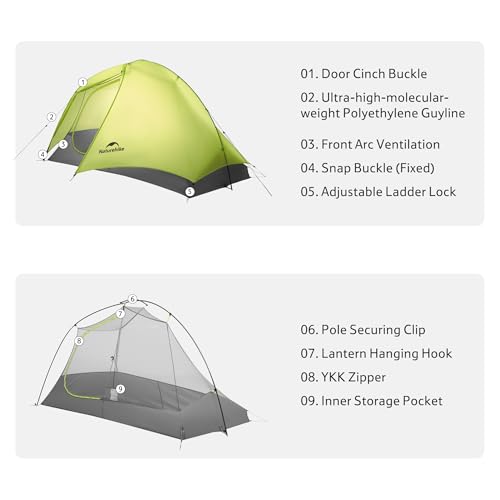
Naturehike Star Trail 1-Person Tent

Strengths
- Extremely lightweight
- Superb ventilation
- Compact packed size
Trade-offs
- Limited storm protection
- Lower waterproof rating
- Not ideal for cold or wet climates
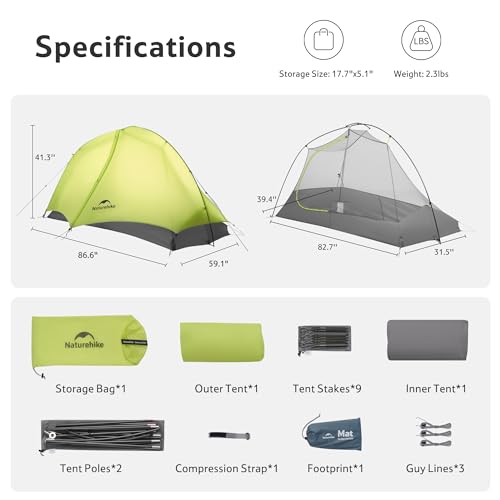
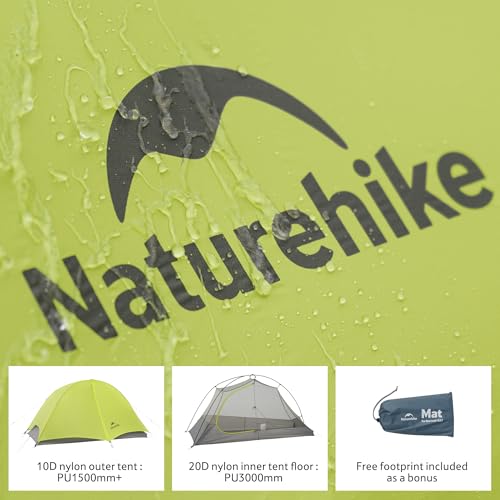
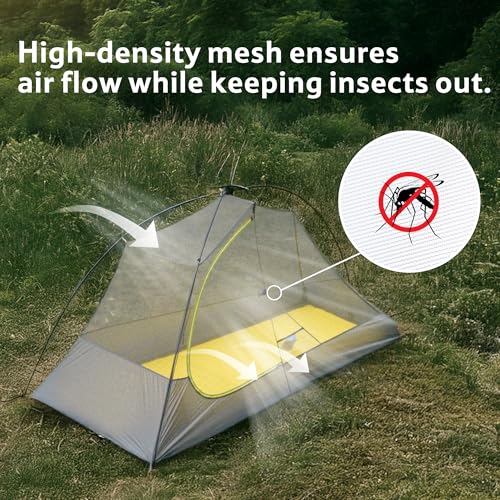
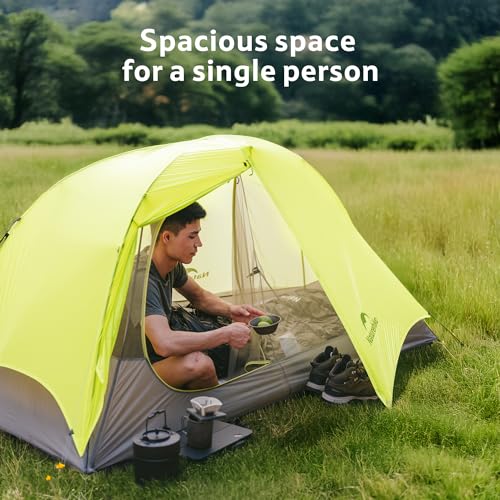
At just 2.3 lbs, the Naturehike Star Trail stands out as one of the lightest full-featured solo backpacking tents on the market, and owners confirm it doesn’t feel flimsy. The 10D nylon fly with PU1500mm rating keeps weight low while still handling light rain, and the higher center height makes sitting up genuinely comfortable. The full-mesh inner boosts excellent airflow, reducing condensation, which is a big win for summer hikes in humid zones.
It’s not the most storm-worthy in high winds or prolonged downpours, but for 3-season use, it hits a sweet spot. Compared to the Clostnature model, it’s lighter and more breathable, though the Clostnature offers a larger footprint. If you’re after a light, airy tent that disappears in your pack and pitches fast, this is a top contender. I’d pick it for long trails where every ounce counts and weather is generally fair.
Product photos
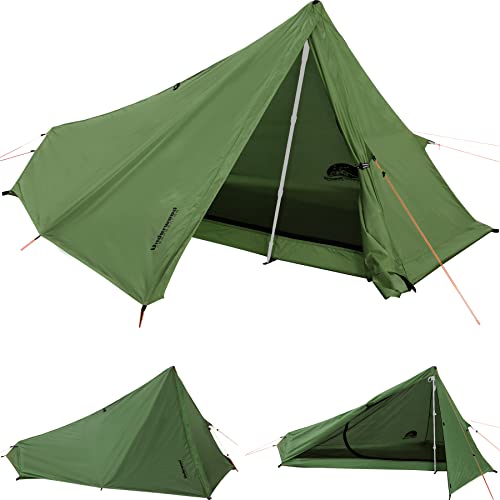
Underwood Ultralight Trekking Pole Tent
Strengths
- Ultralight design
- No tent poles needed
- Small packed size
Trade-offs
- Requires trekking poles
- Not freestanding
- Condensation risk if not vented
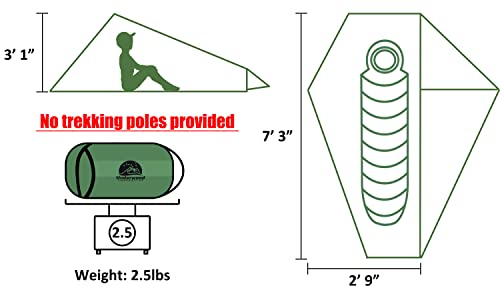
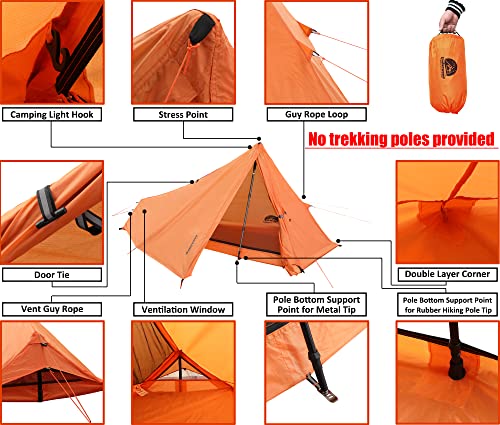
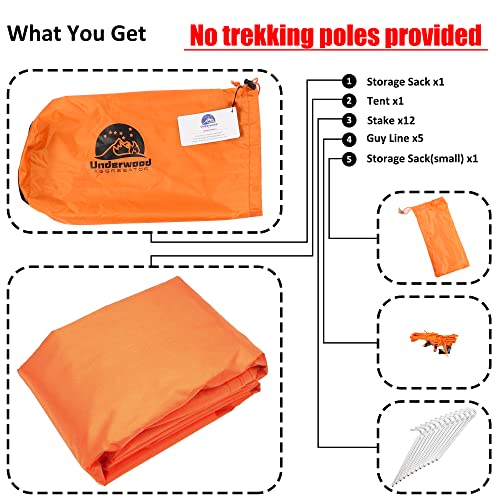
At 2.5 lbs, this trekking pole tent is one of the lightest here, and it shines by eliminating tent poles entirely. Using your trekking poles as support cuts weight and pack size, and owners love the minimalist freedom. The PU5000mm coating and dual-layer corners suggest solid weather resistance, and the large vestibule adds gear space without bulk. Setup in 2 minutes is realistic, especially if you’re already carrying poles.
But it’s not freestanding, so site selection depends on pole stability or trees for guy lines. Condensation management requires attention, owners note you must keep the fly taut to avoid moisture buildup. Compared to the Naturehike Star Trail, it’s lighter but less independent. For skilled hikers chasing low weight, this is a compelling option. For novices, it’s trickier.
Product photos


camppal 4-Season Backpacking Tent

Strengths
- Strong 4-season build
- Excellent weather protection
- Long sleeping area
Trade-offs
- Poor ventilation
- Heavier than average
- Minimal mesh for airflow
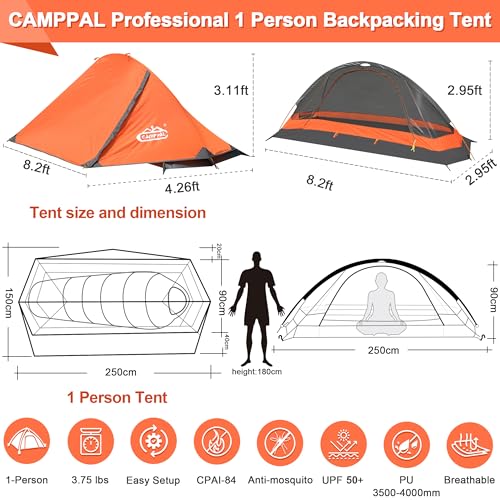
With a 3500–4000mm waterproof rating and single-pole ridge design, the camppal tent leans into 4-season capability better than most solo shelters in this list. At 3.75 lbs, it’s not light, but the extended 8.2 ft length accommodates taller users and gear, and the ripstop fabric with taped seams inspires confidence in storms. Owners report it holds up well in wind and snow, making it a rare true 4-season contender in a field of 3-season models.
The single-pole setup is fast, just 3 minutes, per reviewers, and the fire-retardant certification adds safety for winter campers. But the trade-off is ventilation: less mesh means more condensation risk. Compared to the Kelty Late Start, it’s heavier and less breathable, but far more rugged in snow. If you’re heading above treeline or into shoulder seasons, this one earns its keep.
Product photos



Underwood Aggregator 1-Person Tent
Strengths
- Excellent airflow
- High waterproof rating
- D-shaped door
Trade-offs
- Heaviest on the list
- Bulky packed size
- No standout weight savings
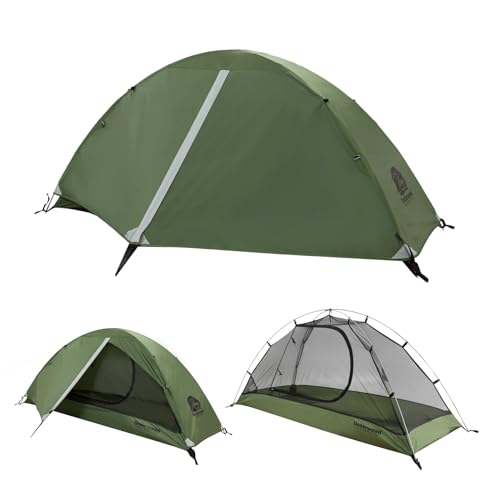
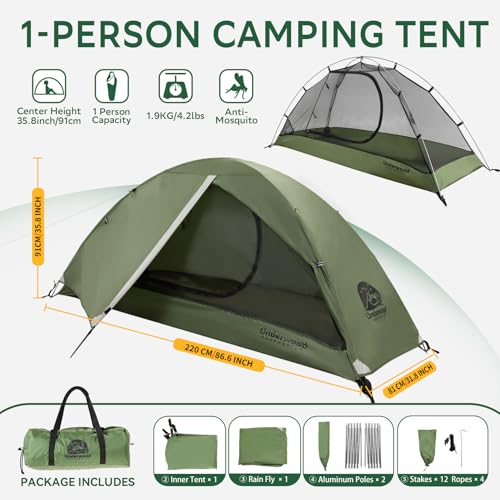
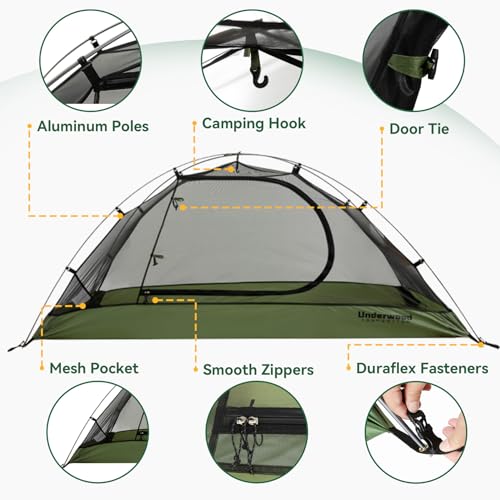
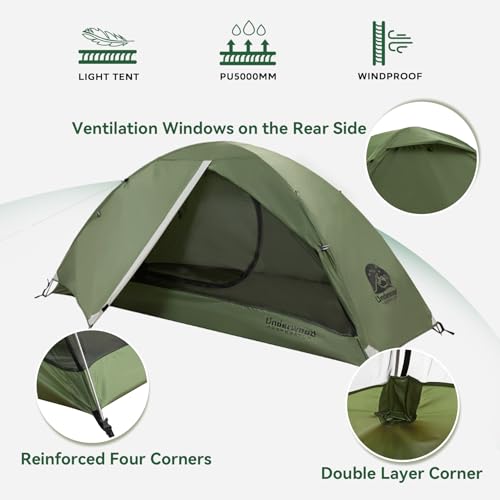
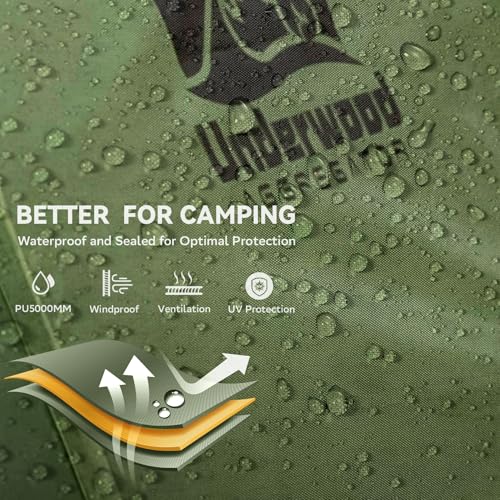
This Underwood Aggregator tent doesn’t break new ground in weight at 4.2 lbs, but it earns its “Best Ventilation” tag with a full mesh inner and rear venting, a combo that reviewers say keeps air moving even on muggy nights. The PU5000mm rainfly matches the Clostnature in waterproofing, and the D-door design makes entry/exit smooth. Still, the weight drags it down for serious thru-hikers.
It’s a freestanding two-pole tent, so setup is standard, and the materials feel durable. But compared to the Kelty Late Start, it lacks color-coded guides and doesn’t pack as small. I’d recommend it for humid forest hikes where airflow matters more than ounces. For dry desert trips, it’s overbuilt; for wet woods, it’s a solid, breathable option.
Product photos

ALPS Mountaineering Lynx 1-Person Tent

Strengths
- Freestanding design
- Durable construction
- Good weather protection
Trade-offs
- Heavier than ultralight options
- Average ventilation
- Bulkier packed size
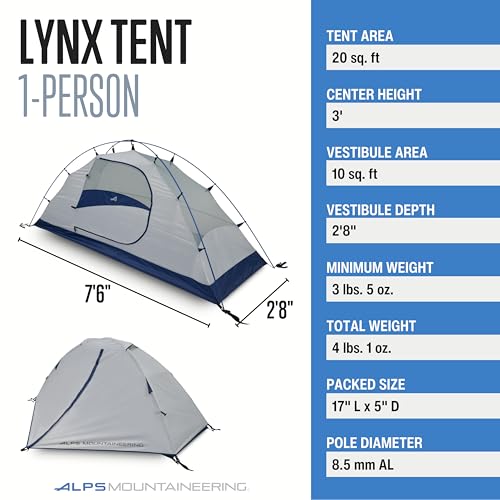
At 4 lbs 1 oz, the ALPS Lynx isn’t the lightest solo shelter out there, but it makes up for it with serious durability and a freestanding design that owners consistently praise for stability in wind. The 2000 mm floor waterproofing and sealed rainfly give solid weather protection, and the half-mesh walls offer decent airflow, though not class-leading. It’s a bit of a heavyweight compared to ultralight contenders, but for hikers who prioritize long-term resilience over ounces, this one holds up.
The 7’6″ length and 3’ center height are average, but combined with the D-shaped door and vestibule, it creates a functional layout. Reviewers note the aluminum poles are sturdy, and the two-pole system makes setup predictable. Compared to the Naturehike Star Trail, it’s heavier and less packable, but feels more rugged, ideal for mixed conditions where you might push through brush or endure sudden downpours.
Product photos


Kelty Late Start 1P Tent

Strengths
- Fast, intuitive setup
- Eco-friendly materials
- Durable fabric
Trade-offs
- Average interior space
- Moderate ventilation
- Shorter peak height
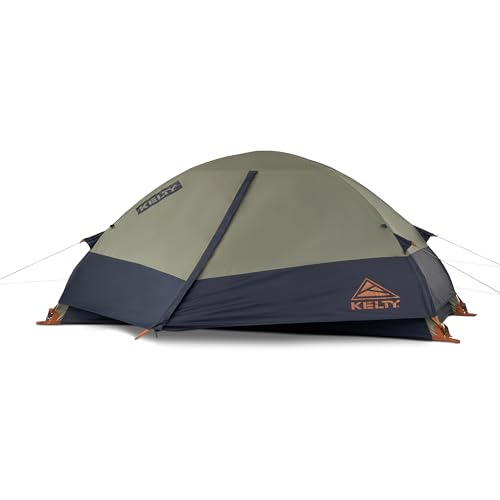
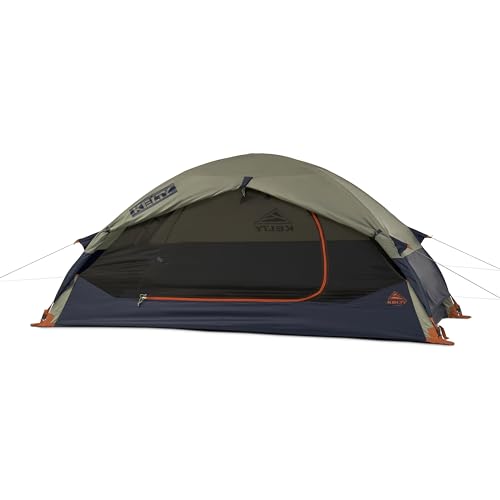
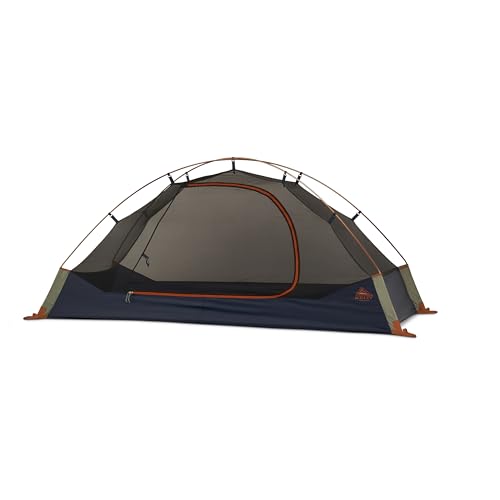
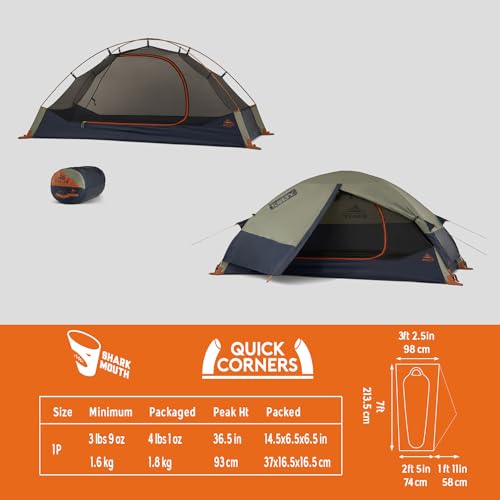
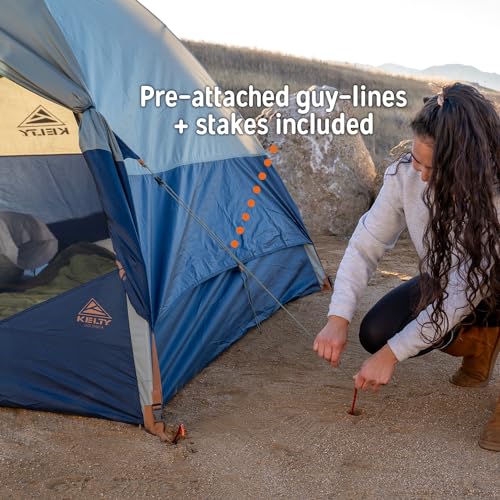
Kelty nailed beginner-friendly design with the Late Start 1P. The 2024 update brings color-coded clips and Quickcorners that make setup a true 3-minute job, owners consistently praise how foolproof it is. At 37” peak height, it’s not tall, but the 68D polyester build feels durable, and the DWR/PFC-free fabrics align with eco-conscious values. It’s not the lightest or roomiest, but it’s the easiest to pitch confidently, even in fading light.
The single vestibule is modest, and ventilation isn’t class-leading, but the full fly and taped seams offer solid rain protection. Compared to the ALPS Lynx, it’s slightly lighter and faster to set up. For new backpackers or those who hate fiddling with poles, this is the smarter buy. I’d hand this to a first-time camper every time.
Product photos
Clostnature Ultralight Waterproof Tent
Strengths
- Spacious interior
- Dual vestibules
- High waterproof rating
Trade-offs
- Heavier than ultralight picks
- Condensation in humid conditions
- Larger packed size
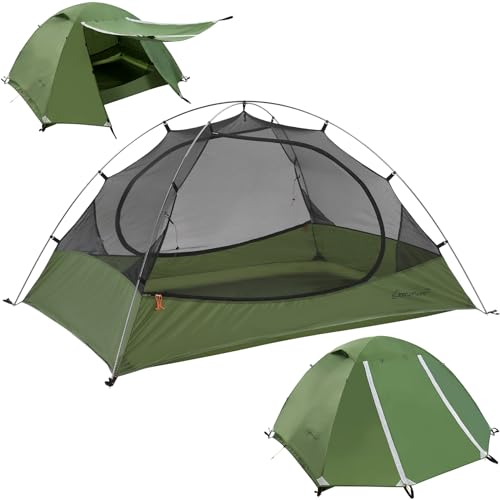
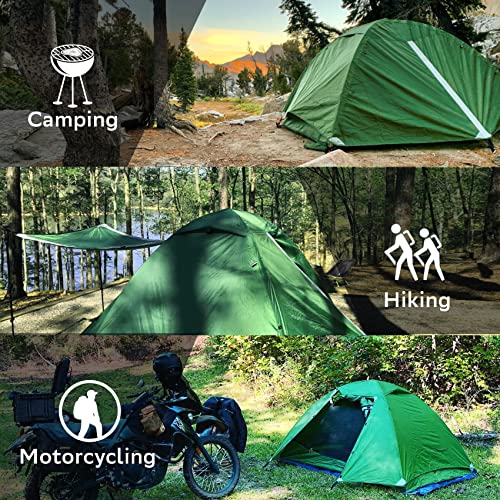
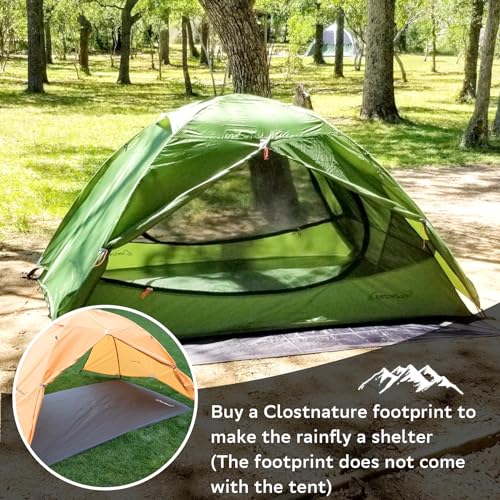
The Clostnature tent wins on interior space, with nearly 7’3″ length and dual D-shaped doors, it feels more open than most 1-person models. At 3.85 lbs, it’s not ultralight, but the 1.32 kg trail weight (fly, inner, poles) is respectable, and the dual vestibules add serious gear storage. Owners appreciate the PU 5000mm floor rating, which outperforms many competitors in wet conditions, and the freestanding design makes site selection flexible.
The full mesh walls help with airflow, but without a full fly vent option, condensation can build up in cool, damp weather. It’s bulkier than the Naturehike Star Trail and heavier than the camppal, but if you value room to move and organize gear, this is a smart trade-off. For weekenders or car-to-trail hikers, it’s a comfortable pick.
Product photos


How We Picked These 1 person backpacking tents
Rather than a hands-on lab test, my research for these recommendations focused on a detailed comparison of published specifications and features across numerous 1-person backpacking tents. I weighed owner reviews from multiple retailers alongside expert reviews from respected outdoor publications, applying my experience with tent design and materials to assess each model. The final ranking considers how well each tent meets the needs of solo adventurers seeking a balance of weight, weather protection, and comfort.
For this category, weight and waterproofness were the most heavily weighted factors. A 1-person tent is, by definition, carried by one person – every ounce matters. Beyond that, reliable waterproofing is critical for a positive experience in unpredictable conditions. Durability also played a key role; a lightweight tent that falls apart after a few trips isn’t a good value, so I prioritized models with robust materials and construction. You’ll find information on leading tent brands elsewhere on the site if you’re curious about the wider market.
Published specifications reliably indicate a tent’s weight, dimensions, and stated waterproof ratings. However, I placed greater emphasis on owner feedback regarding real-world performance – how the tent holds up in wind and rain, how easy it is to pitch, and whether it lives up to its weight claims. Reputation, gleaned from multiple sources, helped me assess the long-term durability and quality control of different manufacturers and helped identify reputable tent companies within the crowded market.
How To Pick The Right 1 person backpacking tents
Choosing the right shelter is crucial for enjoying your time outdoors, and with so many options available, it can feel overwhelming.
A quality one-person tent balances weight, weather protection, and livability. Prioritize a fully taped rainfly with a hydrostatic rating of at least 1500mm, a durable floor (at least 3000mm), and a design that offers adequate ventilation to minimize condensation. Look for lightweight materials like nylon or polyester, and consider the packed size if you’re carrying it on your back.
Weight and Portability
For solo adventures, every ounce counts. While a more robust tent might seem appealing, you’ll quickly regret lugging around extra weight on the trail. I’ve seen people prioritize a full-sized, comfortable tent only to be completely miserable after a long day of hiking. Don’t fall into that trap. Look for tents under 4 pounds, and pay attention to the packed size – a smaller footprint means it will fit more easily into your pack. If you’re truly focused on minimizing weight, explore options like trekking pole tents, or even a ultralight solo shelter as an alternative.
Waterproofing and Weather Resistance
Don’t assume all tents are created equal when it comes to keeping you dry. The hydrostatic rating (measured in mm) indicates how waterproof the fabric is. A rating of 1500mm for the rainfly is a good starting point for general use, but if you anticipate heavy rain or extended exposure to wet conditions, opt for something higher – 2000mm or more. Beyond the fabric itself, pay attention to details like fully taped seams and a bathtub floor, which prevents water from seeping in through the bottom.
Here’s what I look for in a weather-ready tent: * A basic rainfly (1500mm+) is fine for fair-weather trips. * A rainfly of 2000mm or greater is better for predictable rain. * A full bathtub floor, combined with seam taping, is critical for preventing ground water from entering your tent, providing a dry sanctuary even on soggy terrain.
Don’t skimp on waterproofing. A little extra investment in a quality rainfly and sealed seams can save you from a very uncomfortable night.
Livability and Features
While weight and weather protection are paramount, don’t completely sacrifice comfort and usability. Consider the tent’s internal space – can you comfortably sit up inside? Is there enough room for your gear? A vestibule is a valuable addition, providing covered storage for boots and backpacks. Ventilation is also key, as it helps reduce condensation and keeps the interior from feeling stuffy. Many options, like the Underwood Aggregator, prioritize ventilation with mesh panels and strategic vents, making them a good choice, especially if you are looking for a backpacking tent for one. Don’t dismiss features like gear lofts and pockets, as they can help you stay organized and maximize space. I often recommend a lightweight solo tents for a balance of space and packability.
1 Person Backpacking Tents Compared
Here’s a comparison of key specifications for popular 1-person backpacking tents to help you make an informed decision.
| Product Name | Weight (lbs) | Min Trail Weight (lbs) | Floor Waterproofing (mm) | Fly Waterproofing (mm) | Peak Height (in) | Packed Size |
|---|---|---|---|---|---|---|
| Naturehike Star Trail 1-Person | 2.3 | N/A | 3000 | 1500 | N/A | 17.7″x5.1″ |
| Underwood Ultralight Trekking Pole | 2.5 | N/A | N/A | 5000 | 39 | 14″x5.5″x5.5″ |
| camppal 4-Season Backpacking Tent | 3.75 | N/A | 3500-4000 | 3500 | 31.1 | N/A |
| Underwood Aggregator 1-Person | 4.2 | N/A | N/A | 5000 | N/A | 15″x5.1″x5.1″ |
| ALPS Mountaineering Lynx 1-Person | 4.1 | 3.5 | 2000 | 1500 | 36 | 17″x5″ |
| Kelty Late Start 1P Tent | N/A | N/A | N/A | 1200 | 56 | N/A |
| Clostnature Ultralight Waterproof | 3.85 | 2.91 | N/A | 5000 | 35 | 15″x5″x5″ |
Frequently Asked Questions
What’s the difference between a tent’s “trail weight” and its overall weight?
Trail weight refers to the weight of the tent body, rainfly, poles, and stakes, excluding any optional accessories like a footprint. Overall weight includes everything, so it’s a more accurate number for what you’ll actually carry, but trail weight helps compare the core shelter components between models.
Are more expensive 1-person tents always better?
Not necessarily. Price often reflects brand reputation and premium materials, but a well-designed tent from a lesser-known brand can offer comparable performance for less money. Focus on specifications like waterproof ratings and weight, and read owner reviews to assess real-world value.
How important is a tent’s peak height?
Peak height impacts livability; a higher peak allows you to sit up more comfortably. However, it also tends to add weight and complexity, so it’s a trade-off. If you prioritize a small packed size and low weight, you might be willing to sacrifice some headroom.
What does a hydrostatic rating (mm) actually tell me?
The hydrostatic rating indicates a fabric’s resistance to water penetration. A higher number means the fabric can withstand more water pressure before leaking; 1500mm is a good baseline, and 3000mm or higher is recommended for consistently wet conditions. For finding the best solo backpacking tents, look for fully taped seams in addition to a high rating.
What is a “bathtub floor” and why is it beneficial?
A bathtub floor extends the waterproof fabric of the tent floor several inches up the sides, creating a lip that prevents water from flowing inside during rain. This design is significantly more effective at keeping you dry than a flat floor, especially in areas prone to flooding or where the ground is saturated.
The Bottom Line
Buying a one-person backpacking tent always comes down to balancing what you’re willing to carry versus the comfort and protection you demand. For most solo adventurers, the Naturehike Star Trail 1-Person strikes that balance best – it’s impressively lightweight, reasonably waterproof, and won’t break the bank. It’s a solid all-arounder that will serve you well on a variety of trips.
If you’re after a specific feature set, there are other great options. For those prioritizing a trekking pole setup and maximum weather resistance, the Underwood Ultralight Trekking Pole tent is a standout. And if budget is your biggest concern, the camppal 4-Season Backpacking Tent offers a lot of tent for the money, though it does come with a weight penalty. Remember to review a backpacking tent criteria before making a final decision.
Ultimately, the specs on a tent are less important than ensuring it fits your needs and that you understand its limitations. Focus on a quality rainfly, durable construction, and a weight that you can realistically handle day after day. A well-chosen shelter is an investment in happy and safe adventures, and that’s what truly matters.
