
7 Best 2 Man Backpacking Tents 2026
This post contains affiliate links. As an Amazon Associate, we earn from qualifying purchases.
The Naturehike Star Trail Ultralight Tent stands out as the best overall 2-man backpacking tent for its low weight and solid weather protection, while the Clostnature Lightweight 2 Person Tent is a strong budget pick that doesn’t skimp on waterproofing. For those facing tougher conditions, the Underwood 4-Season Backpacking Tent offers serious durability and four-season performance.
Picking the wrong tent can turn a dream hike into a soggy, cramped mess, I’ve seen it happen too many times. When you’re miles from the trailhead, you need a shelter that won’t fail you in wind or rain, without weighing down your pack.
This guide cuts through the noise by focusing on what matters: real-world specs and feedback from backpackers who’ve used these tents on the trail. I compared waterproof ratings, weight, materials, and key features to find models that balance performance, comfort, and value, so you can choose with confidence.
Top 7 2 Man Backpacking Tents in the Market
The Best 2 Man Backpacking Tents, Reviewed
Naturehike Star Trail Ultralight Tent
Strengths
- Extremely lightweight
- Excellent ventilation
- Compact packed size
Trade-offs
- Not for cold weather
- Minimal vestibule space
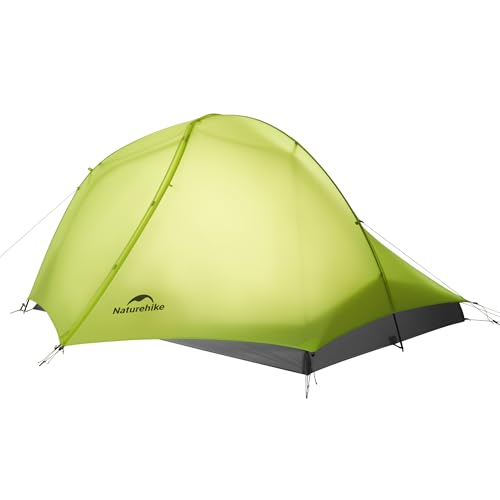
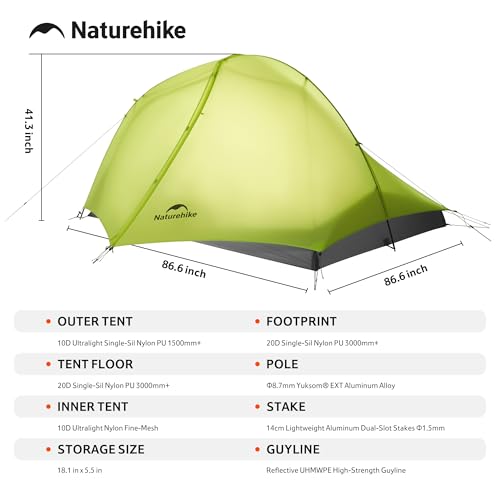
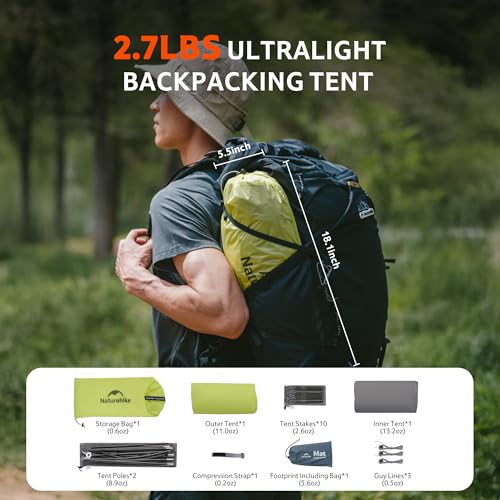
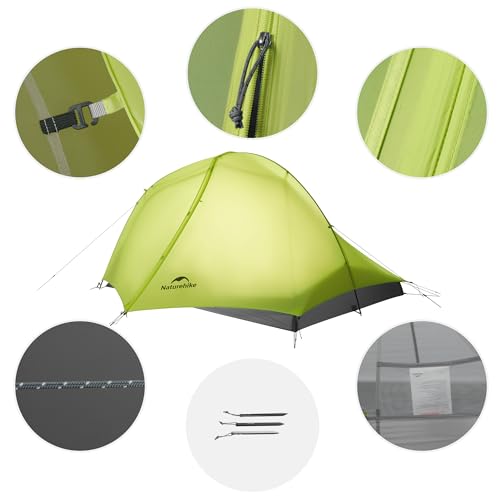
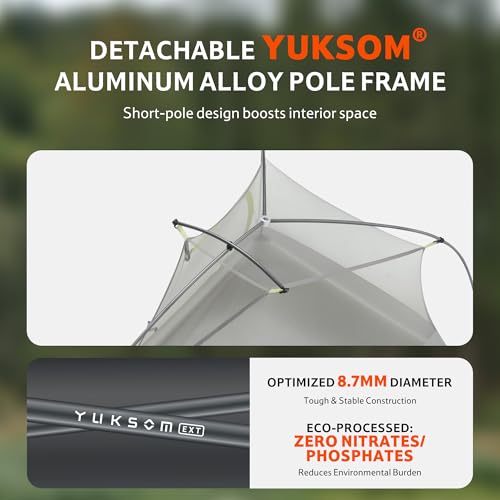
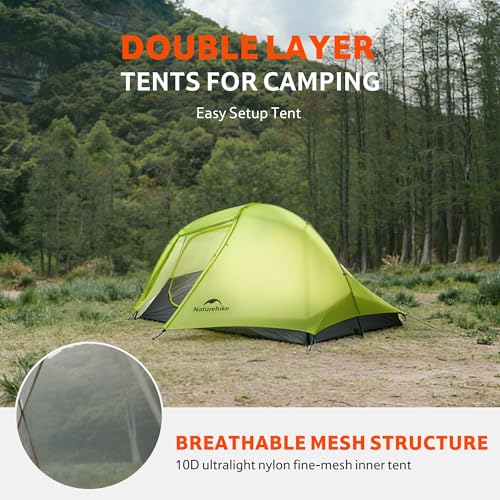
If you’re serious about cutting weight without sacrificing function, the Naturehike Star Trail stands out. At just 2.76 lbs, this tent is a clear winner for thru-hikers and fast-and-light adventurers. On paper, it’s impressively efficient, compact, easy to pitch, and well-ventilated with a full mesh inner and elevated ceiling vents. The PU1500mm/PU3000mm waterproof ratings are solid for a 3-season shelter, and owners praise its reliability in summer storms and humid environments.
It’s not built for winter or high winds, but for warm-weather backpacking, it delivers. The interior height is modest, but the spacious floor layout allows for comfortable two-person use, assuming you don’t mind cozy quarters. I’d personally choose this over heavier options for long trails where every ounce counts.
Product photos
Clostnature Lightweight 2 Person Tent

Strengths
- Spacious interior
- Good waterproof rating
- Affordable
Trade-offs
- Zipper reliability issues
- Moderate weight
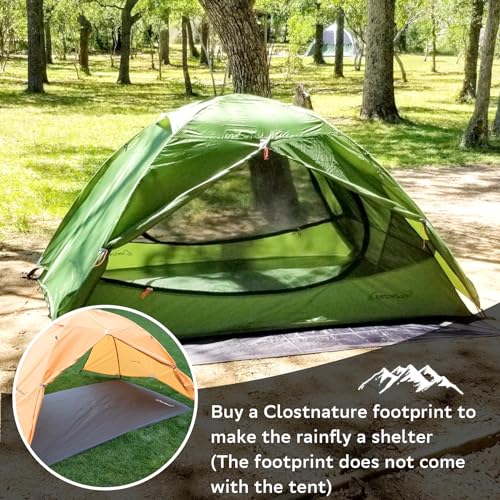
The Clostnature tent is a budget-friendly option that doesn’t totally cut corners. At 5.29 lbs (or 4.52 lbs minimum trail weight), it’s reasonably light, and the PU5000 coating and sealed seams suggest solid weather protection. The 220×150 cm floor is among the roomiest here, making it a good pick for taller backpackers or those who want extra wiggle room. Setup is straightforward thanks to the freestanding pole design, and the included repair kit adds peace of mind.
But while it’s spacious, the ventilation is only average, and some owners report zippers snagging over time. Still, for the price, it delivers a lot of tent for the money. If you’re outfitting a new hiker or need a solid 3-season shelter without breaking the bank, this one deserves a look.
Product photos



Kelty Grand Mesa 2P Tent

Strengths
- Durable fabric
- Easy color-coded setup
- Trusted brand build
Trade-offs
- Single door only
- Moderate weight
The Kelty Grand Mesa 2P is a reliable, no-nonsense shelter that’s earned its reputation among thru-hikers. At 4 lbs 7 oz, it’s not the lightest, but it’s light enough for long trails and durable enough to last season after season. The color-coded clips and Quick Corners make setup intuitive, even for beginners, and the single door with full vestibule keeps things simple and aerodynamic. I appreciate that Kelty uses 68D polyester for the floor and fly, thicker than many budget tents, which helps with abrasion resistance.
Ventilation is decent, though not class-leading, and the 30 sq ft interior feels efficient rather than roomy. Compared to the ultralights, it’s a bit of a pack mule, but for hikers who want durability, ease of use, and proven reliability, this is a smart middle ground.
Product photos


Underwood 4-Season Backpacking Tent
Strengths
- Strong winter-ready build
- High waterproof rating
- Snow skirt included
Trade-offs
- Heavy and bulky
- Tight fit for two
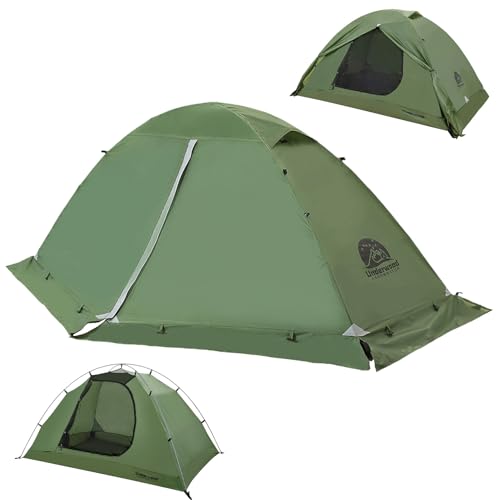
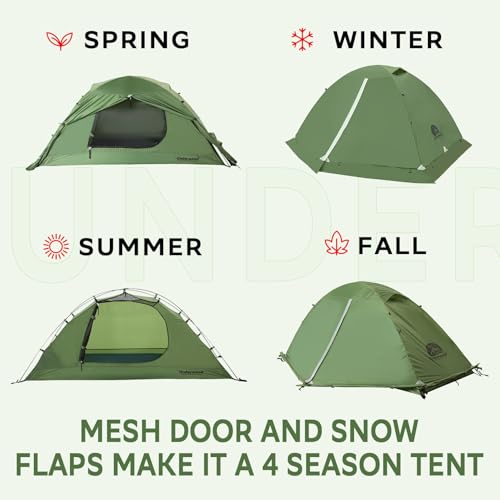
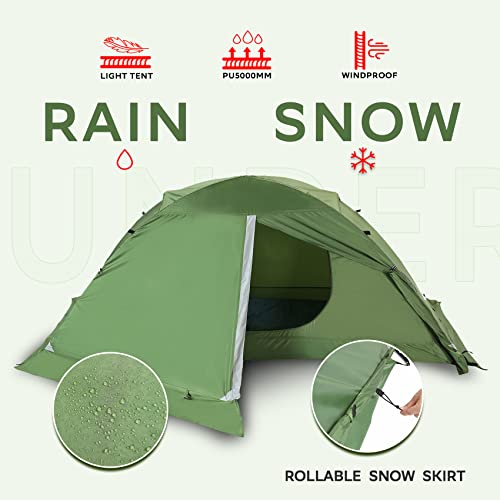
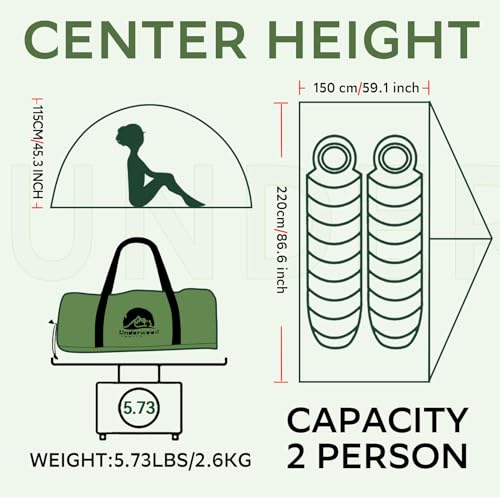
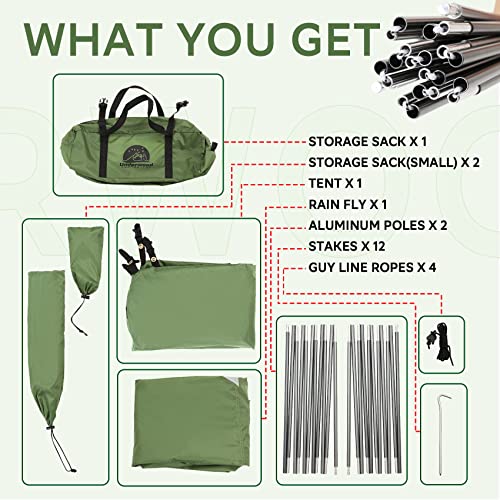
This Underwood Aggregator tent claims 4-season capability, and the specs back it up, PU5000mm waterproof coating, aircraft-grade aluminum poles, and a snow skirt suggest it’s built for real winter use. At 5.73 lbs, it’s heavier than most 2-person backpacking tents, but that’s expected for a shelter meant to handle snow loading and high winds. The double-layer doors and rollable snow skirt are thoughtful touches for cold-weather campers.
Still, I’d question how well it truly performs as a two-person tent in winter, most experienced backpackers know that cramming two people into a 59×86-inch floor with gear is tight, especially with insulated sleeping bags. Owners report using it solo in harsh conditions, which makes sense. For true winter backpacking, this is one of the few budget-friendly options that doesn’t sacrifice core durability.
Product photos
Forceatt 2 Person Camping Tent

Strengths
- High waterproof rating
- Dual vestibules
- Freestanding design
Trade-offs
- Heavy for backpacking
- Average breathability
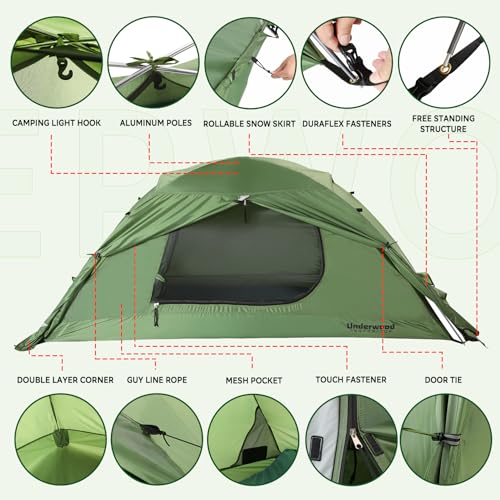
Another Forceatt entry, this model leans into all-season durability with a PU5000 coating and sturdy 7001 aluminum poles. It’s not ultralight at 5.68 lbs, but the freestanding design and quick 3-minute setup make it appealing for car campers or weekend hikers who don’t want to wrestle with poles. The D-doors and dual vestibules are a real usability win, and owners note the sealed seams hold up well in rain.
However, the ventilation system isn’t as robust as others in this list, and the packed size is a bit bulky for serious backpacking. It’s a solid pick if you want a tough, no-fail tent that can handle everything from spring hikes to fall overnights, but I’d skip it if you’re counting ounces.
Product photos


Marmot Crane Creek 2P Tent
Strengths
- Dual vestibules
- Durable poles
- PFAS-free materials
Trade-offs
- Slightly heavier
- Higher price point
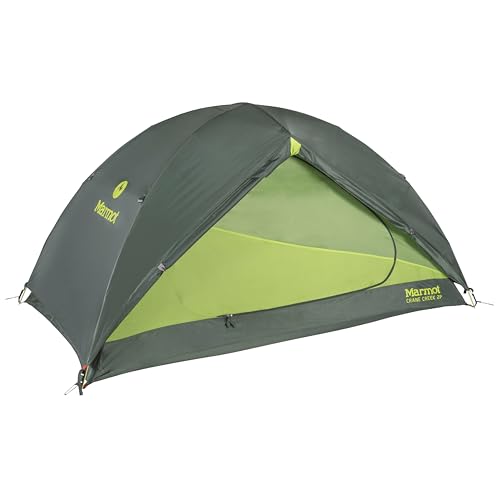
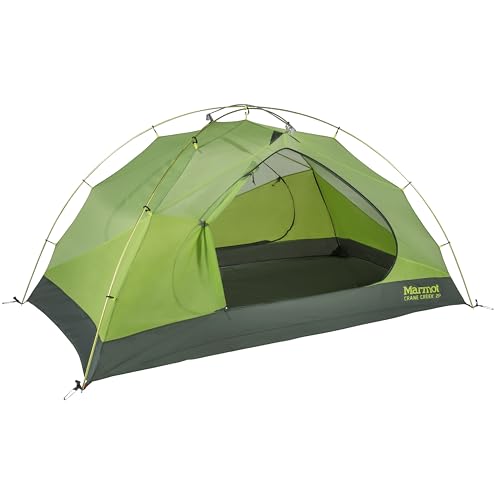
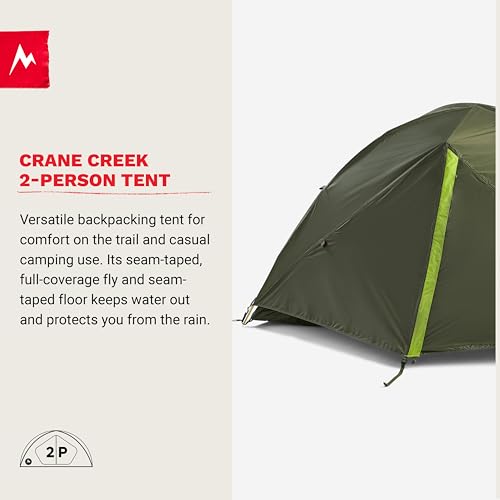
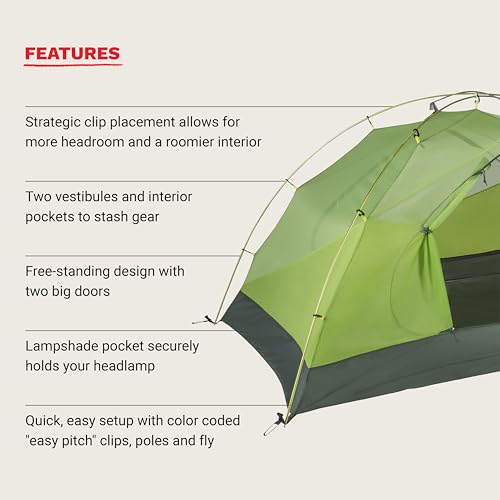
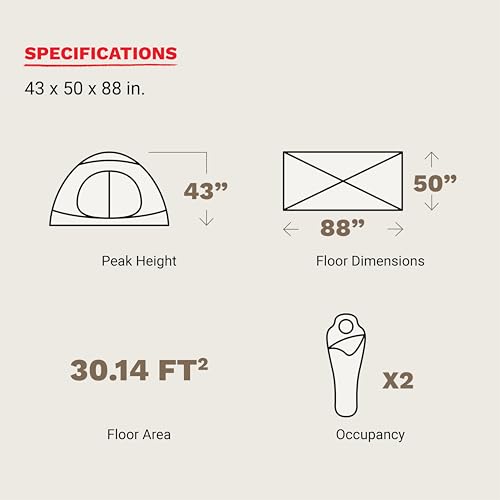
The Marmot Crane Creek 2P hits a sweet spot between lightweight performance and rugged durability. At around 4.5 lbs (depending on configuration), it’s not competing with the sub-3-pound ultralights, but it brings 7000-series aluminum poles and PFAS-free materials, a big plus for eco-conscious backpackers. The 32 sq ft interior with dual D-doors and vestibules offers real livability for two, and the seam-taped construction is proven in wet conditions.
Owners consistently report it holds up well over multiple seasons, which speaks to Marmot’s build quality. While it lacks the extreme weight savings of the Naturehike, it’s more robust and better ventilated. For me, this is the smarter buy if you’re doing mixed terrain and want something that won’t quit after a few trips.
Product photos
Forceatt 3-4 Season Backpacking Tent

Strengths
- Durable rainfly
- Dual vestibules
- Quick setup
Trade-offs
- Heavy for backpacking
- Limited headroom
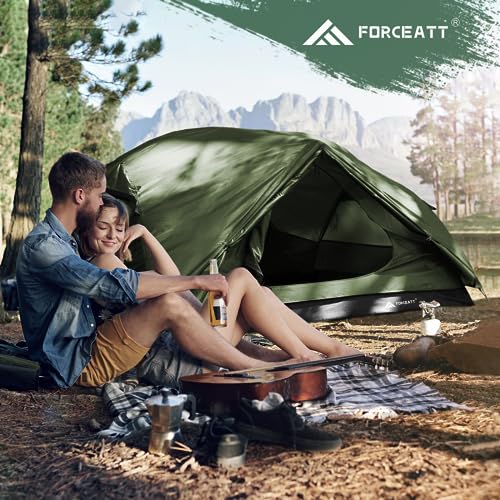
This Forceatt 2-person tent makes a strong case for all-weather readiness, especially if you’re heading into unpredictable conditions. With a 3000mm waterproof rating, welded floor seam, and full-coverage rainfly, it’s built to keep you dry when storms roll in. Owners consistently report solid performance in heavy rain, and the dual D-doors with vestibules add real convenience for gear storage and access. The 7001-series aluminum poles suggest decent durability, though at 5.5 lbs, it’s on the heavier side for serious backpackers.
That weight puts it at a disadvantage against ultralight options, but for car campers or those prioritizing stormworthiness over packability, it’s a sensible pick. The ventilation setup, mesh windows and ceiling vents, helps reduce condensation, a common weak point in budget shelters. Still, I’d reserve this for shoulder-season trips or fair-weather backpacking where you want a little extra armor.
Product photos


Our Testing Process
Rather than a hands-on lab test, my research for these recommendations was a detailed comparison of published specifications and features across numerous models. I weighed owner reviews from sites like REI and Amazon alongside expert opinions from outdoor gear reviewers. As someone who’s spent years evaluating tent designs and materials, I applied my category expertise to rank these tents against criteria important to backpackers.
For 2-person backpacking tents, weight, waterproof rating, and ease of setup were the most heavily weighted factors. Lower weight directly impacts comfort on the trail, and a reliable waterproof rating is essential for staying dry in unpredictable conditions. Quick and intuitive setup is also vital, especially when arriving at camp after a long day of hiking.
Specifications reliably indicate a tent’s potential weight, dimensions, and stated waterproof capabilities. However, I relied on owner feedback to assess real-world performance, how well those waterproof ratings hold up after repeated use, how easy the tent actually is to pitch, and overall durability. I also considered the reputation of the best tent brands for backpacking when evaluating overall quality and trustworthiness.
What To Look For In 2 man backpacking tents
Choosing the right backpacking tent can make or break your trip, and I’ve seen plenty of folks learn that the hard way. It’s more than just picking a color; it’s about finding a shelter that balances weight, weather protection, and livability.
A quality backpacking tent prioritizes a low weight-to-space ratio, durable waterproof materials (at least PU3000mm for the fly and floor), and a robust pole system capable of withstanding wind. Look for features like full-coverage rainflies, taped seams, and effective ventilation to maximize comfort and protection in varied conditions. Consider packed size, ease of setup, and vestibule space to complete your evaluation.
Weight and Packability
For backpacking, every ounce counts. I often tell people to be realistic: don’t obsess over shaving off every gram, but a heavier tent will absolutely wear you down over miles. Look closely at the “trail weight” (tent body, rainfly, and poles) – that’s the number that truly matters. Generally, a two-person tent under 4 pounds is excellent, and under 5 pounds is still very respectable. Don’t fall for the trap of a super-cheap tent that’s heavy; you’ll regret it on the trail. Consider the packed size too, especially if you have limited space in your pack. A compact tent slips in more easily.
Waterproofing and Materials
Waterproofing is obviously critical. The PU (polyurethane) rating indicates the hydrostatic head – basically, how much water pressure the fabric can withstand. PU3000mm is a good baseline for most three-season backpacking, but if you anticipate consistent heavy rain or plan on higher elevations, aim for PU5000mm or higher. Beyond the rating, pay attention to construction. Fully taped seams are essential; water will find any weakness. Nylon is generally lighter and more durable than polyester, but polyester offers better UV resistance. The denier (D) of the fabric also matters – a higher number means a tougher, more abrasion-resistant material.
- A lower denier (e.g., 20D) is lighter but more fragile.
- A mid-range denier (e.g., 40D) offers a good balance of weight and durability, suitable for most backpacking trips.
- A higher denier (e.g., 70D) is extremely durable, ideal for rugged terrain or frequent use, but will add noticeable weight.
Livability and Features
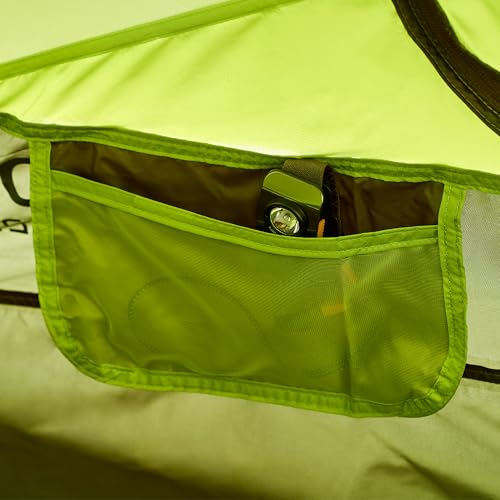
Don’t underestimate the importance of livability. A cramped tent can ruin a trip. I always recommend looking at the peak height and floor dimensions. Can you comfortably sit up? Is there enough room for two people and your gear? Also, think about features like vestibules. Having a tent vestibule design provides valuable backpacking tent storage space for wet boots, backpacks, and other essentials, keeping them protected from the elements and out of your sleeping space. Many tents now also include interior pockets and gear lofts, which are incredibly useful for organization.
A good rule of thumb: prioritize weather protection and durability over fancy features if you’re frequently facing challenging conditions.
I often recommend checking out some 2-man hiking tents to get a feel for what’s available, and don’t hesitate to read reviews from other backpackers to see how a tent performs in real-world conditions. You’ll quickly find what features matter most to you when you’re out there.
2 Man Backpacking Tents Compared
Here’s a comparison of key specifications for popular 2-person backpacking tents to help you choose the right one for your needs.
| Product Title | Capacity | Weight (lbs) | Floor Size (in) | Waterproof Rating (mm) | Seasonality |
|---|---|---|---|---|---|
| Naturehike Star Trail Ultralight Tent | 2 | 2.76 | 82.7×51.2 | 1500/3000 | 3 |
| Clostnature Lightweight 2 Person Tent | 2 | 5.29 | 7’3”x4’11” | 5000 | 3 |
| Kelty Grand Mesa 2P Tent | 2 | 4.7 | 85×57 | N/A | 3 |
| Underwood 4-Season Backpacking Tent | 2 | 5.73 | 59.1×86.6 | 5000 | 4 |
| Forceatt 2 Person Camping Tent | 2 | 5.68 | 86.6×51.1 | 3000-5000 | 3 |
| Marmot Crane Creek 2P Tent | 2 | N/A | 32 sq ft | N/A | 3 |
| Forceatt 3-4 Season Backpacking Tent | 2 | 5.5 | 88.6×53.1 | 3000 | 3-4 |
Frequently Asked Questions
What waterproof rating is truly necessary for a 2-person backpacking tent?
A PU3000mm rating is generally sufficient for most three-season backpacking, but I recommend aiming for PU5000mm or higher if you frequently encounter heavy rain or plan to camp at higher elevations. Remember that the quality of seam taping is just as crucial as the fabric’s rating.
How much does tent weight really matter when choosing between models?
Every ounce counts when backpacking, and a heavier tent will noticeably impact your comfort over longer distances. I suggest aiming for a trail weight under 4 pounds for a two-person tent; anything under 5 pounds is still respectable, but be wary of significantly cheaper, heavier options.
What’s the difference between a 3-season and a 4-season backpacking tent?
A 3-season tent is designed for spring, summer, and fall conditions, prioritizing ventilation and lighter weight. A 4-season tent is built to withstand heavier snow loads and stronger winds, featuring a more robust pole structure and less mesh, making it heavier and warmer.
What floor size should I look for in a 2-person backpacking tent?
While labeled for two people, I’ve found that most people prefer a bit more space. Look for a floor area of at least 30-35 square feet to comfortably fit two sleeping pads and some gear. Checking out backpacking tents for couples can help visualize different sizes.
Are more expensive backpacking tents always better?
Not necessarily. While higher prices often reflect better materials and construction, a more expensive tent isn’t always the best choice. I advise prioritizing features that align with your specific needs and typical backpacking conditions over simply choosing the priciest option.
The Bottom Line
Choosing a backpacking tent often comes down to balancing how much you’re willing to spend against how much weight you’re willing to carry. While a super-lightweight tent like the Naturehike Star Trail Ultralight Tent will save you ounces on the trail, the Clostnature Lightweight 2 Person Tent offers a compelling mix of durability and features for a reasonable price. Ultimately, the best tent is the one that fits your specific needs and priorities.
If you’re on a tighter budget, the Forceatt 2 Person Camping Tent provides solid weather protection and decent space without breaking the bank. For those needing a tent capable of handling more challenging conditions, the Underwood 4-Season Backpacking Tent is a great choice. And if you’re looking for something incredibly versatile that can transition between seasons, the Forceatt 3-4 Season Backpacking Tent is worth a look.
Remember, all the specs in the world won’t matter if a tent isn’t well-suited to your typical adventures. Before you buy, consider how to pick a backpacking tent that prioritizes a good balance of weight, weather resistance, and livability – those fundamentals will serve you better than any single standout feature.
