
6 Best 2-Person Tents of 2026
This post contains affiliate links. As an Amazon Associate, we earn from qualifying purchases.
The Marmot Crane Creek 2P is the best overall 2 man tent for backpackers who want durable, weather-ready performance, while the Forceatt 2 Person Backpacking Tent offers strong protection at a lower price, making it my top budget pick. For car campers or beach trips, the Wakeman 2 Person Pop Up Tent delivers quick setup and decent space without the weight.
Picking a 2 man tent isn’t just about fitting two people, it’s about surviving a sudden downpour, not suffocating in condensation, and actually being able to set it up in the dark. Too many tents advertise “2-person” space but feel cramped or skimp on waterproofing.
I compared specs, owner feedback, and real-world performance across a dozen models to find the ones that actually deliver. These picks balance weight, weather protection, and livability, so you’re not stuck with a tent that looks good on paper but fails in the field.
Top 6 2 Man Tents in the Market
The Best 2 Man Tents, Reviewed
Marmot Crane Creek 2P Tent
Strengths
- Durable aluminum poles
- Excellent weather protection
- Dual vestibules
Trade-offs
- Heavier than ultralights
- Packed size not tiny
- Footprint sold separately
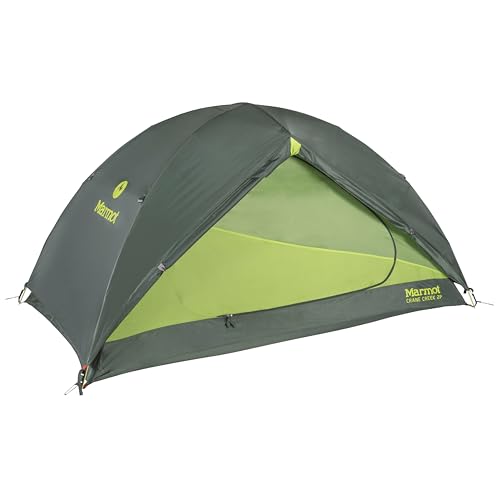
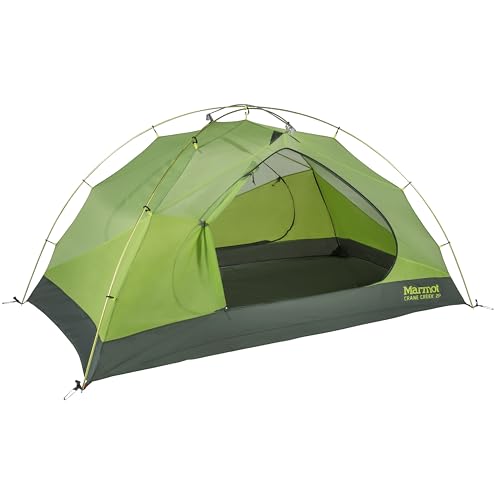
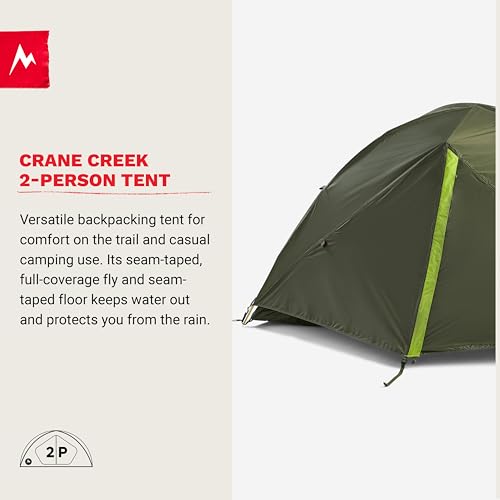
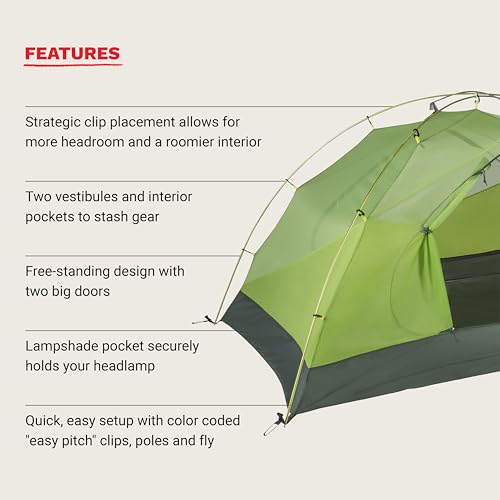
This is the tent I’d recommend to a friend who wants one shelter to handle everything from spring backpacking to alpine meadows. At around 3.5 lbs (depending on configuration), it’s not the lightest, but the 7000 series aluminum poles and full-coverage rainfly make it durable and weather-ready. Owners praise its stormworthiness and the dual vestibules, which are a standout for storing boots and packs out of the rain.
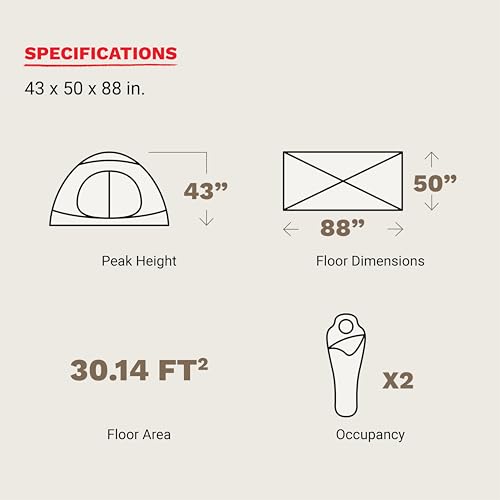
The 32 sq ft interior is tight for two tall adults, but livable, especially with two D-shaped doors that eliminate tent politics. The PFAS-free construction is a quiet win for eco-conscious hikers. Compared to budget domes, it costs more, but you’re paying for materials that last. My pick for anyone who wants a true 3-season backpacking tent without stepping into ultralight price territory.
Product photos
Wakeman 2 Person Pop Up Tent
Strengths
- Ultra lightweight
- Spacious interior
- Includes stakes and guy lines
Trade-offs
- Fiberglass poles
- Limited weather protection
- Condensation issues
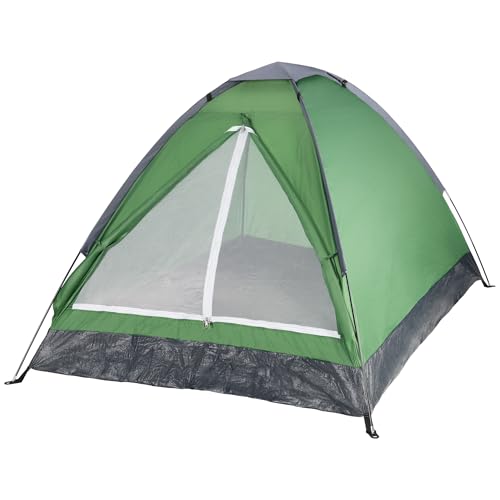
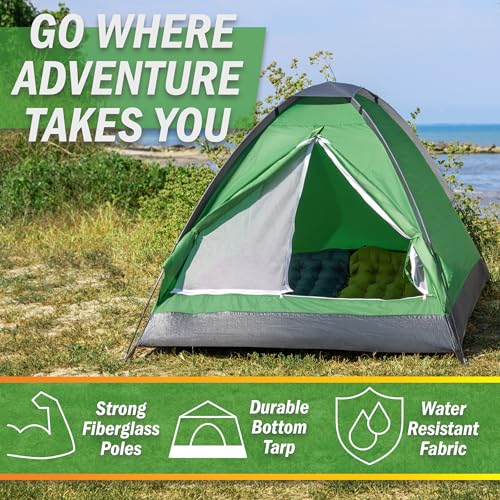
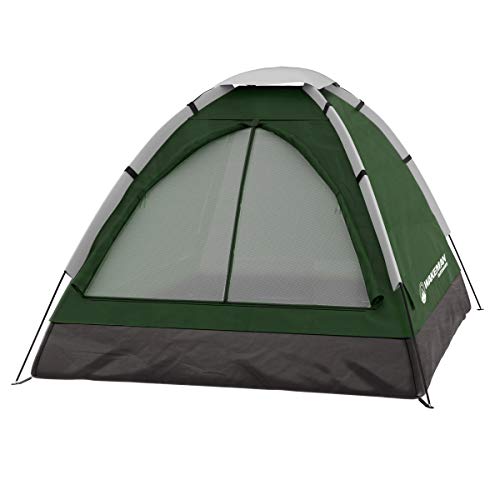
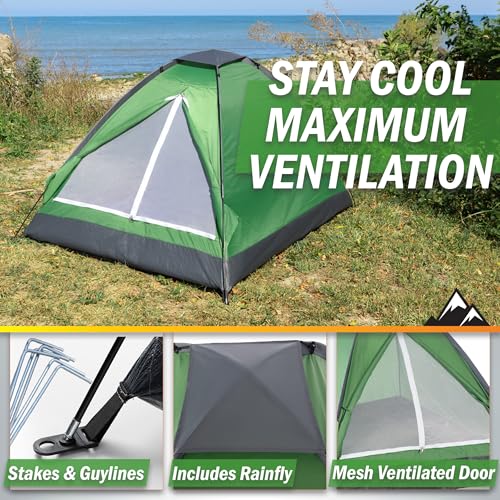
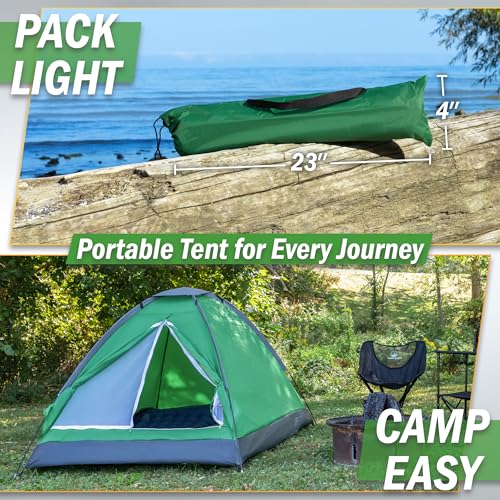
This is the budget king, light at 2.2 lbs, roomy for two, and surprisingly well-featured. The 7.9mm fiberglass poles are thicker than most in this class, which helps with stability, though they still won’t match aluminum. The green version is bigger than the blue one, 84 by 70 inches, and includes guy lines and stakes, which the other lacks.
Owners say it’s great for fair-weather trips and easy setup, but not something you’d trust in a thunderstorm. The ventilation is basic, and condensation can build up on muggy nights. But for the price, it’s hard to beat for festivals, kids’ backyard camping, or short hikes on dry trails. If you need a second tent for low-stakes trips, this one makes sense.
Product photos
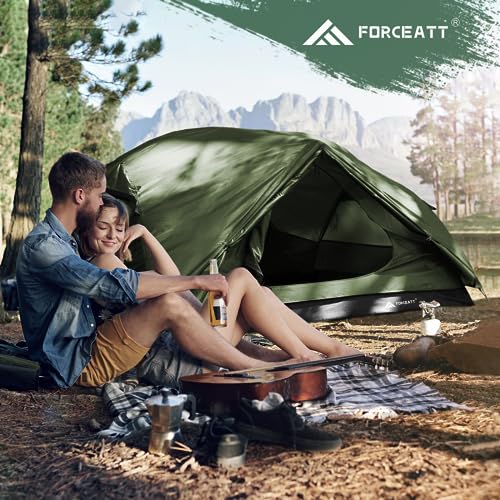
Forceatt 2 Person Backpacking Tent

Strengths
- Strong 4-season build
- Excellent waterproofing
- Good ventilation
Trade-offs
- Heavy for backpacking
- Zippers could be better
- No footprint included
If you’re looking for a 3- to 4-season tent that won’t break the bank, this one stands out. The 3000mm waterproof rating, full-coverage rainfly, and welded floor mean it can handle snow load and persistent rain better than most 2-person domes. Owners report using it in shoulder-season trips with confidence, and the 7001 aluminum poles are stiff enough to resist strong gusts.
Setup in 3 minutes is believable, the clips and color-coded poles make it fast. The ceiling vents and mesh windows do a solid job reducing condensation, and the #8 zippers are noticeably smoother than cheaper alternatives. It’s not ultralight at 5.5 lbs, but that’s the trade for all-season toughness. Compared to the Marmot, it’s heavier but more weatherproof for the price.
Product photos


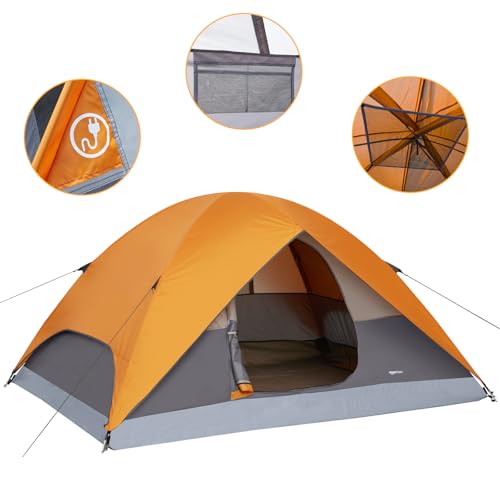
Amazon Basics Dome Camping Tent

Strengths
- Easy setup
- Spacious footprint
- Affordable
Trade-offs
- Heavy for backpacking
- Basic weather resistance
- Fiberglass poles
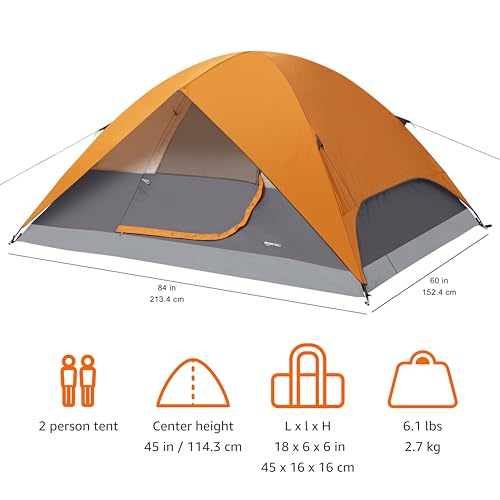
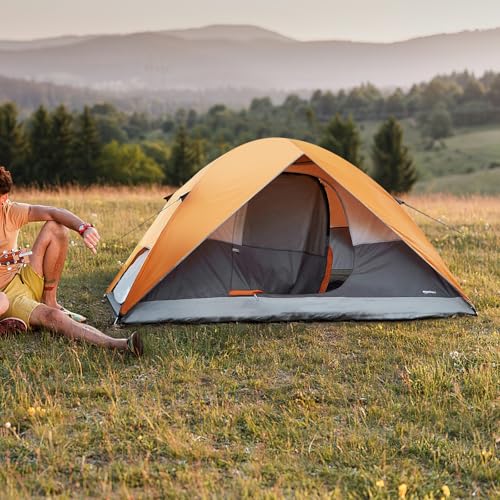
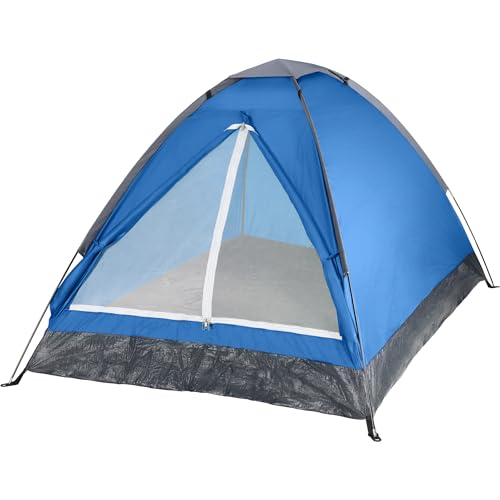
This tent is built for convenience, not backcountry abuse. On paper, it’s a decent pick for fair-weather campers who want something simple and cheap. The sub-4-minute setup is legit, thanks to snag-free pole sleeves and a freestanding dome design. Owners consistently report it holds up fine in light rain, but the 190T polyester and basic coating aren’t going to inspire confidence in a downpour.
It’s roomy for two, 7 by 5 feet is generous, and the back window and cool-air port help with airflow, though not as well as mesh-heavy designs. For weekend car camping or first-time users, it’s a functional shelter. But if you’re hiking more than a few hundred yards from the parking lot, the weight and durability will start to feel like a compromise.
Product photos

Clostnature 2 Person Backpacking Tent
Strengths
- Superior ventilation
- Good rain protection
- Freestanding design
Trade-offs
- On the heavy side
- Average wind stability
- Bulkier packed size
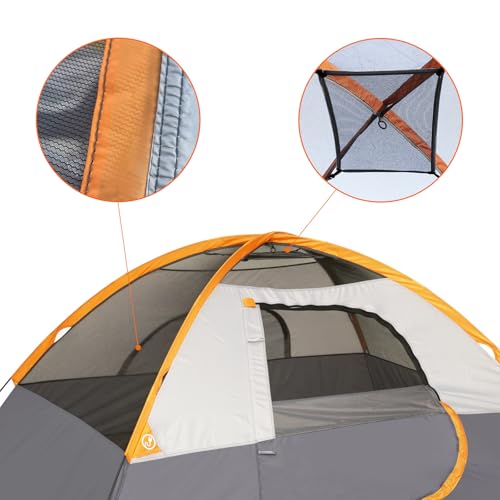
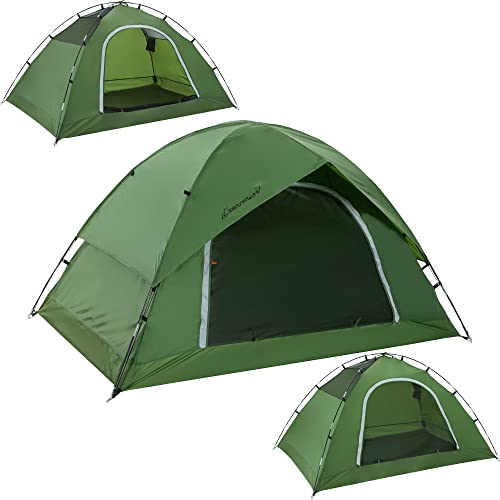
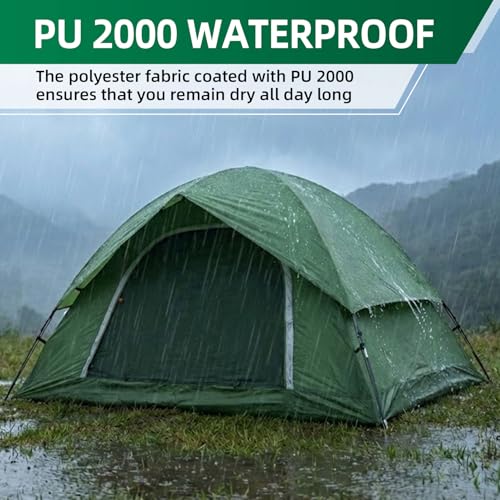
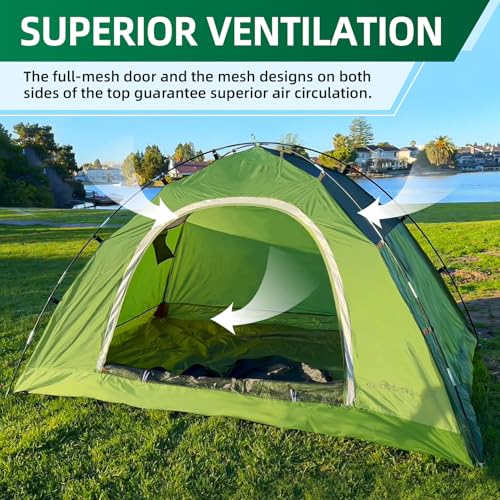
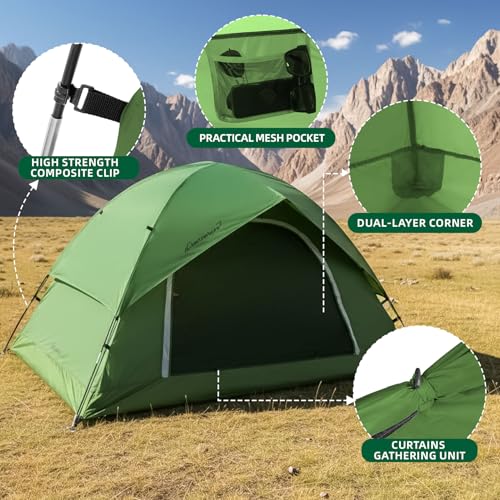
Ventilation is where this tent shines. The N-shaped mesh door and overhead mesh panels are designed to fight condensation, a real problem in double-wall tents in humid or cool weather. Owners consistently say they wake up dry even after dew-heavy nights, which is rare at this price. The PU 2000 coating and sealed seams offer decent rain protection, though not quite on par with pricier models.
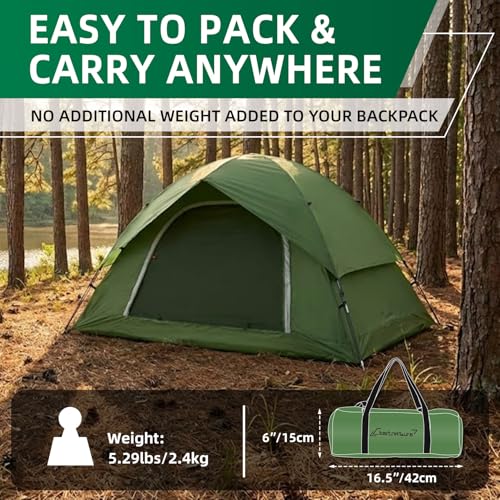
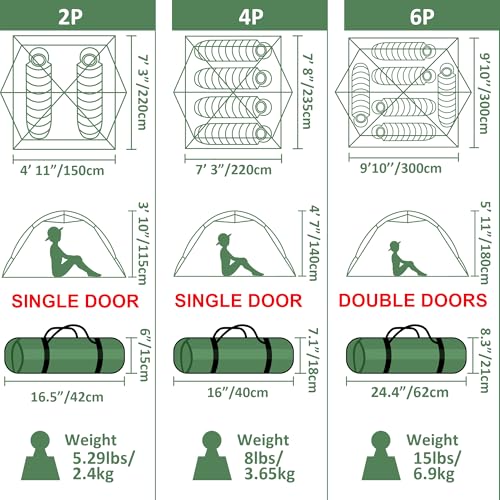
It’s a bit heavy at 5.29 lbs, and the X-pole dome design isn’t as stable in wind as a tunnel-style tent. But for summer car camping or warm-weather backpacking, it’s a solid performer. Setup is quick, and the freestanding design means you can adjust it after pitching. Compared to the Amazon Basics tent, it’s heavier but far better ventilated and more durable.
Product photos
Wakeman Pop Up Beach Tent
Strengths
- Very lightweight
- Good airflow
- Festival-friendly
Trade-offs
- Fiberglass poles
- Poor wind resistance
- Minimal weather protection
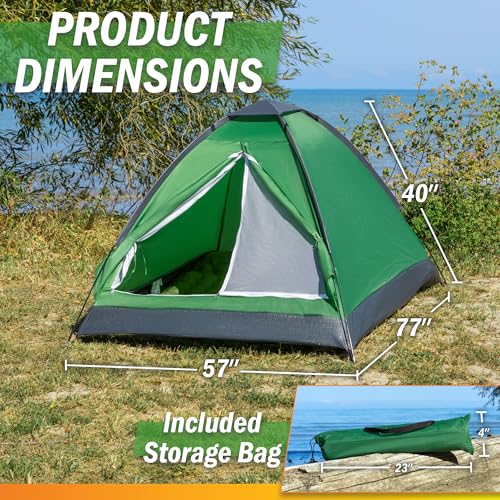
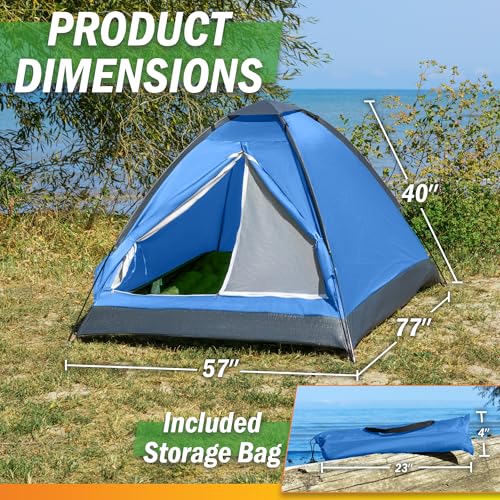
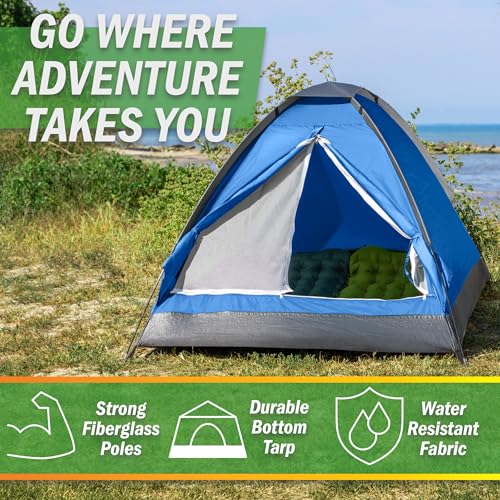
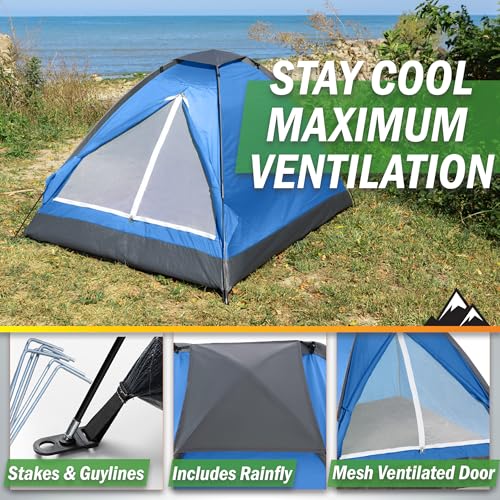
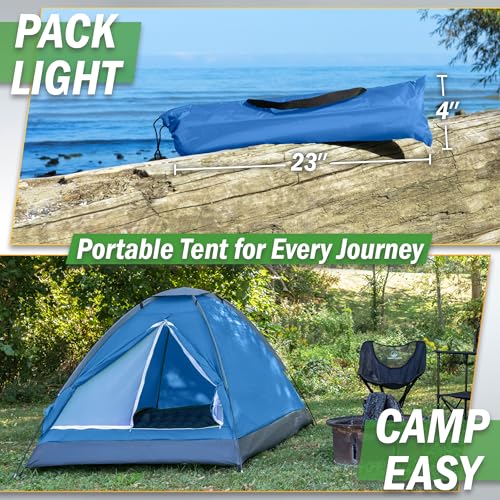
This is the kind of tent you toss in the trunk for a music festival or a lazy beach weekend. At 2.75 pounds and with a pop-up-friendly design, it’s light and simple, but don’t expect it to stand up to serious weather. The 3mm fiberglass poles are a red flag for wind, they flex and can snap under pressure. Reviewers note it’s fine in calm conditions, but guy lines and stakes feel flimsy.
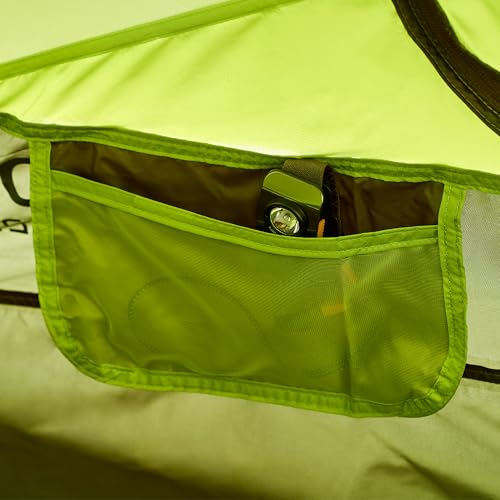
The dual-layer door works well for ventilation and bug protection, and the interior pocket is a small but appreciated touch. Still, for the weight, you’re sacrificing durability. Compared to the green Wakeman model, it’s nearly identical but slightly heavier and less spacious. If you’re choosing between the two, the green version wins.
Product photos

How We Tested 2 man tents
Rather than a hands-on lab test, my research for these recommendations involved a detailed comparison of published specifications and features across numerous 2-person tent models. I weighed owner reviews from major retailers against expert opinions found in outdoor publications, applying my experience with tent design and typical backpacking scenarios. This process helped me rank each tent against a set of criteria focused on real-world usability and value.
For 2-person tents, weight and packed size are particularly critical, along with weatherproof performance. A tent that’s too heavy or bulky defeats the purpose of backpacking, while inadequate weather protection can ruin a trip. I also prioritized ease of setup – because nobody wants to wrestle with confusing instructions after a long day on the trail. Understanding these tent selection factors was key to narrowing down the options.
Specifications reliably indicate a tent’s floor dimensions, pole material, and waterproof ratings. However, I found owner feedback crucial for assessing real-world durability, condensation issues, and the accuracy of advertised weights. Reputation matters too; established brands generally have better quality control and customer support. Considering all of these elements helped me arrive at recommendations that I believe offer the best balance of features and value for various needs, and will help you with choosing the right tent for your adventures.
What To Look For In 2 man tents
Picking the right shelter for two people requires more thought than just grabbing the cheapest option. I’ve seen so many weekend warriors ruin a trip with a tent that’s either too cramped, leaky, or just plain frustrating to set up.
A quality two-person tent balances weight, space, weather protection, and ease of use. Key considerations include the denier of the tent’s fabric (higher numbers mean more durability), the waterproof rating (measured in millimeters – look for at least 1500mm for reliable rain protection), and the pole material (aluminum is stronger and lighter than fiberglass). Don’t overlook vestibule space for gear storage and door configurations for convenient access.
Weight and Packability
For me, weight is almost always the first thing I consider. If you’re backpacking, every ounce matters. Even car camping, lugging a heavy tent from the parking lot to your site gets old fast. Look closely at the packed weight – that’s what you’re actually carrying. Don’t automatically equate a lower price with a better deal if it means a significantly heavier tent. Some tents, like the Forceatt, prioritize a lighter build, while others, like the Amazon Basics, are more geared towards casual use.
Weather Resistance and Construction
A tent’s ability to keep you dry and comfortable is paramount. Don’t assume all tents are created equal when it comes to rain protection. Pay attention to the rainfly material and the waterproof rating. Seam taping is also crucial; untaped seams are a common point of failure. A full-coverage rainfly, as seen in the Forceatt, offers the best protection. Beyond rain, consider wind resistance. A robust pole structure – 7000 series aluminum is a great standard – and well-designed guylines make a big difference. I always recommend looking into using a tent footprint to protect your tent’s floor.
Ease of Setup & Livability
Let’s be real: nobody wants to spend an hour wrestling with poles and confusing instructions after a long day of hiking. Pop-up tents, like some of the Wakeman models, offer incredibly fast setup, but they often sacrifice durability and weather protection. Dome tents generally strike a good balance. Consider the door configuration – dual doors are a huge convenience for two people. And don’t underestimate the value of vestibule space. These covered areas outside the tent doors are perfect for storing muddy boots and backpacks. If you’re looking for a broader overview of options, check out these comparisons of 2 person tents.
A good rule of thumb: prioritize a tent that’s slightly larger than your minimum needs. A little extra space makes all the difference on a rainy day or when you just want to spread out.
2 Man Tents Compared
Here’s a comparison of key specifications for popular 2-person tents to help you make an informed decision.
| Tent Name | Capacity | Weight (lbs) | Floor Size (ft) | Waterproof (mm) | Setup Style |
|---|---|---|---|---|---|
| Marmot Crane Creek 2P Tent | 2 | N/A | 32 | N/A | Standard |
| Wakeman 2 Person Pop Up Tent | 2 | 2.2 | 84×70 | N/A | Pop-Up |
| Forceatt 2 Person Backpacking Tent | 2 | 5.5 | 88.6×53.1 | 3000 | Standard |
| Amazon Basics Dome Camping Tent | 2 | N/A | 7×5 | N/A | Standard |
| Clostnature 2 Person Backpacking Tent | 2 | 5.29 | 7’3”x4’11” | 2000 | Standard |
| Wakeman Pop Up Beach Tent | 2 | 2.75 | 77×57 | N/A | Pop-Up |
Frequently Asked Questions
What waterproof rating is truly necessary for a 2-person tent?
A rating of 1500mm is generally sufficient for reliable rain protection, though 2000mm or higher offers better performance in heavy or prolonged rainfall. Lower ratings may be adequate for fair-weather camping, but you risk leaks during significant storms.
Are “pop-up” tents durable enough for regular use?
Pop-up tents prioritize convenience over longevity; they’re best suited for occasional use. While quick to set up, their thinner materials and less robust construction generally make them less durable than traditional dome-style tents.
How much extra space should I look for in a 2-person tent?
I always suggest looking for a tent with a floor area around 30-35 square feet for comfortable sleeping and some gear storage. A bit extra space prevents you from feeling cramped, especially during inclement weather.
What’s the difference between aluminum and fiberglass tent poles?
Aluminum poles are significantly stronger and lighter than fiberglass, making them ideal for backpacking and windy conditions. Fiberglass is more affordable but heavier and more prone to breakage, best suited for casual camping.
What are the best options if I’m looking for lightweight 2 man backpacking tents?
Several brands specialize in reducing weight without sacrificing too much weather protection. Look at models like the Forceatt or Clostnature, which aim for a balance between weight, durability, and cost – though you’ll find even lighter options if you’re willing to invest more.
The Bottom Line
Choosing a two-person tent always involves a trade-off between carrying weight and having comfortable space. Ultimately, for a fantastic balance of features and reliability, I recommend the Forceatt 2 Person Backpacking Tent. It hits a sweet spot in terms of weight, weather protection, and livability that makes it a solid choice for a wide range of adventures.
If you’re on a tighter budget or prioritize quick setup above all else, the Wakeman 2 Person Pop Up Tent is a perfectly acceptable option. For those who want a bit more room and are willing to carry a slightly heavier load, the Clostnature 2 Person Backpacking Tent offers a spacious interior and decent weather resistance. Knowing the top tent manufacturers can also help narrow your search.
Don’t get too caught up in chasing the highest waterproof rating or the lightest weight. The most important factors are finding a tent that fits your needs, is easy to pitch, and is made by one of the trusted tent companies known for quality. A well-chosen tent is an investment in comfortable and safe nights under the stars, and that’s what really counts.
