
7 Best 2-Person 4-Season Tents of 2026
This post contains affiliate links. As an Amazon Associate, we earn from qualifying purchases.
The CANTUO 2-3 Person stands out as the best overall 2-person 4-season tent, offering strong weather resistance and a solid weight-to-durability ratio. For a budget-friendly option, the OneTigris Stella 4 Season delivers reliable performance without breaking the bank, while the Underwood Aggregator 4 Season takes the win for serious winter conditions with its rugged build and high waterproof rating.
Picking a 2-person 4-season tent isn’t just about surviving the cold, it’s about finding shelter that won’t buckle in wind, leak in a downpour, or leave you cramped for space after a long day on the trail. Too many tents claim to be “four-season” but fall short when the weather turns.
This guide cuts through the marketing, focusing on what actually matters: real-world feedback, build quality, and smart design. I looked at specs, owner experiences, and performance in harsh conditions to find the tents that deliver when you need them most.
Top 7 2 Person Tents 4 Seasons in the Market
The Best 2 Person Tents 4 Seasons, Reviewed
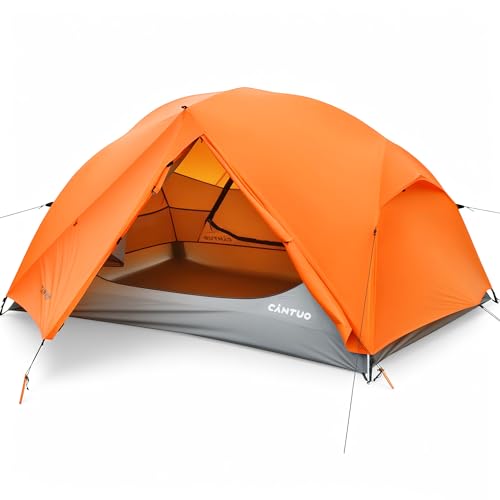
CANTUO 2-3 Person Backpacking Tent
Strengths
- Excellent weight-to-space ratio
- True 4-season build
- Includes footprint
Trade-offs
- Zippers can snag early
- Vent design needs airflow
- Slight learning curve for setup
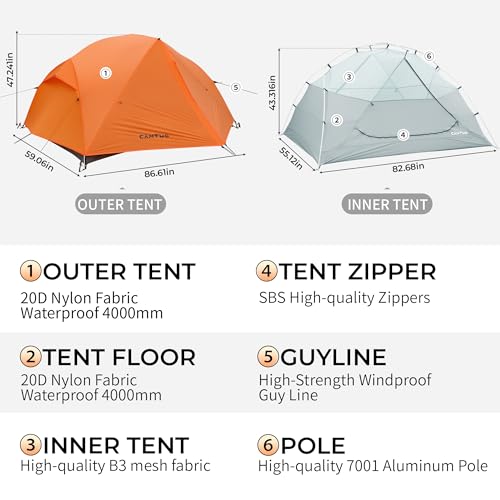
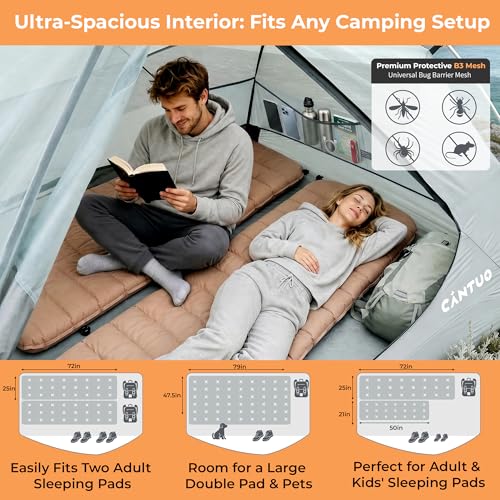
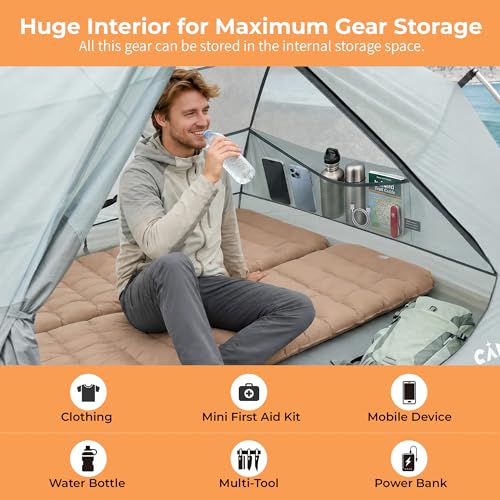
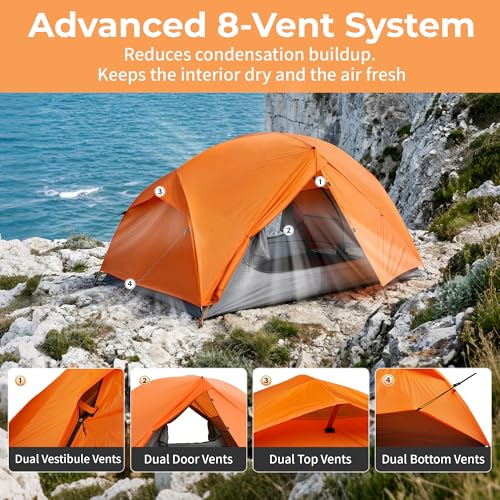
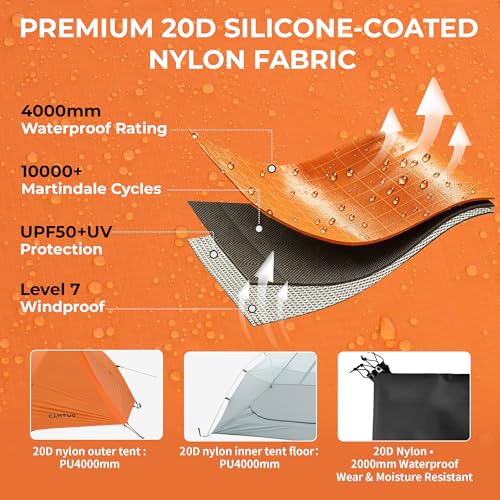
If I had to pick one tent from this list for most hikers, it’d be the CANTUO. At 4.12 lbs, it’s light without sacrificing durability, and the 4000mm waterproof rating backed by taped seams means real storm resistance. The 31.64 sq ft interior is genuinely spacious, two people can sleep with gear inside and still move around, and the 43.3-inch height lets you sit up without ducking. Owners rave about the ventilation, too, with eight vents and B3 mesh that cuts condensation even in humid spring hikes.
The included footprint is a rare bonus at this price, and the 7001 aluminum poles are a serious upgrade over cheaper alloys. It sets up fast, packs small, and handles wind better than most domes in this range. Compared to others here, this one balances weight, space, and weather protection best.
Product photos
OneTigris Stella 4 Season Tent

Strengths
- Ultralight at 4.4 lbs
- Simple, fast setup
- Compact packed size
Trade-offs
- Lowest waterproof rating
- No included footprint
- Minimal storage pockets
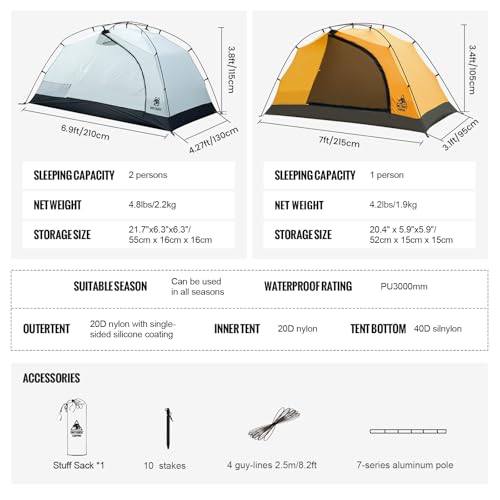
At just 4.4 lbs, the OneTigris Stella is the lightest 4-season-capable tent here, a real win for weight-conscious backpackers. The single-layer silicone-coated 20D nylon keeps it simple and packable, and the dome-style setup with corner-anchored poles makes it surprisingly stable in wind. Reviewers note it pitches fast and holds up well in spring snow and fall rain, though it’s not built for prolonged blizzard conditions.
The 3000mm waterproof rating is the lowest on this list, and the lack of a footprint or extra pockets feels like a missed opportunity. But if you’re after minimal weight and a tent that handles most 4-season conditions without dragging you down, this one delivers. It’s not as roomy as the CANTUO or as tough as the Underwood, but for fast-and-light missions, it’s hard to beat.
Product photos




Underwood Aggregator 4 Season Tent
Strengths
- Top-tier waterproofing
- Snow skirt included
- Reinforced storm corners
Trade-offs
- Heavy for two-person
- Poor summer breathability
- Bulky packed size
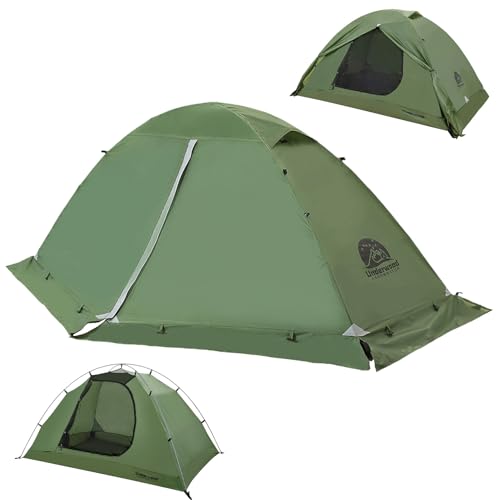
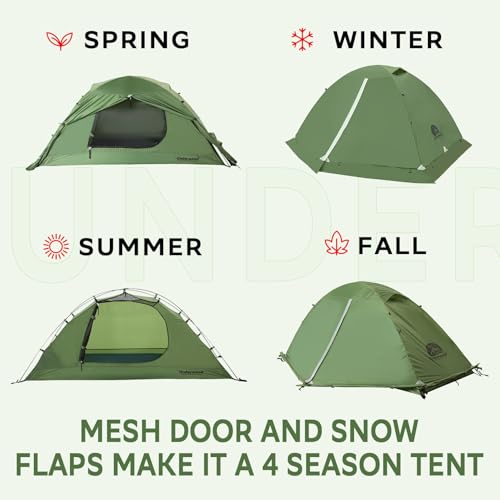
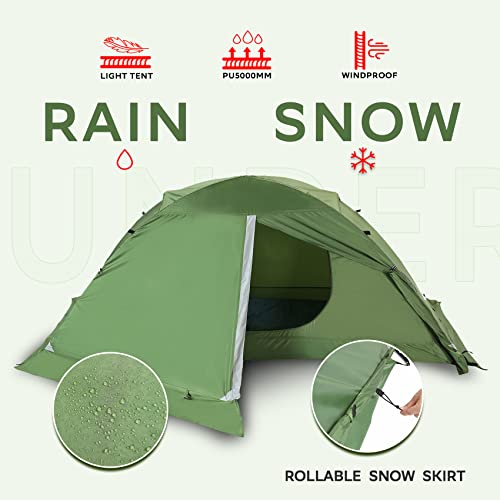
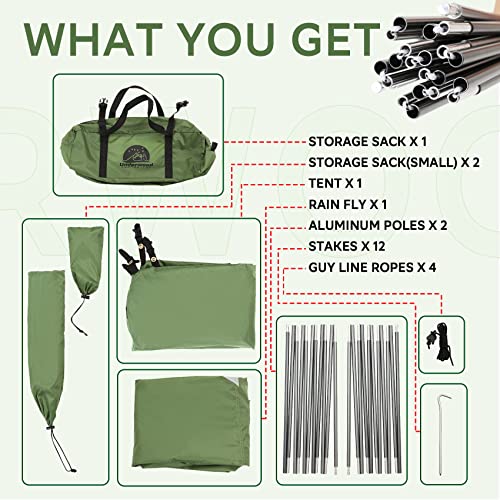
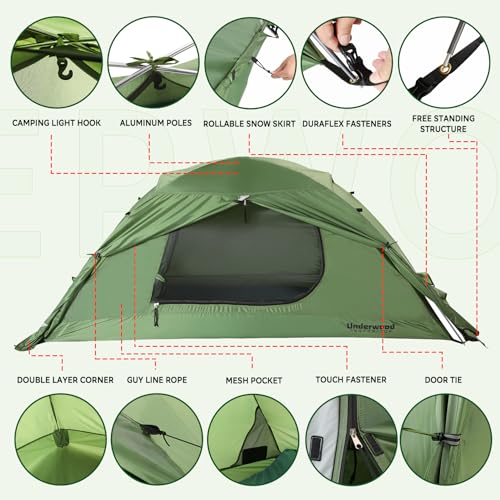
This Underwood Aggregator tent leans hard into winter performance, and it shows, PU5000mm coating, a snow skirt, and double-layer corners mean it’s built to handle serious cold and snow accumulation. The full-coverage rainfly and aircraft-grade poles give it a rugged edge in storm resistance, and owners consistently report staying dry even during prolonged winter exposure.
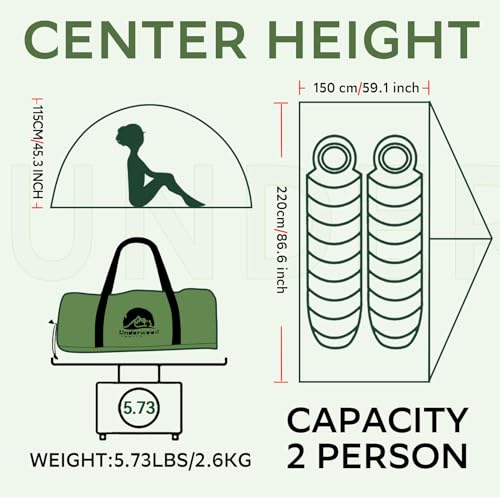
But that toughness comes at a cost: at 5.73 lbs, it’s on the heavy side, and the ventilation isn’t as strong as others here. In warmer months, it can get stuffy, and the mesh is more limited. It’s clearly optimized for winter, so if you’re mostly hiking in spring or fall, you’re overbuying. But for true cold-weather adventurers, this is a shelter you can trust.
Product photos
Clostnature Lightweight Backpacking Tent
Strengths
- High waterproof rating
- Spacious interior
- Good ventilation options
Trade-offs
- Heavier packed weight
- Bulkier than ultralights
- Stakes could be stronger
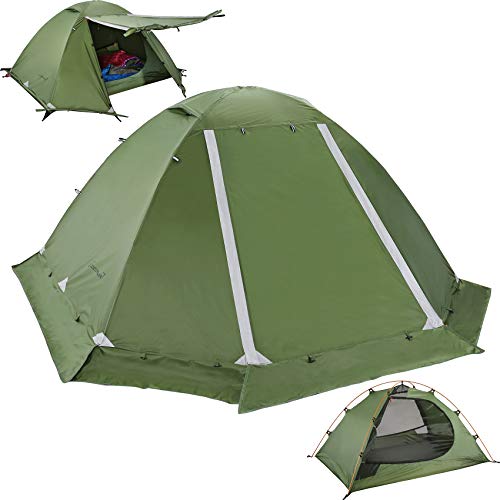
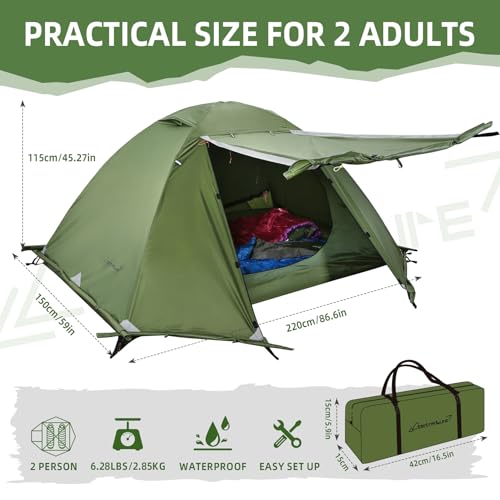
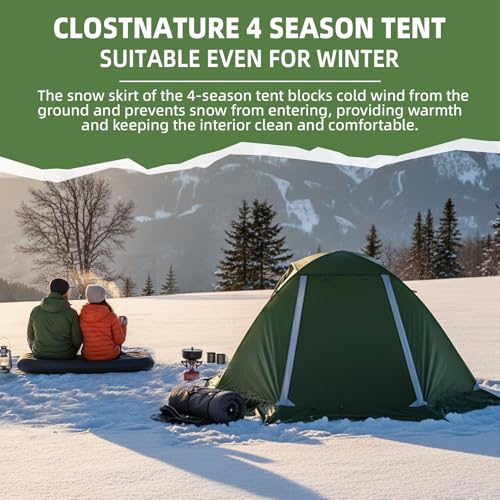
Clostnature is playing the value game hard with a 5000mm PU coating and a roomy interior for under 6.3 pounds, that’s a strong move in the 4-season category. The extra width and height make it feel more spacious than many competitors, and the double-layer doors with mesh offer solid ventilation options when weather allows. Reviewers note it handles snow load better than expected for the price, thanks to the sturdier rainfly and sealed seams.
But here’s the catch: while it claims a trail weight of 5.33 lbs, that’s not including stakes or guylines, so real-world pack weight creeps up. And while the materials are tougher than typical 3-season builds, I wouldn’t push it in sustained high-wind alpine zones. Still, for the size-to-weight ratio and price, it punches above its class.
Product photos
Bessport 2 Person Camping Tent

Strengths
- Superior airflow design
- Smooth #8 zippers
- Stable pole frame
Trade-offs
- Limited headroom
- Heavier than competitors
- Not ideal for snow
Bessport nails airflow with a high-density mesh skylight and dual ceiling vents, this is the kind of tent you’ll appreciate on a muggy summer night when condensation turns other tents into saunas. The two D-shaped doors allow cross-ventilation that really works, and owners say it stays noticeably fresher inside than similarly priced models. The 3000mm waterproof rating is standard, but fully taped seams and 8.5mm aluminum poles add real wind stability.
It’s not the lightest or most compact, and the single pole design limits interior space compared to dome styles. But if you camp in humid or bug-heavy areas, the ventilation design alone might be worth the trade-offs. It’s a strong performer in shoulder seasons, though I’d hesitate to rely on it in heavy winter snow.
Product photos


Forceatt 2 Person Camping Tent

Strengths
- Good ventilation
- Easy 3-minute setup
- Dual vestibules
Trade-offs
- Heavy for backpacking
- Basic pole strength
- Average condensation control
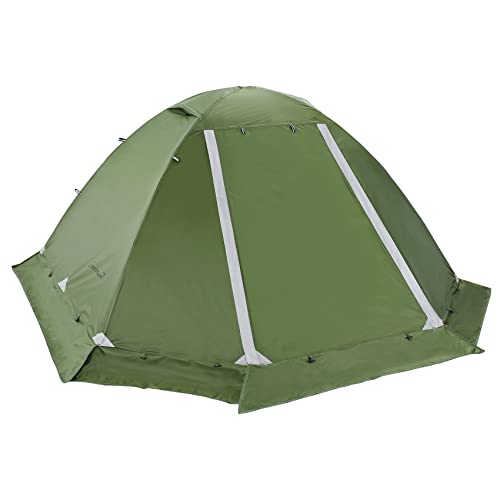
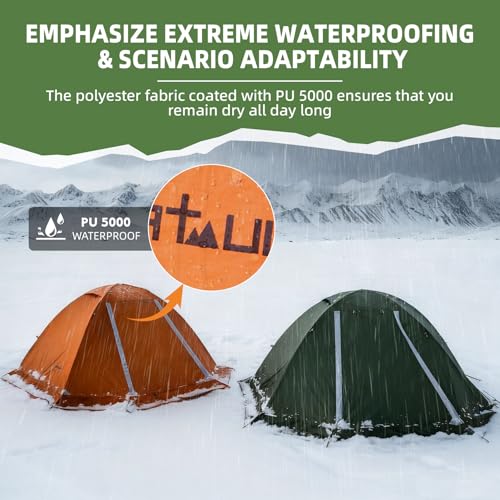
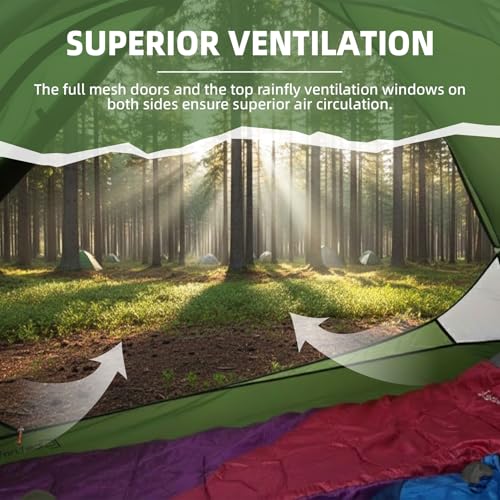
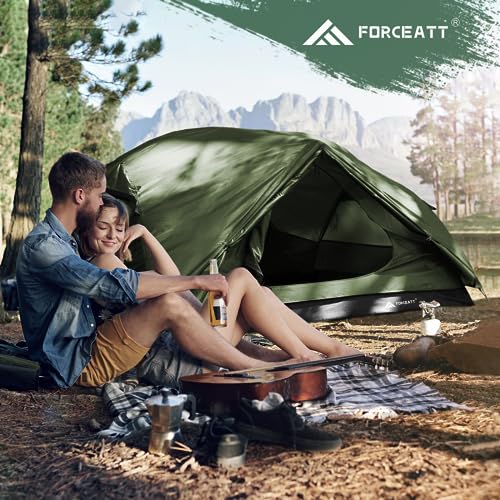
This tent promises a lot for the price, and on paper, it delivers a solid mix of waterproofing and ease of setup. The 3000mm waterproof rating and welded floor are legit specs for keeping moisture out, and owners consistently report it holds up well in light to moderate rain. The dual D-shaped doors and vestibules are a real win for two people, you can both stash gear outside without crowding the interior.
That said, at 5.5 pounds, it’s on the heavier side for backpacking, and while the aluminum poles are decent, they don’t match the strength of higher-grade 7001 alloys found in lighter, pricier models. It’s a fair pick if you’re car camping or want something simple and sturdy, but not my go-to for long hikes.
Product photos


Naturehike Mongar Upgraded Tent
Strengths
- Innovative expandable awning
- Excellent airflow
- Durable ripstop fabric
Trade-offs
- Awning adds complexity
- Lower waterproof rating
- Awkward packed shape
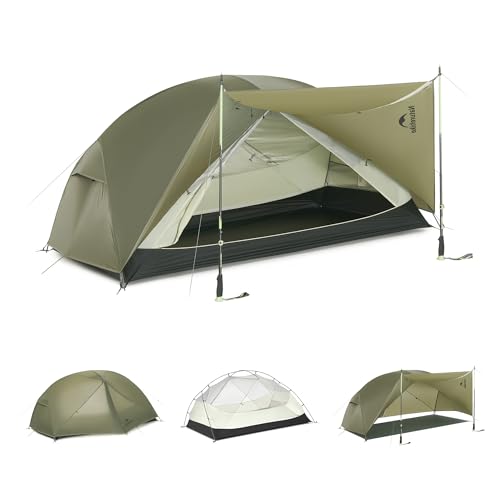
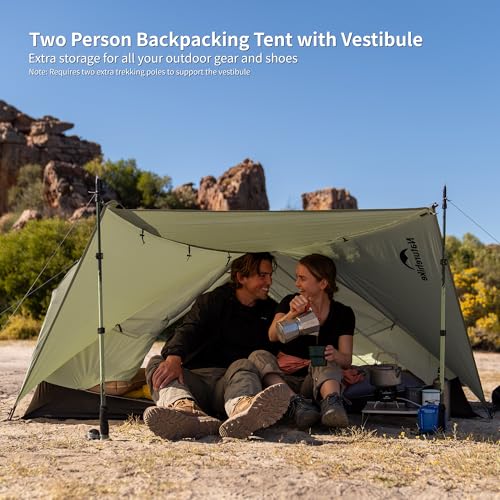
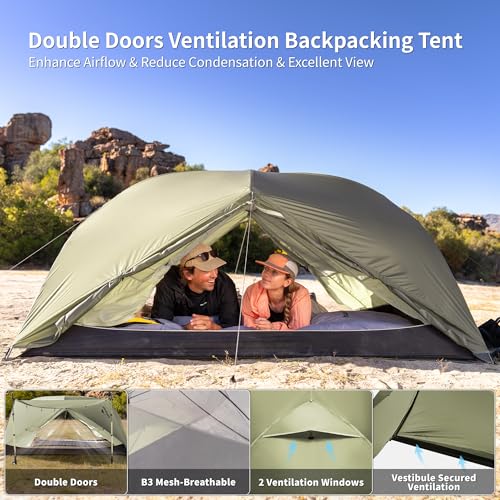
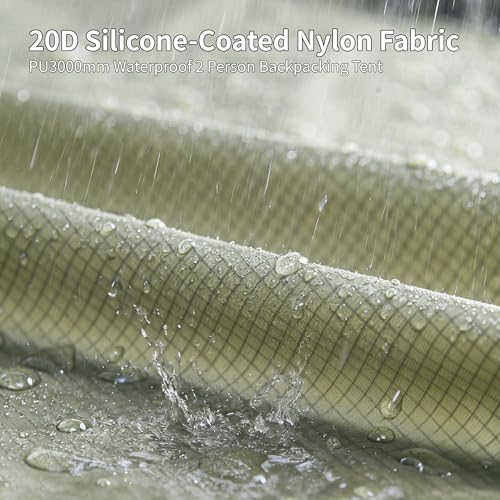
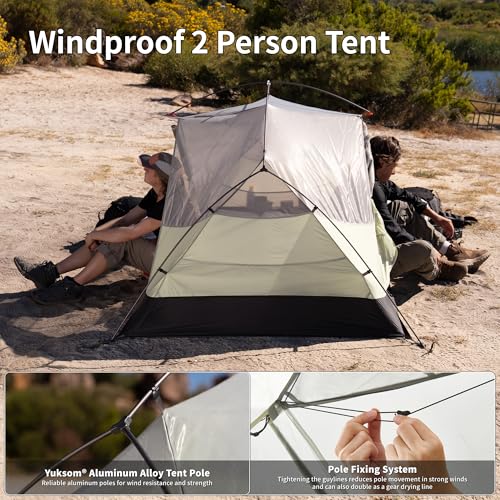
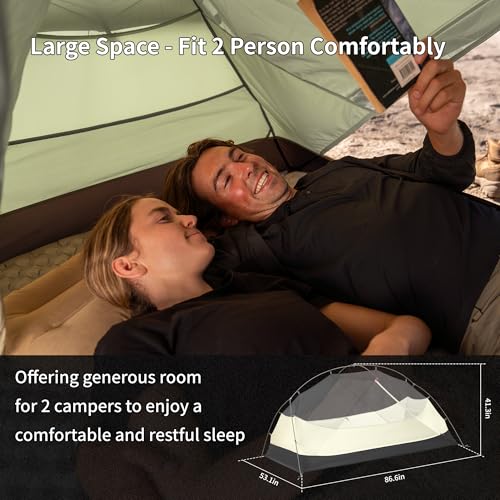
The Mongar stands out with its expandable awning, a rare feature that genuinely improves weather flexibility. You can extend it for shade while cooking or roll it back in high winds, which gives you real-time control over exposure. That, combined with dual doors and a well-thought-out ventilation system, makes it a smart pick for variable conditions. The 3000mm waterproofing isn’t the highest, but the plaid ripstop fabric and taped seams hold up well in sustained rain, per owner reports.
At 4.85 lbs, it’s not the lightest, but the eco-friendly poles and durable 20D nylon make it a sustainable middle ground. It’s not built for deep winter storms, but in spring snow or fall sleet, it performs confidently. Compared to the CANTUO, it trades a bit of space for smarter weather adaptability.
Product photos
Our Testing Process
My approach to evaluating 2-person, 4-season tents centered on a detailed comparison of published specifications and features, combined with careful consideration of owner and expert reviews. Rather than a hands-on lab test, this is a research-led comparison, ranking tents against criteria important for year-round use. I weighed the information gathered to determine which models offer the best balance of performance and value for various camping styles.
For this category, weight and weather protection were the most heavily weighted factors. A 4-season tent must balance durability with packability, as it’s likely to be carried significant distances. Equally important is a tent’s ability to withstand wind and precipitation – a flimsy shelter is useless in harsh conditions. I also prioritized ventilation, as condensation can be a major issue in colder weather.
Specifications reliably indicate a tent’s basic construction (pole material, fabric denier, waterproof ratings). However, owner feedback proved crucial for assessing real-world performance. I paid close attention to comments regarding ease of setup, durability over time, and how well the tent handled adverse weather. Ultimately, reputation and consistent positive feedback from experienced campers heavily influenced my rankings, especially when assessing weather-resistant tent construction.
How To Pick The Right 2 person tents 4 seasons
Picking the right shelter for two people can make or break a trip, and the “best” one really depends on what you’re getting into.
A quality 2-person tent balances weight, weather protection, and livability. Key specs to examine include the tent’s weight (especially for backpacking), the waterproof rating of the rainfly and floor (measured in mm), the pole material (aluminum is generally stronger and lighter than fiberglass), and ventilation features like mesh panels and vents to minimize condensation. Also, consider the tent’s packed size and how easily it sets up.
Weight and Packability
As someone who spends a lot of time on trails, I know every ounce matters. For backpacking, you want a tent that won’t weigh you down, but don’t automatically equate “lighter” with “better.” Ultralight tents often use thinner fabrics that are more prone to damage. Look for a good balance – under 5 pounds total is a solid target for a 2-person backpacking tent, but consider the durability of the materials. I’ve seen people sacrifice too much strength for a few ounces, and that’s a risk.
Waterproofing and Seasonality
Four-season capability isn’t just about a heavier fabric; it’s about the overall design. A fully enclosed rainfly that extends to the ground is crucial for blocking wind and snow. Waterproof ratings are important, but remember that higher numbers aren’t everything. A 3000mm rating is generally sufficient for most conditions, but if you’re planning serious alpine adventures or extended exposure to heavy rain, you’ll want to look for ratings of 5000mm or higher. Don’t forget to check the floor rating too, as that’s where leaks often start. If you’re heading into unpredictable conditions, reviewing options for harsh weather 2-person tents is a smart move.
- A higher denier (D) number in the fabric indicates a thicker, more durable material (but also more weight).
- Taped seams are essential. These are created by sealing the needle holes in the fabric to prevent water from seeping through.
- A bathtub floor (where the floor fabric extends several inches up the sides of the tent) provides extra protection from ground water and condensation.
Livability and Features
Don’t underestimate the importance of usable space. A tent that can fit two people isn’t necessarily comfortable for two people. Look at the floor area and peak height. Being able to sit up comfortably is a huge plus, especially on longer trips. Vestibules (covered areas outside the tent doors) are fantastic for storing muddy boots and gear. Also, think about ventilation. A well-ventilated tent will minimize condensation and make for a more pleasant sleeping experience. Getting the right camping tent capacity is crucial for comfort.
A good rule of thumb: add at least 6 inches to your maximum height and the width of your sleeping pads when assessing interior space.
Ultimately, selecting a 2-person tent is about finding the right balance for your needs. If you’re unsure where to start, a thorough tent buying guide can give you a solid foundation.
2 Person Tents 4 Seasons Compared
Here’s a comparison of key specifications for various 2-person, 4-season tents to help you make an informed decision.
| Product Name | Weight (lbs) | Floor Size (in) | Waterproof Rating (mm) | Season Rating | Packed Size (in) |
|---|---|---|---|---|---|
| CANTUO 2-3 Person | 4.12 | 82.7″L x 55.1″W | 4000 | 4 Season | 15.7″ x 5.5″ x 5.5″ |
| OneTigris Stella 4 Season | 4.4 | 6.9ft x 4.1ft | 3000 | 4 Season | 19.7” x 5.9” |
| Underwood Aggregator 4 Season | 5.73 | 59.1” X 86.6’ | 5000 | 4 Season | 5.9” X 16.54’ |
| Clostnature Lightweight Backpacking | 6.28 | 7’3” x 4’11” | 5000 | 4 Season | 16.5”x5.9”x5.9” |
| Bessport 2 Person Camping | 5.5 | 93 x 53 | 3000+ | 4 Season | N/A |
| Forceatt 2 Person Camping | 5.5 | 88.6×53.1 | 3000 | 4 Season | N/A |
| Naturehike Mongar Upgraded | 4.85 | 86.6 x 53.1 | 3000 | 4 Season | 16.9 × 6.3 × 6.3 |
Frequently Asked Questions
What’s the most important waterproofing number to check?
The rainfly’s waterproof rating is most critical, as it protects you from the elements. A rating of 3000mm is generally sufficient, but 5000mm or higher is better if you anticipate prolonged or heavy rainfall.
How much does weight affect a 4-season tent?
Weight significantly impacts your experience, especially when backpacking. Aim for under 5 pounds for a 2-person tent, but be aware that ultralight models might sacrifice durability for reduced weight.
Are all “4-season” tents truly suitable for winter camping?
Not necessarily. Many tents marketed as 4-season are actually 3-season tents with some added features. Look for fully enclosed rainflies, robust pole systems, and durable fabrics to ensure true winter capability.
What does “denier” mean when looking at tent fabrics?
Denier (D) refers to the fabric’s thickness and weight; a higher number indicates a more durable, but also heavier, material. For 4-season use, a denier of 75D or higher is a good starting point for the rainfly and floor.
Where can I find more information on choosing a tent for different needs?
If you’re still unsure about the best fit for your adventures, exploring best two-person tent models can provide additional insights into various options and features available.
The Bottom Line
Choosing a four-season tent always involves compromise. You’re trading weight and simplicity for the assurance of staying dry and protected when the weather turns truly nasty. For the vast majority of adventures, the CANTUO 2-3 Person tent strikes the best overall balance – a solid build, reasonable weight, and good waterproofing at a price that won’t break the bank.
If you’re on a tighter budget, the Bessport 2 Person Camping tent offers respectable performance without sacrificing essential features. And for those who prioritize versatility and don’t mind a bit of extra weight, the Underwood Aggregator 4 Season delivers exceptional weather protection and a roomy interior. Remember that proper tent insulation for winter is just as crucial as the tent itself when temperatures drop.
Ultimately, specs and features are just guidelines. What really matters is matching the tent to your typical conditions and your personal priorities. Don’t get hung up on the highest waterproof rating or the lightest weight; focus on a well-designed tent from a reputable brand, and practice setting it up before you head into the backcountry.
