
8 Best Backpacking Tents for 2 People 2026
This post contains affiliate links. As an Amazon Associate, we earn from qualifying purchases.
The Naturehike Cloud Up Pro 2P stands out as the best overall 2-person backpacking tent for its lightweight build and strong weather protection, closely followed by the Kelty Grand Mesa 2P as a reliable, roomy budget pick. For those needing extra durability in rough conditions, the Underwood 4-Season 2P offers solid versatility across seasons.
Picking a 2-person backpacking tent isn’t just about saving weight or splitting costs, it’s about finding a shelter that won’t let you down when the weather turns. Too many hikers end up with cramped, leaky tents because they prioritized price or packed size over real-world performance.
After comparing specs and owner feedback across a wide range of models, I focused on tents that deliver where it matters: weight, waterproofing, and durability. This guide breaks down what to actually look for and highlights the top options based on how they perform on the trail, not just on paper.
Top 8 2 Person Tents For Backpacking in the Market
The Best 2 Person Tents For Backpacking, Reviewed
Naturehike Cloud Up Pro 2P

Strengths
- Ultralight build
- Includes footprint
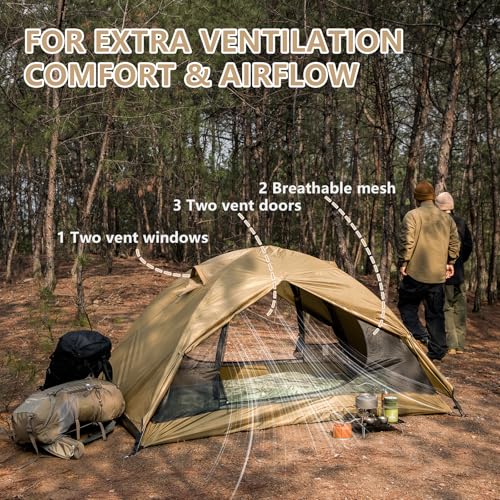
- Excellent airflow
Trade-offs
- Zippers feel a bit thin
- Minimal headroom
- Poles not color-coded
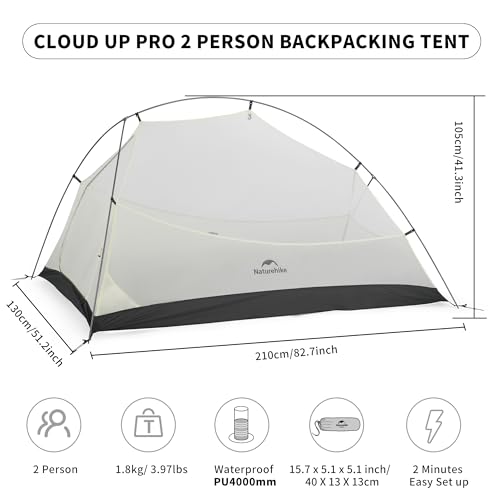
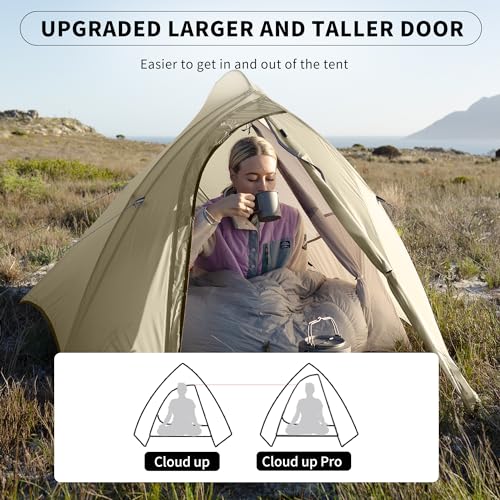
This is the tent I’d recommend to most backpackers, the Naturehike Cloud up Pro hits the sweet spot between weight, space, and weather resistance. At 3.97 lbs, it’s genuinely ultralight, yet it offers a roomy 82.7” x 49.2” footprint and a taller front door for easier entry and gear storage. The PU4000 silicone-coated nylon holds up well in storms, and owners consistently report staying dry through heavy rain.
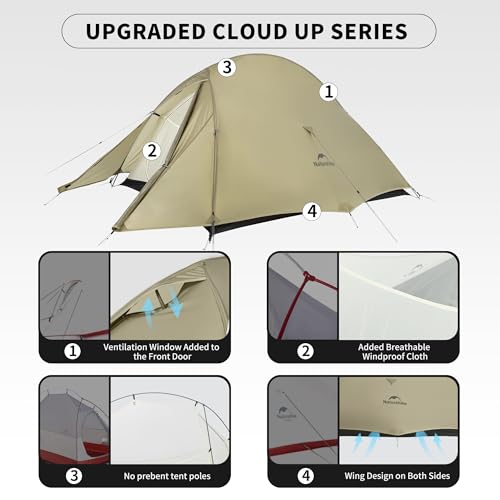
The added ventilation window above the door is a small but smart upgrade that reduces condensation, and the included footprint is a rare bonus at this price. Paired with the freestanding design and color-coded poles, it’s one of the most balanced options here. If you want one tent to do it all, this is it.
Product photos


Kelty Grand Mesa 2P

Strengths
- Affordable pricing
- Freestanding design
- Durable construction
Trade-offs
- Single door access
- Basic ventilation
- No footprint included
The Kelty Grand Mesa 2P is the budget king that doesn’t feel cheap. At just over 4 lbs, it’s light enough for real backpacking, and the freestanding design with quick corners makes setup a breeze, even solo. The materials are dependable: 68D polyester floor, fully taped seams, and aluminum poles that flex without snapping.
It’s not flashy, but it’s built to last. Reviewers love how it survives season after season of use, and the 30 sq. ft. interior is cozy for two. The single door is a compromise, but the large vestibule helps with gear storage. For the price, it’s a no-brainer for beginners or anyone who wants a durable, no-fuss shelter.
Product photos


Marmot Crane Creek 2P
Strengths
- Light and strong
- Dual vestibules
- Eco-friendly materials
Trade-offs
- No footprint
- Higher price point
- Minimal ground coverage
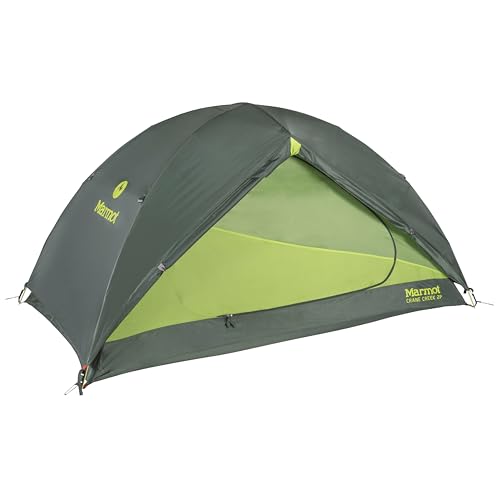
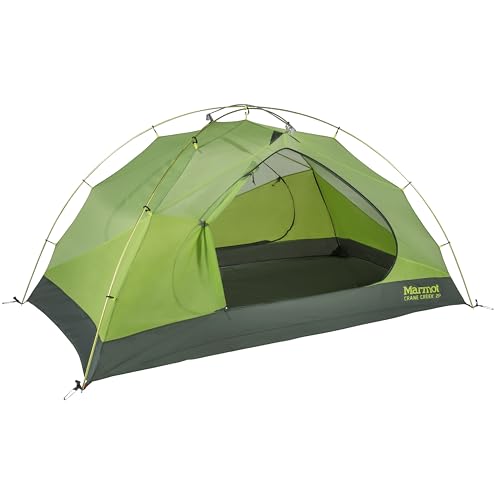
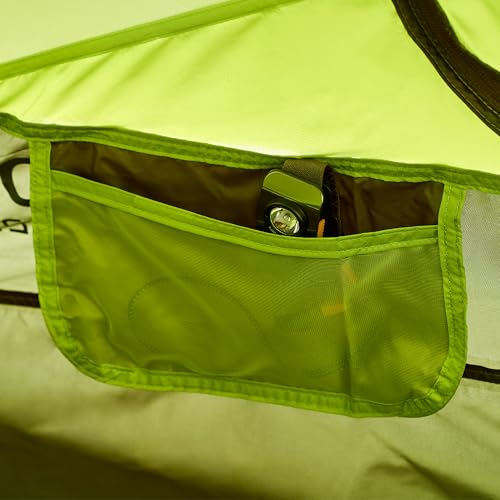
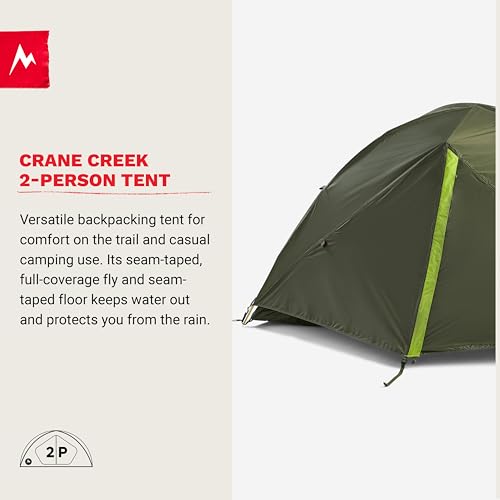
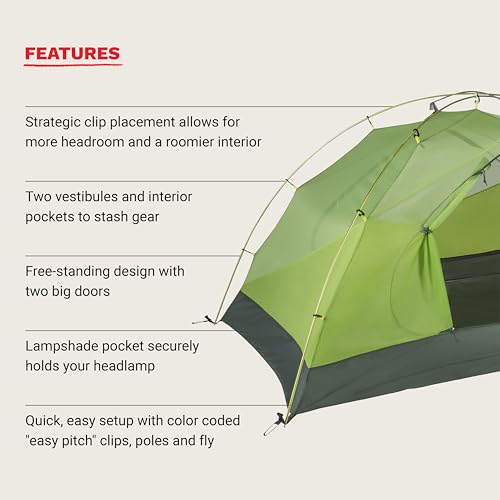
The Marmot Crane Creek 2P is a standout for ultralight fans who still want durability. At just under 4 lbs with 32 sq. ft. of space, it delivers a rare combo: roomy enough for two, light enough to fly on long trails. The 7000-series aluminum poles are a major upgrade over budget models, they flex in wind without breaking, which owners appreciate in exposed ridgelines.
It’s also PFAS-free, which matters for eco-conscious hikers, and the dual D-doors with vestibules make nighttime exits and gear storage a breeze. But the footprint isn’t included, and the price reflects the brand premium. Still, for serious backpackers, this is one of the smarter long-term investments.
Product photos
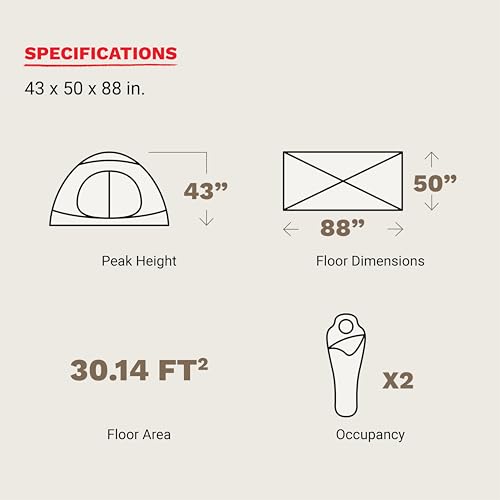
Kelty Late Start 2P

Strengths
- Blazing-fast setup
- Durable fabrics
- Color-coded system
Trade-offs
- Single door only
- Not ultralight
- Limited space for two
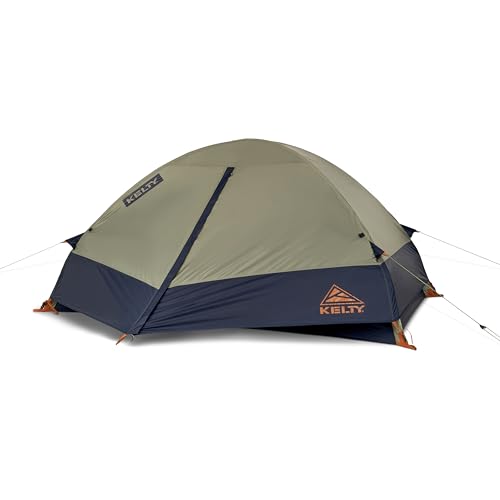
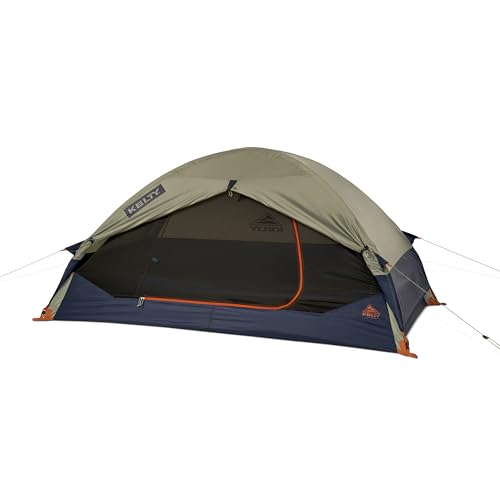
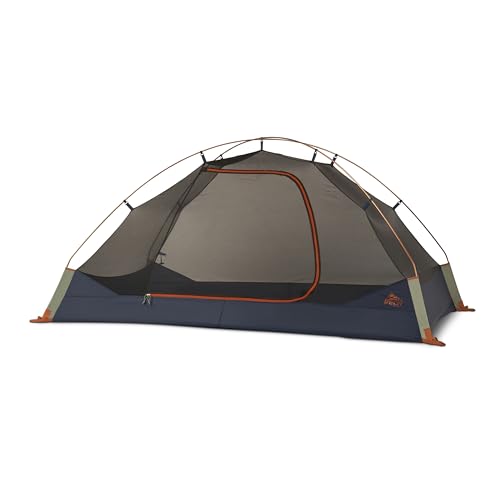
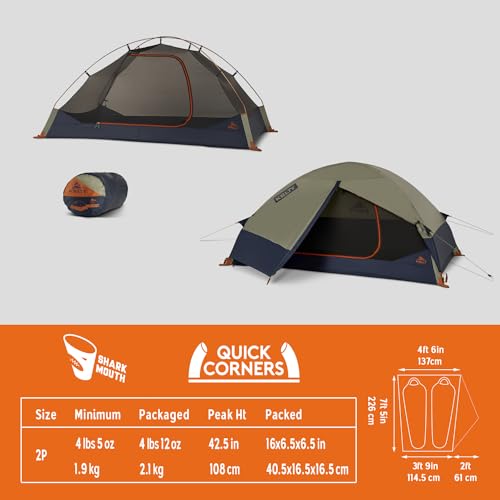
The Kelty Late Start 2P stands out for one thing above all: setup ease. With color-coded clips and Quickcorners, even first-time campers can pitch this in under three minutes, and reviewers repeatedly praise how stress-free it is after a long day on the trail. That kind of simplicity matters when you’re tired, cold, or dealing with fading light.
It’s not the lightest at just over 4.5 lbs, but it’s durable for the price, with a 68D polyester floor and fly that can take abrasion from repeated use. The single door and vestibule work fine for one, but feel tight for two. Still, for fair-weather backpackers or beginner couples, this is a no-drama shelter that just works.
Product photos
Forceatt 2P Backpacking Tent

Strengths
- Great value
- Dual vestibules
- Fast setup
Trade-offs
- On the heavy side
- Mid-tier materials
- Condensation can build
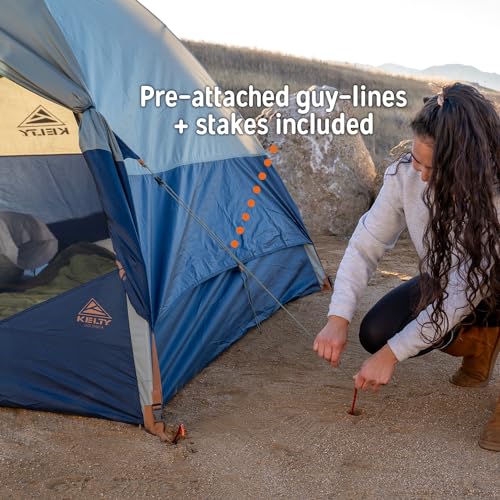
The Forceatt tent screams value, it packs in features like dual vestibules, a double-door layout, and PU3000–5000 waterproofing at a weight (5.68 lbs) that won’t break your back on moderate hikes. For the price, you get aluminum poles, taped seams, and a design that’s clearly aimed at making budget camping less miserable.
Owners say it’s stable in wind thanks to the 7001 aluminum poles and included guylines, and the quick setup is a real perk for tired hikers. But the weight keeps it from being a true ultralight choice, and the materials feel a step below premium brands. Still, for occasional use or beginner backpackers, it’s hard to beat what you get here.
Product photos


Clostnature Ultralight 2P Tent

Strengths
- Excellent airflow
- Full mesh walls
- Large dual doors
Trade-offs
- Heavier than rivals
- Mixed rain performance
- Stakes are flimsy
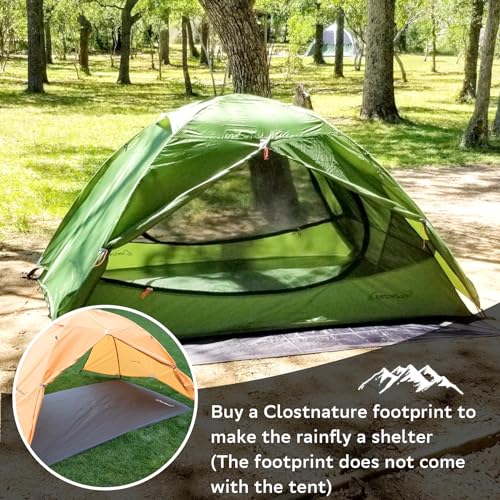
If ventilation is your top concern, especially in buggy, humid, or shoulder-season conditions, the Clostnature tent makes a strong case. The full mesh inner walls and dual D-shaped doors create excellent airflow, and owners note significantly less condensation than in many budget tents. That’s a big deal when you wake up without a wet sleeping bag.
It’s not the lightest at 5.29 lbs, but the freestanding design and easy setup make it a favorite for family hikes and scout trips. The PU5000 coating sounds impressive on paper, but some reviewers report seam leaks after prolonged rain, so seam sealing might be wise. Still, for the price, it delivers thoughtful design.
Product photos



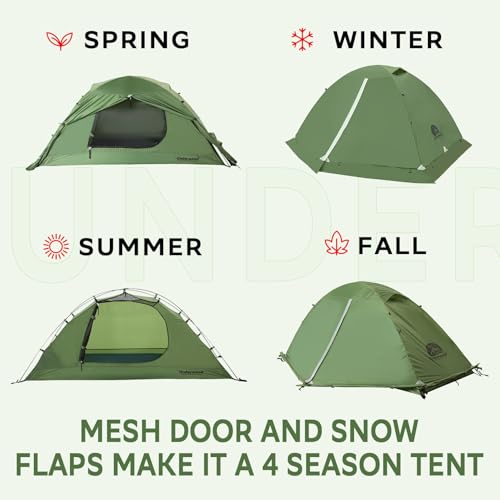
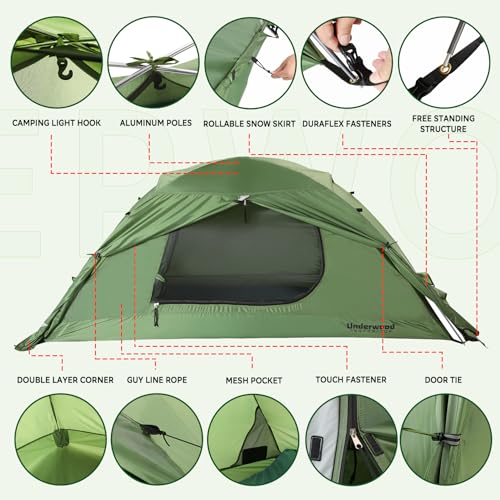
Underwood 4-Season 2P Tent
Strengths
- Winter-ready design
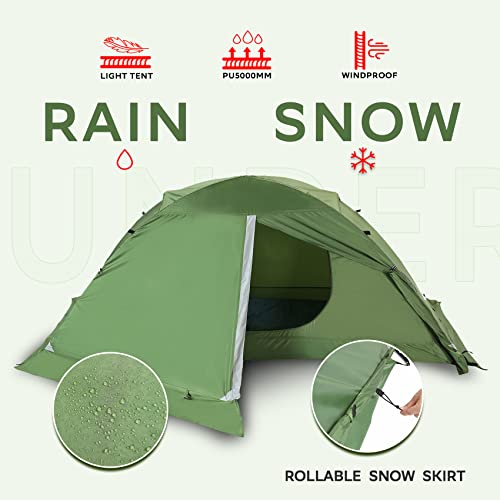
- Snow skirt included
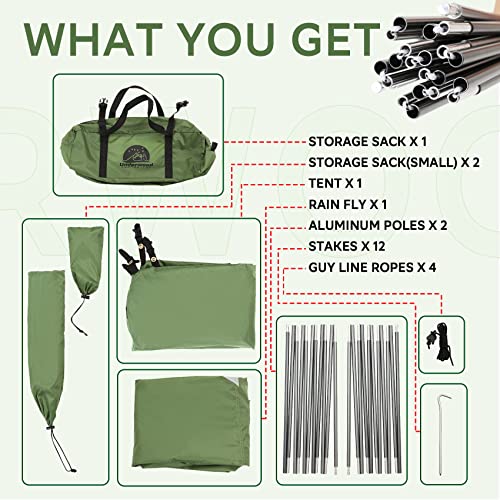
- Strong pole construction
Trade-offs
- Heavy for backpacking
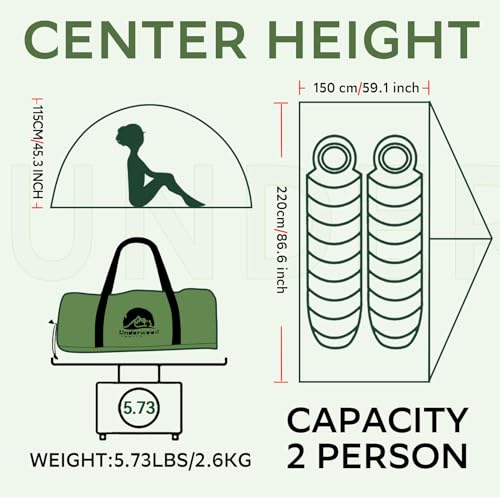
- Limited headroom
- Ventilation challenges
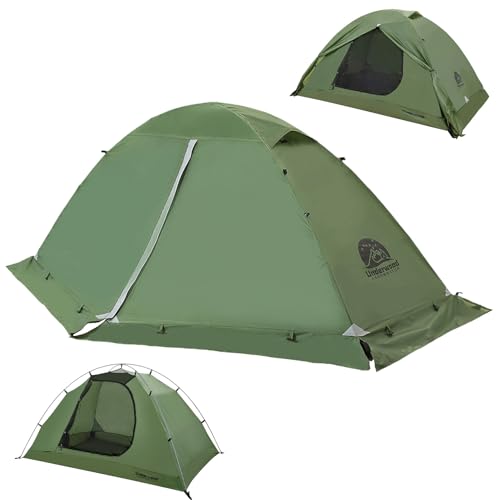
This Underwood Aggregator tent markets itself as a 4-season beast, but in reality, it’s best seen as a rugged 3-season shelter with winter readiness. The PU5000 coating, snow skirt, and aircraft-grade aluminum poles suggest it can handle snow load and high winds, and owners confirm it holds up in cold snaps and storms.
But true 4-season tents usually come heavier and pricier, and this one walks the line. At 5.73 lbs, it’s not light, but if you’re heading into early spring snow or late fall storms, the extra protection is worth it. The roll-up mesh and dual-layer doors help regulate airflow, though condensation can still be an issue in freezing temps.
Product photos
BISINNA 3-Season 2P Tent

Strengths
- Sturdy floor fabric
- Good rain protection
- Strong aluminum poles
Trade-offs
- Heavy for backpacking
- Bulky packed size
- So-so ventilation
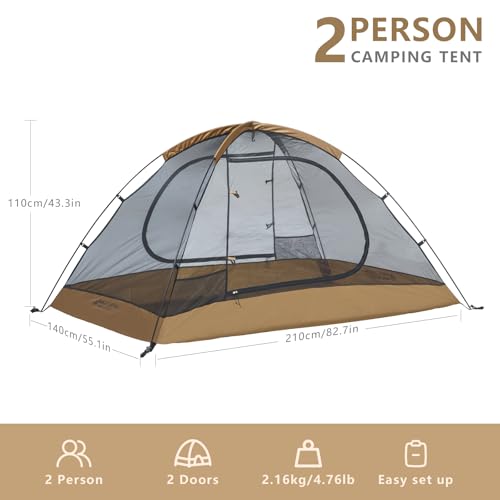
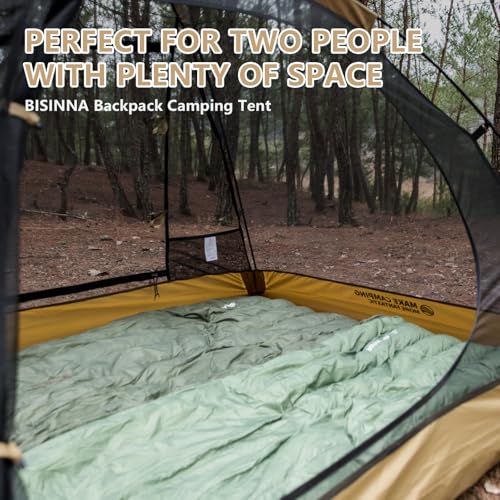
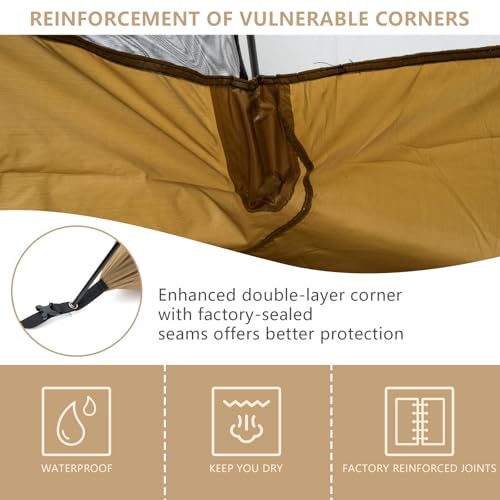
On paper, the BISINNA tent feels like a solid contender for hikers who prioritize durability over featherweight packing. The 210D Oxford floor and PU3000 waterproofing suggest it can handle rough terrain and wet ground without puncturing or leaking, which is a real win for rocky or muddy backcountry sites. Owners consistently report staying dry through overnight downpours, and the taped seams back that up.
Where it stumbles a bit is weight, at 4.76 lbs, it’s on the heavier end for serious backpackers who count ounces. But if you’re doing short hikes or car-to-trail trips and want something that won’t quit after a season, this one holds its own. It’s not the most compact, but the aluminum poles do add stability in wind, outperforming cheaper fiberglass models in real-world feedback.
Product photos

How We Picked These 2 person tents for backpacking
Rather than a hands-on lab test, this is a research-led comparison of published specifications and owner feedback. I started by compiling a list of widely available 2-person backpacking tents, then focused on models consistently appearing in reviews and “top picks” lists. I then compared features – weight, dimensions, materials, waterproof ratings – and weighed those against what current owners are saying about real-world performance. Finally, I ranked these tents based on how well they matched the needs of various backpacking styles.
For 2-person backpacking tents, weight and waterproofness are paramount. A lighter tent directly translates to a more enjoyable hike, and a reliable waterproof rating is essential for staying comfortable and safe in unpredictable weather. Durability also played a significant role; a lightweight tent isn’t useful if it falls apart after a few trips. These three factors heavily influenced the final rankings, prioritizing tents that strike a good balance between these elements.
Specifications reliably indicate a tent’s potential – materials, dimensions, and stated waterproof ratings. However, owner feedback provides crucial insight into how those specs translate to actual performance. I paid close attention to comments regarding ease of setup, condensation issues, and long-term durability. Understanding which brands are considered reputable tent companies also helped to filter for models with a proven track record of quality.
Choosing The Right 2 person tents for backpacking
Choosing the right shelter for backpacking requires more than just grabbing the lightest or cheapest option. We want something reliable, comfortable, and suited to the conditions we expect to encounter.
A quality two-person tent balances weight, weather protection, and livability. Key considerations include the tent’s materials (for durability and waterproofness), its packed size and weight (critical for backpacking), and its design features like vestibules, ventilation, and ease of setup. Prioritize a tent with a full-coverage rainfly, taped seams, and a robust pole system.
Weight and Packability
The biggest draw of a 2-person tent is usually the promise of shared space without a massive weight penalty, but that’s not always the reality. I frequently see folks prioritizing a lower price point over a reasonable weight, then regretting lugging an unnecessarily heavy shelter up the trail. Look for tents using lightweight materials like 20D or 30D nylon or polyester for the fly and floor. Aluminum poles are preferable to fiberglass; they’re stronger and lighter, although they come at a cost. Don’t obsess over shaving every ounce, but every pound adds up over miles.
Weather Resistance and Durability
Don’t underestimate the importance of a truly waterproof tent. A PU3000mm rating on the rainfly is a decent starting point, but PU5000mm or higher is better, especially if you anticipate prolonged or heavy rain. Pay attention to seam sealing – all seams should be factory-taped to prevent leaks. Beyond waterproofing, consider the denier (D) of the fabrics; higher numbers indicate thicker, more durable materials. I often recommend checking out backpacking tent models for a quick comparison of specs.
- A 7001 aluminum pole system is a good baseline for strength.
- Look for a bathtub floor construction; this design extends the waterproof fabric up the sides of the tent, preventing ground water from seeping in.
- A fully-coverage rainfly is essential, meaning it extends all the way to the ground to provide maximum protection from wind and rain. A partial fly leaves the tent walls exposed.
Livability and Features
Beyond the basics, consider features that enhance your camping experience. A tent vestibule benefits are incredibly useful for storing muddy boots, backpacks, and other gear, keeping the inside of your tent cleaner and drier. Good ventilation is also crucial to minimize condensation. Mesh panels and adjustable vents help promote airflow. I’ve found many campers overlook the importance of headroom– being able to sit up comfortably can make a big difference, especially during inclement weather.
A well-designed tent isn’t just about keeping the rain out; it’s about creating a comfortable and functional space to relax and recharge.
2 Person Tents for Backpacking Compared
Here’s a comparison of key specifications for popular 2-person backpacking tents to help you find the right fit for your needs.
| Product Name | Weight (lbs) | Floor Size (sq ft) | Peak Height (in) | Waterproof Rating (mm) | Material (Fly) |
|---|---|---|---|---|---|
| Naturehike Cloud Up Pro 2P | 3.97 | N/A | 41.3 | 4000 | 20D Nylon |
| Kelty Grand Mesa 2P | 4.7 | 30 | 44 | N/A | 68D Polyester |
| Marmot Crane Creek 2P | N/A | 32 | N/A | N/A | Polyester |
| Kelty Late Start 2P | N/A | 30 | 43 | 1200 | 68D Polyester |
| Forceatt 2P Backpacking Tent | 5.68 | N/A | 43.3 | 3000-5000 | Polyester |
| Clostnature Ultralight 2P | 5.29 | N/A | 3’10” | 5000 | Polyester |
| Underwood 4-Season 2P | 5.73 | N/A | 45.3 | 5000 | N/A |
| BISINNA 3-Season 2P | 4.76 | N/A | N/A | 3000 | 190T Polyester |
Frequently Asked Questions
What weight should I realistically expect for a good quality 2-person backpacking tent?
Around 4 to 6 pounds is a reasonable expectation for a well-made 2-person backpacking tent, though ultralight options can dip below 4 pounds. Remember that lighter tents often use more delicate fabrics, so consider your priorities and expected usage.
Are polyester tents as durable as nylon tents?
Polyester tents generally offer excellent UV resistance and are less prone to stretching when wet, but nylon tends to be lighter and more packable. For backpacking, many prefer the weight savings of nylon, but a higher denier polyester can be a very durable choice.
What does a “bathtub floor” actually do for waterproofing?
A bathtub floor extends the waterproof fabric several inches up the sides of the tent, creating a barrier against ground water and preventing it from wicking up under the tent floor. This is a key feature for staying dry in wet conditions.
How important is vestibule space, and how much should I expect?
Vestibule space is quite important for keeping your gear dry and the tent interior organized. Expect around 8-12 square feet of combined vestibule space on a typical 2-person backpacking tent; this provides enough room for backpacks, boots, and other essentials.
Where can I find more in-depth comparisons of different backpacking tents?
You can find detailed backpacking tent comparisons online that offer side-by-side specifications, owner reviews, and expert analysis to help you narrow down your options and choose the perfect shelter for your adventures.
The Bottom Line
Buying a two-person backpacking tent often comes down to balancing how much you want to carry versus how comfortable you want to be. While there are many options, the Naturehike Cloud Up Pro 2P consistently stands out as the best overall choice for backpackers wanting a solid blend of weight, space, and weather protection. It’s a fantastic starting point for most adventures.
For those on a tighter budget, the Kelty Late Start 2P provides a reliable shelter without breaking the bank. If you frequently camp in challenging conditions or prioritize ultimate versatility, the Underwood 4-Season 2P is a worthwhile investment, offering robust protection against the elements. Remember, each of these tents is designed with different priorities in mind.
Ultimately, the “best” tent isn’t about the highest specs or the lowest price. It’s about finding the right fit for your backpacking style and the conditions you expect to encounter. Prioritizing a fully-taped, waterproof rainfly and a durable pole system, along with carefully considering weight, will serve you far better than getting caught up in minor feature differences. If you’re still unsure, reading a detailed tent selection guide can help refine your search.
