
7 Best 2 Person Trekking Tents 2026
This post contains affiliate links. As an Amazon Associate, we earn from qualifying purchases.
The Nature Link Altair Two stands out as the best overall 2 person trekking tent for its ultralight build and reliable weather protection, while the TOMOUNT 1-2 Person offers a solid budget-friendly option that doesn’t skimp on packability. For those who value ventilation and storm-ready design, the Underwood Aggregator 2-Person is a strong versatility pick.
As someone who’s spent more nights in tents than I can count, from drizzly ridge lines to bug-heavy valleys, I know how critical it is to have a shelter that won’t let you down. Too many trekking tents promise light weight but fail when the wind picks up or the condensation rolls in.
This guide cuts through the marketing to focus on what actually matters: real-world performance based on specs, owner feedback, and design choices that impact your comfort and safety on the trail. I looked at weight, waterproofing, ventilation, and durability across top models to find the ones that deliver where it counts.
Top 7 2 Person Trekking Tents in the Market
The Best 2 Person Trekking Tents, Reviewed
Nature Link Altair Two Ultralight Tent

Strengths
- Extremely lightweight
- Excellent ventilation
- Spacious interior
Trade-offs
- Requires trekking poles
- No floor protector included
- Fly can be fiddly in wind
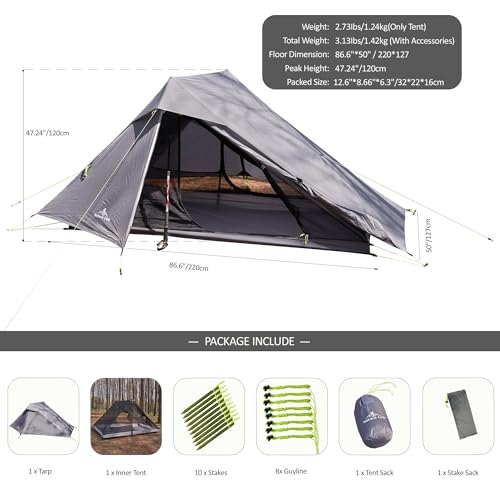
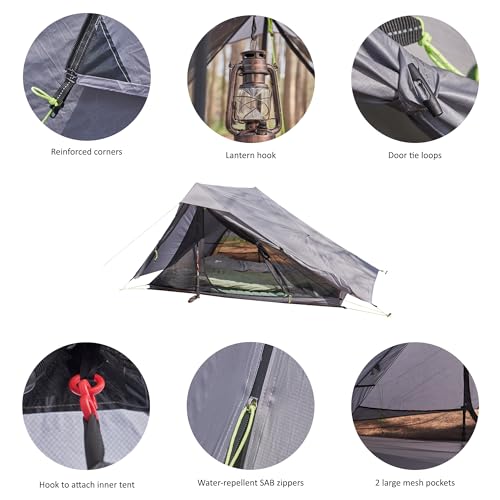
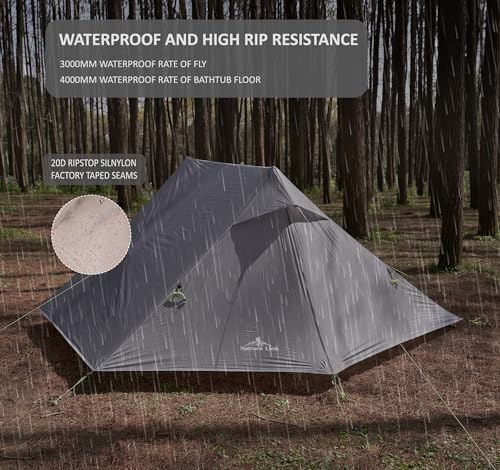
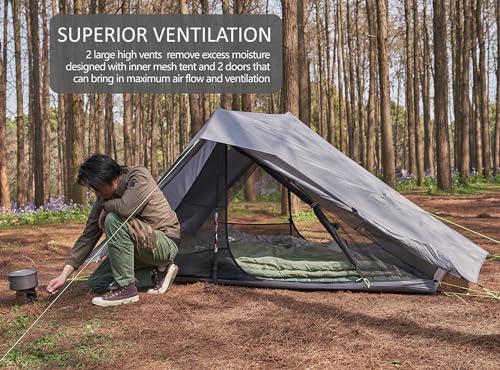
If I had to pick one tent for most 2-person backpacking trips, it would be this, the Altair Two hits that sweet spot between weight, space, and durability. At just 2.73lbs, it’s impressively light for a double-wall tent, and owners praise how well it handles wind and rain. The 20D Silnylon with 3000mm waterproofing holds up in real-world conditions, and the fully taped seams mean fewer leaks. The ventilation is excellent too, with two mesh doors and high vents that really help cut down on condensation, a common issue in lightweight shelters.
Compared to the TOMOUNT or Zenith models, this one feels more refined. The floor space is generous, fitting two full pads with room to spare, and the 47-inch peak height lets you sit up comfortably. It’s not the absolute lightest, but the balance here is hard to beat.
Product photos
Nature Link Sirius Two Trekking Tent
Strengths
- Multi-setup capability
- Lightweight and compact
- Thoughtful interior features
Trade-offs
- Single-wall = more condensation
- Less headroom
- Trickier setup in tight spots
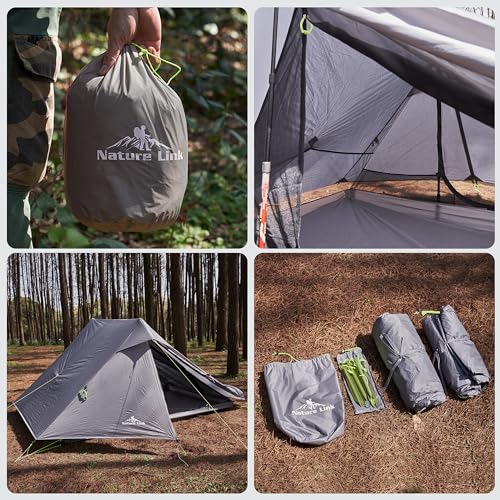
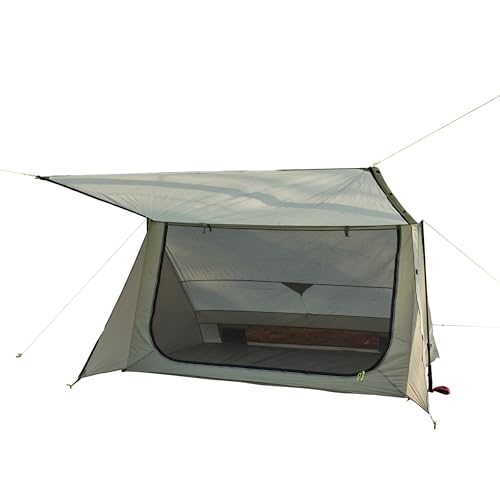
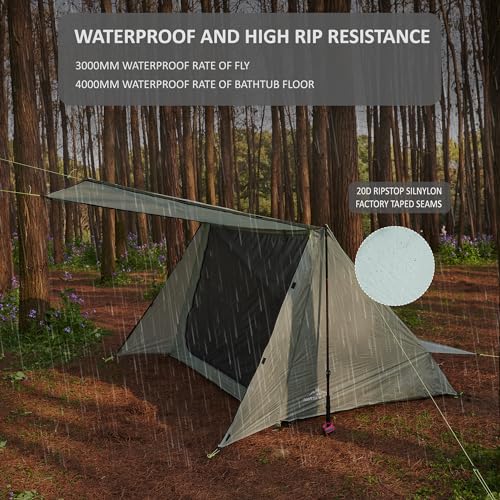
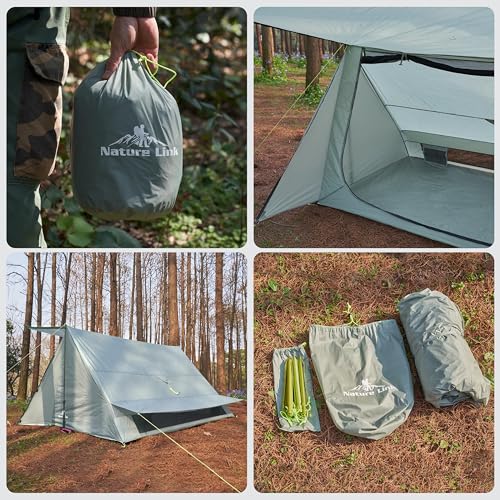
This is the shelter for bushcraft lovers and minimalists who want maximum flexibility. The Sirius Two isn’t just a trekking pole tent, it can be rigged between trees or propped up with sticks, which gives it serious versatility in the backcountry. Made from 20D Silnylon with a 4000mm bathtub floor, it’s built to handle moisture, and the single-wall design keeps weight down to around 2.5lbs.
Owners love the simplicity and the thoughtful details: YKK zippers, lantern hook, and two internal pockets. But the single-wall construction means condensation is harder to avoid, even with the mesh door. It’s not the best for humid climates, but in dry or breezy conditions, it shines. Compared to the Altair Two, it trades some comfort for raw adaptability.
Product photos

LanShan 2-Person Ultralight Trekking Tent

Strengths
- High waterproof rating
- Multiple setup options
- YKK zippers
Trade-offs
- Average ventilation
- Minimal vestibule space
- Assembly can be fiddly
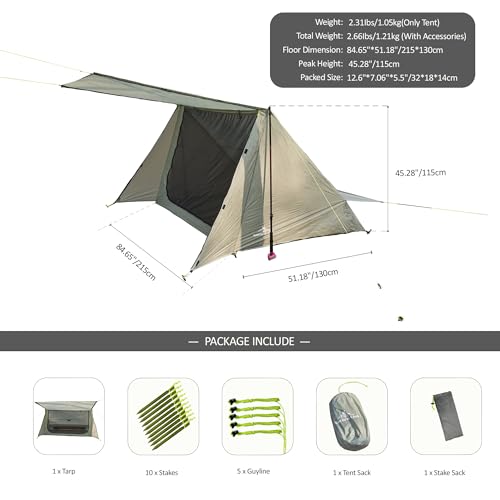
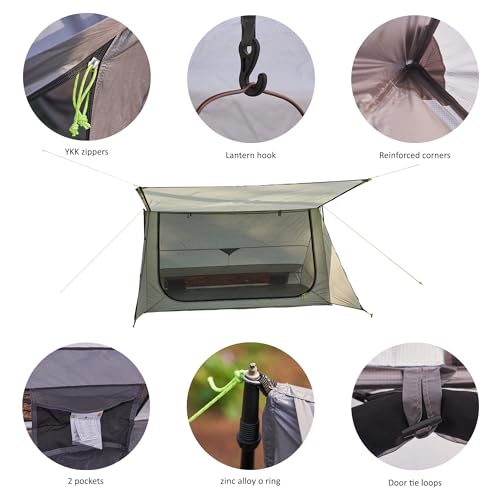
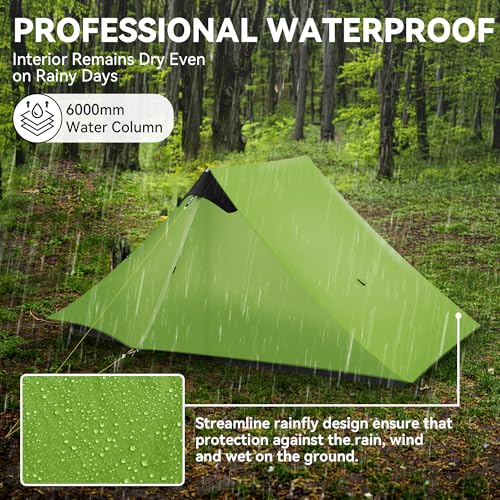
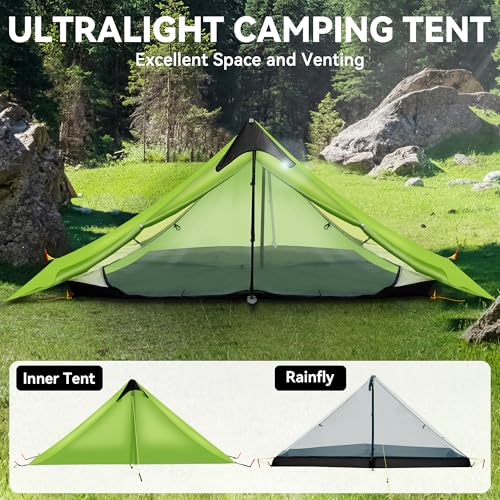
This one’s a chameleon, at 2.9lbs, it’s light, but its real strength is versatility. The ability to convert into a tarp-tent or star-gazer setup makes it a favorite among alpine climbers and minimalist adventurers who want one shelter for multiple scenarios. The 5000–6000mm waterproofing is among the highest here, so it’s a smart pick for wet climates.
Owners appreciate the YKK zippers and multi-reinforced stress points, which add durability without much weight. But the dual-purpose design means compromises: in full tent mode, ventilation isn’t as strong as in dedicated mesh-heavy models. Still, for someone who hikes in varied terrain or wants one shelter for tarp, tent, and bivy modes, it’s hard to beat.
Product photos
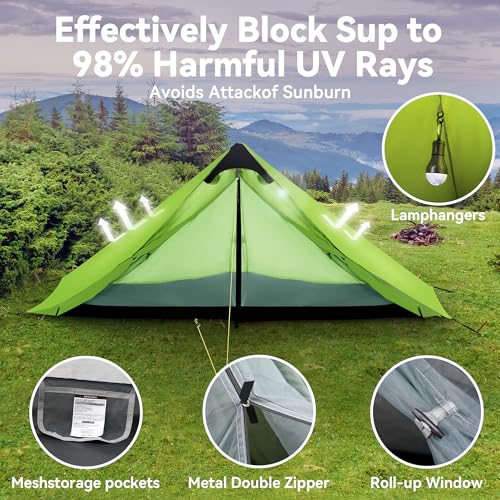
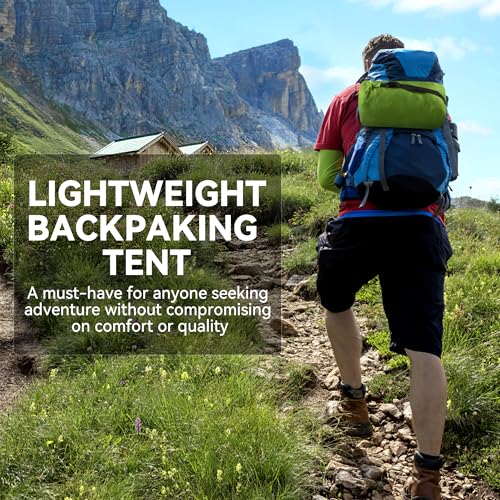
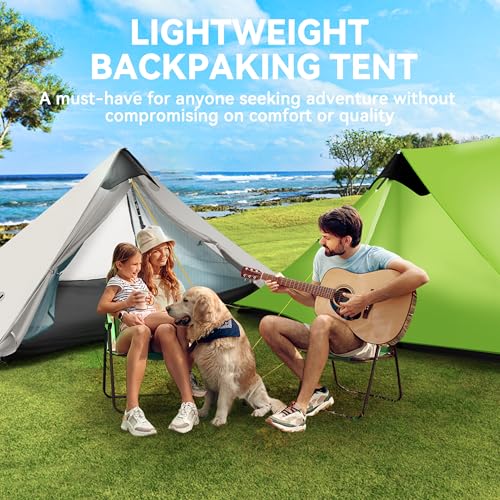
Underwood Aggregator 2-Person A-Frame Tent

Strengths
- Affordable price
- Quick setup
- Good weather resistance
Trade-offs
- Basic materials
- Zippers feel flimsy
- Narrow interior
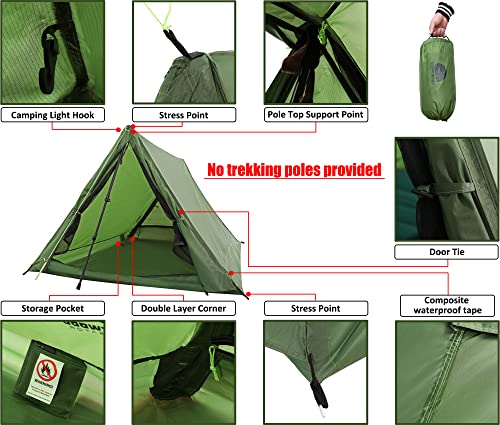
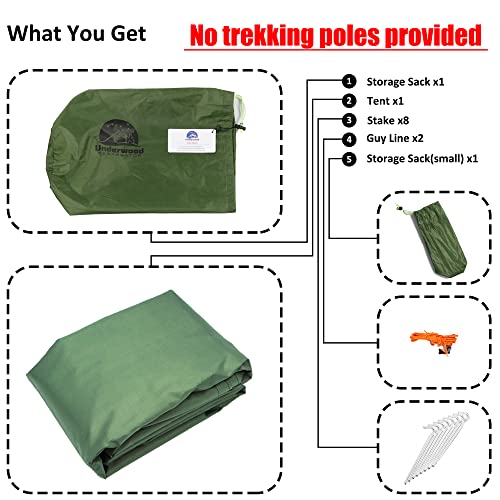
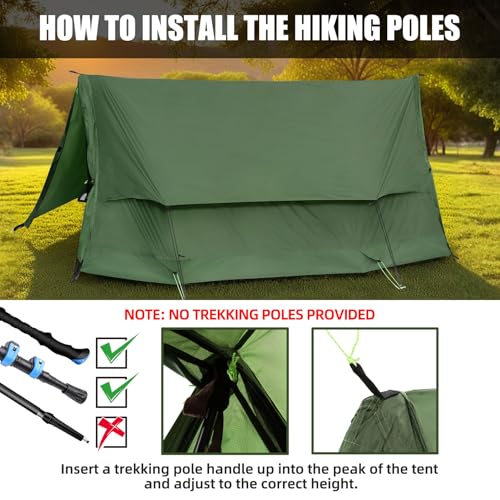
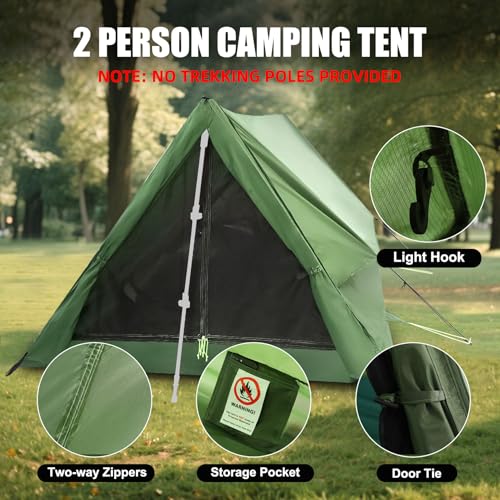
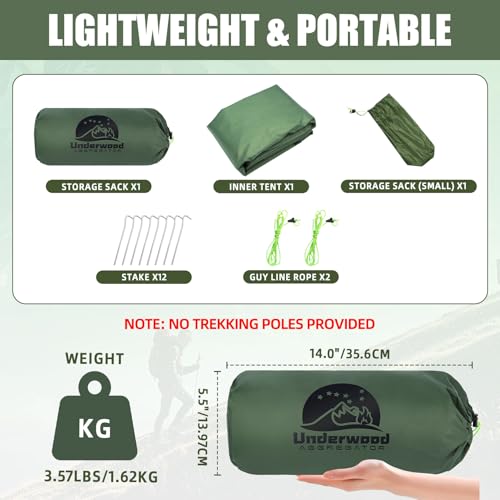
For the price, this tent punches above its weight. At 3.2lbs and a tiny packed size, it’s a solid budget-friendly option that still delivers core features: dual doors, two vestibules, and 5000mm waterproofing. Owners say it’s easy to pitch, often in under two minutes, and holds up surprisingly well in wind and rain thanks to the double-layer corners and sturdy fabric.
It’s not made with the premium materials of the Nature Link or TOMOUNT tents, but for occasional hikers or scouts, it’s more than enough. The ventilation is decent, though not as effective as models with larger mesh panels. If you’re just getting into backpacking or need a spare shelter, this is the smarter buy over pricier options.
Product photos
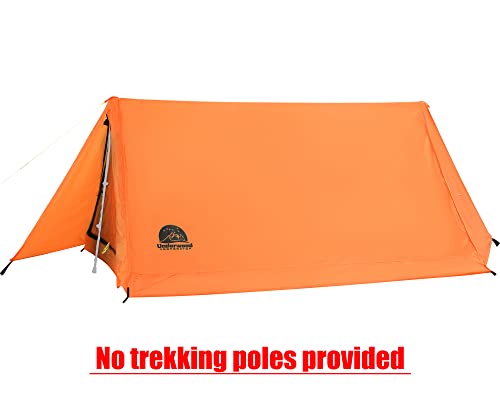


Zenith 2.0 Ultralight A-Frame Tent
Strengths
- Superior ventilation
- Spacious floor plan
- Good weather protection
Trade-offs
- Heavier than sub-3lb options
- Setup requires fine-tuning
- Vestibule space is modest
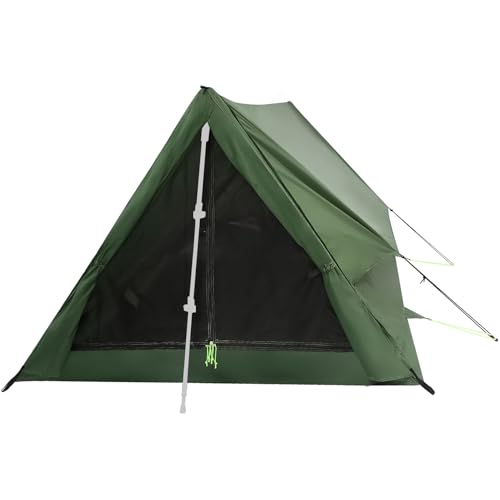
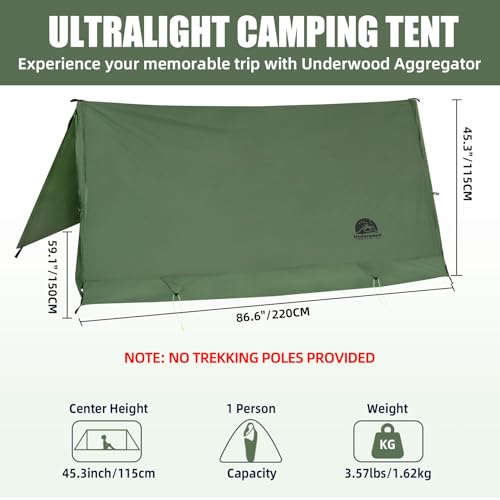
Ventilation is where this tent truly stands out. With two wide mesh doors and an A-frame design that promotes airflow, owners consistently report less condensation than in other lightweight models, even in damp conditions. The 3.57lb weight isn’t class-leading, but the 86.6 x 59.1-inch floor is generous, and the 45.3-inch height gives you real sitting-up space.
It’s not the lightest or fastest to pitch, but the balance of space, breathability, and weather protection is excellent. The fully sealed seams and 3000mm PU coating hold up in rain, and the reinforced corners add durability. Compared to the Budget Underwood model, this one feels more premium, better materials, better layout.
Product photos

TOMOUNT 1-2 Person Ultralight Tent
Strengths
- Blazing-fast setup
- Internal gear pocket
- Very lightweight
Trade-offs
- Narrow floor space
- Only one mesh vent
- Not ideal for two tall hikers
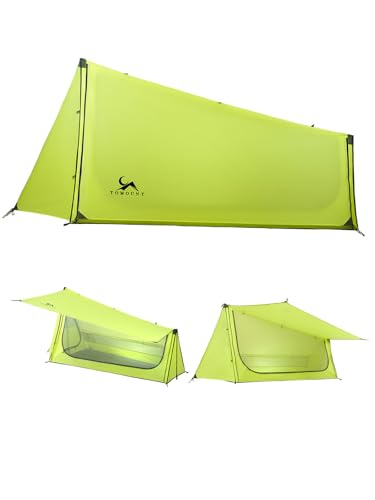
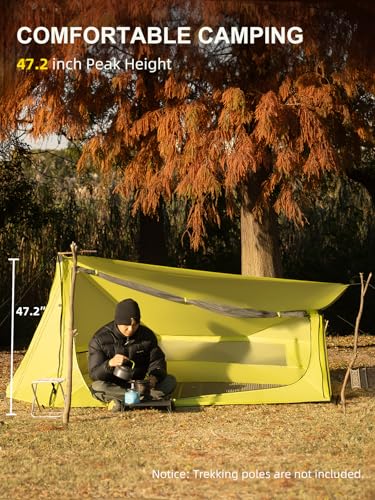
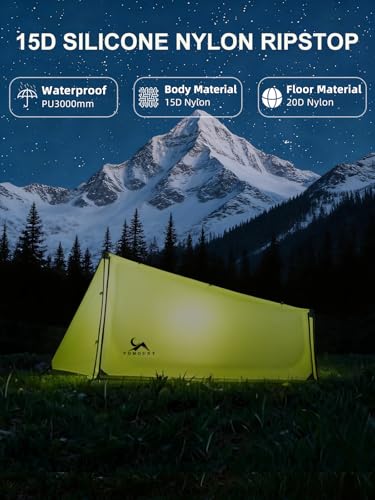
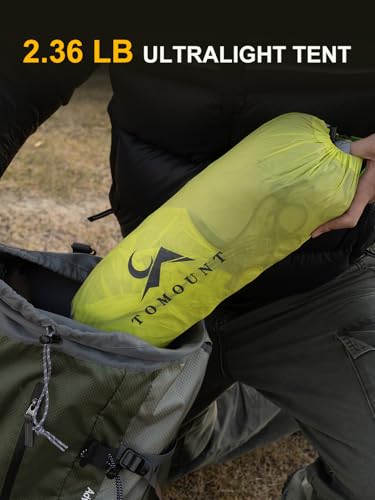
This tent is built for speed, if you’re the type who wants to pitch camp fast and get back to the trail, the TOMOUNT delivers. The integrated inner and outer design means setup takes minutes, and owners confirm it’s one of the quickest to deploy among trekking pole tents. At 2.36lbs, it’s also impressively light, though it’s really a stretch for two, best used by one person with gear, or very cozy partners.
The real standout is the internal storage pocket, a rare feature in ultralight tents. It keeps essentials off the floor and within reach, which we all know makes a big difference after a long day. That said, the 39.4-inch width is narrow, and the single rear vent limits airflow compared to models with dual doors. For solo fastpackers, it’s brilliant. For couples, it’s tight.
Product photos


Naturehike Mongar 2 Person Free Standing Tent

Strengths
- Freestanding design
- Two large vestibules
- Good weather resistance
Trade-offs
- Heavier than trekking pole options
- Bulkier packed size
- Limited headroom
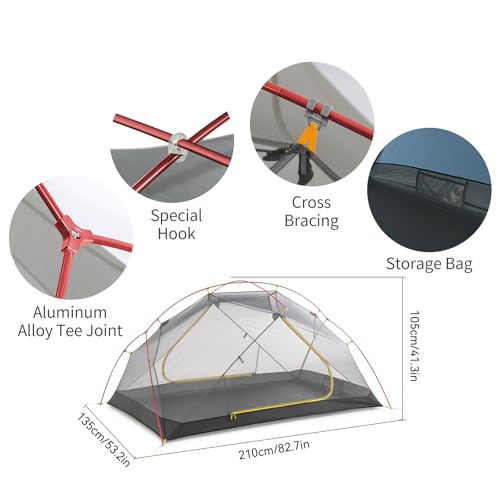
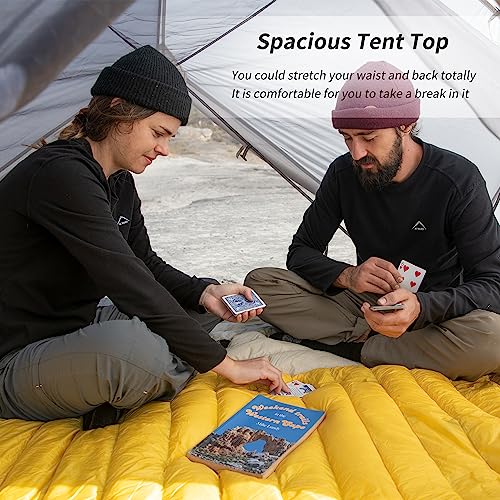
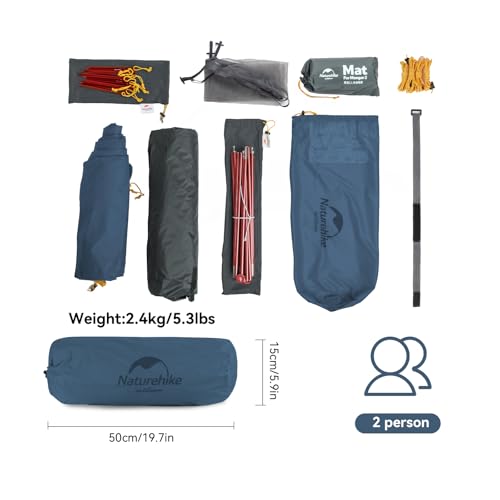
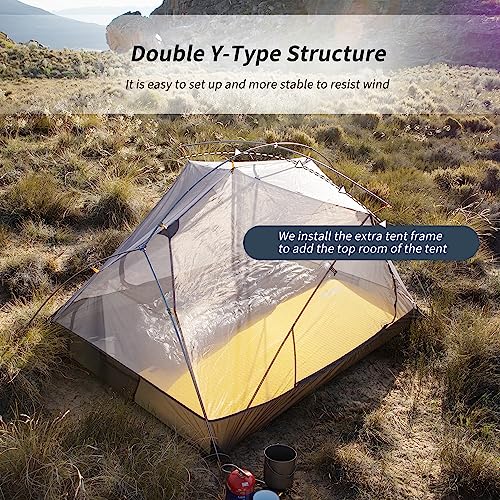
This is a solid pick if you want a traditional freestanding 2-person tent that won’t leave you stranded in a storm. On paper, the 5.3lb weight is nothing special for backpacking, but it’s reasonable for what you’re getting, a full double-wall, free-standing shelter with decent weather resistance. Owners consistently report it holds up well in wind and rain, thanks to the 3000mm waterproofing and sturdy 7001 aluminum poles. The two vestibules and dual doors make this a practical choice for couples or anyone who hates crawling over their partner.
Where it falls short is pack size and weight compared to trekking pole tents. It’s clearly not built for ultralight hikers, but for car campers or those on moderate backpacking trips who value ease of setup and reliability, it makes sense. The sewn-in instructions are a thoughtful touch for first-time users.
Product photos

How We Chose These 2 person trekking tents
Rather than a hands-on lab test, my research focused on a detailed comparison of published specifications and features across these models. I weighed owner reviews from multiple sources – looking for consistent praise and complaints – alongside expert reviews from established outdoor gear sites. My goal was to build a ranking based on real-world feedback and measurable attributes, focusing on what matters most to backpackers seeking a comfortable and reliable shelter.
For 2-person trekking tents, weight, waterproofness, and ventilation are paramount. A lighter tent makes a huge difference on long trails, and a reliable waterproof rating is critical for unpredictable weather. Good ventilation minimizes condensation, which can ruin a night’s sleep. I prioritized these factors, as they directly impact the backpacking experience, and considered how each tent performed in these areas based on reported data and user experiences.
I relied on specifications for details like fabric denier, waterproof ratings, and packed weight – these numbers offer a solid baseline for comparison. However, I judged durability, ease of setup, and real-world weather protection heavily from owner feedback. This approach allows me to offer a balanced assessment, informed by both technical details and the experiences of those using the tents in the field. You’ll find many top trekking tent brands offering similar options, so understanding these core features is key.
How To Pick The Right 2 person trekking tents
Picking the right trekking tent can make or break your trip. I’ve seen too many adventures dampened by inadequate shelter, so let’s get this right.
A quality trekking tent balances weight, weather protection, and livability. Key considerations include the denier and coating of the fabrics (silnylon and polyester are common), the tent’s overall weight and packed size, the ease of setup (especially crucial in adverse conditions), and the ventilation system to minimize condensation. Look for taped seams, robust zippers (YKK is a good sign), and a design suited to your typical climate and terrain.
Weight and Packability
Weight is paramount when you’re carrying everything on your back. Ultralight tents, often utilizing trekking poles for structure, can shave ounces, but may require more skill to pitch tautly. Don’t get fixated on the absolute lowest number; consider the balance between weight and durability. A tent failing mid-trip is far heavier than a few extra ounces upfront. Many brands, like Naturehike, offer options around the 5lb mark, while more minimalist designs can dip below 3lbs.
Weather Resistance
A tent’s waterproof rating (measured in millimeters) indicates how much water pressure the fabric can withstand before leaking. While a higher number seems better, understand that ratings are tested on static fabric, and real-world conditions (wind, rain driven by wind, fabric wear) reduce effectiveness. Look for a minimum of 3000mm for the fly and 5000mm for the floor, and prioritize fully taped seams. Also, think about wind resistance. An A-frame design, as seen in the Zenith 2.0 Ultralight A-Frame Tent, can be surprisingly stable, while free-standing tents like the Naturehike Mongar 2 Person Free Standing Tent offer simplicity at the expense of some aerodynamic performance.
- A higher waterproof rating doesn’t always mean better performance. Breathability can suffer with heavily coated fabrics.
- The floor material is critical. It endures the most abrasion and water exposure. A higher denier and waterproof rating here are worthwhile.
- Consider the quality of the zippers. Cheap zippers are a common point of failure. Investing in a tent with YKK zippers is a smart move.
Ventilation and Condensation Management
Condensation builds up inside a tent when your breath and body heat warm the air, causing moisture to precipitate on the cooler fabric. Good ventilation is the key to minimizing this. Look for tents with mesh panels, adjustable vents, and designs that promote airflow. The Underwood Aggregator 2-Person A-Frame Tent highlights the importance of staking out the vestibule for storage to improve airflow and reduce condensation. Also, remember this rule of thumb:
Don’t seal yourself in! Even a small gap in the door or vent can significantly reduce condensation build-up.
If you’re looking for more options, you can find a lot of backpacking tent reviews covering a wide range of styles and price points. Knowing what’s available is half the battle and will help you narrow down the search for the perfect two-person backpacking tents for your next adventure. And for those prioritizing reducing weight, exploring lightweight backpacking tents can be a great starting point.
2 Person Trekking Tents Compared
Here’s a comparison of key specifications for popular 2-person trekking tents to help you choose the right one for your needs.
| Product Name | Weight (lbs) | Waterproof Rating (Fly) | Floor Material | Setup Type | Packed Size |
|---|---|---|---|---|---|
| Nature Link Altair Two | 2.73 | 3000mm | Silnylon | Trekking Pole | N/A |
| Nature Link Sirius Two | N/A | 3000/4000mm | Silnylon | Trekking Pole | N/A |
| LanShan 2-Person | 2.9 | 5000mm | Nylon | Trekking Pole | 13.7 x 6 inch |
| Underwood Aggregator 2-Person | 3.2 | 5000mm | Polyester | Trekking Pole | 14”x 5.5”x5.5” |
| Zenith 2.0 | 3.57 | 3000mm | 210T Nylon | Trekking Pole | 14.0” x 5.5” x 5.5” |
| TOMOUNT 1-2 Person | 2.36 | 3000mm | 15D Nylon | Trekking Pole | N/A |
| Naturehike Mongar 2 Person | 5.3 | 3000mm | Polyester | Free Standing | 19.7*φ5.9in |
Frequently Asked Questions
What waterproof rating do I really need for a 2-person trekking tent?
A rating of 3000mm for the fly and 5000mm for the floor is generally sufficient, but remember these numbers are tested under static conditions. Real-world exposure to wind and abrasion will reduce effectiveness, so prioritizing quality construction and taped seams is equally important alongside the rating itself.
Are trekking pole tents harder to set up?
They can be, especially in poor weather, as they rely on your poles for structural integrity. However, once you practice a few times, many find them faster and lighter overall than free-standing models, and a well-pitched trekking pole tent can be very stable.
What’s the difference between silnylon and polyester tent fabrics?
Silnylon is lighter and packs smaller, making it popular for ultralight setups, but it doesn’t stretch much and can be more prone to damage. Polyester is heavier but offers better UV resistance and doesn’t stretch, making it a more durable choice for frequent use.
How important is the tent’s vestibule size?
Vestibule space is crucial for storing gear out of the elements and providing a dry area to cook or change clothes. A larger vestibule offers more convenience, but it also adds weight and potentially affects the tent’s aerodynamics, so consider your typical needs and conditions.
Where can I find more information on choosing the best backpacking 2-person tents?
You can explore a wider range of options and detailed reviews of best backpacking 2-person tents on our site, which will help you compare features and find the perfect fit for your adventures.
The Bottom Line
Choosing a trekking tent often comes down to balancing how much you value absolute lightweight performance versus ease of use and durability. While many options exist, the Nature Link Altair Two strikes an excellent balance for most backpackers, it’s impressively light without sacrificing too much in terms of weather protection, and owner feedback consistently praises its packability.
If you’re on a tighter budget, the LanShan 2-Person offers a remarkable value proposition. For those who prioritize versatility and a simpler setup process (even if it means carrying a bit more weight), the Naturehike Mongar 2 Person Free Standing Tent is a solid choice, and it’s a great option for folks new to backpacking or who prefer a freestanding design. Understanding your factors in tent choice is key.
Ultimately, the specs on a tent are just numbers. What truly matters is finding a shelter that keeps you dry, comfortable, and protected, allowing you to focus on enjoying the trail. Don’t get lost in the details, prioritize waterproofness, ventilation, and a design that suits your typical conditions and backpacking style.
