
7 Best 3-Person Hiking Tents of 2026
This post contains affiliate links. As an Amazon Associate, we earn from qualifying purchases.
The Naturehike Cloud Up 3 Person Tent stands out as the best overall 3-person hiking tent for its balance of weight, durability, and real-world performance. If you’re watching your budget, the Clostnature Lightweight 3 Person Tent offers solid protection at a lower price, while the 3-4 Person Ultralight Hiking Tent is a strong pick for those prioritizing pack size and minimal weight.
Most hikers don’t need a tent that just claims to fit three, they need one that actually feels spacious, holds up in sudden storms, and won’t weigh down the pack. Too many “3-person” models are cramped or flimsy, marketed more on specs than real trail use.
As Chloé Bourgeois, I’ve spent years evaluating tents across seasons and terrain, and this guide reflects what matters most out there: honest space, reliable weather resistance, and long-term durability. These picks are based on specs, owner feedback, and performance patterns from trusted brands, so you can trust your shelter when it’s on the line.
Top 7 3 Person Hiking Tents in the Market
The Best 3 Person Hiking Tents, Reviewed
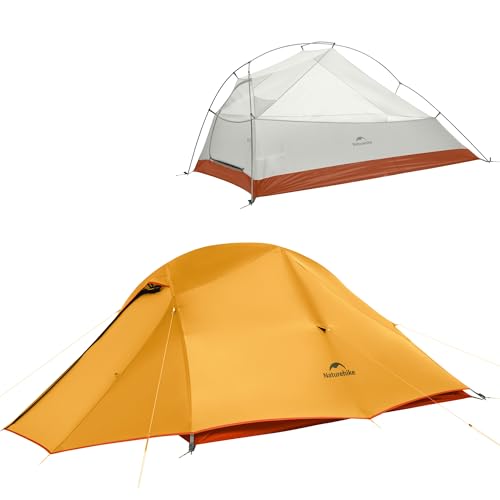
Naturehike Cloud Up 3 Person Tent
Strengths
- Footprint included
- Excellent ventilation
- Freestanding design
- Upgraded pole structure
Trade-offs
- Slightly heavier than ultralight rivals
- Packed size not the smallest
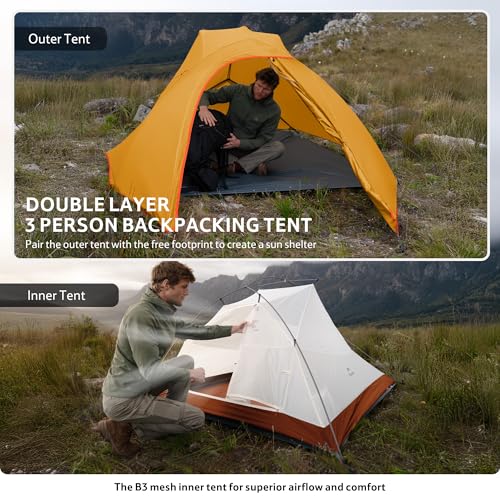
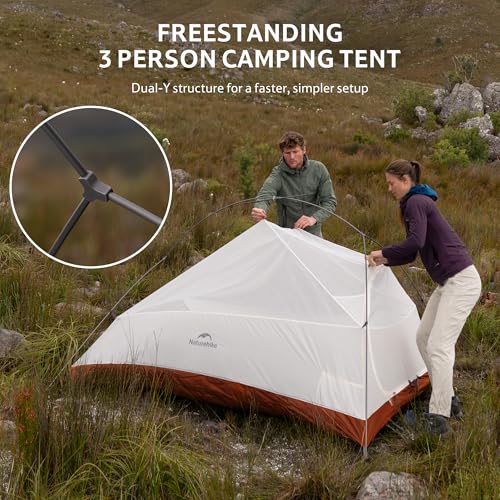
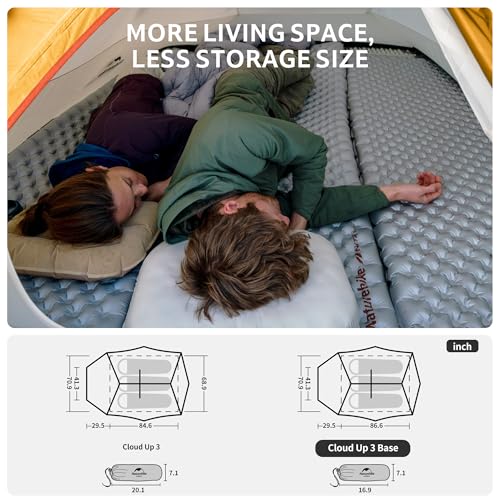
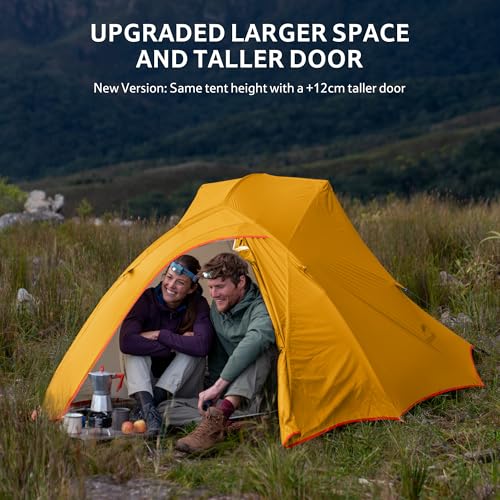
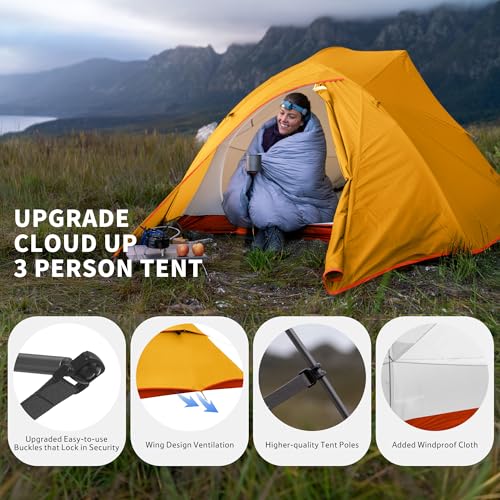
This is the kind of tent I’d confidently recommend to a friend planning a multi-day trek. The upgraded wing design that increases airflow between inner and outer layers is a standout, owners consistently report lower condensation, which is a real issue in double-wall tents. At under 6.3 lbs with a footprint included, it strikes a smart balance between weight and durability. The freestanding design with dual-Y aluminum poles makes setup fast, even for solo hikers, and the 3000mm PU rating means it can handle sustained rain.
Compared to others in this list, the Cloud Up 3 stands out for thoughtfulness: the higher front door improves headroom and access, and the included footprint adds value without upselling. It’s not the absolute lightest, but it’s close enough, and the build quality feels more trail-ready than budget alternatives.
Product photos
Clostnature Lightweight 3 Person Backpacking Tent

Strengths
- Ultra-low trail weight
- High waterproof rating
- Large vestibules
- Excellent airflow
Trade-offs
- No footprint included
- Mesh less ideal in buggy areas
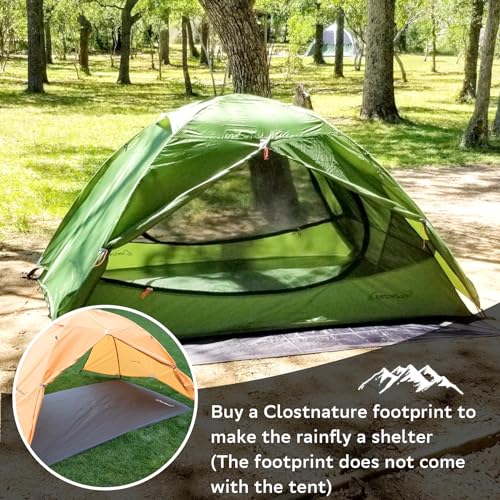
With a minimum trail weight of just 5.29 lbs, this tent is built for efficiency. The 5000mm PU coating on the rainfly is higher than most competitors, meaning better storm resistance on paper, and owners confirm it performs well in downpours. The full mesh interior walls boost airflow, which is crucial in humid or warm conditions, and the two vestibules are spacious enough for boots and packs, something I always look for in a 3-person design.
The freestanding setup with only two poles simplifies pitching, and the compact packed size makes it ideal for tight backpacks. Where it edges past the Naturehike is in weight and waterproofing spec, though it lacks an included footprint. Still, for hikers who want lightweight performance without sacrificing space, this is a strong contender. I’d pick this over bulkier models for longer trips where every ounce counts.
Product photos



Marmot Crane Creek 3P Tent
Strengths
- 7000-series aluminum poles
- Excellent storm resistance
- PFAS-free materials
- Large vestibules
Trade-offs
- Heavier than ultralight rivals
- Footprint sold separately
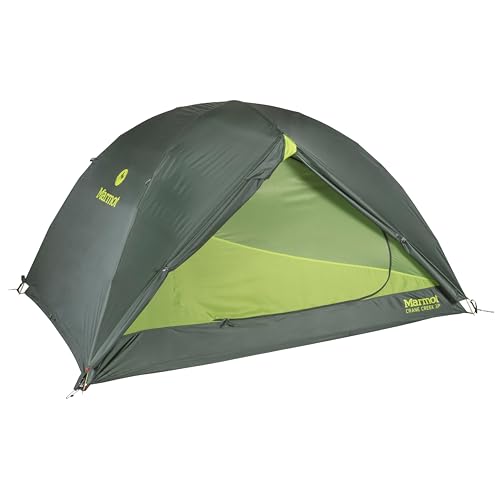
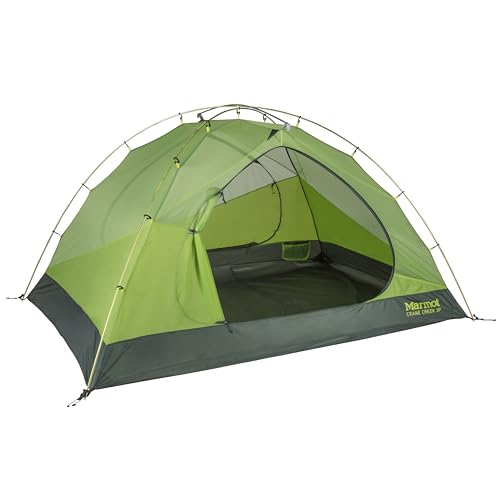
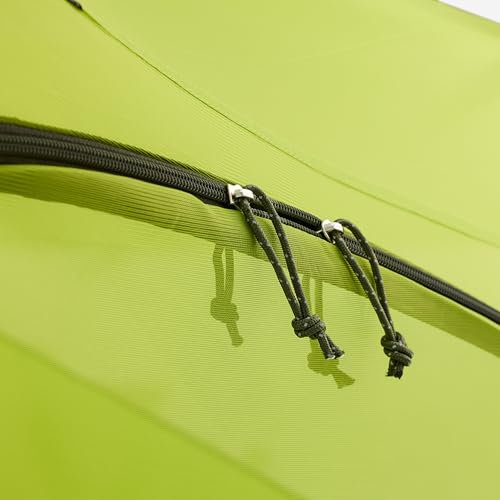
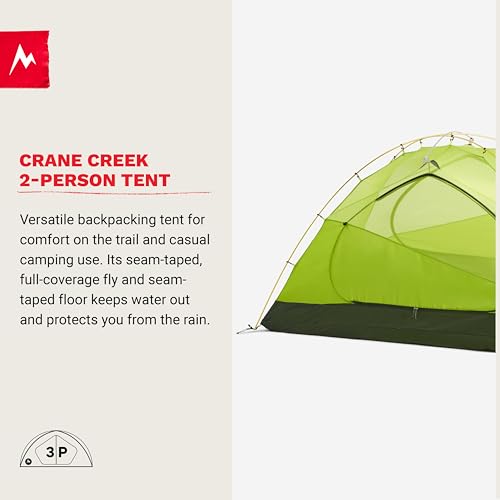
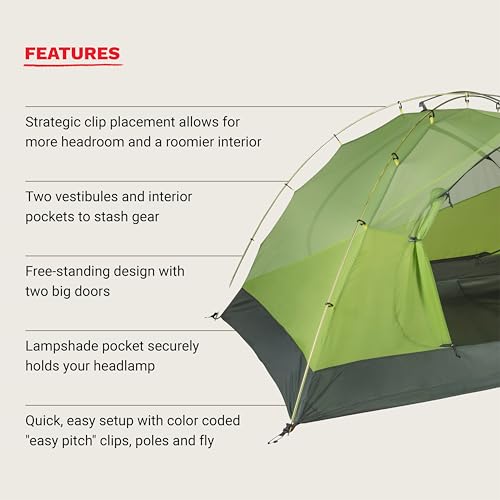
Marmot has a reputation for building trail-tough gear, and the Crane Creek 3P backs that up. The 7000 series aluminum poles are a serious upgrade, light, strong, and fatigue-resistant, which matters on multi-week trips. With 41.5 sq. ft. of space and two large D-doors with dual vestibules, it offers excellent livability for three, though like most 3-person tents, it’s cozier for two with gear. The seam-taped fly and floor provide reliable rain protection, and the PFAS-free construction is a win for eco-conscious hikers.
It’s not the lightest, Marmot trades a few ounces for durability, but owners consistently praise its performance in wind and wet conditions. Compared to the Clostnature or Naturehike, it’s heavier but feels more bombproof. For alpine hikes or unpredictable weather, I’d choose this over lighter, more fragile builds. My pick for long-term reliability.
Product photos
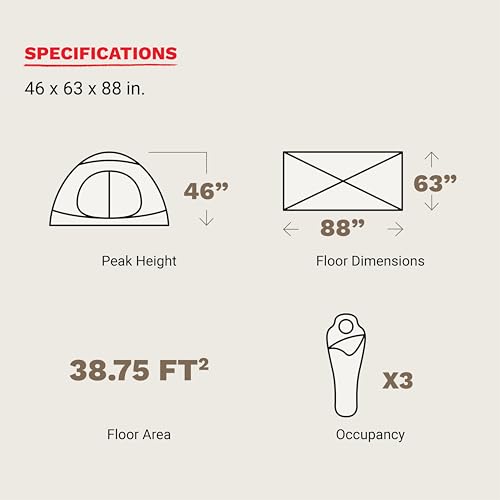
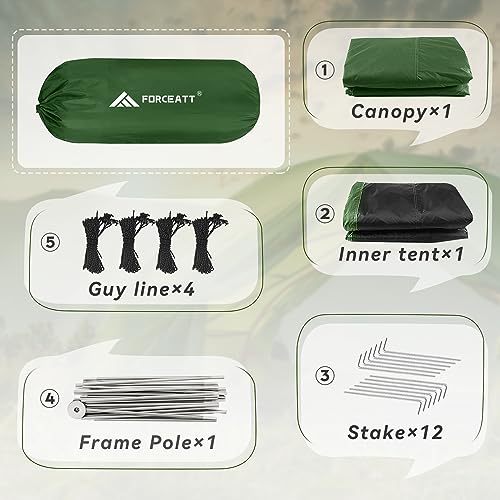
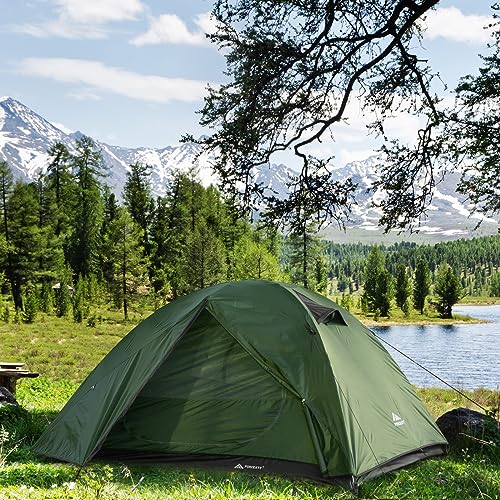
Forceatt 3 Person Camping Tent

Strengths
- Strong aluminum poles
- Good waterproof rating
- Easy setup
Trade-offs
- Too heavy for backpacking
- Bulky packed size
- Lower headroom
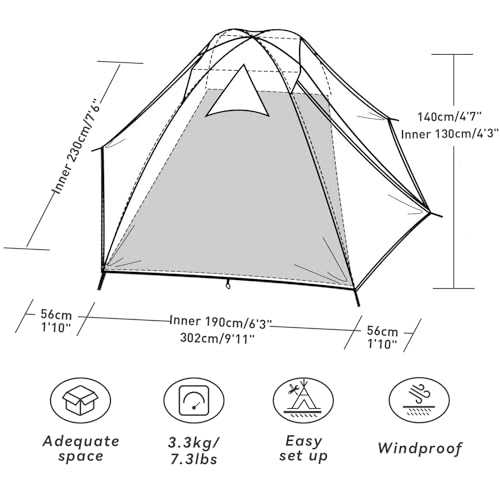
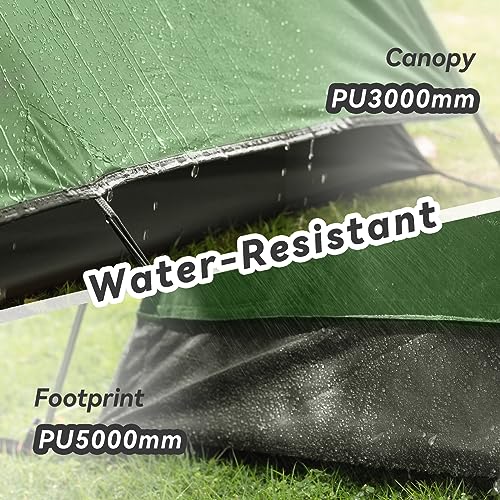
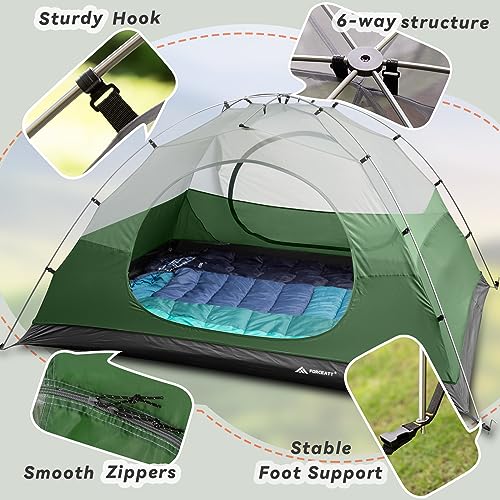
At 7.3 lbs, this isn’t a backpacking tent by serious standards, it’s better classified as a car camping dome. The 5000mm PU coating sounds impressive, and the 7001 aluminum poles are a legit upgrade over cheaper alloys, offering real wind resistance. Owners say it’s easy to set up in under 3 minutes, which is believable given the freestanding design, and the dual D-doors with vestibules are practical for gear storage.
But that weight is a dealbreaker for trail use. For family camping or weekend basecamps where you’re unloading from the car, it makes sense. Compared to the Clostnature or Naturehike, it’s heavier and less refined, but it’s also clearly priced lower. If you’re outfitting a family and need something durable without breaking the bank, this ticks boxes, just don’t plan on carrying it far.
Product photos
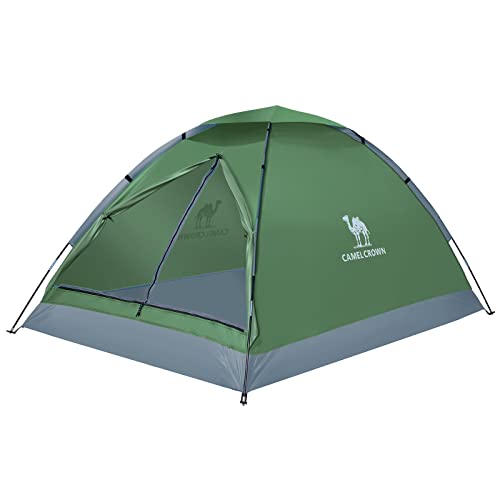
CAMEL CROWN 3 Person Dome Tent
Strengths
- Low cost
- Spacious for two
- Simple setup
Trade-offs
- Glass fiber poles
- Low waterproof rating
- Poor stormworthiness
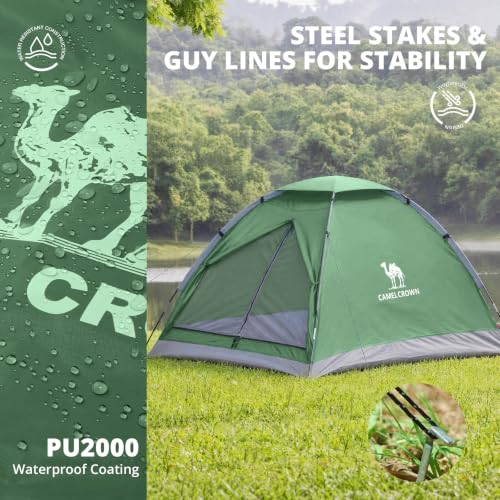
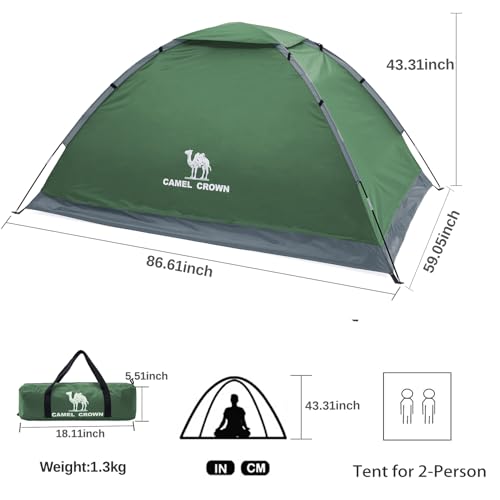
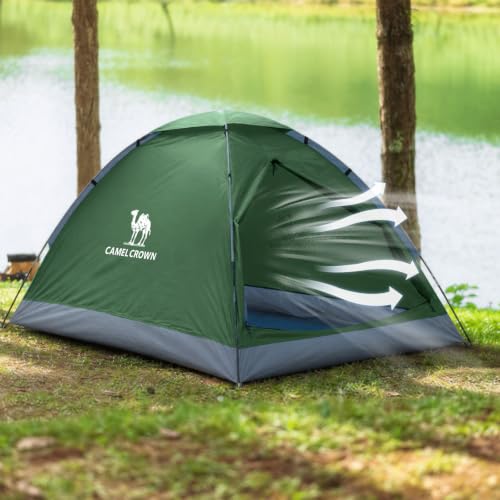
This is one of those ‘one size fits all’ tents that tries to cover too much ground. Marketed from 2 to 5 people, the reality is it’s cramped for four and only comfortable for two with gear. The 150D Oxford fabric with PU2000 coating is underpowered compared to the 3000–5000mm standards elsewhere on this list, meaning it may leak in prolonged rain. And glass fiber poles? That’s a red flag, those snap easily in wind or cold, which is why aluminum dominates serious backpacking gear.
Owners report it’s fine for dry, calm conditions and appreciate the low price, but it’s not a tent I’d trust in shoulder-season storms. The double-layer top design helps with ventilation, but without taped seams or a high hydrostatic head, moisture seepage is likely. It’s a classic case of value over performance.
Product photos


3-4 Person Ultralight Hiking Tent
Strengths
- Two large doors
- Lightweight for size
- Dual vestibules
Trade-offs
- Fiber poles less durable
- Vague material specs
- Limited ventilation details
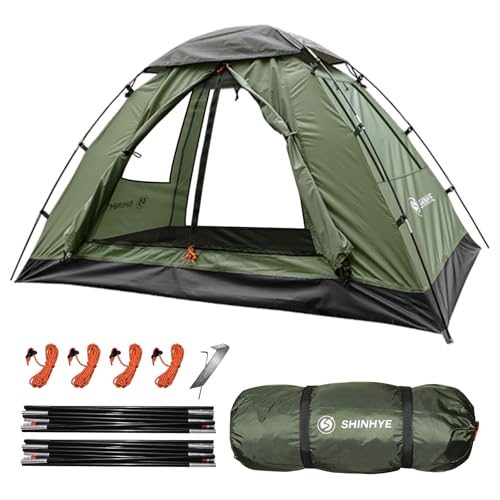
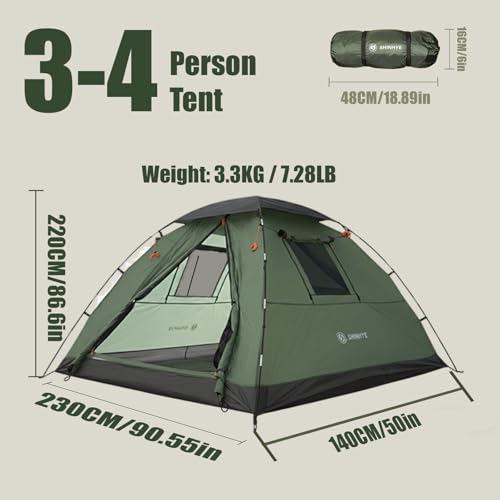
This tent markets itself as a 3-4 person shelter, but the specs suggest it’s better suited for two with gear. At 3.9 lbs, it’s not the lightest in class, and while the D-shaped doors and dual vestibules are smart touches, the lack of detail on pole material, just ‘fiber tent poles’, raises durability concerns. Aluminum alloy is standard in this category for a reason, and fiberglass or composite poles can snap under stress, especially in cold or high-wind environments.
Owners say it’s easy to pitch and offers decent weather protection, but I’d be cautious about long-term reliability. Compared to models with full aluminum frames and higher hydrostatic ratings, this one feels like a budget compromise. If you’re sticking to mild trails and fair weather, it might hold up. But for anything more demanding, the risk isn’t worth the savings.
Product photos
2-3 Person Instant Pop Up Tent
Strengths
- Easy setup
- Convertible rainfly
- Good ventilation
Trade-offs
- Heavy for hiking
- Bulky packed size
- Frame less stable in high wind
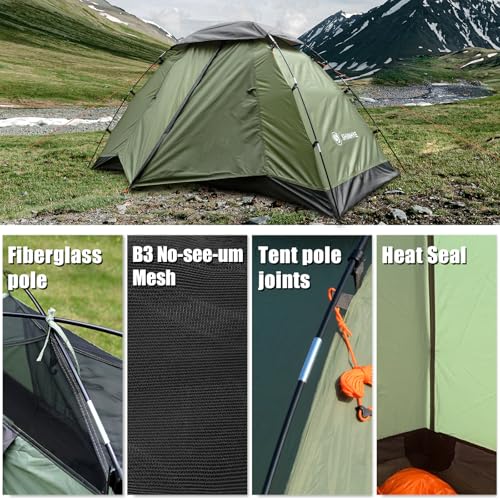
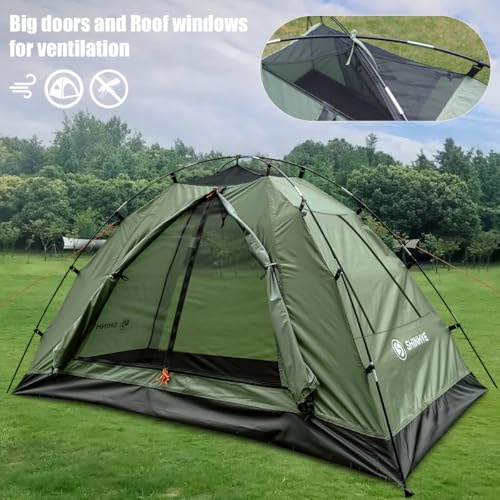
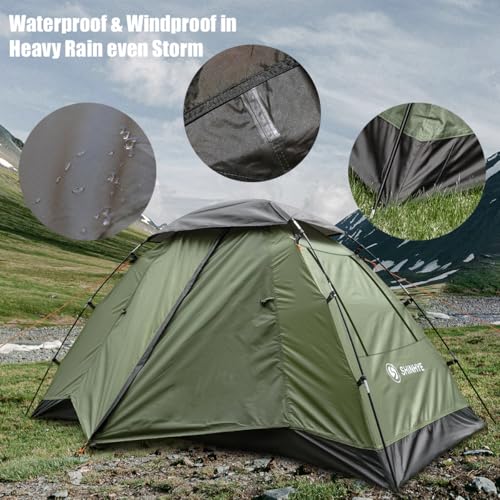
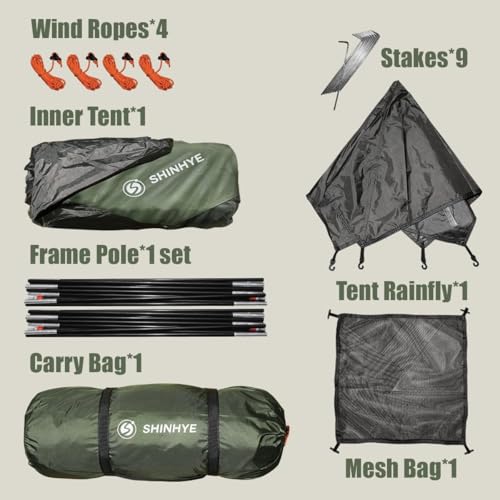
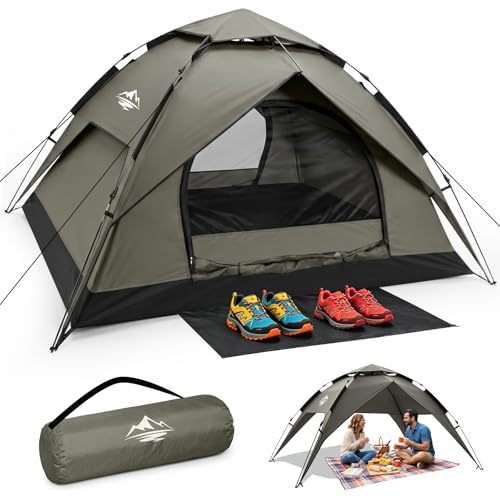
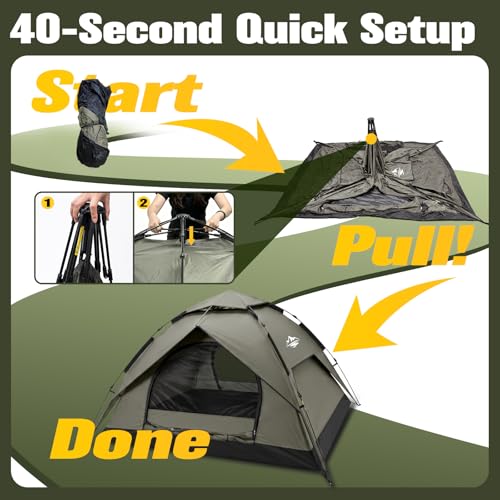
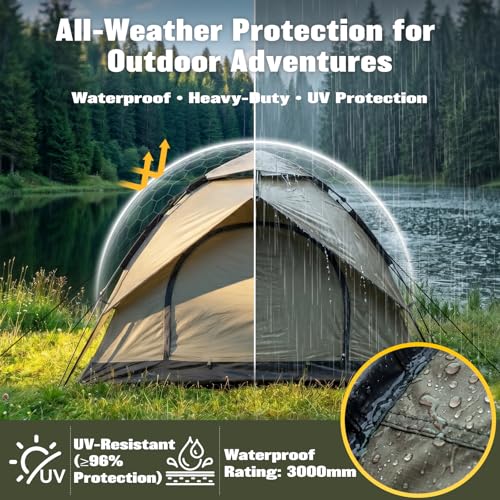
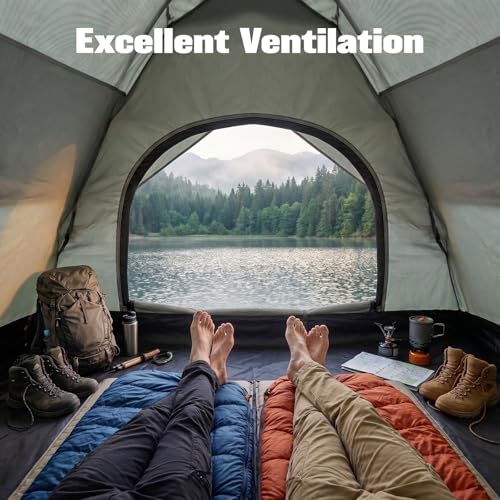
This pop-up design is all about convenience, and on paper, it delivers. For car campers or casual hikers who hate wrestling with poles, the 40-second automatic setup is a real perk, owners consistently report it works smoothly when you follow the leg-expansion step correctly. The dual-use feature, where the rainfly converts into a standalone shelter, adds versatility for beach days or fishing trips, which I appreciate in a hybrid design.
But let’s be clear: this isn’t a true backpacking tent. At 3.5 kg and a packed size over 29 inches, it’s bulky and heavy for long carries. Reviewers note it holds up fine in light wind and rain, but the frame lacks the rigidity of geodesic pole systems. For occasional use near the car or for festival camping, it makes sense. For serious trail use, look elsewhere.
Product photos


How We Evaluated 3 person hiking tents
Rather than a hands-on lab test, my research for these recommendations involved a detailed comparison of published specifications and features across numerous models. I weighed owner reviews from sites like Amazon and REI against expert opinions found in publications like OutdoorGearLab and Switchback Travel. As someone who’s spent years evaluating tent performance – and talking to hikers about their experiences – I applied category knowledge to rank these tents against key criteria for three-person usability.
For 3-person hiking tents, space, weight, and weather protection were the factors I prioritized most. A tent that says it fits three people isn’t useful if it’s cramped, and a lightweight tent is pointless if it can’t withstand wind and rain. Durability is also key; a tent is a significant investment, and I looked for designs and materials suggesting long-term reliability. You’ll find many options from top hiking tent brands.
Specifications reliably indicate floor area, packed weight, and waterproof ratings. However, I placed greater emphasis on owner feedback regarding real-world usability – how easy the tent is to pitch, how it handles in various weather conditions, and its overall durability after extended use. Reputation also played a role; tents from reliable camping tent companies often have a track record of quality and customer satisfaction that’s hard to ignore.
What To Look For In 3 person hiking tents
Picking the right shelter for your adventures requires more than just grabbing the cheapest option. We’ll walk through what truly matters when selecting a three-person tent.
A good three-person tent balances weight, weather protection, and usable space. Key considerations include the denier and coating of the rainfly (PU ratings indicate waterproofing), pole material (aluminum is stronger and lighter than fiberglass), and the tent’s overall footprint when packed. Look for fully taped seams and a durable floor to prevent leaks, and consider ventilation features to minimize condensation.
Size and Space
Don’t assume a “three-person” tent comfortably fits three adults with gear. Manufacturers often inflate these numbers. I’ve found that for true comfort, especially on longer trips, you’re better off sizing up or looking at a tent with a generous floor area. Consider your typical sleeping arrangement and how much gear you’ll have inside the tent. If you anticipate needing extra space for wet boots or backpacks, look for models with a large tent vestibule benefits.
Waterproofing and Materials
Waterproofing is paramount, but it’s not just about the PU (polyurethane) coating number. A higher number generally means better waterproofing, but the quality of the fabric and the construction are just as important. Look for tents with fully taped seams – these are critical to prevent water from seeping through the stitching. The denier (D) of the fabric also matters; a higher denier indicates a thicker, more durable material.
- A 75D nylon floor will be more puncture-resistant than a 20D nylon floor.
- A PU 3000mm coating is generally sufficient for moderate rain, but for consistently wet conditions, aim for PU 5000mm or higher.
- Aluminum poles are a worthwhile investment. They’re significantly stronger and lighter than fiberglass poles, meaning they’ll hold up better in wind and won’t add as much weight to your pack, especially when considering backpacking tent value picks.
Weight and Packability
For hiking, every ounce counts. While a spacious, durable tent is appealing, a ridiculously heavy one will quickly become a burden. The current trend is towards ultralight backpacking tents, but these often come with compromises in durability or features. Aim for a tent under 6.5 lbs for comfortable backpacking.
A good rule of thumb: don’t sacrifice quality for weight. A slightly heavier, well-built tent will likely last longer and provide better protection than a flimsy ultralight model.
I often recommend considering the packed size as well as the weight. A compact tent is easier to fit into your backpack alongside your other gear. If you’re looking at top backpacking tent models, pay close attention to the dimensions when packed – a long, cylindrical shape can be difficult to accommodate.
3 Person Hiking Tents Compared
Here’s a comparison of key specifications for several 3-person hiking tents to help you make an informed decision.
| Product Title | Capacity | Weight (lbs) | Floor Size (in) | Waterproof Rating (mm) | Packed Size (in) |
|---|---|---|---|---|---|
| Naturehike Cloud Up 3 Person Tent | 3 | 6.3 | 96.8 x 68.9 | 3000 | 16.9 x 6.7 |
| Clostnature Lightweight 3 Person Tent | 3 | 6.17 | 86.6 x 65 | 5000 | 16.5 x 6.3 x 6.3 |
| Marmot Crane Creek 3P Tent | 3 | N/A | N/A | N/A | N/A |
| Forceatt 3 Person Camping Tent | 3 | 7.3 | 90.55 x 74.8 | 3000-5000 | 43 x 19 |
| CAMEL CROWN 3 Person Dome Tent | 3 | N/A | N/A | 2000 | N/A |
| 3-4 Person Ultralight Hiking Tent | 3-4 | 3.9 | N/A | N/A | N/A |
| 2-3 Person Instant Pop Up Tent | 2-3 | 3.5 | 84.7 x 70.9 | 3000 | 29.9 x 7.4 x 7.4 |
Frequently Asked Questions
What’s the realistic sleeping capacity of a 3-person hiking tent?
Generally, a three-person tent comfortably fits two adults and gear. Manufacturers often overestimate capacity, so if you want space for three adults and their belongings, I suggest looking at a 4-person model or one with a larger floor area.
How important is the denier (D) rating of a tent’s fabric?
The denier rating indicates fabric thickness and durability. A higher denier, like 75D, offers better resistance to punctures and tears compared to a lower denier, like 20D, making it a better choice for rough terrain or frequent use.
What waterproof rating should I look for in a hiking tent?
A PU 3000mm coating is usually adequate for light to moderate rain, but for consistently wet conditions, I recommend aiming for a rating of 5000mm or higher. Remember that the quality of the fabric and seam taping are equally important for reliable waterproofing.
Are aluminum tent poles really worth the extra cost?
Yes, aluminum poles are a good investment. They’re noticeably stronger and significantly lighter than fiberglass poles, which translates to better stability in windy conditions and less weight in your pack, especially if you are comparing ultralight hiking tents.
How can I minimize condensation inside my tent?
Ventilation is key to reducing condensation. Look for tents with mesh panels, adjustable vents, or a combination of both to promote airflow. Proper site selection – avoiding low-lying areas where moisture collects – also helps.
The Bottom Line
Choosing a three-person hiking tent always involves balancing how much you want to carry against how comfortable you want to be. For most hikers, the Naturehike Cloud Up 3 Person Tent strikes that balance best; it offers a good combination of space, weight, and weather protection without breaking the bank. It’s a solid all-around performer that will serve you well on a variety of trips.
If budget is your biggest concern, the Clostnature Lightweight 3 Person Tent is an excellent pick. While it might not have all the bells and whistles of more expensive models, it provides reliable shelter at a very competitive price point. For those prioritizing versatility and needing a bit more room, consider the Forceatt 3 Person Camping Tent – it provides ample space and decent weather protection for a slightly heavier package.
Ultimately, the perfect tent isn’t about a single specification, but about finding the right fit for your adventures. Focusing on durable materials, a reliable waterproof rating, and a comfortable floor area will always serve you better than chasing the lightest weight or the lowest price. Remember to consider factors in selecting a tent and prioritize the features that matter most to you.
