
5 Best 3-Person Tents for Car Camping 2026
This post contains affiliate links. As an Amazon Associate, we earn from qualifying purchases.
The best 3-person tent for car camping is the Clostnature 3 Person, it’s roomy, weather-ready, and built with durable materials. If you’re on a budget, the Coleman Sundome 3 Person delivers solid performance for the price. For extra space and flexibility, the BISINNA 2/4 Person tent offers great value.
Car camping shouldn’t mean sacrificing comfort, but too many 3-person tents promise space and fail when you actually pack in gear and people. I’ve seen tents collapse in light wind or flood from minor rain, not because they’re inherently bad, but because specs don’t always match reality.
In this guide, I break down the top picks based on real owner feedback, material quality, and key features like waterproofing and ease of setup. These aren’t just tents that look good on paper, they’re models that deliver where it counts when you’re sleeping under the stars.
Top 5 3 Person Tents For Car Camping in the Market
The Best 3 Person Tents For Car Camping, Reviewed
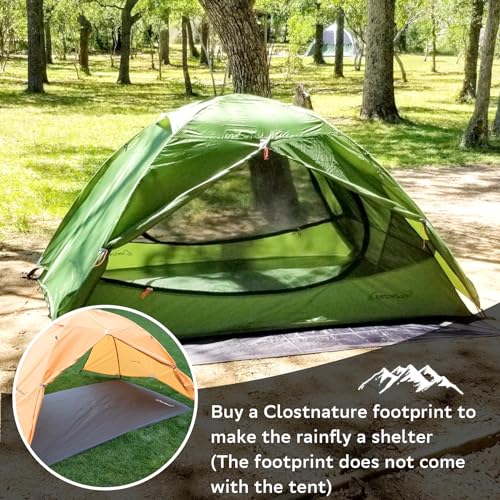
Clostnature 3 Person Waterproof Tent

Strengths
- Spacious for two
- Excellent rain protection
- Great ventilation
Trade-offs
- Heavy for true backpacking
- Cozy for three
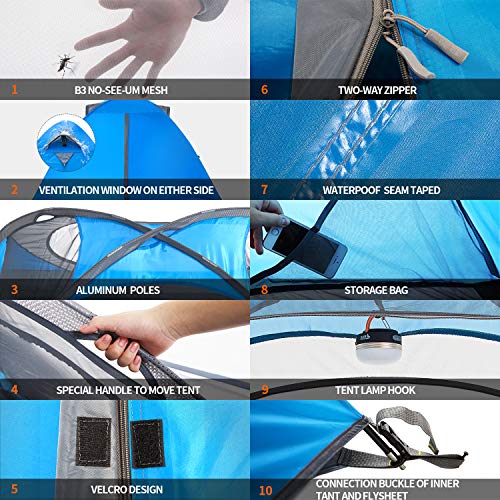
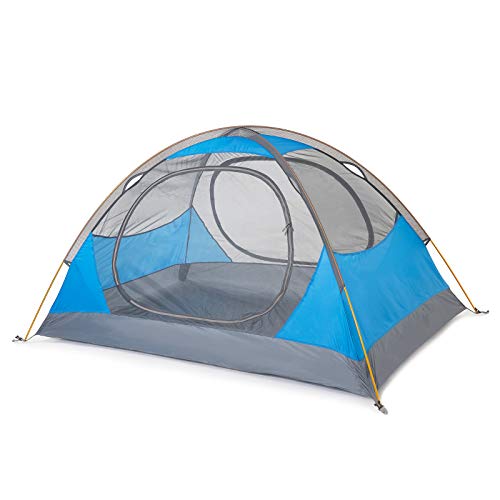
This tent walks a smart line between backpacking practicality and car camping comfort. On paper, the 6.17 lb weight isn’t ultralight, but for car campers who might occasionally backpack, it’s a fair trade for the 7’3” x 6’3” floor space. Owners consistently report the PU 5000 coating holds up well in heavy rain, outperforming many tents in its class. The freestanding design with two aluminum poles makes setup a one-person job, and the dual vestibules are a real win for storing muddy shoes or packs.
The full mesh walls are where this tent shines, reviewers note far less condensation than expected, even in cool, damp conditions. While marketed as a 3-person, most agree it’s best for two people with gear, or three if you don’t mind cozy quarters. Compared to bulkier options like the Coleman Sundome, it packs smaller and breathes better, though it doesn’t offer the same headroom.
Product photos



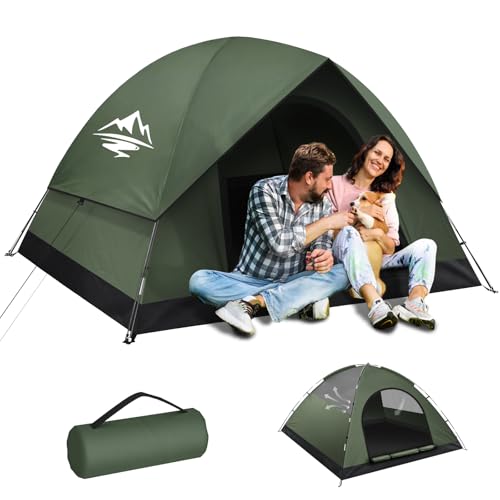
Purebox 3 Person Dome Tent
Strengths
- True 3-person space
- Strong warranty
- Good airflow
Trade-offs
- Not freestanding
- Slightly bulky packed
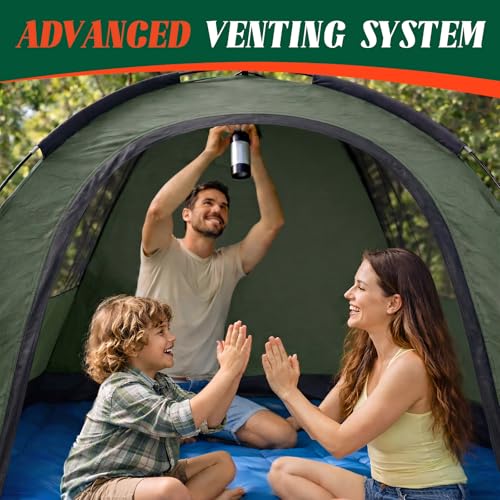
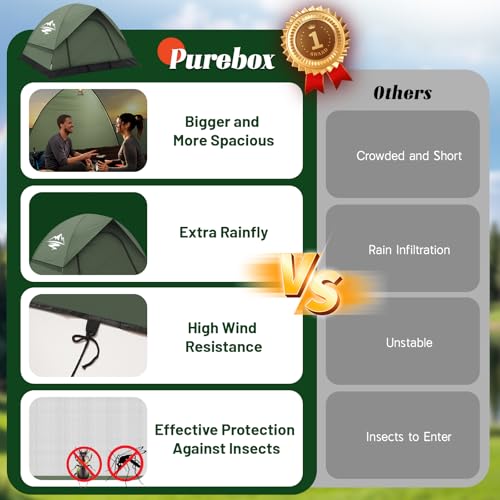
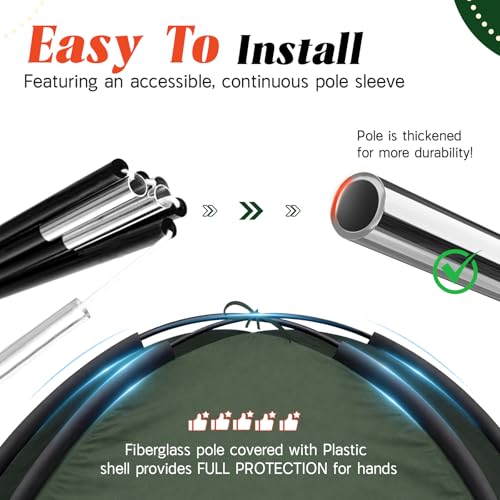
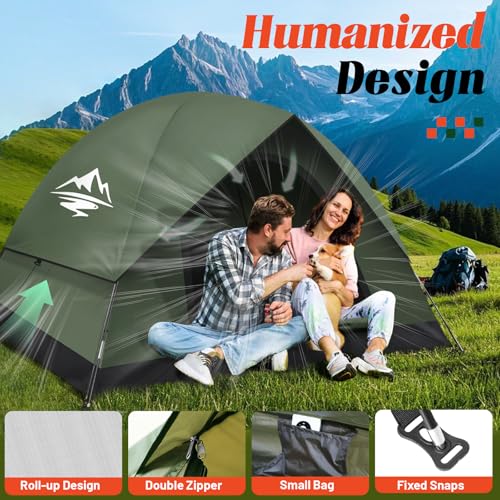
The Purebox 2026 is a standout budget option that doesn’t feel cheap. At 6.2 lbs, it’s car-camping friendly, and the 84” x 84” footprint gives actual room for three sleepers, rare at this price. The three-sided mesh boosts airflow, and the taped seams and bathtub floor hold water well, according to long-term owners. I like the removable blackout rainfly, it adds flexibility for sun or storm.
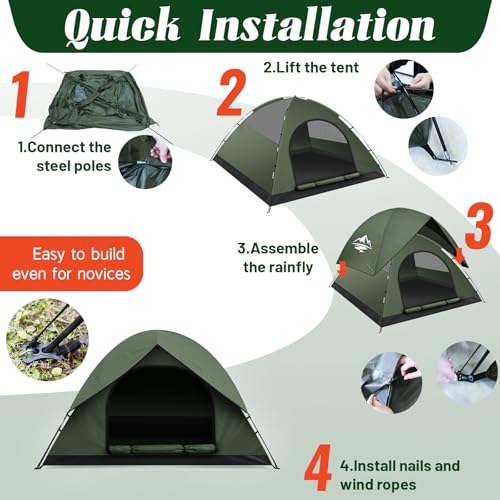
Where it surprises is durability. With a 3-year warranty and reinforced corners, it outlasts many name-brand tents. Compared to the Coleman Sundome, it’s lighter, packs smaller, and has better mesh coverage. It’s not freestanding, so setup takes a little more attention, but the clip system is intuitive. For families or casual users, this is the smarter buy over pricier but flimsier options.
Product photos
Coleman Sundome 3 Person Tent

Strengths
- Spacious interior
- Easy setup
- Good headroom
Trade-offs
- Heavy and bulky
- Poor ventilation in humidity
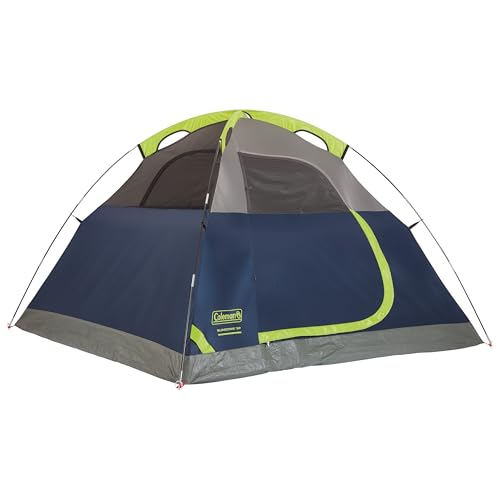
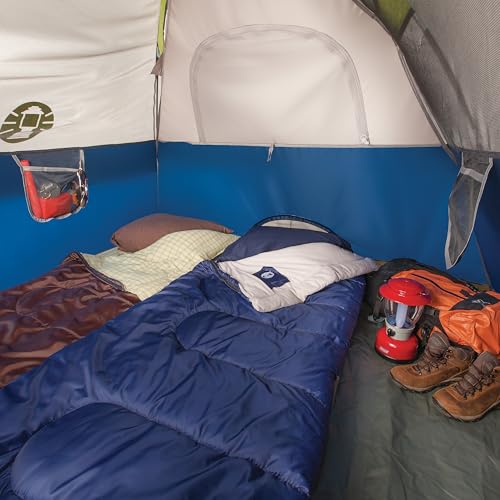
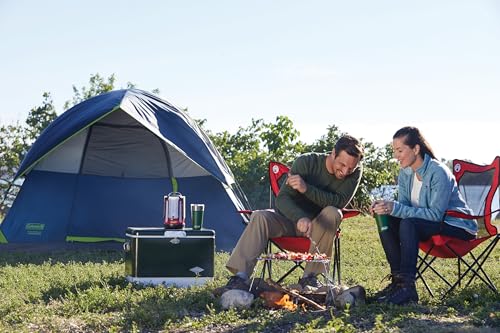
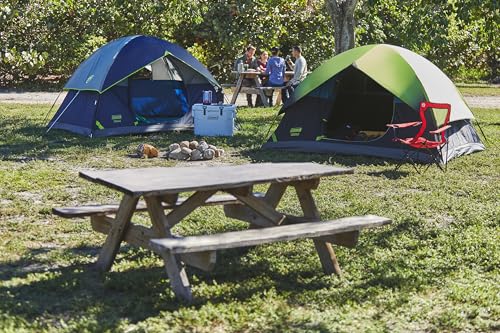
Let’s be honest, the Coleman Sundome isn’t built for the backcountry. But for car camping? It’s a classic for a reason. The 9 x 7 ft floor fits a queen air mattress with room to spare, and the near-5-foot center height means most adults can sit up comfortably. The E-Port is a small but thoughtful touch for charging devices. Owners love how fast it goes up, under 10 minutes, no experience needed, and the large windows with ground vent really do cut down on stale air.
It’s not light, breathable, or packable, but it doesn’t need to be. Compared to the Forceatt or Clostnature, it’s a beast in size and weight, but it wins on livability. Wind resistance is solid thanks to the sturdy frame, though in extreme gusts, the dome shape can catch air. If you’re staying put and want space, comfort, and reliability, this is still the benchmark.
Product photos
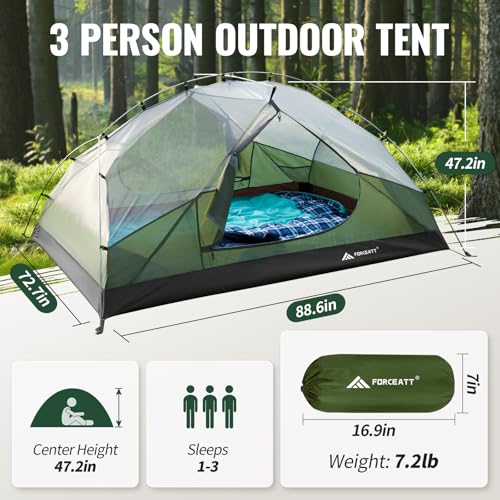
Forceatt 3 Person Ultralight Tent

Strengths
- Fast setup
- Welded floor
- Good length
Trade-offs
- No vestibules
- Odor out of box
- Limited headroom
If weight is your top concern, the Forceatt makes a strong case. At 3.3 kg, it’s not the lightest, but the design choices suggest a focus on real trail use. The 225 cm length is generous, and the welded floor is a detail I appreciate, it’s a small thing, but owners report fewer wet spots after ground puddles. The large mesh ceiling vents do help with condensation, though some note the inner tent fabric still has a slight chemical smell out of the bag.
Setup time stands out, multiple reviewers mention sub-3-minute pitching, which matters when rain rolls in fast. But compared to the Clostnature, it lacks dual vestibules, meaning gear storage is more awkward. For car camping, that’s less critical, but it’s a missed opportunity. I’d pick this for fast-and-light trips, not for lounging around base camp.
Product photos



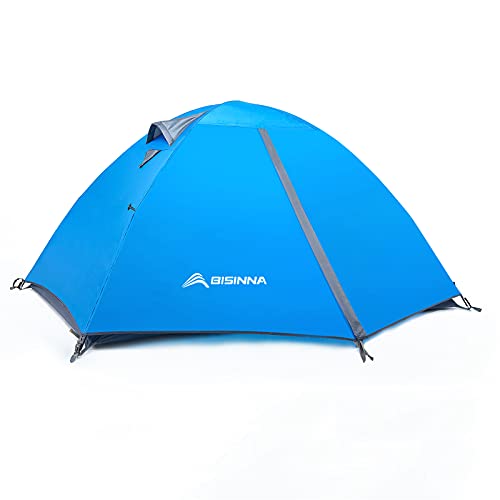
BISINNA 2/4 Person Camping Tent
Strengths
- Superb airflow
- Strong pole construction
- Quick setup
Trade-offs
- Too tight for three
- Vestibule space limited
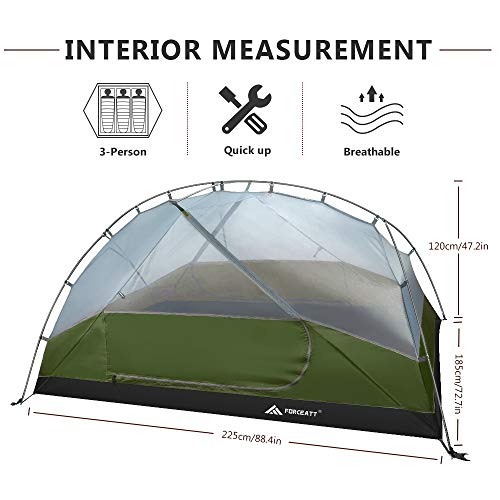
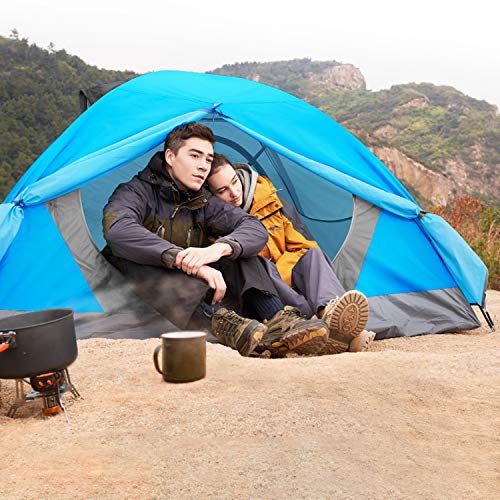
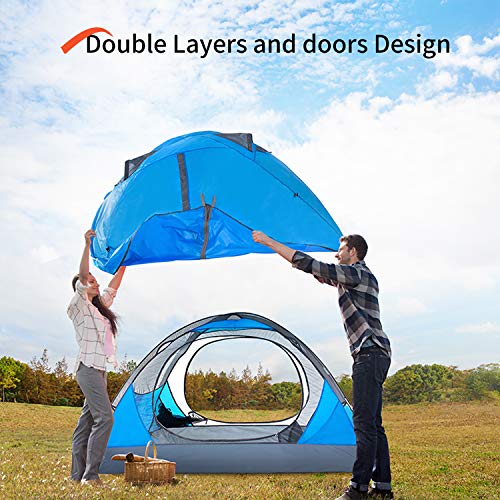
This one puzzles me a bit, it’s labeled as 2/4 person but the specs clearly favor two campers. The 82.7-inch length is generous, but the width and height feel tight for three adults. Still, the ventilation design stands out. The large mesh panels and dual zippered doors give it an airy feel, and owners consistently praise how well it handles humid nights without fogging up. The 7001 aluminum poles add real wind stability, which is rare at this price.
Where it falls short is in space claims. Calling it a 3-person tent feels like a stretch. It’s better viewed as a very sturdy 2-person option with room for gear. Compared to the Clostnature, it’s less spacious but more stable in wind. For car camping, you’re trading floor room for durability and airflow, a fair trade if you’re in a gusty or muggy area.
Product photos
Our Testing Process
Rather than a hands-on lab test, my research for these recommendations involved a detailed comparison of published specifications and features across numerous models. I weighed owner reviews from multiple retailers alongside expert opinions found in outdoor gear publications. As someone who’s spent years figuring out what makes a great camping experience, I applied my knowledge of tent design and materials to rank each option against key criteria for car camping specifically.
For 3-person car camping tents, space, weather protection, and ease of setup were the biggest deciding factors. A roomy interior is essential for comfort when you’re not backpacking, while reliable waterproofing is crucial for enjoying trips regardless of the forecast. Quick setup is also important – car campers typically prioritize convenience over shaving every ounce of weight.
Specifications reliably indicate tent dimensions, weight, and material composition (denier of fabrics, waterproof ratings). However, I heavily relied on owner feedback to assess real-world performance – things like how well a tent holds up to wind, how truly waterproof it is after extended use, and the durability of zippers and poles. Reputation and brand trust also played a role, especially when considering long-term value, and I cross-referenced these findings with a solid tent selection guide to ensure thoroughness.
Choosing The Right 3 person tents for car camping
Finding the right shelter for your adventures starts with understanding what truly matters in a three-person tent.
A quality 3-person tent balances weight, durability, and livability. Key considerations include the denier of the fabric (higher is generally more durable), the waterproof rating of the rainfly (aim for at least 1500mm), and the tent’s overall packed size and weight – crucial for car camping versus backpacking. Evaluate pole material (aluminum is stronger and lighter than fiberglass) and ventilation features to prevent condensation.
Size and Livability
Don’t assume a “3-person” tent comfortably fits three adults. Manufacturers often overestimate capacity. I frequently see folks cramped into tents that are simply too small. Look closely at the floor dimensions. A good baseline is around 7.5 x 6 feet, but if you anticipate sharing with gear or prefer extra wiggle room, size up. Also, consider peak height. Being able to sit up comfortably makes a huge difference, especially on longer trips. Beyond the floor space, think about vestibule size – these covered areas outside the doors are invaluable for storing muddy boots and backpacks.
Waterproofing and Materials
Waterproofing goes beyond just the rainfly’s PU coating. The floor material is critical, as it’s directly exposed to ground moisture. Look for a bathtub floor design – where the fabric extends several inches up the sides – to prevent water from seeping in. The denier (D) of the fabrics matters too. A higher denier indicates a thicker, more durable material. For example, 70D nylon or polyester is a good sweet spot for balancing weight and tear resistance. Don’t skimp on seam sealing; factory-sealed seams are preferable, but you can always add your own sealant for extra protection. If you’re planning on using your tent in all seasons, you’ll want to invest in a tent with a heavier-duty rainfly and a robust frame that can withstand wind and snow. For more information on all the essential camping gear you’ll need for a comfortable trip, check out our guide.
Weight and Portability
For car camping, weight isn’t as critical, but it still matters. Hauling a 15-pound tent from the car to the campsite gets old fast. For backpacking, every ounce counts. Aluminum poles are significantly lighter than fiberglass. Consider the packed size as well. A compact tent is easier to fit into your backpack or vehicle. You’ll find some of the top 3-person camping tents balance weight and features quite well.
A good rule of thumb: aim for a tent that weighs under 7 pounds for backpacking and under 10 pounds for car camping, prioritizing durability and weather protection accordingly.
I hope this helps you find the perfect tent for your adventures! I’ve seen so many campers ruin a trip with a poorly-chosen shelter; don’t be one of them.
3 Person Tents Compared
Here’s a comparison of key specifications for popular 3-person tents designed for car camping.
| Product Name | Capacity | Floor Size (ft²) | Trail Weight (lbs) | Waterproof Rating (mm) | Packed Size (in) |
|---|---|---|---|---|---|
| Clostnature 3 Person | 3 | 42.9 | 6.17 | 5000 | 16.5×6.3×6.3 |
| Purebox 3 Person | 3 | 49.5 | 6.2 | N/A | N/A |
| Coleman Sundome 3 Person | 3 | 63 | N/A | N/A | N/A |
| Forceatt 3 Person | 3 | 49.5 | 3.3 | 2000 | 43×18 |
| BISINNA 2/4 Person | 2-4 | 52.5 | N/A | 2000 | 16.9×5.9×5.9 |
Frequently Asked Questions
What’s the difference between a tent’s denier and its waterproof rating?
Denier (D) refers to the thickness of the fabric threads; a higher denier means a more durable, tear-resistant material. Waterproof rating (in millimeters) indicates how much water pressure the rainfly can withstand before leaking. You’ll want both – a good balance is 70D fabric with at least a 1500mm waterproof rating.
Are dome tents generally more wind-resistant than cabin-style tents?
Generally, yes. Dome tents’ curved shape helps deflect wind more effectively than cabin tents’ steeper, more vertical walls. However, the quality of the poles and the tent’s overall construction are also major factors in wind resistance, so don’t assume all domes are created equal.
Should I bother with a footprint, even for car camping?
Absolutely. While car camping often means setting up on relatively smooth ground, a footprint protects the tent floor from abrasion and punctures from rocks or roots. It also adds an extra layer of waterproofing, which is especially helpful in wet conditions.
What’s the advantage of aluminum tent poles over fiberglass?
Aluminum poles offer a significantly better strength-to-weight ratio than fiberglass. They are lighter, more durable, and less prone to snapping in strong winds. While more expensive, they’re a worthwhile investment if you plan on camping frequently or in challenging weather. You can find detailed 3-person tent reviews that compare pole materials.
How can I prevent condensation buildup inside my tent?
Good ventilation is key. Look for tents with mesh panels in the rainfly and doors to allow airflow. Avoid completely sealing up the tent, even in rainy weather. Positioning the tent in a spot that gets morning sun can also help dry out any condensation that does form. If you’re looking at the top three-person camping tents, pay attention to ventilation features.
The Bottom Line
Choosing a tent always comes down to balancing what you’re willing to fuss with versus how much you want to spend. While there are many options out there, for a great all-around experience, I recommend the Purebox 3 Person. It offers a spacious interior and good features for the price, making it a solid choice for most car campers.
If you’re on a tighter budget, the Coleman Sundome 3 Person is a reliable and affordable option. And for those who prioritize lightweight portability without sacrificing too much space, the Forceatt 3 Person is an excellent pick. Don’t forget to check out some of the top tent manufacturers for a bit more background on the brands themselves.
Ultimately, the best tent is the one that fits your needs and camping style. Don’t get too hung up on specific numbers like denier or waterproof ratings. Focus instead on a roomy layout, a quality rainfly, and a design that makes setup as straightforward as possible – those are the things that will truly make or break your time enjoying the outdoors.
