
6 Best 3P Backpacking Tents of 2026
This post contains affiliate links. As an Amazon Associate, we earn from qualifying purchases.
The Naturehike Cloud Up Pro 3P stands out as the overall best 3P backpacking tent for its lightweight design and solid weather protection, while the Clostnature Lightweight 3P offers a budget-friendly option with a high waterproof rating, and the Marmot Crane Creek 3P brings trusted durability for serious backpackers.
Picking the right 3-person backpacking tent isn’t just about fitting three people, it’s about surviving storms, saving weight, and not feeling claustrophobic after a long hike. Too many tents claim to sleep three but end up being a tight squeeze with gear stuffed in your face.
This guide cuts through the hype. I looked at specs, real owner experiences, and brand reputation to find models that deliver in space, weather resistance, and packability, so you can choose with confidence.
Top 6 3P Backpacking Tents in the Market
The Best 3P Backpacking Tents, Reviewed
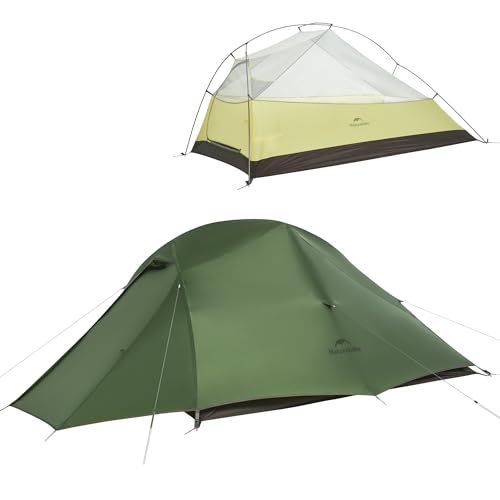
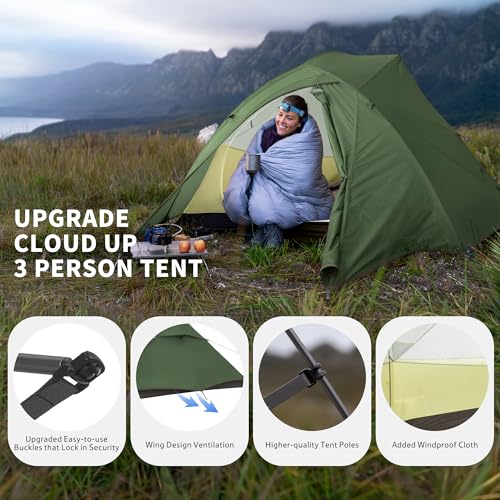
Naturehike Cloud Up Pro 3P Tent
Strengths
- Ultra-lightweight
- Excellent ventilation
- Footprint included
Trade-offs
- Nylon fabric less durable than polyester
- Limited storm protection in high winds
- Smaller vestibules
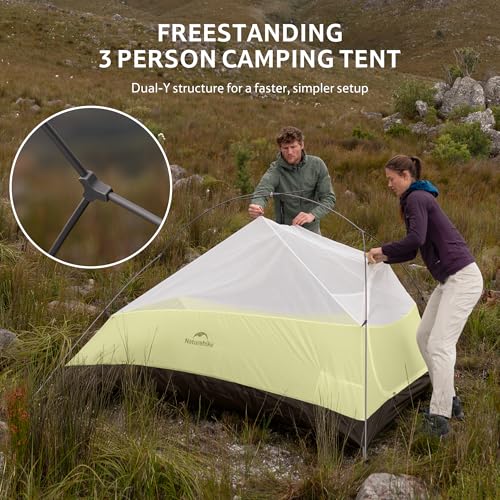
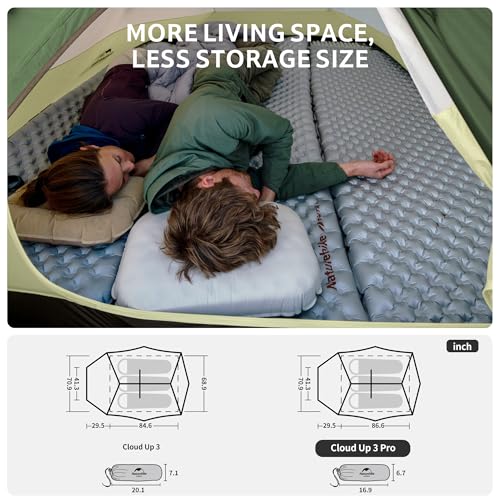
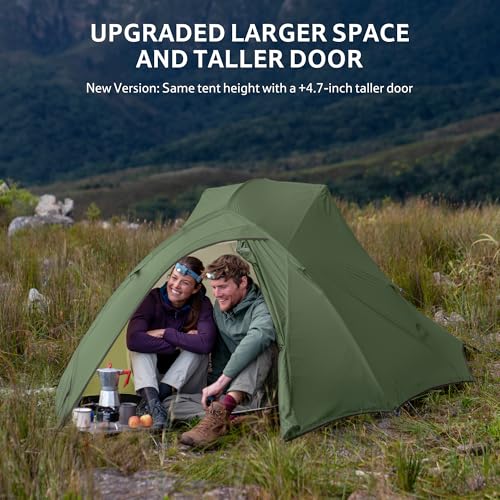
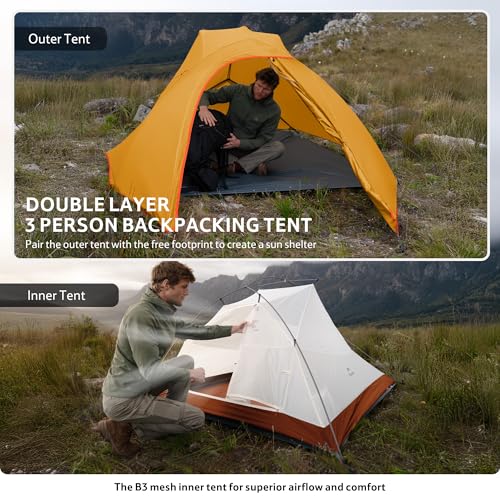
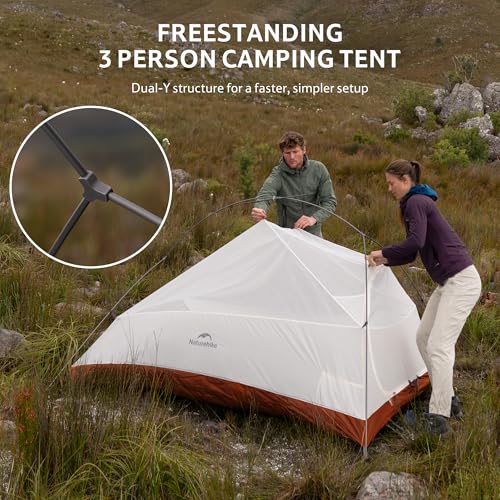
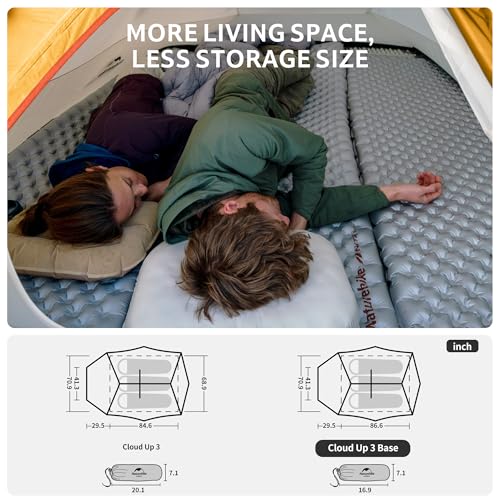
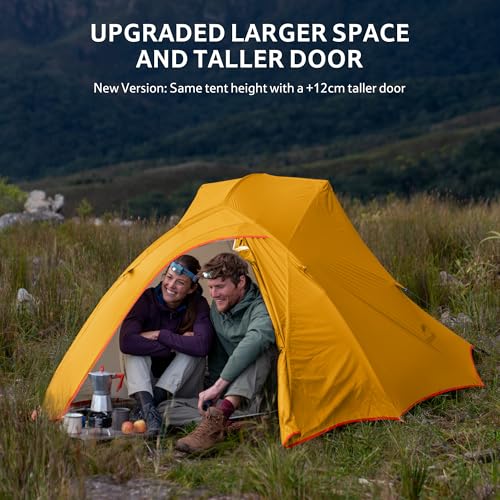
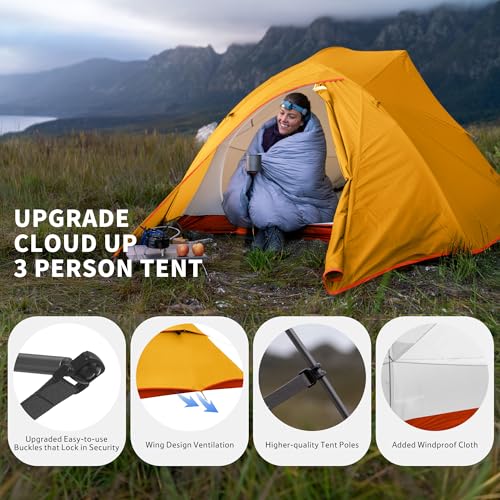
This version of the Cloud Up, the lighter, 4.3 lb build, is where I’d put my money for most backpackers. The 20D nylon and aluminum poles strike a smart balance between weight and resilience, and owners praise how smoothly the dual-Y pole system clicks into place. With nearly 45 inches of peak height and a roomy 116-inch length, it feels more generous than many 3P tents that skimp on usable floor space.
The included footprint is a bonus, and the wing-style gap between inner and fly really cuts down on condensation, a common pain point in double-wall tents. Compared to the Marmot Crane Creek, it’s lighter and more ventilated, though perhaps not quite as rugged in prolonged storms. But for most three-season trips, this is the smarter buy.
Product photos

Clostnature Lightweight 3P Backpacking Tent

Strengths
- Great value
- Good ventilation
- Freestanding design
Trade-offs
- Heavier than claimed
- Stakes not top-tier
- Seams may need re-taping
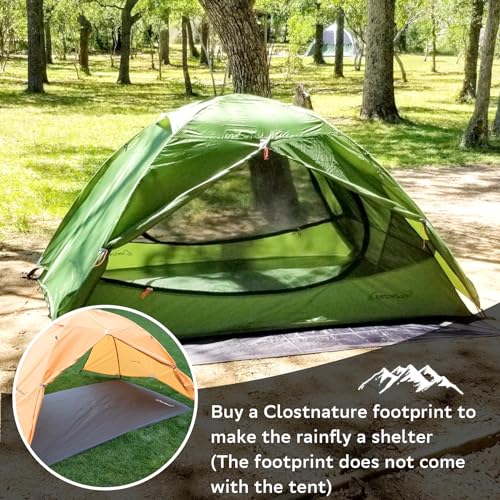
At this price point, the Clostnature 3P delivers surprising specs, a full-featured, freestanding tent with double doors, vestibules, and a sub-2.5kg trail weight. Reviewers note it’s held up well in spring and summer conditions, and the PU 5000 coating on the floor gives solid peace of mind against damp ground. The mesh-heavy inner boosts airflow, though condensation can build up in humid, cool-weather use.
It’s not as refined as the Naturehike Cloud Up, and the poles feel a bit flimsier under tension, but for the cost, it’s hard to fault. When compared to budget competitors, it stands out for including a complete stake kit and repair sleeve. If you’re building a starter kit without draining your wallet, this ticks a lot of boxes.
Product photos



Marmot Crane Creek 3P Tent
Strengths
- Exceptional durability
- Strong pole system
- Spacious layout
Trade-offs
- Footprint sold separately
- Moderate breathability
- Heavier than average
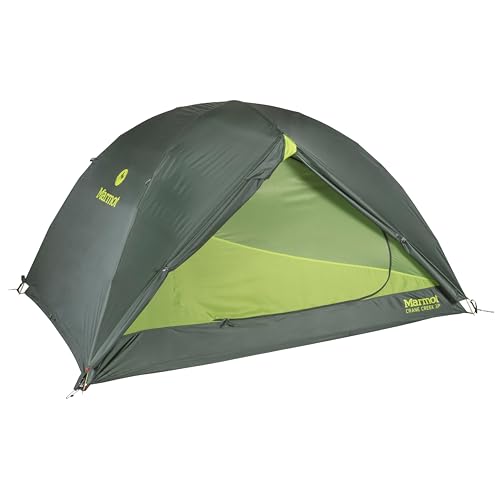
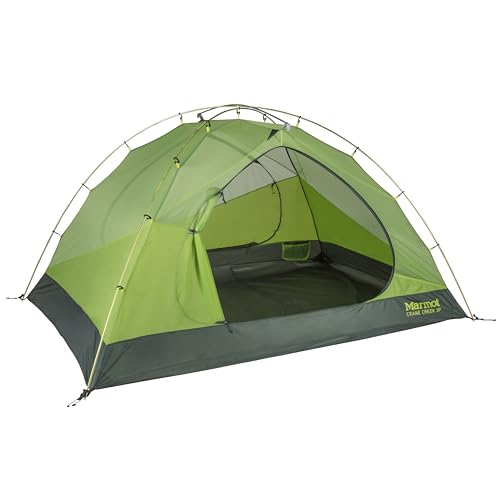
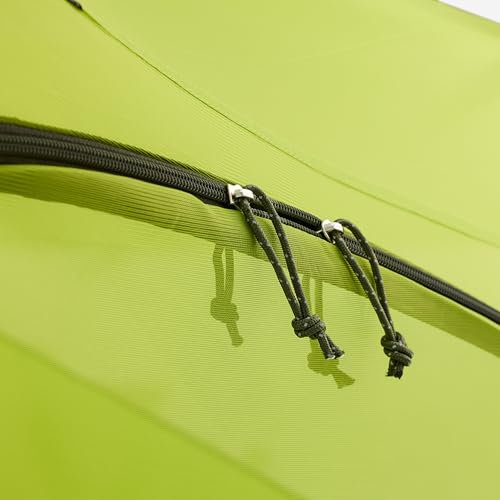
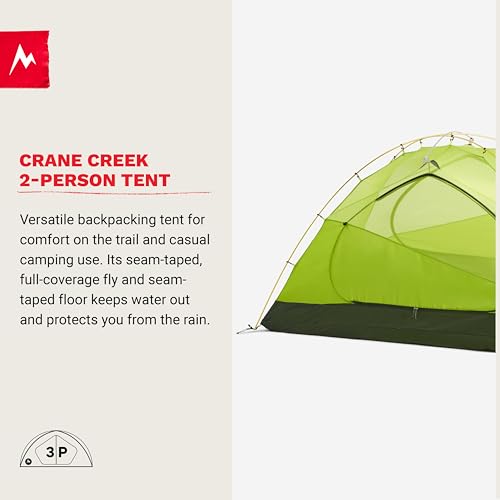
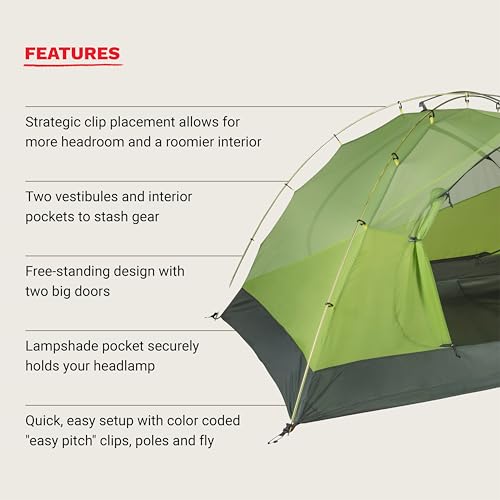
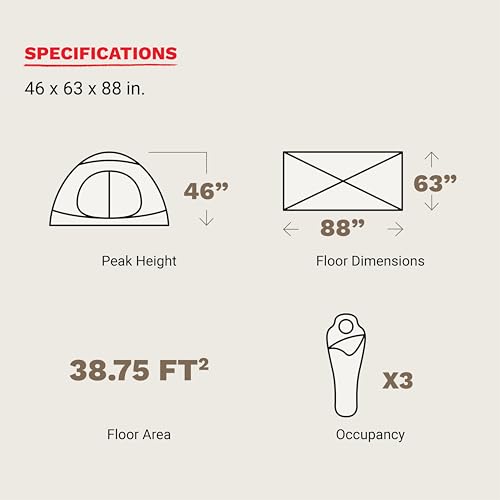
When durability is the priority, the Marmot Crane Creek stands out. Its 7000-series aluminum poles are stiffer and more impact-resistant than standard alloys, and the seam-taped polyester build inspires confidence in prolonged rain. At 41.5 sq ft, it’s one of the roomier 3P options, and the dual D-doors with big vestibules make living in it comfortable over several days.
It’s not the lightest, and you’ll pay extra for the footprint, a notable omission at this price tier. But in windy, wet conditions where flimsier tents flap or sag, this one holds firm. Compared to the Kelty Far Out, it’s more serious gear for serious trips. I’d pick it for shoulder-season treks where weather reliability trumps pack size.
Product photos
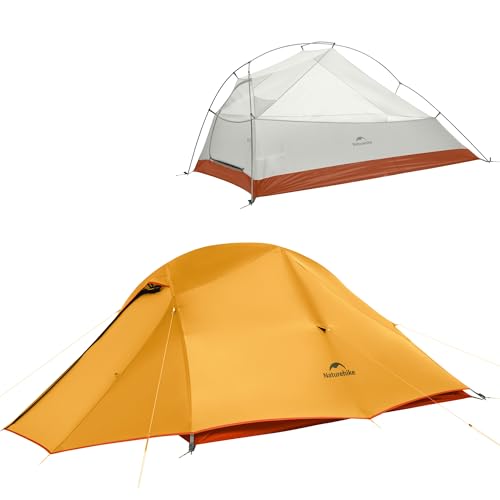
Naturehike Cloud Up Base 3P Tent
Strengths
- Durable fabric
- Superior airflow
- Footprint included
Trade-offs
- Too heavy for serious backpacking
- Bulkier packed size
- Overbuilt for most trail use
This heavier 6.3 lb version of the Cloud Up trades weight for durability, using 210T polyester instead of 20D nylon, which makes it better suited for car camping or group trips where ounces don’t matter as much. The same smart ventilation design shines here, with high mesh walls and a wide inner-fly gap reducing fogging in muggy conditions.
But the weight undercuts its backpacking appeal. Owners report it’s overkill for solo or duo hikes, and the packed size doesn’t offer advantages over lighter models. For thru-hikers, it’s too heavy; for car campers, there are roomier options. It’s a solid tent, just in the wrong category. The B0FVFJVL1J model is the better pick for actual backpacking.
Product photos
Kelty Far Out 3P Backpacking Tent

Strengths
- Included footprint
- Easy setup
- Stargazer fly
Trade-offs
- Heavier than ultralight options
- Limited headroom
- Moderate ventilation
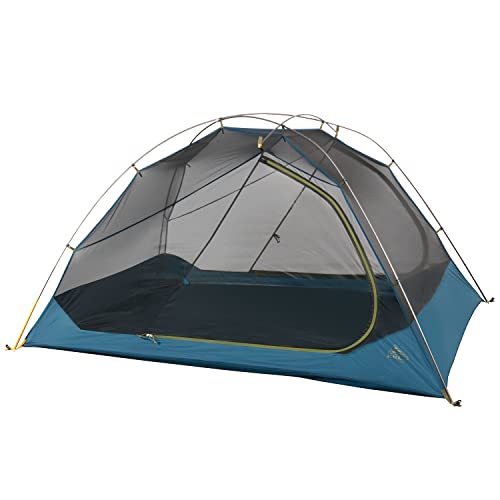
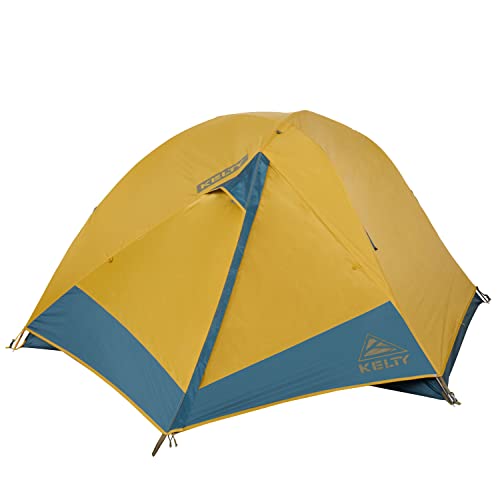
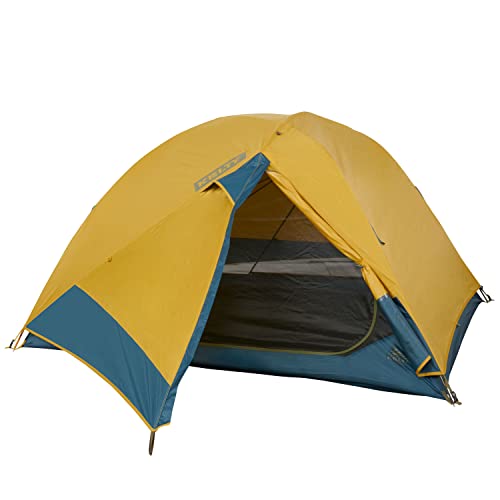
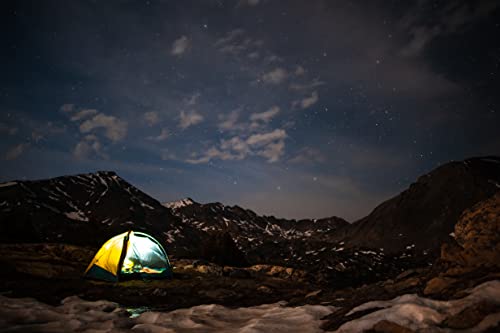
If you’re stepping into backpacking for the first time, the Kelty Far Out 3P makes a strong first impression. On paper, it’s built with new users in mind, the included footprint, pre-attached guylines, and color-coded poles simplify setup, and owners consistently report it goes up fast even on uneven ground. The dual doors and vestibules are a real perk for a 3-person tent, offering solid gear storage and privacy when sharing space.
The stargazer fly is a clever feature, letting you roll back the rainfly from inside for open-air lounging, but in heavy rain, that convenience trades off with protection. It’s not the lightest at 5lb 3oz, but for beginners prioritizing ease over ounces, that’s a fair compromise. Compared to the Marmot Crane Creek, it’s less burly but more forgiving to pitch.
Product photos
Forceatt 3P Lightweight Camping Tent

Strengths
- Excellent wind resistance
- Sturdy construction
- Large interior space
Trade-offs
- Very heavy for backpacking
- Poor ventilation in humidity
- Bulky packed size
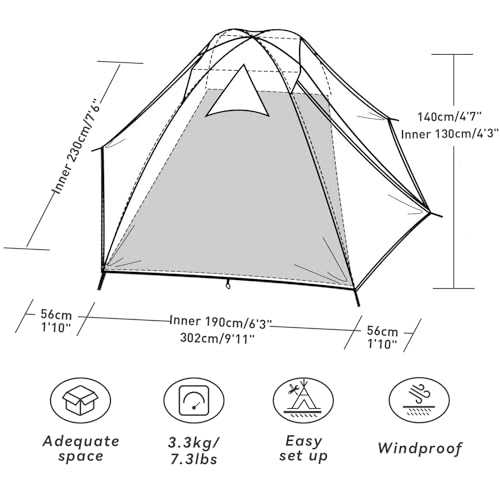
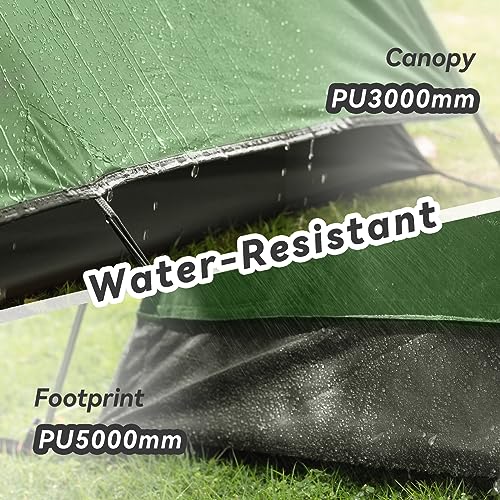
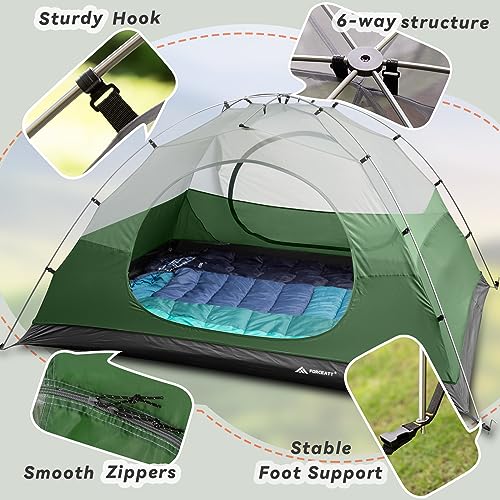
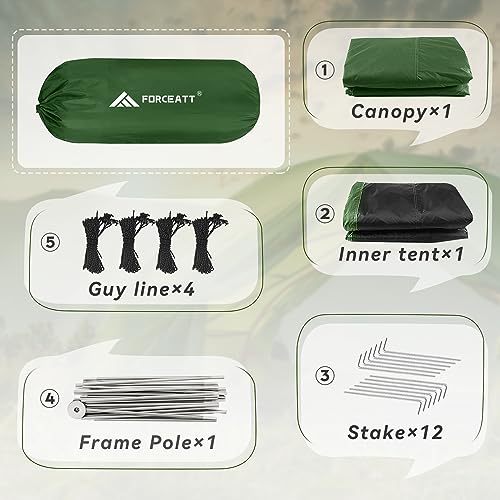
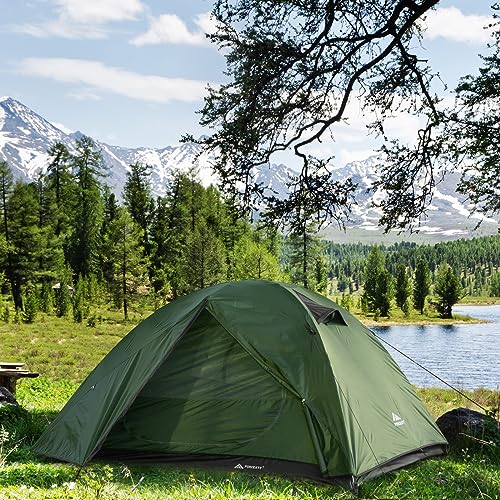
The Forceatt 3P leans hard into stability, the 7001 aluminum poles and iron stakes are overbuilt for a reason. Owners consistently report it held firm in gusts that flattened lighter tents, and the PU3000-5000 coating adds real wet-weather confidence. At 7.3 lb, it’s clearly not for distance hiking, but for basecamp setups or exposed ridgelines, that weight buys serious wind resistance.
Setup is fast, and the ceiling vents help, but the mesh layout still traps some moisture in cool, still air. Compared to the Naturehike models, it’s heavier and less breathable, but far more planted in storms. If you’re camping in consistently windy areas and don’t mind the bulk, this tent earns its place.
Product photos
How We Evaluated 3p backpacking tents
Rather than a hands-on lab test, my research focused on a detailed comparison of published specifications and features across numerous 3-person backpacking tents. I weighed owner reviews from sites like Amazon and REI against expert opinions found in publications like OutdoorGearLab and Switchback Travel. As someone who’s spent years dialing in my own kit and advising others, I applied my category knowledge to rank these tents against clear criteria – prioritizing pack weight, weather protection, and ease of use.
For 3P tents, I placed the most emphasis on usable floor space and waterproof ratings. A cramped tent ruins a trip, so internal dimensions are crucial. Equally important is reliable weather protection; backpacking often means being caught in unexpected storms, and a tent’s ability to withstand rain and wind is paramount. Beyond that, simple setup is key, especially after a long day on the trail. You can find more about reputable tent companies if you want to explore further.
Specifications reliably indicate a tent’s weight, dimensions, and materials. However, I found owner feedback invaluable for assessing real-world durability and how well a tent holds up to extended use. Reputation matters too; tents from established leading tent brands often have a track record of quality and customer service that newer brands can’t match. This approach provides a balanced view, combining objective data with subjective experiences.
How To Choose The 3p backpacking tents
Choosing a three-person tent requires more thought than simply picking the one with the lowest price. We need to look beyond flashy marketing and consider what truly makes a shelter reliable and comfortable when you’re relying on it in the backcountry.
A quality 3-person tent balances weight, weather protection, interior space, and ease of setup. Key specs to examine include the denier and waterproof rating of the fly and floor fabrics, pole material (aluminum is generally preferred over fiberglass), the tent’s packed weight and dimensions, and user reviews regarding condensation management and durability. Prioritize full-coverage fly designs and taped seams for optimal rain protection.
Space and Livability
Don’t assume a “3-person” tent comfortably fits three adults. Manufacturers often stretch the definition. I’ve found that for true comfort, especially on longer trips, sizing up is always a good idea. Look closely at the floor area (measured in square feet) and peak height. A tent around 40-45 square feet will feel spacious for two, but cramped for three. Consider the vestibule space, too. Having a decent-sized vestibule for storing muddy boots and backpacks is a huge quality-of-life improvement.
Fabric and Weather Resistance
The materials used in a tent’s construction are critical. Polyester and nylon are the most common fly fabrics. Nylon tends to be lighter, but polyester is more UV resistant and less prone to stretching when wet. Pay attention to the waterproof rating (measured in millimeters – mm). A rating of 1500mm is generally considered minimum for adequate protection, but 3000mm or higher is preferable for consistently wet conditions. Also, fully taped seams are essential; otherwise, water will find its way in through the needle holes. Many tents now come with a tent footprint purpose for added protection against abrasion and moisture.
Weight and Packability
For backpacking, every ounce counts. A heavier tent might be fine for car camping, but it’ll quickly become a burden on the trail. I generally recommend aiming for a tent under 5 pounds for three-person use, but this depends on your priorities and how the weight is distributed between you and your hiking partners. Packed size is also important; you want a tent that will fit comfortably inside your backpack without taking up too much space. You’ll find that some brands, like Naturehike, offer surprisingly lightweight options within the best three-person backpacking models category.
A good rule of thumb: don’t sacrifice durability for weight. A tent that falls apart after one season isn’t a bargain, no matter how light it is.
3P Backpacking Tents Compared
Here’s a comparison of key specifications for popular 3-person backpacking tents.
| Product Name | Weight (lbs) | Floor Size (ft²) | Packed Size (in) | Waterproof Rating (mm) | Poles |
|---|---|---|---|---|---|
| Naturehike Cloud Up Pro 3P | 4.3 | N/A | 16.9 x 6.7 | 3000 | Aluminum |
| Clostnature Lightweight 3P | 6.17 | N/A | 16.5 x 6.3 x 6.3 | 5000 | Aluminum |
| Marmot Crane Creek 3P | N/A | 41.5 | N/A | N/A | 7000 Series |
| Naturehike Cloud Up Base 3P | 6.3 | N/A | 16.9 x 6.7 | 3000 | Aluminum |
| Kelty Far Out 3P | 5.3 | 40 | N/A | N/A | Aluminum |
| Forceatt 3P | 7.3 | N/A | 43 x 19 | 3000-5000 | Aluminum |
Frequently Asked Questions
What’s the minimum waterproof rating I should look for in a 3-person backpacking tent?
A rating of 1500mm is generally considered the minimum for adequate rain protection, but I recommend aiming for 3000mm or higher if you frequently camp in wet conditions. Higher ratings offer better peace of mind against heavier downpours and prolonged exposure.
How important is the tent pole material – aluminum versus fiberglass?
Aluminum poles are significantly stronger and more durable than fiberglass, making them the preferred choice for backpacking where weight and reliability are critical. While fiberglass is cheaper, it’s more prone to breaking and adds unnecessary weight.
Are “3-person” tents actually roomy enough for three adults?
Typically, a “3-person” tent is best suited for two people and gear, or a cozy fit for three. For true comfort, especially on longer trips, I advise considering a tent marketed for four people to have adequate space.
What does the tent “denier” rating mean, and why does it matter?
The denier (D) rating indicates the fabric’s thickness and weight; a higher denier means a more durable, heavier fabric. For backpacking, a balance is key; look for a denier between 20D and 75D for a good combination of weight and tear resistance.
Where can I find more detailed reviews of top-rated 3-person backpacking tents?
You can find in-depth reviews and comparisons of backpacking tent value picks on my site, including detailed specifications and owner feedback to help you make an informed decision.
The Bottom Line
Buying a three-person backpacking tent often comes down to balancing how much you’re willing to carry versus how much space and comfort you want. While there are many options, the Naturehike Cloud Up Pro 3P consistently stands out as the best overall choice, offering a compelling blend of lightweight design, reliable weather protection, and a reasonable price point. It hits a sweet spot for backpackers who don’t want to compromise too much on either weight or livability.
For those on a tighter budget, the Clostnature Lightweight 3P provides a lot of bang for your buck. Alternatively, if you prioritize maximum space and don’t mind a bit of extra weight, the Kelty Far Out 3P offers a roomy interior and solid construction. Remember, understanding backpacking tent selection tips can help narrow down the choices that best suit your needs.
Ultimately, the specs on a tent are less crucial than finding one that fits your needs and the way you adventure. Don’t get lost in the numbers; focus on a tent with a full-coverage fly, taped seams, and enough floor space for everyone to sleep comfortably. A well-chosen tent isn’t just about staying dry – it’s about enjoying your time in the wilderness.
