
6 Best 4-Person Backpacking Tents 2026
This post contains affiliate links. As an Amazon Associate, we earn from qualifying purchases.
The best 4-man backpacking tent for most people is the Clostnature 4-Person Ultralight Backpacking Tent, it nails the balance of weight, space, and weather resistance. For a quicker setup with less concern for pack weight, the 4-Person Instant Pop Up Cabin Tent is a solid budget-friendly option, while the Clostnature Lightweight 4-Person Camping Tent offers similar performance with slight trade-offs.
Picking a 4-person backpacking tent is tricky. On paper, they all fit four people, but in reality, you’re balancing how much weight you’re willing to carry against how much room you actually need, and whether the tent will hold up when the weather turns.
After comparing the field and weighing specs against real-world owner feedback, I focused on models that deliver a realistic blend of durability, weight, and smart features. This guide breaks down what matters most so you can find a tent that works for your trips, not just the brochure.
Top 6 4 Man Backpacking Tents in the Market
The Best 4 Man Backpacking Tents, Reviewed
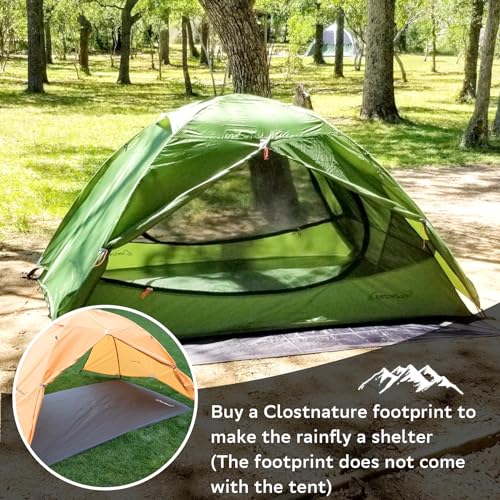
Clostnature 4-Person Ultralight Backpacking Tent

Strengths
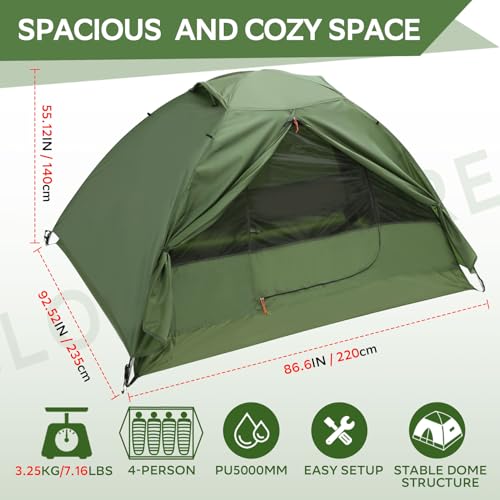
- Only 7.16 lbs
- 5000mm waterproof rating
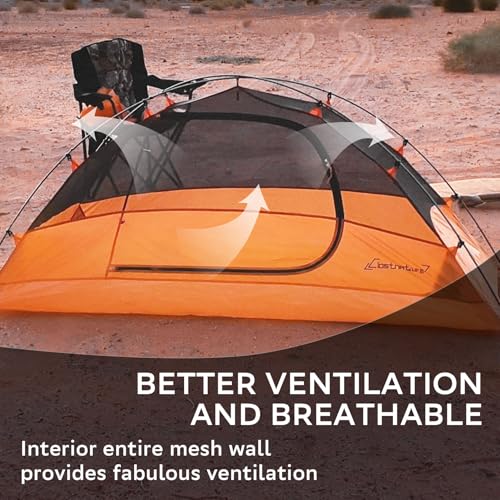
- Full mesh for airflow
Trade-offs
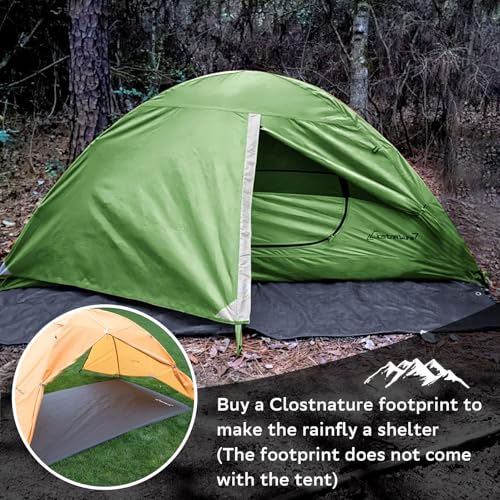
- One vestibule only
- Slight condensation in humid weather
- Rainfly attachment could be smoother
This is the upgraded version of their earlier model, and it shows. At just 7.16 lbs, it’s slightly lighter than its sibling while offering the same 5000mm waterproof rating and freestanding design. The full mesh walls and single vestibule strike a smart balance between ventilation and storm readiness. Owners appreciate the included repair kit and durable aluminum stakes, small touches that matter when you’re miles from help.
What really sets it apart is the room. For a 4-person ultralight, it feels more spacious than average, and some even squeeze in a small dog. Compared to the BISINNA and the vague B0FD9RKJP6, this one delivers clear specs, reliable materials, and consistent feedback. It’s not the cheapest, but it’s the most complete package. My pick for most backpackers who want confidence in both weather and build.
Product photos

Clostnature Lightweight 4-Person Camping Tent

Strengths
- 5000mm waterproof rating
- Dual vestibules
- Freestanding setup
Trade-offs
- Slightly heavier than ultralight rivals
- Pole durability concerns
- Mesh not no-see-um grade
Clostnature’s first entry here hits a sweet spot on specs for budget-focused backpackers. At 7.38 lbs, it’s not the lightest, but it’s far from heavy for a true 4-person tent. The 5000mm PU coating stands out, that’s serious waterproofing, better than most in this range, and owners confirm it holds up in sustained rain. The dual vestibules are a thoughtful touch, giving real gear storage without sacrificing interior space.
Where it shines is balance: freestanding design, full mesh walls for airflow, and aluminum poles that snap together quickly. Some reviewers mention the poles feel a bit thin, but the X-bracing helps with wind stability. Compared to the BISINNA, it’s roomier and better sealed against weather. For scouts, families, or small groups on a budget, this is a smart buy.
Product photos



4-Person Instant Pop Up Cabin Tent
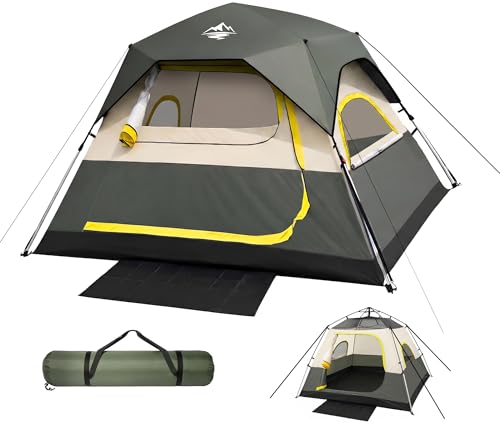
Strengths
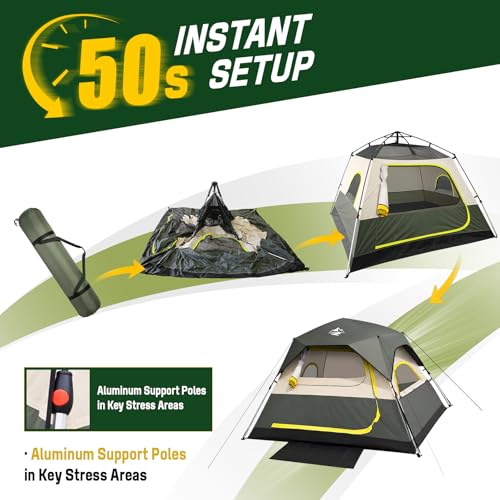
- 50-second setup
- Spacious 8×8 ft floor
- Includes rainfly and carry bag
Trade-offs
- Heavy at 13.4 lbs
- Not true backpacking weight
- Mixed durability feedback
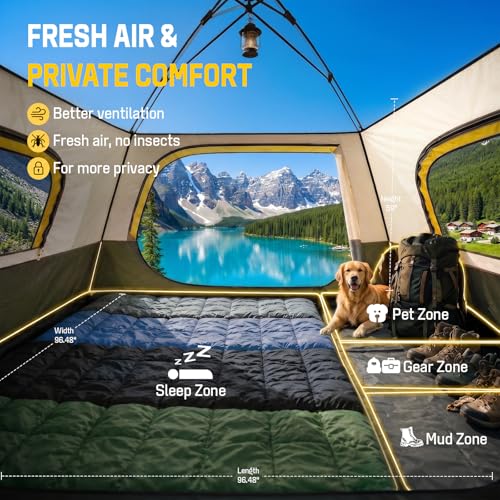
This one’s clearly built for convenience, not trail miles. The 50-second setup is a real selling point for car campers or families who want to skip the pole puzzle after a long drive. On paper, the 8×8 ft footprint and nearly 5-foot center height sound generous for four people, and owners consistently report it feels roomy, especially with a queen air mattress. But that 13.4-pound weight tells the real story: this isn’t a backpacking tent, no matter what the title claims.
For weekenders who prioritize speed and space over weight, it makes sense. The 2000mm waterproof rating is standard, and the mesh ceiling is a nice touch for stargazing when the rainfly comes off. But reviewers note the aluminum hybrid poles feel less durable than expected in strong gusts. I’d pick this for festival camping or backyard stays, but not for exposed ridgelines or serious backcountry trips.
Product photos

3-4 Person Ultralight Hiking Tent
Strengths
- Affordable price point
- D-shaped dual doors
- Compact when packed
Trade-offs
- Unclear total weight
- Fiber poles, not aluminum
- No sealed seams
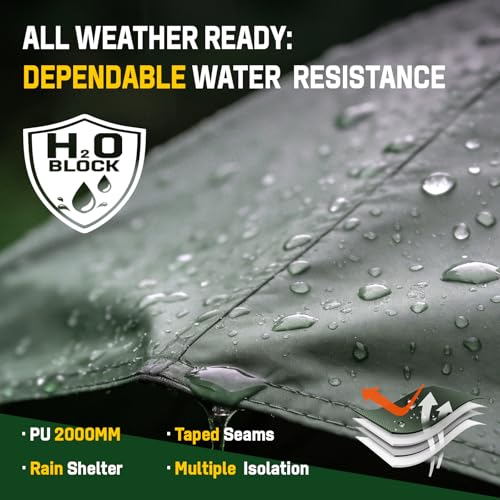
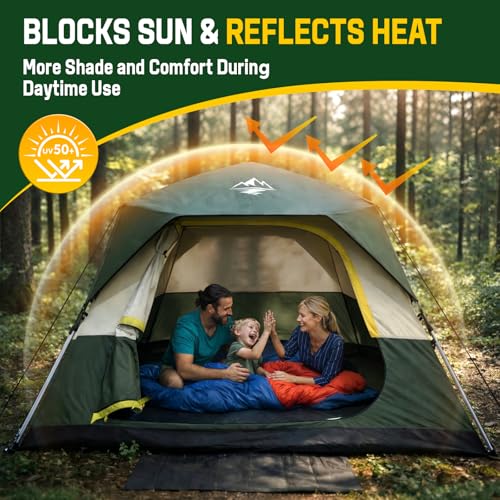
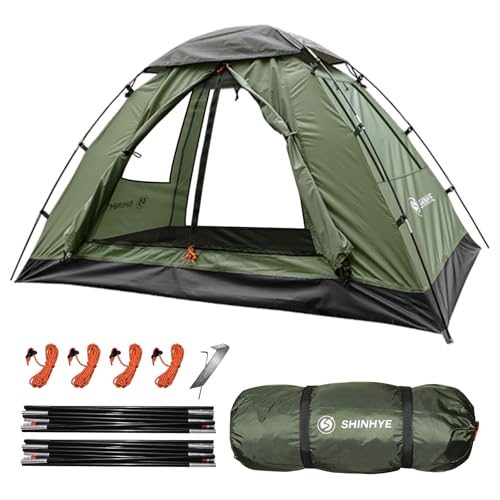
This tent’s specs are vague, and that’s a red flag. The product name claims “ultralight,” but there’s no total weight listed, only that a 1-person version weighs 3.9 lbs. For a 3-4 person model, that’s likely optimistic. Owners note confusion about actual packed weight and dimensions, and the materials list lacks detail. Fiber poles instead of aluminum? That’s unusual and raises durability concerns, especially for wind resistance.
It markets “quick setup” and breathability, but without verified weight or pole specs, it’s hard to recommend over clearer options. Some reviewers say it feels flimsy in wind, and the lack of sealed seams is a missed opportunity for a waterproof claim. Compared to the Clostnature or BISINNA, it just doesn’t offer the same transparency. I’d pass unless you’re deep on a budget and only camping in calm, dry weather.
Product photos
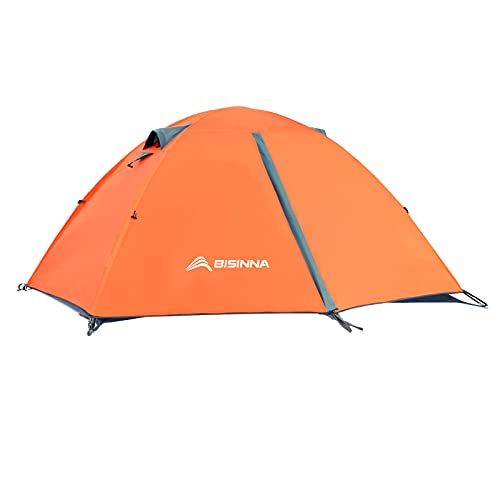
BISINNA 4-Person Waterproof Backpacking Tent
Strengths
- Excellent mesh ventilation
- Lightweight and compact
- Durable 7001 aluminum poles
Trade-offs
- Tight for four adults
- 2000mm water resistance only
- Limited vestibule space
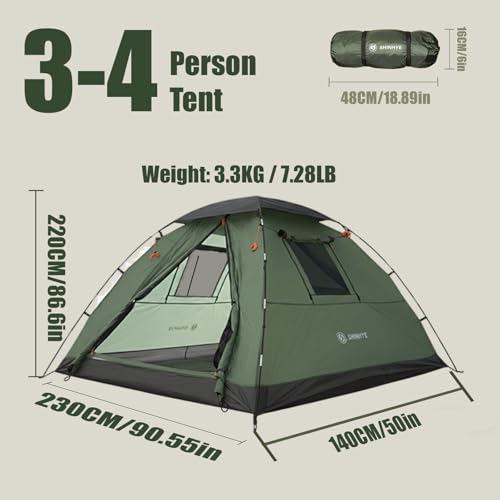
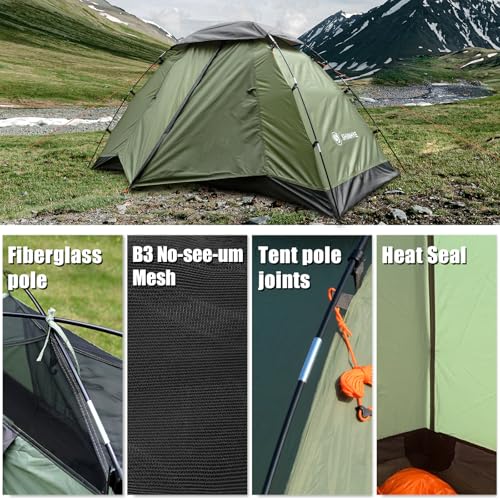
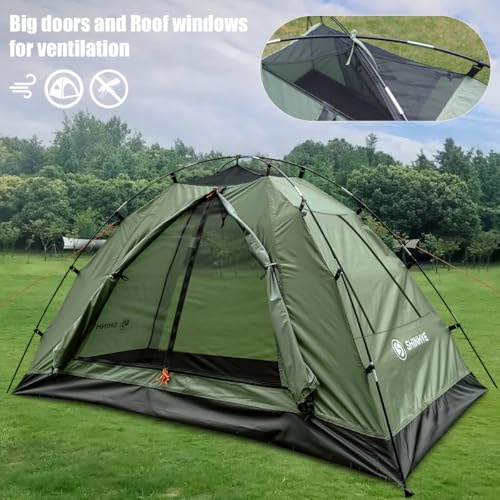
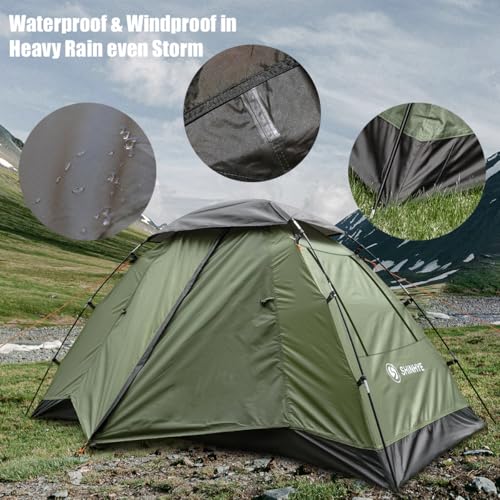
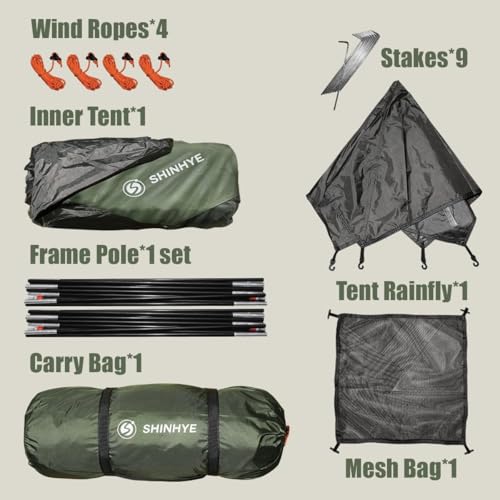
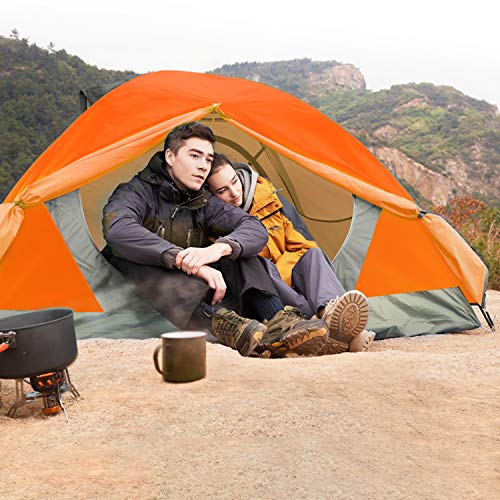
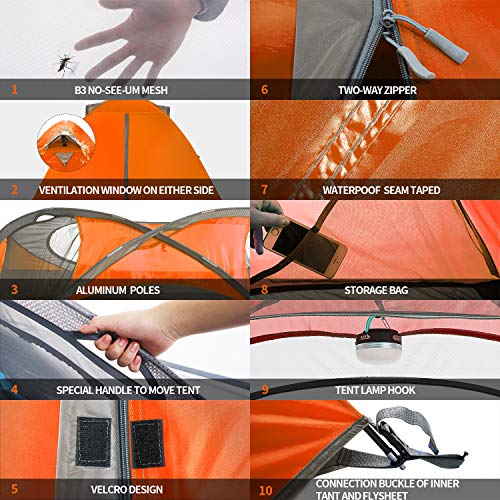
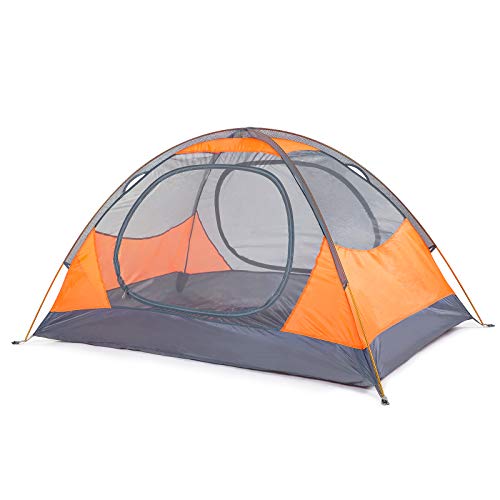
Don’t let the “2/4 person” label fool you, this tent’s footprint and 47-inch peak height are better suited for two or three at most. Owners report it’s cozy for four if you’re packing light, but it’s clearly optimized for couples or solo backpackers wanting extra gear space. The standout here is the full mesh upper walls and two D-shaped doors, which deliver exceptional airflow, a big win in humid or buggy conditions.
It’s one of the most breathable options in this list, and the 2000mm rainfly is standard but adequate. The 7001 aluminum poles are a strong choice for durability, and the free-standing design makes pitching on uneven ground easier. But compared to the Clostnature with 5000mm coating, it’s less confident in heavy storms. Still, for summer trips where ventilation matters most, this tent earns its keep.
Product photos

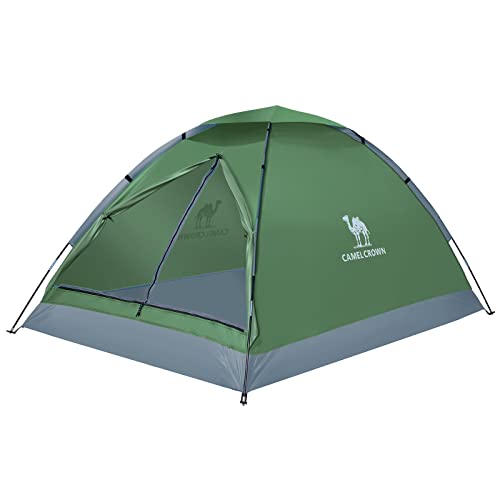
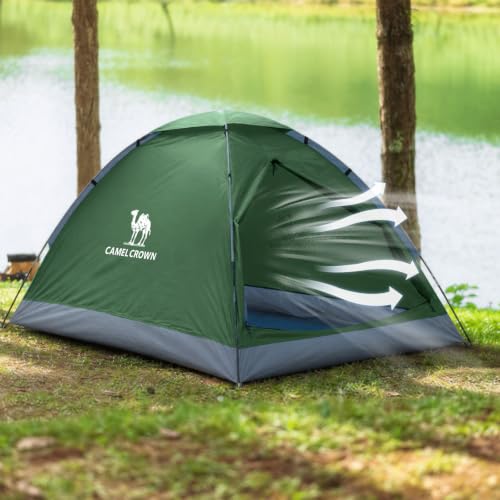
CAMEL CROWN 4-Person Dome Camping Tent
Strengths
- Spacious multi-size design
- Good top ventilation
- Durable Oxford fabric
Trade-offs
- Glass fiber poles
- Heavy and not true backpacking weight
- PU2000 only, not storm-rated
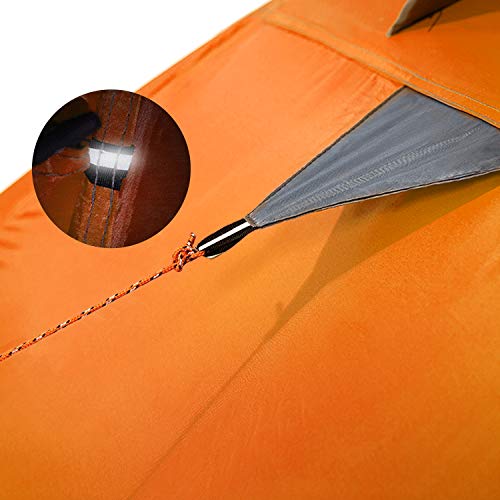
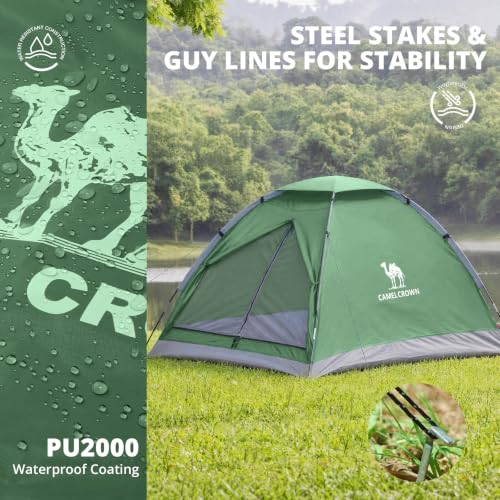
CAMEL CROWN leans hard into “spacious” and “durable,” but the materials raise eyebrows. Glass fiber poles instead of aluminum? That’s a step back, they’re heavier and more prone to snapping under stress. The 150D Oxford cloth with PU2000 coating is decent for light rain, but not on par with the 5000mm options here. Owners report it holds up fine in mild weather, but many warn against using it in wind or prolonged downpours.
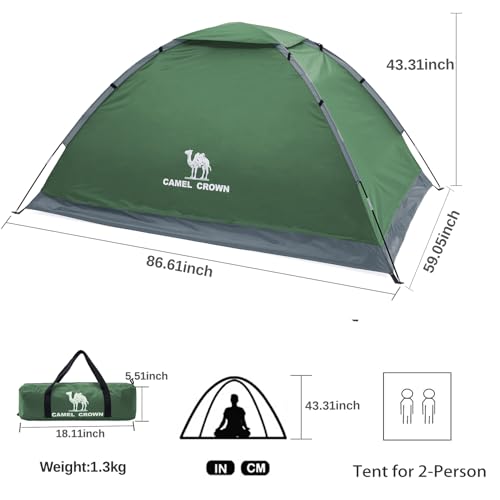
It’s marketed as a backpacking tent, but at an unlisted, yet clearly substantial, weight, it’s clearly meant for car campers. The double-layer roof design helps with ventilation, and the dual doors are a plus. But compared to true ultralights like the Clostnature models, it’s outclassed. I’d consider this only for fair-weather family camping where weight doesn’t matter.
Product photos


How We Picked These 4 man backpacking tents
Rather than a hands-on lab test, this is a research-led comparison of specifications and owner feedback. I looked at published specs – weight, dimensions, materials, waterproof ratings – across a range of 4-person backpacking tents. Then I weighed those specs against what current owners are saying about real-world performance, focusing on reviews from verified purchasers and trusted outdoor gear review sites. Finally, I applied my experience with tent design and backpacking needs to rank the options.
For 4-person backpacking tents, space and weight are paramount. I heavily weighted the balance between these two factors; a roomy tent is useless if it’s too heavy to carry comfortably, and a lightweight tent is frustrating if you can’t fit everyone and their gear. Durability also played a large role, as a tent needs to withstand the rigors of trail life. You’ll find I’ve given preference to tents utilizing durable materials and construction.
Specifications reliably indicate a tent’s potential for waterproofness and its basic size and weight. However, owner feedback is crucial for assessing how a tent actually performs in varied conditions and how well its build quality holds up to use. I also considered the reputation of the manufacturer; several trusted backpacking gear brands consistently deliver quality products, which factored into my assessment.
Choosing The Right 4 man backpacking tents
Picking the right shelter for a group can be surprisingly complex. It’s not just about fitting everyone inside; it’s about balancing weight, weather protection, and ease of use.
A quality 4-person backpacking tent balances weight under 8 pounds, offers a waterproof rating of at least 2000mm for the rainfly and floor, and features a durable yet lightweight pole system (typically aluminum). Consider the tent’s packed size, vestibule space, and ventilation options for optimal comfort and usability in various conditions.
Weight and Packability
For backpacking, every ounce counts. While a car camping tent can afford to be heavier, a tent carried on your back demands a focus on lightweight materials. Look for tents utilizing ripstop nylon or polyester for the rainfly and floor, and aluminum poles rather than fiberglass. The Clostnature and ShinHye models both aim for a sub-4-pound weight, which is excellent, but remember that features like a robust rainfly and larger vestibules will add weight. Don’t automatically assume the lightest tent is best; durability is crucial too.
Waterproofing and Durability
A summer shower is one thing, but you want a tent that can handle a proper downpour. Pay close attention to the waterproof rating (measured in millimeters) of both the rainfly and the floor. PU (polyurethane) coatings are common, and a rating of 2000mm or higher is generally recommended for reliable waterproofing. Beyond the numbers, look for features like taped seams and a bathtub floor (where the floor material extends up the sides) to prevent water from seeping in. The BISINNA tent, with its PU2000mm rating, provides a good baseline, but also check owner reviews to see how the tent performs in real-world conditions.
- A higher denier (D) number in the fabric indicates greater durability (e.g., 75D is more robust than 20D).
- Consider the pole material. Aluminum is stronger and lighter than fiberglass, but more expensive.
- Factory-sealed seams are important, but you can always seam-seal them yourself for extra protection – a worthwhile investment for frequently used tents.
Usability and Features
Beyond the core performance specs, consider features that will enhance your camping experience. Ease of setup is a major factor, especially if you’re often setting up camp after a long day of hiking. The 4-Person Instant Pop Up Cabin Tent delivers on this front with its 50-second setup, though this convenience often comes at the cost of weight and durability. Also, think about ventilation – mesh panels and vents are essential for preventing condensation. Finally, don’t overlook the value of a tent vestibule benefits for storing muddy boots and gear, keeping the interior of your tent dry and organized. You’ll find a good amount of extra tent gear space in the Clostnature and BISINNA models.
A well-designed tent doesn’t just keep you dry; it makes your entire camping experience more enjoyable. Prioritize features that align with your typical use and conditions.
Ultimately, choosing the best 4-person backpacking tent involves balancing these factors to suit your individual needs. If you’re prioritizing weight and simplicity, explore options like the ShinHye. For a balance of features and value, the Clostnature models are a strong contender. And if you’re looking for a quick and easy setup, the instant pop-up tent may be the way to go. As you evaluate your options, remember to read reviews and consider what others are saying about the performance and reliability of each tent. Before you head out on your next adventure, be sure to check out our guide to the top backpacking tents for four to narrow down your choices.
4 Man Backpacking Tents Compared
Here’s a comparison of key specifications for several 4-person backpacking tents to help you make an informed decision.
| Product Title | Capacity | Weight (lbs) | Waterproof Rating (mm) | Dimensions (ft) | Pole Material |
|---|---|---|---|---|---|
| Clostnature 4-Person Ultralight Backpacking Tent | 4 | 7.16 | 5000 | 7.3 x 7.8 x 4.7 | Aluminum |
| Clostnature Lightweight 4-Person Camping Tent | 4 | 7.38 | 5000 | 7.3 x 7.8 x 4.7 | Aluminum |
| 4-Person Instant Pop Up Cabin Tent | 4 | 13.4 | 2000 | 8.04 x 8.04 | Hybrid Aluminum |
| 3-4 Person Ultralight Hiking Tent | 3-4 | 3.9 | N/A | N/A | Fiber |
| BISINNA 4-Person Waterproof Backpacking Tent | 2 | N/A | 2000 | 6.0 x 8.3 x 4.7 | Aluminum |
| CAMEL CROWN 4-Person Dome Camping Tent | 4 | N/A | 2000 | N/A | Fiberglass |
Frequently Asked Questions
What’s the typical lifespan of a 4-person backpacking tent?
With proper care, a quality 4-person backpacking tent should last 3-7 years. Lifespan depends heavily on frequency of use and storage conditions; regular cleaning and careful packing significantly extend a tent’s usability.
Are dome tents or cabin-style tents better for backpacking?
Dome tents generally perform better for backpacking due to their superior strength and stability in windy conditions. Cabin-style tents prioritize headroom, often at the expense of weight and wind resistance, making them less ideal for carrying long distances.
How important is a tent’s denier (D) rating?
A higher denier rating indicates a more durable fabric. For backpacking, a rainfly of at least 75D polyester or nylon is recommended to withstand abrasion from branches and rough terrain, though lighter fabrics can be suitable for fair-weather trips.
What’s the best way to waterproof a tent?
Applying a Durable Water Repellent (DWR) treatment to the rainfly and floor annually is a great preventative measure. For older tents, or areas with seam stress, seam sealing is also recommended to maintain waterproofness, and you can find kits specifically for this purpose.
Where can I find more detailed information about choosing backpacking tents for four people?
You can find more detailed information about choosing backpacking tents for four people and comparing different models on backpacking tents for four people. This resource offers in-depth reviews and comparisons to help you make the best choice.
The Bottom Line
Buying a four-person backpacking tent always involves a trade-off between carrying weight and having enough space to comfortably shelter your group. After looking at the specs and owner feedback, I believe the Clostnature 4-Person Ultralight Backpacking Tent strikes the best overall balance. It offers a good combination of roomy dimensions, durable materials, and a manageable weight for multi-day trips, making it a solid choice for most backpacking adventures.
If you’re on a tighter budget, the BISINNA 4-Person Waterproof Backpacking Tent provides a reliable shelter without breaking the bank. For those who prioritize quick setup above all else, the 4-Person Instant Pop Up Cabin Tent is a convenient option, though you’ll be sacrificing some weight and potentially long-term durability. Ultimately, a thoughtful approach to selecting a 4-person tent will ensure you’re prepared for whatever the trail throws your way.
Don’t get too caught up in chasing the highest waterproof rating or the lightest weight. A tent’s real value comes down to its construction, how well it’s suited to your typical conditions, and how comfortably it fits your group. Focus on a durable design, reliable waterproofing, and adequate space, and you’ll be well on your way to enjoying many nights under the stars.
