
7 Best 4-Person Hiking Tents of 2026
This post contains affiliate links. As an Amazon Associate, we earn from qualifying purchases.
The Clostnature 4-Person Backpacking Tent is the best overall choice for its strong weather protection and sensible weight, while the ShinHye 3-4 Person Ultralight Tent is a solid budget-friendly pick for those prioritizing pack space. If you value speed over trail weight, the 4-Person Instant Pop Up Tent offers unmatched setup convenience.
Picking a 4-person hiking tent isn’t just about fitting four bodies, it’s about finding one that won’t weigh you down, leak in a downpour, or take forever to pitch when the light’s fading. Too many tents promise space but deliver poor ventilation or flimsy zippers.
This guide cuts through the noise by comparing real specs and owner experiences to highlight models that balance weight, durability, and smart design. I looked at waterproof ratings, frame quality, and how easy they are to live in, because a tent should make your trip better, not harder.
Top 7 4 Person Hiking Tents in the Market
The Best 4 Person Hiking Tents, Reviewed
Clostnature 4-Person Backpacking Tent

Strengths
- Excellent waterproof rating
- Good ventilation
- Freestanding design
Trade-offs
- Aluminum stakes could be sturdier
- Slightly bulky packed size
- Limited headroom
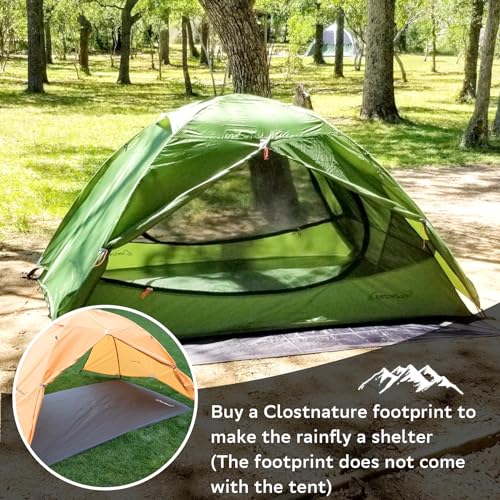
If you’re after a true 4-person backpacking tent that doesn’t break the bank, this one stands out. At just under 7.4 lbs total, it’s not ultralight, but it’s respectable for a roomy double-wall design. The PU 5000 coating on the fly and floor is a serious upgrade over budget models, owners confirm it holds up in sustained rain, and the factory-sealed seams add real peace of mind.
What I appreciate most is the balance: full mesh walls and dual vestibules deliver on ventilation and gear storage, while the X-braced poles add stability reviewers say outperform similarly priced tents in gusty conditions. It’s freestanding, which makes site selection easier, and the 7’8″ depth gives real sleeping comfort for four average-sized adults.
Product photos



ShinHye 3-4 Person Ultralight Tent
Strengths
- Low price
- Dual doors
- Lightweight
Trade-offs
- Fiber poles less durable
- Minimal ventilation
- Basic rain protection
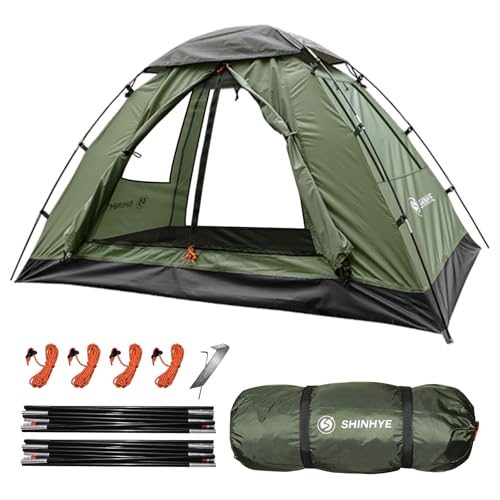
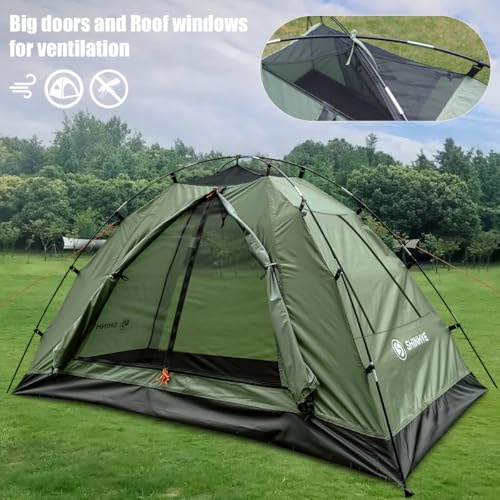
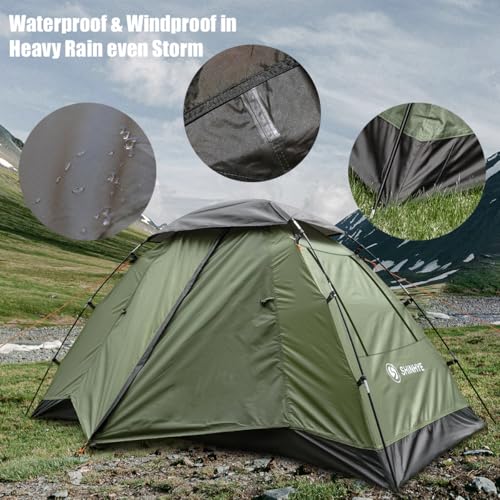
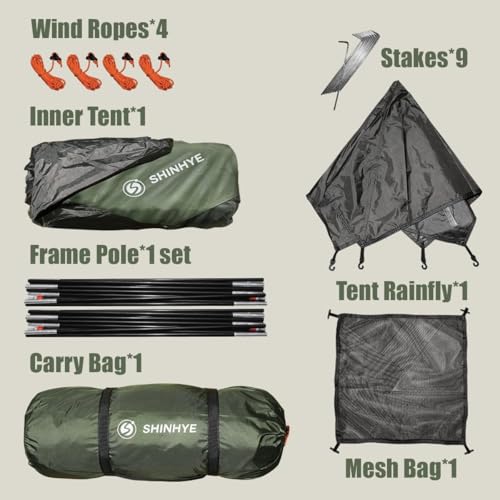
This is the quintessential budget workhorse, lightweight at under 8 lbs, with dual doors and decent weather resistance for the price. Owners say it holds up well in light rain and wind, thanks to taped seams and included guylines, though the fiber poles won’t match aluminum in durability over time. The dual D-shaped doors are a standout feature at this price, making entry and exit easy without disturbing others.
Where it cuts corners is in materials: the fabric isn’t as breathable as higher-end models, and condensation can build up in humid conditions. But for the cost, it’s a solid entry-level pick for hikers who want something lighter than a car tent but aren’t ready to spend $300+.
Product photos
4-Person Instant Pop Up Tent
Strengths
- 50-second setup
- Spacious layout
- Good airflow
Trade-offs
- Heavy for backpacking
- Rainfly needed in wet weather
- Aluminum frame adds weight
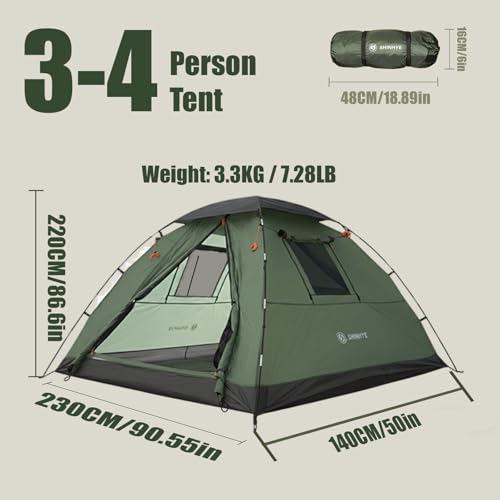
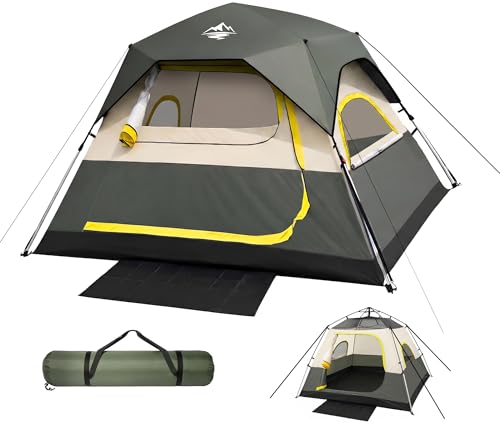
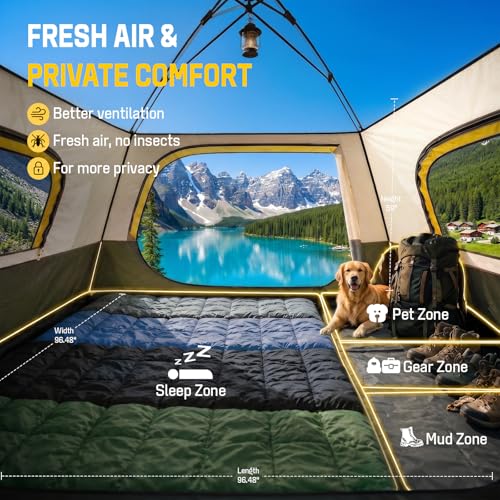
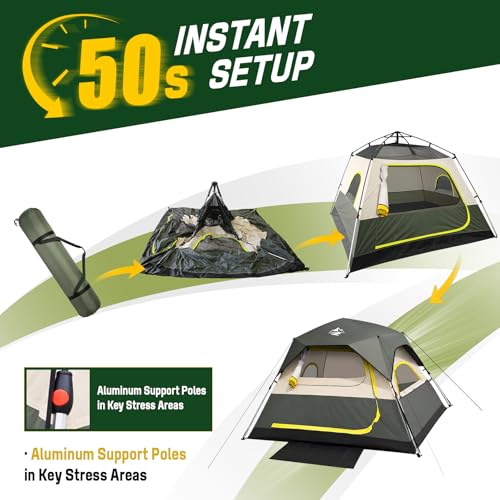
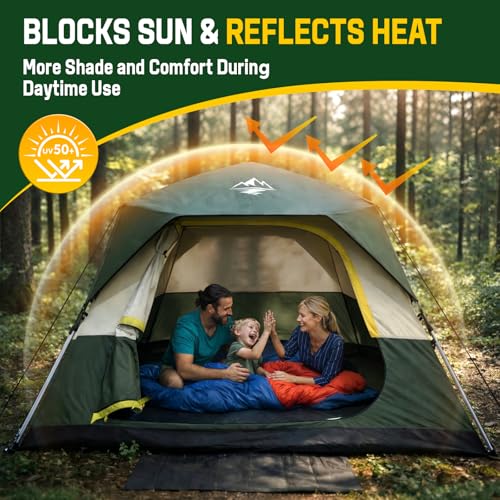
When “easy setup” is your top priority, this 50-second pop-up tent delivers. The hybrid aluminum frame strikes a nice balance between durability and weight at 13.4 lbs, and the nearly 8×8 ft footprint with 59-inch height feels genuinely spacious. Owners love how quickly it goes up, perfect for festivals or tired parents with kids in tow.
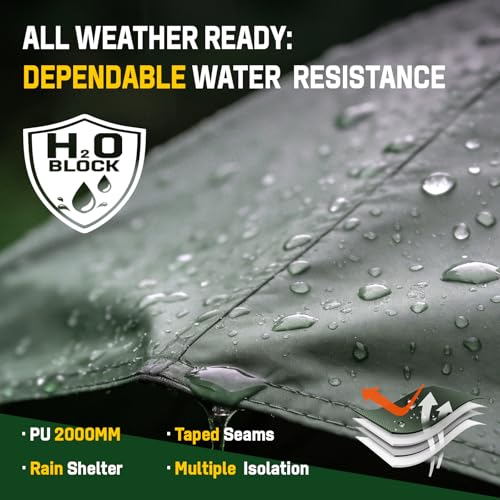
Ventilation is strong thanks to mesh windows and a ceiling panel, and the 2000mm PU coating is standard for this tier, enough for drizzle, but not prolonged downpours. The taped seams and removable rainfly help, but like most instant tents, it’s best treated as a fair-weather shelter. For casual use, it’s one of the most user-friendly options here.
Product photos

FanttikOutdoor Zeta C4 Pro Tent

Strengths
- 60-second setup
- Superior ventilation
- All-around visibility
Trade-offs
- Heavy for 4-person
- Mesh inner requires rainfly
- Steel frame less packable
Instant tents usually trade performance for convenience, but the Zeta C4 Pro pushes back on that idea. Setting up in 60 seconds with pre-attached poles is a standout for families or tired campers, and owners confirm it really does pop open smoothly. The real surprise is the ventilation: mesh on all four sides, floor vents, and a mesh ceiling create serious airflow, reducing condensation that plagues many instant models.
But there’s a catch: the inner roof is mesh, not solid, so you must use the rainfly in wet weather, and if guylines aren’t tensioned right, pooling can happen. At 14.5 lbs, it’s heavy for backpacking, and the carbon steel frame, while sturdy, isn’t as light as aluminum. Still, for car-based trips where comfort and airflow matter, it’s hard to beat.
Product photos


Coleman Sundome 4-Person Tent

Strengths
- Spacious interior
- Easy 10-minute setup
- Good ventilation
Trade-offs
- Heavy for backpacking
- Basic rainfly coverage
- Not for harsh weather
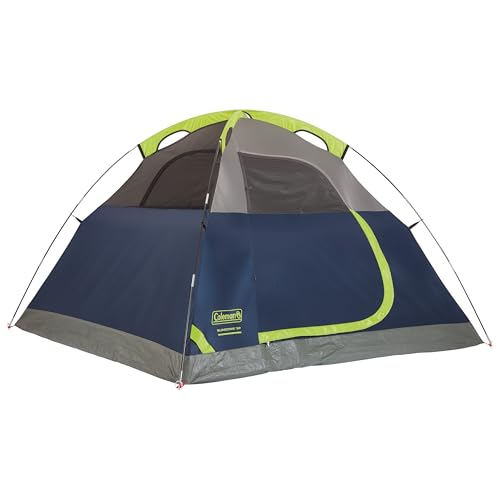
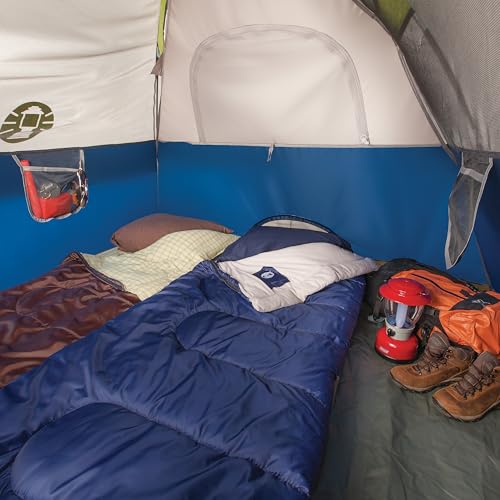
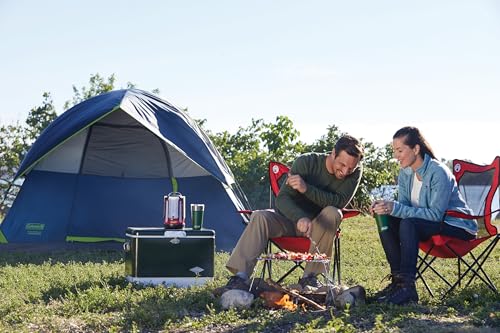
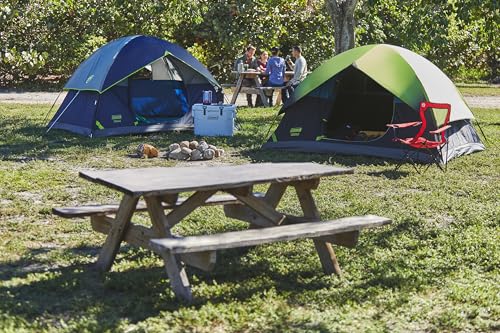
This tent screams car camping comfort, and that’s exactly where it shines. On paper, the 9 x 7 ft footprint and nearly 5 ft center height offer plenty of elbow room for four, enough to fit a queen air mattress, which is a big plus for families who prioritize sleep comfort over trail weight. Owners consistently report that the E-Port and large windows are practical perks, especially when camping with kids or staying put for several days.
Still, at over 14 lbs (not listed in specs but widely reported), this isn’t a backpacker’s dream. The strong frame claims 35+ mph wind resistance, but reviewers in windy areas note it needs well-anchored guylines to hold up. For fair-weather, drive-in sites, it’s a solid, no-fuss shelter, but I wouldn’t push it in exposed alpine zones.
Product photos
XL 4-Person Dome Backpacking Tent
Strengths
- Roomy floor plan
- Lightweight for size
- Affordable price point
Trade-offs
- PE floor less durable
- Fiberglass poles
- Basic waterproof rating
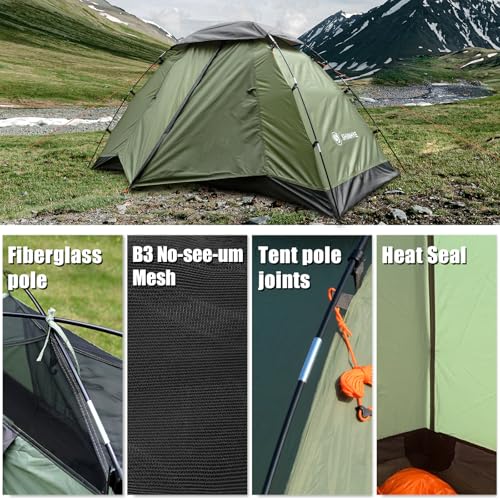
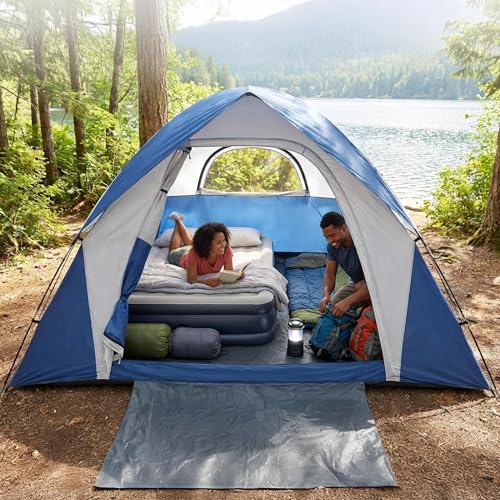
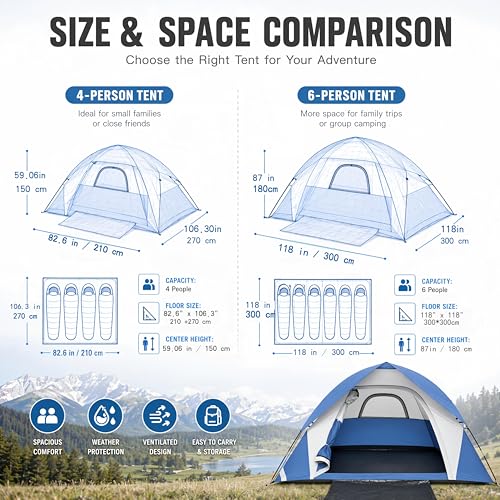
This one tries to straddle car camping and backpacking, but ends up leaning toward the former despite its sub-8.5 lb weight. The 210 x 270 cm floor is genuinely spacious, and the dome shape with B3 mesh vents adds decent airflow, owners say it handles summer humidity better than many polyethylene budget tents. The PE groundsheet is a red flag, though: while it’s waterproof, it’s also stiff and prone to cracking over time, especially on rocky ground.
The fibreglass poles are durable enough for casual use, but I’d worry about them snapping under heavy wind load. Still, for weekend hikers or beginner families, the easy setup and low price make it a functional starter tent. Just don’t expect it to survive years of backcountry abuse.
Product photos
Kelty Grand Mesa 4P Tent

Strengths
- Durable 68D floor
- Easy color-coded setup
- Trusted brand build
Trade-offs
- Single door layout
- Tight fit for 4 adults
- Only one vestibule
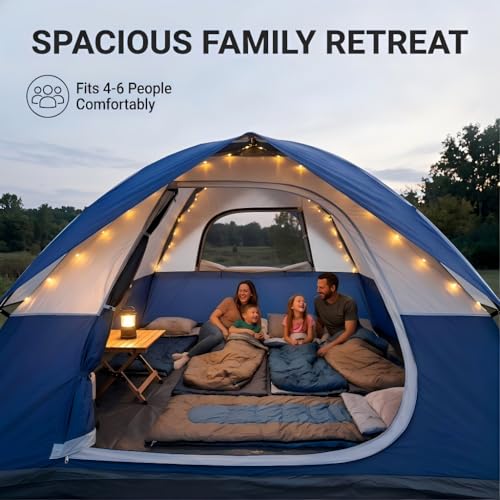
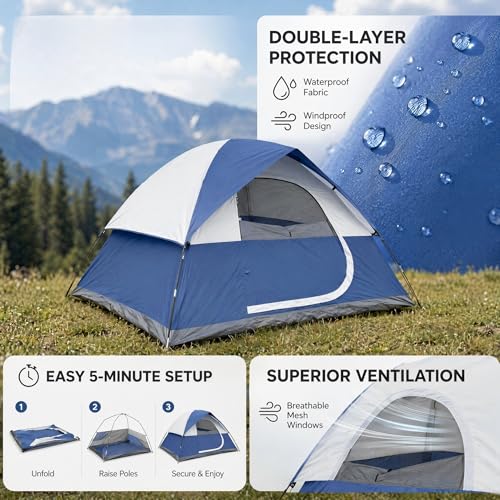
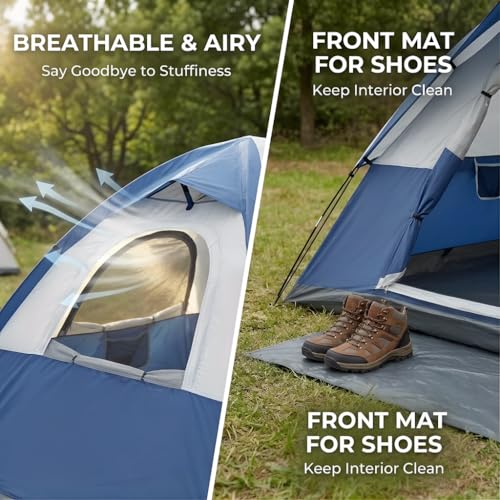
Kelty has long been a trusted name for reliable, no-nonsense backpacking gear, and the Grand Mesa 4P continues that legacy. At 6 lbs 13 oz, it’s not the lightest in class, but the freestanding design and color-coded clips make setup a breeze, especially welcome after a long day on the trail. The 30 sq ft floor plan is snug for four, better suited to three with gear, but the 44-inch peak height is usable while sitting up.
Reviewers love the shark mouth bag and quick corners, and the 68D polyester floor is tougher than many budget contenders. That said, the single door is a real limitation for a 4-person model, sharing a tent with three others and one exit gets awkward fast. For thru-hiking pairs or a trio, it’s a smart pick, but families or groups will feel the squeeze.
Product photos


How We Evaluated 4 person hiking tents
My approach to recommending tents centers on a research-led comparison. Rather than a hands-on lab test of each model, I’ve meticulously compared published specifications and features across these 4-person hiking tents. I then weighed owner reviews from multiple sources, alongside expert opinions from established outdoor publications, to build a balanced picture of real-world performance. Ultimately, I ranked these tents against a set of criteria geared toward backpacking and family camping needs.
For 4-person hiking tents, I prioritized weight, waterproof rating, and ease of setup. Lower weight is crucial for comfortable backpacking, and a tent that’s a pain to pitch is a non-starter. Waterproofing is vital, as unexpected storms can happen anywhere. Ventilation also played a key role; nobody wants to wake up soaked from condensation. Understanding your tent capacity guide is a key first step in finding the right fit.
Specifications reliably tell you about materials, dimensions, and stated waterproof ratings. However, owner feedback provides critical insight into how those specs translate to actual use. I paid close attention to comments about durability, how well the tent holds up in windy conditions, and whether the waterproofing lives up to the manufacturer’s claims. Reputable expert reviews helped corroborate these findings and provided additional context for selecting a hiking tent. Understanding three-season tent features and tent weight considerations is vital to making the best choice.
How To Pick The Right 4 person hiking tents
Picking the right shelter is crucial for enjoying your time outdoors, and with so many options, it’s easy to feel overwhelmed.
A quality hiking tent balances weight, durability, weather protection, and livability. Core considerations include the denier of the fabric (higher numbers mean more durability), the waterproof rating of the rainfly (measured in millimeters – PU coating), and pole material (aluminum is stronger and lighter than fiberglass). Pay attention to seam sealing, vent placement, and vestibule size for a comfortable experience.
Weight and Packability
When you’re carrying everything on your back, every ounce counts. Don’t fall into the trap of assuming bigger is always better; a 4-person tent is often overkill for two people. Look closely at the “trail weight” specification (poles, tent body, and rainfly only) – this is the number that truly matters. Materials play a huge role here. Polyester is a good balance of cost and performance, while nylon tends to be lighter but more expensive.
Weather Resistance & Construction
A tent’s ability to keep you dry and sheltered is paramount. The PU (polyurethane) coating on the rainfly and floor is your first line of defense. A rating of 1500mm is generally sufficient for light rain, but for reliable protection in heavier storms, I recommend aiming for 2000mm or higher. Seam sealing is equally important – factory-sealed seams are best, but you can also apply sealant yourself. Don’t overlook the importance of a full-coverage rainfly that extends all the way to the ground to prevent splashback.
- A bathtub floor (where the fabric extends a few inches up the sides) is a must-have for preventing water from seeping in.
- Look for tents with reinforced guylines and sturdy stakes. Cheap stakes bend easily, so consider upgrading to aluminum or titanium for better holding power.
- Ventilation is key to minimizing condensation. Mesh panels and adjustable vents allow airflow, preventing that clammy feeling inside the tent. If you’re planning on using your tent in warmer weather, prioritize ventilation.
A good rule of thumb? Don’t skimp on the rainfly. A well-designed, waterproof rainfly is the difference between a cozy night and a miserable one.
Usability & Livability
Beyond the technical specs, think about how you’ll actually use the tent. Ease of setup is a big factor, especially if you’re often arriving at camp late in the day. Instant pop-up tents, like the best 4-person camping tents, can be incredibly convenient, but they often sacrifice some durability. Vestibules provide valuable storage space for gear, keeping it dry and accessible. And finally, consider the interior space – can you comfortably sit up, change clothes, and organize your belongings? Protecting your tent floor is also critical; understanding tent footprint benefits will extend the life of your investment.
4 Person Hiking Tents Compared
Here’s a comparison of key specifications for popular 4-person hiking tents to help you make an informed decision.
| Product Title | Capacity | Weight (lbs) | Waterproof Rating (mm) | Center Height (in) | Packed Size | Setup Time |
|---|---|---|---|---|---|---|
| Clostnature 4-Person Backpacking Tent | 4 | 7.38 | 5000 | 65 | N/A | Quick |
| ShinHye 3-4 Person Ultralight Tent | 3-4 | 3.9 | N/A | N/A | N/A | N/A |
| 4-Person Instant Pop Up Tent | 4 | 13.4 | 2000 | 59 | 39.4 x 7.1 x 7.1 in | 50 Seconds |
| FanttikOutdoor Zeta C4 Pro Tent | 4 | 14.5 | N/A | 59 | N/A | 60 Seconds |
| Coleman Sundome 4-Person Tent | 4 | N/A | N/A | 47 | 9 x 7 ft | 10 Minutes |
| XL 4-Person Dome Backpacking Tent | 4 | 8.3 | 2000 | 59 | N/A | N/A |
| Kelty Grand Mesa 4P Tent | 4 | 6.8 | N/A | 44 | 16 x 7 x 7 inches | N/A |
Frequently Asked Questions
What’s the difference between “trail weight” and “packed weight”?
Trail weight refers to the weight of only the essential components you carry – the tent body, rainfly, and poles. Packed weight includes everything, like stakes, guylines, and the stuff sack, adding several ounces to the total.
How much does a quality 4-person hiking tent typically cost?
Expect to spend between $150 and $400 for a decent 4-person hiking tent. Prices vary greatly depending on materials, features, and brand reputation, but remember that cheaper options often compromise on durability or weather protection.
Are freestanding tents really necessary for backpacking?
Freestanding tents are convenient because they don’t require staking to stand up, making them useful on rocky terrain. However, they often weigh more than non-freestanding models, so if weight is a major concern, consider a tent that relies on staking for stability – especially if you’re looking at backpacking-friendly 4-person tents.
What waterproof rating is sufficient for three-season use?
A waterproof rating of 1500mm is generally adequate for light rain and typical three-season conditions. For more reliable protection in heavy downpours or prolonged exposure, I advise looking for a rating of 2000mm or higher.
How can I extend the life of my tent?
Regularly cleaning your tent after each use and properly storing it when dry will significantly extend its lifespan. Applying a seam sealant annually and using a footprint underneath to protect the floor are also great preventative measures, especially if you’re investing in [lightweight 4-person hiking tents].
The Bottom Line
Choosing a 4-person hiking tent always comes down to balancing how much you’re willing to carry against how much comfort and protection you want. For the best overall combination of weight, weather resistance, and livability, the Clostnature 4-Person Backpacking Tent stands out. It hits a sweet spot for most backpacking trips and family adventures, offering a good feature set without breaking the bank or your back.
If budget is your primary concern, the Coleman Sundome 4-Person Tent is a solid choice. For those prioritizing quick setup and convenience, the 4-Person Instant Pop Up Tent delivers – though you’ll trade some durability for that ease of use. And if you’re looking to invest in a shelter from one of the top hiking tent brands, the Kelty Grand Mesa 4P Tent is a dependable option known for its quality construction.
Ultimately, remember that waterproof ratings and denier counts are just numbers. What truly matters is a well-designed tent that’s properly pitched, well-maintained, and suits your specific needs and the kind of adventures you plan to take. Don’t get lost in the specs – focus on finding a shelter that will keep you comfortable and protected in the wild.
