
7 Best 4 Season Backpacking Tents 2026
This post contains affiliate links. As an Amazon Associate, we earn from qualifying purchases.
The best overall 4 season backpacking tent is the CANTUO 2-3 Person Backpacking Tent, thanks to its strong balance of low weight, high waterproof rating, and rugged build. For a budget-friendly option that still holds up in tough conditions, the OneTigris Stella 2 Person Tent stands out. If you need more space and are less concerned about pack weight, the Forceatt 4 Person Backpacking Tent offers solid performance for group or basecamp use.
Picking a 4 season tent isn’t just about surviving a storm, it’s about finding shelter that won’t fail when wind, snow, and cold push your gear to the limit. Too many hikers learn the hard way that a summer tent won’t cut it past fall.
As Chloé Bourgeois, I’ve spent years analyzing what makes a tent last in real backcountry conditions, and this guide cuts through the specs to show you which models deliver based on owner feedback, material quality, and design. We looked at weight, waterproofing, pole strength, and real-world reliability to find the ones worth your trust.
Top 7 4 Season Backpacking Tents in the Market
The Best 4 Season Backpacking Tents, Reviewed
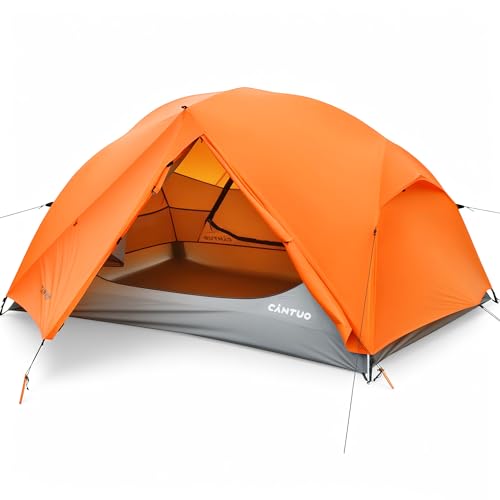
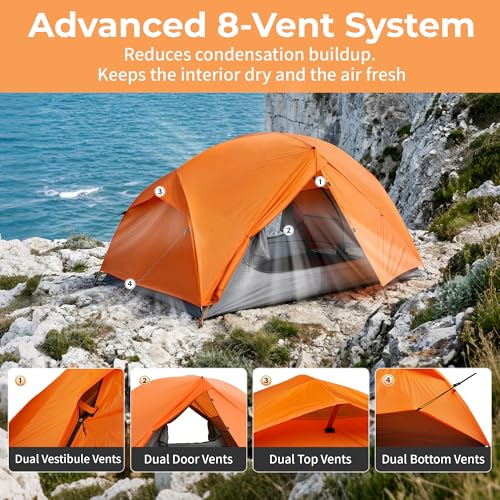
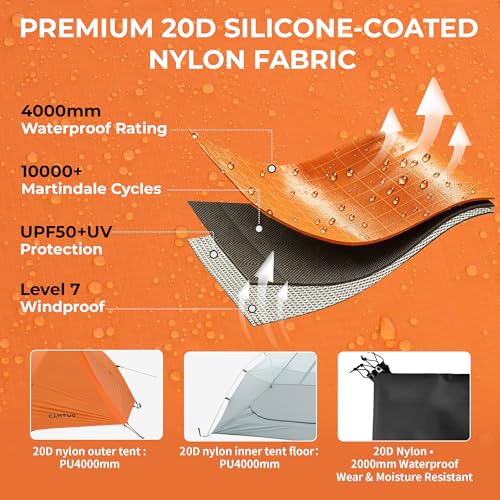
CANTUO 2-3 Person Backpacking Tent
Strengths
- 7001 aluminum poles
- Excellent ventilation
- Spacious with smart storage
Trade-offs
- Slightly higher price point
- Footprint included but not custom-fit
- Setup takes practice for optimal tension
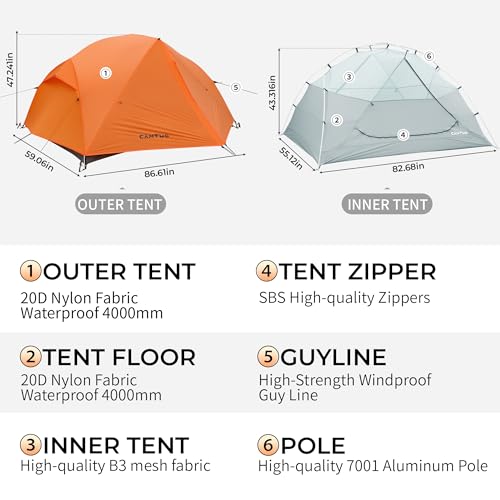
This is the one I’d recommend if you want a balanced blend of weight, weather resistance, and livability. At 4.12 lbs, it’s light for a true 4-season build, and the 20D ripstop nylon with PU 4000mm rating means it can handle snow, rain, and wind without flinching. The 7001 aluminum poles are a standout, stiff, strong, and trusted in alpine tents. Owners consistently praise how well it sheds wind, even when pitched on exposed ridgelines.
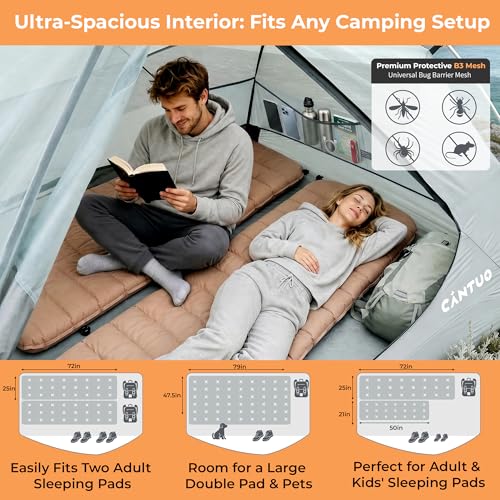
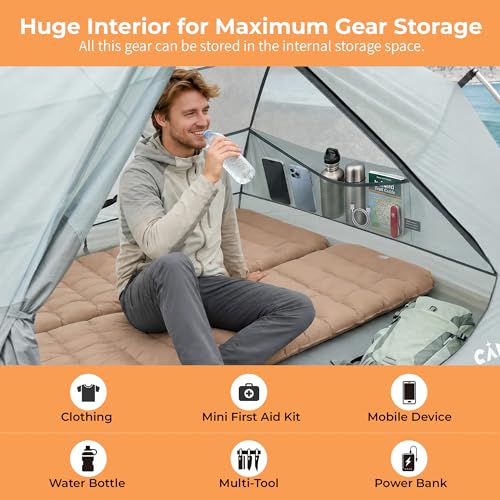
The interior is where it really shines: 31.64 sq ft gives real elbow room for two, and the redesigned storage pockets and dual vestibules make organization easy. Ventilation is excellent thanks to eight vents and high-quality B3 mesh, which reviewers say keeps condensation minimal even in humid spring snowpack. Compared to the OneTigris or BISINNA, this is simply more refined in design and execution.
Product photos
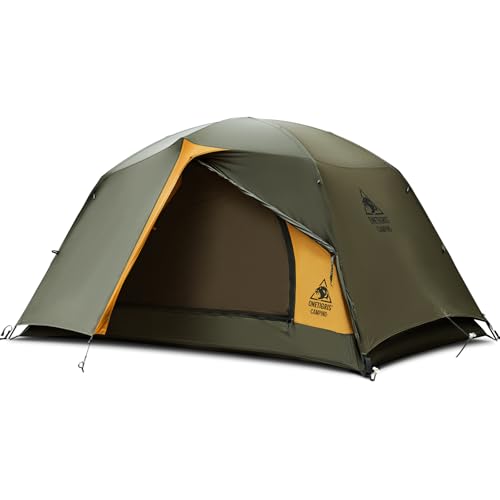
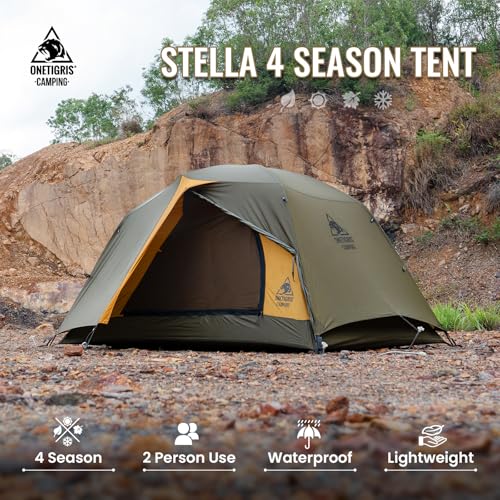
OneTigris Stella 2 Person Tent
Strengths
- Lightweight and compact
- Simple, foolproof setup
- Budget-friendly
Trade-offs
- Lower waterproof rating
- Condensation in humid conditions
- Minimal vestibule space
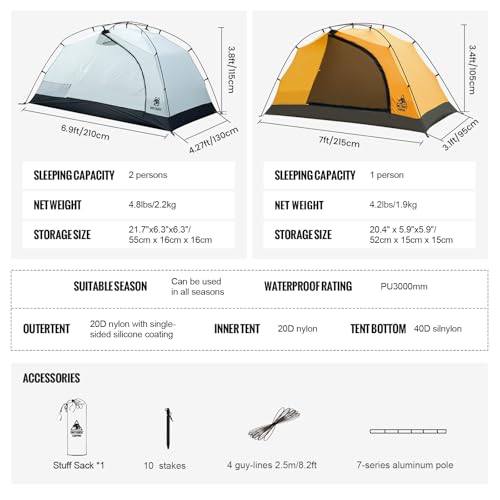
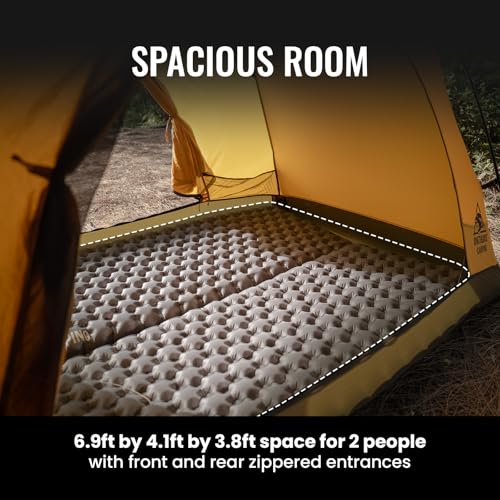
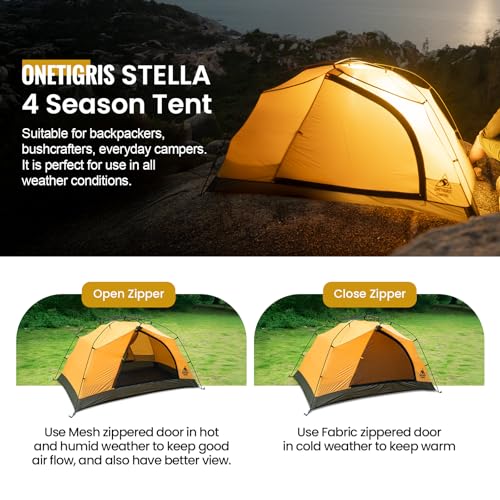
At 4.8 lbs, the OneTigris Stella is one of the lightest true 4-season options here, which makes it stand out for budget-focused backpackers who still want cold-weather capability. The single-layer silicone-coated 20D nylon is durable and sheds water well, though the 3000mm rating is lower than others in this list. It’s not the first choice for prolonged blizzard conditions, but for spring snow or fall storms, it holds up.
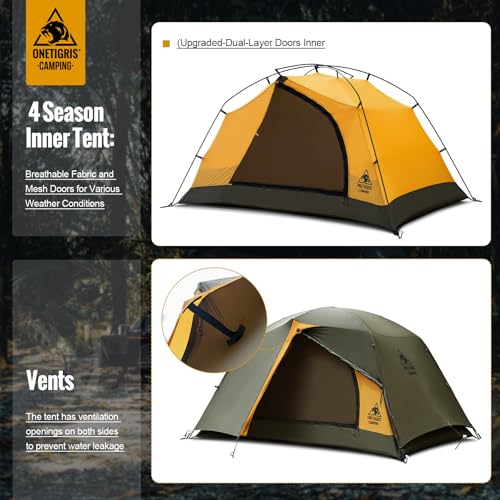
The dome design with cross poles makes setup fast and stable, and owners say it’s nearly impossible to pitch wrong, even in fading light. But the ventilation is limited compared to double-wall tents, and condensation can be an issue in humid weather. It’s best viewed as a 3.5-season tent with 4-season aspirations. For the price, it’s a solid entry point, but it doesn’t match the CANTUO or Clostnature in true winter performance.
Product photos
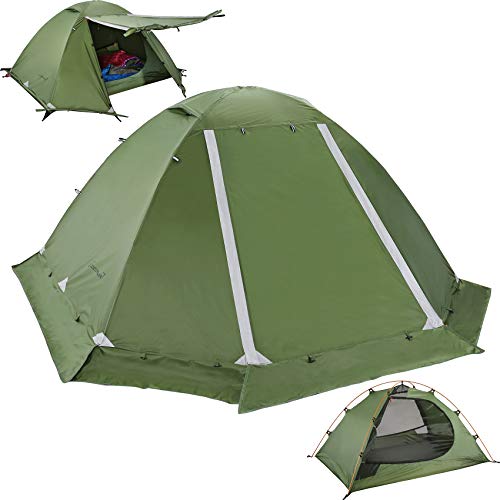
Clostnature 2 Person 4 Season Tent
Strengths
- High waterproof rating
- Lightweight for 4-season
- Good vestibule storage
Trade-offs
- Mid-tier pole strength
- Long-term seam durability concerns
- Slightly bulky packed size
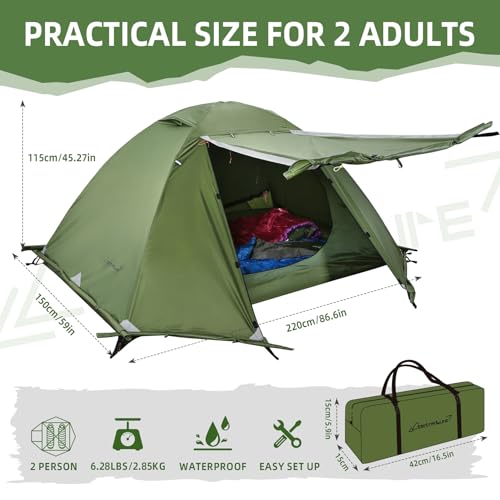
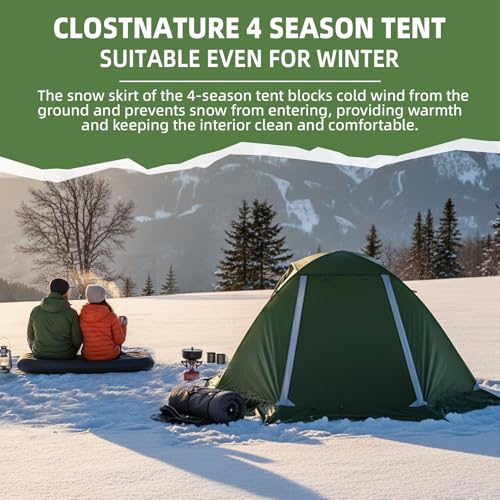
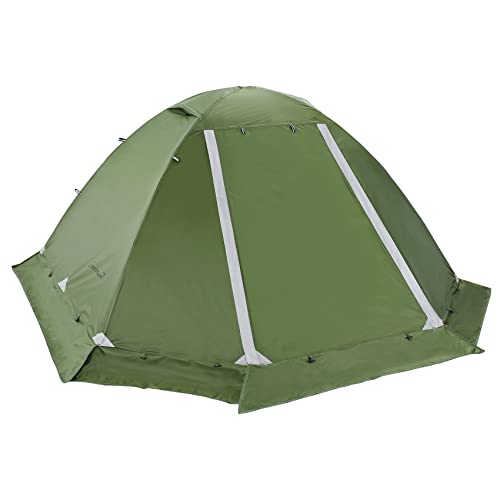
Clostnature pitches this as a value-packed 4-season tent, and on specs alone, it’s compelling: PU 5000mm waterproofing, a 5.33lb trail weight, and a roomy 7.3’ length. That combination is rare at this price tier. Reviewers note the materials feel thicker than expected, and the sealed seams hold up well in prolonged rain. The D-shaped doors and dual vestibules are practical, giving easy access and real storage space, something the BISINNA lacks in comparison.
But the weight savings come with trade-offs. The poles are aluminum but not high-tenacity 7001, so they may flex under serious wind load. Some owners report minor seam leaks after months of heavy use, suggesting long-term durability isn’t its strong suit. Still, for the price, it’s a smart pick for hikers who want solid performance without paying premium brand prices.
Product photos
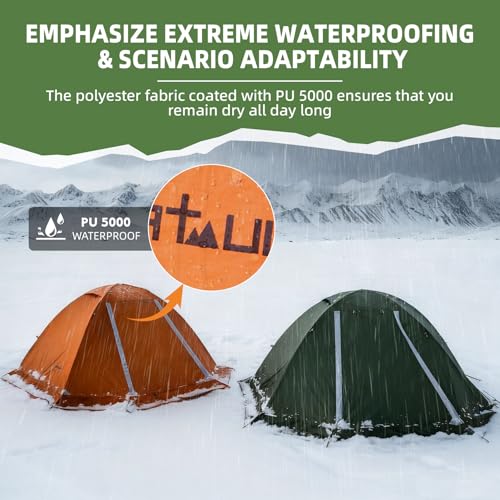
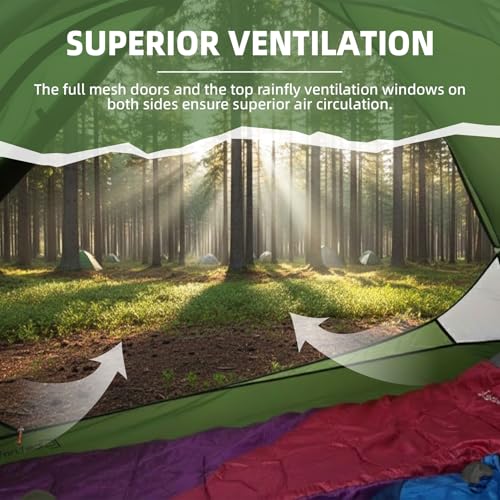
camppal 1 Person Ultralight Tent

Strengths
- Ultra-light for solo use
- Fast 3-minute setup
- Long interior fits tall users
Trade-offs
- Single-wall = more condensation
- Limited ventilation
- No vestibule for gear storage
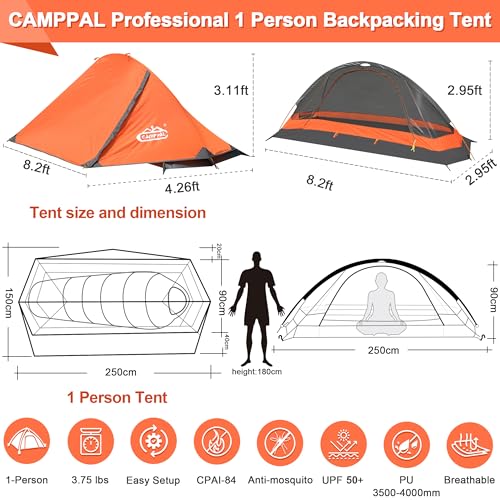
For solo hikers who move fast and light, the camppal 1-person tent is a compelling option. At just 3.75 lbs and using a single ridge pole, it’s one of the easiest and quickest to pitch, owners report full setup in under 3 minutes, even with gloves on. The 8.2ft length is a real perk for taller users, and the streamlined profile cuts wind resistance, which helps in exposed alpine zones.
The 3500–4000mm waterproof rating and taped seams hold up well in heavy rain, and the fire-retardant fabric adds a safety edge. But it’s a single-wall design, so ventilation and condensation control aren’t as good as double-wall tents like the Naturehike. It’s also not as breathable or spacious, making it better for short, technical trips rather than multi-day backpacking where comfort matters.
Product photos



Forceatt 4 Person Backpacking Tent

Strengths
- Spacious for four
- Sturdy 7001 poles
- Excellent ventilation
Trade-offs
- Too heavy for serious backpacking
- Bulky packed size
- Vestibules smaller than expected
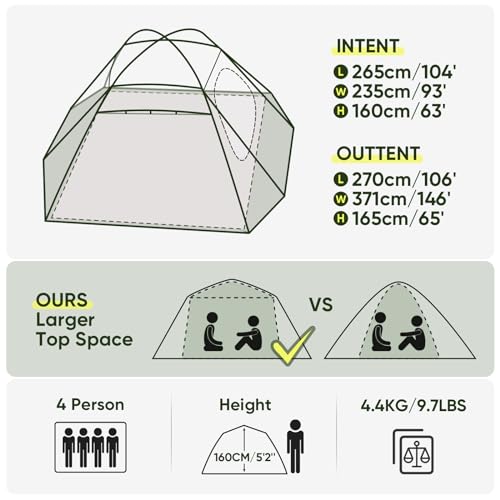
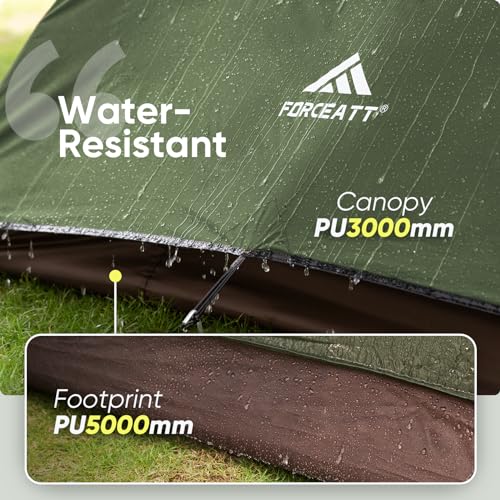
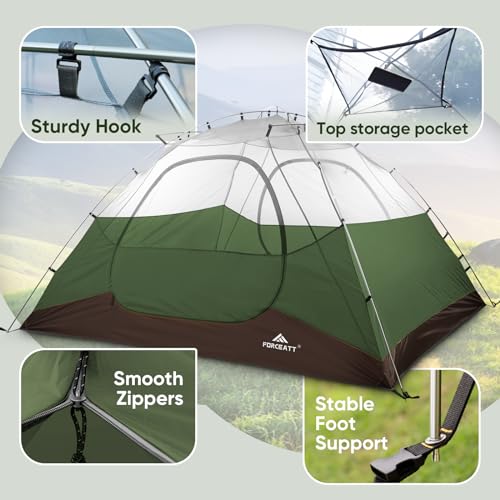
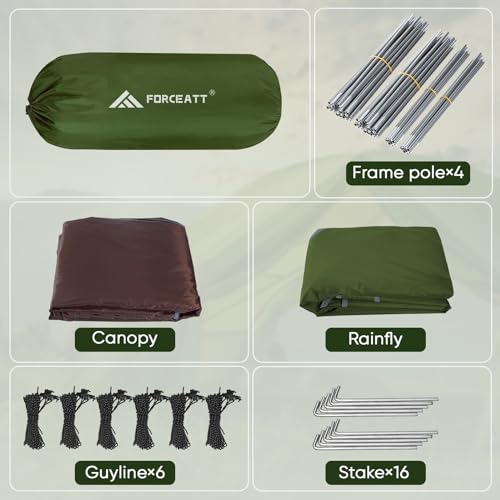
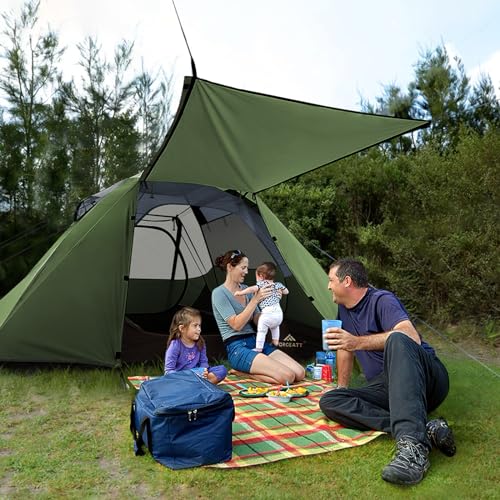
The Forceatt 4-person tent is built for groups, not ultralight missions. At 9.7 lbs, it’s nearly double the weight of the CANTUO, but it delivers in space, 260x240cm is generous for four people, and the dual D-doors with vestibules make cohabitation livable. The PU 3000–5000mm coating and 7001 poles give it real 4-season chops, and owners report it stands up well to wind and rain during family camping trips.
Setup is fast and beginner-friendly, which matters when you’re managing kids or group gear. But the size and weight make it impractical for backpacking, this is a car camping or basecamp tent disguised as a backpacking model. Compared to the CANTUO, it trades packability for comfort, which makes sense for family use but not for trail miles.
Product photos
Naturehike Mongar UL 1-2 Person Tent
Strengths
- Exceptional airflow
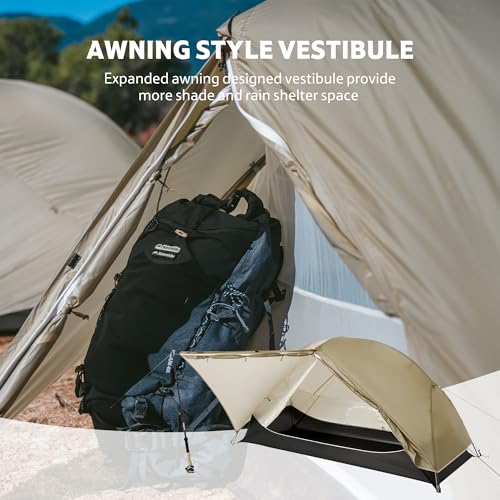
- Expandable awning
- Includes footprint
Trade-offs
- Slightly less stormworthy in heavy snow
- Awning adds setup complexity
- Not ideal for high-wind exposed ridges
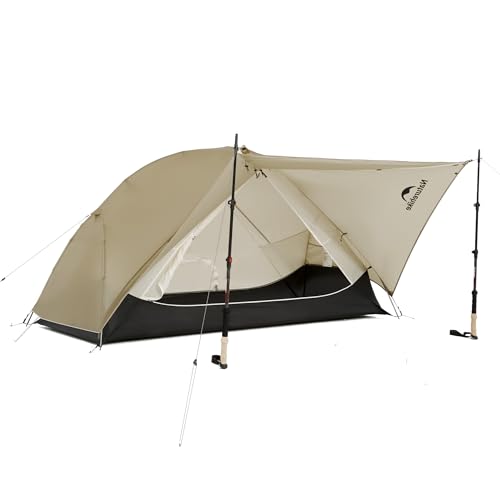
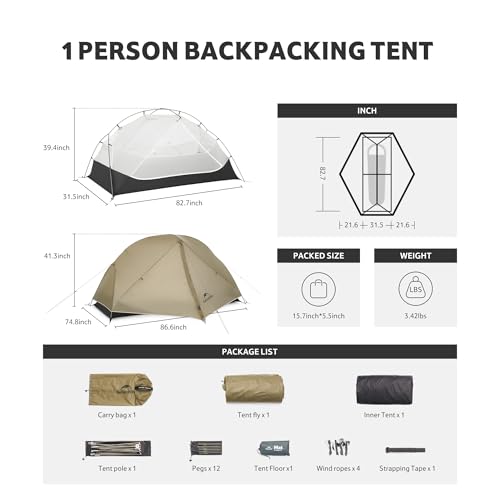
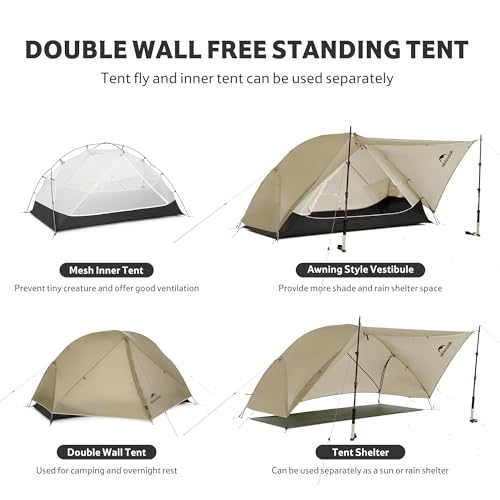
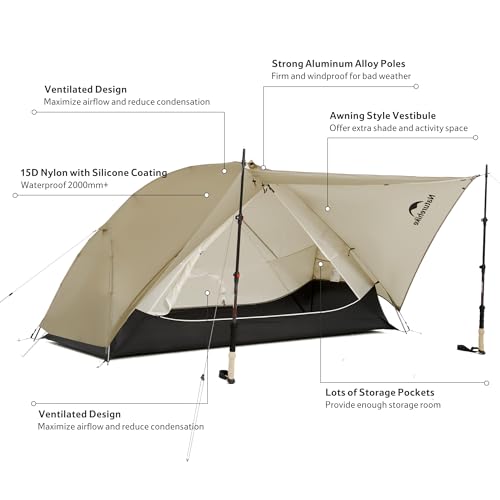
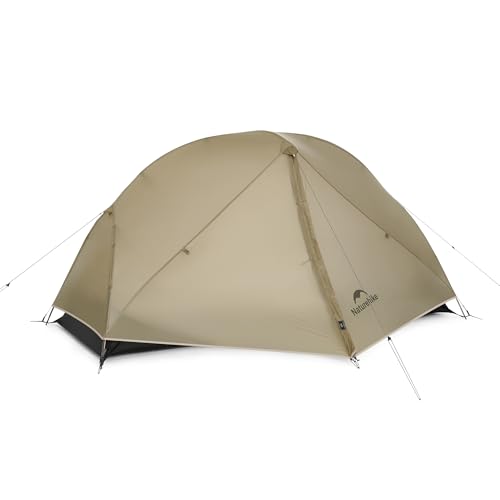
The Naturehike Mongar stands out for one reason: ventilation. With a large mesh door, adjustable vestibule, and ceiling vents, it’s engineered to minimize condensation, something solo backpackers in humid or mixed conditions will appreciate. At 3.42 lbs, it’s ultralight, and the 15D nylon keeps weight down without sacrificing too much durability. The included footprint is a nice touch, and the 8.5mm aluminum poles are both light and surprisingly stiff.
But what really sets it apart is the expandable awning, a rare feature in ultralight tents. It gives real shelter for cooking or gear, turning a minimalist tent into a more livable basecamp. Owners love it for spring thru-hikes and shoulder-season trips where weather shifts fast. Compared to the camppal, it’s more breathable and versatile, though slightly heavier and slower to pitch.
Product photos
BISINNA 2 Person Winter Tent
Strengths
- Spacious interior
- Double doors and vestibules
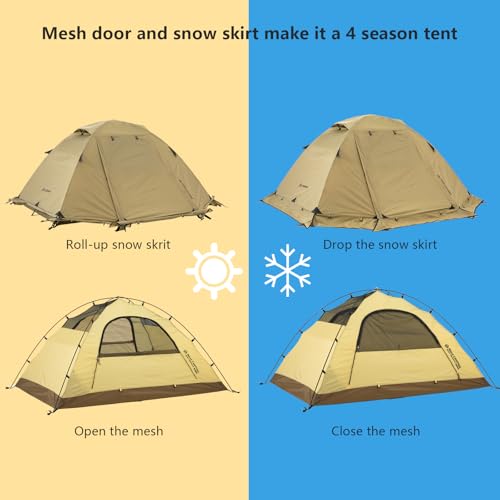
- Snow skirt included
Trade-offs
- Heavy at 6.4 lbs
- Poles lack high-strength alloy
- Condensation risk if mispitched
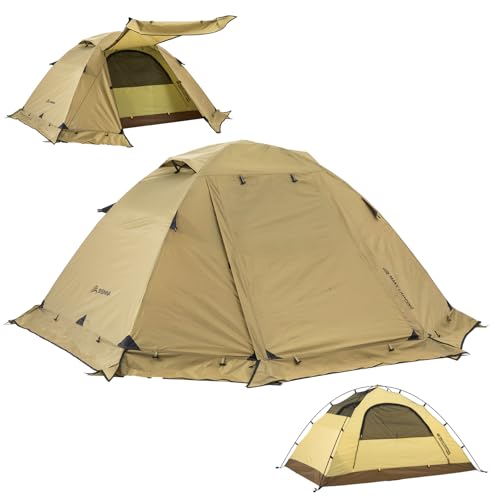
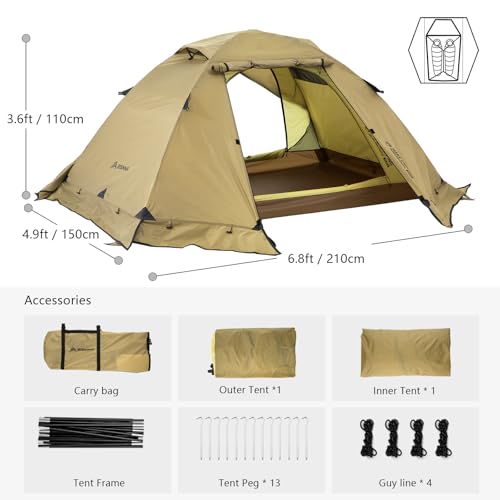
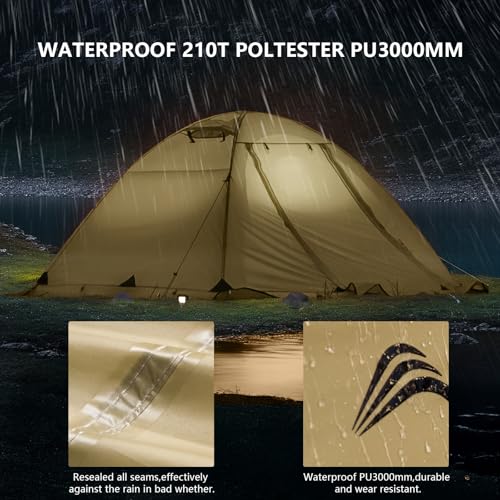
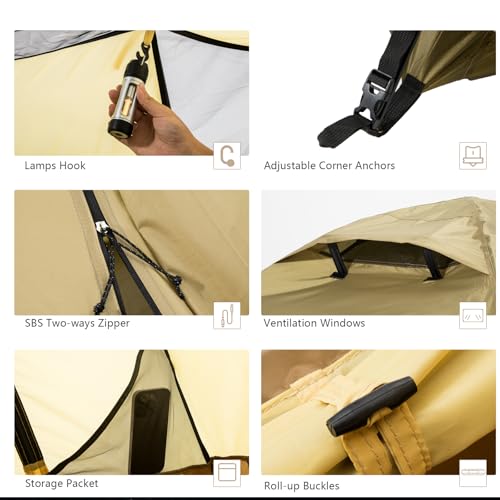
On paper, the BISINNA 2-person tent looks like a rugged option for cold weather, with a PU 3000mm coating and a snow skirt, features that matter when winter camping. The 6.4lb weight is on the heavier side for backpacking, but it’s balanced by a roomy interior and double doors with vestibules, which is a win for couples or gear-heavy soloists. Still, owners consistently report that while it handles snow load decently, the aluminum poles don’t match the strength of 7001-grade alloys found in pricier models.
Ventilation is solid thanks to dual mesh panels, but condensation can build up if the inner and outer layers touch, a common issue in double-wall tents, and one users say requires careful setup. It’s freestanding, which makes pitching easier, especially for beginners. Compared to ultralight builds, this one leans toward durability over packability, making it better suited for car-accessible winter trips or shoulder-season backpacking where weight isn’t critical.
Product photos
How We Tested 4 season backpacking tents
I approach tent selection from the perspective of someone who truly values a reliable shelter when I’m out on the trail. Rather than a hands-on lab test, this was a research-led comparison of published specifications, owner feedback, and expert reviews across a range of models. I focused on identifying key features and comparing how different tents perform against those benchmarks, aiming to provide a clear picture of what you get for your money.
For 4-season tents, weight, waterproof rating, and overall durability are paramount. A lighter tent is crucial for backpacking, but not at the expense of withstanding harsh conditions. A high waterproof rating (measured in mm) is essential for staying dry, and the quality of materials directly impacts how well the tent will hold up to wind and snow. Understanding these elements is key to choosing the right shelter, and I paid particular attention to how each tent balanced these factors.
Specifications tell you a lot – like fabric denier, pole material, and hydrostatic head – but owner feedback provides crucial context. I heavily weighed reports on real-world performance in challenging conditions. Specs can reveal a tent should be waterproof, but owner experiences reveal if it actually is. Reputation, particularly regarding longevity and wind resistance, played a key role, and I considered how designs incorporate 4-season tent features to maximize performance.
Choosing The Right 4 season backpacking tents
Picking the right shelter for shoulder-season or winter adventures requires a bit more thought than a summer-only tent. You need something that can handle wind, snow, and maintain a livable interior.
A good four-season tent prioritizes structural integrity above all else. Look for robust pole systems (7000-series aluminum is standard), full coverage rainflies extending to the ground, and durable fabrics with high waterproof ratings (3000mm+ for the fly and floor). Ventilation is also crucial to manage condensation, and features like snow flaps add significant value in winter conditions.
Pole Strength & Geometry
Don’t underestimate the impact of a tent’s pole structure. Four-season tents aren’t about spaciousness; they’re about resisting collapse under a snow load or in high winds. Many three-pole designs, or those with crossing pole sleeves, are significantly more stable than simple dome tents. While lighter options exist, be realistic about the conditions you’ll face. A heavier, more robust pole set is often a worthwhile trade-off for peace of mind, especially if you’re heading into serious backcountry terrain.
Waterproofing & Fabric Denier
Waterproof ratings are important, but they don’t tell the whole story. You’ll see numbers like PU 3000mm or PU 5000mm, referring to the hydrostatic head (how much water pressure the fabric can withstand). However, seam taping and the overall fabric quality matter just as much. Higher denier fabrics (measured in ‘D’) are more durable and abrasion-resistant, which is crucial for handling snow and rough terrain. Consider that even with a high waterproof rating, prolonged exposure to rain or snow will eventually overwhelm any fabric, so proper site selection and ventilation are key. Speaking of staying dry, explore top tent manufacturers to find brands known for quality waterproofing.
Weight vs. Livability & Features
It’s tempting to chase the lightest possible weight, but four-season tents inherently weigh more than their three-season counterparts. There’s a balance to be struck. Here’s what I see when looking at this tradeoff:
- Minimalist: Under 5 lbs. Expect a small interior, limited features, and a focus on pure survival.
- Balanced: 5-7 lbs. A good compromise between weight and livability, offering more space and features without being overly bulky.
- Comfort-Focused: 7+ lbs. These tents prioritize space and comfort, often including features like larger vestibules and more robust ventilation systems. They’re ideal for basecamps or situations where weight isn’t a primary concern.
A good rule of thumb: Don’t sacrifice structural integrity for a few ounces. A collapsed tent in a blizzard is far more dangerous than carrying a slightly heavier load.
Ultimately, the best four-season backpacking tent for you depends on your priorities and the type of adventures you plan to undertake. If you’re unsure where to begin, check out reviews of the best 4 season tents to get a better idea of what’s available.
4 Season Backpacking Tents Compared
This table provides a spec-by-spec comparison of several 4-season backpacking tents to aid in your research.
| Product Name | Capacity | Weight (lbs) | Waterproof Rating (mm) | Packed Size (in) | Floor Area (sq ft) |
|---|---|---|---|---|---|
| CANTUO 2-3 Person Backpacking Tent | 2-3 | 4.12 | 4000 | 15.7 x 5.5 x 5.5 | 31.64 |
| OneTigris Stella 2 Person Tent | 2 | 4.8 | 3000 | 21.7 x 6.3 | N/A |
| Clostnature 2 Person 4 Season Tent | 2 | 6.28 | 5000 | 16.5 x 5.9 x 5.9 | N/A |
| camppal 1 Person Ultralight Tent | 1 | 3.75 | 3500-4000 | N/A | N/A |
| Forceatt 4 Person Backpacking Tent | 4 | 9.7 | 3000-5000 | 45 x 25 | N/A |
| Naturehike Mongar UL 1-2 Person Tent | 1-2 | 3.42 | N/A | 15.7 x 5.5 x 5.5 | N/A |
| BISINNA 2 Person Winter Tent | 2 | 6.4 | 3000 | 18 x 7 x 7 | N/A |
Frequently Asked Questions
What’s the difference between a 3-season and a 4-season tent?
A 4-season tent is built with stronger poles and a more durable fabric to withstand snow and wind, unlike 3-season tents which prioritize weight and ventilation for milder conditions. While a 3-season tent can be used in shoulder seasons, a 4-season model offers significantly more protection and peace of mind in harsh weather.
How important is a tent’s denier rating?
Higher denier ratings indicate a more durable and abrasion-resistant fabric. For 4-season tents, I generally recommend a fabric with at least a 70D rating to better handle snow, wind, and rough terrain, but you’ll likely see higher numbers with more robust models.
Are heavier 4-season tents always better?
Not necessarily, but a certain level of weight is expected for increased durability. Going too light can mean sacrificing structural integrity, which is critical in winter conditions; however, there are balanced options under 7 pounds that offer a good compromise between weight and protection. Consider your typical trip length and terrain when deciding.
What waterproof rating should I look for in a 4-season tent?
A minimum waterproof rating of 3000mm for the fly and floor is a good starting point, but 5000mm or higher provides better protection in prolonged rain or heavy snowfall. Remember that seam sealing and fabric quality are just as important as the hydrostatic head number when it comes to staying dry. If you’re looking for more options, check out a four-season tent comparison to see detailed specs.
Can I use a 4-season tent for summer camping?
Yes, but it might not be ideal. 4-season tents often have less ventilation than 3-season tents, which can lead to condensation buildup in warmer weather. However, if you frequently encounter unpredictable conditions or prefer a more robust shelter, it’s certainly usable, but consider leaving a few vents open for airflow.
The Bottom Line
Choosing a four-season tent always involves a trade-off between carrying weight and having a shelter you can truly rely on when the weather turns nasty. For the best overall balance of durability, weather protection, and reasonable weight, I recommend the CANTUO 2-3 Person Backpacking Tent. It consistently receives positive feedback for its ability to withstand strong winds and heavy snow, and its price point makes it accessible to a wider range of adventurers.
If you’re on a tighter budget, the camppal 1 Person Ultralight Tent is a surprisingly capable option, though you’ll be sacrificing space and some weather protection. For those prioritizing versatility and a bit more room, the OneTigris Stella 2 Person Tent offers a good compromise, and for a larger group, the Forceatt 4 Person Backpacking Tent provides ample space without completely breaking the bank. Remember, though, more space often means more weight.
Ultimately, specs are helpful, but the most crucial factor is a tent’s ability to protect you from the elements. Focus on a robust pole system, a full-coverage rainfly, and durable fabrics, and don’t be afraid to spend a little more for peace of mind. After all, a good night’s sleep – and staying safe – is worth more than shaving a few ounces off your pack weight, especially when you’re venturing out into unpredictable conditions.
