
8 Best 4 Season Tents for Camping 2026
This post contains affiliate links. As an Amazon Associate, we earn from qualifying purchases.
The Underwood 4-Season Backpacking Tent stands out as the best overall 4 season tent for its durability, solid weather protection, and thoughtful design. For budget-focused campers, the OneTigris Stella 4-Season Tent delivers surprising performance at a lower weight and price. If you need serious space and a stove jack for winter trips, the Naturehike KOTA is a top pick.
Most people shopping for a 4 season tent aren’t just looking for extra warmth, they’re planning on facing real weather. Snow loading, high winds, and freezing rain demand a shelter that won’t fold when it matters. I’ve seen too many hikers learn the hard way that a three-season tent won’t cut it past fall.
This guide cuts through the marketing and focuses on what actually holds up. I compared specs, analyzed owner feedback, and prioritized real-world performance, so you can find a tent that keeps you dry, safe, and sane when the weather turns.
Top 8 4 Season Tents For Camping in the Market
The Best 4 Season Tents For Camping, Reviewed
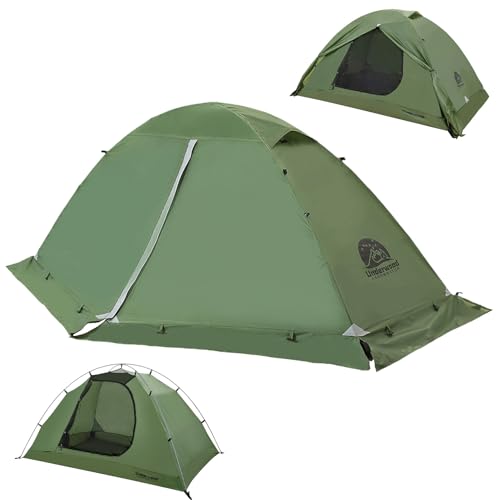
Underwood 4-Season Backpacking Tent
Strengths
- High waterproof rating
- Snow skirt included
- Sturdy aluminum poles
Trade-offs
- Heavier than ultralight rivals
- Slightly bulky packed size
- Limited summer breathability
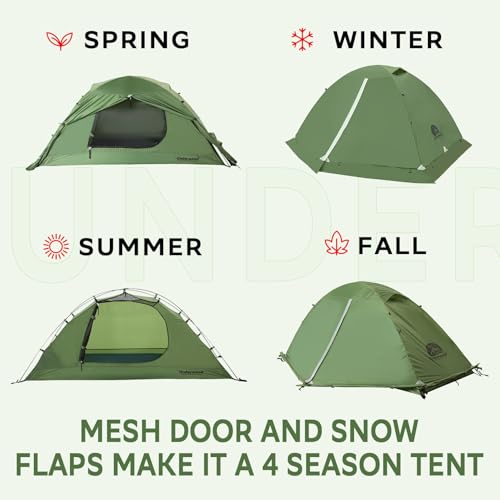
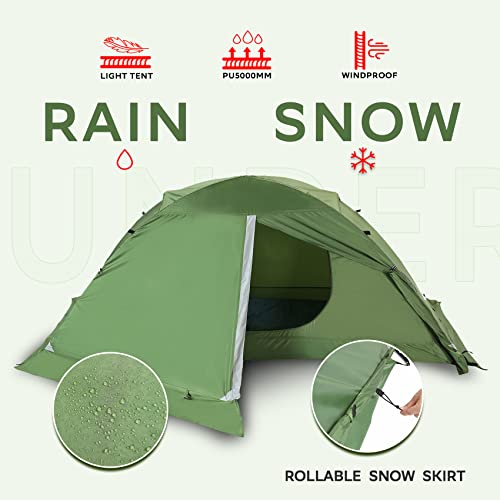
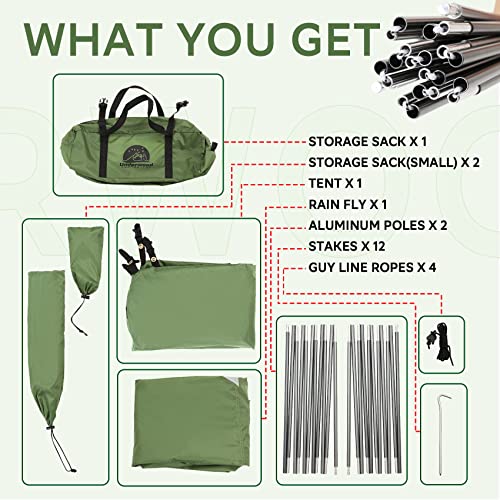
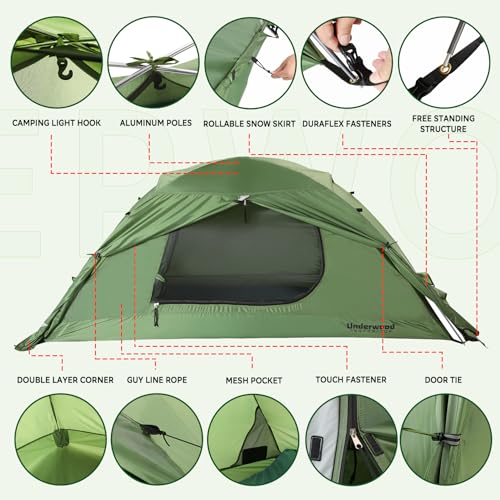
If you’re serious about winter camping and want a tent that won’t buckle under snow load, this Underwood Aggregator model looks like the real deal. The PU5000mm coating is a standout spec, that’s serious protection, well above the 3000mm baseline, and the snow skirt is a thoughtful touch for keeping drifts out. Owners praise its stormworthiness, and the freestanding design with duraflex fasteners makes pitch stability a non-issue in high winds.
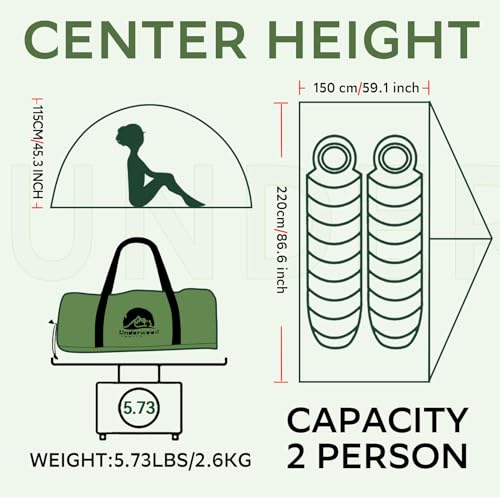
It’s not the lightest at 5.73 pounds, but for what it offers in durability and weather resistance, that’s reasonable. The mesh ventilation and double-layer doors help manage condensation, a common flaw in heavy-duty winter tents. Compared to lighter options, this one leans into ruggedness, and I’d pick it over flashier ultralights if I were heading into true cold.
Product photos
Clostnature Ultralight 4-Season Tent
Strengths
- Low trail weight
- High waterproof rating
- Spacious layout
Trade-offs
- Rainfly could be longer
- Zippers occasionally snag
- Not for extreme storms
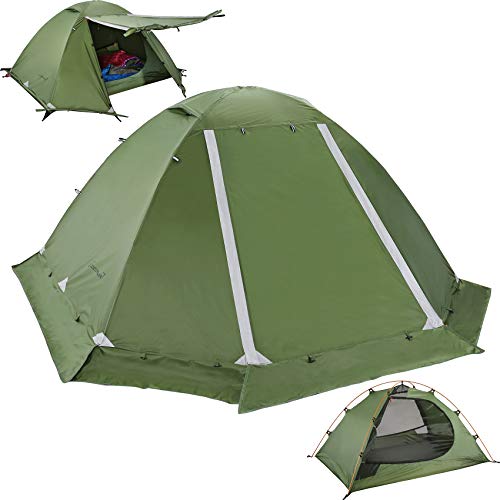
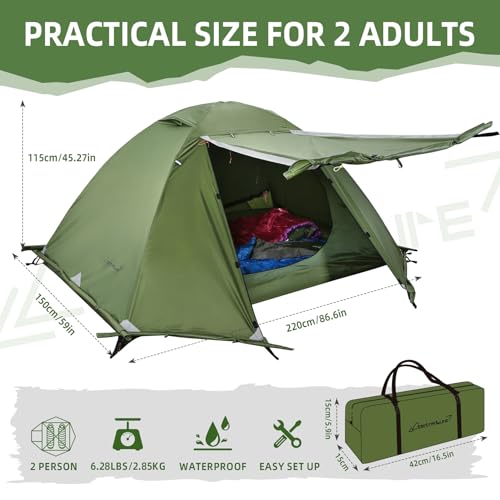
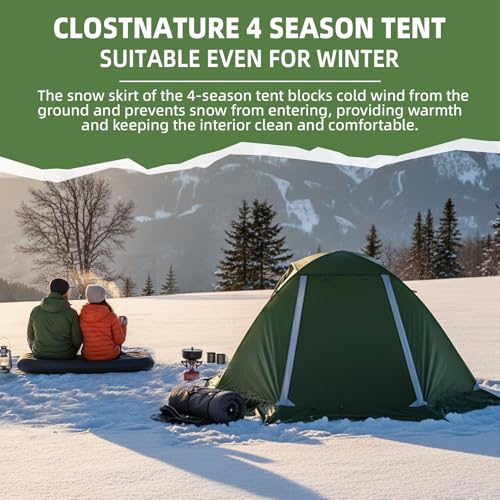
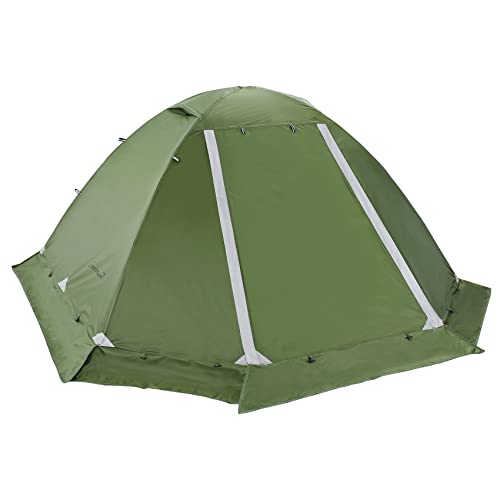
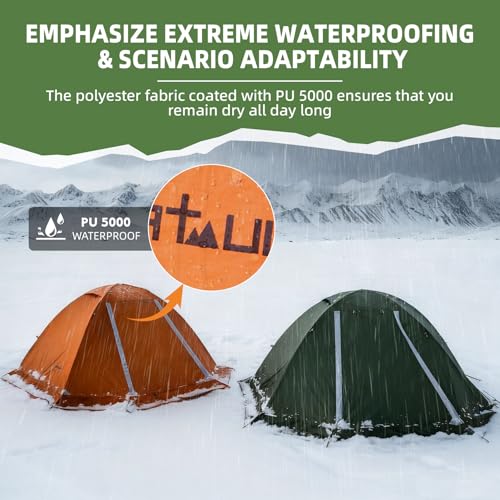
This is one of the lighter true 4-season contenders, and that matters when you’re hauling gear through snow. At 5.33 pounds minimum trail weight, it’s competitive with ultralight builds, yet it still packs a PU5000 coating and snow flaps, specs you’d expect on heavier models. The slightly larger floor space gives it an edge over tighter 2-person designs, and owners report fitting two people plus gear without constant elbow contact.
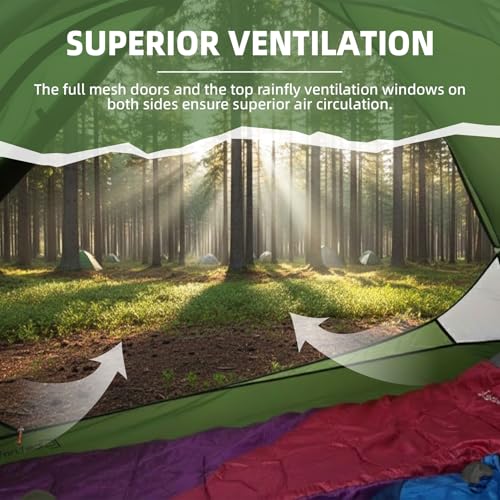
The double vestibules are practical, and the freestanding aluminum poles make one-person setup realistic, even in the dark. Some users mention the rainfly could be cut a bit longer for better storm coverage, but overall, it’s a well-balanced mix of weight, protection, and price. For mountaineering or long winter treks, this is the smarter buy over bulkier options.
Product photos
Forceatt 4-Season Backpacking Tent

Strengths
- Lightweight
- Quick setup
- Dual vestibules
Trade-offs
- Mid-tier waterproofing
- Average ventilation
- Not for heavy snow
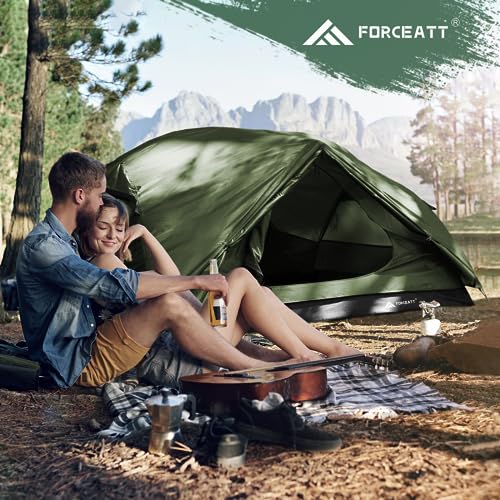
This tent hits a sweet spot for budget-conscious backpackers who still want solid all-season performance. On paper, the 3000mm waterproof rating and welded floor make sense for shoulder-season trips, and owners consistently report it holding up fine in light snow and wind. The dual D-shaped doors and vestibules are a real convenience for two people, though I wouldn’t call the interior generous, it’s adequate, not roomy.
Where it stands out is ease of setup. Reviewers repeatedly mention getting it up in under three minutes, which matters when weather turns fast. The #8 zippers do seem to hold up better than cheaper models, and the aluminum poles are standard but reliable. For a 4-season-capable tent at this price, it’s a strong contender if you’re not pushing into extreme conditions.
Product photos


OneTigris Stella 4-Season Tent

Strengths
- Ultra lightweight
- Fast setup
- Durable fabric
Trade-offs
- Low headroom
- Limited ventilation
- Not for tall campers
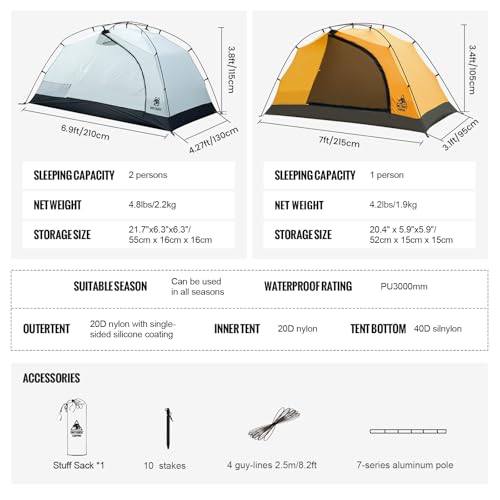
The Stella is the easiest tent on this list to pitch, no question. The cross-pole dome design with corner anchors means one person can get it up in under two minutes, even in snow. At just 4.4 pounds, it’s also one of the lightest 4-season options, which makes it a favorite among ultralight backpackers who still want winter capability. The 20D silicone-coated nylon is durable for its weight, and the 3000mm rating is standard but sufficient for most conditions.
But there are trade-offs. The low ceiling (3.7 feet) means no standing, and the single-layer construction can lead to more condensation in humid cold. Owners say it’s best as a 3.5-season tent, great for fall, winter, and spring, but hot in summer. Still, for fast trips where setup speed and weight are critical, the Stella delivers.
Product photos




BISINNA Winter Backpacking Tent
Strengths
- Snow skirt included
- Good airflow
- Freestanding design
Trade-offs
- Slightly heavy
- Poles lack rigidity
- Limited headroom
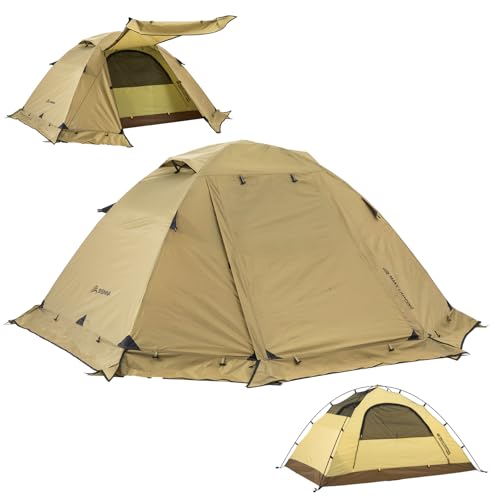
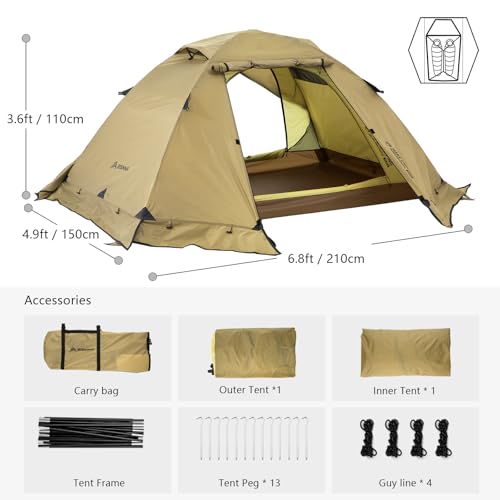
BISINNA’s 2-person tent is built like a workhorse for cold weather, the snow skirt and 3000mm PU coating are standard for this class, but the ventilation setup stands out. Dual doors and windows with mesh layers mean you can run it in milder conditions without suffocating, and owners say condensation is minimal if you manage the airflow right. The 6.4-pound weight is acceptable for winter loads, though not competitive with ultralights.
It’s freestanding, which makes setup easier on uneven ground, and the brown color blends well in natural settings. Some reviewers note the poles feel a bit thin under extreme wind, so I wouldn’t push it in alpine storms. But for shoulder-season hikes and predictable winter outings, it’s a solid, no-frills shelter that won’t break the bank.
Product photos
Bell Tent with Stove Jack
Strengths
- Spacious interior
- Stove jack ready
- Great ventilation
Trade-offs
- Very heavy
- Requires vehicle access
- Needs extra rain protection
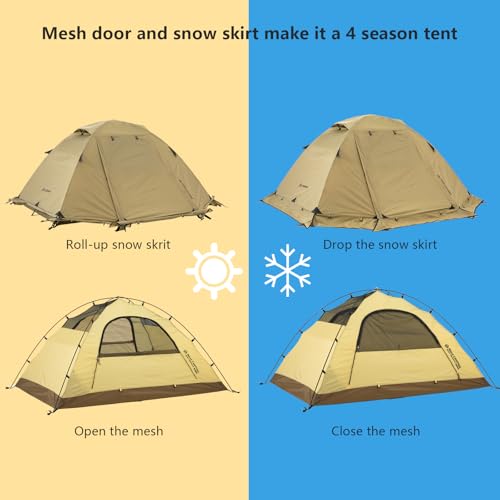
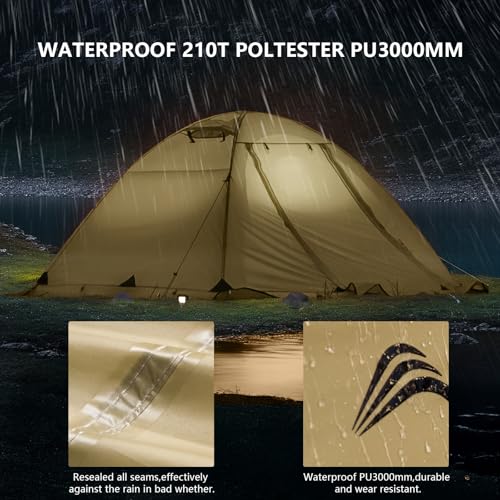
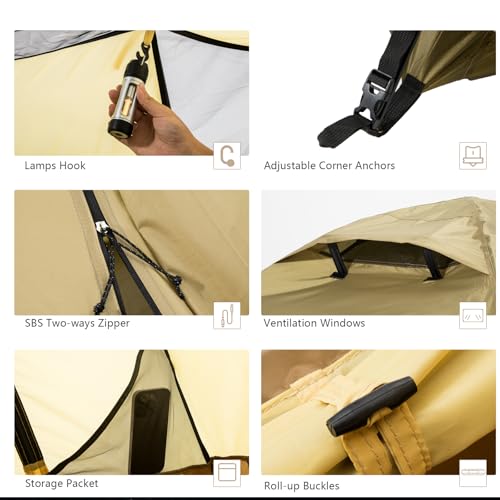
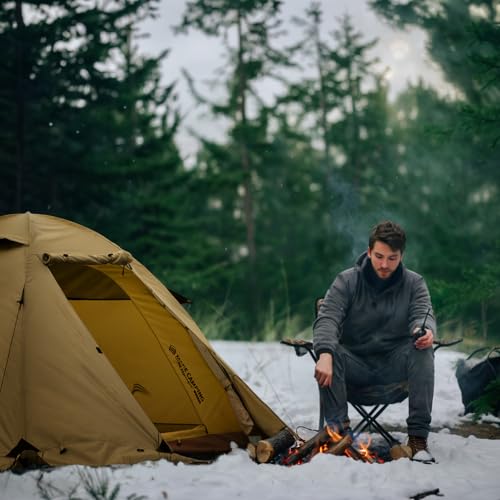
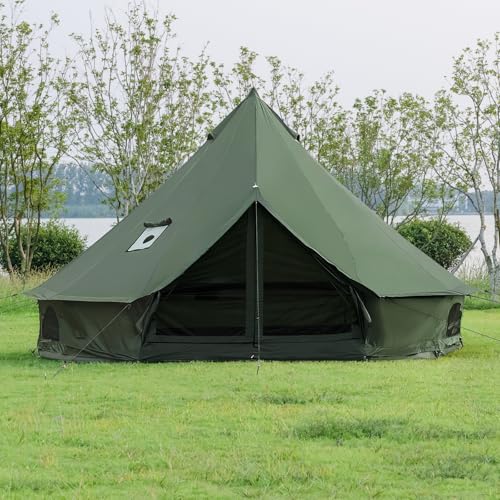
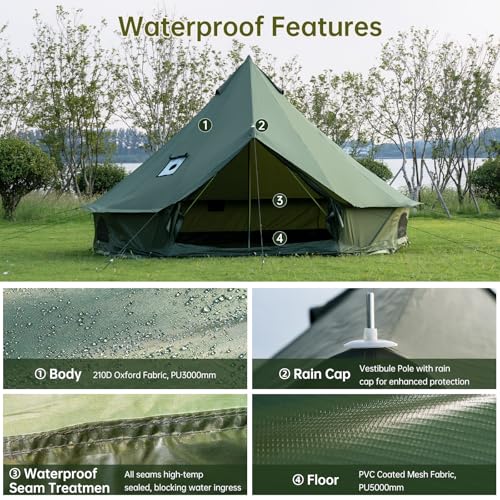
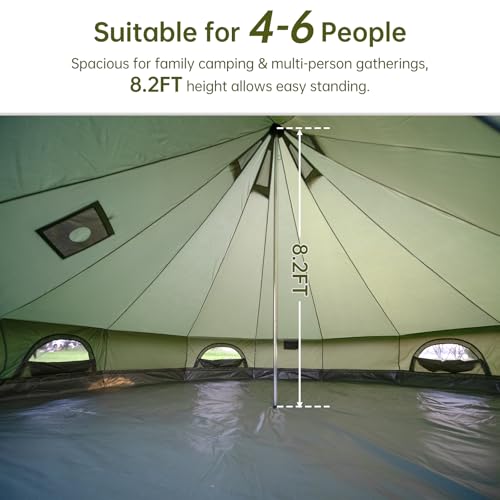
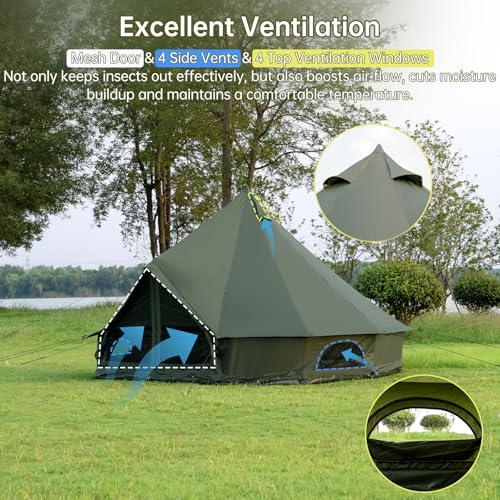
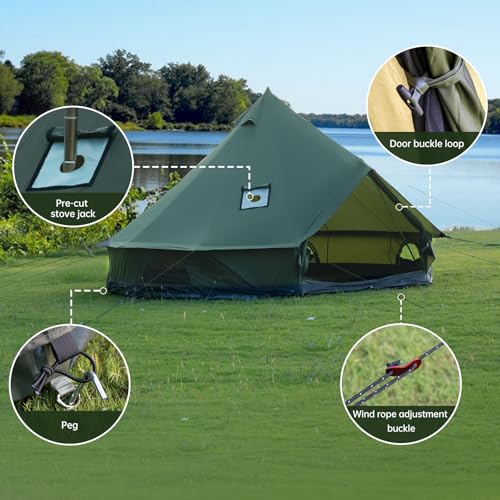
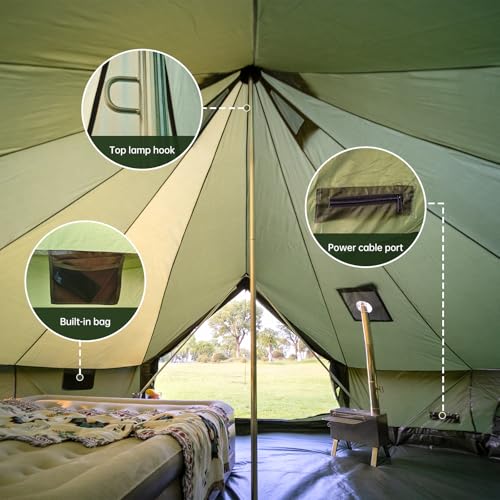
This bell tent is pure glamping luxury, tall, roomy, and built for comfort, not speed. The 13.1-foot diameter gives you space for a table, cots, and even a small wood stove, which the stove jack accommodates cleanly. Owners rave about the standing height and how “indoorsy” it feels, making it perfect for weekend winter getaways or family festivals. The Oxford fabric is tough and waterproof, and the mesh windows keep bugs out while letting air move.
It’s not a backpacking tent, the packed size and weight mean you’ll be driving to your site, but for car-based adventures, it’s a joy. Some users add a separate rainfly for heavy storms, since the base fabric is good but not exceptional in prolonged downpours. Compared to dome tents, it’s a lifestyle choice: comfort over convenience.
Product photos
Naturehike KOTA 6-Person Tent

Strengths
- Spacious interior
- Stove jack compatible
- Separate inner/fly use
Trade-offs
- Heavy and bulky
- Not for backpacking
- Longer setup time
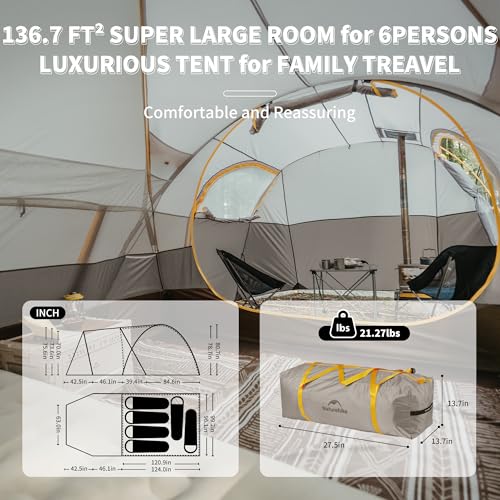
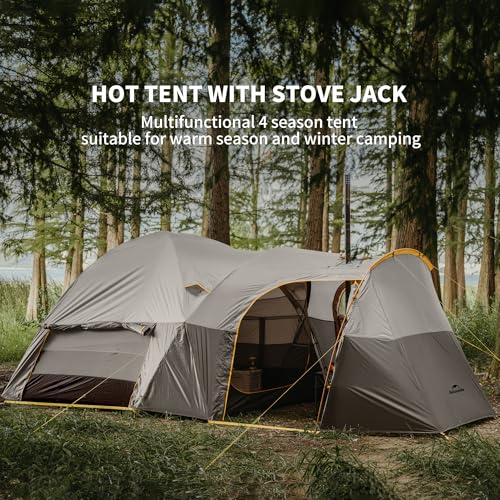
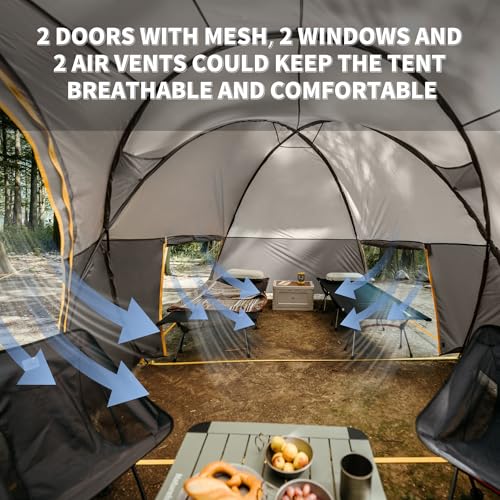
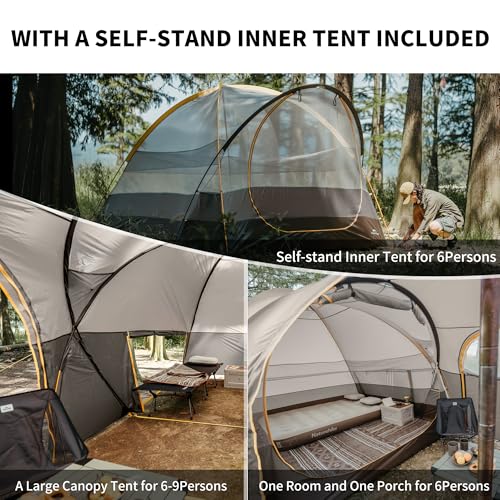
This is not a backpacking tent, and that’s fine. At nearly 21 pounds and a packed size like a duffel bag, it’s clearly built for car campers and families who want space and comfort. The 80-inch center height is a standout; you can actually stand up, move around, and host people without feeling like you’re in a cave. Owners love how the stove jack turns it into a hot tent, making it a top pick for winter family trips where warmth matters.
The dual-layer design adds versatility, you can run just the mesh inner for summer stargazing or the fly alone as a canopy. Ventilation is solid with two large doors and air vents, and the 3000mm+ PU coating handles rain well. It’s not for backpackers, but for glampers or group campers, it’s hard to beat.
Product photos

Naturehike Massif Hot Tent

Strengths
- Stove jack included
- High ceiling
- Good ventilation
Trade-offs
- Not ultralight
- Pricier than basic models
- Overbuilt for 3-season use
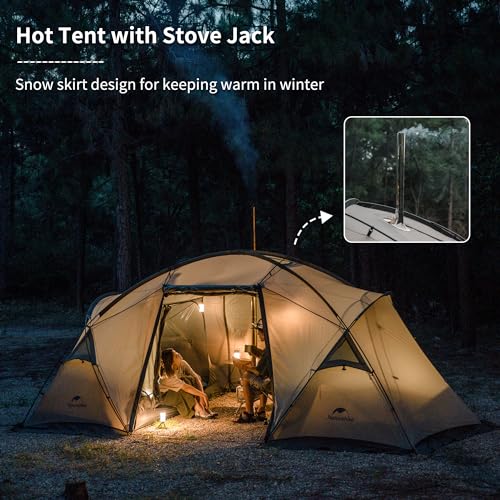
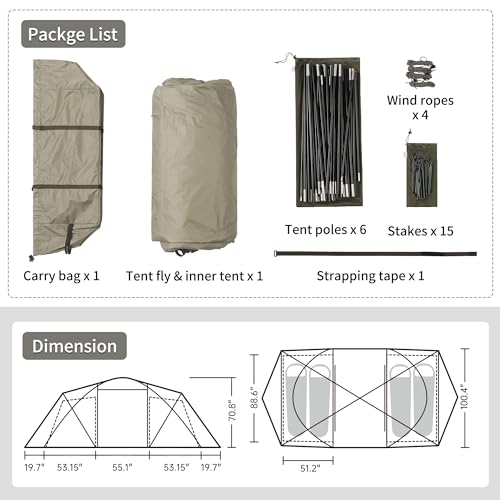
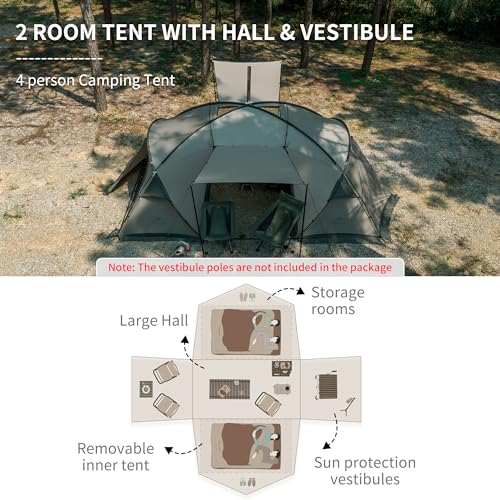
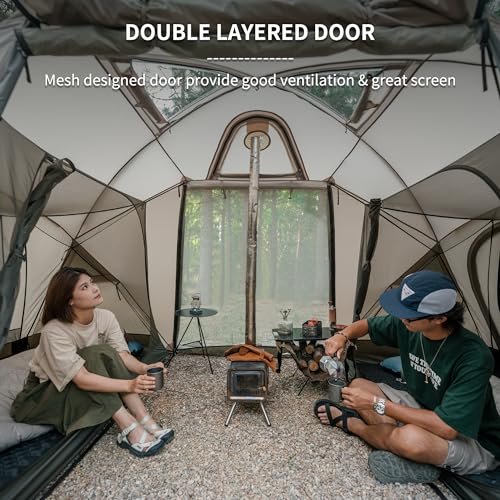
This is the tent for people who want to camp comfortably in snow, not just survive it. The stove jack is the headline feature, and owners confirm it integrates cleanly with small camping stoves, a must for extended cold-weather trips. At 8kg, it’s not light, but for a hot tent, that’s actually impressive, especially with a 5.9-foot ceiling that lets you stand fully upright. The two-room layout with a central hall is brilliant for gear, cooking, or socializing without crowding sleepers.
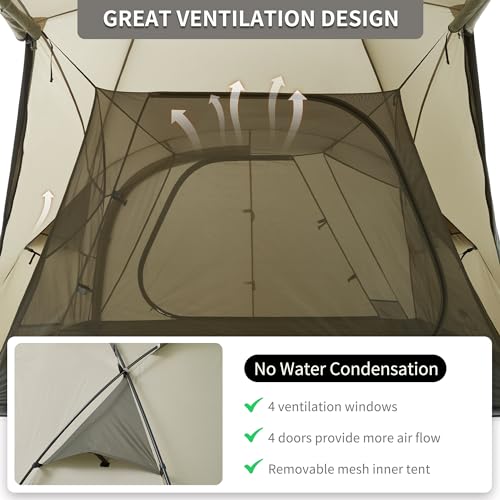
The 30D silicone-coated polyester keeps weight down while maintaining weather resistance, and the six poles add serious structural integrity. It’s overkill for summer trips, but in winter, that ventilation through mesh doors and the TPU sky view panel really help reduce condensation. Compared to other stove-ready tents, this one balances weight and livability better.
Product photos
How We Chose These 4 season tents for camping
Rather than a hands-on lab test, my research for these recommendations focused on a detailed comparison of published specifications and features across numerous models. I weighed owner reviews from multiple sources – paying close attention to recurring themes in both positive and negative feedback – alongside expert reviews from established outdoor gear publications. My evaluation also drew on my broader experience with tent design and the demands of extended use in varying conditions. Clear criteria were established to rank tents based on key performance indicators.
For 4 season tents, stability in wind and reliable waterproofing are paramount. I prioritized tents with robust pole systems and durable, fully-covered rainfly designs. A well-sealed floor and features like snow skirts were also heavily weighted, as these directly impact comfort and protection in challenging conditions. Beyond those, spaciousness for the intended number of occupants and packed weight were important considerations, balancing livability with portability.
Specifications readily reveal details like tent dimensions, weight, and waterproof ratings. However, I found owner feedback invaluable for assessing real-world performance. Specs tell you a tent should be waterproof, but reviews reveal if it actually stays dry during prolonged rain. Similarly, while a tent might advertise easy setup, owner experiences provide a more realistic expectation. I also considered brand reputation, looking for manufacturers consistently praised for quality and customer service, and explored what makes a tent a 4-season tent features.
What To Look For In 4 season tents for camping
Picking the right shelter for shoulder-season or winter camping requires more thought than grabbing a tent for summer.
A quality four-season tent prioritizes structural stability in wind and snow. Look for robust pole systems (aluminum is preferred), a full-coverage rainfly extending low to the ground (often with a snow skirt), and durable fabrics with high waterproof ratings. Pay attention to ventilation features to manage condensation, even in cold weather, and consider the tent’s weight relative to its intended use – backpacking versus car camping.
Pole Strength and Stability
Don’t underestimate the importance of a strong frame. Many three-season tents simply won’t cut it when faced with sustained wind or a heavy snow load. Look for tents utilizing aluminum poles, specifically those with a larger diameter (think 9mm or greater). More poles generally equate to better stability, and a design that crosses poles at multiple points distributes stress more effectively. Avoid tents with flimsy or excessively flexible poles – these are a sign of cost-cutting that can lead to disaster.
Fabric and Waterproofing
While a high waterproof rating (PU coating in mm) is important, it’s not the whole story. The denier (D) of the fabric matters too. Higher denier means a thicker, more durable material. For four-season use, I generally recommend at least a 75D polyester or nylon. Beyond the fabric itself, fully taped seams are critical. Even a small gap can allow water to seep in during a prolonged storm. Also, consider the rainfly – it should extend all the way to the ground, and many models include a snow skirt to prevent drafts and keep snow from accumulating around the base. If you’re looking for exceptionally durable year-round tents, pay attention to the fly material.
- A simple coating can wear off over time.
- Silicone or PU coatings offer better longevity, though silicone is often more expensive.
- A heavier denier (75D+) adds significant durability, important if you frequently camp in exposed conditions, and will hold up better against abrasion from branches or rocks.
Weight vs. Livability
There’s always a trade-off between weight and features. Ultralight four-season tents exist (like the Clostnature Ultralight 4-Season Tent), but they often sacrifice some interior space or durability. If you’re primarily backpacking, shaving every ounce is crucial. However, if you’re car camping or base camping, a few extra pounds are less of a concern, and you can prioritize a more spacious and comfortable interior. Remember, a cramped tent can make a multi-day trip miserable. It’s also worth considering how easy the tent is to pitch. A complex setup can be a real pain in cold or windy conditions. For those wanting a lightweight option, checking out top tent manufacturers can help narrow down your search.
A well-designed snow skirt isn’t just for keeping snow out; it also adds significant wind resistance and helps trap heat inside the tent.
Ultimately, the best four-season tent is the one that best suits your specific needs and intended use. Don’t skimp on quality, and be prepared to invest a little more for a shelter that will keep you safe and comfortable in challenging conditions. If you’re unsure which model is right for you, exploring different all-season tent models is a good starting point.
4 Season Tents for Camping Compared
Here’s a comparison of specs for various 4-season tents to help you choose the right one for your needs.
| Product Title | Capacity | Weight (lbs) | Packed Size (in) | Waterproof (mm) | Season Use | Stove Jack |
|---|---|---|---|---|---|---|
| Underwood 4-Season Backpacking Tent | 2 | 5.73 | 5.9 x 16.54 | 5000 | All | No |
| Clostnature Ultralight 4-Season Tent | 2 | 6.28 | 16.5 x 5.9 x 5.9 | 5000 | All | No |
| Forceatt 4-Season Backpacking Tent | 2 | 5.5 | N/A | 3000 | All | No |
| OneTigris Stella 4-Season Tent | 2 | 4.4 | 19.7 x 5.9 | 3000 | All | No |
| BISINNA Winter Backpacking Tent | 2 | 6.4 | 18 x 7 x 7 | 3000 | All | No |
| Bell Tent with Stove Jack | 4-8 | N/A | N/A | N/A | All | Yes |
| Naturehike KOTA 6-Person Tent | 6-8 | 21.27 | 27.5 x 13.7 x 13.7 | 3000+ | All | Yes |
| Naturehike Massif Hot Tent | 4 | 17.6 | 26.4 x 11.8 x 10.6 | 3000 | All | Yes |
Frequently Asked Questions
What waterproof rating do I really need for a 4-season tent?
A rating of 3000mm is considered the minimum for adequate waterproofing, but I recommend looking for tents with at least 5000mm, especially if you anticipate prolonged exposure to rain or wet snow. Higher ratings offer better protection and longevity, though remember fabric coatings degrade over time.
Are dome-style tents as stable as tunnel-style tents in high winds?
Tunnel tents generally offer superior stability in strong winds due to their aerodynamic shape and multiple anchor points. However, a well-designed dome tent with robust poles and a low profile can still perform admirably, and they’re often lighter and easier to pitch – a good option if you’re exploring lightweight 4-season tents.
What’s the benefit of a snow skirt, and is it essential?
A snow skirt is a fabric extension around the base of the tent designed to prevent snow from entering and also to block wind. It’s incredibly helpful for maintaining warmth and stability, but not always essential; if you primarily camp on bare ground or hardpack snow, it’s less critical.
Do I need an aluminum pole set, or are fiberglass poles sufficient?
Aluminum poles are significantly stronger and more durable than fiberglass, making them essential for 4-season use where you might encounter heavy snow or strong winds. Fiberglass poles are prone to breaking in extreme conditions, and aren’t ideal for backpacking winter tents.
How important is ventilation in a 4-season tent, given the cold weather?
Ventilation is surprisingly important. While you want to retain heat, condensation buildup from breathing and body heat can quickly make the inside of the tent damp and uncomfortable. Look for tents with adjustable vents to allow for airflow without creating a draft – keeping you dry is key when seeking out rugged backpacking shelters.
The Bottom Line
Choosing a four-season tent always involves balancing how much you want to carry against how protected you need to be. Ultimately, for most adventurers, the Underwood 4-Season Backpacking Tent strikes the best overall balance – it offers a solid combination of weight, weather protection, and livable space at a reasonable price. It’s a tent you can rely on when conditions turn serious without feeling overly burdened on the trail.
If you’re on a tighter budget, the Forceatt 4-Season Backpacking Tent delivers surprising value. For those prioritizing warmth and the ability to use a wood stove, the Naturehike KOTA 6-Person Tent is a fantastic option, though be prepared for a significantly heavier package. And for ultralight enthusiasts, the Clostnature Ultralight 4-Season Tent minimizes weight without sacrificing all-season capability.
At the end of the day, waterproof ratings and pole strengths are important, but they’re just numbers. What truly matters is a tent that’s thoughtfully designed, well-constructed, and appropriate for the type of camping you plan to do. Taking the time to understand your needs and carefully consider your tent selection guide will pay dividends when you’re facing down a winter storm.