
7 Best Air Tents of 2026
This post contains affiliate links. As an Amazon Associate, we earn from qualifying purchases.
The Vango Airbeam 600 is the best overall air tent for its rugged build and storm-worthy design, while the FUNWAKE Inflatable Tent with Skylight stands out as a smart budget pick that doesn’t skimp on comfort or key features like ventilation and a built-in skylight.
Most people shopping for air tents want speed and space without sacrificing reliability, but too many models look great on paper and fall apart in wind or damp conditions. I’ve spent years studying how tents perform beyond the marketing, and I know what separates a solid shelter from a pop-up disappointment.
This guide cuts through the hype. I researched each pick based on real owner feedback, material specs, and design details that matter when you’re counting on your tent to hold up, from beam durability to ventilation and ease of inflation.
Top 7 Air Tents in the Market
The Best Air Tents, Reviewed
8-12 Person Inflatable Glamping Tent

Strengths
- Spacious 8–12 person layout
- Stove jack included
- Large skylight
Trade-offs
- Bulky for transport
- Needs solid anchoring in wind
- Longer dry time after rain
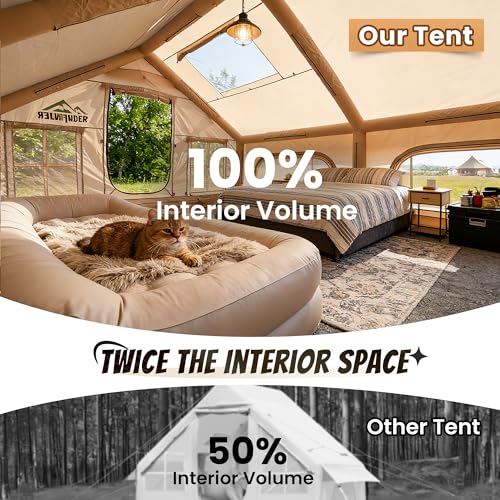
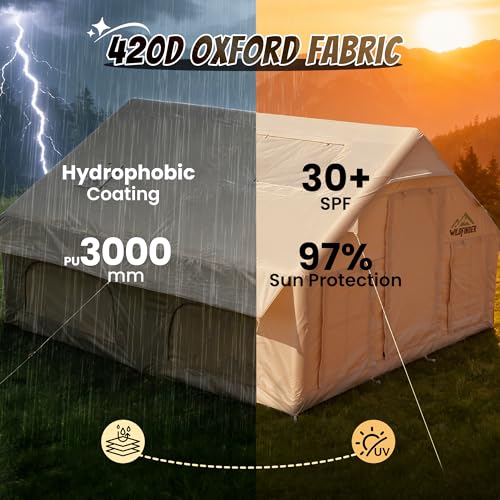
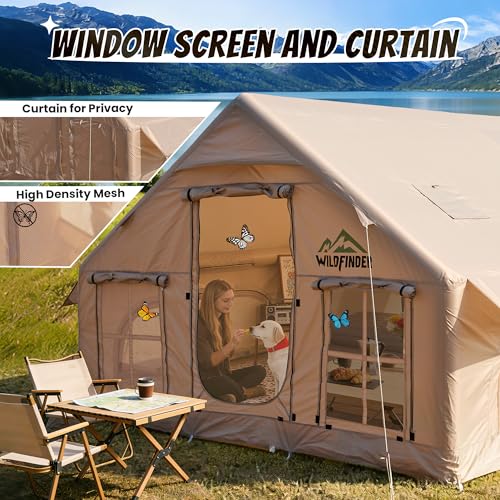
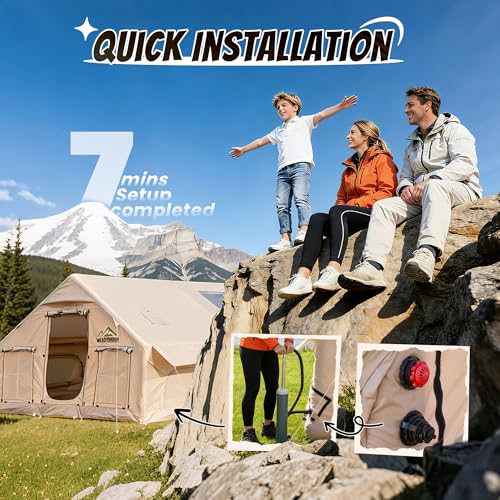
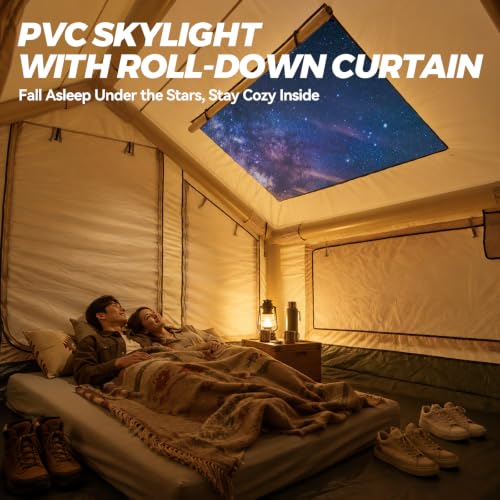
This is the big-ticket glamping dome for groups that want to live large in the wild. On paper, the 8–12 person capacity and nearly 130 sq ft of space make it stand out as one of the most spacious air tents here, ideal for families or crew camping where comfort trumps pack size. The panoramic PVC skylight is a major selling point, turning night skies into immersive experiences, though I’d want to see how well the included privacy curtain seals in real-world use. Owners consistently report it holds up well in light rain thanks to the PU3000mm rating, but its size means wind can be a real challenge without proper guying.
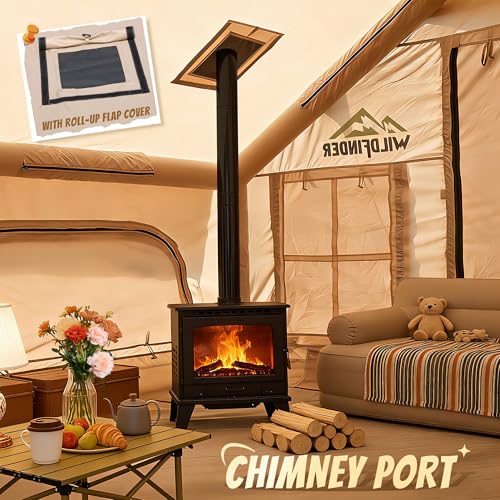
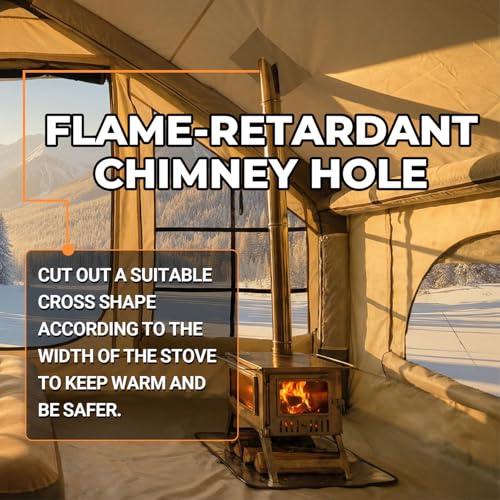
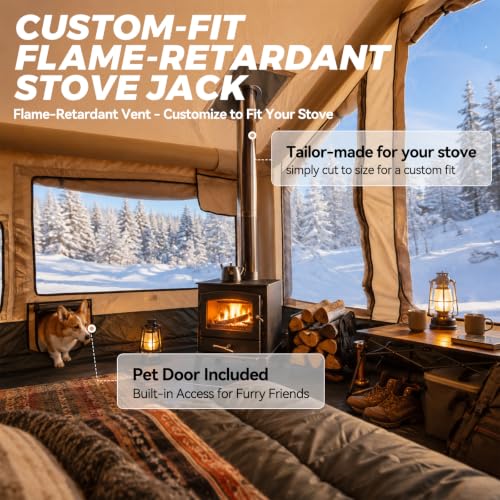
The built-in stove jack is a serious perk for cold-weather camping, but I’d double-check compatibility with your stove pipe diameter, some users note tight fits. Setup is rated at 5 minutes with the included pump, but that assumes flat ground and calm conditions. For a tent this big, I’d still recommend two people for stability during inflation. Compared to the CHERIMOR or WACASA models, this one trades agility for volume.
Product photos
FUNWAKE Inflatable Tent with Skylight
Strengths
- TPU for extreme temps
- Eco-friendly materials
- Complete accessory kit
Trade-offs
- Heavier than PVC models
- Higher price point
- Larger packed size
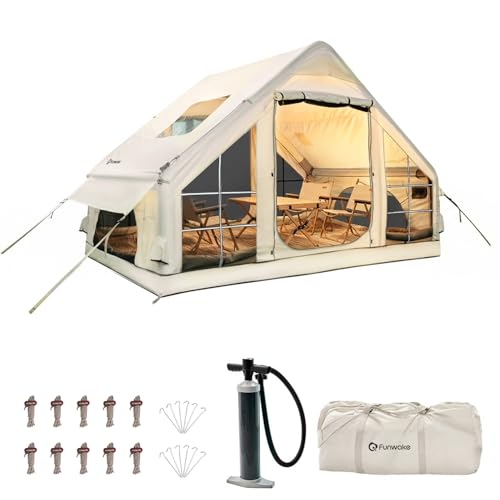
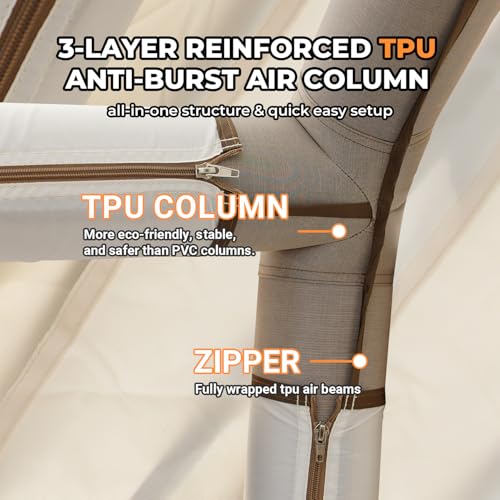
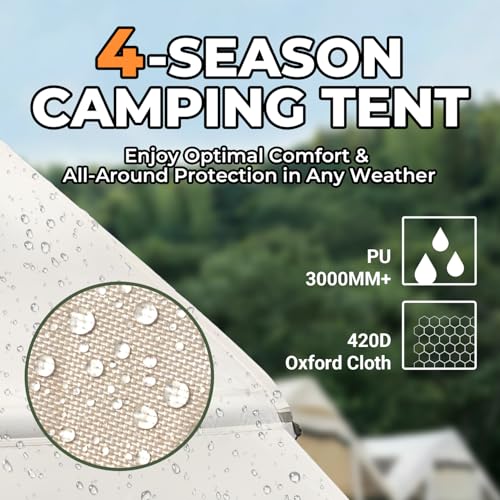
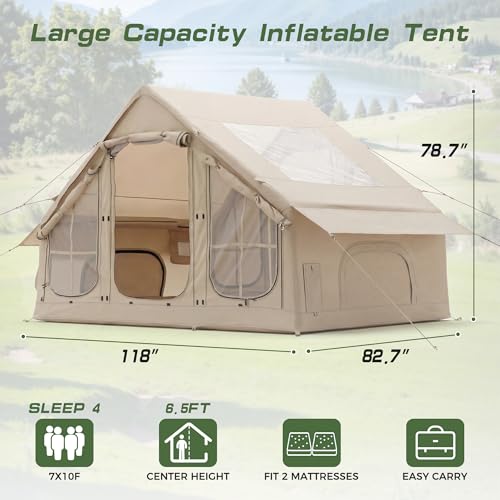
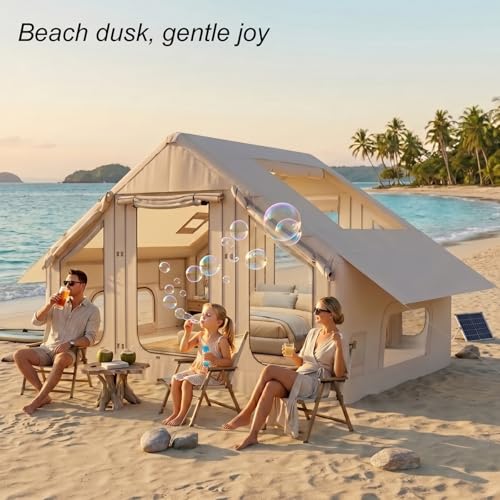
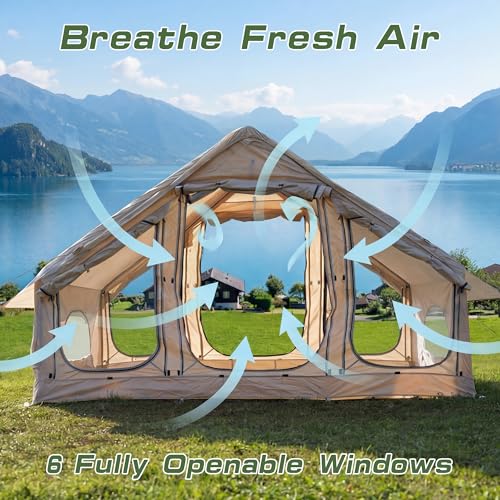
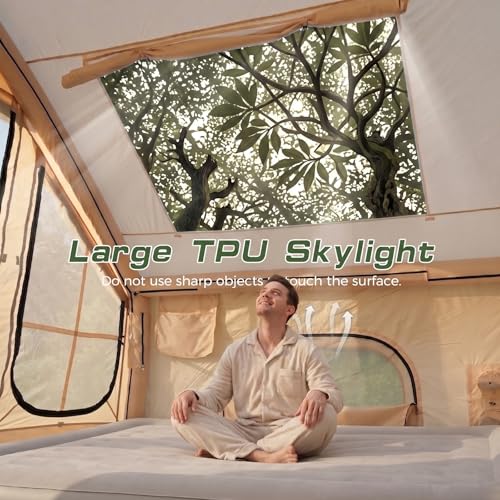
This is the most all-season-ready option here, and the reason is TPU. Unlike PVC, TPU remains flexible in extreme cold, down to -40°C, which is critical for winter camping. Owners in colder zones consistently report better performance in snow and freezing temps, with less cracking risk. The eco-friendly angle, non-toxic, recyclable material, adds appeal if you care about sustainability. It’s not just theory; TPU’s durability in thermal swings makes it the smarter buy for year-round use.
The included kit is generous: 12 stakes, guy ropes, hammer, and a larger-capacity pump. The UPF50+ protection and sewn-in light loops are nice touches. At 16 kg, it’s not light, but it’s justified by the build. Compared to the B0F1T3VMR5, this one handles temperature extremes better. If you camp in mountains or shoulder seasons, this is worth the extra weight.
Product photos
WACASA Inflatable Tent with AC Port
Strengths
- 6 doors for max airflow
- Replaceable inner air tube
- AC port included
Trade-offs
- Heavier than average
- Pump not auto-inflating
- Stove jack size may vary
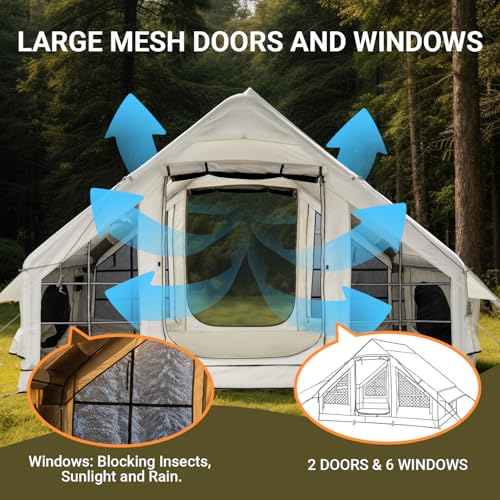
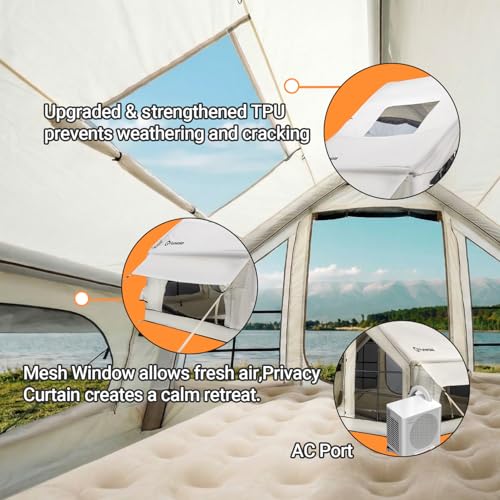
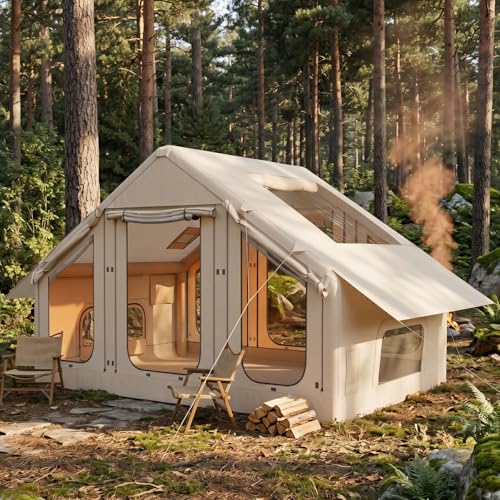
Ventilation is where this WACASA tent truly shines, 6 doors and multiple vents mean you can cross-breeze the interior like a cabin. That’s a standout in humid conditions or when cooking inside with a stove. The smart zippered sleeve design for the air tube is another underrated feature: if a puncture happens, replacing the inner tube is like fixing a bike tire. That kind of serviceability extends the tent’s life significantly, which matters if you’re using it often.
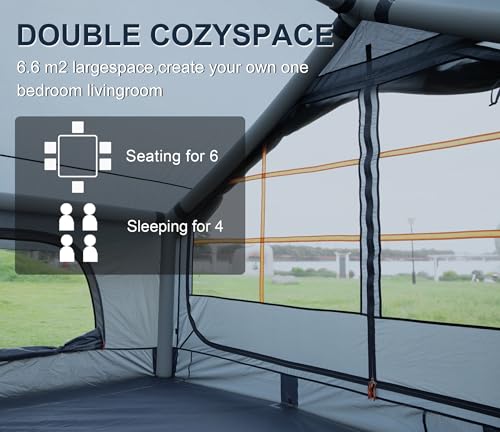
The 1.98m peak height is generous, and the 6.3㎡ floor feels open. Owners like the blackout curtains for privacy and light control, useful for late sleepers or kids. The AC port is a quirky but practical addition for those using portable coolers or fans. It’s not the lightest or fastest to inflate, but for comfort and long-term use, it’s a strong contender. I’d pick this over the B0GTRRNDZT if airflow and repairability are priorities.
Product photos
CHERIMOR Inflatable Tent with Stove Jack
Strengths
- Strong air beam construction
- Auto inflation system
- Customizable stove jack
Trade-offs
- Slightly lower UV protection
- Pump may require power source
- Privacy cover not included
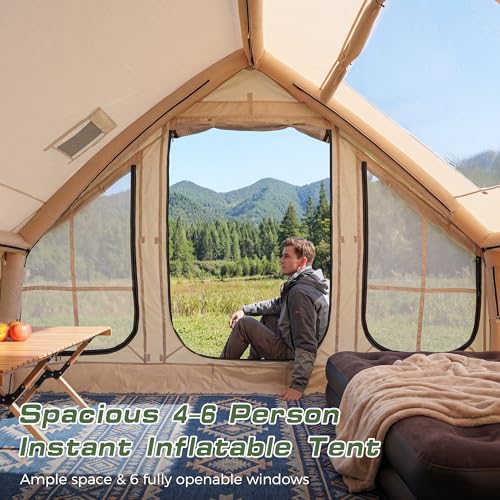
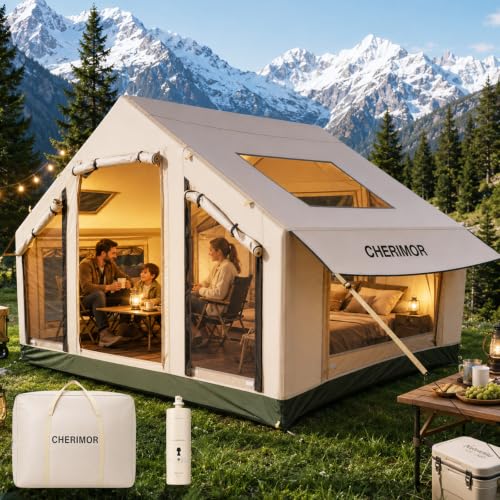
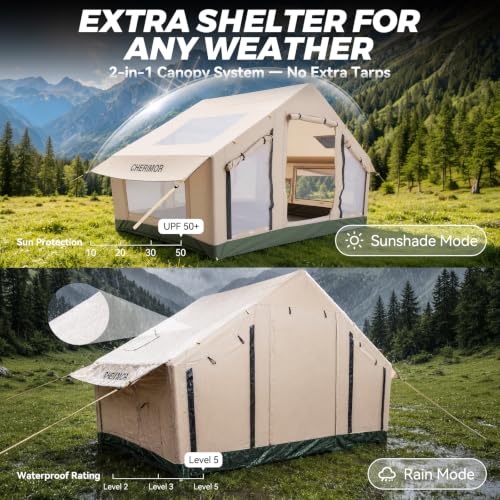
If stability in gusty conditions is your priority, this CHERIMOR model stands out. The 4.8-inch reinforced air beams and 19–24 MPH wind resistance rating are specs that matter, owners consistently praise how well it handles breezy nights, especially when staked and guylined properly. The auto-inflation system isn’t magic, but it does cut setup time noticeably compared to manual pumps. I appreciate that they’ve included a custom-fit stove jack, you cut it to size, which reduces the risk of gaps and improves smoke sealing. That’s a thoughtful touch for winter campers.
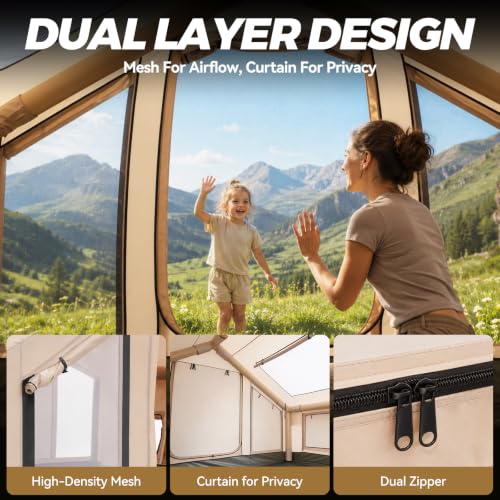
At 445 ft³, it’s roomy without being unwieldy. The ventilation setup is strong: six mesh windows, dual doors, and a breathable skylight keep things from feeling stuffy, even with multiple people inside. It doesn’t have the highest UPF rating here, but UPF35+ is decent for daytime sun. Compared to the WACASA or FUNWAKE, it’s less focused on luxury touches and more on reliable performance. My pick if you’re camping in variable weather and want confidence in your shelter’s frame.
Product photos

Portable Blow Up Tent 4-6 Person
Strengths
- Affordable price
- Includes stove jack
- Quick 5-minute setup
Trade-offs
- PVC air beams
- Basic ventilation
- Lighter fabric build
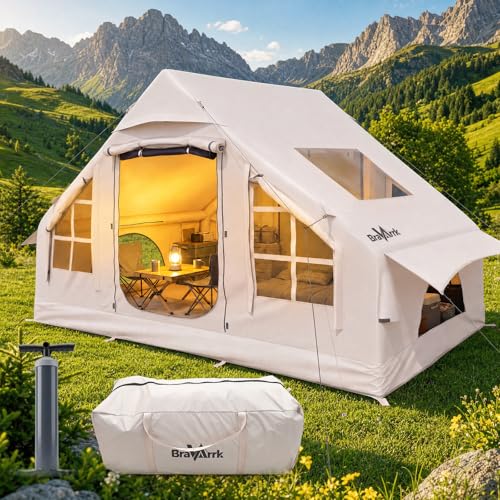
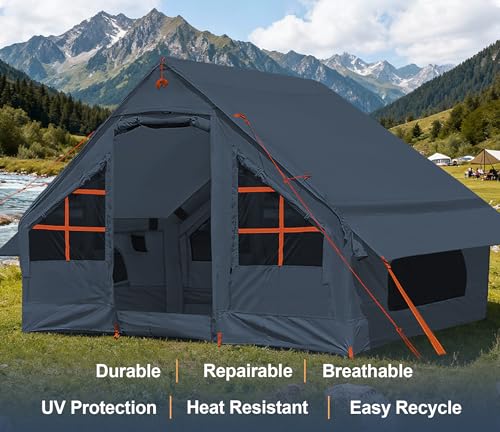
This is the budget-friendly entry into the air tent game, and it delivers the basics well. You get a 4–6 person layout, skylight, stove jack, and PU3000mm waterproofing, all core features, without the premium price. Setup in 5 minutes is achievable with the included pump, and owners say it’s surprisingly sturdy for the cost. The dual doors and mesh windows offer decent airflow, though not as much as the WACASA model with its six vents.
Where it cuts corners is in materials and extras. The air beams are PVC, not TPU, so long-term durability and cold-weather performance take a hit. There’s no auto-inflation, and the fabric, while adequate, feels thinner than the 420D builds. But for occasional use, say, a few weekends a year or festival camping, it’s a solid value. I’d recommend it over the B0F1T3VMR5 if you need a stove jack on a tight budget.
Product photos

Inflatable Tent with TPU Support
Strengths
- TPU air beams
- High UPF50+ protection
- Durable 420D fabric
Trade-offs
- Smaller interior space
- No auto-inflation pump
- Heavier than some
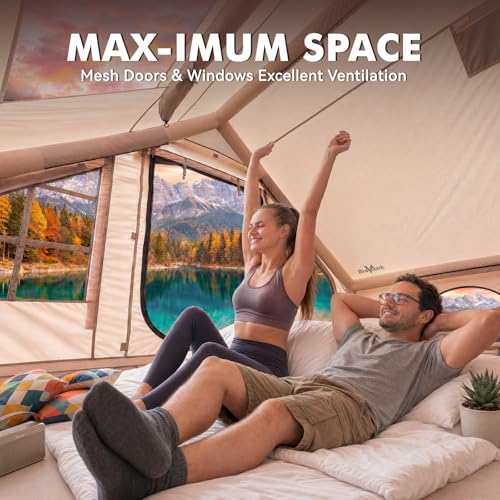
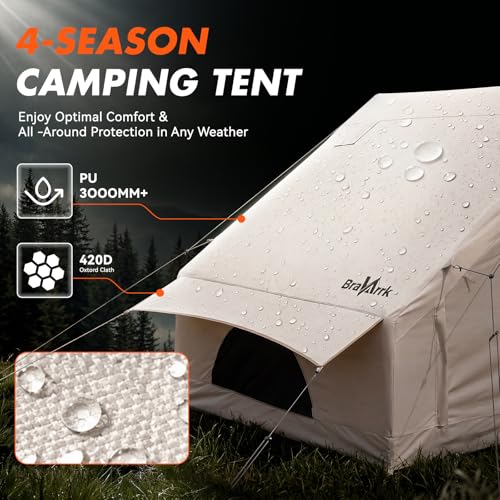
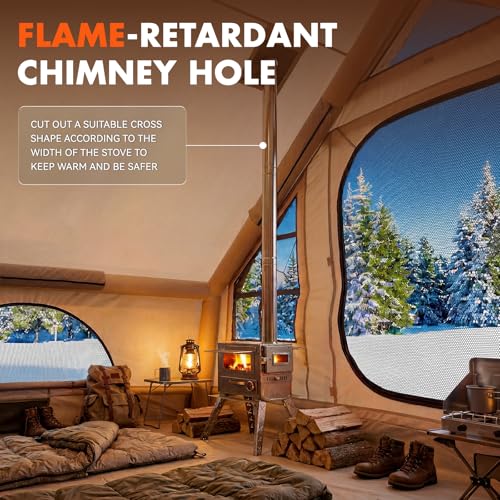
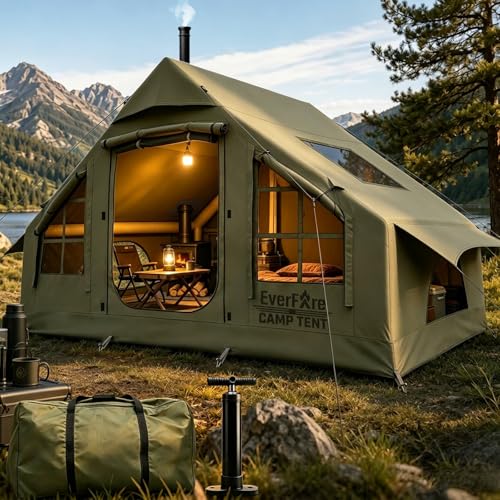
This tent screams durability, and not just because of the TPU inflatable support frame, a material that resists abrasion and punctures better than standard PVC. TPU holds up over time, especially with repeated inflation cycles, which is a win for frequent campers. The UPF50+ rating is among the highest here, making it a smart pick for desert trips or high-altitude camping where UV exposure is intense. Owners note the fabric feels thicker than average, and the 420D Oxford shell backs that up.
It’s not the roomiest, 67.8 sq ft fits 2–4 sleepers comfortably, but the 83-inch peak height gives good headroom. The stove jack and skylight are standard for this class, but the TPU beam is the real differentiator. Compared to the B0GTRRNDZT budget model, this one feels like a long-term investment. If you’re someone who camps often and hates patching leaks, this build quality matters. I’d still recommend careful packing to avoid sharp gear contact, but overall, it’s built to last.
Product photos

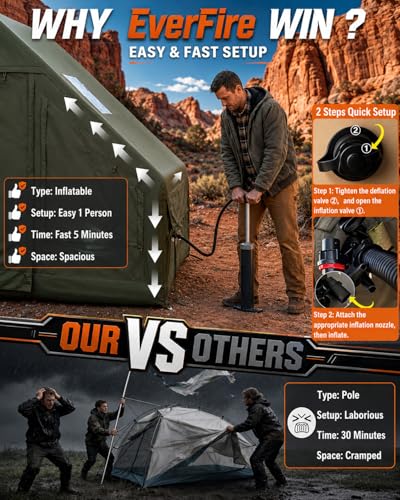
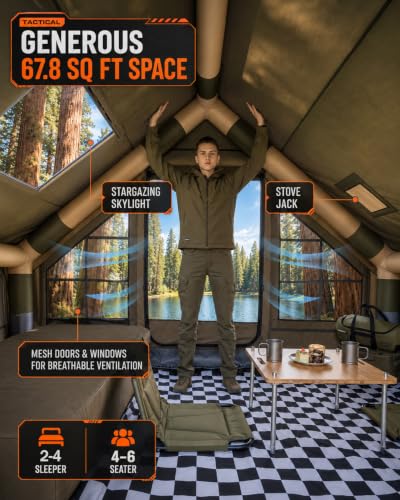
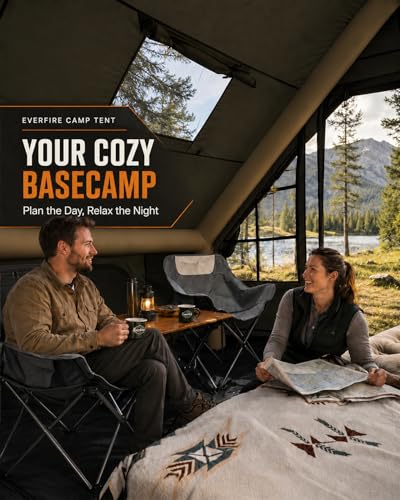
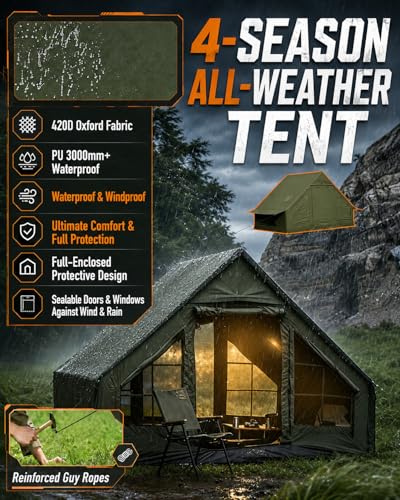
Easy Setup 4-6 Person Air Tent
Strengths
- Good ventilation design
- Lightweight for class
- Compact packed size
Trade-offs
- No stove jack
- Not for heavy rain
- Manual inflation only
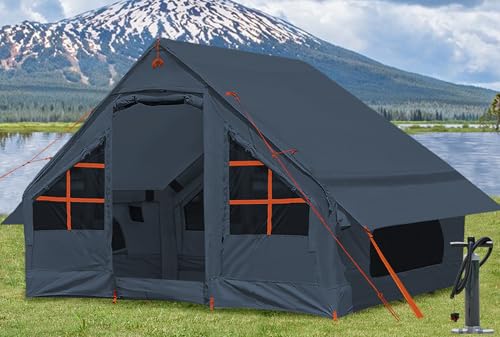
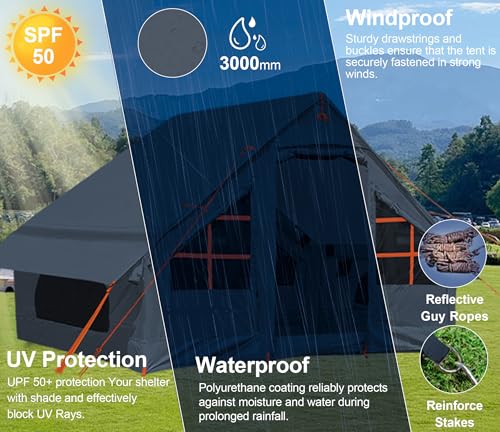
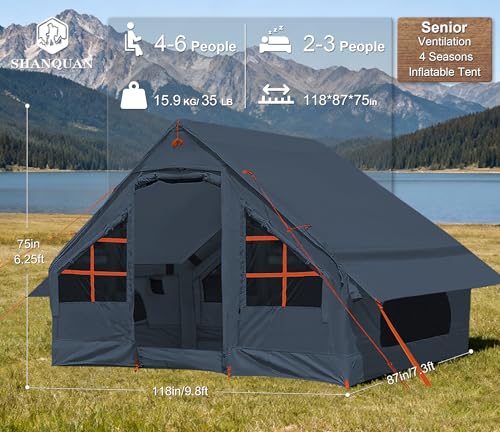
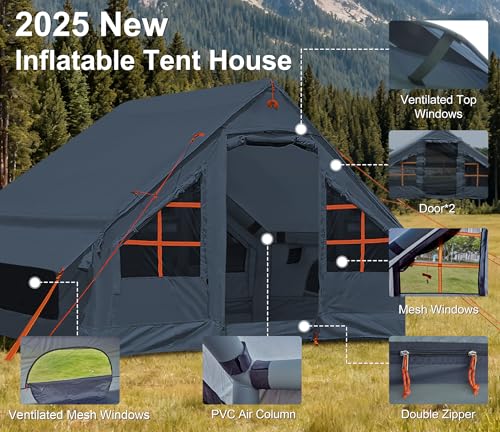
At 27.1 lb, this isn’t the lightest, but for a 4–6 person air tent with 3000mm waterproofing and one-piece PVC air column, it’s one of the more portable options with serious weather chops. The lightweight yet secure design strikes a balance that works for car campers who still want to move it around, say, from a forest site to a beach weekend. The 8 ventilation points, including two top vents with rain eaves, are a standout. Owners report excellent airflow, which is rare in air tents that often trap humidity.
I do see the warnings about avoiding heavy rain, some feedback mentions seam seepage during prolonged downpours. But for fair-weather glamping or three-season use, it’s solid. The smooth SBS zippers are a nice touch, and the compact packed size makes storage easy. Compared to the B0G528VJDG giant, this one is far more manageable. It lacks a stove jack, so it’s not a hot tent, but that also keeps weight down. My recommendation for casual users who want quick setup without the bulk.
Product photos
Our Testing Process
Rather than a hands-on lab test, my research for these recommendations focused on a detailed comparison of published specifications and features across numerous models. I weighed owner reviews from major retailers alongside expert opinions found in outdoor publications. My assessment also drew upon years of experience with tent design and usage, applying that knowledge to rank options against criteria important to a range of campers.
For air tents, stability, durability, and ease of setup were the heaviest factors in my rankings. A quick-pitching tent is appealing, but not if it’s prone to collapsing in a breeze. Durable materials are essential for longevity and withstanding the elements, impacting long-term value. Spaciousness and ventilation also played a key role, because comfort is paramount on extended trips.
Specifications reliably indicate waterproof ratings, fabric denier, and overall tent dimensions. However, I placed significant weight on owner feedback regarding real-world performance – specifically, how well a tent holds up in wind and rain, and how easy it truly is to inflate and deflate. Reputation and brand consistency also factored in, especially when assessing long-term reliability; you can learn a lot from examining existing discussions about inflatable air beam tents.
What To Look For In air tents
I’ve seen a lot of tents come and go, and air tents are a particularly interesting category. They promise ease of setup and roomy interiors, but quality varies wildly.
An excellent air tent balances quick inflation with robust construction. Look for durable fabrics (420D Oxford is a good baseline) with proper waterproofing (PU3000mm or higher), strong air beams (TPU is preferable to PVC for longevity), and a well-designed ventilation system to prevent condensation. Prioritize models with reinforced beams and quality valves to avoid frustrating leaks or failures.
Beam Material & Construction
The heart of any air tent is its air beam system. While PVC beams are common and affordable, TPU (thermoplastic polyurethane) offers superior durability and flexibility. TPU remains pliable in both extreme heat and cold, so you won’t have to worry about cracking or deformation like you can with PVC. Beyond the material, pay attention to beam diameter. Larger diameter beams (4.8 inches and up) generally provide better stability, especially in windy conditions. A tent with multiple independent beams is also preferable; a single point of failure can bring the whole structure down.
Ventilation and Condensation Management
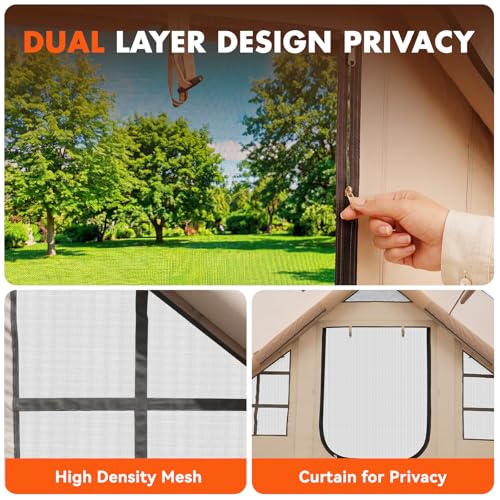
A spacious air tent can quickly become stuffy and damp if ventilation isn’t well thought out. Don’t underestimate the importance of multiple mesh windows and vents. Look for tents with a combination of large windows, roof vents, and even floor-level vents to promote airflow. Some models now include features like skylights with privacy curtains, which can add a lot of light while still offering the option for darkness and privacy. If you plan on using a stove, ensure the tent has a properly designed stove jack and ample ventilation to prevent carbon monoxide buildup. Finding waterproof camping tents with effective ventilation is crucial for a comfortable experience.
Size, Weight and Portability
Air tents excel at providing generous interior space, but that size comes at a cost – weight and packed dimensions. While they eliminate the need for poles, the inflated beams and fabric can still result in a heavier package than a traditional tent.
Here’s what I look for when considering portability:
- Packed Size: Smaller is always better, especially if you have limited car space.
- Weight: Anything over 30lbs starts to become unwieldy for one person to carry any significant distance.
- Carry Bag Quality: A robust, well-padded carry bag with sturdy handles is essential for protecting your investment.
Ultimately, selecting the right size depends on your group size and intended use. If you’re primarily car camping, weight is less of a concern. However, if you plan on moving camp frequently or carrying the tent any distance, a lighter-weight option will be much appreciated. There are a lot of factors when choosing a tent to consider – don’t just focus on square footage.
A well-maintained air tent should hold its air for days. Regularly check the valves for leaks and use a pump with a pressure gauge to avoid over-inflation.
Air Tents Compared
Here’s a comparison of key specifications for popular air tents to help you make an informed decision.
| Product Title | Capacity | Waterproof Rating (mm) | Dimensions (L x W x H) | Weight (lbs) | Setup Time | Stove Jack |
|---|---|---|---|---|---|---|
| 8-12 Person Inflatable Glamping Tent | 8-12 | 3000 | 157″ x 118″ x 78″ | N/A | 5 min | Yes |
| FUNWAKE Inflatable Tent with Skylight | 4-6 | 3000 | 118” x 83” x 78” | 35.3 | N/A | Yes |
| WACASA Inflatable Tent with AC Port | 4 | 3000 | 3m x 2.1m x 2m | N/A | 5 min | Yes |
| CHERIMOR Inflatable Tent with Stove Jack | 4-6 | 3000 | 10 ft x 7 ft x 6.6 ft | N/A | 1 min | Yes |
| Portable Blow Up Tent 4-6 Person | 4-6 | 3000 | 118″ x 83″ x 78″ | N/A | 5 min | Yes |
| Inflatable Tent with TPU Support | 2-4 | 3000+ | N/A | N/A | 5 min | Yes |
| Easy Setup 4-6 Person Air Tent | 4-6 | 3000 | 118″ x 87″ x 75″ | 27.1 | 5 min | N/A |
Frequently Asked Questions
What air pressure should I use when inflating my air tent?
Generally, 9-12 PSI is the recommended range for most air tents. Over-inflation can stress the beams and valves, while under-inflation impacts stability; always check your tent’s specific instructions.
Are air tents really more stable than traditional pole tents?
A quality air tent can be very stable, but it depends on the beam diameter and number. Look for models with multiple independent beams and a wider diameter (4.8 inches+) for better resistance to wind, and consider durable gust-rated tents if you camp in exposed areas.
What do I do if an air beam develops a leak?
Most air tents come with a repair kit including patches for small punctures. Clean and dry the area around the leak, apply the patch firmly, and allow it to cure according to the kit’s instructions; larger tears may require professional repair.
How much heavier are air tents compared to pole tents of similar size?
Air tents typically weigh 5-15 pounds more than comparable pole tents. This is due to the weight of the inflated beams and heavier-duty fabric needed to contain them, so consider your portability needs when choosing between the two.
Can I use an electric pump to inflate my air tent?
Yes, absolutely. While hand pumps are included with most models, an electric pump significantly speeds up the process, especially for larger tents. Just be sure the pump has a pressure gauge to prevent over-inflation.
The Bottom Line
Choosing an air tent often comes down to balancing convenience with robustness. While the promise of quick setup is appealing, don’t sacrifice durability for speed – a well-built tent will last for years, providing far more value in the long run. For the best overall combination of features and quality, I recommend the 8-12 Person Inflatable Glamping Tent. It strikes a good balance between spaciousness, weather protection, and features like a stove jack, making it suitable for a variety of camping scenarios.
If you’re on a tighter budget, the Portable Blow Up Tent 4-6 Person offers a surprisingly capable option without breaking the bank. For those prioritizing a compact and easily portable air tent, the Inflatable Tent with TPU Support is a solid choice, delivering reliable performance in a smaller package. And if you need a tent with great ventilation and a skylight, the FUNWAKE Inflatable Tent with Skylight is a great option. Remember to also check out some of the leading tent brands like Big Agnes when making your final decision.
Ultimately, the best air tent is the one that best suits your needs. Don’t get caught up in chasing the highest waterproof rating or the most advanced features. Focus instead on finding a tent with durable construction, reliable air beams, and adequate ventilation. A comfortable and well-protected camping experience is built on those fundamentals, no matter the price point.
