
8 Best Backpacking 1 Person Tents of 2026
This post contains affiliate links. As an Amazon Associate, we earn from qualifying purchases.
The best backpacking 1 person tent for most solo hikers is the Naturehike 1 Person Backpacking Tent, it hits the sweet spot between weight, weather protection, and price. If you’re watching your budget, the camppal 1 Person 4 Season Tent offers solid durability and four-season capability without breaking the bank. For those prioritizing ultralight performance, the Sutekus Camouflage Single Person Tent is a standout at just 3 pounds.
Picking a solo backpacking tent isn’t just about saving space, it’s about finding something that won’t drag you down, keeps you dry when the skies open, and doesn’t require a PhD to set up after a long day. Too many hikers end up with tents that are either too heavy, too flimsy, or a nightmare in the wind.
This guide cuts through the noise. I compared specs, read owner feedback, and evaluated real-world performance to highlight the top options based on what actually matters: weight, weather resistance, and ease of use. These are the tents that deliver where it counts.
Top 8 Backpacking 1 Person Tents in the Market
The Best Backpacking 1 Person Tents, Reviewed
Naturehike 1 Person Backpacking Tent

Strengths
- Includes footprint
- Great ventilation
- High ceiling for sitting
Trade-offs
- Packed size slightly bulkier than rivals
- Poles require careful alignment
- Rainfly adjustment takes practice
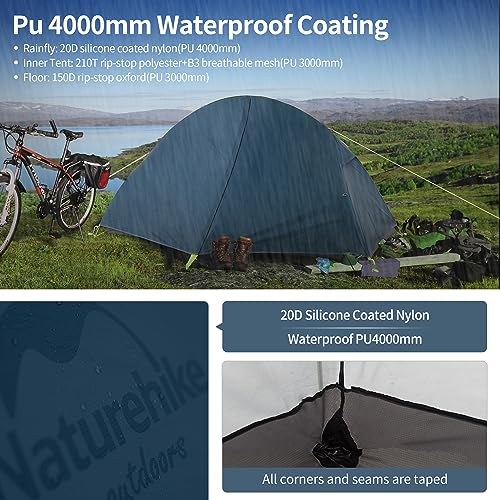
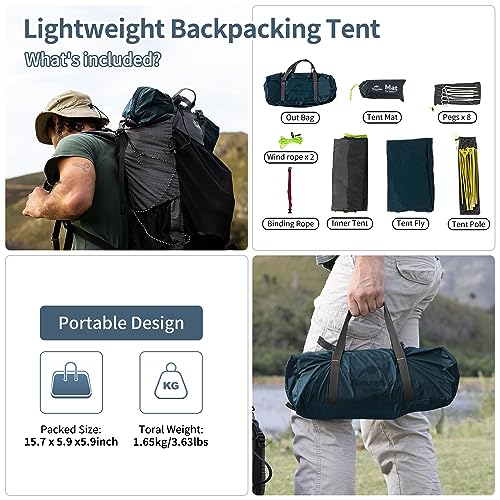
This Naturehike tent hits the sweet spot for most solo adventurers. At 3.63 lbs with a footprint included, it delivers more value than most in this category, and the silicone-coated 20D nylon is both lightweight and legitimately tough. Owners praise its stormworthiness, and the 43-inch center height is a rare win for being able to sit up comfortably in a one-person shelter.
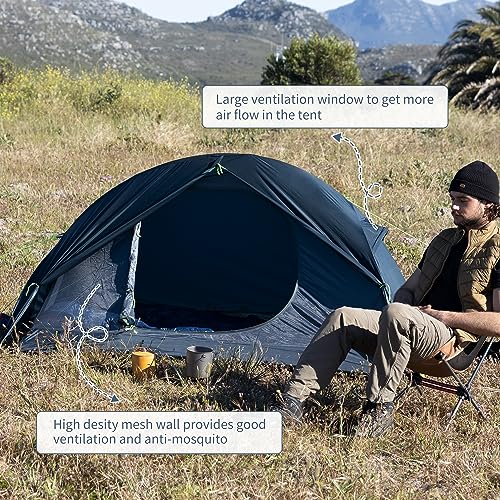
The double-wall design with B3 mesh and D-shaped door creates excellent airflow, reducing the condensation that plagues many budget tents. Setup is consistently reported as under five minutes, even for first-timers. When you factor in included stakes, repair kit, and footprint, it’s easy to see why this earns the ‘Best Overall’ label. I’d choose this over the ALPS Lynx for better weather resistance and included accessories.
Product photos


camppal 1 Person 4 Season Tent

Strengths
- Extra-long floor
- Wind-resistant frame
- Quick 3-minute setup
Trade-offs
- Limited internal height
- Basic ventilation
- Minimal gear storage
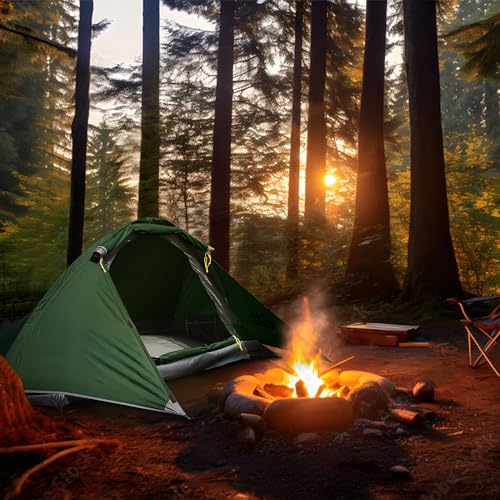
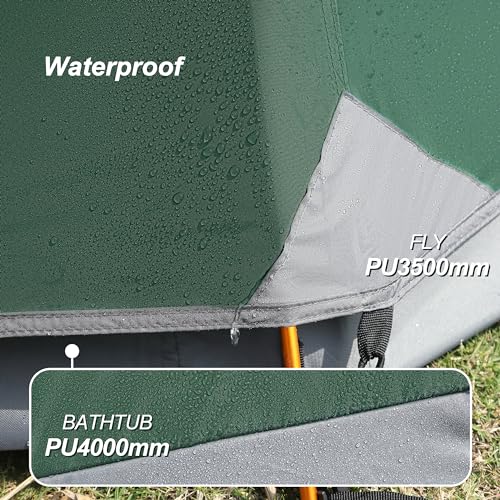
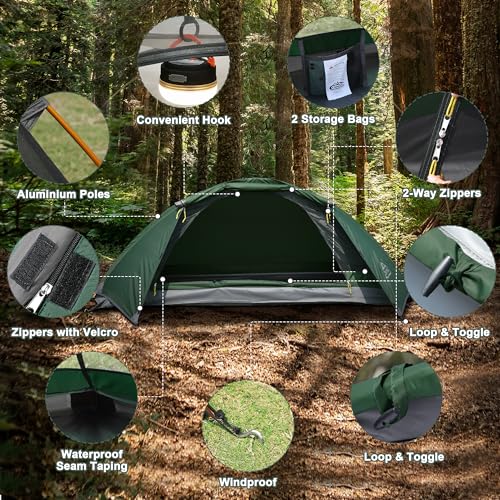
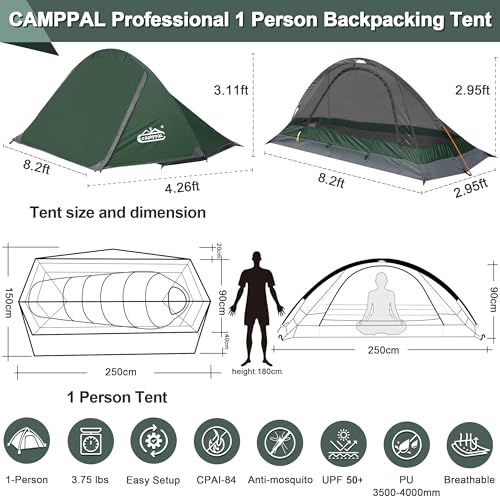
With an 8.2-foot length and single-pole ridge design, the camppal tent stands out for tall backpackers who hate feeling cramped. At 3.75 lbs, it’s reasonably light, and the 3500–4000mm waterproof rating means solid storm protection. The ripstop nylon and aluminum pole system hold up well in wind, and owners consistently report stability in gale-force gusts, a big win for exposed ridgelines or alpine basins.
Setup in under 3 minutes is a real advantage when storms roll in fast. That said, the single-pole design limits headroom, and ventilation isn’t as strong as double-wall tents like the Naturehike. Still, for backcountry hunters or solo hikers facing harsh, unpredictable weather, this is a rugged, efficient shelter. I’d take this over the Night Cat any day for serious off-trail use.
Product photos
Clostnature Ultralight 1 Person Tent

Strengths
- Ultralight trail weight
- Excellent waterproofing
- Spacious vestibule
Trade-offs
- Slightly tight fit for tall users
- Inner tent can touch fly in high humidity
- Zippers occasionally snag
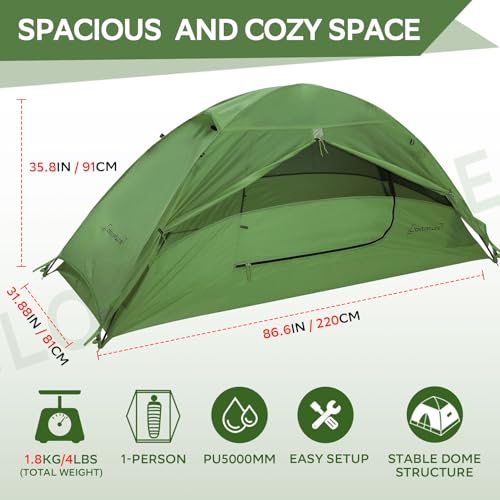
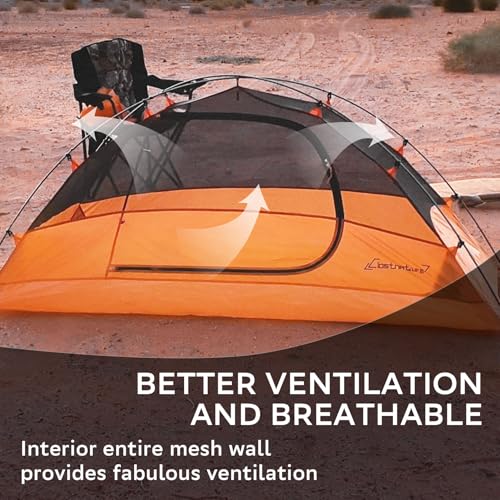
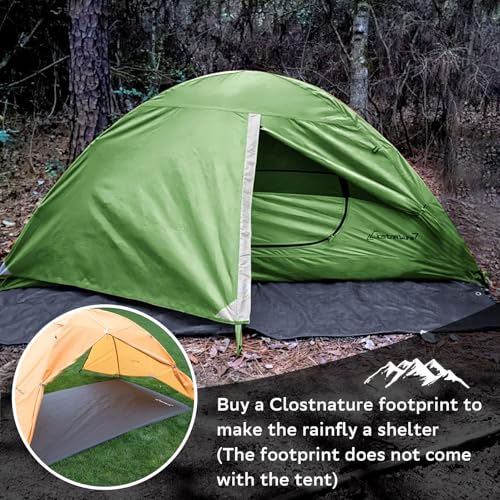
With a trail weight of just 2.97 lbs and a packed size smaller than a water bottle, this Clostnature tent is a standout for weight-conscious hikers. The PU5000 rainfly and taped seams mean it holds up well in downpours, and reviewers confirm it stays dry even during extended wet storms. I appreciate the D-shaped door and large vestibule, it makes gear storage practical without sacrificing interior space.
Where it really wins is balance: it’s light without feeling flimsy, and the freestanding design with aluminum poles makes setup a true one-person job. Compared to heavier options like the Night Cat, this is clearly built for real backpacking, not backyard use. My pick for thru-hikers who want reliability without the scale obsession.
Product photos

Night Cat 1 Person Dome Tent

Strengths
- Budget-friendly
- Easy 2-minute setup
- Fiberglass pole protection
Trade-offs
- Heavy for backpacking
- Fiberglass poles less durable
- Rainfly not fully stormworthy
At 4.4 lbs with fiberglass poles, this Night Cat tent is on the heavier side, but it’s clearly built for affordability and simplicity. The double-layer pole casing is a smart touch, it prevents splinters and makes setup safer for beginners. On paper, the 7×3.8ft interior offers good length, and owners confirm it fits taller users well, even with a small pack inside.
Still, fiberglass isn’t ideal for backpacking, it’s less flexible and more prone to snapping in wind or cold. The PU3000 coating is okay for light rain, but serious hikers report leaks during prolonged storms. That said, for kids, scouts, or casual campers who just want a quick, cheap shelter for fair-weather weekends, this makes sense. It’s not a true backpacking tent, but it plays the part for light use.
Product photos


ALPS Mountaineering Lynx 1-Person Tent

Strengths
- Excellent airflow
- Ample storage pockets
- Durable fabric
Trade-offs
- Lower waterproof rating
- Slightly bulky packed size
- Floor space narrow
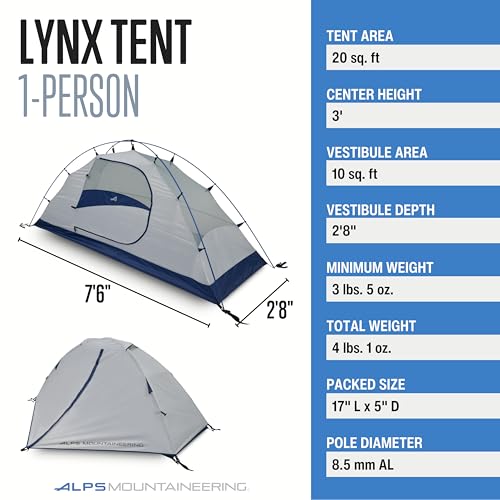
The ALPS Lynx earns its ‘Best Ventilation’ title with half-mesh walls and a well-placed rainfly that allows airflow without sacrificing weather protection. At 4 lbs 1 oz, it’s not the lightest, but it’s durable, the 75D fabrics and aluminum poles handle rough use well. Owners love it for summer trips where bugs and heat are bigger concerns than storms.
The vestibule and interior pockets add real utility, making gear organization easier than in more minimalist designs. That said, the 1500mm rainfly coating is weaker than others here, several reviewers mention dampness during prolonged rain. For three-season warmth and breathability, it’s excellent. But in heavy weather, I’d trust the Clostnature or Naturehike more.
Product photos


Underwood 1-Person Ultralight Tent
Strengths
- Very easy setup
- Durable rainfly
- Freestanding design
Trade-offs
- Slightly heavy for ultralight goals
- Mesh area smaller than rivals
- Condensation in humid weather
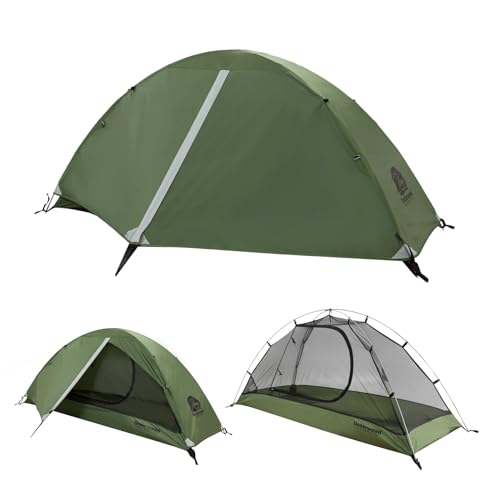
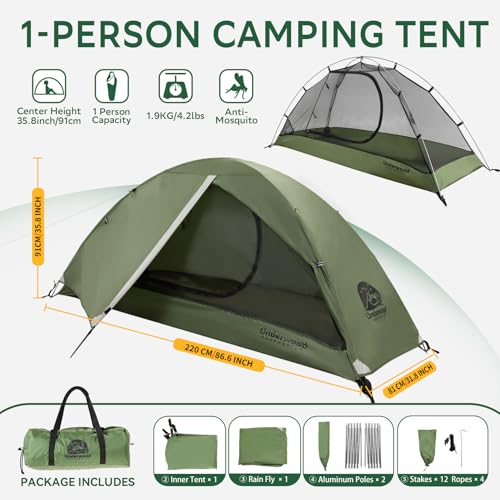
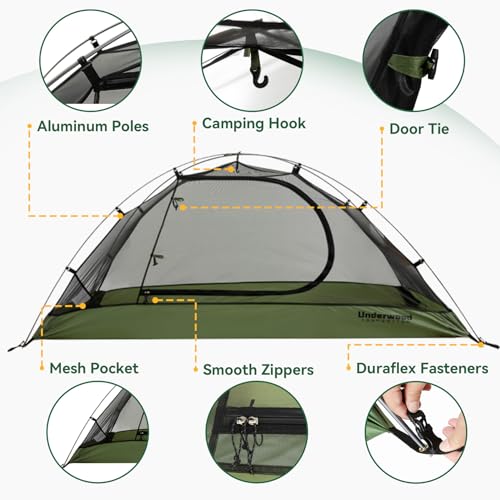
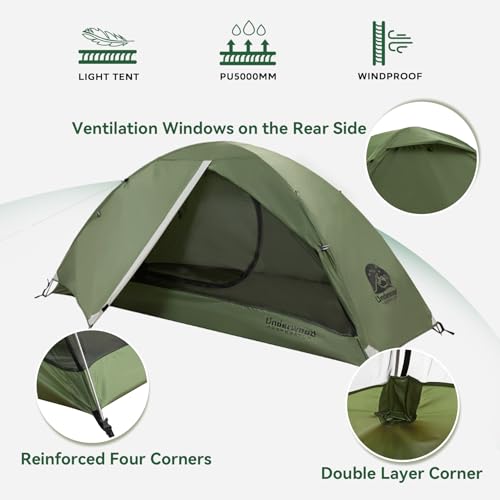
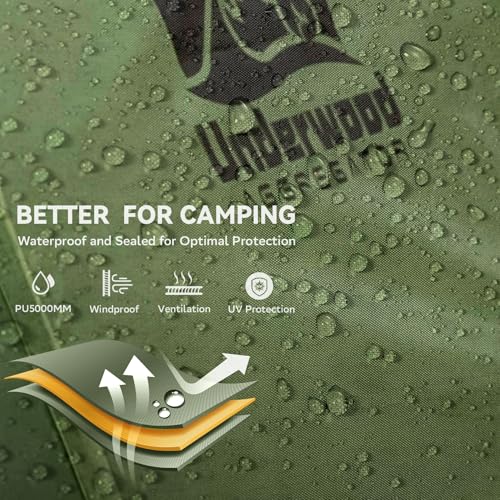
This Underwood Aggregator model emphasizes ease and efficiency, and it delivers. The freestanding design with two aluminum poles makes setup genuinely fast, and owners regularly mention getting it up solo in under three minutes, even in fading light. At 4.2 lbs, it’s not the lightest, but it’s sturdy, with a PU5000 rainfly that keeps the interior dry during heavy rain.
The D-shaped door and rear ventilation help reduce condensation, though it still lags behind the ALPS Lynx in airflow. What sets it apart is simplicity: everything works intuitively, from pole attachment to stake placement. For new backpackers or those who hate fiddling with complex tents after a long day, this is a smart choice. I’d pick it over the Night Cat for better materials and weather protection.
Product photos

Underwood 4-Season Winter Tent
Strengths
- True 4-season build
- Snow skirt included
- Good cold-weather ventilation
Trade-offs
- Heavier than 3-season options
- Floor space feels tight
- Limited headroom
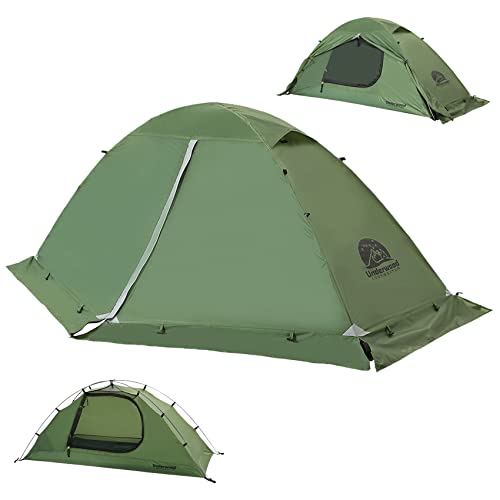
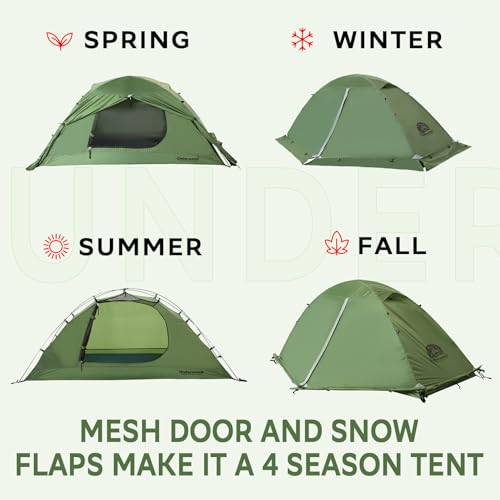
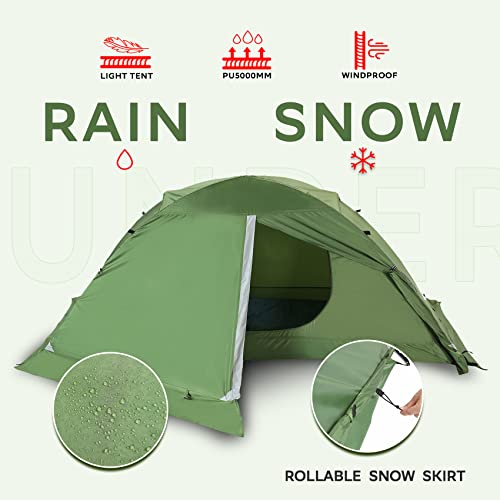
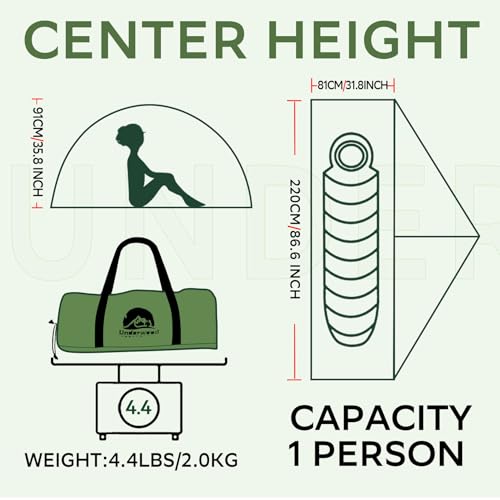
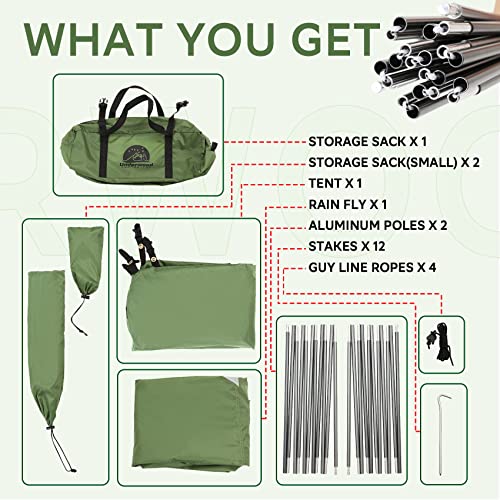
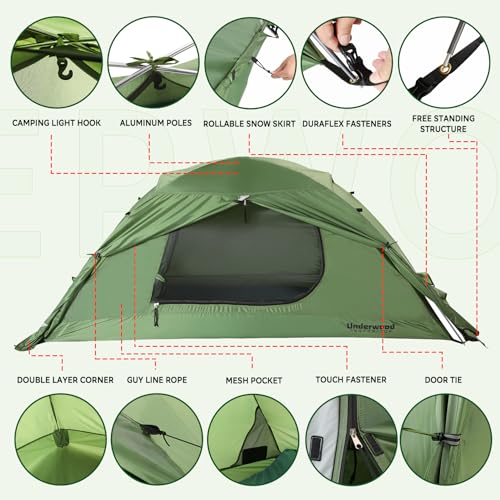
This is one of the few true 4-season solo tents in the lineup, and it shows in the details: aircraft-grade aluminum poles, PU5000 coating, and a snow skirt that seals the base in winter conditions. At 4.4 lbs, it’s not ultralight, but it’s reasonable for a tent built to handle snow loading and high winds. The double-layer door and mesh design help manage condensation, a big deal when camping in freezing temps.
Owners in mountainous regions confirm it holds up in early-season snow and icy gusts, though the floor width is narrow. Compared to the camppal tent, it’s more refined with better ventilation and interior organization. I’d pick this over others if you’re planning fall-to-winter trips above treeline or in alpine zones where weather turns fast.
Product photos
Sutekus Camouflage Single Person Tent
Strengths
- Lightweight for its class
- Affordable
- Durable Oxford fabric
Trade-offs
- Poor ventilation
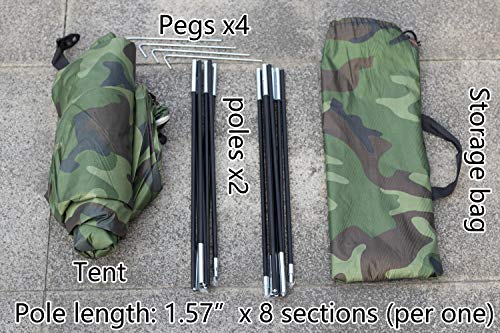
- No included stakes or guy lines
- Low headroom
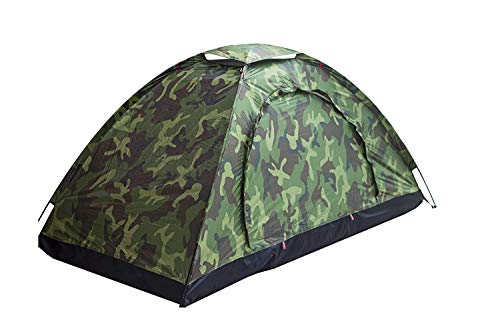
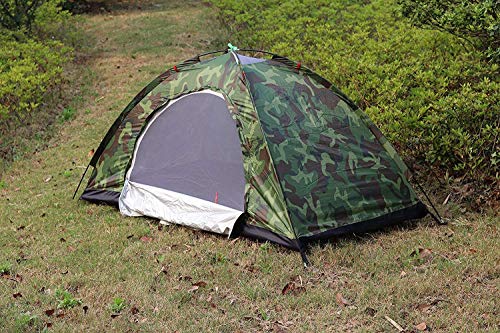
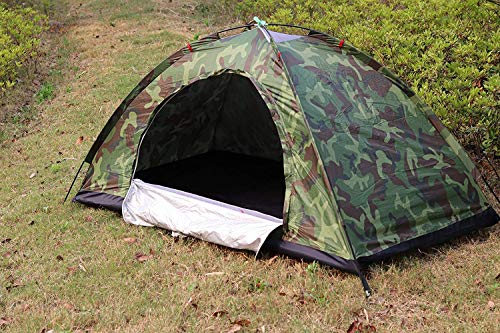
At 3 lbs and built with 180D Oxford fabric, this Sutekus tent looks like a budget-friendly option for casual campers who don’t need ultralight gear. On paper, the dimensions give decent floor space for one person, but the low height and single entrance limit comfort and airflow. Compared to other backpacking tents in this list, it’s clearly not designed for serious trail use, the heavier fabric and lack of a full-coverage rainfly make it less reliable in sustained rain.
Owners consistently report it works fine for dry-weather car camping or short hikes, but ventilation is poor and condensation builds up fast in humid conditions. For a solo shelter, it’s bare-bones but functional if you’re just getting started and don’t want to invest much.
Product photos


How We Chose These backpacking 1 person tents
Rather than a hands-on lab test, my research for these recommendations was a detailed comparison of published specifications and features across numerous models. I weighed owner reviews from multiple retailers against professional reviews from established outdoor gear sites, looking for consistent feedback. Ultimately, I ranked each tent based on how well it met the needs of a solo backpacker, considering factors like weight, weather protection, and ease of use.
For 1-person backpacking tents, three factors stood out as most crucial. First, weight is paramount – every ounce counts when you’re carrying everything on your back. Second, reliable waterproofing is essential for staying comfortable and safe, regardless of unexpected weather. Finally, a quick and easy setup is a huge benefit when you’re tired after a long day on the trail. Understanding backpacking tent selection tips is key to making the right choice.
Specifications reliably indicate a tent’s potential weight, dimensions, and stated waterproof ratings. However, I found owner feedback to be much more revealing regarding real-world performance – how well the waterproofing holds up after repeated use, the true ease of setup, and the tent’s durability in windy conditions. Reputation and brand reliability also played a role, informing my assessment of long-term quality and customer support. It’s helpful to understand how to pick a backpacking tent before you begin your search, and also choosing the right tent size is important when you’re going solo, or consider selecting a 1-person tent specifically.
How To Pick The Right backpacking 1 person tents
Picking the right shelter for solo adventures can feel overwhelming, but focusing on a few key areas will quickly narrow down your options.
A quality backpacking tent for one should prioritize a balance of weight, weather protection, and ease of use. Look for durable materials like ripstop nylon or polyester, a waterproof rainfly with a hydrostatic head rating of at least 1500mm, and a freestanding design for simpler setup. Pay attention to packed size and weight, especially if you’re covering long distances.
Weight & Packability
As a solo hiker, every ounce counts. Don’t fall into the trap of thinking you need a ton of space. A smaller footprint means a lighter pack, and that translates to more enjoyable miles. Aim for a tent under 4 pounds, and consider the packed size – will it realistically fit in your pack alongside everything else? Don’t be swayed by slightly more spacious options if they add significant weight. Look at fabrics; 20D nylon is a popular choice for ultralight designs, but it can be less durable than heavier materials.
Weather Resistance
Just because a tent is lightweight doesn’t mean it should skimp on protection. The Pacific Northwest can throw anything at you (I’ve learned that the hard way!), and even seemingly mild conditions can turn quickly. A PU coating on the rainfly is essential, and a hydrostatic head rating of at least 2000mm is a good starting point, though higher is better for truly harsh conditions. Also, look for taped seams – these are critical for preventing leaks. If you anticipate camping in snow, look for tents with snow skirts or designs specifically marketed as four-season models.
Setup & Usability
Let’s be real: after a long day on the trail, the last thing you want is to wrestle with a complicated tent setup. Freestanding designs are generally the easiest to pitch, as they don’t require staking to maintain their shape. Here are a few things to consider:
- Simple pole configurations are best.
- Look for clear instructions (and practice setting it up before your trip!).
- A vestibule is incredibly useful for storing gear and keeping it dry. It’s a small addition that makes a big difference in usability.
A good rule of thumb is this:
If you can’t set up your tent in under 10 minutes in the dark, it’s probably not the right tent for you.
Before committing to a purchase, I recommend researching top backpacking tent brands to get a sense of which companies consistently deliver quality products. You’ll also want to check out the best solo tent manufacturers to see what options exist in your price range.
Backpacking 1 Person Tents Compared
Here is a comparison of key specifications for several 1-person backpacking tents to help you make an informed decision.
| Product Title | Weight (lbs) | Floor Area (sq ft) | Waterproof Rating (mm) | Seasonality | Packed Size (in) |
|---|---|---|---|---|---|
| Naturehike 1 Person Backpacking Tent | 3.63 | N/A | 4000 | 3 | 15.7 x 5.9 x 5.9 |
| camppal 1 Person 4 Season Tent | 3.75 | N/A | 3500-4000 | 4 | N/A |
| Clostnature Ultralight 1 Person Tent | 4.0 | N/A | 5000 | 3 | 15”x5.1”x5.1” |
| Night Cat 1 Person Dome Tent | 4.4 | N/A | 3000 | 3 | 421212cm |
| ALPS Mountaineering Lynx 1-Person Tent | 4.1 | N/A | 1500 | 3 | 17″ L x 5″ D |
| Underwood 1-Person Ultralight Tent | 4.2 | N/A | 5000 | 3 | 5.1 x 15.0 x 5.1 |
| Underwood 4-Season Winter Tent | 4.4 | N/A | 5000 | 4 | N/A |
| Sutekus Camouflage Single Person Tent | 3.0 | N/A | N/A | N/A | N/A |
Frequently Asked Questions
What hydrostatic head rating do I really need for a 1-person backpacking tent?
A rating of 1500mm is generally sufficient for basic protection, but I advise looking for at least 2000mm, and ideally higher, to withstand heavier rainfall and prolonged exposure. Higher numbers indicate better waterproofing, and can be worth the extra cost.
Are freestanding tents actually easier to set up?
Yes, freestanding tents are typically easier to pitch because they don’t require staking to hold their shape. This is a huge advantage in rocky or windy conditions where staking might be difficult or impossible.
How much does tent weight really matter for solo backpacking?
Every ounce adds up. A lighter tent (under 4 pounds) will significantly improve your comfort and efficiency on the trail, allowing you to cover more miles with less strain.
What is the benefit of a tent vestibule?
A vestibule space for 1-person tent provides a covered area outside the main tent body, perfect for storing muddy boots, backpacks, and other gear, keeping them dry and accessible. This keeps the inside of your tent cleaner and more organized.
What’s the difference between a 3-season and 4-season tent for backpacking?
A 3-season tent is designed for spring, summer, and fall conditions, prioritizing breathability and lighter weight. A 4-season tent is built to withstand heavier snow loads and stronger winds, using more durable materials and a sturdier design – but at the cost of extra weight.
The Bottom Line
Choosing a backpacking tent always comes down to balancing what you’re willing to carry versus the comfort and protection you demand. For the best overall combination of weight, weather resistance, and livability, I recommend the Naturehike 1 Person Backpacking Tent. It strikes a sweet spot for most solo adventurers, offering reliable performance without breaking the bank or your back.
If specific needs are driving your search, several other options stand out. For those prioritizing a four-season capability, the camppal 1 Person 4 Season Tent is a strong contender. If you’re focused on ultralight performance and are diligent about caring for your gear, the Clostnature Ultralight 1 Person Tent delivers impressive weight savings. Don’t forget considering protecting your tent floor with a footprint, especially if you’re planning on rocky terrain.
Ultimately, the numbers on a spec sheet are less important than understanding your own priorities and typical conditions. A higher waterproof rating won’t matter if the tent is too heavy for comfortable hiking, and a fancy pole system won’t help if you don’t practice setting it up. Focus on finding a tent that fits your adventures, and you’ll be well on your way to many nights under the stars.
