
7 Best Backpacking 2 Person Tents 2026
This post contains affiliate links. As an Amazon Associate, we earn from qualifying purchases.
The Naturehike Cloud Up Pro 2P stands out as the best overall backpacking 2 person tent for its lightweight build, strong weather resistance, and thoughtful design. If you’re watching your budget, the Clostnature Lightweight 2P offers solid performance at a lower price, while the Kelty Grand Mesa 2P brings extra space and comfort for car-to-trail or lighter backpacking use.
Picking a two-person backpacking tent is tough, too heavy and it drags down your hike, too flimsy and you’re stuck in a damp, cramped mess when the weather turns. I’ve seen too many hikers learn the hard way that not all tents hold up when you’re miles from the trailhead.
This guide cuts through the noise by focusing on real-world specs and feedback from people who’ve used these tents in rain, wind, and backcountry conditions. I looked at weight, waterproof ratings, ventilation, and durability to find models that balance performance, comfort, and value, so you can trust your shelter when it matters most.
Top 7 Backpacking 2 Person Tents in the Market
The Best Backpacking 2 Person Tents, Reviewed
Naturehike Cloud Up Pro 2P

Strengths
- True ultralight build
- Excellent ventilation
- Footprint included
Trade-offs
- Poles slightly flexible
- Inner tent clips could be sturdier
- Limited storm protection in extreme wind
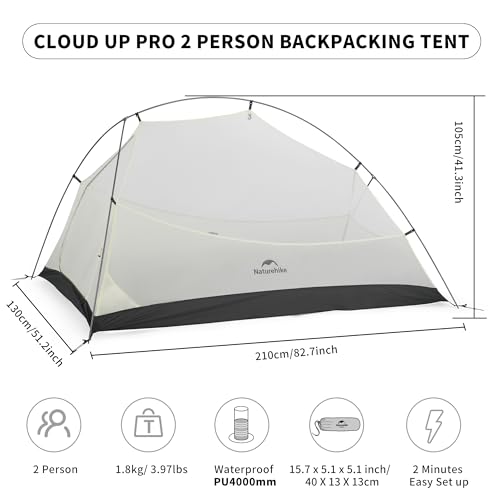
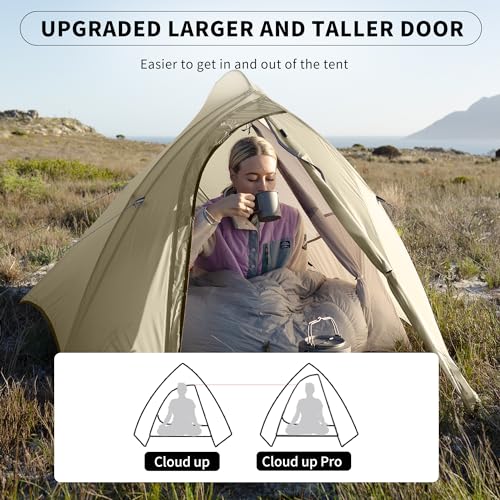
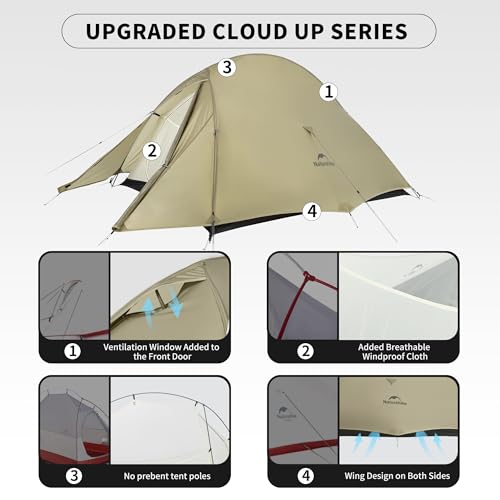
If you’re chasing the sweet spot between weight, space, and weather resistance, the Naturehike Cloud up Pro is hard to ignore. At just 3.97 lbs, it’s genuinely ultralight, yet it still delivers a roomy 82.7” length and 41.3” peak height, enough to sit up comfortably. The upgraded door and added ventilation window are smart touches that owners say reduce condensation, a common flaw in budget domes.
The PU4000 coating and silicone-treated 20D nylon mean it can handle serious rain, and the 7001 aluminum poles inspire confidence in gusty passes. Plus, the included footprint is a rare bonus at this price. While it’s not quite as rugged as the Marmot Crane Creek, it’s the kind of tent I’d pick for a long summer trek where every ounce counts but you still want to stay dry and ventilated.
Product photos


Clostnature Lightweight 2P Backpacking Tent

Strengths
- Large interior space
- Strong waterproof rating
- Dual vestibules
Trade-offs
- Heavier than rivals
- Poles lack stiffness
- Stakes not top-tier
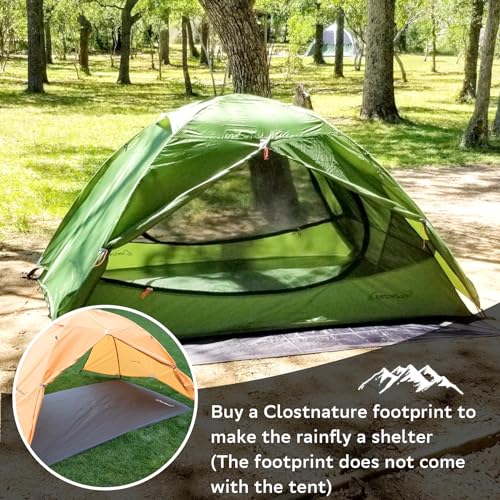
The Clostnature tent is the kind of budget workhorse that surprises you, until you push it too hard. At 5.29 lbs, it’s not ultralight, but the 220×150 cm floor is legitimately spacious for two, and the PU5000 coating means it won’t leak in heavy rain. Owners love how easy it is to set up solo, and the dual vestibules are a rare find at this price.
Where it falters is in long-term durability. The aluminum poles are decent, but not as stiff as higher-end models, and some users report stake breakage over time. It’s also bulkier than others when packed. But if you’re a weekend warrior or scouting trips with scouts or kids, this tent delivers a lot of shelter for little money. Just don’t expect it to survive a 500-mile thru-hike.
Product photos



Kelty Grand Mesa 2P Tent

Strengths
- Easy color-coded setup
- Durable 68D fabric
- Freestanding design
Trade-offs
- Single door layout
- Heavier than ultralight rivals
- Smaller vestibule
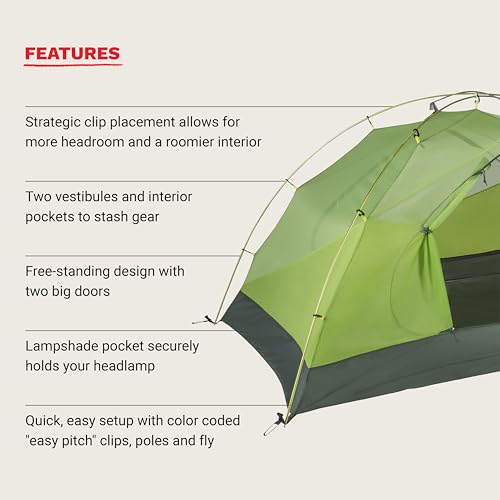
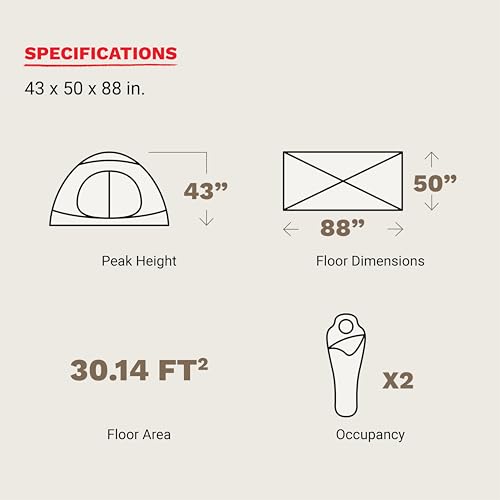
The Kelty Grand Mesa 2P is a no-nonsense, reliable tent that’s earned its reputation among thru-hikers who value simplicity and durability. At just over 4.5 lbs, it’s not the lightest, but the freestanding design and color-coded clips make setup a breeze, even for beginners. I appreciate how Kelty kept the footprint compact while still offering 30 sq ft of floor space, which feels generous for two average-sized hikers.
Owners praise its long-term resilience, especially the 68D polyester fabric and fully taped seams that shrug off prolonged rain. The single door and vestibule work fine for one person, but two campers might find it awkward during storms. Still, for the balance of price, ease of use, and trail-tested reliability, this is one of the smarter buys for long-distance hikers who don’t want to baby their gear.
Product photos


Marmot Crane Creek 2P Tent
Strengths
- Extremely durable build
- Dual vestibules
- Excellent weather resistance
Trade-offs
- No footprint included
- Heavier than ultralight options
- Higher price point
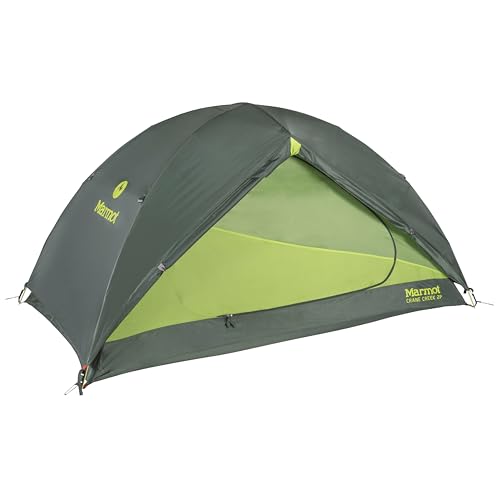
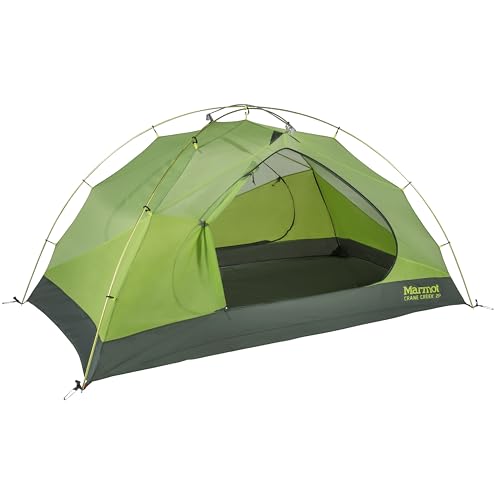
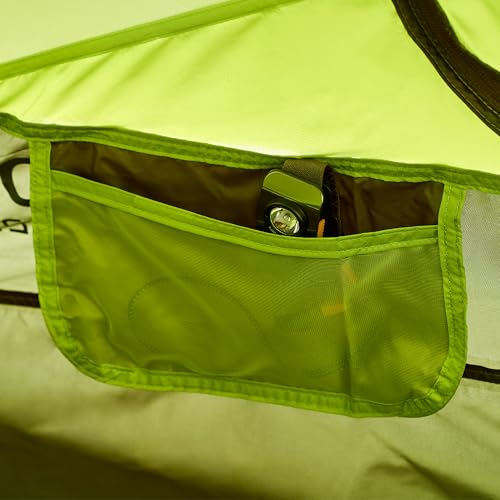
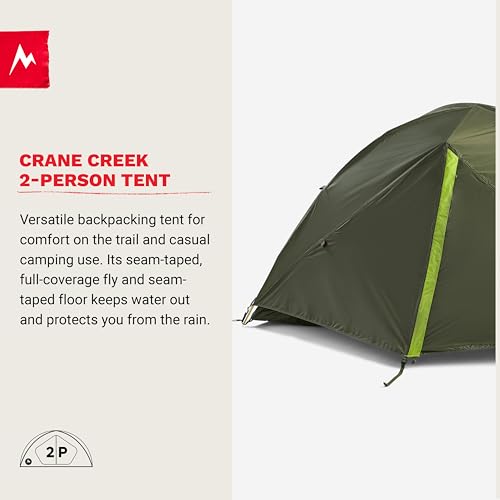
The Marmot Crane Creek 2P stands out for one reason: it’s built to last. With 7000 series aluminum poles and a rugged, PFAS-free construction, this tent feels like it could survive a decade of abuse. The dual vestibules and two D-shaped doors make gear access a breeze, ideal for couples or anyone hauling wet packs into camp. At 32 sq ft, it’s roomier than most 2P tents, and the peak height lets you sit up without ducking.
Owners consistently report it shrugging off shoulder-season storms, and the seam-taped fly is legit waterproof. It’s not the lightest at around 4.8 lbs, and the lack of included footprint stings a little. But if you’re someone who hates replacing gear every few seasons, this is the smarter long-term investment, even if you pay more upfront.
Product photos
Night Cat 2-Person Backpacking Tent

Strengths
- Extremely quick setup
- Excellent airflow
- Smooth zippers
Trade-offs
- Heavy for category
- Low interior height
- Rainfly could be more durable
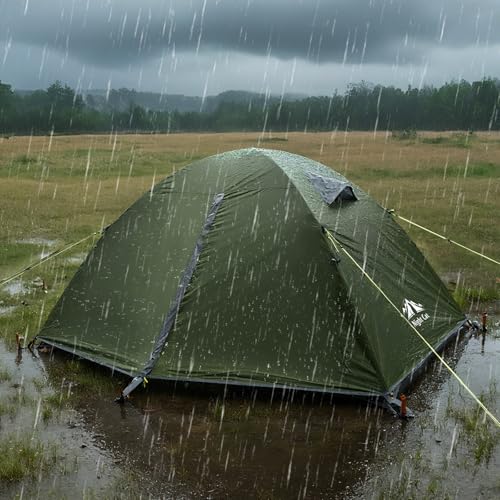
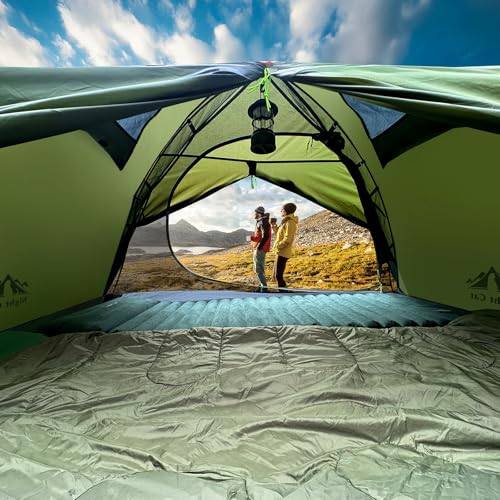
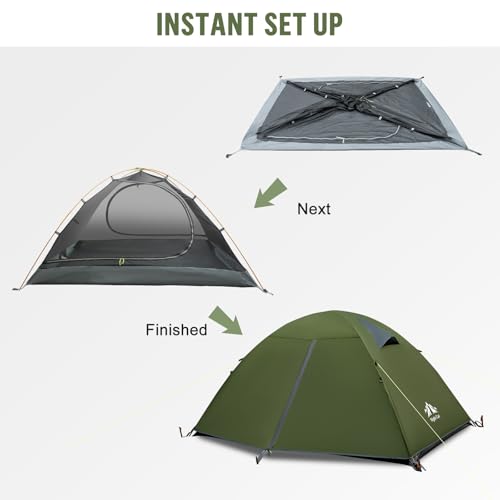
The Night Cat tent wins where it matters most for tired hikers: setup speed. Claiming a 3-minute pitch isn’t marketing fluff, owners confirm it’s one of the fastest to assemble, thanks to simple pole routing and color-matched clips. The 3000mm waterproof rating isn’t class-leading, but it’s enough for most 3-season conditions, especially with the welded floor and taped seams.
Ventilation is a standout, with full mesh walls and dual ceiling vents cutting condensation better than many pricier models. It’s not the lightest at 5.7 lbs, and the 3.6 ft height means sitting up is a squeeze. But if you’re returning to camp late and just want shelter fast, this is the tent I’d want in my pack.
Product photos

BISINNA 2P Lightweight Camping Tent

Strengths
- Lightweight for price
- Aluminum poles
- Spacious interior
Trade-offs
- Moderate headroom
- Condensation issues
- Zippers snag occasionally
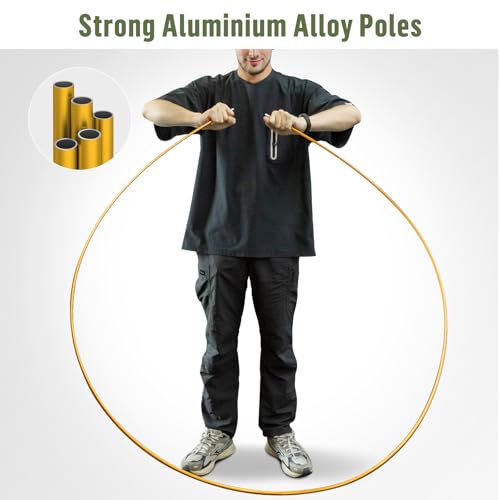
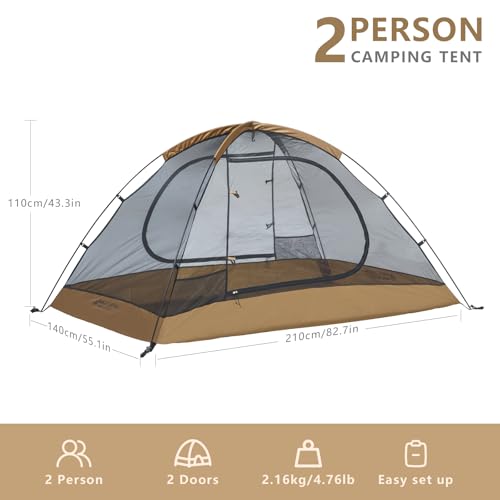
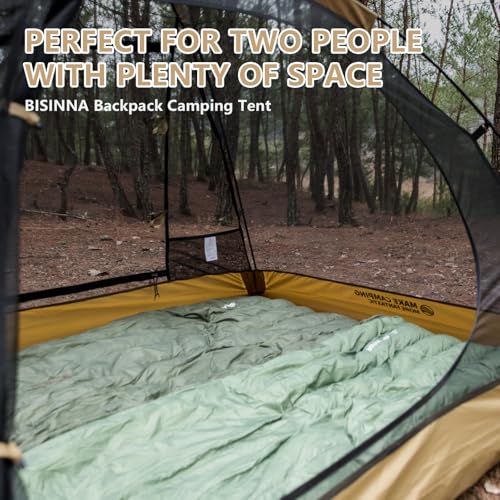
On paper, the BISINNA tent looks like a solid budget contender for solo hikers or occasional two-person trips. It hits a decent balance between weight and durability, coming in at just under 4.8 lbs with a PU3000 rating and 210D Oxford floor, enough to handle wet ground without adding bulk. The aluminum poles are a step up from fiberglass, and owners consistently report it holds firm in moderate wind, especially with the pole-sleeve design boosting stability.
That said, while it’s roomy on the inside, the 110cm height means you won’t be sitting up straight with ease. And despite the double-layer design and mesh inner, ventilation seems hit-or-miss in humid conditions, some reviewers mention noticeable condensation. It’s a capable 3-season tent for the price, but not one I’d trust in sustained downpours or tight alpine spots.
Product photos

Underwood 4-Season Backpacking Tent
Strengths
- High waterproof rating
- Snow skirt included
- Freestanding setup
Trade-offs
- Bulky for 4-season claims
- Ventilation limited
- Not true four-season in extreme storms
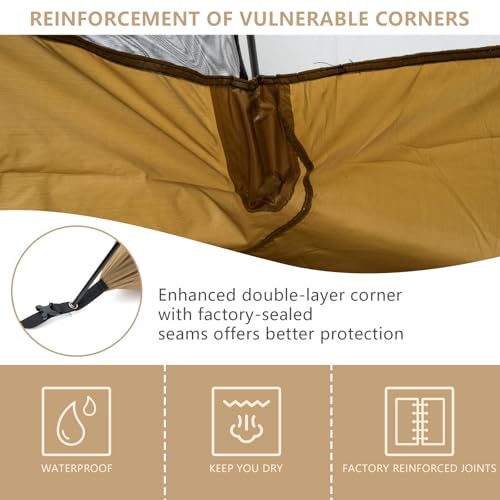
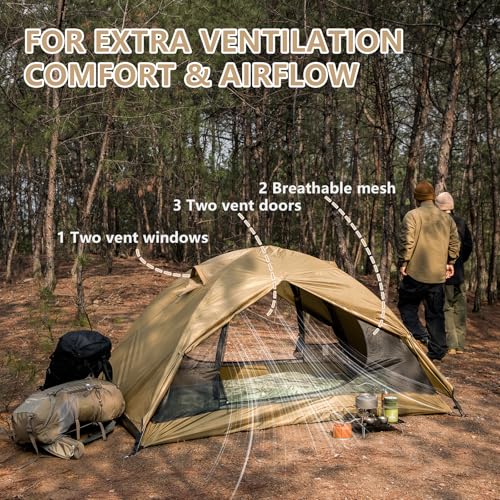
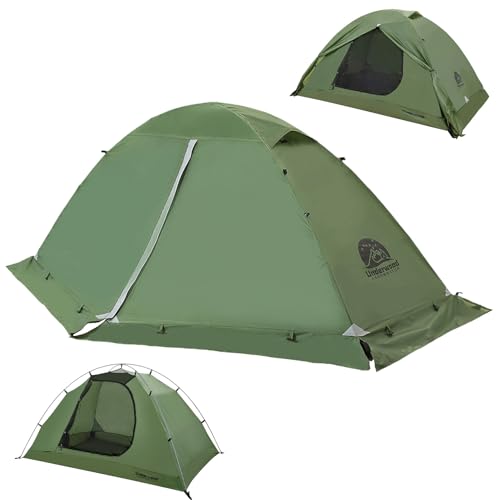
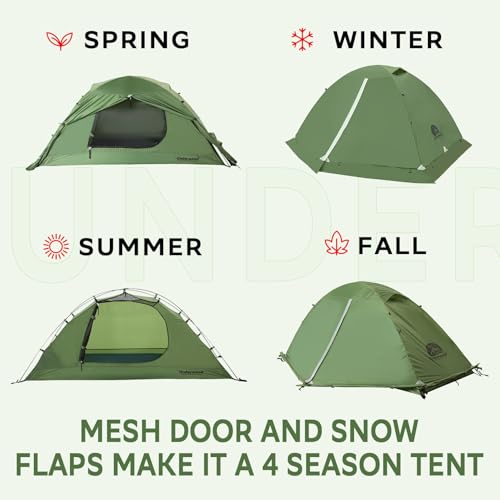
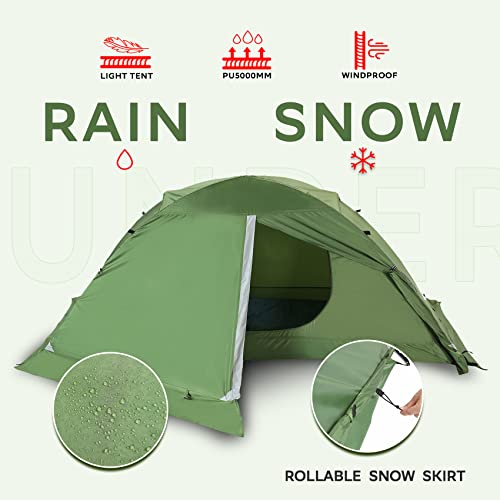
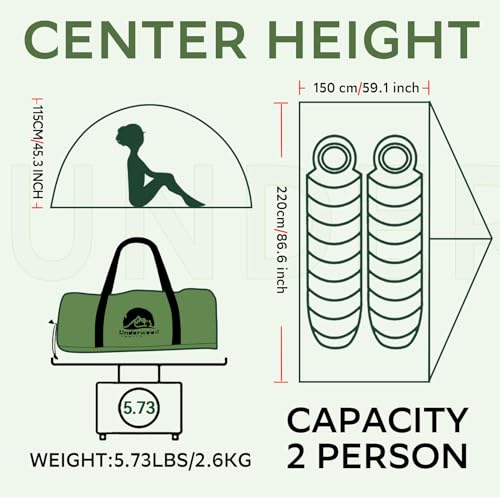
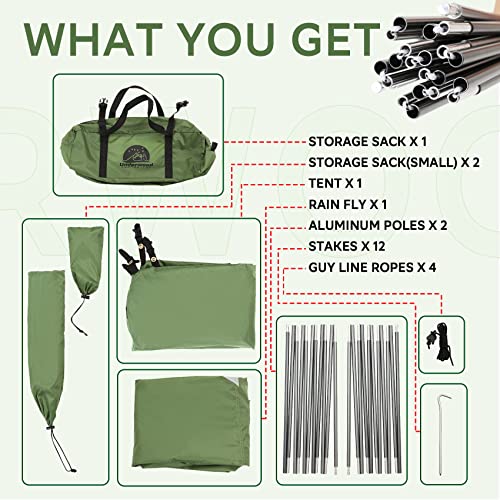
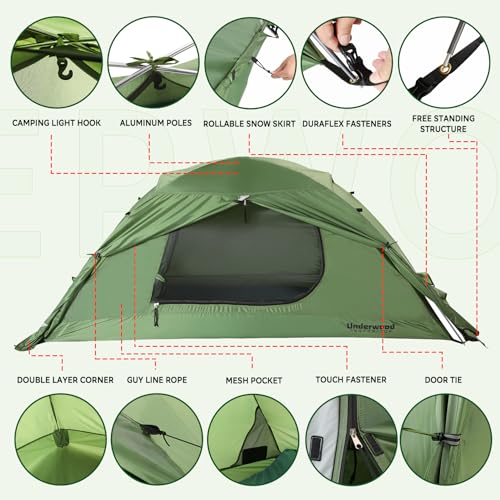
This Underwood Aggregator tent pitches itself as a 4-season beast, but the reality is a bit more nuanced. The PU5000 coating, snow skirt, and aircraft-grade poles suggest serious winter readiness, and on paper, it’s one of the few sub-6 lb tents claiming true 4-season use. The 45.3” center height helps, and the double-layer door design does improve ventilation when sealed up in snow.
But owner feedback hints at compromises, while it handles snow loading better than most 3-season tents, it’s not a true mountaineering dome. The freestanding design is convenient, but not ideal for high winds without extra guylines. I’d consider it a strong 3.5-season option, great for late fall and early spring trips, but not for serious winter expeditions. Still, for solo winter campers wanting extra space, it’s a compelling hybrid.
Product photos
How We Picked These backpacking 2 person tents
Rather than a hands-on lab test, my research for these recommendations focused on a detailed comparison of published specifications and features across numerous models. I weighed owner reviews from multiple retailers alongside expert reviews from established outdoor publications. As someone who spends a lot of time researching and planning adventures, I applied my understanding of what truly matters when you’re relying on a tent for shelter in the backcountry, and ranked each tent against a clear set of criteria.
For backpacking tents designed for two people, weight, waterproofness, and ease of setup were the most heavily weighted factors. A lighter tent obviously makes for a more enjoyable hike, while reliable weather protection is critical for comfort and safety. Quick setup is also vital, especially when arriving at camp late or in inclement weather – fumbling with a complex tent after a long day is no fun! I also considered ventilation and interior space, as these contribute significantly to overall comfort.
Specifications reliably indicate a tent’s potential for waterproofness (PU coating numbers) and weight. However, I relied more on owner feedback to gauge real-world durability and how well a tent holds up to extended use. Reputation among top backpacking tent brands and consistently positive reviews regarding weather resistance and material quality carried significant weight in my final rankings. I also looked to see if the manufacturers were among the trusted backpacking gear brands to help ensure quality.
Choosing The Right backpacking 2 person tents
Picking the right shelter for two people on the trail requires more thought than just grabbing the cheapest option. We’ve seen too many trips ruined by leaky seams or cramped quarters, so let’s get this right.
A good backpacking tent for two prioritizes a balance of weight, weather protection, and livable space. Key specs to consider include the tent’s weight (under 5lbs is ideal for serious backpackers), its waterproof rating (at least 1500mm for the fly and 3000mm for the floor), and its packed size (smaller is better for fitting in your pack). Durability of materials and pole construction are also crucial, as is ease of setup after a long day on the trail.
Weight and Packability
Weight is paramount when you’re carrying everything on your back. Don’t fall into the trap of thinking you need a super-robust, four-season tent for every trip. Most three-season tents will handle moderate conditions just fine, and shaving off a pound or two can make a huge difference over miles. Look for tents utilizing lighter fabrics like 20D nylon or silicone-coated materials. Also, consider the packed size; a compact tent won’t take up valuable space in your pack. If you’re serious about minimizing weight, explore options designed as ultralight 2-person backpacking tents.
Waterproofing and Weather Resistance
Don’t assume all “waterproof” tents are created equal. Waterproof ratings (measured in millimeters) indicate how much water pressure a fabric can withstand before leaking. A fly rating of at least 1500mm is a good starting point, but 2000mm or higher is preferable for areas prone to heavy rain. Equally important are taped seams – these prevent water from seeping through the stitching. Beyond waterproofing, consider wind resistance. Look for tents with a robust pole structure and guylines to secure the tent in windy conditions. Don’t skimp on a tent footprint for backpacking either; it will significantly extend your tent’s lifespan.
Livability and Features
While minimizing weight is important, don’t sacrifice all comfort. Interior space is key, especially if you’re spending multiple nights in the tent. Pay attention to the peak height – enough headroom to sit up comfortably is a huge plus. Also, consider features like vestibules for storing gear, interior pockets for organization, and door configurations.
- A single large door is common, but dual doors offer more convenience.
- Vestibule size varies greatly; larger vestibules provide more covered storage space.
- Good ventilation is critical to minimize condensation; mesh panels and adjustable vents are essential, especially in warmer weather. A poorly ventilated tent can quickly become damp and uncomfortable, even if it’s waterproof.
A well-placed stake and properly tensioned guylines can make or break a tent’s performance in windy conditions. Don’t underestimate the importance of proper setup!
Backpacking 2 Person Tents Compared
This table provides a detailed specification comparison of various 2-person backpacking tents to aid in your purchasing decision.
| Product Title | Weight (lbs) | Floor Size (in x in) | Peak Height (in) | Waterproof Rating (mm) | Material (Fly) |
|---|---|---|---|---|---|
| Naturehike Cloud Up Pro 2P | 3.97 | 82.7 x 49.2 | 41.3 | 4000 | 20D Nylon |
| Clostnature Lightweight 2P | 5.29 | 73 x 47 | 39.4 | 5000 | Polyester |
| Kelty Grand Mesa 2P | 4.7 | 85 x 57 | 44 | N/A | 68D Polyester |
| Marmot Crane Creek 2P | N/A | N/A | N/A | N/A | Polyester |
| Night Cat 2-Person Backpacking Tent | N/A | 6.8 x 4.6 | 3.6 | 3000 | N/A |
| BISINNA 2P Lightweight Camping Tent | 4.76 | 220 x 140 | 110 | 3000 | 190T Polyester |
| Underwood 4-Season Backpacking Tent | 5.73 | 59.1 x 86.6 | 45.3 | 5000 | N/A |
Frequently Asked Questions
What’s the biggest mistake people make when choosing a 2-person backpacking tent?
Many people overestimate their space needs and don’t account for gear. A tent marketed as “2-person” is often quite snug; for truly comfortable space for two and your belongings, consider a tent with a floor area of at least 55 square feet.
Are freestanding tents really necessary for backpacking?
Freestanding tents are convenient, but not essential. Non-freestanding tents, which rely on stakes for setup, are often lighter and can be a good choice if you’re prioritizing weight and are confident in finding suitable staking surfaces.
What waterproof rating do I actually need for a backpacking tent?
A fly waterproof rating of 1500mm is generally sufficient for most conditions, however, 2000mm or higher is ideal for consistently rainy environments. Don’t forget to check the floor’s rating too; it should be at least 3000mm, as it experiences more direct contact with the ground.
How important is a tent footprint, and can I skip it to save weight?
A footprint dramatically extends the life of your tent’s floor by protecting it from abrasion and punctures. While you can skip it to save a few ounces, I recommend using one, particularly on rocky or abrasive terrain, to avoid costly repairs or replacements.
Where can I find more information on ultralight tent options?
If you’re looking to minimize weight, you can explore options designed as lightweight 2-person backpacking tents – these often feature lighter materials and streamlined designs.
The Bottom Line
Buying a backpacking tent for two always comes down to trade-offs. Do you prioritize saving every ounce, even if it means a slightly tighter space and potentially less durable materials? Or do you lean towards a more robust, comfortable tent knowing it will add some weight to your pack? For the best overall balance of weight, weather protection, and livability, I recommend the Naturehike Cloud Up Pro 2P. It consistently receives high marks from owners for its spaciousness and reliable performance.
If you’re on a tighter budget, the Clostnature Lightweight 2P offers a lot of value for the price. And for those who prioritize versatility and don’t mind a bit of extra weight, the BISINNA 2P Lightweight Camping Tent provides a remarkably roomy interior. Remember, understanding how to pick a backpacking tent is crucial to finding one that suits your specific needs.
Ultimately, the specs on a tent are just numbers. What really matters is how well a tent is constructed, how it feels in the field, and how confidently it protects you from the elements. Don’t get too bogged down in comparing waterproof ratings or denier counts – focus on finding a tent from a reputable brand with positive owner feedback, and prioritize practicing your setup before you head out on your first adventure.
