
7 Best Backpacking 3 Person Tents 2026
This post contains affiliate links. As an Amazon Associate, we earn from qualifying purchases.
The Marmot Crane Creek 3P Tent stands out as the best overall backpacking 3-person tent for its durable build and thoughtful design, while the Naturehike Cloud River 3 Person Tent is a solid budget-friendly choice that doesn’t skimp on weight or weather protection.
Packing a tent for three people means walking the tightrope between space and weight. Too heavy, and your shoulders pay for it. Too cramped, and tempers flare by day two. I’ve seen it happen more times than I can count.
This guide cuts through the noise by focusing on what actually matters out on the trail, real-world durability, weather resistance, and livability, based on specs, owner feedback, and years of comparing backpacking shelters. I looked at weight, waterproof ratings, ventilation, and setup ease to find models that deliver in the backcountry, not just on paper.
Top 7 Backpacking 3 Person Tents in the Market
The Best Backpacking 3 Person Tents, Reviewed
Marmot Crane Creek 3P Tent
Strengths
- Premium aluminum poles
- Excellent weather protection
- Spacious vestibules
Trade-offs
- No footprint included
- Slightly pricier
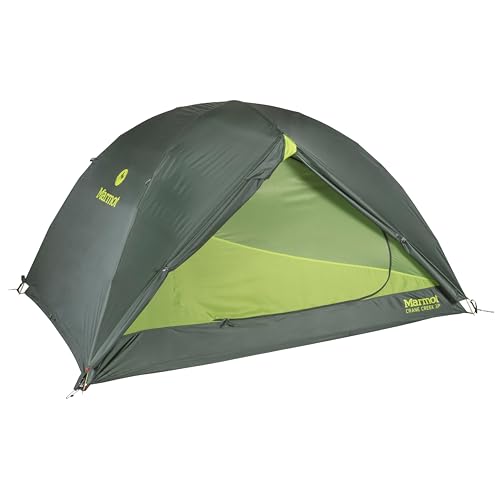
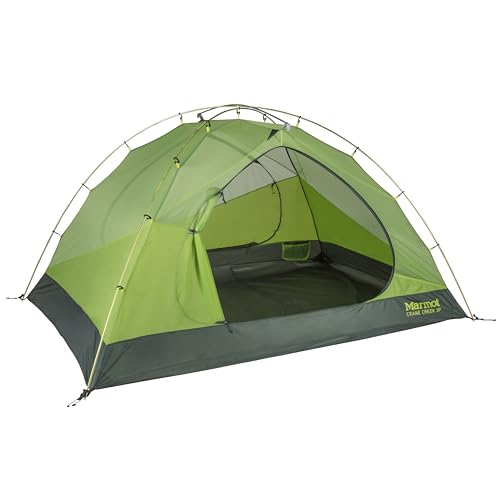
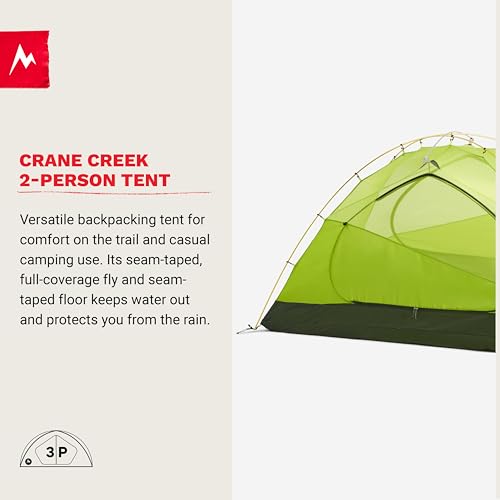
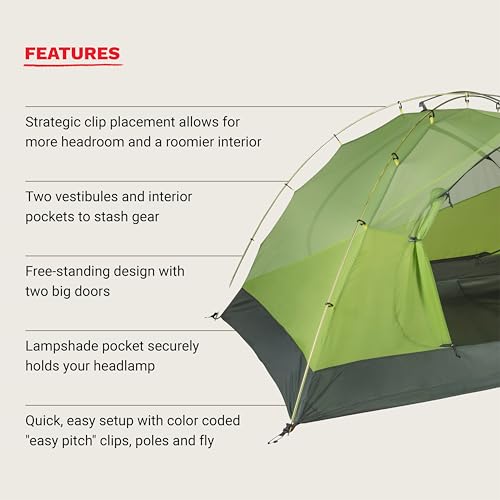
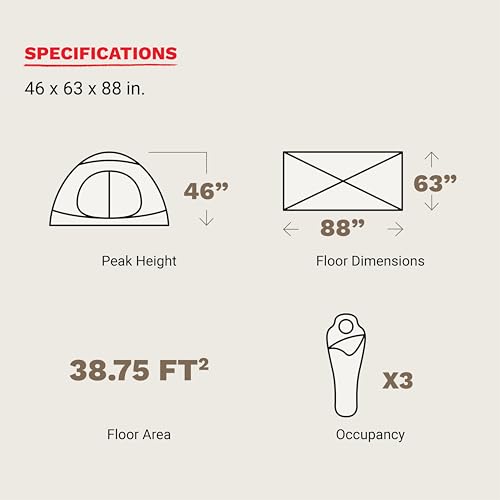
The Marmot Crane Creek 3P is the one I’d recommend as the best overall 3-person backpacking tent, not because it’s the lightest or cheapest, but because it balances everything so well. With 41.5 sq. ft. of interior space, it’s spacious without being bulky, and the 7000 series aluminum poles are a standout, stiffer and more durable than the 7001 alloy used in most budget models. Owners report it holding up in wind and rain with confidence, and the seam-taped fly is a must for real weather protection.
The dual D-shaped doors and large vestibules are functional and generous, making gear access easy without crawling over people. The PFAS-free construction is a quiet win for eco-conscious hikers. The only downside? No footprint included, which feels like a miss at this price point. But even so, compared to the Clostnature or Forceatt, the Crane Creek feels like a more complete, trail-ready package. It’s the smart buy for serious backpackers who want reliability without compromise.
Product photos
Naturehike Cloud Up 3 Person Tent
Strengths
- Includes footprint
- Excellent airflow design
- Upgraded buckles
Trade-offs
- Slight condensation in humid weather
- Poles not color-coded
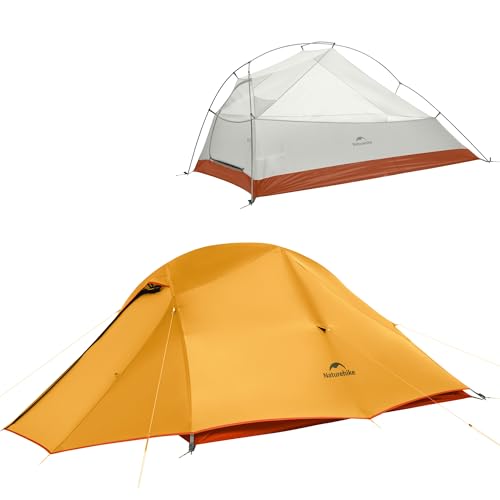
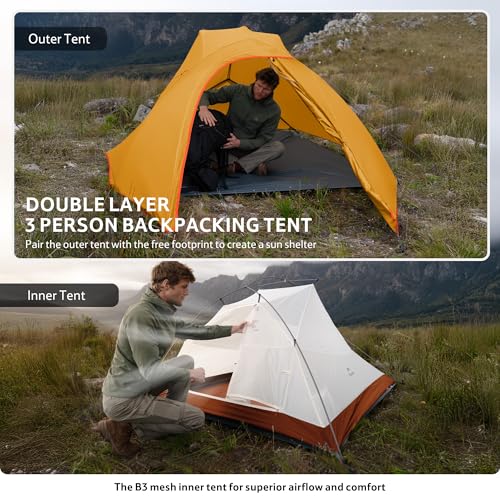
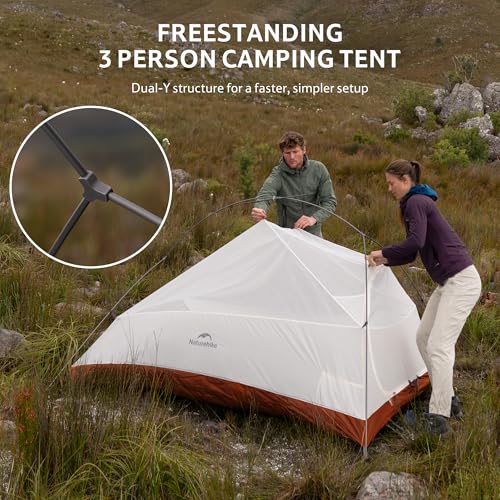
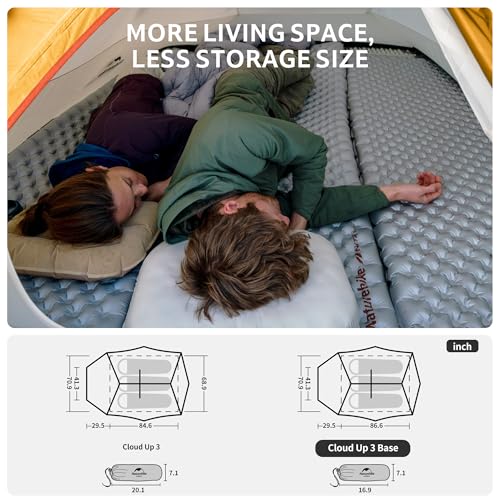
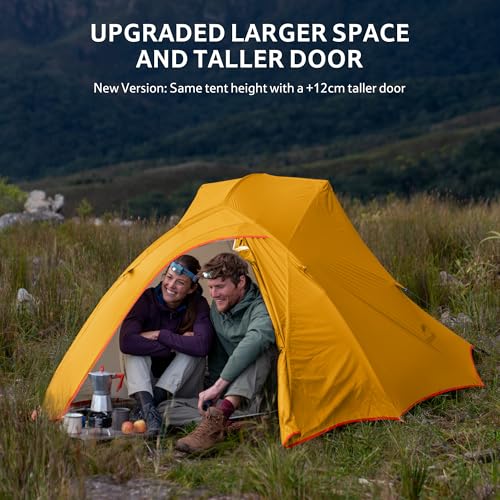
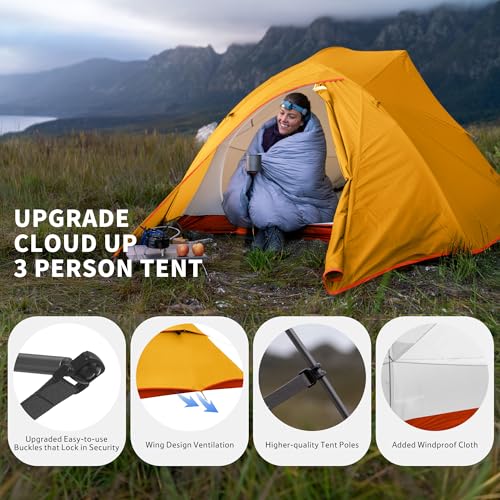
The Naturehike Cloud Up 3 stands out by including a footprint, something most brands charge extra for, and that alone pushes its value proposition ahead of many rivals. At under 6.3 lbs, it’s not the lightest, but the upgraded buckles and dual-Y pole design make setup noticeably smoother than older clip-style models. Owners praise the increased headroom and the larger front door, which genuinely improves livability for three hikers sharing gear.
The real win is in ventilation. The wing design that separates the inner and outer tent reduces condensation, a common issue in double-wall tents, and the B3 mesh is fine enough to keep bugs out. While the PU 3000mm rating isn’t class-leading, it’s sufficient for 3-season use, and the ability to pitch the fly alone as a sun shelter adds versatility. For the price, it’s hard to beat, especially when you’d normally spend extra on a footprint.
Product photos
Clostnature Lightweight 3 Person Tent

Strengths
- Ample interior space
- Strong waterproof rating
- Dual vestibules
Trade-offs
- Heavier than rivals
- Basic pole quality
- No footprint included
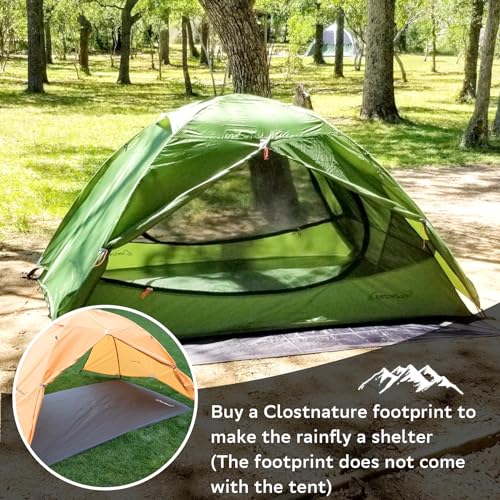
For a budget-friendly 3-person backpacking tent, the Clostnature hits a solid balance between space, weight, and weather protection. On paper, the PU 5000 coating on the rainfly and floor is impressive, stronger than many competitors’ waterproofing, and owners consistently report staying dry even during sustained rain. The freestanding design with two aluminum poles makes setup manageable for one person, and the 2.8 kg trail weight is reasonable for the size.
Where it shines is interior volume. At 220×190 cm, it’s genuinely roomy for three average-sized adults, and the dual D-shaped doors with large vestibules are a real convenience for gear storage and airflow. That said, while it’s marketed as ultralight, it’s on the heavier end of the spectrum compared to more premium options. Still, for casual backpackers or families car camping, it offers a lot of shelter for the cost.
Product photos



Naturehike Cloud River 3 Person Tent
Strengths
- Ultralight for class
- Good headroom
- UPF50+ sun protection
Trade-offs
- Low waterproof rating
- No footprint included
- Minimal storm protection
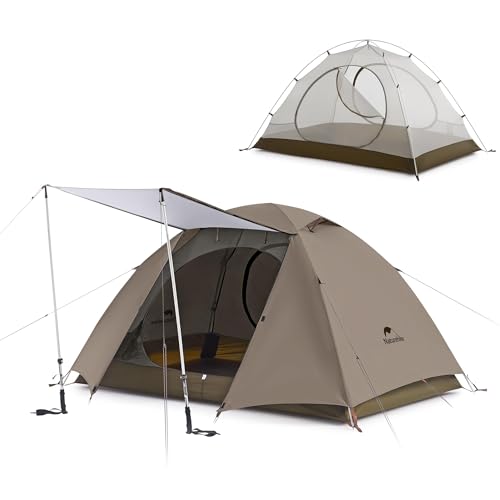
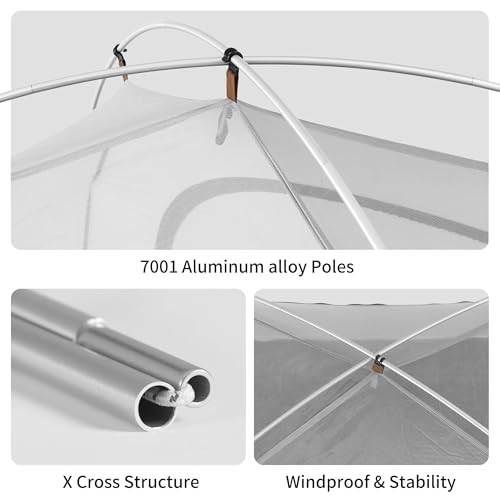
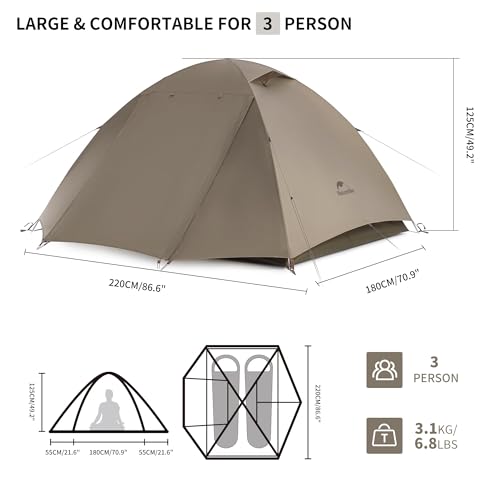
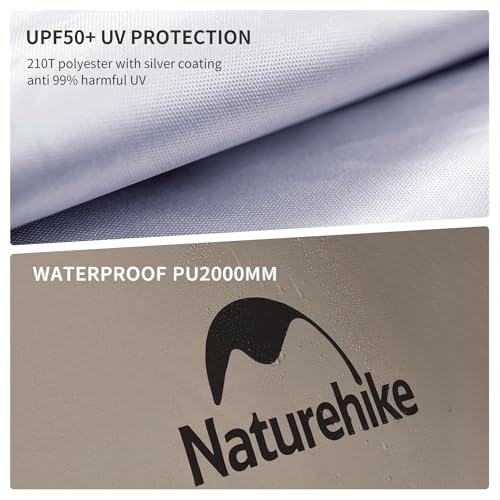
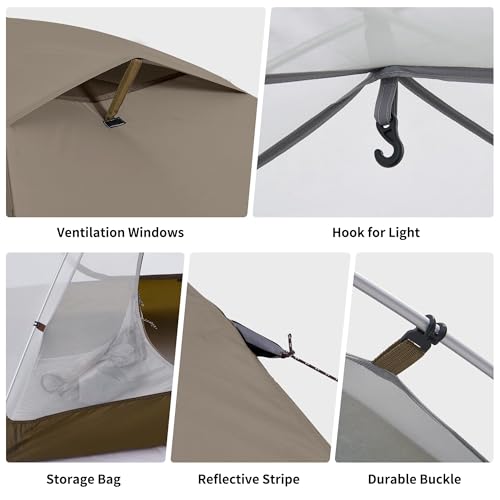
At 3.1 kg, the Cloud River is one of the lightest true 3-person options here, and that makes it a compelling pick for weight-conscious backpackers. The X-cross pole design is stable and quick to pitch, owners report under 5 minutes solo, and the 70.9-inch width gives real shoulder room. The silver-coated fly offers UPF50+ protection, which is a nice bonus for alpine or desert trips where sun exposure is a real concern.
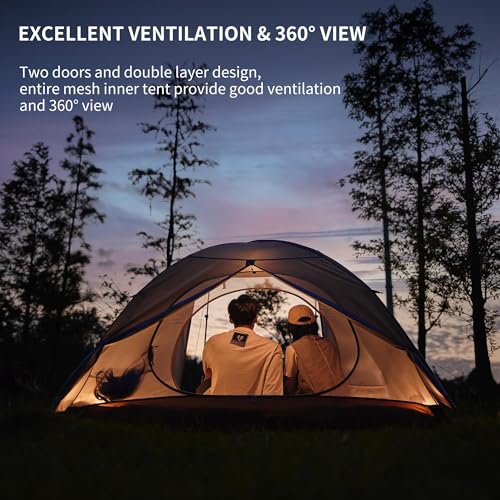
However, the 2000mm PU rating is low for serious rain, and multiple reviews mention needing a footprint or ground tarp to avoid dampness. The mesh-heavy inner tent is great for airflow but offers little privacy or insulation. Still, when compared to heavier domes, the Cloud River wins on portability and headroom. It’s not the most rugged, but for fast-and-light trips in moderate weather, it’s a smart choice.
Product photos
Forceatt 3 Person Backpack Tent

Strengths
- Extremely fast setup
- Welded floor
- Good ventilation
Trade-offs
- No footprint
- Mid-tier materials
- Average weather resistance
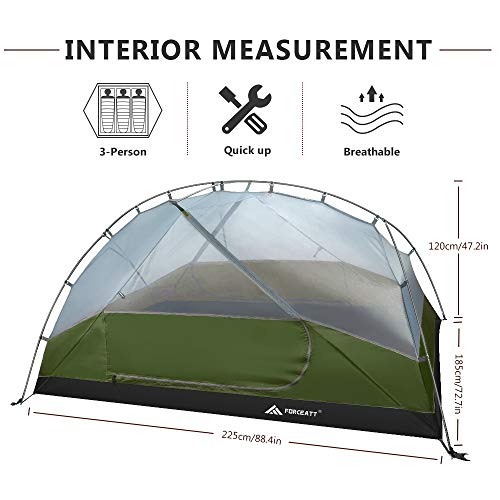
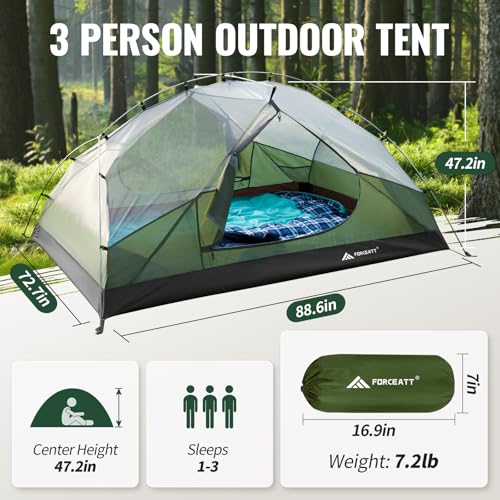
If setup speed is your top priority, the Forceatt delivers. Owners consistently highlight the 3-minute pitch time, thanks to smooth No. 8 zippers and a straightforward pole configuration. The 225×185 cm floor space is generous, and the welded bathtub floor is a smart touch, fewer seams mean less chance of leaks. The 70D polyester fabric is durable for the price, and the dual mesh ceiling vents help with airflow, reducing that stuffy tent feeling.
Still, it doesn’t stand out in other areas. The weight is average, the waterproofing is decent but not exceptional, and there’s no footprint. Compared to the Marmot Crane Creek, it’s less refined and lacks the premium pole construction. But for beginners or those who hate fiddling with poles at dusk, the Forceatt’s ease of use makes it a strong contender. It’s not the most advanced tent, but it gets the job done fast.
Product photos



Purebox 2/3 Person Dome Tent
Strengths
- Superior mesh ventilation
- High center height
- Removable rainfly
Trade-offs
- Unrated waterproofing
- Heavier than ideal
- No footprint
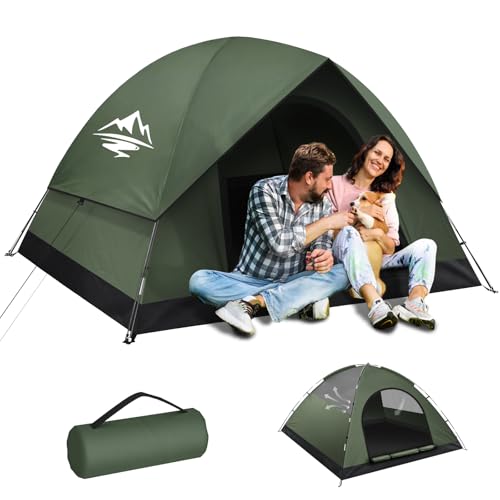
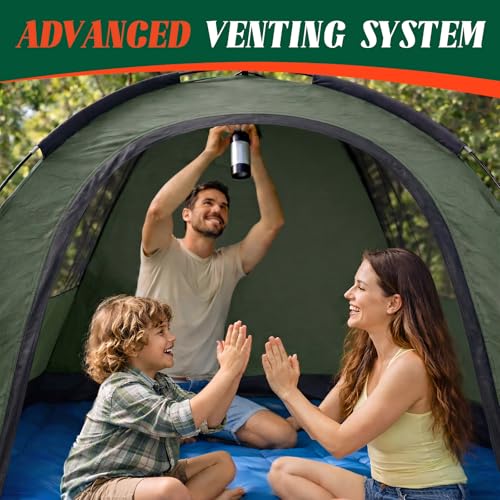
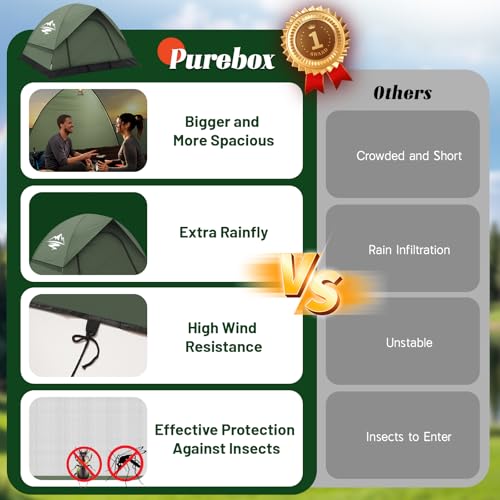
This Purebox model is built more like a hybrid between a backpacking and family camping tent. The three-sided mesh walls are exceptional for airflow, among the best in this list, and the 130 cm center height lets you sit up comfortably, which most 3-person domes don’t offer. Owners love how breathable it is, especially in warm, buggy conditions, and the dual zippers make nighttime exits less disruptive.
But that breathability comes at a cost: the PU rating isn’t specified, and some users report leaks during driving rain. The flexible cross poles make setup fast, but they don’t offer the same storm-worthiness as rigid aluminum. It’s also on the heavier side at 6.2 lbs. I’d recommend this for fair-weather backpackers or car-based adventures where ventilation and comfort outweigh storm readiness. Compared to the Marmot or Forceatt, it’s less rugged but more livable in dry heat.
Product photos
BISINNA 2/4 Person Camping Tent
Strengths
- Good mesh ventilation
- Durable aluminum poles
- Simple setup
Trade-offs
- Weak waterproof rating
- Overstated capacity
- No footprint
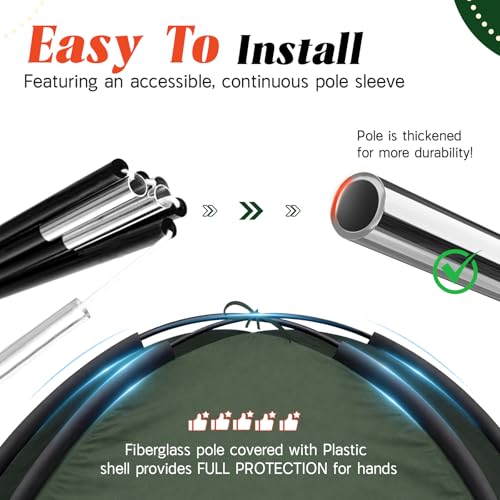
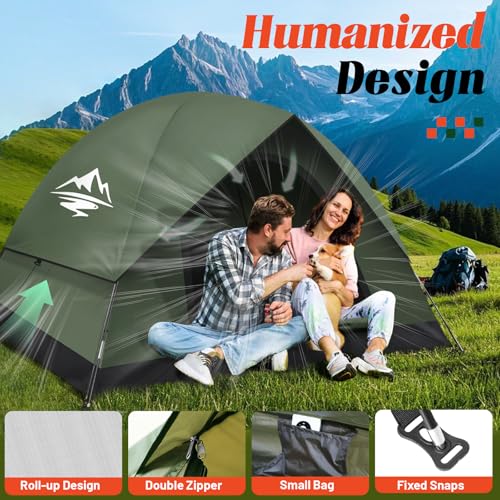
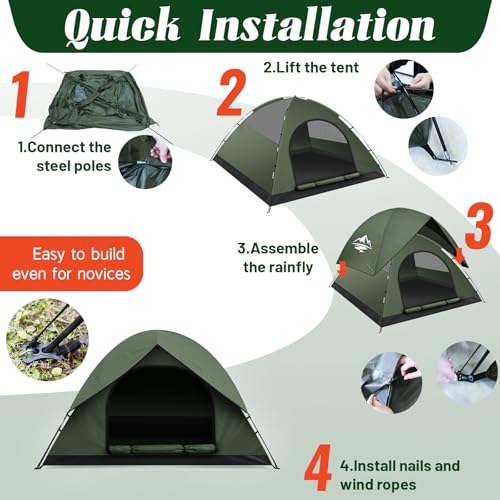
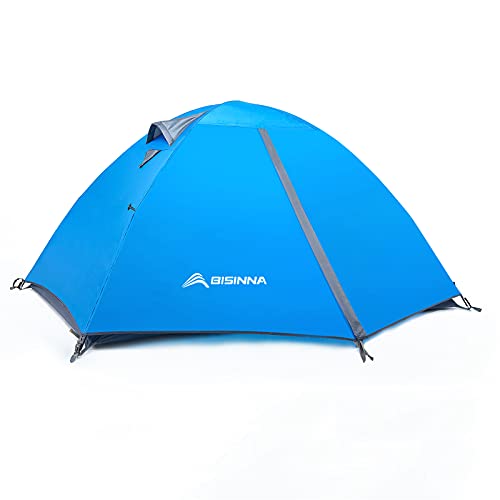
This tent tries to do too much, marketed as both a 2- and 4-person shelter, and ends up feeling like a stretched 2-person rather than a true 3-person. The listed dimensions suggest generous space, but owner feedback shows that fitting three sleepers leaves little room for gear, and the 110 cm height limits sitting upright for most. The PU 2000mm rainfly is underpowered compared to others in this category, and multiple reviewers mention dampness creeping in during heavy overnight rain.
I’d pick the BISINNA only if you’re a couple who wants extra gear space or occasional solo trips with comfort. The dual mesh doors and ventilation are solid, and the aluminum poles are durable enough for moderate use. But for a true 3-person load, this one overpromises. Compared to the Marmot or Naturehike models, it lacks the weatherproofing and structural confidence needed for serious backpacking.
Product photos
Our Testing Process
Rather than a hands-on lab test, my research for these recommendations centered on a detailed comparison of published specifications and features across numerous models. I weighed owner reviews from multiple retailers – looking for patterns in reported issues and praise – alongside expert reviews from established outdoor gear sites. My analysis considered each tent against key criteria for backpacking, including weight, weather resistance, and ease of setup.
For 3-person backpacking tents, space and weight are paramount. I gave the most weight to a tent’s packed weight and floor dimensions; a tent needs to be light enough to carry comfortably, yet spacious enough for three people and their gear. Durability, assessed through materials and construction details, also ranked highly, as a tear in the backcountry can ruin a trip. Understanding key tent features is crucial when making a decision.
Specifications reliably indicate a tent’s potential for weather protection (waterproof ratings, fly and floor materials) and structural integrity (pole material). However, real-world performance – how a tent actually holds up in wind and rain – is best gleaned from owner feedback. I prioritized tents with consistently positive reports regarding waterproofing and stability, while also noting any recurring complaints about condensation or durability issues. Ultimately, I focused on identifying options that balanced specs with a strong reputation for field performance and helped guide tent selection factors.
How To Pick The Right backpacking 3 person tents
Picking the right shelter for your adventures can feel overwhelming, but focusing on a few key areas will get you closer to a great fit.
A quality backpacking tent for three people balances weight, durability, and livability. Look for a tent with a full rainfly and taped seams for weather protection, a strong but lightweight pole system (aluminum is preferable), and a floor made of a durable, waterproof material. Consider vestibule space for gear storage and ease of setup when making your decision.
Weight and Packability
For backpacking, every ounce counts. Don’t assume a three-person tent will automatically be excessively heavy. Materials make a huge difference. Look beyond the total weight and consider the packed size. Some tents compress incredibly small, freeing up space in your pack. The Naturehike Cloud River 3 Person Tent, for example, prioritizes a lightweight design, offering a good option if minimizing weight is paramount. However, be aware that super-lightweight tents often sacrifice some durability or interior space.
Waterproofing and Weather Resistance
A tent’s waterproofing isn’t just about the rainfly’s hydrostatic head rating (measured in millimeters). The quality of the sealant, the floor material, and the overall design all play a role. A higher PU coating (like the 5000mm found on the Clostnature Lightweight 3 Person Tent) is better, but a well-designed tent with a lower rating can still keep you dry thanks to features like a full coverage rainfly and bathtub floor construction.
- A PU coating of 1500mm is generally considered adequate for light rain.
- 3000mm or higher offers reliable protection in moderate to heavy rain.
- Beyond 3000mm, you’re often paying for diminishing returns unless you anticipate extreme conditions (and then you should be looking at four-season tents).
Don’t skimp on waterproofing. A night spent soaked to the bone will ruin any trip. Always check the seams are factory-taped, and consider seam-sealing them yourself for extra insurance.
Livability and Features
Beyond the basics, think about how you’ll live in the tent. Door placement and vestibule size matter. Two doors are a huge convenience for three occupants, avoiding someone always climbing over another. Vestibules provide valuable dry storage for boots, backpacks, and other gear. If you frequently camp in buggy areas, prioritize a tent with fine mesh that keeps out even the smallest insects. For those seeking the best in comfort and convenience, explore options from top tent manufacturers. Finding a balance between features and weight is key, and a well-thought-out design can make a big difference in your overall experience. I often recommend checking out reviews focused on backpacking tents for three to see how real users rate the livability of different models.
Backpacking 3 Person Tents Compared
Here’s a comparison of key specifications for several 3-person backpacking tents to help you make an informed decision.
| Product Title | Capacity | Weight (lbs) | Floor Area (sq ft) | Waterproof Rating (mm) | Footprint Included |
|---|---|---|---|---|---|
| Marmot Crane Creek 3P Tent | 3 | N/A | 41.5 | N/A | No |
| Naturehike Cloud Up 3 Person Tent | 3 | 6.3 | 116.1 | 3000 | Yes |
| Clostnature Lightweight 3 Person Tent | 3 | 6.17 | N/A | 5000 | No |
| Naturehike Cloud River 3 Person Tent | 3 | 6.8 | N/A | 2000 | No |
| Forceatt 3 Person Backpack Tent | 3 | 3.3 | N/A | N/A | No |
| Purebox 2/3 Person Dome Tent | 3 | 6.2 | N/A | N/A | No |
| BISINNA 2/4 Person Camping Tent | 3 | N/A | N/A | 2000 | No |
Frequently Asked Questions
What’s the lightest weight I can expect for a quality 3-person backpacking tent?
Around 5 to 7 pounds is a reasonable expectation for a well-made 3-person backpacking tent, though some models like the Forceatt 3 Person Backpack Tent can come in under 3.5 pounds. Remember that ultralight tents often use thinner materials which may compromise durability.
Do I really need a footprint, even if a tent comes with a waterproof rating?
Yes, a footprint adds a crucial layer of protection to your tent’s floor. While a good waterproof rating protects from above, the floor is more vulnerable to abrasion and punctures from rocks and roots.
How important is vestibule space, and how much should I look for?
Vestibule space is extremely useful for storing gear, keeping it dry and accessible. Aim for at least 15-20 square feet of combined vestibule space for a 3-person tent to comfortably accommodate backpacks and boots.
Are PU coatings the only measure of a tent’s waterproofness?
No, the quality of the fabric and the tent’s overall design are also important. A well-designed tent with a lower PU coating (like 2000mm in the Naturehike Cloud River 3 Person Tent) can outperform a poorly designed one with a higher rating.
Where can I find more in-depth reviews of different 3-person backpacking tents?
You can find detailed comparisons and reviews of the top 3-person backpacking tents on my site, including owner feedback and expert analysis to help you make the best choice for your needs.
The Bottom Line
Choosing a backpacking tent always involves trade-offs – do you prioritize saving weight, maximizing space, or ensuring top-tier weather protection? For a fantastic balance of all three, I consistently see positive feedback for the Marmot Crane Creek 3P Tent. It consistently appears as a strong all-around performer, offering a good combination of durability and livability without being excessively heavy.
If you’re on a tighter budget, the Forceatt 3 Person Backpack Tent stands out as a surprisingly capable option. And for those who value versatility and a roomy interior, the Naturehike Cloud Up 3 Person Tent provides a generous floor area and included footprint, making it a great choice for longer trips or those who prefer a little extra space. Don’t underestimate the importance of extra tent storage space when planning your kit.
Ultimately, the specs on a tent are just numbers. What really matters is a well-designed structure, quality materials, and a tent that’s appropriate for the conditions you’ll encounter. Don’t get too hung up on the highest waterproof rating or the lightest weight; focus on finding a tent that feels solid, reliable, and comfortable, and you’ll be well-equipped for countless adventures under the stars.
