
7 Best Backpacking Tent Stakes of 2026
This post contains affiliate links. As an Amazon Associate, we earn from qualifying purchases.
The Hikemax Titanium V-Shaped stakes are the overall best backpacking tent stake for their unbeatable mix of light weight and holding power, especially in mixed terrain. For budget buyers, the AnyGear 7075 Aluminum Tri-Beam stakes deliver strong performance at a fraction of the cost, while the MSR Groundhog Y-Beam strikes a smart balance for versatile, reliable use across conditions.
As someone who’s pitched tents from alpine ridges to coastal dunes, I know a flimsy stake can ruin a trip fast. Too many hikers learn the hard way that cheap stakes bend, pull out, or vanish in the dark.
This guide cuts through the noise by focusing on what actually matters, real-world durability, holding strength in different soils, and smart design, based on specs, owner feedback, and years of trail experience. I looked at materials, shape, visibility, and usability to pick stakes that won’t let you down when the wind picks up.
Top 7 Backpacking Tent Stake in the Market
The Best Backpacking Tent Stake, Reviewed
Hikemax Titanium V-Shaped Tent Stakes

Strengths
- Titanium durability
- Lightweight
- Strong holding power
Trade-offs
- Higher cost
- Shorter length
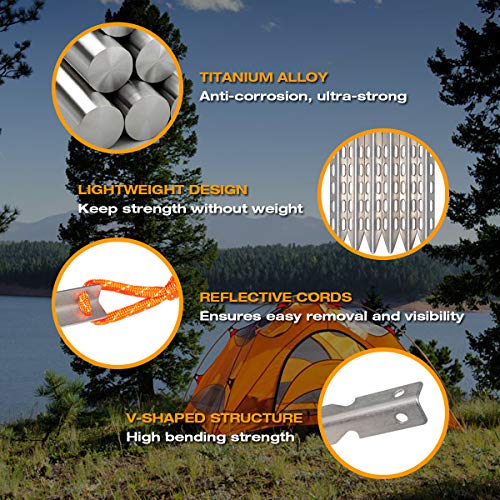
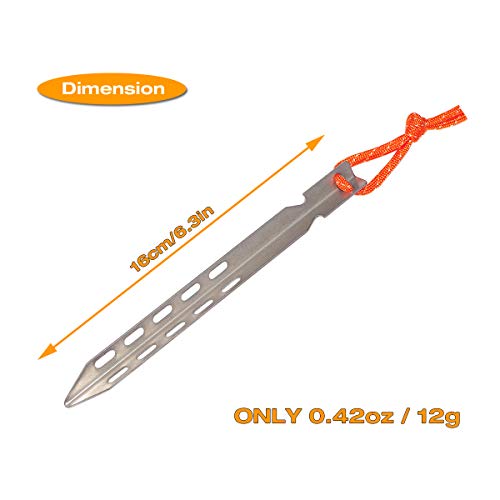
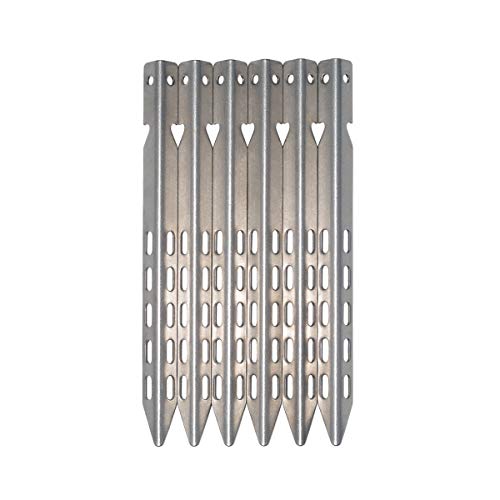
If you’re serious about long-term reliability and weight savings, titanium is the move, and these V-shaped stakes deliver. At 12 grams each, they’re competitive with aluminum, but titanium’s tensile strength means fewer bent stakes after a tough drive. Owners praise their performance in dense soil and rocky edges, where aluminum would’ve folded.
The 6.3-inch length is slightly shorter than some, but the V-design bites well, and the reflective cords are a consistent win across setups. This isn’t the cheapest option, but over years of use, fewer replacements make it the smarter buy. For most serious backpackers, this is the easy pick.
Product photos
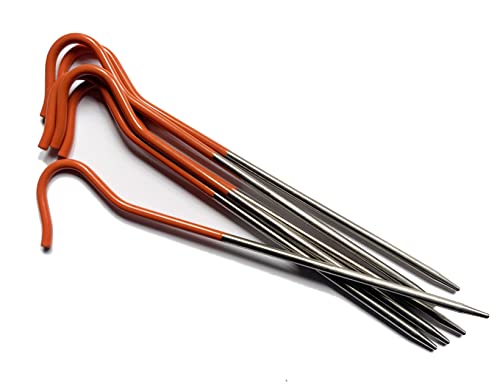
Vargo Titanium Shepherd’s Hook Stakes
Strengths
- Extremely lightweight
- High visibility
- Titanium durability
Trade-offs
- Less holding in hard soil
- Thinner shaft
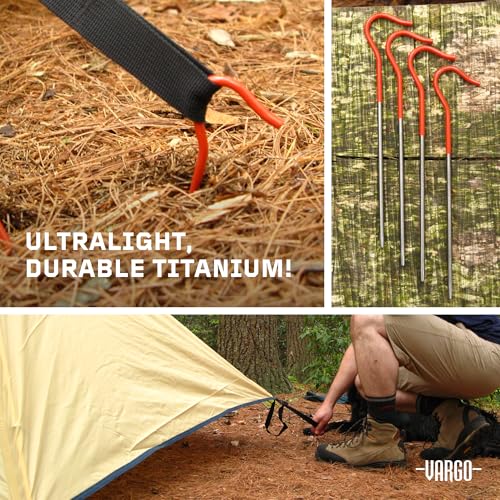
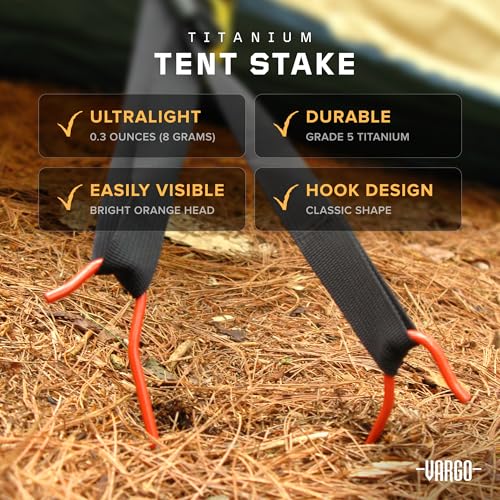
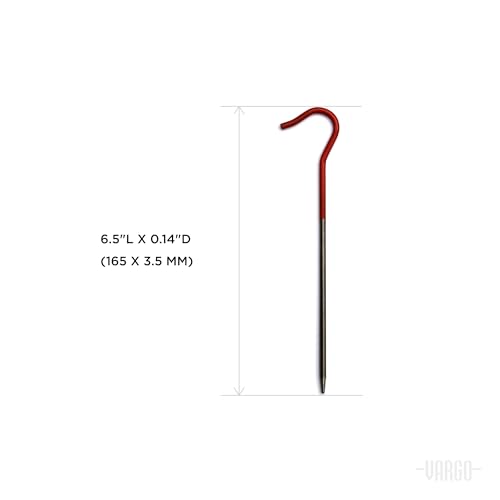
At just 8 grams, these are the lightest titanium stakes on this list, and that matters when you’re cutting every ounce. The Shepherds Hook design is classic for a reason: it resists pull-out in soft to medium soil and is simple to hammer in. The fluorescent orange head pops against any background, so losing one isn’t an issue.
They’re not the strongest in rocky terrain, the thin shaft can deflect, but for fast-and-light trips, they’re hard to beat. Owners love them for tarp setups and solo shelters where weight trumps brute strength. This is the set I’d bring on a long ridge hike with predictable ground.
Product photos
AnyGear 7075 Aluminum Tri-Beam Stakes
Strengths
- High-strength aluminum
- Triple guyline notch
- Good stake count
Trade-offs
- Still aluminum (not titanium)
- Slight weight bump
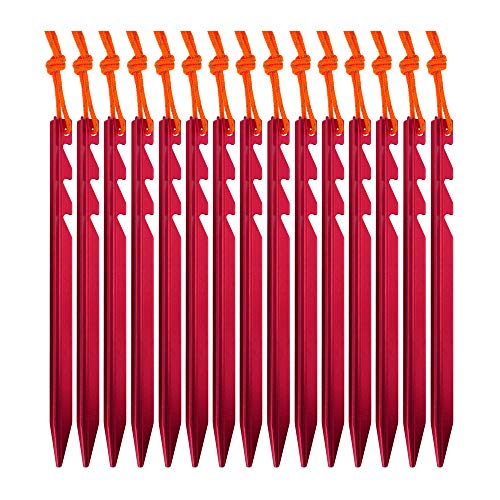
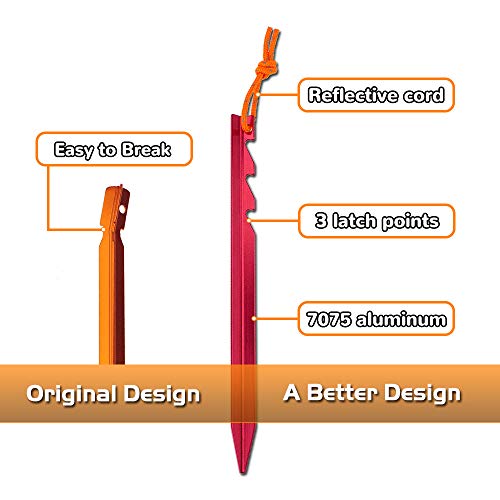
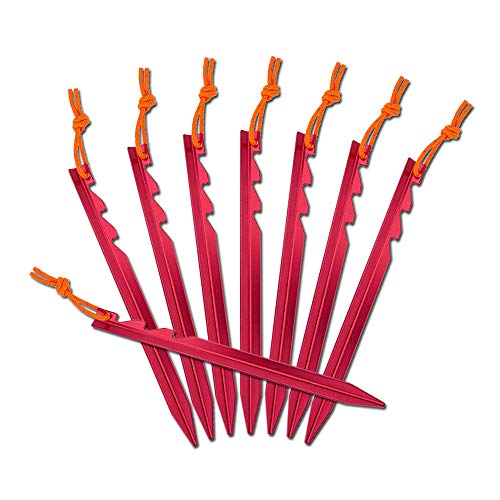
This 15-pack gives you breathing room for large shelters or backup needs, and the use of 7075 aircraft-grade aluminum means these are stronger than most budget Y-beams. They’re slightly heavier at 14 grams, but that trade-off brings real durability in mixed terrain. The triple-latch point is a small detail I appreciate, it lets you anchor multiple lines without slipping.
Reviewers note they penetrate well and resist bending better than 6000-series stakes, though like all aluminum, they’re not indestructible in granite or permafrost. The reflective cords help at night, and the value here is clear: more stakes, better material, same ultralight class.
Product photos

MSR Groundhog Y-Beam Tent Stakes

Strengths
- Excellent holding power
- Durable aluminum
- Guyline notch
Trade-offs
- Can bend in rock
- Shorter than some
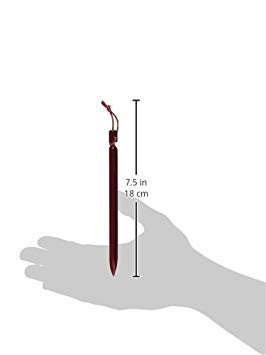
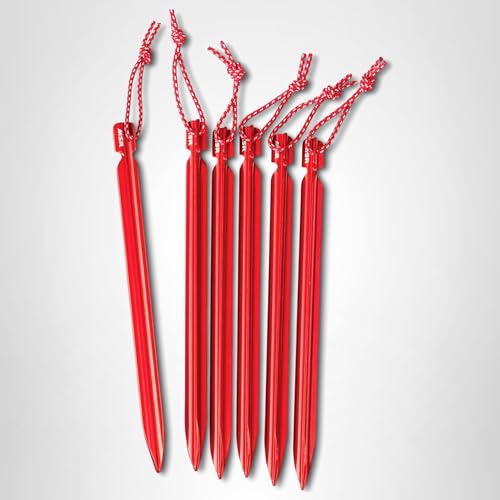
The MSR Groundhog is a category benchmark for holding power, and it’s easy to see why. The Y-beam design and 7000-series aluminum combo drives deep and resists pull-out better than most. At 6 inches and 0.35 ounces, they’re compact but stout, ideal for securing tents in wind or loose soil where grip matters most.
The notch for guy lines is a functional detail that prevents slippage, and the reflective loop aids visibility. Reviewers note they outperform in muddy and sandy conditions, though like all aluminum, they’re not immune to bending in boulder fields. These are the stakes I’d pack if I knew a storm was coming.
Product photos

Grassman 9-inch Heavy Duty Y-Stakes

Strengths
- Long 9-inch options
- High stake count
- Rounded tip safety
Trade-offs
- Heavier setup
- Bulkier carry
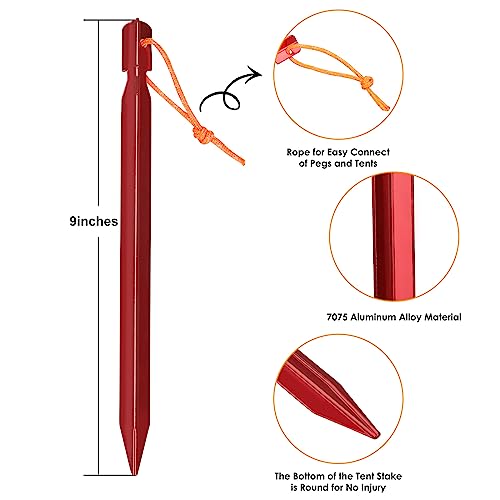
With a mix of 7-inch and 9-inch stakes, this 16-pack is built for rough, unpredictable terrain. The longer 9-inch options dig deep into loose soil or snow, and the Y-beam design holds firm in wind. At 7075 aluminum, they’re stronger than most, and the rounded tip reduces injury risk, smart for families or group trips.
Owners consistently report success in desert and grassland conditions, though the weight adds up with 16 stakes. The reflective pull cords help at night, and the sheer quantity means you’re never short. Not the lightest, but for rugged versatility, it’s unmatched.
Product photos
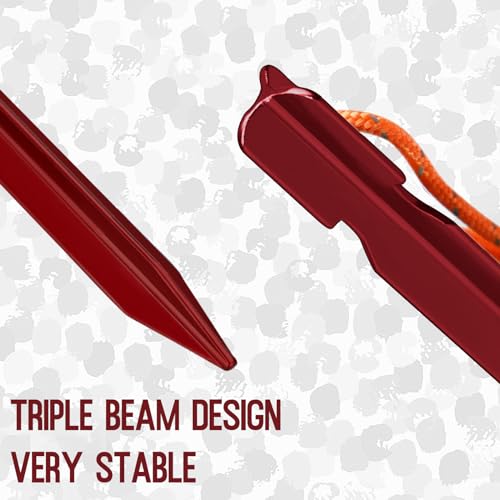
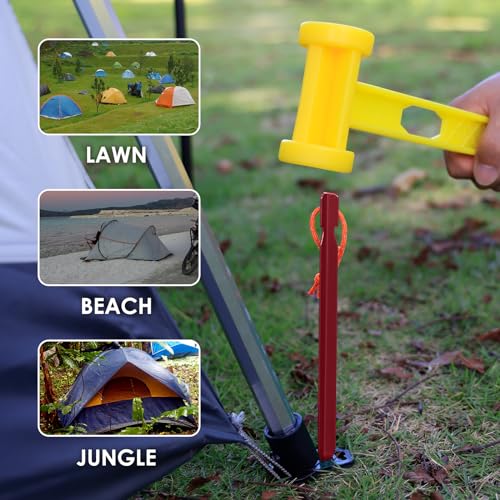
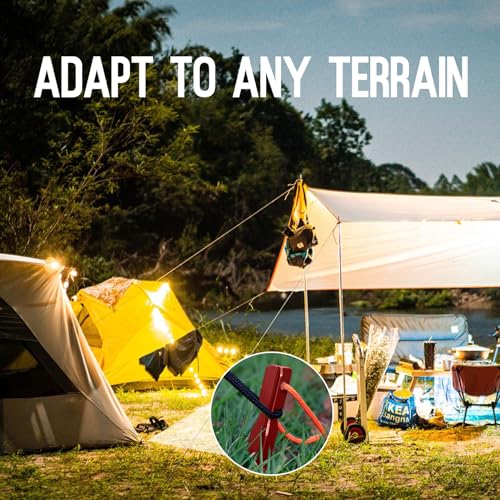
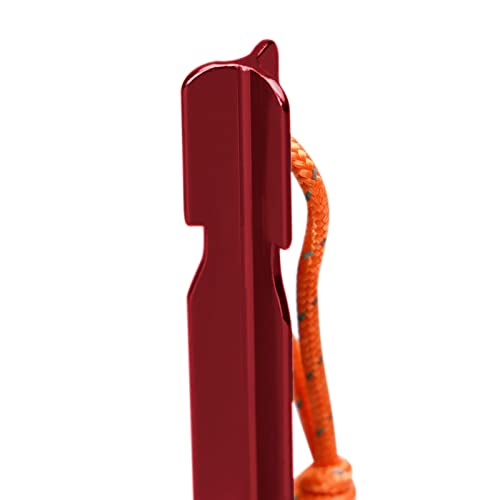
Keovoker 7-inch Tri-Beam Aluminum Stakes
Strengths
- High visibility
- Lightweight
- Reflective pull ropes
Trade-offs
- Limited holding in hard soil
- Aluminum can bend
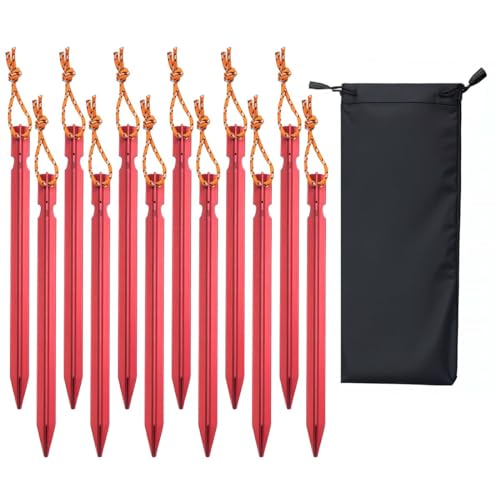
For hikers who hate losing stakes in the dark, these red aluminum pegs stand out, literally. The reflective pull ropes are a smart touch, making extraction easier and reducing tripping hazards at camp. At 12–13 grams each, they’re genuinely light, and the 7-inch Y-beam design holds reasonably well in average soil and grass.
Owners consistently report they work fine in typical conditions but soften up in rocky or compacted ground. Aluminum stakes always carry that risk, but these are anodized and hold up better than cheaper versions. The 12-pack with a storage bag is practical, though I wouldn’t rely on them as your only stake type in alpine or desert terrain.
Product photos

Hikemax 7-inch Hook Stakes
Strengths
- Strong 7075 aluminum
- Hook design
- Durable storage pouch
Trade-offs
- Heavier than Y-beams
- Bulkier profile
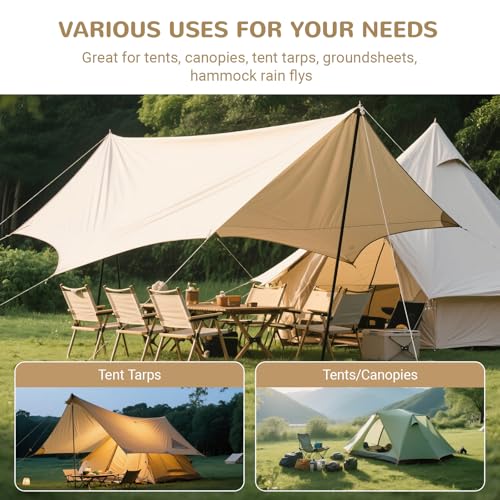
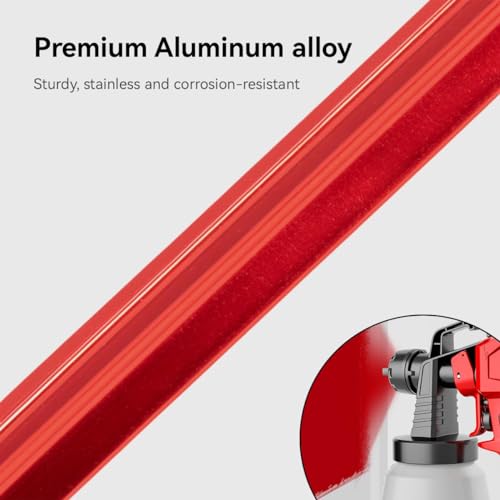
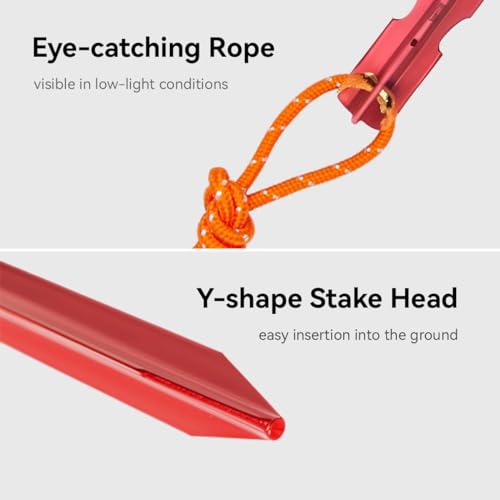
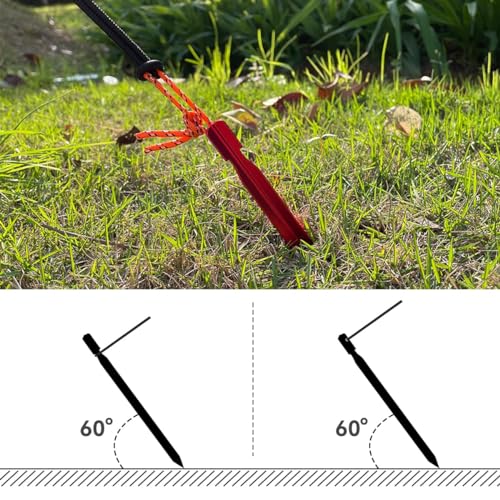
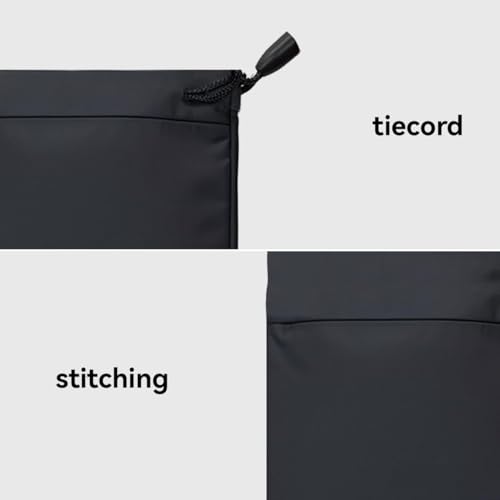
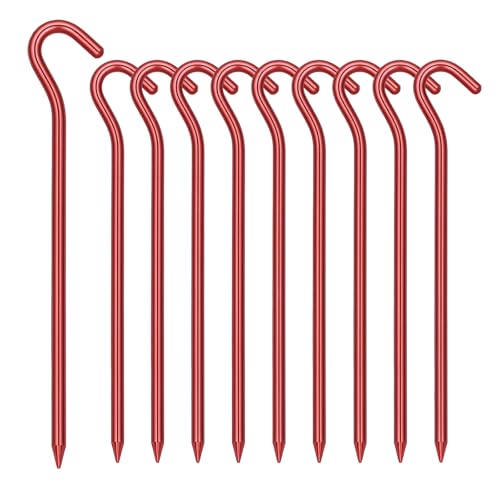
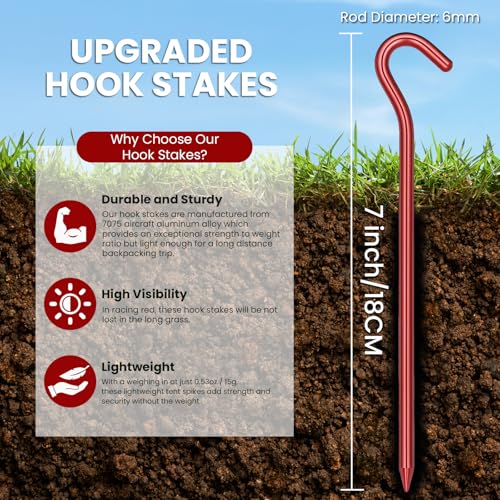
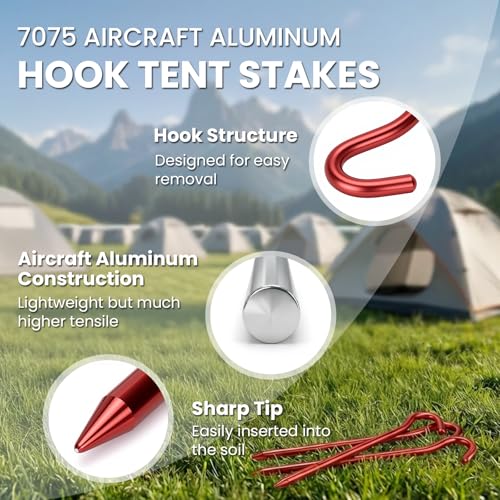
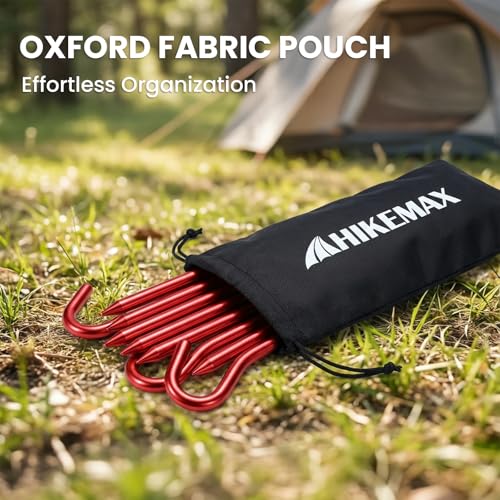
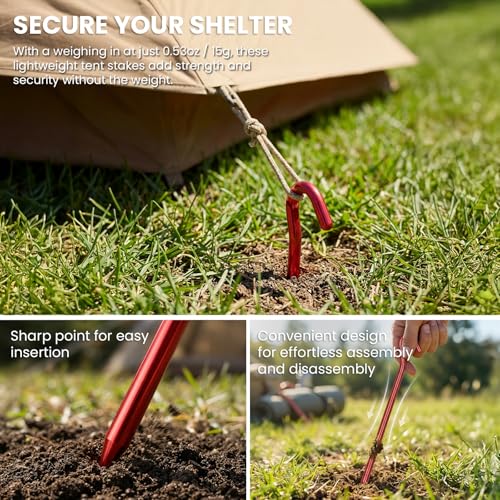
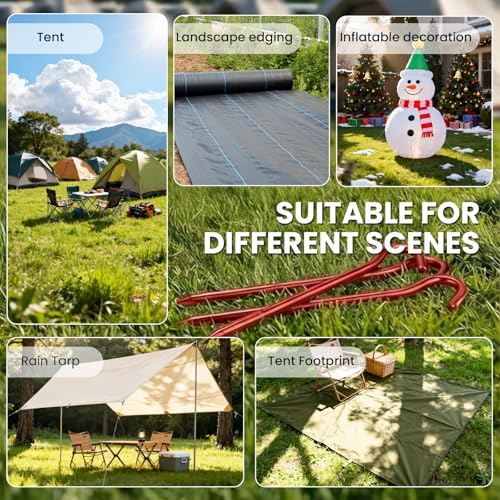
These 7-inch hook stakes are built for more than just tents, they’re a solid choice for securing tarps, canopies, and inflatables. Made from 7075 aluminum, they’re stronger than average and resist bending better than cheaper alternatives. The red finish keeps them visible, and the included Oxford pouch keeps things tidy.
The hook design is great for guyline retention, and the 10-pack gives flexibility for multi-point anchoring. While not ultralight champions at 15 grams, they’re fair for the durability. Reviewers use them for backyard events and overlanding setups just as much as camping.
Product photos
How We Chose These backpacking tent stake
Rather than a hands-on lab test, my research for these recommendations was a detailed comparison of published specifications and features across numerous backpacking tent stake models. I weighed owner reviews from sites like Amazon and REI alongside expert opinions from outdoor gear publications. As someone who’s spent countless nights relying on secure tent setups, I applied my own understanding of what makes a stake truly reliable in various conditions.
For backpacking stakes, weight, holding power, and durability are the most critical factors. A few extra grams can feel significant after a long day on the trail, so keeping things ultralight is key. Equally important is the ability of the stake to hold firm in different soil types – from sandy beaches to rocky mountainsides. Finally, a stake that bends or breaks on the first use is simply unacceptable.
Specifications reliably indicate materials (titanium, aluminum alloy grades) and dimensions (length, weight). However, I placed more emphasis on owner feedback regarding real-world performance, particularly how well stakes hold in challenging conditions and their resistance to bending. Reputation also played a role; brands known for quality outdoor gear generally deliver a more consistent product, and understanding proper tent staking techniques is essential for maximizing any stake’s performance.
How To Pick The Right backpacking tent stake
Finding the right tent stake can be the difference between a peaceful night and a frustrating battle against flapping fabric.
A quality tent stake balances weight, strength, and ground-holding ability. Consider the typical terrain where you camp – sandy beaches demand wider stakes, while rocky ground favors more durable materials like titanium. Look for stakes with reflective elements for visibility and a design that facilitates a secure connection to your tent’s guylines.
Material Matters
The material a stake is made from hugely influences its performance. Aluminum is a popular choice, offering a good balance of weight and strength, but it can bend, especially the 6000-series alloys. Titanium is significantly stronger and lighter, making it ideal if you’re prioritizing weight savings and frequently encounter challenging terrain, and you can find some excellent ultralight tent stakes available. However, titanium comes at a price. For budget-minded campers, a well-made 7075 aluminum stake can be surprisingly durable.
Stake Shape & Holding Power
Beyond material, the shape of the stake determines how well it grips the ground. Traditional V-shaped stakes are versatile, but can pull out easily in loose soil. Y-beam stakes, like those from MSR, offer increased surface area for better holding power, and are a solid all-around choice. Shepherd’s hook stakes are excellent for softer ground, and are a favorite among tarp enthusiasts. If you’re pitching in sand, consider wider, plate-style stakes, or even deadman anchors (burying filled bags).
- A simple V-shape is okay for casual camping in firm ground.
- Y-beam designs add significant holding power without a huge weight penalty, making them a great upgrade.
- Shepherd’s hook stakes are fantastic for sandy or snow conditions, but can be less effective in hard-packed earth – they rely on a strong horizontal pull.
Visibility & Usability
Don’t underestimate the importance of being able to find your stakes. Brightly colored stakes (red and orange are common) are far easier to spot, especially at dusk or in low light. Reflective cords are another crucial feature. Beyond that, think about how easy the stake is to drive into the ground. Some stakes have features like a notch for attaching guylines, or a larger head for hammering. Learning a secure tent knot technique like the taut-line hitch is also vital to maintain tension and prevent flapping.
A lost stake is a useless stake. Always choose brightly colored or reflective options, and practice driving them securely before you head into the backcountry.
Backpacking Tent Stake Compared
Here’s a comparison of key specifications for various backpacking tent stakes to help you choose the right option.
| Product Title | Material | Length (in) | Weight (oz) | Reflective Cord | Stake Type | Quantity |
|---|---|---|---|---|---|---|
| Hikemax Titanium V-Shaped | Titanium | 6.3 | 0.42 | Yes | V-Shaped | N/A |
| Vargo Titanium Shepherd’s Hook | Titanium | 6.5 | 0.3 | No | Shepherd’s Hook | N/A |
| AnyGear 7075 Aluminum Tri-Beam | 7075 Aluminum | 7 | 0.5 | Yes | Tri-Beam | 15 |
| MSR Groundhog Y-Beam | 7000-series Aluminum | 6 | 0.35 | Yes | Y-Beam | 6 |
| Grassman 9-inch Heavy Duty Y | 7075 Aluminum | 9 | N/A | Yes | Y-Beam | 16 |
| Keovoker 7-inch Tri-Beam | Aluminum | 7 | 0.46 | Yes | Tri-Beam | 12 |
| Hikemax 7-inch Hook Stakes | 7075 Aluminum | 7 | 0.53 | No | Hook | N/A |
Frequently Asked Questions
What stake material is best for consistently rocky ground?
Titanium is the superior choice for rocky terrain because of its exceptional strength and resistance to bending, even though it’s more expensive than aluminum. Aluminum stakes, particularly the 6000-series, can deform easily when repeatedly driven into hard surfaces.
How many tent stakes should I realistically expect to need for a standard 3-person tent?
A typical 3-person tent requires a minimum of 12 stakes (one for each corner and guylines), but bringing 15-20 stakes is wise. Unexpected conditions or the need for extra security always arise, and losing a stake is common.
Are Y-beam stakes truly better than traditional V-shaped stakes?
Yes, Y-beam stakes generally offer significantly better holding power than V-shaped stakes due to their increased surface area. This is especially noticeable in looser soils where a V-stake might pull out easily, but the weight difference is minimal.
What’s the best way to stake a tent in a sandy environment?
Shepherd’s hook stakes or wide, plate-style stakes are most effective in sand. If you only have standard stakes, consider creating a “deadman anchor” by burying a filled bag (clothing, gear) and attaching the guylines to that instead of directly to a stake.
Where can I find more information about choosing windproof tent stakes for exposed campsites?
My detailed guide to tent stakes for windy conditions covers specialized designs and materials that provide extra stability in gusty conditions. It also includes advice on placement and guylining techniques to maximize your tent’s wind resistance.
The Bottom Line
Choosing the right tent stake often comes down to balancing how much you want to carry against how much security you require. If you’re willing to invest in top-tier reliability and shave every possible ounce, the Hikemax Titanium V-Shaped stakes are an excellent choice – titanium provides a fantastic strength-to-weight ratio.
For those seeking a blend of affordability and performance, the AnyGear 7075 Aluminum Tri-Beam stakes represent a sweet spot. If you frequently camp in sandy conditions, or need a versatile option for various ground types, the Vargo Titanium Shepherd’s Hook stakes are a smart pick.
Ultimately, remember that the most expensive stake won’t matter if it’s not properly installed. Focusing on tent anchoring methods and carrying enough stakes for your tent and anticipated conditions are far more crucial than any single feature or material.
