
7 Best Backpacking Tents for 2 Persons 2026
This post contains affiliate links. As an Amazon Associate, we earn from qualifying purchases.
The CANTUO 4 Season 2-Person Tent stands out as the best overall two-person backpacking tent, combining solid weather protection, ample space, and a manageable weight. For those watching their budget, the LANSHAN Ultralight 2-Person delivers impressive packability and high waterproof ratings at a lower cost.
If you’re slogging down a trail with everything you need on your back, your tent better earn its place in your pack. Too heavy and it drags you down. Too flimsy and you’re waking up wet. I’ve spent years studying what makes a tent work for real backpackers, and it comes down to a balance of durability, weight, and livability.
This guide cuts through the marketing by focusing on specs, verified owner feedback, and design fundamentals. I looked at waterproof ratings, materials, ventilation, and packed size to find the tents that perform when it counts.
Top 7 Backpacking Tents For 2 Persons in the Market
The Best Backpacking Tents For 2 Persons, Reviewed
CANTUO 4 Season 2-Person Tent
Strengths
- 4000mm waterproof
- Expandable vestibule
- Dual-door ventilation
Trade-offs
- Heavier than ultralights
- 20D fabric less durable long-term
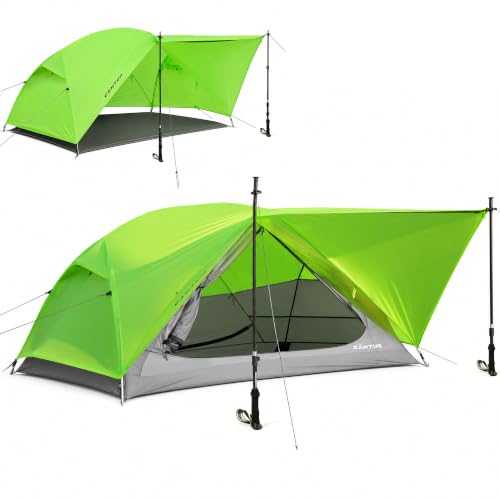
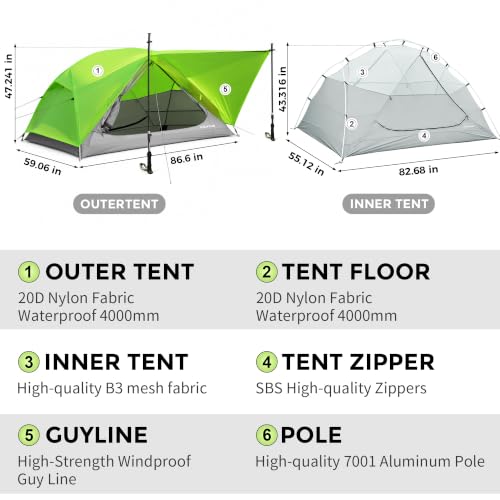
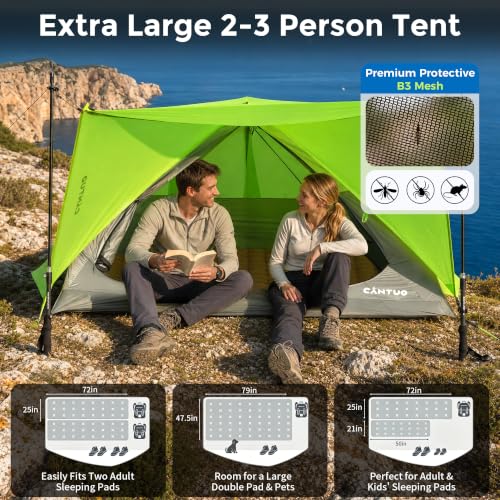
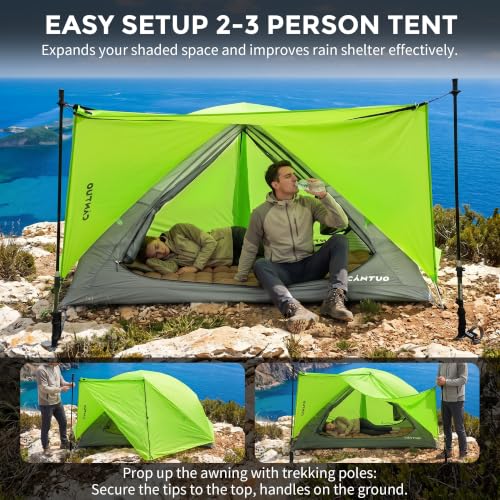
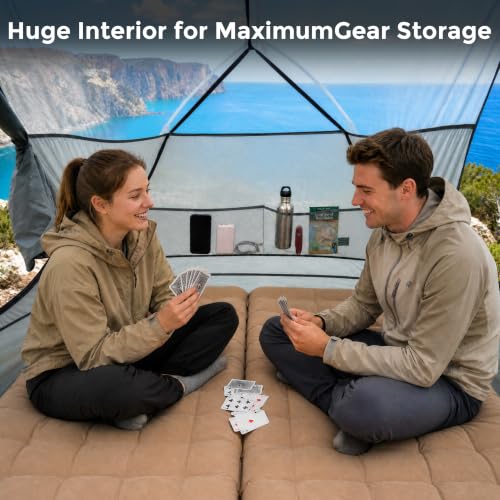
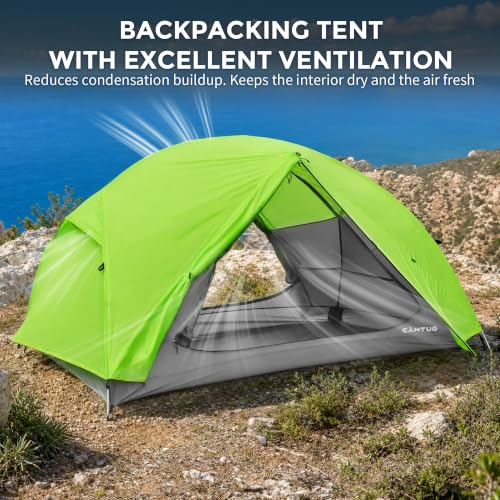
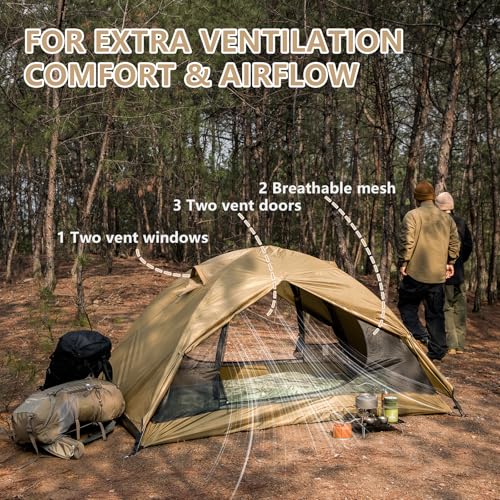
On paper, the CANTUO 4-season tent punches above its weight with a 4000mm waterproof rating, fully seam-sealed construction, and durable 20D nylon, all wrapped into a 4.34 lb package. The expandable awning is a standout feature that a lot of ultralight models skip, giving you real extra shelter for gear or muddy boots without adding a full vestibule. Owners consistently report it holding up well in shoulder-season storms, and the dual-door design with mesh panels helps reduce condensation better than single-vent tents in its class.
Still, it’s not the lightest in the 2-person category, and that 20D fabric, while tough, isn’t as abrasion-resistant as some higher-denier options. Compared to true 3-season ultralights like the LANSHAN, it trades a bit of packability for all-weather readiness. I’d pick this if you’re hiking in unpredictable climates where snow or heavy rain might surprise you, but not if you’re counting ounces for a long thru-hike.
Product photos
Clostnature Ultralight 2-Person Backpacking Tent

Strengths
- Affordable price
- Good waterproof rating
- Easy one-person setup
Trade-offs
- Heavier than ultralights
- Durability concerns over time
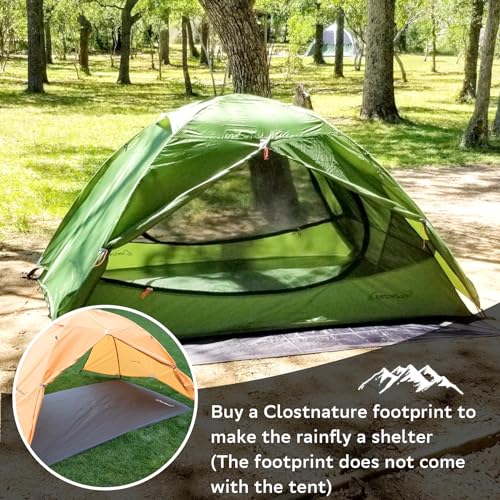
For budget-conscious buyers, the Clostnature tent delivers a surprising amount of value. At under 5.3 lbs with a PU5000 waterproof rating and full mesh walls, it outperforms many cheaper models that skimp on coatings or ventilation. The freestanding design and two aluminum poles make setup quick, reviewers note it’s one of the easiest to pitch solo, even for first-timers. And with a packed size smaller than many 1-person tents, it’s genuinely backpack-friendly.
But don’t expect long-term durability. Owners report seam issues after repeated use, and the 2.4 kg weight is high for serious backpackers. Compared to the LANSHAN, it’s heavier and less durable, but far more beginner-friendly. I’d recommend this for scouts, weekend hikers, or families who need a solid starter tent without breaking the bank.
Product photos



LANSHAN Ultralight 2-Person Tent
Strengths
- Extremely lightweight
- High waterproof rating
- Trekking pole setup
Trade-offs
- Fragile 15D fabric
- Non-freestanding
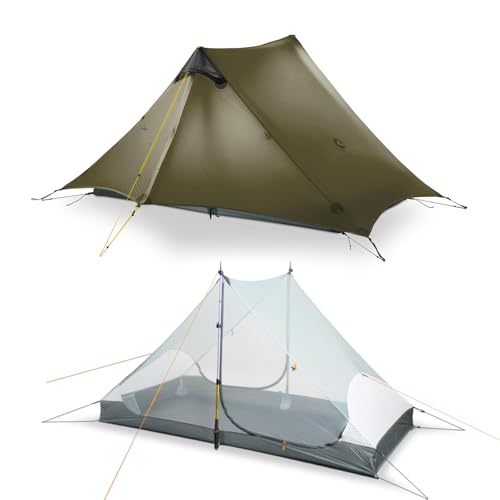
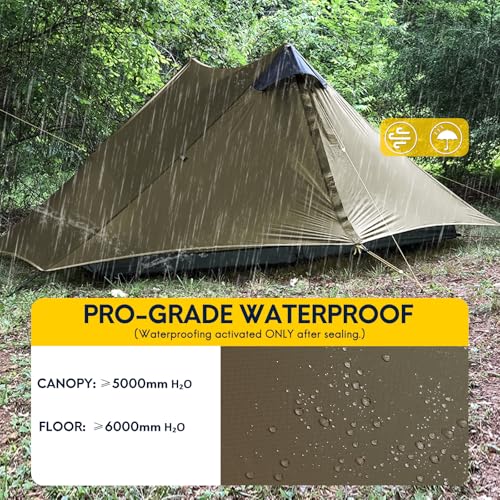
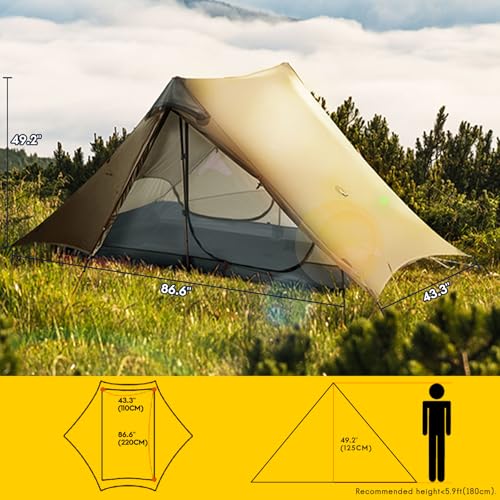
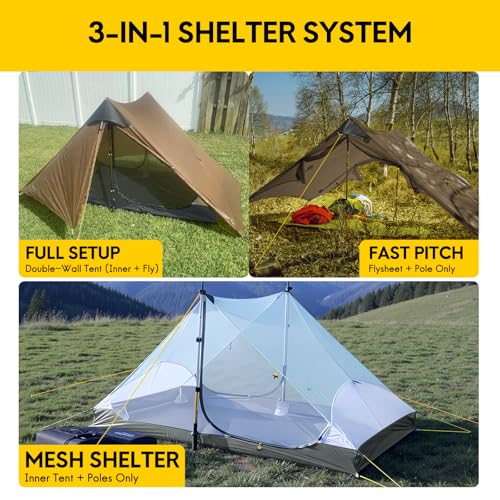
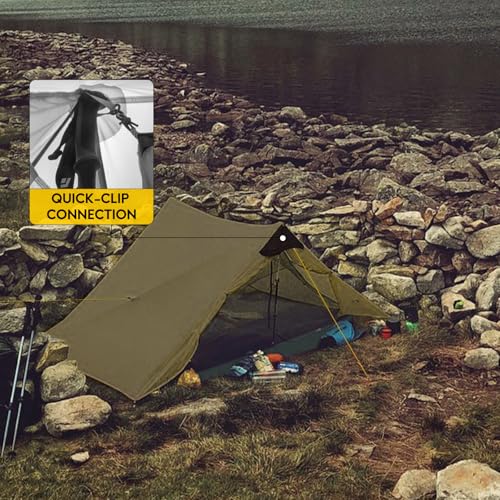
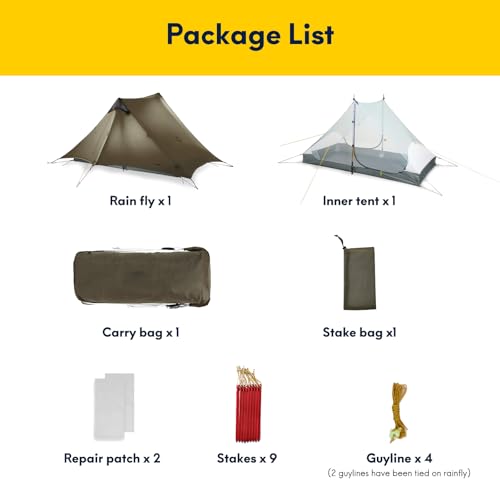
When weight is your top priority, the LANSHAN 2-person tent at 2.6 lbs is hard to beat. It’s built for minimalists, the 15D nylon with 5000mm and 6000mm HH ratings offers serious waterproofing for such a light build, and the pole-less setup using trekking poles cuts even more weight. Reviewers praise how fast it pitches once you get the hang of it, and the full mesh inner with dual vents keeps condensation in check better than many silnylon tents in this range.
But that lightness comes with trade-offs. The 15D fabric is thin and shows signs of wear faster, especially on rough terrain, and the non-freestanding design means you’re dependent on your trekking poles. Compared to the Kelty Grand Mesa, it’s less forgiving for beginners. I’d recommend this only if you’re experienced, moving fast, and willing to baby the fabric a bit, it’s not a set-and-forget shelter.
Product photos
Underwood Aggregator 4-Season 2-Person Tent
Strengths
- True 4-season build
- Snow skirt included
- High waterproof rating
Trade-offs
- Heavy for backpacking
- Bulky packed size
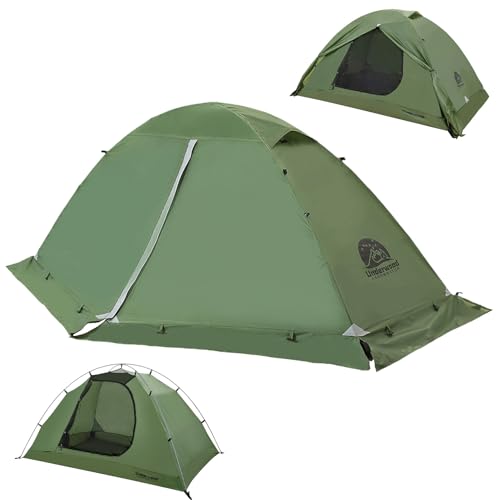
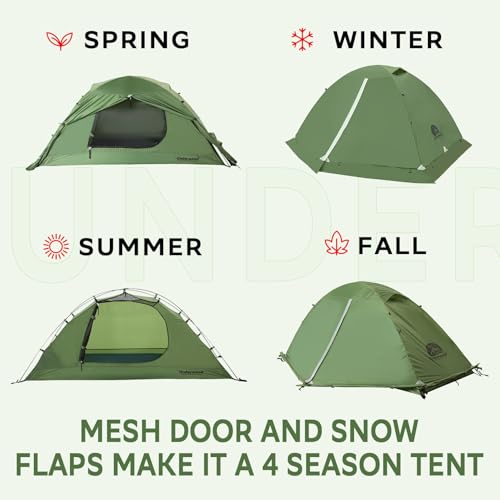
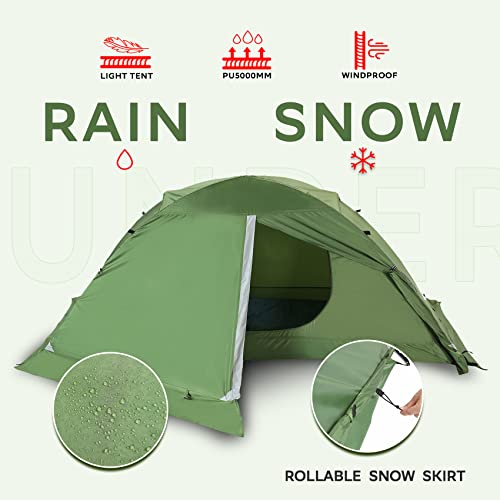
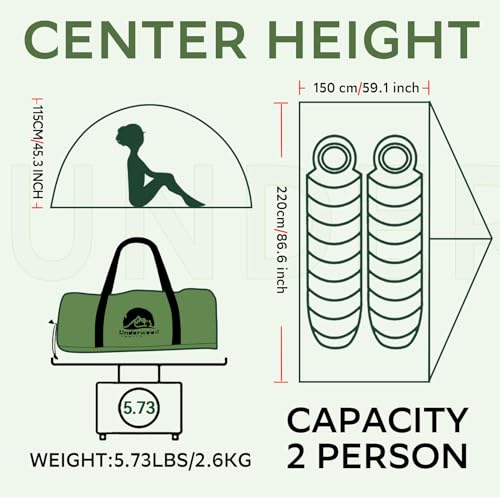
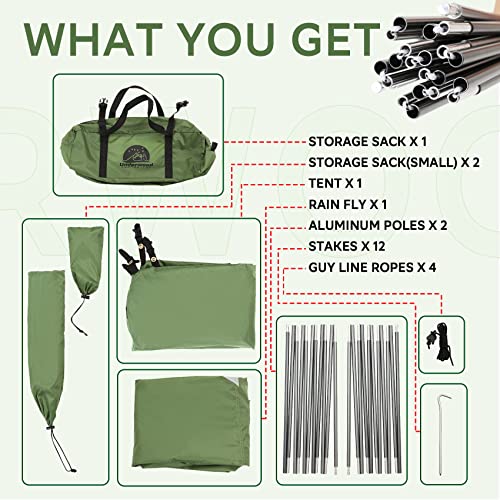
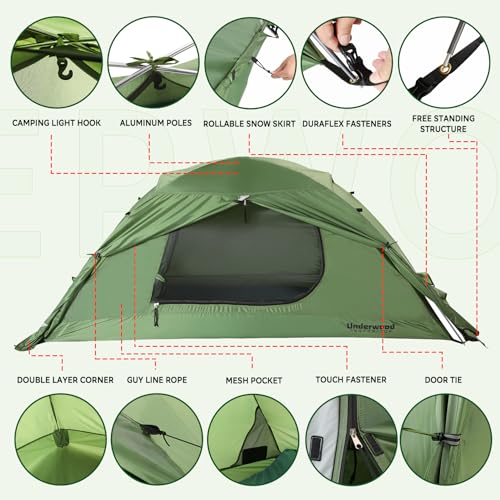
This Underwood Aggregator tent is built for winter, the PU5000mm coating, snow skirt, and aircraft-grade aluminum poles suggest serious cold-weather intent. At 5.73 lbs, it’s heavy for backpacking, but the 4-season rating and dual-layer corners show it’s meant to endure storms and snow loading. The roll-up mesh design helps regulate airflow in milder weather, and owners note it handles wind better than most 3-season models.
Still, that weight and bulk make it a tough sell for summer trips. Compared to the CANTUO, it’s heavier and less ventilated. I’d only recommend this if you’re heading into true winter conditions, for most backpackers, a 3-season tent with a footprint is a smarter, lighter choice. But for mountaineers or winter campers, it’s a solid, no-nonsense shelter.
Product photos
Kelty Grand Mesa 2P Tent

Strengths
- Freestanding design
- Easy color-coded setup
- Durable 68D floor
Trade-offs
- Single door access
- Smaller vestibule
The Kelty Grand Mesa 2P feels like the dependable workhorse of thru-hiking tents, it’s not flashy, but it’s built to last. At 4 lbs 7 oz, it’s not ultralight, but the freestanding design, color-coded clips, and Quick Corners make setup a breeze, even solo. Owners consistently praise its durability season after season, and the 68D polyester floor is noticeably tougher than many sub-3 lb tents. The single door and smaller vestibule are compromises, but the 30 sq ft floor and 44-inch peak height offer solid comfort for two.
Compared to the Marmot Crane Creek, it lacks dual doors and vestibules, which matters if you’re sharing the tent and want easy access. But for solo hikers or couples where one person doesn’t mind scooting past the other, it’s a reliable, affordable shelter. I’d pick this over flashier models if I were planning a long trail with unpredictable resupply points, it’s the one you can trust when gear fails.
Product photos


Marmot Crane Creek 2P Tent
Strengths
- Excellent ventilation
- Dual vestibules
- PFAS-free materials
Trade-offs
- No included footprint
- Mid-range weight
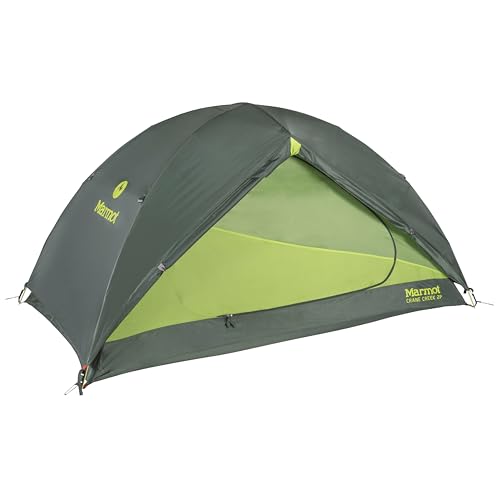
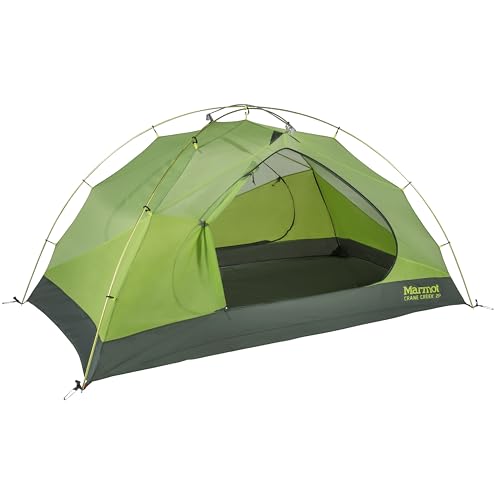
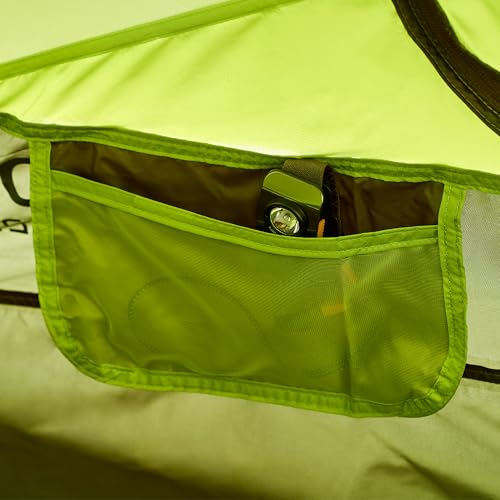
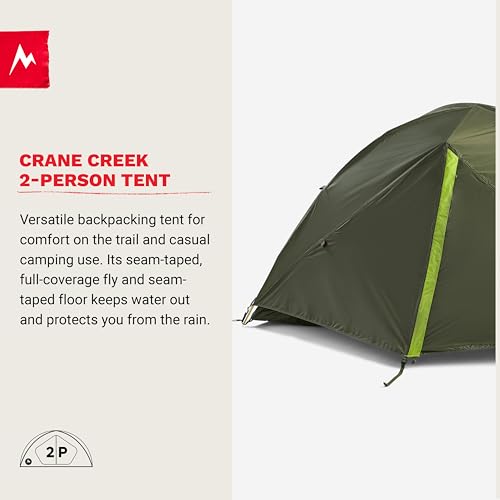
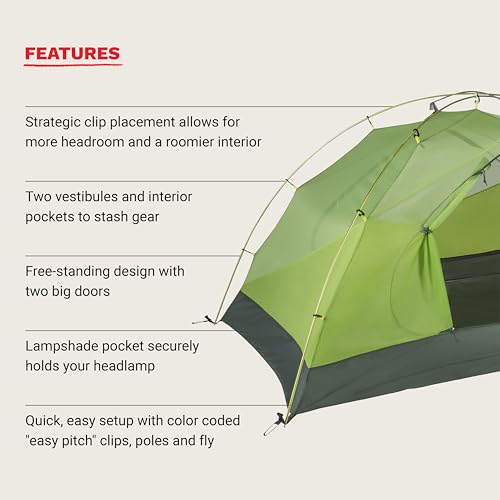
If you hate waking up to a damp sleeping bag, the Marmot Crane Creek 2P should be at the top of your list. The dual D-shaped doors and dual vestibules aren’t just for convenience, they create serious cross-ventilation, and owners consistently report far less condensation than in single-door models. With 32 sq ft of space and a full mesh inner, it feels airy and open, even in tight campsites. The 7000 series aluminum poles add serious stability, and the PFAS-free construction is a quiet win for eco-conscious hikers.
It’s not the lightest at around 4.5 lbs, and the lack of included footprint is a bummer. But compared to the Kelty Grand Mesa, it’s more livable for two people who want to come and go without waking each other. I’d choose this for multi-week trips where comfort and breathability matter more than shaving a few ounces.
Product photos
BISINNA 2-Person Lightweight Camping Tent

Strengths
- Durable 210D floor
- Sturdy aluminum poles
- Good rain protection
Trade-offs
- Heavier than average
- Limited ventilation
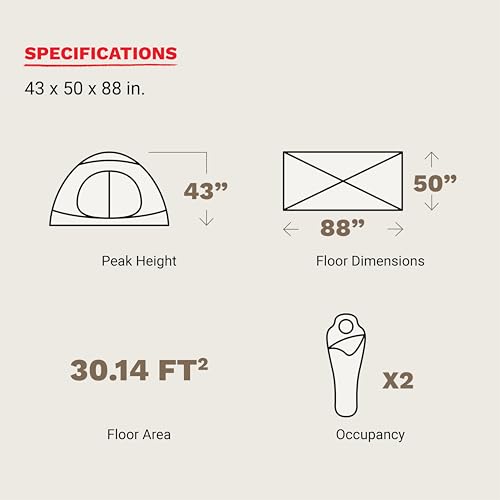
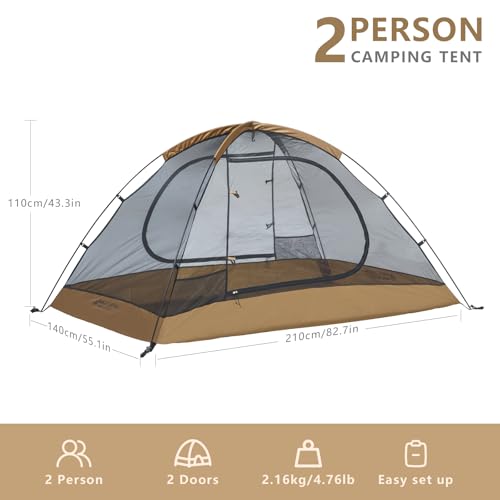
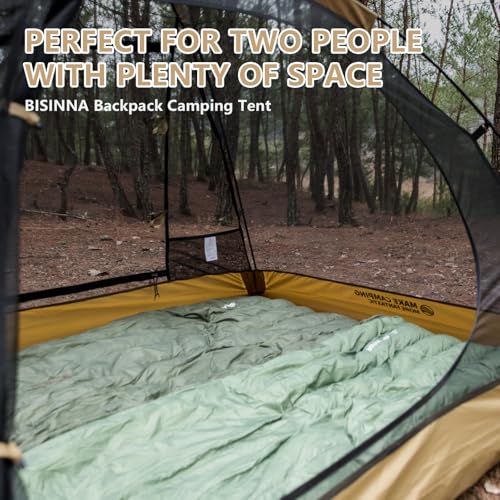
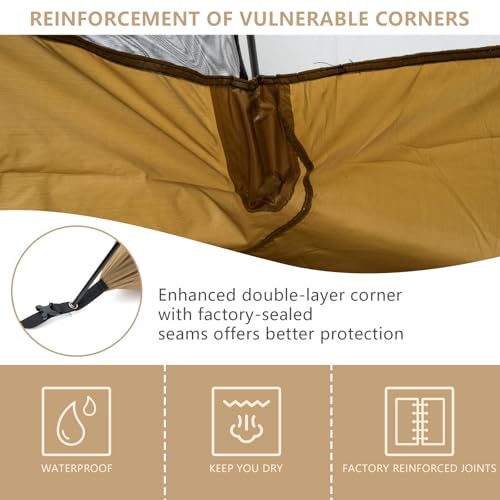
The BISINNA tent hits a sweet spot between durability and value, with a PU3000 waterproof rating, 210D Oxford floor, and aluminum poles that owners say resist bending better than fiberglass. At 4.76 lbs, it’s not breaking any weight records, but it’s solid for the price, especially for car campers or beginners who want something tough without overspending. The double-layer design with full-mesh inner and two D-shaped doors improves airflow and access, which reviewers note makes it feel roomier than the 220x140cm footprint suggests.
It’s not the most packable or breathable in humid conditions, and the ventilation system doesn’t match more premium models like the Marmot Crane Creek. But for the cost, it delivers real weather resistance and structural stability. If you’re building your first backpacking kit and don’t want to replace your tent after two trips, this is the smarter buy over flimsier budget options.
Product photos

How We Chose These backpacking tents for 2 persons
Rather than a hands-on lab test, my research focused on a detailed comparison of published specifications and features across numerous models. I weighed owner reviews from multiple sources – looking for patterns in reported performance – alongside professional reviews from established outdoor gear sites. Applying my experience with tent design and use, I ranked these tents against criteria important to backpackers, prioritizing a balance of weight, weather protection, and usable space.
For two-person backpacking tents, weight and waterproof rating are paramount. A heavier tent quickly becomes a burden on the trail, while inadequate weather protection can ruin a trip. I also heavily considered ventilation, as condensation build-up can lead to a damp and uncomfortable night. Finding the sweet spot between these factors, and balancing them with price, was key to establishing the rankings. You’ll find many excellent options among the top backpacking tent brands.
Specifications provide a solid foundation for comparison – waterproof ratings, dimensions, and pole material are all important. However, owner feedback offered crucial insights into real-world performance. I paid close attention to comments regarding durability, ease of setup, and how well the tent held up in varied conditions. Reputation also played a role; tents from reputable tent companies often demonstrate a consistent commitment to quality and design.
How To Choose The backpacking tents for 2 persons
Picking the right shelter is crucial for enjoying your time outdoors. It’s more than just avoiding a soggy sleeping bag; it’s about having a reliable basecamp that enhances your entire experience.
A quality backpacking tent balances weight, durability, weather protection, and livability. Key features to examine include the denier (D) of the fabric – lower numbers generally mean lighter weight but potentially less durability – waterproof ratings (measured in millimeters, mm) for the fly and floor, pole material (aluminum is stronger and lighter than fiberglass), and overall packed size and weight. Consider the tent’s intended use and the conditions you’ll encounter.
Weight & Packability
As a hiker, I know every ounce counts. When looking at two-person backpacking tents, don’t automatically equate “ultralight” with “best.” A tent that’s too flimsy won’t hold up to wind or repeated use. Pay attention to the total weight – fly, tent body, poles, and stakes. Some brands, like LANSHAN, really focus on minimizing weight, but you need to be realistic about the trade-offs. Also, consider packed size. A smaller packed size makes it easier to fit the tent into your pack alongside your other gear.
Waterproofing & Weather Resistance
Don’t skimp on weather protection. A 3000mm waterproof rating is the bare minimum for reliable performance, and I generally recommend looking for at least 4000mm, especially for the fly. But it’s not just about the number. Fully seam-sealed construction is vital. You’ll also want to consider the tent’s overall design. Features like a full-coverage rainfly and a bathtub floor (where the floor fabric extends up the sides) significantly improve water resistance. Knowing about a tent vestibule benefits is also crucial for keeping gear dry and protected from the elements.
Features & Livability
Beyond the basics, think about the features that will make your trip more comfortable. Dual doors are a huge convenience, preventing you from having to climb over your tentmate in the middle of the night. A spacious vestibule offers valuable storage space for boots, backpacks, and other gear. A well-designed ventilation system is also essential to minimize condensation. For example, the Marmot Crane Creek 2P tent is known for its excellent ventilation.
- A freestanding design simplifies setup, even on uneven ground.
- Internal pockets and gear loops help keep your tent organized and your essentials within reach.
- A color-coded pole system drastically cuts down on setup time and frustration, especially after a long day on the trail; this is particularly useful for those checking out the top two-person backpacking tents.
A good rule of thumb is to prioritize weather protection over weight savings if you frequently camp in unpredictable conditions. A slightly heavier, more durable tent will be much more enjoyable in a downpour than a super-lightweight option that leaks.
Backpacking Tents for 2 Persons Compared
Here’s a comparison of key specifications for popular 2-person backpacking tents to help you find the best fit for your needs.
| Product Name | Capacity | Weight (lbs) | Floor Size (in x in) | Waterproof (Fly/Floor mm) | Packed Size (in x in x in) |
|---|---|---|---|---|---|
| CANTUO 4 Season 2-Person Tent | 2 | 4.34 | 82.68 x 55.12 | 4000 / 4000 | 15.7 x 5.5 x 5.5 |
| Clostnature Ultralight 2-Person | 2 | 5.29 | 73 x 47 | 5000 / 5000 | 16.5 x 5.9 x 5.9 |
| LANSHAN Ultralight 2-Person | 2 | 2.6 | 86.6 x 43.3 | 5000 / 6000 | 12.6 x 4.7 x 5.9 |
| Underwood Aggregator 4-Season | 2 | 5.73 | 59.1 x 86.6 | N/A | 5.9 x 16.54 x N/A |
| Kelty Grand Mesa 2P | 2 | 4.7 | 85 x 57 | N/A | 16 x 7 x 7 |
| Marmot Crane Creek 2P | 2 | N/A | N/A | N/A | N/A |
| BISINNA 2-Person Lightweight | 2 | 4.76 | 220 x 140 | 3000 / N/A | N/A |
Frequently Asked Questions
What’s the difference between a 3-season and 4-season tent?
A 3-season tent is designed for spring, summer, and fall, prioritizing ventilation and lighter weight. 4-season tents, however, have a sturdier build to withstand heavier snow loads and high winds, making them suitable for winter camping or exposed environments.
How important is the denier (D) of a tent’s fabric?
Lower denier numbers indicate a lighter fabric, but also generally less durability. For backpacking, a balance is key; look for fabrics around 20-40D for a good combination of weight and tear resistance, especially when considering backpacking tents with weather protection.
What does a tent’s waterproof rating actually mean?
A waterproof rating (in millimeters) indicates how much water pressure the fabric can withstand before leaking. A rating of 1500mm is considered waterproof, but for reliable performance in heavier rain, I suggest looking for at least 3000mm for the fly and floor.
Are freestanding tents really easier to set up?
Yes, freestanding tents don’t require stakes to maintain their shape, which is incredibly helpful on rocky or hard-packed ground. This makes setup faster and simpler, particularly after a long day of hiking, and is a feature many look for in top-rated 2-person hiking tents.
What should I do if condensation builds up inside my tent?
Condensation happens when warm, moist air inside the tent meets the cool tent walls. Prioritize ventilation by opening vents or partially unzipping doors. Choosing a tent with good airflow, like the Marmot Crane Creek 2P, can also help minimize this issue, and you might consider lightweight backpacking tents for two with mesh panels.
The Bottom Line
Choosing a backpacking tent often comes down to balancing how much you’re willing to carry versus how secure you want to feel against the elements. For the best all-around performance, I recommend the LANSHAN Ultralight 2-Person. It strikes an impressive balance of low weight, spacious interior, and robust waterproofing, making it a solid choice for a wide range of conditions.
If budget is a primary concern, the CANTUO 4 Season 2-Person Tent offers excellent value. For those who prioritize versatility and need a tent that can handle tougher conditions, the Underwood Aggregator 4-Season is a strong contender. Ultimately, the best tent is the one that best matches your individual needs and planned adventures.
Don’t get overly caught up in chasing the lightest weight or highest waterproof rating. More important than any single specification are the fundamentals: a well-designed structure, durable materials, and a construction that will keep you dry and comfortable night after night. Understanding these factors in tent selection is what truly matters when investing in a shelter for the backcountry.
