
7 Best Backpacking Tents for 2 2026
This post contains affiliate links. As an Amazon Associate, we earn from qualifying purchases.
The best backpacking tent for two is the Naturehike Cloud Up Pro 2P, it strikes a rare balance of low weight, strong weather protection, and smart design. For those watching their budget, the Kelty Grand Mesa 2P delivers solid performance and reliability without the premium price. If you need serious four-season capability, the Underwood 4-Season Backpacking Tent stands out with rugged construction and high waterproofing.
Most backpackers end up choosing between cramped, heavy shelters and ultralight models that feel flimsy in a storm. It’s tough to know what you’re really giving up when you cut ounces or save money.
This guide cuts through the noise by comparing specs, real-world owner feedback, and design details that matter on the trail. I focused on tents that deliver where it counts, weight, weather resistance, and livable space, so you can pick one that matches your hiking style and conditions without guessing.
Top 7 Backpacking Tents For 2 in the Market
The Best Backpacking Tents For 2, Reviewed
Naturehike Cloud Up Pro 2P

Strengths
- Ultra-lightweight
- PU4000mm waterproof
- Footprint included
Trade-offs
- Poles may flex in extreme wind
- Zippers can snag if rushed
- Limited brand support overseas
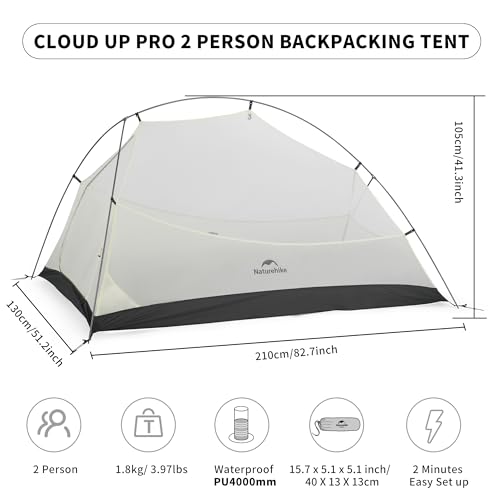
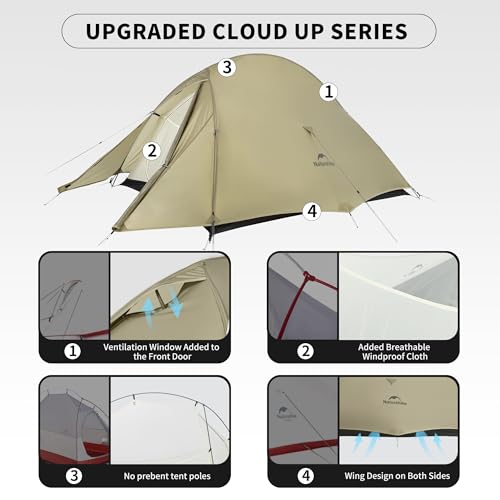
The Naturehike Cloud up Pro is, without question, the best overall option here, it hits the sweet spot between weight, weather protection, and smart design. At just 3.97 pounds, it’s genuinely ultralight, yet it doesn’t sacrifice durability, thanks to PU4000mm coating, silicone-treated 20D nylon, and 7001 aluminum poles. The upgraded ventilation window above the door is a small but brilliant touch that reduces condensation, a real issue in double-wall tents.
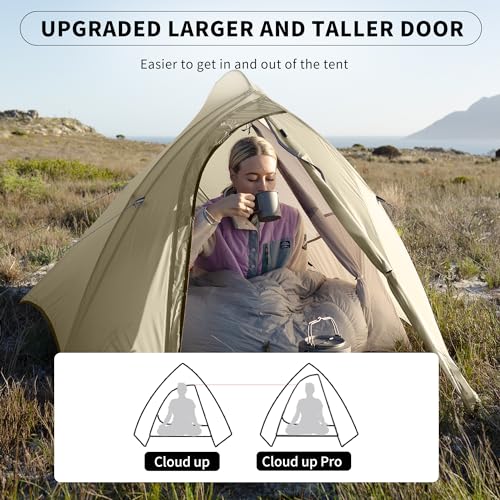
Owners love the included footprint, 14 stakes, and dual-layer design that allows the rainfly to double as a sun shelter. The interior is spacious for two, and the larger front door makes gear access easier than in many competitors. Compared to the Marmot Crane Creek, it’s lighter and better ventilated; against the Kelty Grand Mesa, it’s more packable and feature-rich. For thru-hikers, bikepackers, or anyone who wants a top-tier tent without the $600 price tag, this is the one.
Product photos


Marmot Crane Creek 2P Tent
Strengths
- 7000 series aluminum poles
- Dual vestibules
- D-shaped doors
Trade-offs
- Heavier than average
- Higher price point
- No footprint included
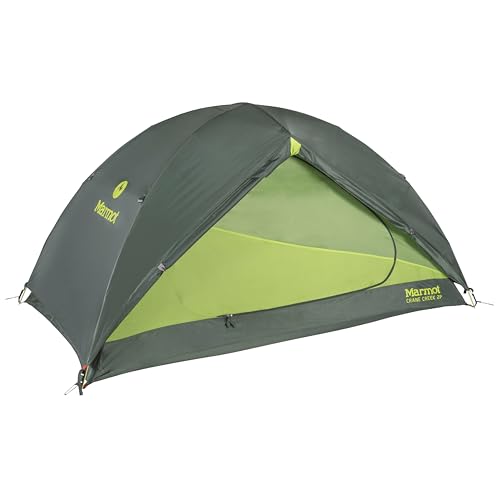
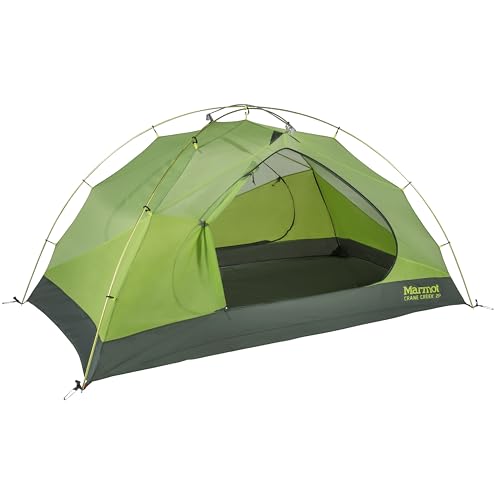
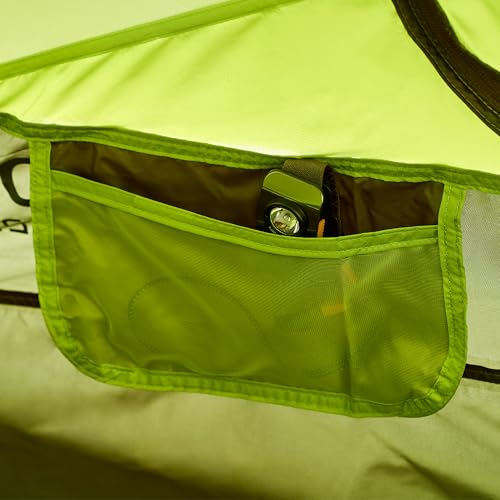
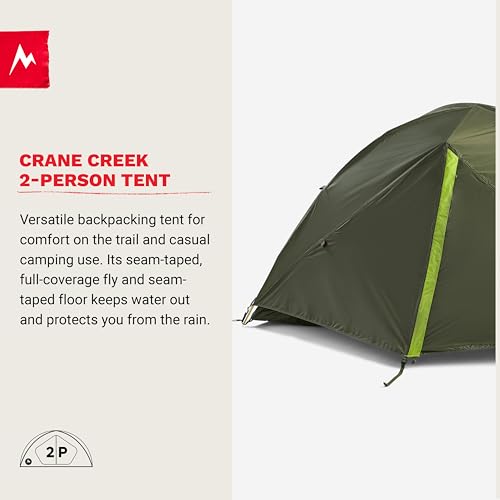
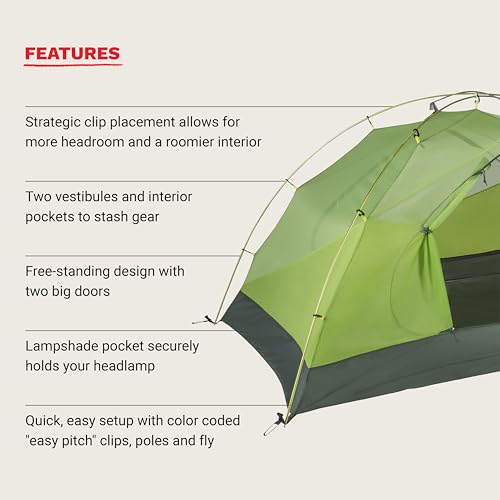
When durability is your top priority, the Marmot Crane Creek stands out. The 7000 series aluminum poles are noticeably stiffer than standard alloys, which translates to better wind resistance and long-term reliability. Combined with a fully seam-taped construction and quality polyester fly, this tent is built to survive repeated abuse, ideal for mountaineering or rugged backcountry loops.
It’s not the lightest at around 4.5 pounds, and the price reflects its premium build, but owners report using theirs for years without issues. The dual vestibules and D-shaped doors make gear access easy, and the 32 sq ft floor gives a bit more elbow room than most 2-person tents. Compared to the Kelty Grand Mesa, it’s heavier but tougher, a clear upgrade for serious hikers who don’t cut corners on gear.
Product photos
Kelty Grand Mesa 2P Tent

Strengths
- Freestanding design
- Durable 68D fabric
- Color-coded setup
Trade-offs
- Not ultralight
- Single door
- Average waterproof rating
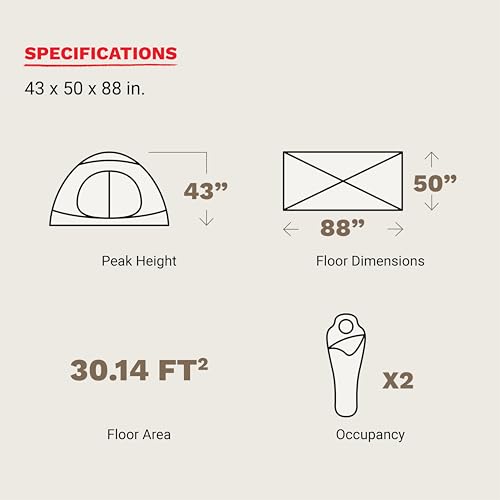
The Kelty Grand Mesa 2P is the smart buy for most backpackers, it balances weight, price, and durability better than almost any other tent in its class. At 4 lbs 7 oz, it’s not ultralight, but it’s light enough for multi-day hikes, and the freestanding design makes site selection a breeze. The color-coded clips and Quick Corners make setup smooth, and the 30 sq ft interior is genuinely comfortable for two.
Owners consistently praise its longevity, the 68D polyester floor and taped seams hold up season after season. It’s not as weatherproof as the BISINNA or Underwood, but for 3-season use, it’s more than sufficient. Compared to the Late Start, it’s slightly heavier but offers better ventilation and a more spacious feel. This is the tent I’d recommend to a friend who wants reliability without overspending.
Product photos


Night Cat 2-Person Backpacking Tent

Strengths
- Lightweight aluminum poles
- Dual vestibules
- 3000mm waterproof rating
Trade-offs
- Not ultralight
- Basic fabric durability
- Limited headroom
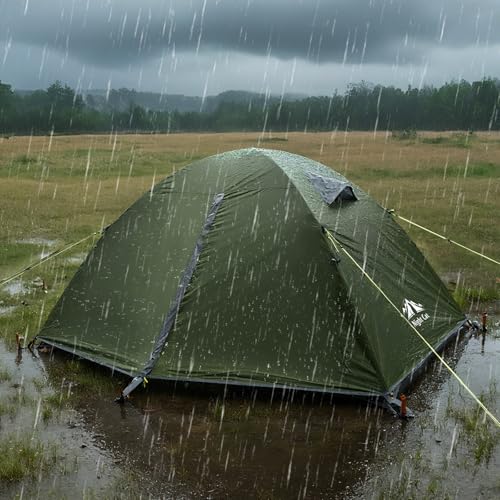
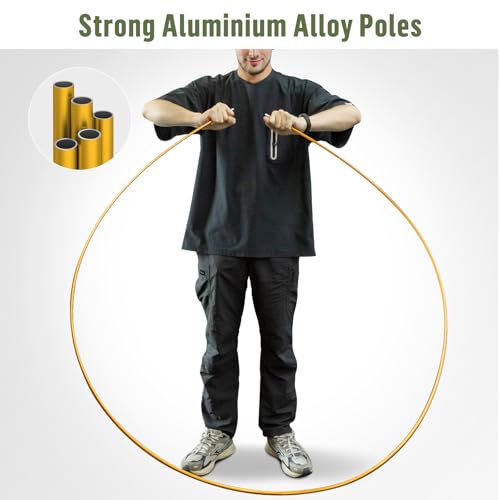
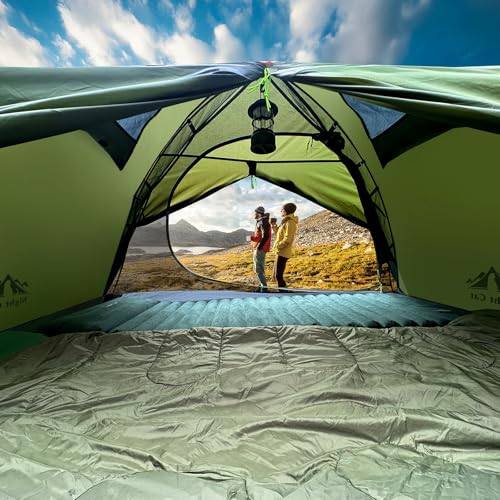
At this price point, the Night Cat delivers a lot of core features that budget-focused backpackers need, a full-coverage rainfly, taped seams, and a 3000mm waterproof rating mean it should hold up in real rain, not just drizzle. The dual vestibules and D-shaped doors are thoughtful touches, especially for a tent in this category, and owners consistently report it sets up quickly, even solo.
Ventilation looks solid on paper with full mesh walls and dual ceiling vents, which helps combat condensation, a common weak spot in cheaper models. While the aluminum poles and overall build don’t scream ‘ultralight’, they’re durable enough for occasional use. For hikers just getting into backpacking or those who want a reliable second tent, this one punches above its weight.
Product photos

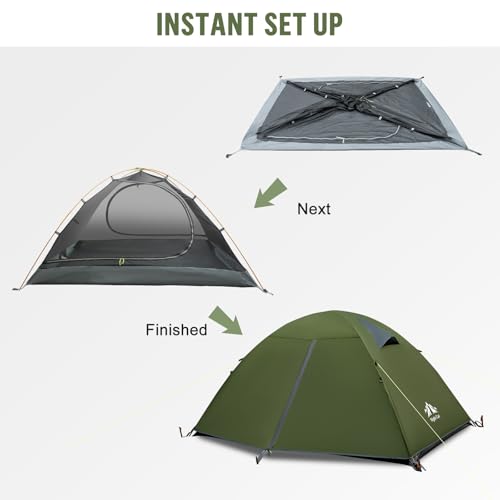
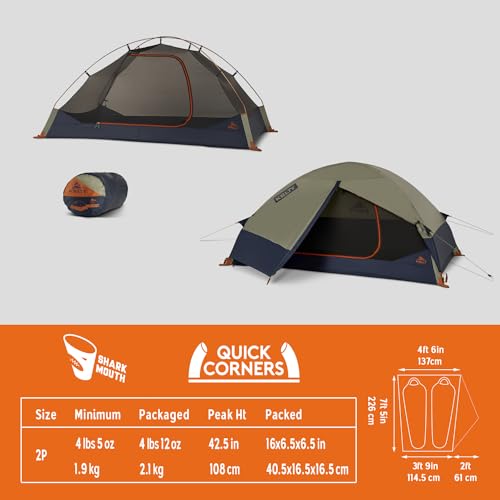
Kelty Late Start 2P Tent

Strengths
- 3-minute setup
- Color-coded clips
- PFC-free materials
Trade-offs
- Low waterproof rating
- Single door
- Small vestibule
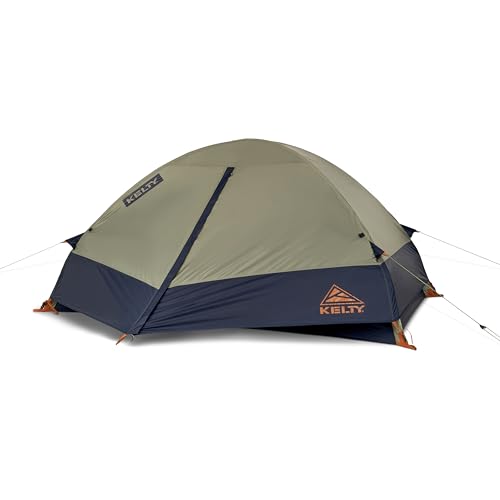
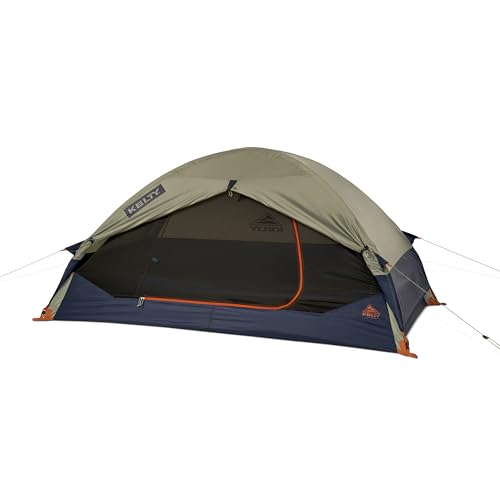
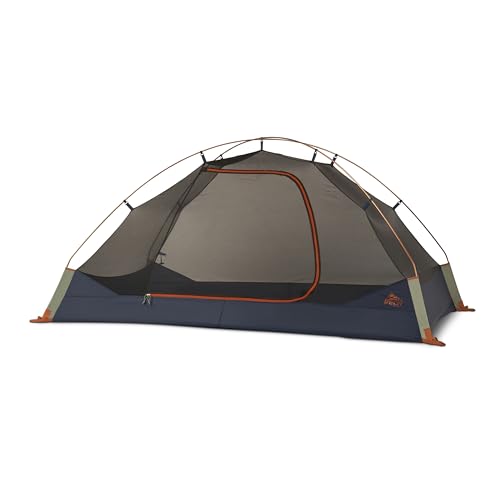
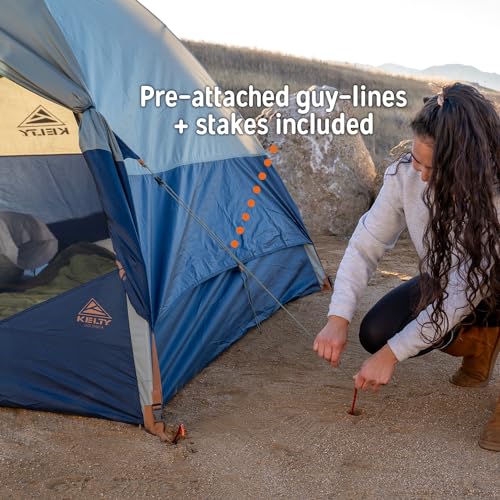
If you’ve ever struggled with a tent at dusk, the Kelty Late Start 2P is built for you. The 2024 update with Quickcorners and color-coded clips makes setup a true 3-minute job, even for one person. That’s a rare win in the backpacking world, where most tents demand patience and practice. It’s not the lightest or most spacious, but it’s ridiculously easy to pitch, which matters when you’re tired, wet, or setting up in the dark.
The single door and 30 sq ft footprint make it best for couples who don’t mind a tighter squeeze. The 1200mm waterproof rating is lower than others here, so it’s fine for 3-season use but not ideal for prolonged downpours. Still, Kelty’s commitment to PFC-free fabrics adds eco-appeal. For car-to-trail or beginner backpackers, this is a stress-free shelter that just works.
Product photos
BISINNA 2P Aluminum Pole Tent

Strengths
- 210D Oxford floor
- PU3000 waterproof rating
- Stable pole-sleeve design
Trade-offs
- On the heavy side
- Snug fit for two
- Basic ventilation design
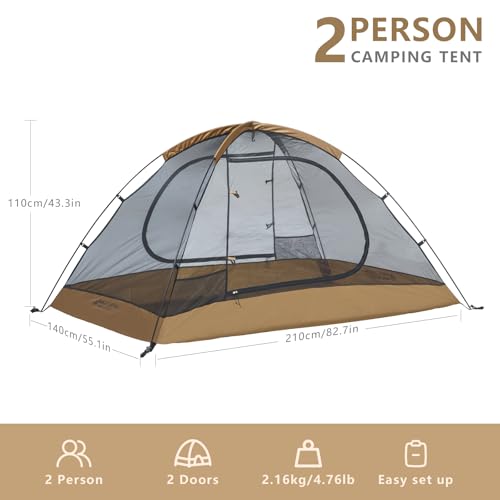
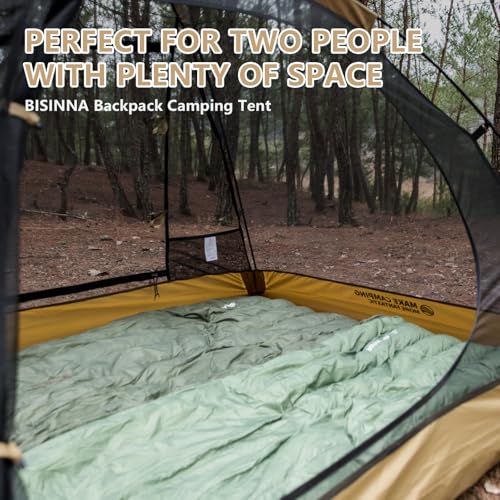
The BISINNA tent makes a strong case for being a weather-ready shelter, thanks to its PU3000 coating, 210D Oxford floor, and double-layer design. That floor material is heavier than most backpacking tents use, but it pays off in abrasion resistance, a big plus if you’re setting up on rocky or rough terrain. The sleeve-pole construction adds stability, which reviewers say helps in gusty mountain passes.
It’s not the lightest at 4.76 pounds, but for car campers transitioning to backpacking or hikers who prioritize dryness over ounces, that trade-off makes sense. The interior space is snug for two but comfortable for one with gear. I’d say it’s more ‘roomy for one’ than truly spacious for two long-term. Compared to the Kelty Grand Mesa, it’s heavier but slightly more rugged in wet conditions.
Product photos

Underwood 4-Season Backpacking Tent
Strengths
- PU5000mm waterproof rating
- Snow skirt included
- Freestanding design
Trade-offs
- Heavy for backpacking
- Condensation risk
- Bulky packed size
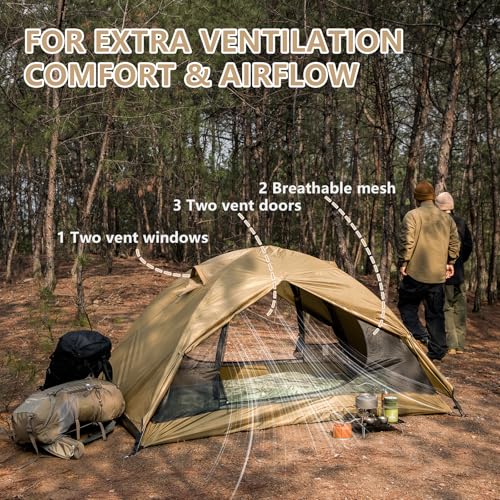
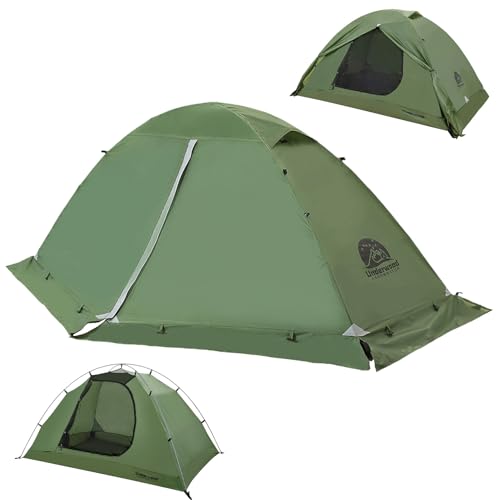
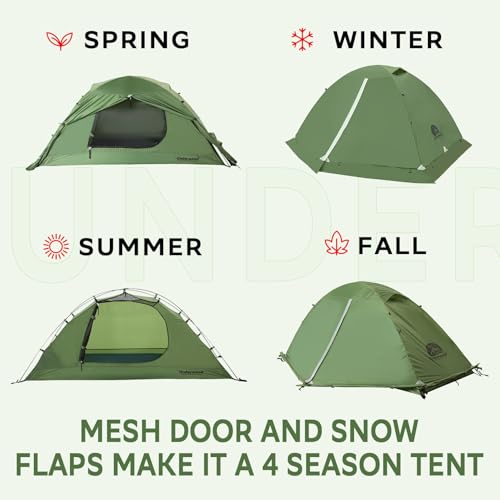
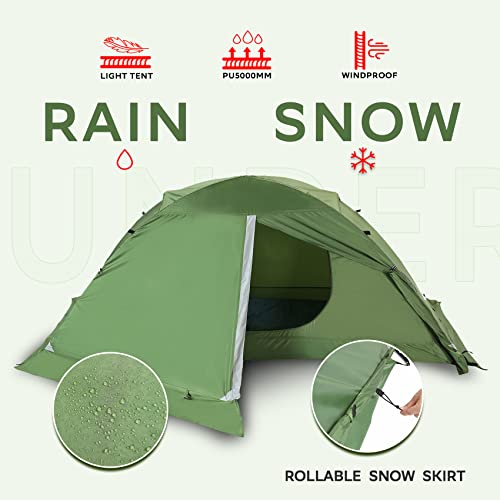
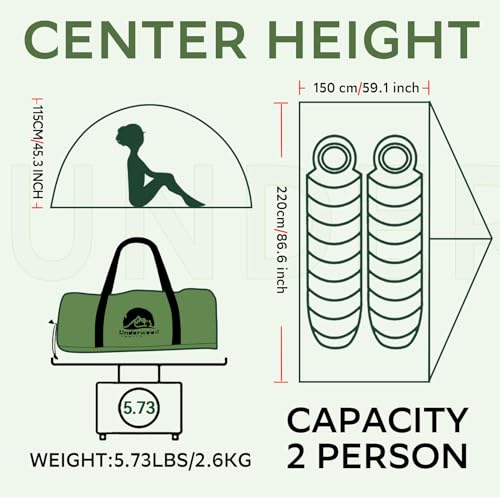
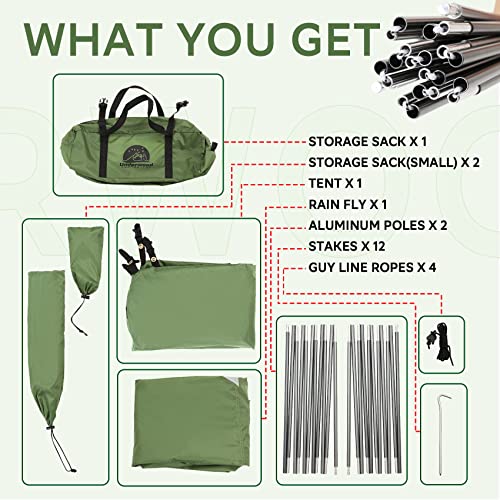
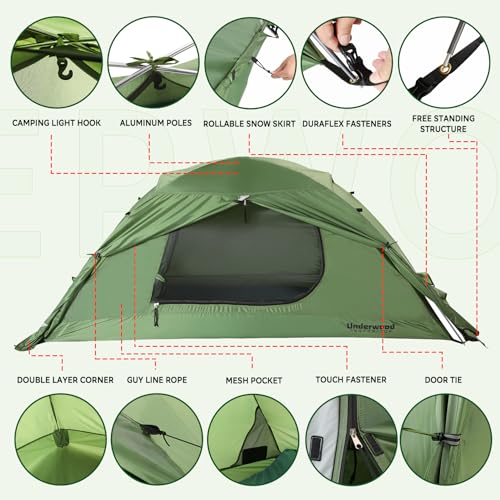
Most ‘4-season’ backpacking tents are overkill for typical use, but this Underwood Aggregator model actually brings legitimate cold-weather features, a snow skirt, PU5000mm coating, and aircraft-grade aluminum poles, all at a weight that’s manageable for winter backpacking. At 5.73 pounds, it’s not light, but that’s expected when you’re building for storm resistance and snow loading.
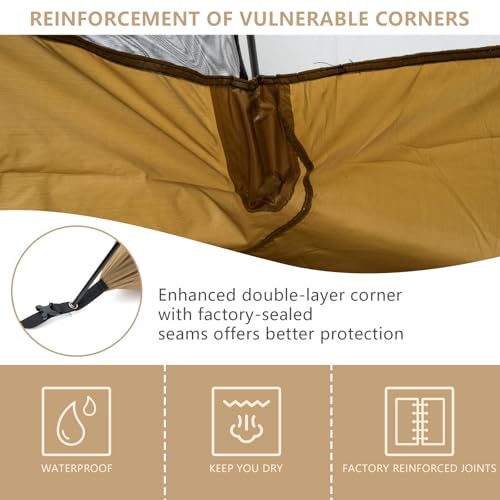
Owners report it handles high winds well thanks to the double-layer corners and freestanding design. The mesh can be rolled up in winter, and the interior layout includes smart touches like a gear pocket and lantern hook. Still, the ventilation system isn’t as robust as Marmot or Nemo’s winter models, and condensation can build up in extreme conditions. Compared to the Kelty or Naturehike, it’s a specialist, not an all-rounder.
Product photos
How We Picked These backpacking tents for 2
I approached this guide by researching the specifications and features of numerous two-person backpacking tents, then weighing those details against owner reviews and insights from established outdoor publications. Rather than a hands-on lab test, this is a research-led comparison focused on identifying patterns in performance and value. I looked at a wide range of models, ultimately focusing on those consistently appearing as strong contenders.
For two-person backpacking tents, weight and waterproof rating are particularly critical. A heavier tent quickly becomes a burden on the trail, and inadequate waterproofing can ruin a trip. Beyond that, usable interior space and ease of setup heavily influenced my rankings, as these directly impact comfort and convenience in the backcountry. I also considered durability, knowing that a tent is an investment you want to last.
Specifications reliably indicate a tent’s potential weight, dimensions, and waterproof capabilities. However, I heavily relied on owner feedback to assess real-world performance – how well a tent holds up to wind, whether it truly stays dry in heavy rain, and how easy it is to pitch after a long day of hiking. I also looked to reviews from trusted 2-person tent companies to validate claims and identify well-regarded designs.
How To Choose The backpacking tents for 2
Finding the right shelter is crucial for enjoying your time in the backcountry.
A good backpacking tent balances weight, durability, weather protection, and livability. Key specs include the denier (D) of the fabric – lower numbers generally mean lighter weight, but less durability – the waterproof rating (measured in mm) of the fly and floor, and the pole material (aluminum is stronger and lighter than fiberglass). Consider how the tent’s design impacts usable space and ease of setup.
Weight and Packability
For backpacking, every ounce matters. I often tell people to realistically assess how much weight they’re willing to carry versus how much space they need. Ultralight tents using fabrics like 7D or 10D nylon can be incredibly compact and light, but they’re also more susceptible to tears. Heavier fabrics like 68D polyester offer better durability, but at a weight penalty. Don’t automatically assume the lightest tent is best; a slightly heavier option may be more practical if you’re prone to snagging things or anticipate harsh conditions.
Waterproofing and Weather Resistance
Don’t solely focus on the PU (polyurethane) coating’s mm rating. A 1500mm rating can be sufficient for light rain, but a rating of 3000mm or higher is preferable for consistent precipitation. Beyond the coating, look for fully taped seams – this is where water often leaks in. Also, consider the tent’s shape; a lower profile generally performs better in windy conditions. For serious four-season use, look for tents with robust pole structures and snow skirts to prevent drafts and keep snow out. The Underwood 4-Season Backpacking Tent, for example, is specifically designed for challenging winter conditions.
- A lower denier (D) nylon fly will be lighter but more fragile.
- A bathtub floor (where the floor fabric extends up the sides) adds significant waterproof protection.
- Guy lines are essential. Don’t skip staking out your tent properly, even if the weather seems calm – they add stability and improve the tent’s ability to shed wind and rain.
A good rule of thumb: always overestimate the amount of rain you might encounter. It’s better to be overprepared than soaked to the bone.
Livability and Features
Beyond the basics, think about the features that will enhance your comfort and convenience. Vestibules are incredibly useful for storing gear outside of the sleeping area, keeping it dry and accessible. Learning about tent vestibule benefits can really help you maximize your storage. Interior pockets are great for organizing small items, and a dual-door design makes it easier for two people to enter and exit without disturbing each other. If you’re looking for the top two-person backpacking tents, consider the Kelty Grand Mesa 2P, which offers a good balance of features and affordability. It’s often a great starting point for people seeking reliable lightweight tandem backpacking tents.
Backpacking Tents for 2 Compared
Here’s a comparison of key specifications for popular 2-person backpacking tents.
| Product Title | Weight (lbs) | Floor Size (sq ft) | Peak Height (in) | Waterproof Rating (mm) | Material (Fly) |
|---|---|---|---|---|---|
| Naturehike Cloud Up Pro 2P | 3.97 | 30 | 41.3 | 4000 | 20D Nylon |
| Marmot Crane Creek 2P | N/A | 32 | N/A | N/A | Polyester |
| Kelty Grand Mesa 2P | 4.7 | 30 | 44 | N/A | 68D Polyester |
| Night Cat 2-Person Backpacking Tent | N/A | N/A | 36 | 3000 | Polyester |
| Kelty Late Start 2P | N/A | 30 | 43 | 1200 | 68D Polyester |
| BISINNA 2P Aluminum Pole Tent | 4.76 | N/A | 110 | 3000 | 190T Polyester |
| Underwood 4-Season Backpacking Tent | 5.73 | 59.1 x 86.6 | 45.3 | 5000 | N/A |
Frequently Asked Questions
What’s the difference between a 1500mm and a 3000mm waterproof rating?
A 3000mm rating indicates significantly better water resistance than 1500mm. While 1500mm might handle a light shower, 3000mm is preferable for sustained rain and will keep you drier for longer, especially when combined with taped seams.
Are freestanding tents really easier to set up?
Generally, yes, freestanding tents are easier to pitch because they don’t require staking to maintain their shape. This is particularly helpful on rocky or hard-packed ground where staking is difficult, or if you’re arriving at your campsite late in the day, but they often weigh more.
What does “denier” mean when comparing tent fabrics?
Denier (D) refers to the thickness of the fabric threads; a lower denier means a thinner, lighter fabric. While lower denier fabrics like 7D or 10D nylon save weight, they are less durable and more prone to damage than higher denier fabrics like 68D polyester, which is why choosing the right balance is key for backpacking tents for two campers.
Can I use a tent footprint with any backpacking tent?
You can, but it’s best to use a footprint specifically designed for your tent model. A custom footprint will perfectly match the tent’s floor dimensions, providing optimal protection from abrasion and punctures, while a generic one might not offer full coverage.
Is it possible to find a truly lightweight, durable, and affordable tent?
Finding the perfect balance is challenging, but it’s possible to locate a top-rated 2-person hiking tents that offers a good compromise. Expect to make trade-offs; ultralight tents are often more expensive, and durable tents usually weigh more, so prioritize what matters most for your style of backpacking.
The Bottom Line
Choosing a backpacking tent always comes down to balancing what you’re willing to carry with the level of comfort and protection you demand. For most people seeking a reliable all-around performer, I believe the Naturehike Cloud Up Pro 2P strikes a fantastic balance – it’s impressively lightweight without sacrificing too much in terms of space or weather resistance. It’s a solid starting point for many adventures.
If budget is your primary concern, the Kelty Grand Mesa 2P offers excellent value for the money. And for those who prioritize versatility and need a tent capable of handling tougher conditions, the Underwood 4-Season Backpacking Tent is a strong contender, though you’ll notice a weight increase. Ultimately, understanding how to pick a backpacking tent is the first step to finding the right shelter for your needs.
Remember, specs are only part of the story. More important than any specific waterproof rating or denier count is finding a tent that fits your body, your typical backpacking style, and the kinds of environments you plan to explore. Prioritize a well-designed structure, durable materials, and proper setup – those fundamentals will always provide the best protection against the elements.
