
7 Best Backpacking Tents for Two 2026
This post contains affiliate links. As an Amazon Associate, we earn from qualifying purchases.
The best backpacking tent for two is the Kelty Grand Mesa 2P, thanks to its reliable weather protection, thoughtful design, and reasonable weight. For a budget-friendly option that still performs well in typical conditions, the Night Cat 2-Person Aluminum Tent stands out. If you need serious four-season capability, the Underwood 4-Season Backpacking Tent offers rugged durability.
Picking a two-person backpacking tent isn’t just about fitting two people, it’s about finding shelter that won’t weigh you down or fail when the weather turns. Too many hikers learn the hard way that a cheap or poorly designed tent can ruin a trip.
In this guide, I’ll walk you through the top options based on real owner feedback, published specs, and what matters most when you’re miles from the trailhead. These picks reflect a balance of weight, weather resistance, and livability, all filtered through years of experience evaluating gear that holds up in the wild.
Top 7 Backpacking Tents For Two in the Market
The Best Backpacking Tents For Two, Reviewed
Kelty Grand Mesa 2P Tent

Strengths
- Easy color-coded setup
- Durable 68D fabric
- Freestanding design
Trade-offs
- Heavier than ultralight options
- Smaller vestibules
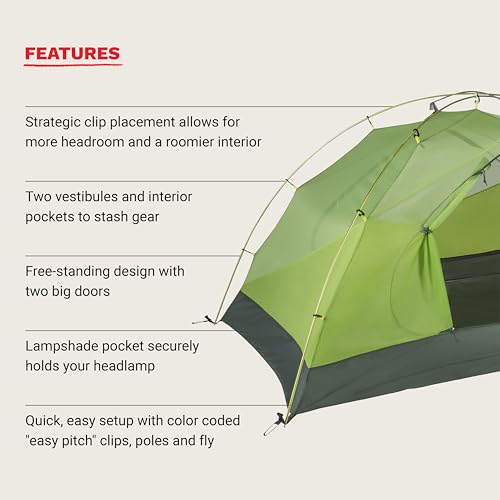
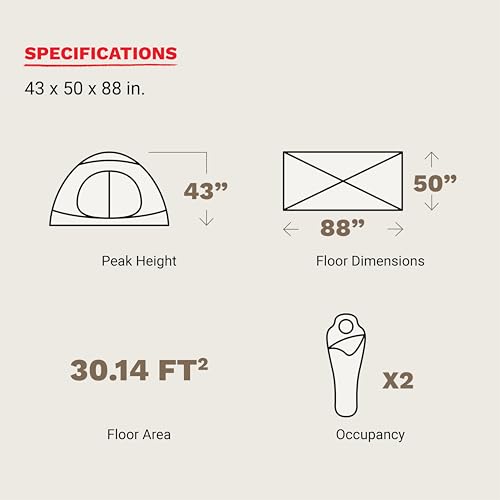
If there’s a tent that hits the sweet spot between ease of use, reliability, and value, it’s the Kelty Grand Mesa 2P. At 4 lbs 7 oz, it’s not ultralight, but it’s light enough for most backpackers, and the freestanding design makes site selection a breeze, even on rocky or uneven ground. The color-coded clips and Quick Corners system are standouts for solo campers; reviewers routinely praise how fast and intuitive the setup is, even in fading light. With 30 sq. ft. of interior space and a 44-inch peak height, it’s not the roomiest, but two average-sized hikers can coexist comfortably.
Owners consistently report it holds up season after season, which speaks to the 68D polyester floor and fly. Compared to the Marmot Crane Creek, it’s less bombproof but more user-friendly. For beginners or those who hate wrestling with poles, this is the smarter buy. I’d pick it as the best overall for most backpackers, not the lightest, not the cheapest, but the most consistently dependable.
Product photos


Marmot Crane Creek 2P Tent
Strengths
- Durable aluminum poles
- Excellent weather protection
- PFAS-free materials
Trade-offs
- Heavier than average
- Slightly slower setup
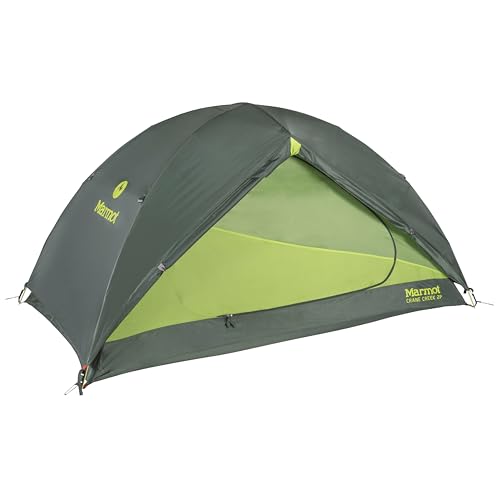
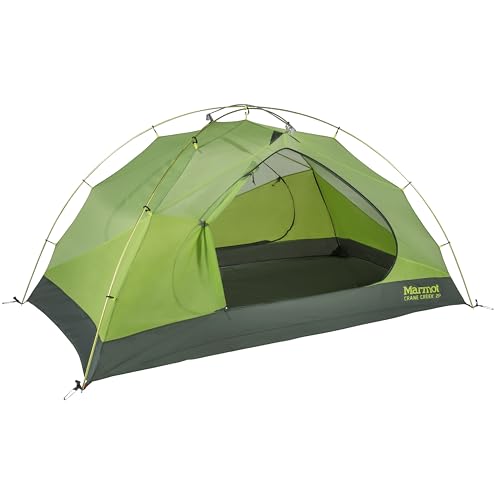
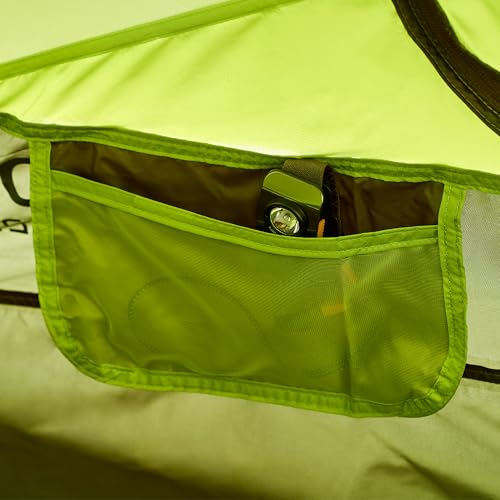
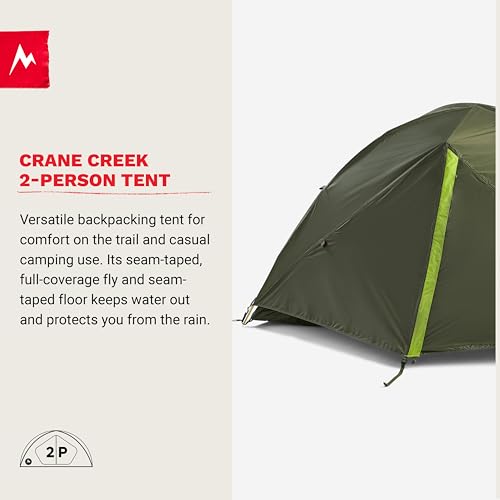
The Marmot Crane Creek 2P stands out in the crowded two-person backpacking tent market by prioritizing durability and weather resistance without going overboard on weight. On paper, it’s a well-balanced mix of rugged materials and thoughtful design, 7000 series aluminum poles aren’t common at this level, and they signal serious intent for withstanding wind and snow load. Owners consistently report confidence in this tent during shoulder-season trips, especially in the Pacific Northwest and Rockies, where sudden storms are the norm. The 32 sq. ft. interior is snug but livable for two, and the dual D-doors with full vestibules make gear access easy even in tight spots.
It’s not the lightest option here, most reviewers note it’s on the heavier end of “lightweight”, but that trade-off pays off in long-term resilience. The PFAS-free construction is a quiet win, aligning with growing environmental concerns in outdoor gear. Compared to the Kelty Grand Mesa, it’s sturdier but less beginner-friendly in setup. For hikers who regularly push into alpine zones or shoulder seasons, this is a solid investment.
Product photos
Underwood 4-Season Backpacking Tent
Strengths
- Excellent winter performance
- Strong snow skirt
- High waterproof rating
Trade-offs
- Heavy and bulky
- Overbuilt for 3-season use
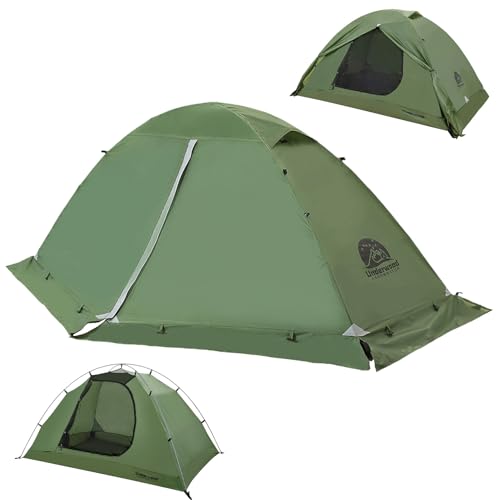
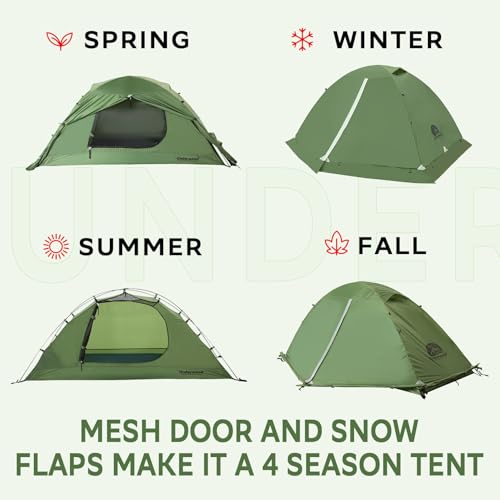
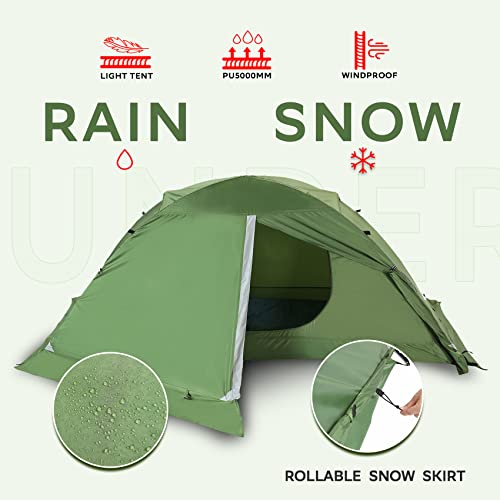
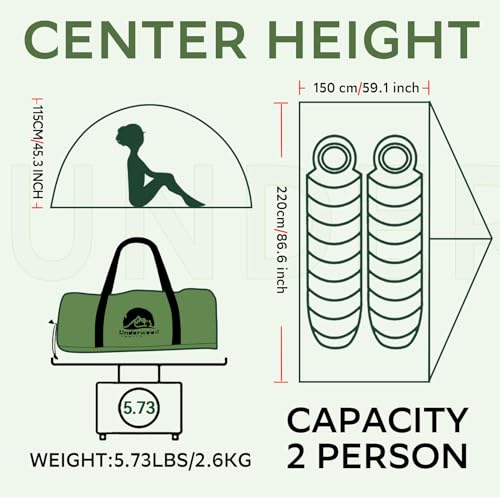
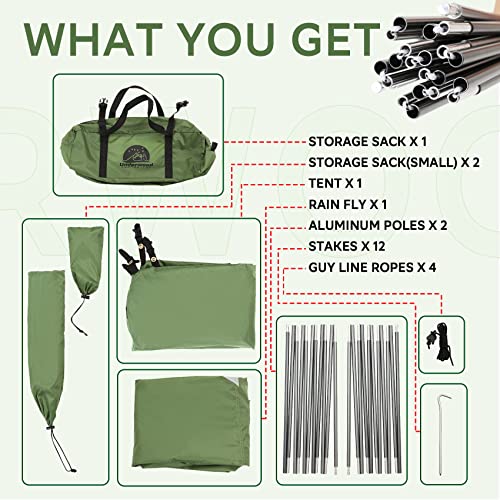
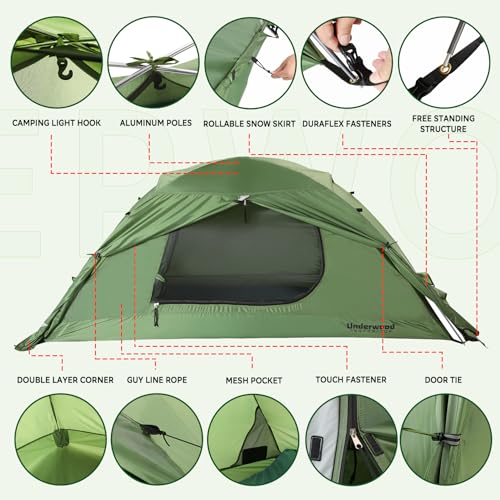
This tent is built for brutal weather, and that shows in every detail, from the PU5000mm coating to the snow skirt and aircraft-grade aluminum poles. At 5.73 lbs, it’s heavy, but that’s the cost of true four-season capability. Owners in the Rockies and Sierra report using it in snowstorms with confidence, thanks to the double-layer corners and full-coverage fly. The roll-up snow skirt is a smart touch, letting you adapt to conditions rather than fight the design. Inside, the 45.3-inch center height and mesh pockets add livability, though space is tight for two long-term.
It’s overkill for summer backpacking, too hot, too heavy, but in winter, it earns its keep. Compared to the Marmot Crane Creek, it’s more specialized and less ventilated in mild weather. I’d pick this only if you’re regularly camping in snow or high alpine zones. For everyone else, it’s unnecessary bulk.
Product photos
Night Cat 2-Person Aluminum Tent
Strengths
- Extremely fast setup
- Good ventilation
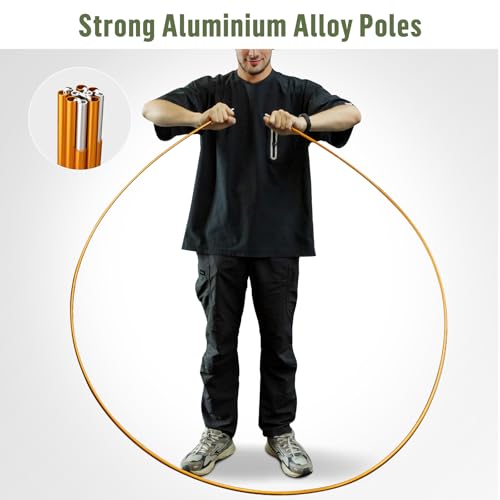
- Sturdy aluminum poles
Trade-offs
- Heavier than competitors
- Limited winter capability
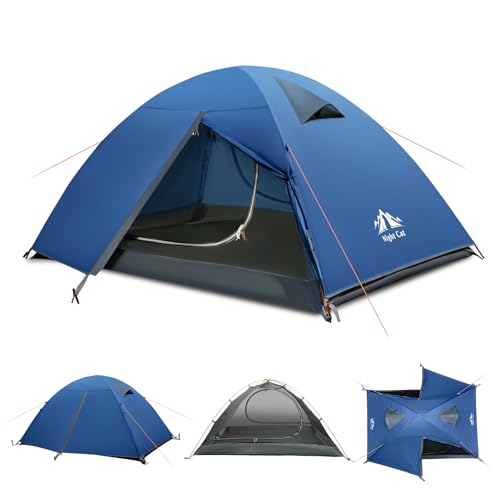
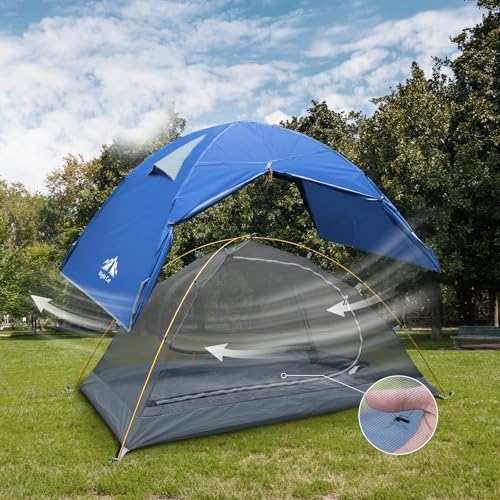
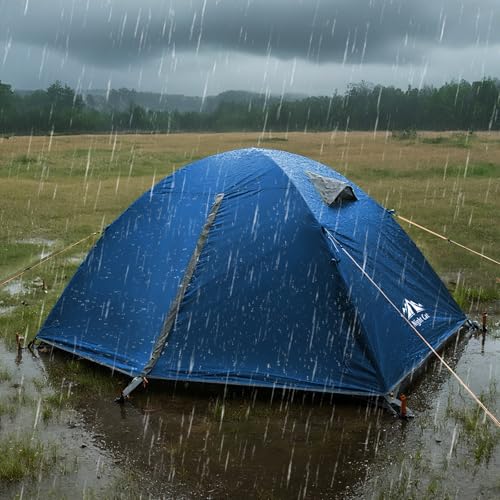
The Night Cat tent earns its “Best Easy Setup” label with a hook-and-pole system that skips the fussy pole sleeves, just hang the poles and clip in. Owners say setup takes under a minute, and teardown is just as fast, making it ideal for tired hikers or parents camping with kids. The double-layer design with mesh panels and two D-doors improves airflow, reducing the condensation that plagues cheaper models. At 5.4 lbs, it’s not ultralight, but the aluminum poles and PU 3000mm coating deliver solid 3-season performance.
Where it surprises is in stability, the 210D Oxford floor and included guy lines help it handle wind better than expected. Still, it’s not built for heavy snow or extreme cold. Compared to the Underwood Aggregator, it’s lighter and faster to pitch but less insulated. For quick weekend trips or family camping, this is a standout. I’d recommend it for anyone who values speed and simplicity over gram-counting.
Product photos
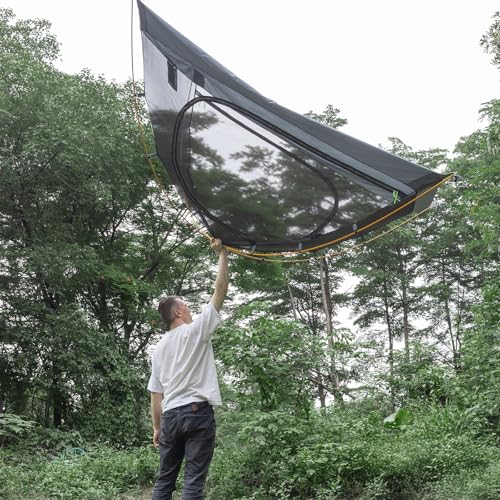

Clostnature Lightweight 2-Person Tent

Strengths
- Low trail weight
- High waterproof rating
- Good ventilation
Trade-offs
- Average stake quality
- Slightly fussy pack size
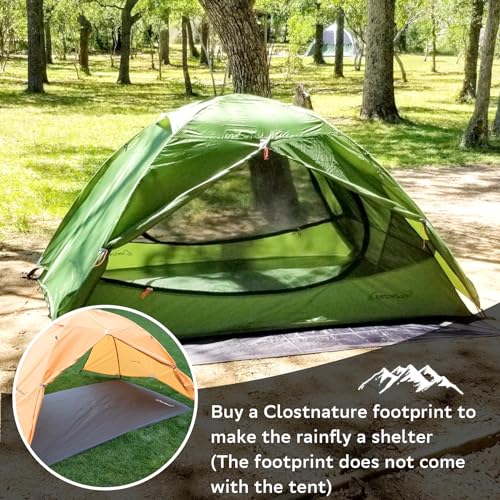
Clostnature delivers real value for weight with this 2-person tent, 5.29 lbs for the full setup, but 4.52 lbs at minimum trail weight, which puts it in the ultralight conversation. The PU5000 coating across fly and floor exceeds many competitors, and factory-sealed seams mean fewer wet surprises. Owners appreciate the large mesh walls and 2 vestibules, which boost airflow and storage, critical for two people in close quarters. The freestanding design with just two poles simplifies pitching, and many solo hikers say they can set it up in under 3 minutes.
It’s not perfect, the packed size is modest, and some report the stakes aren’t the strongest, but for the price, it’s hard to beat. Compared to the Kelty Grand Mesa, it’s lighter and more weather-resistant but less durable long-term. I’d recommend it for backpackers who want a balance of low weight, solid weather protection, and affordability without going full alpine.
Product photos



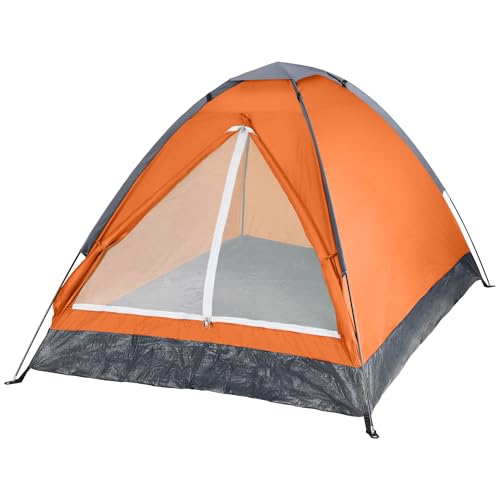
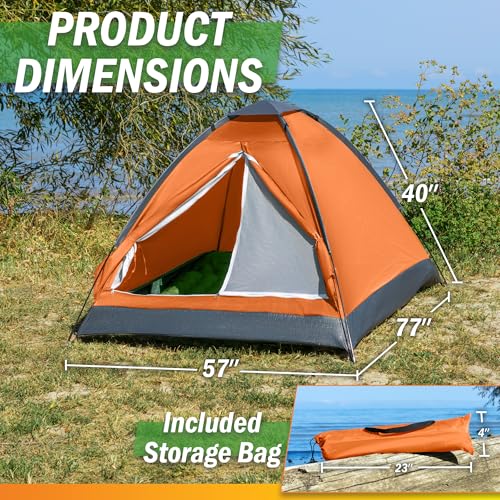
Wakeman Outdoors Pop Up Tent
Strengths
- Very lightweight
- Low cost
- Simple setup
Trade-offs
- Fiberglass poles
- Limited weather protection
- Not durable in wind
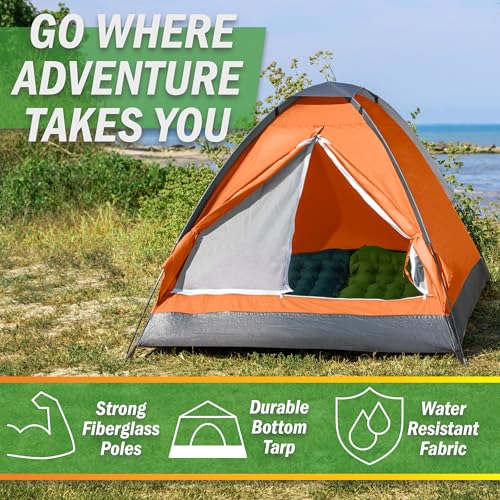
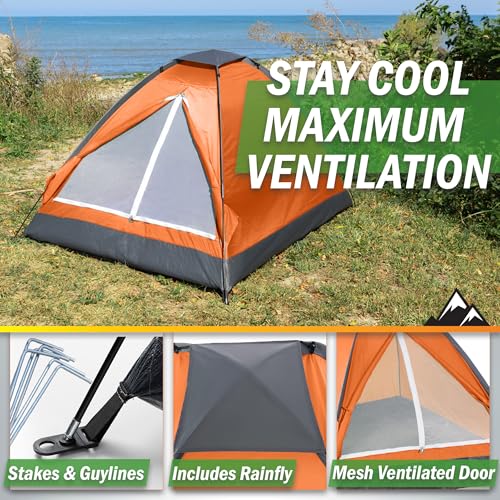
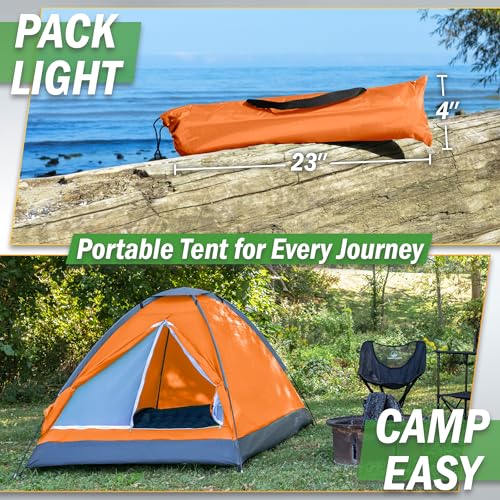
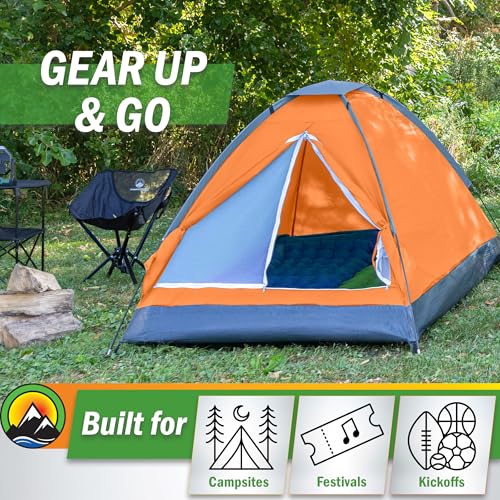
This tent is the definition of budget-friendly function, it gets the basics right without pretending to be something it’s not. At just 2.75 lbs, it’s impressively light, but that comes with a compromise: fiberglass poles. While fine for casual use, they’re more prone to snapping under stress or in wind, which owners have confirmed in gusty conditions. The 190T polyester and removable rainfly offer minimal but adequate protection for dry climates or fair-weather camping. Setup is straightforward, and the included storage pocket and dual-layer doors add convenience for weekenders or festival-goers.
But let’s be honest, this isn’t a true backpacking tent. It lacks the durability and weather resistance needed for serious trails. Compared to the Night Cat or Kelty, it’s flimsier and less ventilated. Still, for kids’ backyard adventures, beach days, or first-time campers, it delivers. My recommendation? Use it where failure won’t leave you soaked, this isn’t the tent for alpine passes or stormy ridgelines.
Product photos
Forceatt 2-Person Backpacking Tent

Strengths
- Superior ventilation
- Strong aluminum poles
- Smooth zippers
Trade-offs
- Average packed size
- Not four-season rated
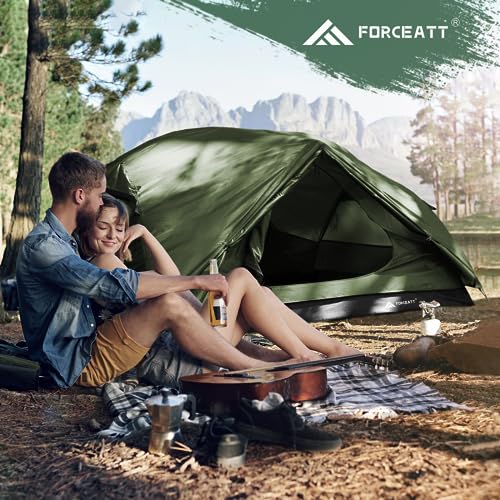
Ventilation is where the Forceatt 2-person tent truly shines, and owners agree it handles condensation better than most in its class. The large mesh windows and ceiling vents create real airflow, which matters on humid summer nights or when two breathers share a small space. On paper, the 3000mm waterproof rating is standard for 3-season use, but real-world feedback suggests it holds up well in steady rain, especially with the welded floor keeping moisture at bay. The 7001 series aluminum poles add a level of strength you don’t always see at this price point, and the smooth #8 zippers are a small but appreciated detail, fewer snags mean less frustration at midnight.
Still, it’s not built for true winter use, and the 5.5 lb weight keeps it out of the ultralight conversation. Compared to the Kelty Grand Mesa, it offers better airflow but a slightly clunkier pack size. I’d recommend it for warm-weather backpackers or car campers who want a breathable, reliable shelter without breaking the bank.
Product photos


How We Picked These backpacking tents for two
Rather than a hands-on lab test, my research for these recommendations was a detailed comparison of published specifications and features across numerous models. I weighed owner reviews – paying close attention to recurring praise and complaints – alongside evaluations from reputable outdoor gear reviewers. As someone who’s spent countless nights under canvas, I also applied my experience to assess which features truly matter when you’re carrying everything on your back. Ultimately, I ranked tents against a clear set of criteria focused on weight, weather protection, and ease of use.
For two-person backpacking tents, weight, durability, and weather resistance consistently emerged as the most important factors. A lighter tent means a more enjoyable trek, but not at the expense of materials that can withstand wind and rain. Durability is crucial because a failure miles from the trailhead is a serious issue. These three elements heavily influenced which tents made the final cut, and how they were positioned within the recommendations.
Specifications reliably tell you about a tent’s size, packed weight, and stated waterproof ratings. However, I found owner feedback to be far more insightful regarding real-world performance – how a tent holds up after repeated use, how easy it is to pitch in challenging conditions, and whether its ventilation lives up to the manufacturer’s claims. Reputation and brand history also played a role; established brands often have a track record of quality and customer support. If you’re new to the world of backpacking tents, checking out a tent buying guide can be a great first step.
Choosing The Right backpacking tents for two
Choosing the right shelter for two people can make or break a trip, and there’s a lot more to it than just picking a color.
A good backpacking tent for two balances weight, durability, weather protection, and livability. Key specs to examine include the tent’s weight (trail weight is most important!), floor area and peak height for comfortable use, the denier (D) and coating of the rainfly and floor fabrics for waterproofing and tear resistance, and the pole material – aluminum is generally stronger and lighter than fiberglass.
Weight and Packability
As a hiker, I’m always thinking about what I’m carrying on my back. When it comes to two-person tents, weight is a huge factor. You’ll find tents ranging from under 4 pounds to over 8, and those extra pounds really add up over a long trail. Don’t automatically assume a lighter tent means sacrificing durability, though. Modern materials like 20D or 30D ripstop nylon can be incredibly strong for their weight. Look for a “trail weight” specification (fly, tent body, and poles) to get a realistic idea of what you’ll be hauling.
Weather Resistance and Durability
The mountains don’t care about your plans, so a tent that can withstand the elements is critical. Pay attention to the waterproof ratings (measured in millimeters) of the rainfly and floor. PU3000mm is a good baseline for moderate rain, but for consistently wet conditions, you’ll want something closer to PU5000mm or higher. Also, examine the materials: polyester is generally more UV resistant than nylon, and a robust floor material (like 68D polyester or 70D nylon) will prevent punctures. A well-designed tent vestibule definition can also be a lifesaver for keeping gear dry and protected.
Features and Livability
Beyond the basics, consider what features will make your camping experience more enjoyable.
- Ease of setup is a big one – nobody wants to wrestle with a complicated tent after a long day of hiking.
- Vestibules are incredibly useful for storing muddy boots and backpacks, keeping the inside of your tent cleaner.
- Two doors are a standout for avoiding midnight trips over your tentmate.
Here’s a rule of thumb I always tell people: don’t skimp on the details. A little extra thought into features like ventilation, interior pockets, and sturdy zippers can make a huge difference in your overall comfort. The market is full of backpacking tent models so don’t settle for less than you need.
Don’t buy a tent based on its packed size alone. Focus on the trail weight – that’s what you’ll actually be carrying.
Backpacking Tents for Two Compared
Here’s a comparison of key specifications for popular two-person backpacking tents.
| Tent Title | Capacity | Weight (oz) | Floor Size (in x in) | Peak Height (in) | Waterproof Rating (mm) |
|---|---|---|---|---|---|
| Kelty Grand Mesa 2P Tent | 2 | 55 | 85 x 57 | 44 | N/A |
| Marmot Crane Creek 2P Tent | 2 | N/A | N/A | N/A | N/A |
| Underwood 4-Season Backpacking Tent | 2 | 83.5 | 59.1 x 86.6 | 45.3 | 5000 |
| Night Cat 2-Person Aluminum Tent | 2 | 54 | N/A | N/A | 3000 |
| Clostnature Lightweight 2-Person Tent | 2 | 57.5 | 73 x 47 | 39.4 | 5000 |
| Wakeman Outdoors Pop Up Tent | 2 | N/A | 77 x 57 | 40 | N/A |
| Forceatt 2-Person Backpacking Tent | 2 | N/A | 88.6 x 53.1 | 43.3 | 3000 |
Frequently Asked Questions
What waterproof rating do I really need for a backpacking tent?
A rating of PU3000mm is generally sufficient for average conditions, but if you frequently camp in areas with heavy or prolonged rainfall, I recommend looking for a rainfly and floor with a PU5000mm rating or higher for better protection.
How important is the tent pole material?
Aluminum poles are significantly stronger and lighter than fiberglass, making them the preferred choice for backpacking tents. While fiberglass is more affordable, the added weight and potential for breakage aren’t worth the savings on the trail.
Are “pop-up” tents suitable for backpacking?
Generally, no. While convenient, pop-up tents are usually heavier and less durable than traditional backpacking tents, and they often lack the weather protection needed for serious trips. You’ll find more reliable options among truly backpacking two-person tents.
What does “trail weight” actually include?
Trail weight refers to the total weight of the tent components you’ll be carrying in your pack – specifically, the tent body, rainfly, and poles. It’s the most important weight specification to consider, as it directly impacts your comfort on the trail.
How can I tell if a tent is durable enough for my needs?
Look beyond the waterproof rating and check the denier (D) of the fabrics used in the rainfly and floor. Higher denier numbers indicate a thicker, more tear-resistant material. Investing in a weather-resistant backpacking tents with robust fabric is a smart move.
The Bottom Line
Choosing a backpacking tent for two always involves compromise. You’re balancing how much weight you’re willing to carry against how comfortable you want to be and how well the tent will protect you from the elements. For the best overall combination of these factors, I recommend the Night Cat 2-Person Aluminum Tent. It hits a sweet spot in terms of weight, weather protection, and price, making it a solid choice for a wide range of backpacking adventures.
If you’re on a tighter budget, the Kelty Grand Mesa 2P Tent provides remarkable value without sacrificing essential features. For those prioritizing versatility and wanting a tent that can handle tougher conditions, the Underwood 4-Season Backpacking Tent is a fantastic option, even if it adds a little weight to your pack. Don’t forget to consider a tent footprint explained to protect the bottom of your investment.
Ultimately, specs and features are only part of the equation. Focus on finding a tent that fits your needs and hiking style. A well-chosen tent – properly cared for – is an investment in countless comfortable nights under the stars, and that’s far more valuable than any single number on a datasheet.
