
7 Best Backpacking Two Person Tents 2026
This post contains affiliate links. As an Amazon Associate, we earn from qualifying purchases.
The best backpacking two person tent overall is the Kelty Grand Mesa 2P Tent, it hits the sweet spot between weight, durability, and comfort. For a budget-friendly option that still performs well in rough conditions, the Underwood 4-Season Backpacking Tent stands out, while the Clostnature Ultralight 2-Person Tent offers solid versatility for variable weather.
Most two-person tents promise space and light weight, but too many fail when the wind picks up or the rain won’t stop. After comparing the field and digging into owner feedback, I focused on models that actually hold up without weighing down your pack. This guide covers the top picks based on real-world performance, key specs you can’t ignore, and what actually matters when you’re miles from the trailhead.
Top 7 Backpacking Two Person Tents in the Market
The Best Backpacking Two Person Tents, Reviewed
Kelty Grand Mesa 2P Tent

Strengths
- Freestanding design
- Reliable weather protection
- Thoughtful setup details
Trade-offs
- Moderate weight
- Basic rainfly coating
- One vestibule
This is the tent I’d recommend to most people as a balanced, no-nonsense choice. The Grand Mesa hits the sweet spot: solid 3-season protection, freestanding design, and a weight that won’t wreck your pack. At 4 lbs 7 oz, it’s not ultralight, but you’re getting 30 sq. ft. of space, dual D-doors, and a full vestibule, features that matter when sharing a tent for days on end.
Owners love the Shark Mouth bag and color-coded clips, which make packing and setup painless. The 68D fabric and taped seams hold up well, and the 1200mm coating is adequate for most conditions. It’s not as storm-ready as the Underwood 4-season model, but for the majority of backpackers, it’s more than enough.
Product photos


Marmot Crane Creek 2P Tent
Strengths
- High-end poles
- Durable construction
- Excellent ventilation
Trade-offs
- Heavier than average
- No footprint included
- Pricier
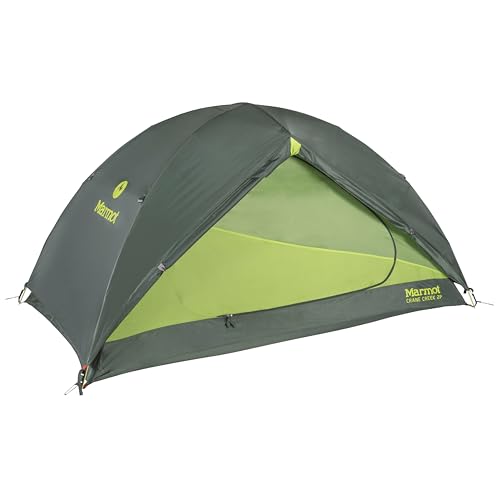
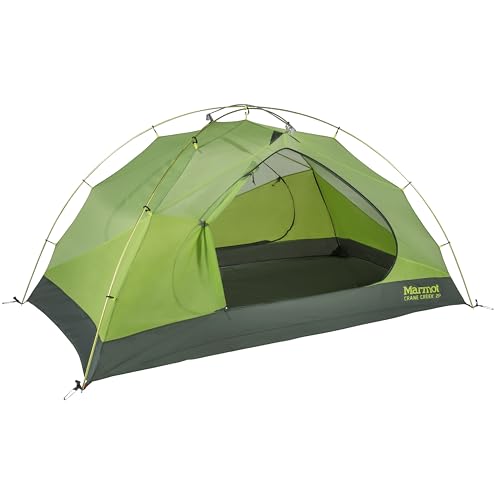
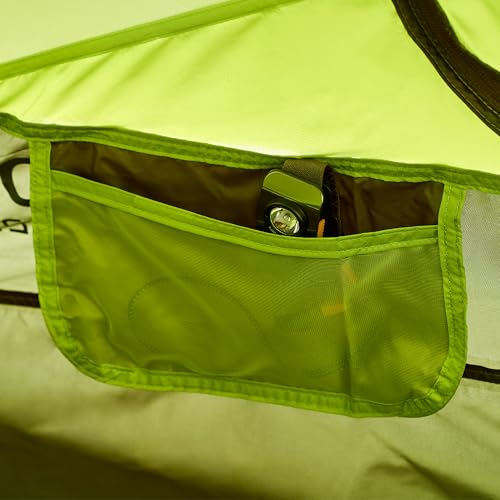
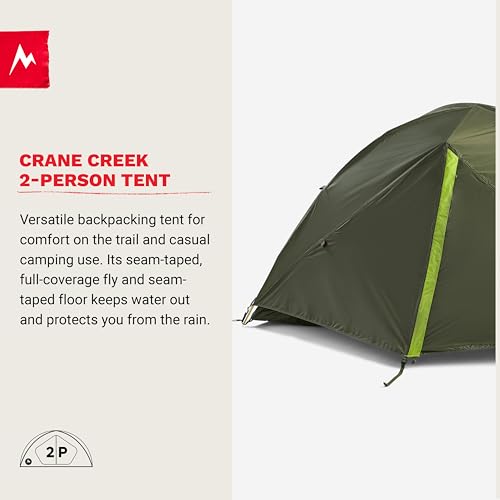
If you want a tent that feels like it’ll last five seasons instead of one, the Crane Creek is worth the investment. The 7000-series aluminum poles are a serious upgrade, stiffer and more durable than standard poles, so it handles wind and snow load better than most 3-season tents. Owners praise its stability in gusts, and the dual vestibules are a major plus for gear storage.
On paper, it’s not the lightest at around 5 lbs, but that weight buys long-term resilience. The full mesh walls and dual ceiling vents help with condensation, though some note it can still build up in humid conditions. Against the Kelty Grand Mesa, it’s sturdier but heavier; against the Night Cat, it’s in a different durability class.
Product photos
Underwood 4-Season Backpacking Tent
Strengths
- True 4-season build
- Strong poles
- Snow skirt included
Trade-offs
- Heavy
- Poor ventilation
- Bulky packed size
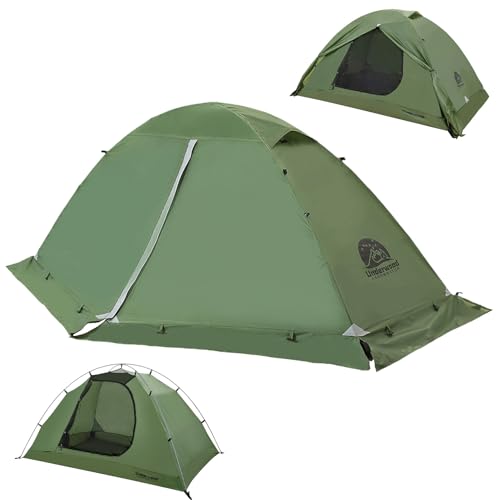
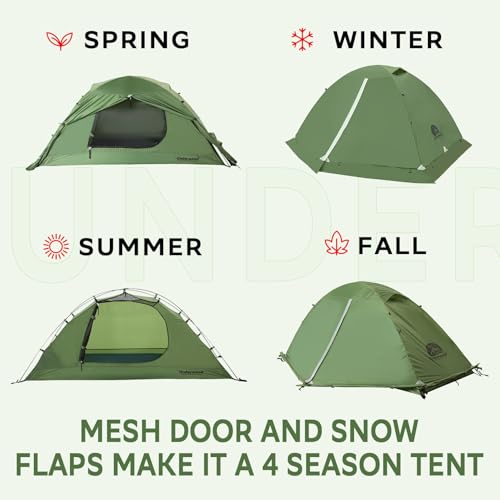
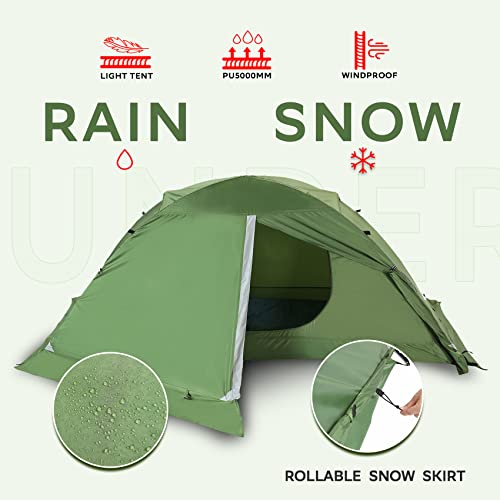
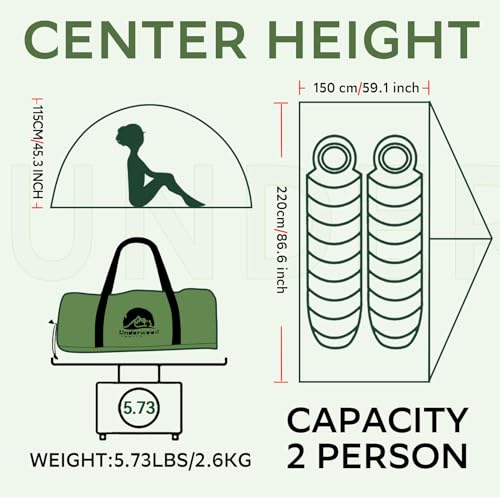
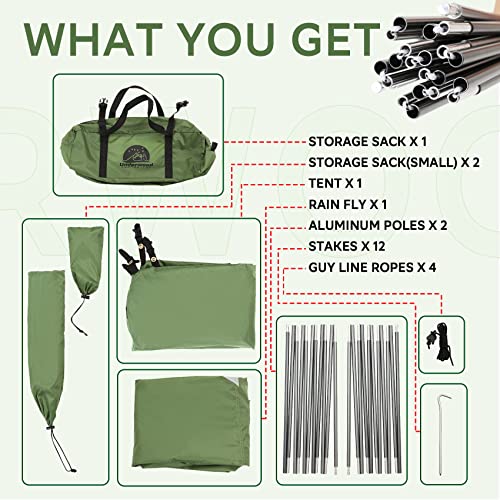
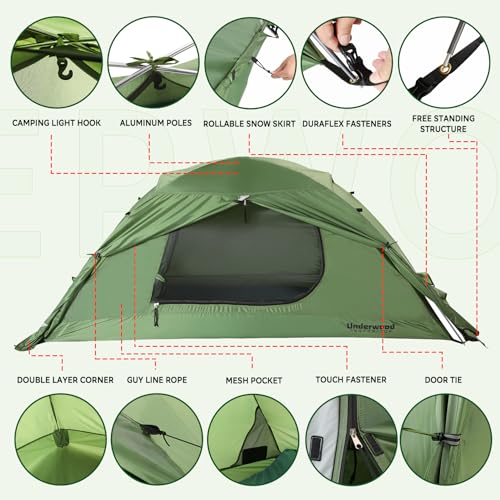
This Underwood Aggregator tent is built for harsh weather, not convenience. With a PU5000mm coating, snow skirt, and aircraft-grade poles, it’s clearly aimed at winter campers and mountaineers. The roll-up snow skirt and double-layer doors are smart touches for cold conditions, and the 45-inch peak height is good for a 4-season model.
But that toughness comes at a cost: it’s heavy at 5.73 lbs and bulky compared to 3-season options. Ventilation seems limited on paper, and owners note condensation can be an issue without careful management. Still, for someone tackling winter hikes or high-altitude trips, it’s a rare affordable 4-season option that doesn’t feel flimsy.
Product photos
BISINNA 2-Person Lightweight Tent

Strengths
- Lightweight
- Stable pole design
- Durable floor fabric
Trade-offs
- No footprint
- Basic carry bag
- Minimal branding
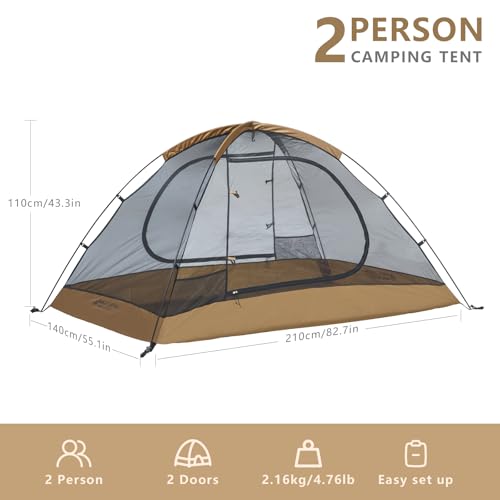
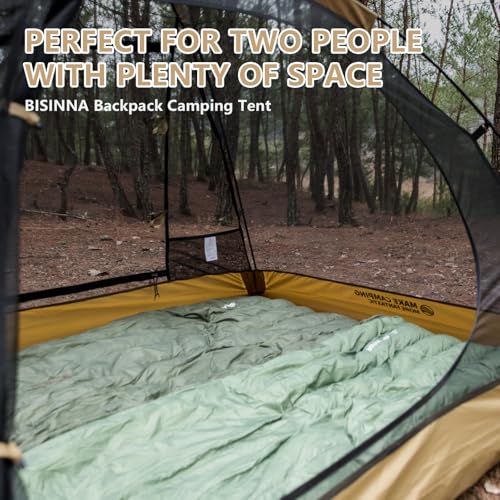
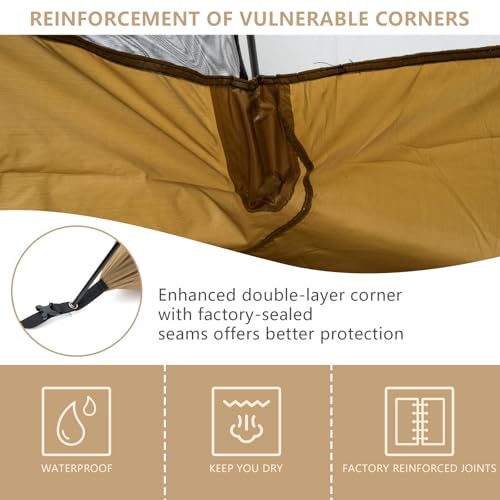
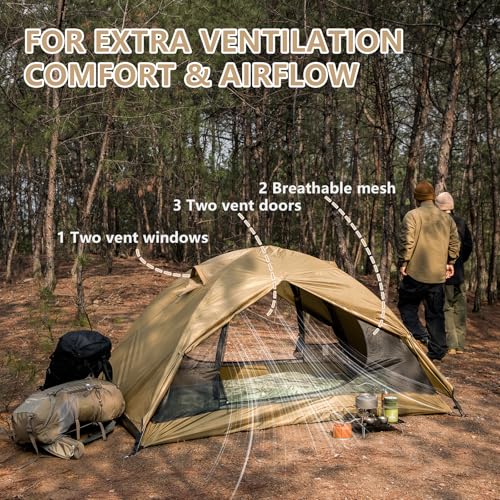
This tent is a standout for weight-conscious backpackers who don’t want to sacrifice durability. At just 4.76 lbs, it’s one of the lightest here, yet it uses 210D Oxford floor fabric and PU3000 coating, solid specs for rain and abrasion resistance. The double-layer design with full mesh inner keeps it breathable, and the pole-sleeve construction adds stability in wind.
Owners consistently report it’s easy to pitch solo and holds up well on rocky ground. It’s not as feature-rich as the Kelty Grand Mesa, but for the weight-to-durability ratio, it’s a smart pick. Compared to the Night Cat, it feels more rugged without adding much bulk.
Product photos

Night Cat 2-Person Backpacking Tent

Strengths
- Lightweight
- Easy setup
- Good rain protection
Trade-offs
- Basic materials
- Single vestibule
- No storm flaps
This tent punches above its price point with a solid spec sheet for budget-focused backpackers. The 3000mm waterproof rating and full seam taping mean it should hold up in steady rain, and owners confirm it stays dry even during surprise downpours. The dual D-doors and mesh walls suggest decent ventilation, though the single vestibule limits gear storage compared to others in this list.
Still, I wouldn’t trust it for sustained alpine conditions. The aluminum poles are lightweight but not high-end, and the lack of reinforced corners or storm flaps hints at compromise. For fair-weather trips or beginners dipping into backpacking, it’s a smart, low-risk pick, especially when compared to pricier names.
Product photos
Kelty Late Start 2P Tent

Strengths
- Fastest setup
- Color-coded system
- Single-person friendly
Trade-offs
- Low waterproof rating
- One door only
- Smaller vestibule
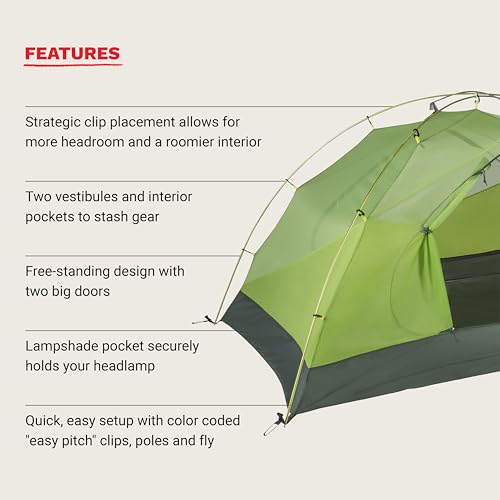
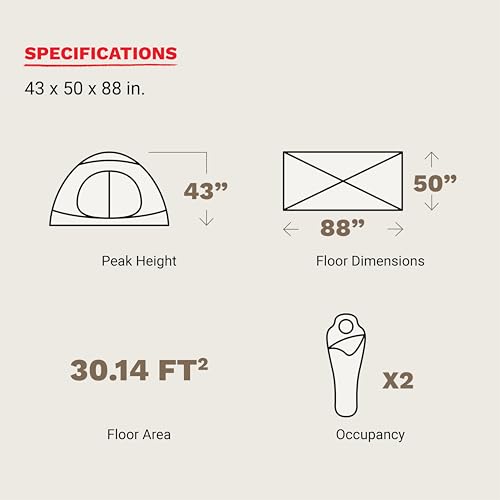
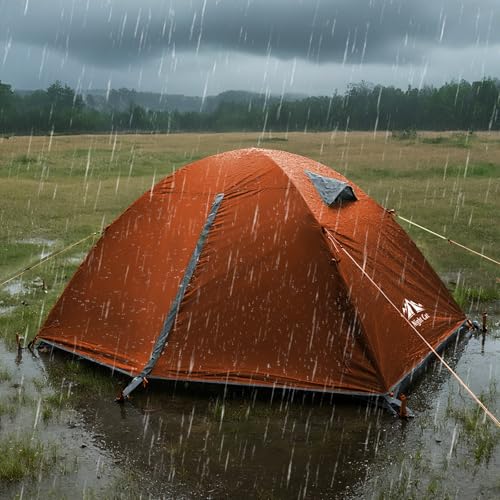
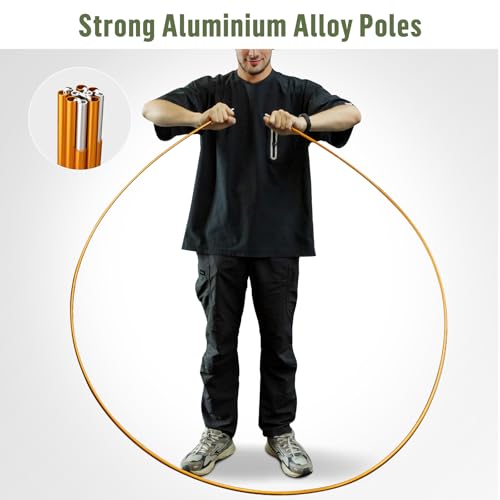
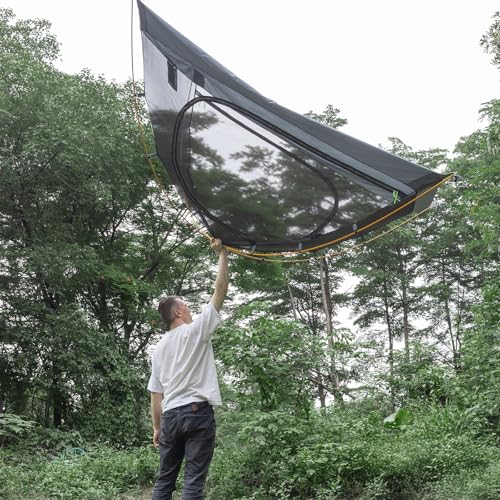
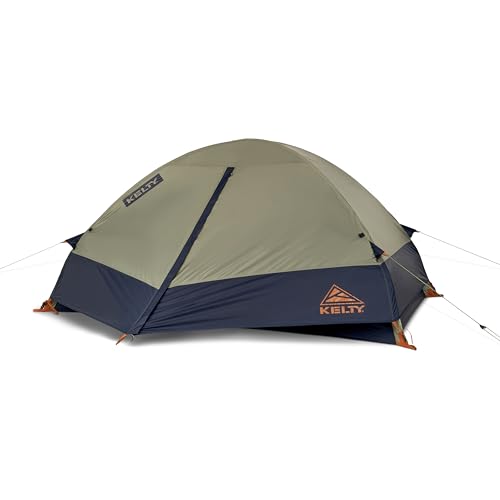
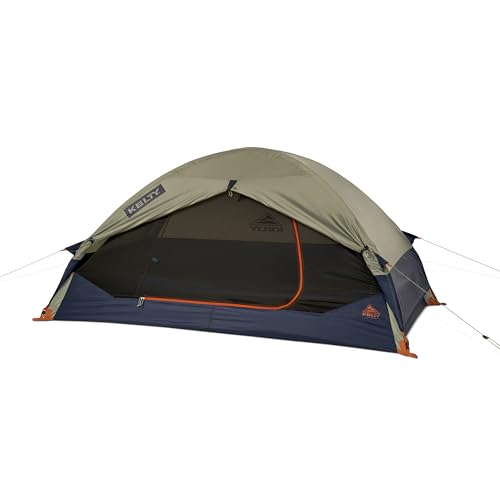
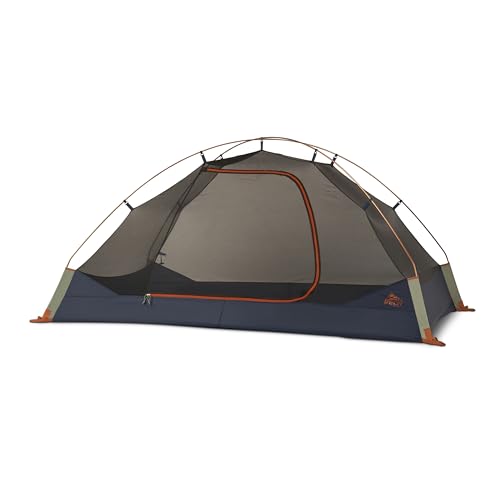
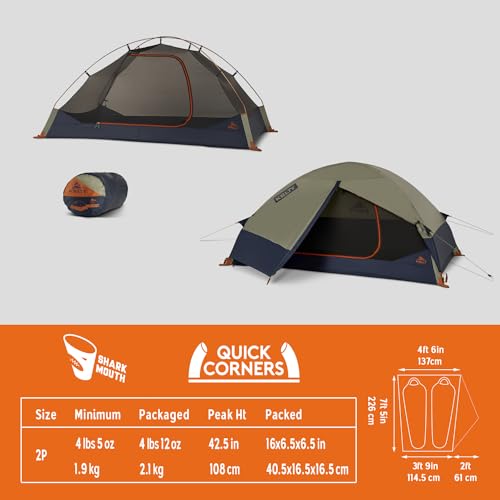
Kelty nailed the ‘quick pitch’ concept here. The 2024 update with Quickcorners and color-coded clips means even first-timers can get this up fast, one person, three minutes, no fuss. That makes it a standout for car-to-trail campers or anyone who dreads wrestling with poles after a long drive. The 30 sq. ft. floor and 43-inch peak height feel generous, though the single door can make sharing tight.
Owners consistently report it holds up well in wind and light rain, but the 1200mm PU coating is modest compared to others. It’s not built for brutal weather, but for spring through fall, it’s dependable. Compared to the Grand Mesa, it’s lighter and faster to set up, but trades a bit of durability and vestibule space.
Product photos
Clostnature Ultralight 2-Person Tent

Strengths
- Excellent airflow
- Dual vestibules
- Large interior
Trade-offs
- Heavier minimum weight
- Zippers can snag
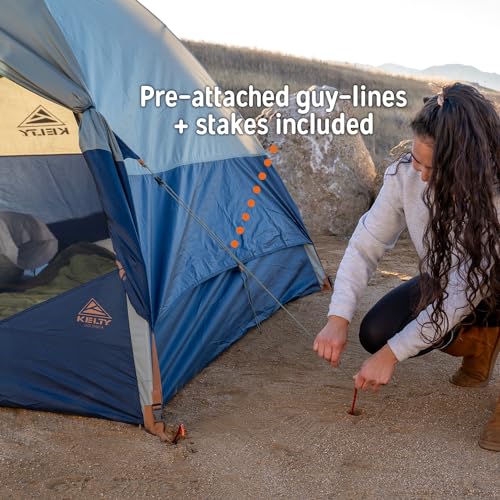
- Stakes are basic
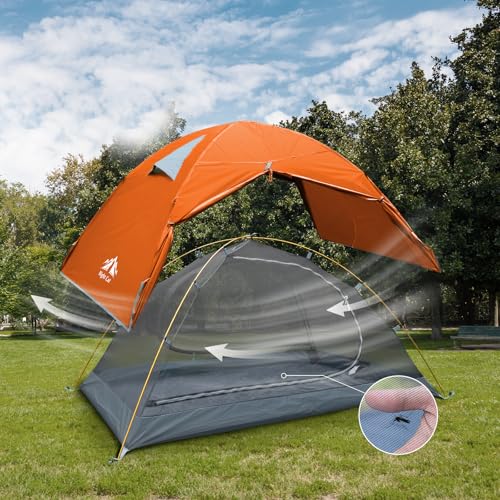
Ventilation is where this tent shines. The full mesh inner walls and dual ceiling vents are designed to fight condensation, and owners confirm it breathes better than most in humid or warm climates. The two D-doors and dual vestibules make camping as a pair much smoother, no more awkward leg-tangling exits.
At 5.29 lbs, it’s not ultralight, but the 2.05 lb trail weight (fly, poles, inner only) gives flexibility for weight-conscious trips. The PU5000 coating suggests strong rain resistance, though some owners report minor leaks over time. Compared to the BISINNA, it’s roomier and better ventilated but heavier and less packable.
Product photos



How We Picked These backpacking two person tents
Rather than a hands-on lab test, my research for these recommendations focused on a detailed comparison of published specifications and features across numerous models. I weighed owner reviews from a variety of retailers, along with expert opinions from established outdoor gear review sites. As someone who’s pitched countless tents and understands what makes a good shelter, I applied my category expertise to rank options against clear criteria relevant to backpacking.
For two-person backpacking tents, weight, durability, and weather protection were the biggest deciding factors. A lighter tent makes for a more enjoyable hike, but not at the expense of reliable performance in challenging conditions. Durability – the ability to withstand repeated use and potential abrasion – is also key, as is a proven ability to keep you dry when the weather turns.
Specifications reliably indicate a tent’s weight, dimensions, and stated waterproof ratings. However, I placed more emphasis on owner feedback regarding real-world performance – how well the tent holds up in wind and rain, how easy it is to set up, and its overall durability after extended use. I also considered the reputation of the manufacturer, leaning toward options from trusted backpacking tent companies known for quality and innovation.
Choosing The Right backpacking two person tents
Picking the right shelter for two people on the trail requires more thought than just grabbing the cheapest option. A bad tent can ruin a trip, while the right one feels like a little slice of home wherever you pitch it.
A quality backpacking tent for two balances weight, durability, and livability. Key specs to evaluate include floor area (80-90 sq ft is comfortable), packed weight (under 5lbs is ideal for truly lightweight trips), waterproof ratings (at least 1500mm for the fly and 3000mm for the floor), and pole material (aluminum offers the best strength-to-weight ratio). Consider vestibule size for gear storage and ease of setup.
Weight and Packability
Weight is paramount when backpacking, and a two-person tent is already a significant portion of your load. Don’t fall for marketing hype; look closely at the packed weight, not just the “trail weight” (which often excludes stakes and guylines). Generally, anything over 5 pounds is getting heavy for serious backpacking, while under 4 pounds is excellent. Materials play a huge role here: aluminum poles are lighter than fiberglass, and higher-denier fabrics offer durability without adding excessive weight. If you’re looking for a really lightweight two-person tent reviews, be prepared to invest more.
Weather Resistance and Durability
A tent’s job is to keep you dry and protected from the elements. I’ve seen too many flimsy tents collapse in a strong wind or leak during a downpour. Look for a full-coverage rainfly that extends low to the ground, along with taped seams to prevent water from seeping through. Polyester fabrics with a PU coating are common, and a hydrostatic head rating of at least 1500mm for the fly and 3000mm for the floor is a good baseline. For three-season use, this is often sufficient, but if you anticipate winter camping or very harsh conditions, consider a four-season tent or upgrading to a higher waterproof rating.
- A higher denier (D) number in the fabric indicates a thicker, more durable material.
- Aluminum poles are more expensive but significantly stronger and lighter than fiberglass poles, reducing the risk of breakage.
- Pay attention to the tent’s construction quality; reinforced stress points and durable zippers are indicators of a well-made tent.
Livability and Features
Don’t sacrifice comfort entirely in the name of weight savings. A tent that’s cramped and difficult to use will quickly become a source of frustration. Consider the peak height – enough space to sit up comfortably is a big plus. The size of the vestibule(s) is also important; adequate backpacking tent storage space allows you to keep gear dry and accessible without bringing it inside the tent. If you’re consistently battling condensation, look for a tent with good ventilation features, like mesh panels and adjustable vents. You’ll find that a well-designed tent, like those in our top two-person backpacking tents guide, can make all the difference.
A good rule of thumb: prioritize weather protection over fancy features if you’ll be camping in unpredictable conditions. A simple, durable tent is far more valuable than one with lots of bells and whistles that fail when you need them most.
Backpacking Two Person Tents Compared
Here’s a comparison of key specifications for popular two-person backpacking tents to help you find the best fit for your needs.
| Product Name | Capacity | Weight (lbs) | Floor Size (in x in) | Peak Height (in) | Waterproof Rating (mm) |
|---|---|---|---|---|---|
| Kelty Grand Mesa 2P Tent | 2 Person | 4.7 | 85 x 57 | 44 | N/A |
| Marmot Crane Creek 2P Tent | 2 Person | N/A | N/A | N/A | N/A |
| Underwood 4-Season Backpacking Tent | 2 Person | 5.73 | 59.1 x 86.6 | 45.3 | 5000 |
| BISINNA 2-Person Lightweight Tent | 2 Person | 4.76 | 220 x 140 (cm) | 110 (cm) | 3000 |
| Night Cat 2-Person Backpacking Tent | 2 Person | N/A | N/A | N/A | 3000 |
| Kelty Late Start 2P Tent | 2 Person | N/A | 30 sq ft | 43 | 1200 |
| Clostnature Ultralight 2-Person Tent | 2 Person | 5.29 | 7’3”x 4’11” | 3’10” | 5000 |
Frequently Asked Questions
What waterproof rating do I really need for a backpacking tent?
A rating of 1500mm for the fly and 3000mm for the floor is generally sufficient for three-season backpacking. However, if you plan to camp in areas with consistently heavy rain or snow, I suggest looking for a tent with ratings of 2000mm or higher for both.
Are freestanding tents easier to set up?
Yes, freestanding tents are typically easier to set up, as they don’t require guylines and stakes for initial stability. This is especially helpful on rocky or hard-packed ground where driving stakes is difficult, and it’s a benefit highlighted in reviews of the top-rated 2-person backpacking tents.
How important is vestibule space?
Vestibule space is very important for keeping gear dry and organized. A good vestibule provides covered storage for backpacks, boots, and other essentials, preventing them from getting wet or attracting critters, and is a key consideration when comparing [compact two-person backpacking shelters].
What’s the difference between aluminum and fiberglass tent poles?
Aluminum poles are lighter and stronger than fiberglass poles, making them a better choice for backpacking where weight and durability are critical. While fiberglass is more affordable, it’s also heavier and more prone to breakage, which is why I prioritize aluminum in my recommendations.
What should I do if condensation builds up inside my tent?
Good ventilation is key to minimizing condensation. Open vents and mesh panels to allow airflow, and avoid completely sealing up the tent. If condensation does occur, a quick wipe-down with a cloth can help, but preventing it in the first place is ideal – look for designs offering excellent airflow when shopping for [ultralight 2-person tent options].
The Bottom Line
Choosing a backpacking tent always comes down to balancing how much you want to carry against how comfortable you want to be. For most people, I think the Kelty Grand Mesa 2P Tent strikes that balance perfectly – it’s a solid, reliable option without breaking the bank or your back. It offers a good combination of weight, space, and durability for typical three-season backpacking.
If you’re on a tighter budget, the BISINNA 2-Person Lightweight Tent is a fantastic value. And for those who prioritize versatility and need a tent that can handle tougher conditions, the Underwood 4-Season Backpacking Tent offers impressive weather protection. Remember, understanding how to pick a backpacking tent is the first step to a successful trip.
Ultimately, specs don’t tell the whole story. Focus on finding a tent that’s well-made, suits your typical camping style, and fits you and your hiking partner comfortably. A little extra thought upfront will pay dividends with many nights of peaceful sleep under the stars.
