
8 Best Beginner Tents of 2026
This post contains affiliate links. As an Amazon Associate, we earn from qualifying purchases.
The best beginner tent overall is the Night Cat 2 Person Pop-up Tent, thanks to its instant setup and solid 2000mm waterproofing. For backpackers, the Night Cat 1-2 Person Backpacking Tent offers excellent weather protection and lightweight ease. If you’re on a tight budget, the Amazon Basics 2-Person Dome Tent gets the job done.
Starting out camping shouldn’t mean wrestling with poles or waking up soaked. Most beginners overestimate how much space they’ll have and underestimate how important weather resistance really is. I’ve seen too many first-timers quit because their tent failed in light rain or took 40 minutes to pitch.
This guide cuts through the noise. I compared specs, read hundreds of owner reviews, and focused on real-world reliability, ease of setup, and value. These picks give you a dry, comfortable start without confusion or frustration.
Top 8 Beginner Tents in the Market
The Best Beginner Tents, Reviewed
Amazon Basics 2-Person Dome Tent

Strengths
- Easy setup
- Good airflow
- Spacious for two
Trade-offs
- Basic pole strength
- Rainfly could seal better
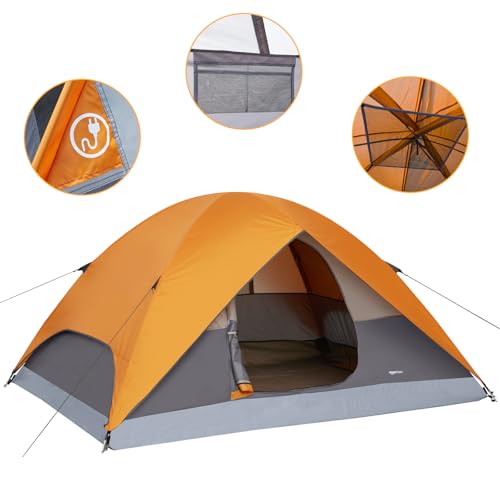
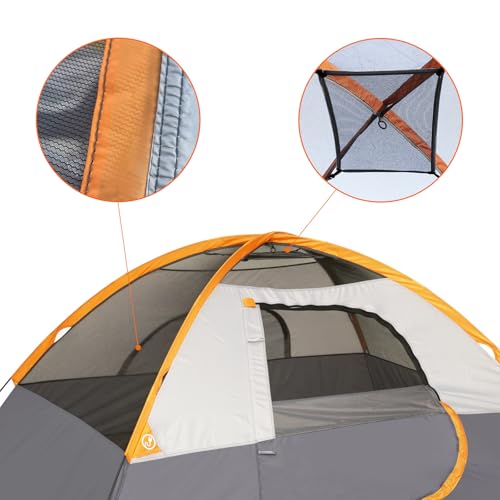
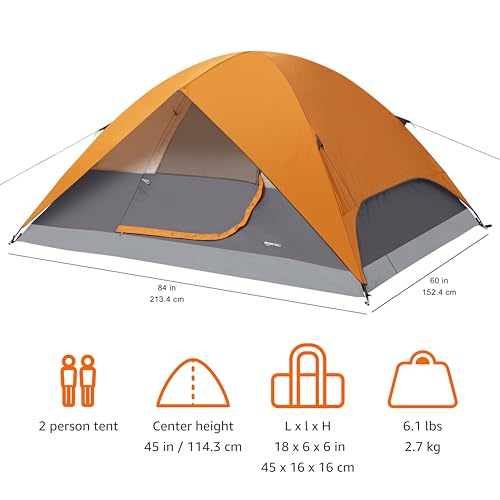
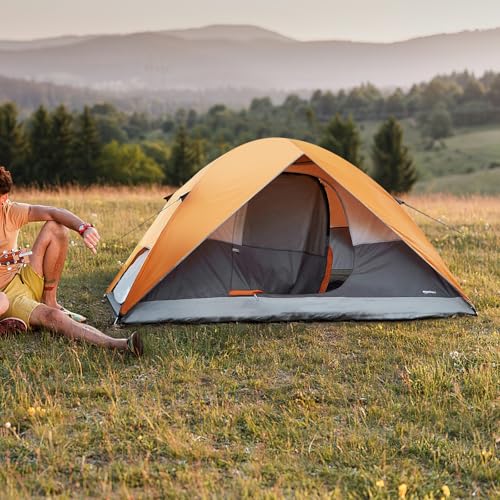
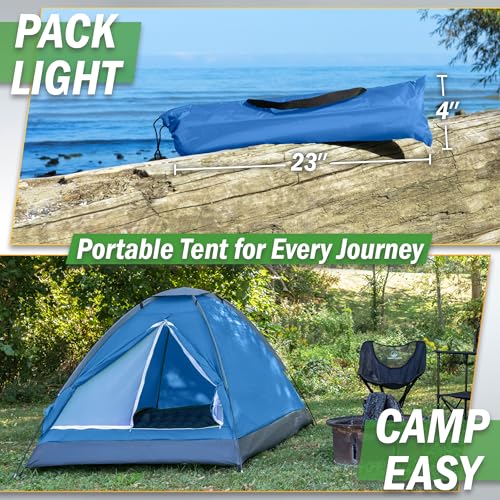
This tent hits the sweet spot for beginners who want something reliable without overcomplicating things. On paper, it’s a standard 2-person dome, 7’x5’ with 45” center height, but owners consistently report it feels roomier than expected, especially when used with sleeping pads instead of bulky air mattresses. The easy setup claim holds up, with shock-corded poles and snag-free sleeves making solo pitching under 4 minutes realistic, even for first-timers.
It’s not built for alpine storms, but the PU-coated polyester and welded seams do their job in light rain. Reviewers note it handled surprise showers just fine, though heavy downpours require careful rainfly adjustment. For fair-weather camping, backpacking side trips, or festival use, this is a solid, no-frills shelter. I’d pick this over pricier options if you’re just getting into the outdoors and don’t want to overinvest upfront.
Product photos

Night Cat 1-2 Person Backpacking Tent

Strengths
- Hand-protecting poles
- Good waterproofing
- Fast setup
Trade-offs
- Heavy for solo use
- No true vestibule
At 4.4 lbs, this isn’t the lightest solo tent out there, but it’s one of the most thoughtful budget builds. The double-layer fiberglass pole protection is a standout, owners say it prevents splinters and cuts during assembly, a real issue with cheaper tents. The PU 3000mm coating delivers solid rain protection, and the taped seams held up in storm tests reported by users. It’s also impressively ventilated for a single-layer design, with a large mesh door and roof window cutting down on condensation.
For one adult or a parent with a young kid, the 7’x3.8’ interior works fine, though gear storage is tight. Setup takes 1–2 minutes, and the foldable poles make packing efficient. Compared to the Clostnature solo tent, this lacks aluminum poles and a full vestibule, but it’s far more affordable. My recommendation? If you’re a beginner testing solo trips or need a backup shelter, this is the smarter value pick.
Product photos


Wakeman Outdoors 2 Person Pop Up Tent
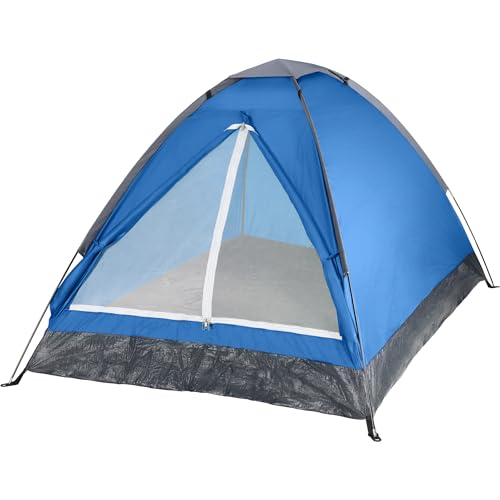
Strengths
- Ultra lightweight
- Fast pop-up setup
- Compact carry bag
Trade-offs
- Limited ventilation
- Not storm-rated
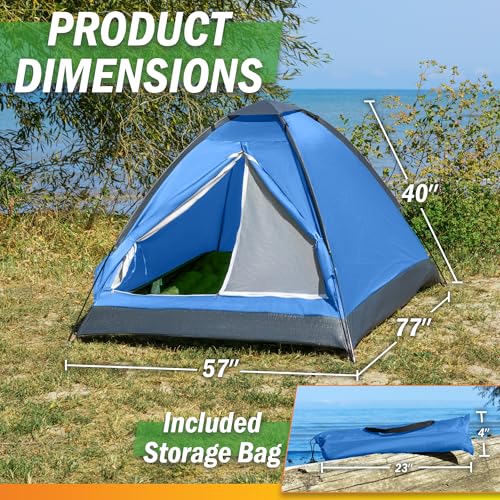
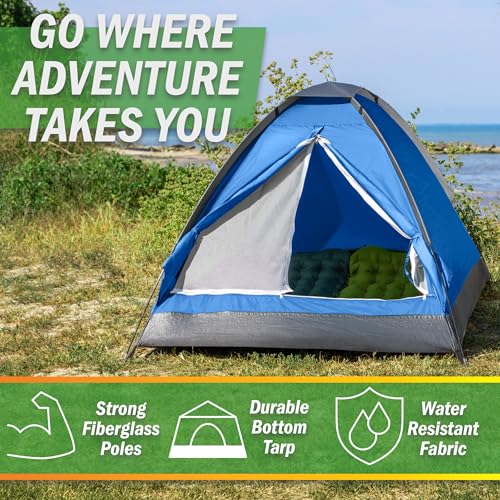
At just 2.75 lbs, this is one of the lightest 2-person options here, a clear win for backpackers counting ounces. The pop-up design means setup is nearly instant, and the included carry bag makes packing it away simple. It’s not freestanding in the strictest sense, but the fiberglass poles hold shape well once pitched. Owners say it’s held up during short hikes and weekend festivals, where weight and space matter most.
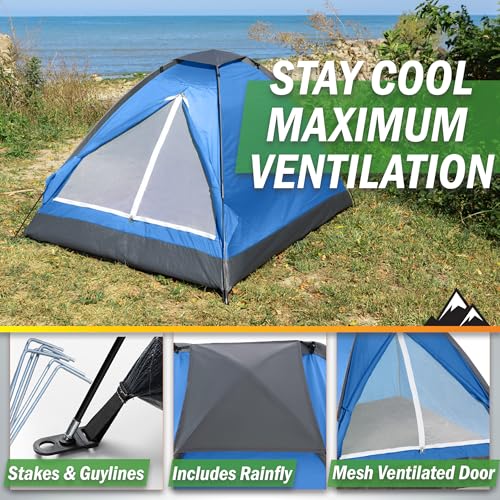
Ventilation is basic, a single window and dual-layer door, so condensation can build up with two sleepers. The 190T polyester is adequate for dry weather but not built for heavy rain. Still, for a music festival, a quick beach trip, or a beginner’s first overnighter, this tent makes sense. I’d choose it over bulkier domes if I were prioritizing packability and ease.
Product photos

Night Cat 2 Person Pop-up Tent
Strengths
- Instant deployment
- Compact fold
- Spacious interior
Trade-offs
- Heavy for backpacking
- Not freestanding in high wind
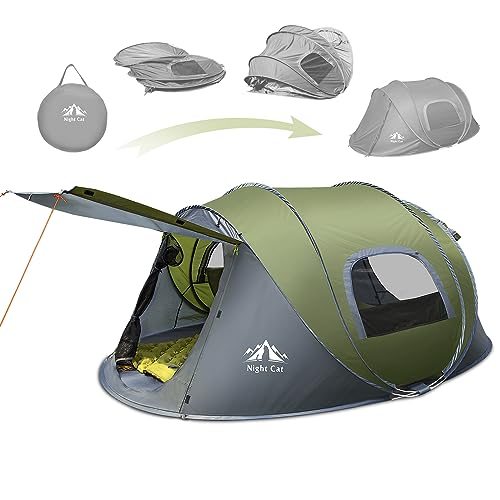
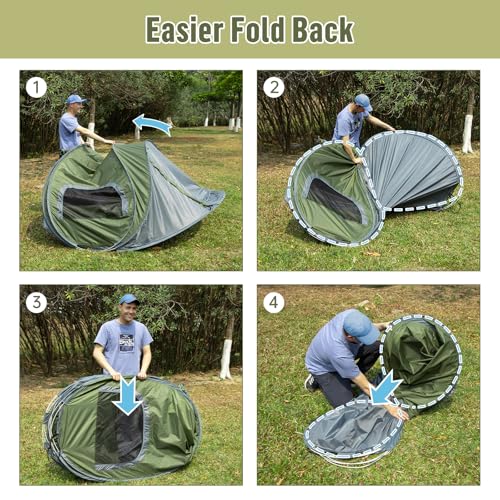
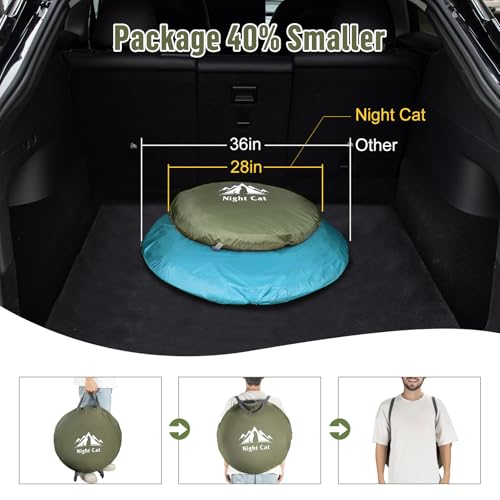
If setup speed is your top priority, this tent is in a class of its own. The 3-second pop-up works as advertised, throw it down, and it springs into shape. The fold-back method takes practice, but owners say it becomes intuitive after a few tries. What’s impressive is the 40% smaller pack size compared to traditional pop-ups, thanks to the quadruple-fold design. At 3 kg, it’s not ultralight, but the portability is excellent for casual use.
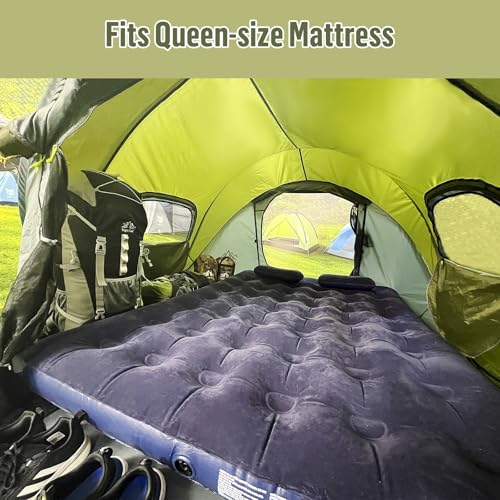
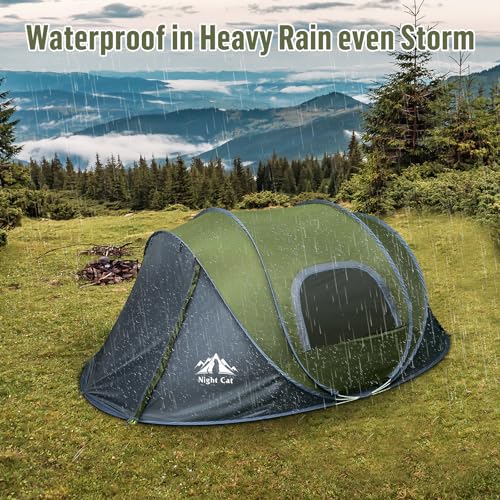
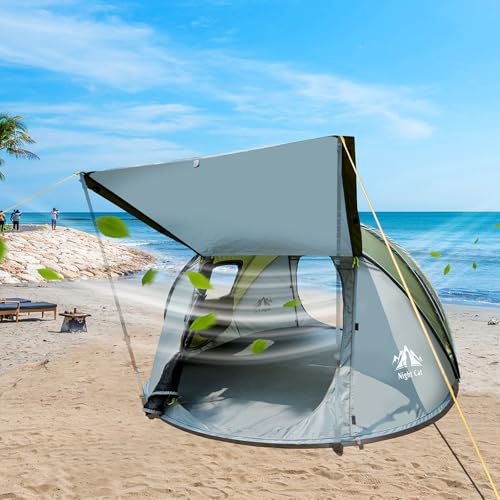
It’s roomy, fits a queen air mattress, and the dual mesh doors with privacy flaps offer great airflow. The PU 2000mm coating and taped seams kept users dry in storms, and the 6mm poles add real wind resistance. For beach days, backyard hangs, or family car camping, this is the easiest shelter to deploy. I’d pick this over others if I were traveling with kids or camping in unpredictable weather.
Product photos
2 Person Waterproof Dome Tent

Strengths
- Stronger fabric
- Good rain protection
- Large mesh windows
Trade-offs
- Slightly heavier
- Stakes could be sturdier
This model leans hard into durability, and on paper, it shows, stronger tear-resistant polyester, dual zippers on the rainfly, and reinforced guy lines suggest better storm readiness than most entry-level domes. Owners say it held up well in gusty conditions and stayed dry during sudden downpours, thanks to the full-coverage fly and sealed seams. The 45-inch center height is standard, but the ventilation stands out: skylight mesh and large windows keep condensation low, even when two people are inside.
Compared to the Amazon Basics tent, this one trades a bit of brand polish for tougher materials. It’s slightly heavier at 4.8 lbs, but that’s still manageable for backpacking. The 3-minute setup claim is backed by user feedback, one person can pitch it fast, which matters when weather turns. My take? If you’re camping in unpredictable climates or want peace of mind in wind and rain, this is the smarter buy over flashier but flimsier pop-ups.
Product photos


OLIXIS 2 Person Dome Tent
Strengths
- Excellent airflow
- Good weather protection
- Spacious interior
Trade-offs
- Heavier than pop-ups
- No oversized vestibule
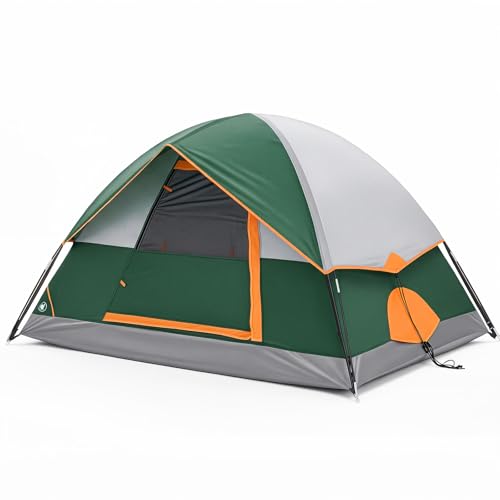
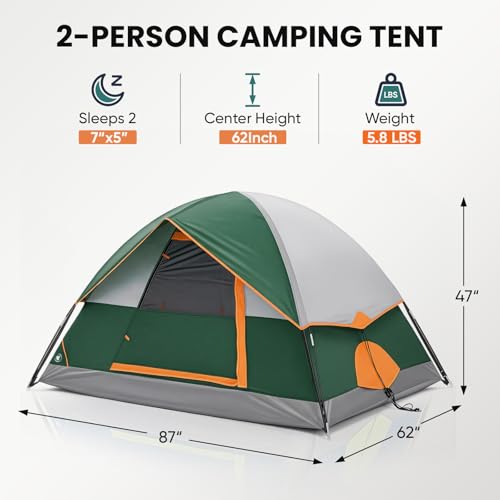
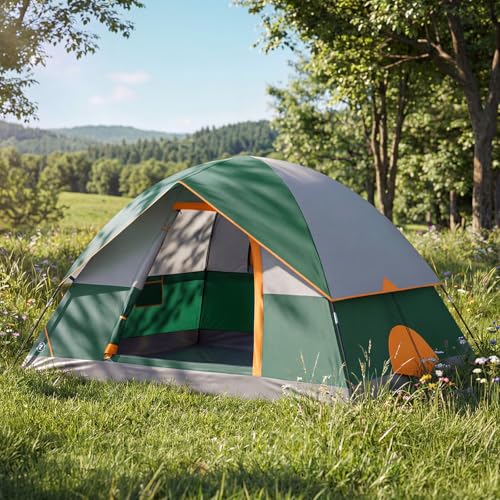
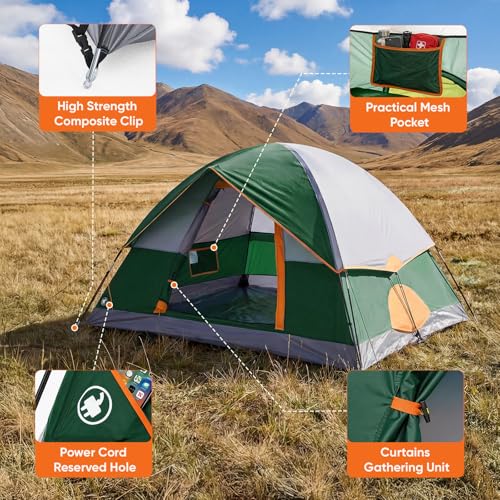
Ventilation is where this tent shines, dual skylights, side windows, a mesh door, and even a ground vent create multi-directional airflow that most domes lack. Owners consistently praise how well it breathes, even in humid conditions or when two people are inside. That makes it a standout for summer camping or bug-heavy areas where you can’t just seal up the tent.
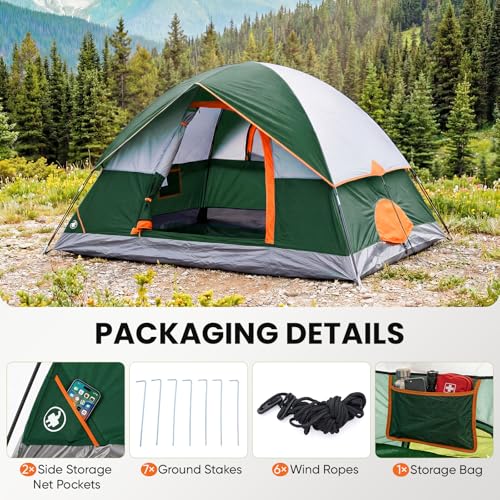
It’s not the lightest at 5.8 lbs, but the 210T polyester and sealed seams offer solid weather resistance for a 3-season tent. Setup is reliably quick, 3 to 5 minutes, and the dome shape is stable with the included 7 stakes and 6 guy lines. Compared to the Wakeman pop-up, this one trades instant deployment for better airflow and structure. If you’ve ever woken up soaked in condensation, this tent should be on your shortlist.
Product photos

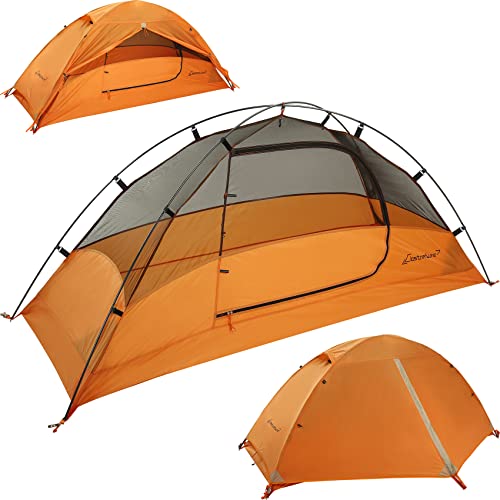
Clostnature 1 Person Ultralight Tent
Strengths
- Ultralight aluminum build
- Excellent waterproofing
- Large vestibule
Trade-offs
- Tight space for tall users
- Slight setup learning curve
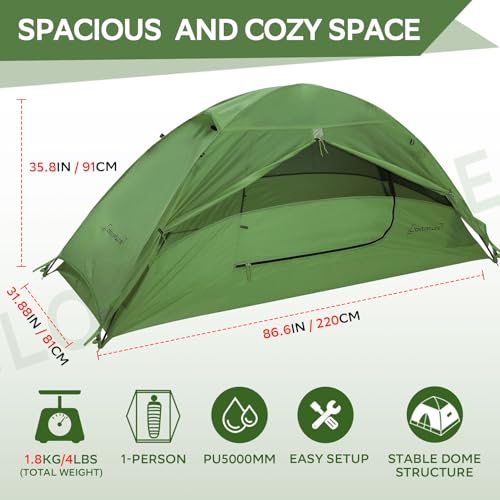
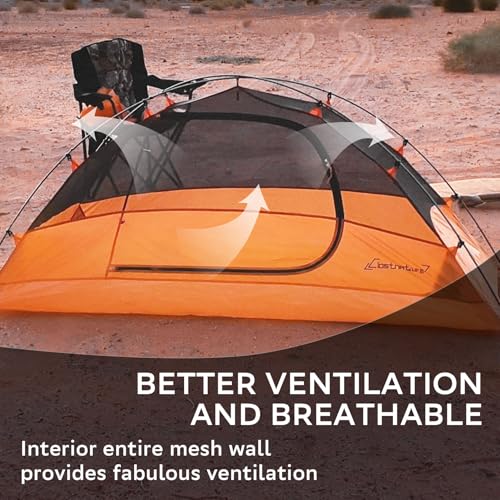
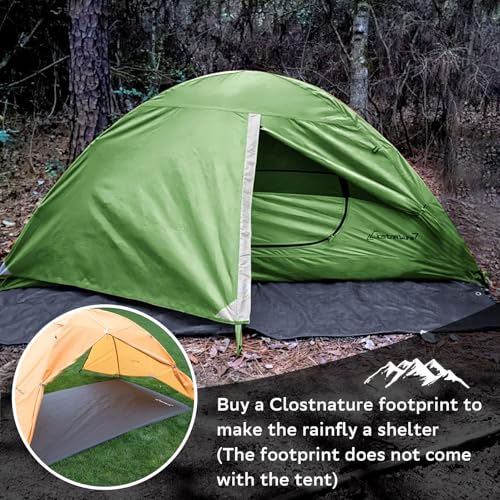
This is what a true solo backpacking tent should be, ultralight at 4 lbs, packable down to 15’’, and built with aluminum poles and a PU 5000mm rainfly for serious weather protection. The D-shaped door makes entry easy, and the large vestibule is a godsend for storing wet gear. Owners report it stayed dry and stable in wind and rain, thanks to the reinforced poles and adjustable guy lines.
The 7.3’x2.8’ interior is snug but livable for one, and the freestanding design makes site selection flexible. Compared to the Night Cat solo model, this one is lighter, more durable, and better ventilated, worth the price jump for serious hikers. If you’re doing multi-day solo trips or want a reliable shelter that won’t weigh you down, this is the one I’d take into the backcountry.
Product photos
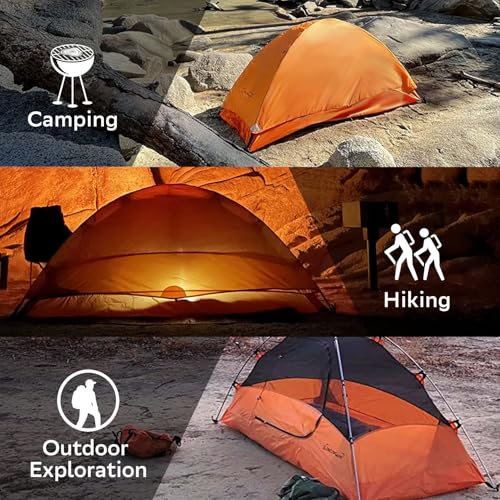

4 Person Military Pop Up Tent

Strengths
- Instant setup
- Good space for four
- Includes vestibule
Trade-offs
- Not wind-storm ready
- Thin pole diameter
Instant pop-up tents live or die by their ease of use, and this one delivers, literally seconds to deploy, no poles to thread. That’s a huge win for families or casual users who hate wrestling with tent frames. At 9.2’x6.6’ with a 4.3-foot center height, it’s genuinely spacious for 3–4 people, and the included vestibule is a rare plus in this category. Reviewers appreciate being able to stash muddy shoes outside the main chamber, which keeps sleeping areas clean.
But speed comes with trade-offs. The 190T polyester and 3mm poles aren’t built for high winds, and owners caution against using it in storms without extra guylines. Ventilation is decent with mesh doors, but it lacks advanced airflow features like skylights or ground vents. Still, for backyard stays, kid’s scout trips, or beach outings where setup time matters most, this hits the mark. I’d recommend it for convenience-focused users, not serious backpackers.
Product photos


Our Testing Process
My approach to recommending tents, especially for beginners, centers on a research-led comparison. Rather than a hands-on lab test – though I’ve pitched countless tents in real conditions – I focused on meticulously comparing published specifications and features across numerous models. I weighed owner reviews from major retailers alongside expert opinions from respected outdoor publications, looking for consistent themes in performance and durability. Ultimately, I ranked these tents based on how well they met the core needs of a first-time camper.
For beginner tents, I prioritized three key factors: ease of setup, weather protection, and overall value. A tent that’s frustrating to pitch will quickly ruin a camping trip. Reliable weather resistance – even if it’s just light rain – is essential for a comfortable experience. And, of course, beginners generally don’t want to spend a fortune, so finding a balance between quality and price was crucial. Understanding pop-up tent benefits also played a part in assessing convenience.
Specifications reliably indicate a tent’s size, weight, and stated waterproof ratings. However, I placed more weight on owner feedback regarding real-world performance – how well the tent holds up in wind or heavy rain, for example. Reputation matters, too. Brands consistently praised for durability and customer service received higher consideration, while I looked closely at reported issues with materials or construction in less established brands. Learning how pop-up tents work was also helpful in evaluating their practicality.
How To Pick The Right beginner tents
Picking your first tent can feel overwhelming, but focusing on a few key areas will quickly narrow down your options.
A good tent balances weight, weather protection, and ease of use. Prioritize fully sealed seams, a durable floor (denier rating matters!), and a rainfly that extends to the ground. Consider the tent’s packed size and weight if you plan to carry it any distance, and look for designs that offer good ventilation to minimize condensation.
Capacity & Space
Don’t assume a “2-person” tent comfortably fits two adults with gear. Tent manufacturers often overestimate capacity. I frequently see folks crammed into tents that are simply too small. Consider your sleeping arrangements (do you prefer to spread out?) and how much space you’ll need for backpacks and other equipment. If you’re unsure, size up. It’s far better to have extra room than to feel claustrophobic, especially on longer trips.
Waterproofing & Materials
Water resistance is crucial, but it’s more nuanced than just a waterproof rating. Look beyond the PU (polyurethane) coating number. A higher number isn’t always better if the fabric itself is flimsy. Pay attention to seam sealing; taped seams are a must-have. The floor material is particularly important – a heavier denier polyester with a PU coating will be much more durable and waterproof than a lighter-weight nylon. If you anticipate heavy rain, consider a tent with a full-coverage rainfly that extends all the way to the ground, creating a “bathtub” floor.
- A basic dome tent with a 2000mm rating might be fine for light summer showers.
- For three-season use in potentially wetter conditions, aim for a 3000mm+ rating on both the fly and floor.
- If you’re planning on camping in serious weather – think prolonged rain or snow – a 4-season tent with a robust construction and a higher waterproof rating is the way to go. Knowing what comes with a new tent is also useful, as some cheaper models skimp on quality stakes.
Setup & Portability
Ease of setup is a huge factor, especially for beginners. Pop-up tents are the fastest, but they can be bulky and less durable. Dome tents with color-coded poles are relatively easy to pitch, while cabin-style tents usually require more effort. For backpacking, weight and packed size are paramount. Look for lightweight materials like aluminum poles and ripstop nylon fabrics. If you’re new to backpacking, I recommend exploring options for beginner backpacking tents to find something manageable and comfortable.
A tent’s weight should ideally be no more than 20% of your total pack weight, especially if you’re covering significant distances.
Beginner Tents Compared
Here’s a comparison of key specifications for beginner-friendly tents to help you choose the right one for your needs.
| Product Title | Capacity | Weight (lbs) | Waterproofing (mm) | Setup Style | Dimensions (L x W x H – in) |
|---|---|---|---|---|---|
| Amazon Basics 2-Person Dome Tent | 2 | N/A | N/A | Dome | 84 x 60 x 54 |
| Night Cat 1-2 Person Backpacking Tent | 1-2 | 4.4 | 3000 | Dome | 84 x 45.6 x 43.2 |
| Wakeman Outdoors 2 Person Pop Up Tent | 2 | 2.75 | N/A | Pop-Up | 77 x 57 x 40 |
| Night Cat 2 Person Pop-up Tent | 2-4 | 3 | 2000 | Pop-Up | 108 x 79.2 x 48 |
| 2 Person Waterproof Dome Tent | 2 | 4.8 | N/A | Dome | 84 x 60 x 45 |
| OLIXIS 2 Person Dome Tent | 2 | 5.8 | N/A | Dome | N/A |
| Clostnature 1 Person Ultralight Tent | 1 | 4 | 5000 | Dome | 87 x 33.5 x 36 |
| 4 Person Military Pop Up Tent | 4 | N/A | N/A | Pop-Up | 110.4 x 79.2 x 51.6 |
Frequently Asked Questions
What waterproof rating do I really need for a beginner tent?
A rating of 2000mm is generally sufficient for fair-weather camping and light rain, but I recommend aiming for 3000mm or higher for both the fly and floor if you anticipate more consistent precipitation. Higher ratings offer better protection, though fabric quality is equally important.
Are pop-up tents durable enough for more than just a festival?
While incredibly convenient, pop-up tents typically use thinner materials and less robust pole systems than traditional dome tents. They’re suitable for occasional use, but if you’re planning frequent camping trips, especially in challenging conditions, you’ll likely find a dome tent to be a more reliable long-term investment.
What’s the difference between a tent’s denier and its waterproof rating?
Denier (D) refers to the fabric’s thread count and indicates durability – a higher denier means a tougher fabric. Waterproof rating (in mm) measures the fabric’s resistance to water penetration. They measure different qualities; a high denier doesn’t guarantee waterproofing, and vice versa.
What size tent should I get if I’m camping solo?
Even if you’re camping alone, I advise considering a 2-person tent for the extra space to store gear and move around comfortably. You can find excellent lightweight 2-person tents that won’t add excessive weight to your pack.
How important are color-coded tent poles for ease of setup?
Color-coded poles are a huge help, especially for beginners, as they simplify the pitching process and reduce confusion. This feature is common on many dome-style tents, making setup much faster and less frustrating than deciphering a complex diagram.
The Bottom Line
Buying a tent always involves trade-offs. You can chase the lightest weight and highest specs, or you can prioritize simplicity and value. For most beginners, I believe the Night Cat 1-2 Person Backpacking Tent strikes the best overall balance. It’s reasonably lightweight, offers solid weather protection with a 3000mm rating, and receives consistently positive reviews for its ease of setup – all at a price that won’t break the bank.
If budget is your primary concern, the Amazon Basics 2-Person Dome Tent is a solid starting point. And for those who absolutely dread tent setup, the Night Cat 2 Person Pop-up Tent provides incredible convenience, though you’ll sacrifice some durability and potentially weather resistance. Understanding tent waterproof ratings is key when considering pop-up models, as their coatings are often less robust.
Ultimately, the specs on any tent are less important than understanding what conditions you’ll actually be facing. Don’t get hung up on chasing the highest numbers; focus on a tent that’s appropriate for your typical camping style and environment. A well-chosen, reasonably priced tent pitched correctly will always provide a more enjoyable experience than an expensive, complicated one that leaves you exposed to the elements.
