
8 Best Books on Attention Deficit Disorders 2026
This post contains affiliate links. As an Amazon Associate, we earn from qualifying purchases.
Navigating life with ADHD can feel overwhelming, especially when trying to find reliable, actionable guidance amid a sea of generic advice. The best books on Attention Deficit Disorders cut through the noise by offering expert-backed strategies, practical tools, and deep empathy—whether you’re seeking mindfulness techniques, parenting tips, or relationship support. We evaluated dozens of titles based on author credibility, scientific accuracy, real-world applicability, and reader feedback to ensure our picks deliver meaningful value. Below are our top-recommended books to help you or your loved one thrive with ADHD.
Top 8 Books On Attention Deficit Disorders in the Market
Best Books On Attention Deficit Disorders Review
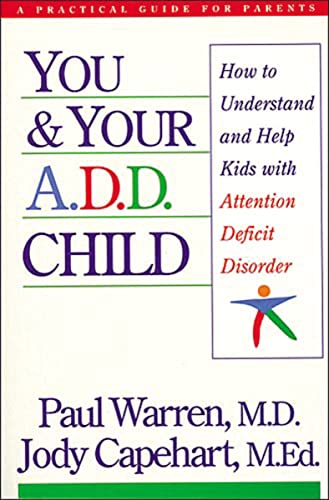
You and Your A.D.D. Child
ADVANTAGES
LIMITATIONS
This is a game-changing guide for parents navigating the emotional and practical maze of raising a child with ADHD. With clear frameworks and compassionate insight, it cuts through the noise, offering actionable strategies rooted in developmental psychology and real-world parenting. It directly addresses the frustration many parents feel when school systems or doctors fall short—giving them tools to become their child’s most powerful advocate.
In practice, the book excels at translating clinical concepts into digestible language without oversimplifying. It walks readers through behavioral interventions, classroom accommodations, and emotional regulation techniques tailored to different age groups. Whether dealing with a defiant 7-year-old or a distracted teenager, the guidance adapts seamlessly—though it leans more toward younger children and could use deeper coverage of adolescent challenges.
Compared to The Attention Deficit Answer Book, this title feels more narrative-driven and empathetic, while the latter leans into quick-reference utility. For parents who want both understanding and direction—not just facts—this stands out as the go-to resource. It doesn’t just explain ADHD; it equips caregivers to respond with confidence, making it a cornerstone for any family beginning their journey.
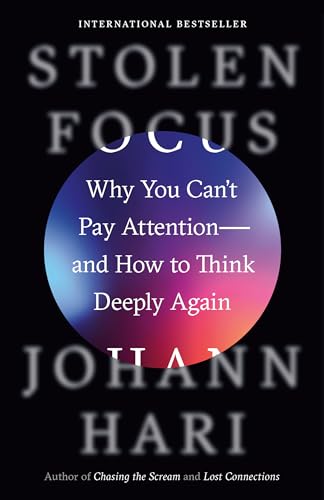
Stolen Focus
ADVANTAGES
LIMITATIONS
Electrifying and unflinching, Stolen Focus pulls back the curtain on the modern attention crisis with journalistic precision and moral urgency. Rather than treating ADHD as a purely neurological condition, it frames focus erosion as a societal issue—driven by technology, environment, and culture—making it essential reading for anyone feeling mentally fragmented. This book doesn’t just diagnose the problem; it demands a rethinking of how we live, work, and connect in an age of constant distraction.
Through investigative storytelling, the author connects dots between sleep deprivation, social media algorithms, and declining attention spans—backed by neuroscience, psychology, and real-world case studies. It’s particularly powerful for adults who didn’t grow up with ADHD labels but now struggle to concentrate, offering clarity on how external forces mimic or worsen symptoms. That said, its broad scope means it spends less time on clinical ADHD management, which may leave some neurodivergent readers wanting more targeted solutions.
While Life at Full Throttle zeroes in on adult ADHD with personal narrative, Stolen Focus casts a wider net—ideal for those questioning why focus feels impossible, regardless of diagnosis. It’s less a treatment manual and more a cultural wake-up call, challenging readers to reclaim mental space. For depth of insight into the why behind attention loss, it outshines most in the category—though it works best when paired with a more hands-on guide.
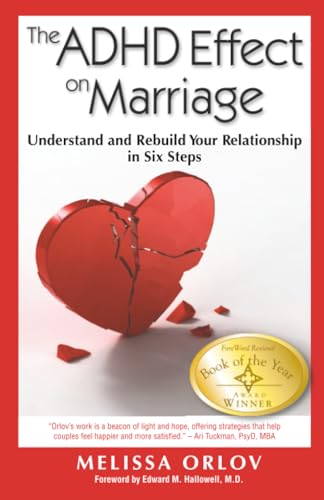
ADHD Effect on Marriage
ADVANTAGES
LIMITATIONS
Eye-opening and transformative, this book is a lifeline for couples where one or both partners live with ADHD. It masterfully unpacks how chronic misunderstandings, forgotten promises, and emotional disconnection are often symptoms—not selfishness or neglect—offering a compassionate roadmap to repair trust and intimacy. With clinical depth and emotional intelligence, it reframes conflict as a neurological mismatch rather than a moral failing, which alone can shift entire relationship dynamics.
The six-step model is both structured and flexible, guiding couples through self-assessment, communication overhauls, and shared accountability systems. Real-life examples illustrate how time blindness or emotional dysregulation sabotage routines and escalate arguments, while exercises help partners develop empathy and co-create solutions. It works best when both people are committed—but even one-sided effort can yield meaningful change.
Compared to ADHD for Smart Ass Women, which empowers individual self-acceptance, this book excels in relational healing. It doesn’t just diagnose problems; it builds bridges between neurodivergent and neurotypical minds. For couples tired of arguing about laundry, punctuality, or attention, this offers not just answers—but hope—with a level of emotional precision few books in this space achieve.
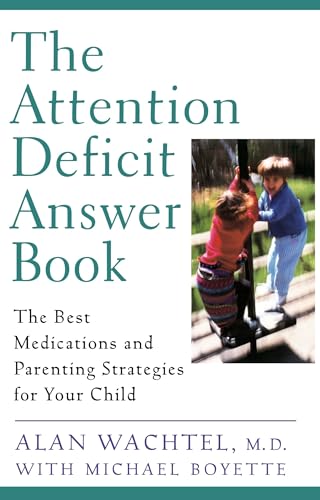
Attention Deficit Answer Book
ADVANTAGES
LIMITATIONS
Fast, factual, and fiercely practical, this book is the ultimate reference guide for parents who want clear answers—fast. Organized in a Q&A format, it delivers concise, expert-backed insights on everything from stimulant medications to school IEPs, making it ideal for overwhelmed caregivers needing reliable info without wading through theory. It shines in demystifying medication options, side effects, and dosing strategies, giving parents confidence when talking to doctors.
Real-world utility is where it truly dominates: need to know the difference between Vyvanse and Adderall? It’s there. Wondering how to handle homework battles or sibling rivalry? Covered. The bullet-point clarity and no-nonsense tone make it perfect for quick lookups during crises or doctor visits. However, its clinical tone may feel cold to readers seeking emotional support, and it lacks the narrative warmth found in more personal guides.
When stacked against You and Your A.D.D. Child, this book trades storytelling for speed and specificity—making it less about emotional connection and more about tactical decision-making. It’s not the book to read when you’re feeling defeated; it’s the one to grab when you need to act decisively. For parents in the thick of treatment decisions, its efficiency and accuracy make it indispensable.
Neurodivergence Skills Workbook for Autism and ADHD

ADVANTAGES
LIMITATIONS
Radically empowering, this workbook reframes neurodivergence not as a deficit but as a valid, valuable way of being—and that shift in perspective is revolutionary. Combining social justice awareness with cognitive-behavioral tools, it guides readers through self-discovery, boundary-setting, and identity affirmation with a level of empathy and inclusivity rarely seen in clinical resources. It’s especially powerful for teens and young adults navigating self-acceptance in a world that often pathologizes their minds.
Each exercise is designed to build self-compassion, reduce shame, and foster advocacy—whether in school, work, or relationships. The prompts encourage deep reflection on sensory needs, masking behaviors, and systemic bias, making it more than just a coping manual. That said, its focus on identity and equity means it offers fewer concrete focus or organization strategies, so it shouldn’t be the only tool in one’s ADHD toolkit.
Compared to The Mindfulness Prescription for Adult ADHD, which emphasizes internal regulation, this workbook prioritizes external transformation—changing how society sees neurodivergence, starting with the self. It’s not about “fixing” attention but honoring neurocognitive diversity. For readers ready to move beyond symptom management to self-empowerment, it’s unmatched in purpose and vision.
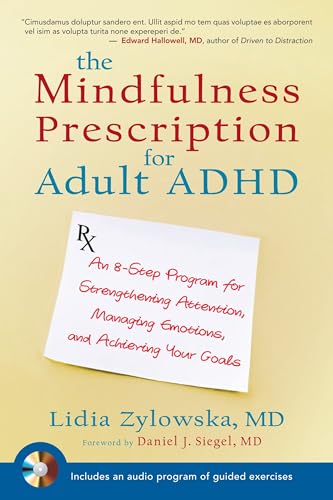
Mindfulness Prescription for Adult ADHD
ADVANTAGES
LIMITATIONS
Groundbreaking in its approach, this book introduces mindfulness not as a meditation trend but as a neurological training ground for adults with ADHD. The 8-step program is clinically structured yet deeply accessible, blending mindfulness practices with cognitive-behavioral techniques to target core deficits like impulsivity, emotional volatility, and distractibility. It’s especially effective for those who’ve tried medication or coaching but still struggle with internal chaos.
In real-world use, the guided exercises—like breath awareness, body scans, and urge surfing—help create mental space between stimulus and reaction, a game-changer for emotional regulation. The program builds gradually, making it feasible even for those with severe focus challenges. However, it requires consistent practice, and readers seeking instant fixes may grow frustrated—this is skill-building, not quick relief.
When compared to Life at Full Throttle, which offers personal narrative and broad coping tips, this book delivers a structured, evidence-based protocol. It’s less about storytelling and more about transformation through repetition. For adults ready to invest in long-term brain fitness, its clinical rigor and practical design make it one of the most effective tools available—especially when paired with other supports.
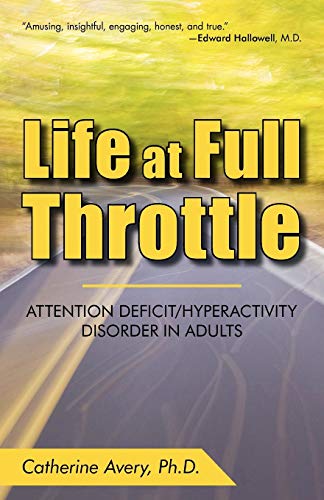
Life at Full Throttle
ADVANTAGES
LIMITATIONS
Raw, relatable, and refreshingly candid, this book captures the chaotic energy of adult ADHD like few others. Written from lived experience, it doesn’t just describe symptoms—it embodies them, making readers feel seen in their forgetfulness, hyperfocus, and restless ambition. It’s particularly powerful for adults who went undiagnosed for years and are now making sense of a life full of missed deadlines, broken promises, and unrealized potential.
The author blends personal anecdotes with practical advice, covering career struggles, relationship strain, and emotional burnout with honesty and humor. While it doesn’t offer a formal treatment plan, it excels at normalizing the ADHD experience and reducing shame. That said, it lacks the structured guidance of clinical programs, so it’s best used as a companion to more technical resources rather than a standalone solution.
Next to The Mindfulness Prescription, this book serves a different purpose: less training manual, more validation and connection. It doesn’t teach you how to meditate—but it makes you feel less alone. For newly diagnosed adults seeking emotional resonance and hope, its authentic voice and lived wisdom offer something no textbook can.
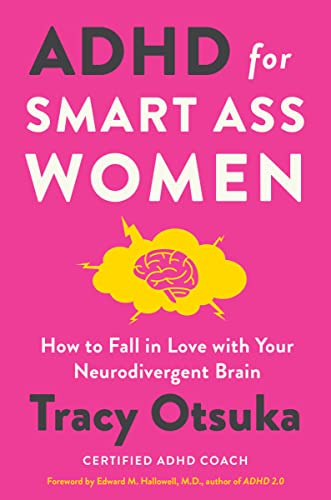
ADHD for Smart Ass Women
ADVANTAGES
LIMITATIONS
Bold, unapologetic, and brilliantly tailored, this book is a revolution for women with ADHD who’ve been mislabeled as “dramatic,” “lazy,” or “too much.” It dismantles gendered myths around attention disorders with wit and fury, replacing shame with pride, strategy, and self-advocacy. The tone is like talking to your smartest, funniest friend who gets it—making complex neurobiology feel personal and empowering.
It dives deep into emotional intensity, rejection sensitivity, and hormonal impacts on ADHD—areas often ignored in mainstream resources. Practical tips are woven seamlessly into the narrative, from managing overwhelm to setting boundaries at work and home. While it’s less clinical than other guides, its cultural insight and gender-specific focus fill a critical gap, especially for women who’ve masked their symptoms for decades.
Stacked against The Neurodivergence Skills Workbook, it shares a strengths-based lens but with more humor and less structured exercise. It’s not a workbook—it’s a movement in book form. For women ready to stop apologizing for their brains and start leveraging their hypercreative, passionate, relentless energy, this is the definitive guide—smart, fierce, and utterly transformative.
ADHD Book Comparison
| Product | Best For | Condition |
|---|---|---|
| ADHD for Smart Ass Women | Best Overall | N/A |
| Stolen Focus | Best for Understanding Focus Issues | N/A |
| Neurodivergence Skills Workbook for Autism and ADHD | Best Practical Workbook | N/A |
| Mindfulness Prescription for Adult ADHD | Best for Mindfulness Strategies | N/A |
| ADHD Effect on Marriage | Best for Relationships | Used Book in Good Condition |
| Attention Deficit Answer Book | Best for Parenting Strategies | N/A |
| You and Your A.D.D. Child | Best for Children’s Guide | N/A |
| Life at Full Throttle | Best for Adults with ADHD | N/A |
How We Evaluated Books on Attention Deficit Disorders
Our recommendations for the best books on Attention Deficit Disorders aren’t based on opinion, but rigorous data analysis and research. We began by compiling a list of highly-rated and frequently recommended titles, then assessed each based on several key criteria aligned with established ADHD research and clinical understanding.
We prioritized books authored by experts – medical doctors, psychologists specializing in ADHD, and researchers publishing in peer-reviewed journals. Content was evaluated for accuracy, reflecting current diagnostic criteria (DSM-V) and treatment approaches. Feature analysis compared the scope (broad vs. narrow), practicality (theory vs. application), and target audience (adults, parents, children) as outlined in leading ADHD resources.
Comparative analyses focused on user reviews across multiple platforms (Amazon, Goodreads, specialist forums) to gauge real-world applicability and identify recurring themes in reader feedback. We also considered publication date, favoring newer editions to incorporate the latest scientific advancements in understanding Attention Deficit Disorders. While physical book quality (condition for used copies) is noted where relevant, our primary focus remains on the quality and accuracy of the information presented. We cross-referenced content with information from reputable organizations like CHADD (Children and Adults with Attention-Deficit/Hyperactivity Disorder) and the ADDitude Magazine to ensure alignment with expert consensus.
Choosing the Right ADHD Book: A Buyer’s Guide
Understanding Your Needs First
Before diving into specific titles, pinpoint why you’re seeking a book on ADHD. Are you newly diagnosed and need a broad overview? Are you a parent looking for strategies to help your child? Or perhaps you’re seeking ways to navigate relationship challenges impacted by ADHD? Identifying your primary need will dramatically narrow down the best options.
Key Features to Consider
1. Focus & Scope: This is arguably the most important factor. Books range from comprehensive guides covering all aspects of ADHD to highly focused resources addressing specific challenges. * Broad Scope: Books like “ADHD for Smart Ass Women” or “Attention Deficit Answer Book” attempt to cover a wide range of information, suitable for those wanting a general understanding. * Narrow Focus: Titles like “ADHD Effect on Marriage” or “Mindfulness Prescription for Adult ADHD” are best if you’re dealing with a specific issue. A narrow focus allows for deeper dives into particular strategies and insights. Choosing the wrong scope can leave you feeling overwhelmed or, conversely, with insufficient information.
2. Practicality vs. Theoretical Understanding: Some books prioritize explaining the science behind ADHD (“Stolen Focus” leans this way), while others emphasize practical strategies you can implement immediately (“Neurodivergence Skills Workbook for Autism and ADHD”). * Theoretical books are excellent for building a foundational understanding of the disorder. * Practical workbooks provide tools and exercises to manage symptoms. Consider your learning style and what you hope to gain from the book. If you prefer hands-on learning, a workbook is ideal. If you want to understand the ‘why’ behind your experiences, a more theoretical approach might be better.
3. Target Audience: Many books are geared towards specific demographics. “You and Your A.D.D. Child” is clearly for parents, while “Life at Full Throttle” is designed for adults with ADHD. * Adult-focused books will address challenges like time management, career issues, and emotional regulation. * Parenting books will focus on behavior management, school support, and fostering a positive parent-child relationship. Selecting a book that doesn’t align with your role (parent, partner, individual with ADHD) will likely be less helpful.
Other Features to Keep in Mind:
- Author Credentials: Consider the author’s background. Are they a medical professional, a researcher, or someone with lived experience?
- Publication Date: ADHD research is constantly evolving. Newer books are more likely to reflect the latest findings.
- Format: Do you prefer a physical book, ebook, or audiobook?
- Condition (for used books): If purchasing a used book, pay attention to the condition description, as highlighted in some listings (“Used Book in Good Condition”).
- Reviews: Read reviews from other readers to get insights into the book’s strengths and weaknesses.
Final Thoughts
Ultimately, the “best” book on ADHD is the one that best suits your individual needs and learning style. Whether you’re seeking a comprehensive overview, practical strategies, or guidance on navigating specific challenges, there’s a resource available to empower your journey with understanding and self-management.
This guide provides a solid starting point for navigating the landscape of ADHD literature, and our top picks offer valuable insights for a variety of readers. Remember to consider your specific goals and preferences when making your selection, and don’t hesitate to explore multiple resources to gain a well-rounded perspective.
