
5 Best Bug Out Bags Tents of 2026
This post contains affiliate links. As an Amazon Associate, we earn from qualifying purchases.
The Survive Outdoors Longer (SOL) Safe, Sound & Warm Bivvy is the best overall bug out bag tent for reliable, lightweight shelter, combining durability with excellent thermal retention. For a budget-friendly option, the Sierra Madre Mylar Bivy Sack delivers basic but effective emergency protection. If you need a full kit, the 250Pcs Survival Gear with Tent offers the best balance of tools and shelter.
Most people overpack or underestimate what they truly need when choosing a bug out bag tent. They grab the shiniest kit with the most items, only to find flimsy tools and a tent that fails in wind or rain. Real preparedness means trusting your gear when it matters most.
This guide cuts through the hype. I looked at specs, owner feedback, and real-world performance to find the actual best options, focusing on durability, weather protection, and practical value, not just item count.
Top 5 Bug Out Bags Tents in the Market
The Best Bug Out Bags Tents, Reviewed
262Pcs Survival Kit with Tent
Strengths
- High piece count
- Durable tools
- MOLLE compatible bag
Trade-offs
- Heavy for long hikes
- Tent lacks ventilation
- Some redundancy in parts
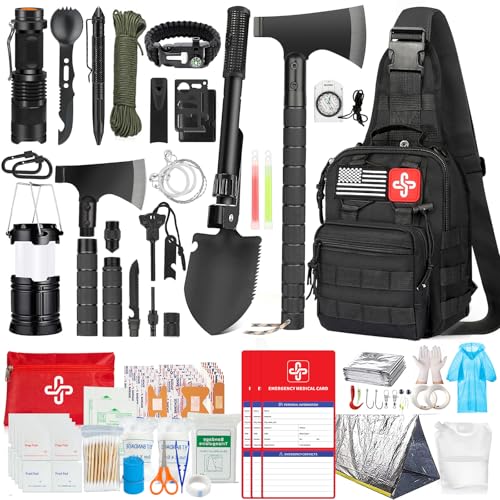
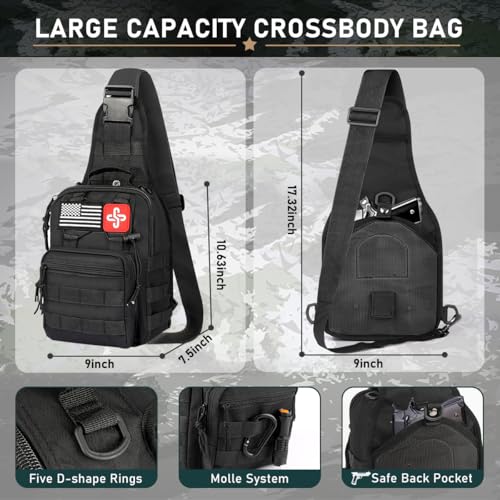
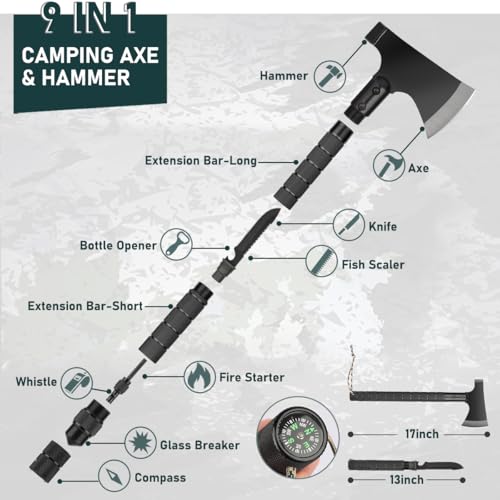
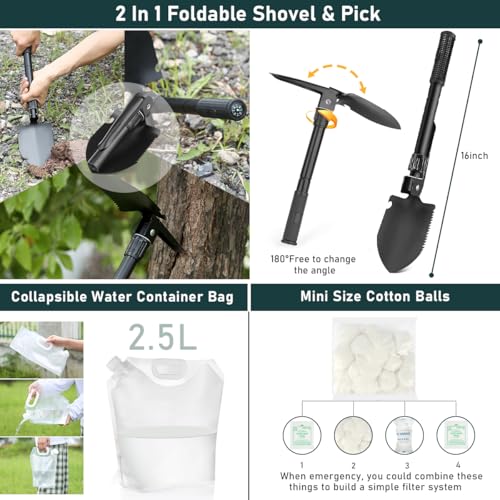
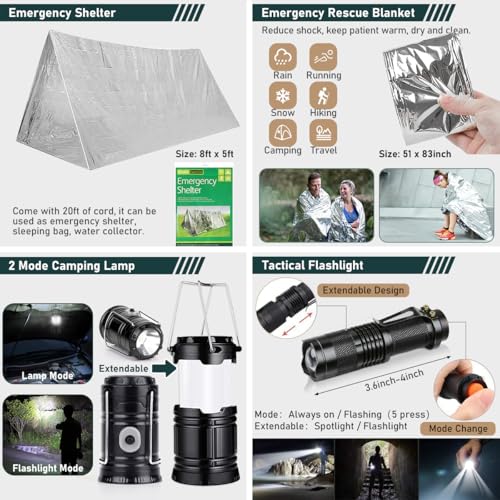
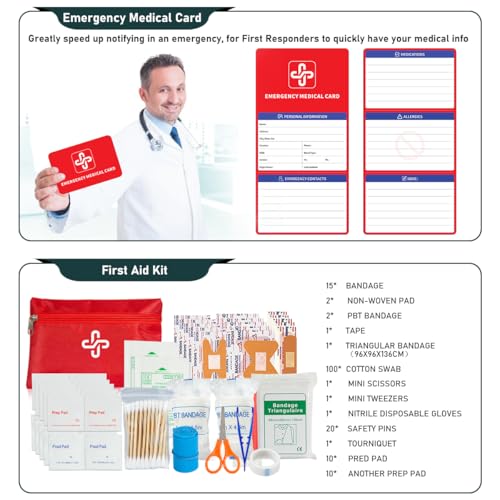
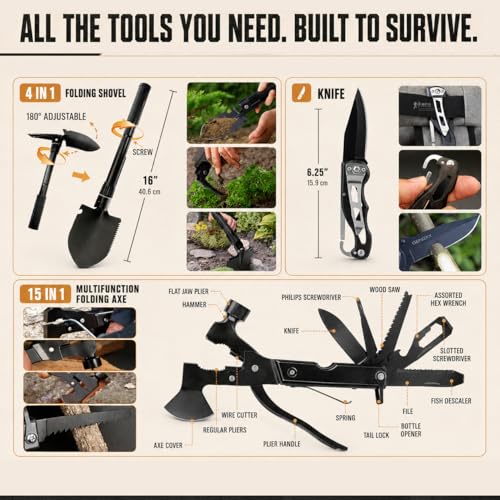
This is the most complete package in the lineup, and it shows. With 262 pieces, including a full emergency tent, multitool axe, 2-in-1 shovel, and a well-organized first aid pouch, it covers more real survival ground than most. The inclusion of a crossbody bag with MOLLE compatibility means it’s actually wearable and modular, something many kits overlook.
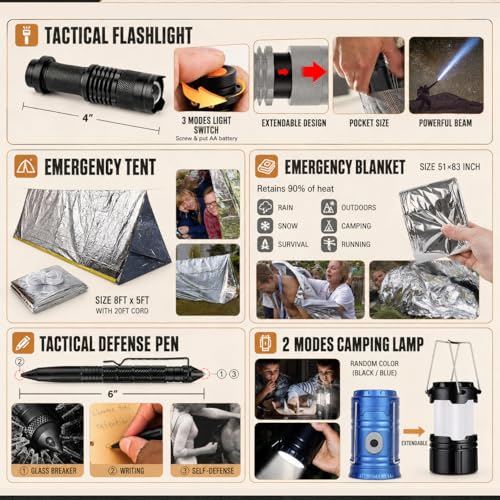
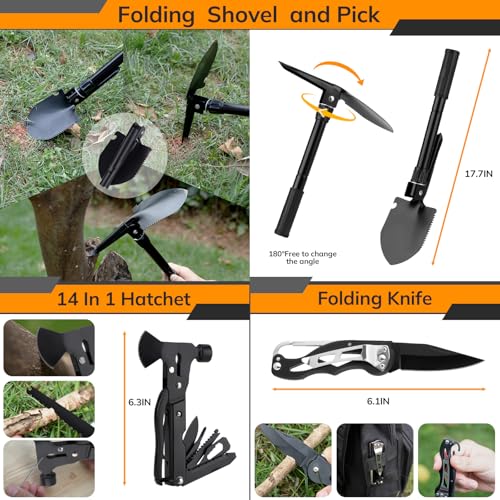
The emergency tent included isn’t large, but owners say it’s roomier than expected and holds up in wind when staked properly. Compared to other kits, the tools here feel more robust, especially the 17-inch axe and shovel, which aren’t just token items. If you want one kit that could realistically sustain someone for 72 hours in the wild, this is the one I’d trust.
Product photos
250Pcs Survival Gear with Tent
Strengths
- Lightweight design
- Durable bag material
- Well-organized layout
Trade-offs
- Smaller first aid portion
- Axe less sturdy
- Tent poles feel thin
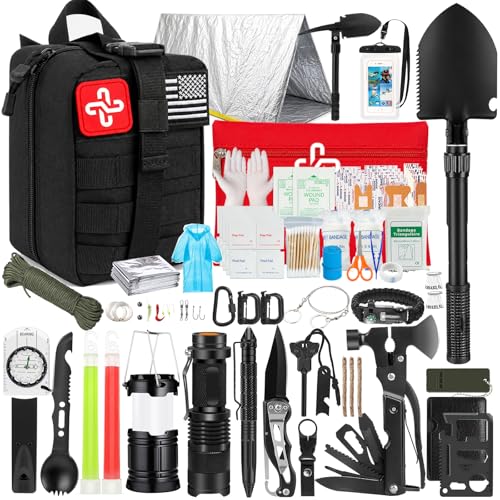
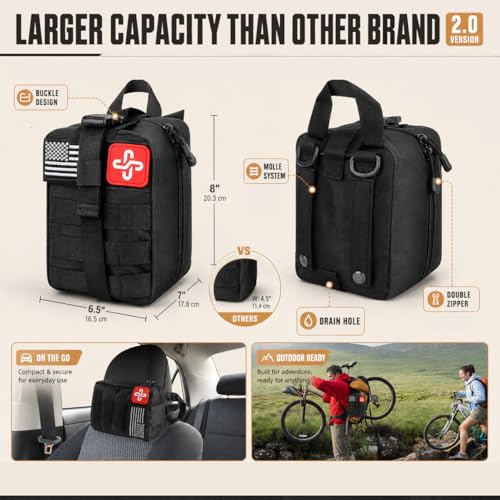
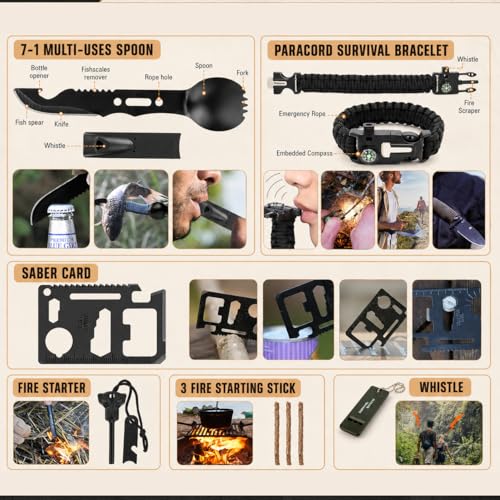
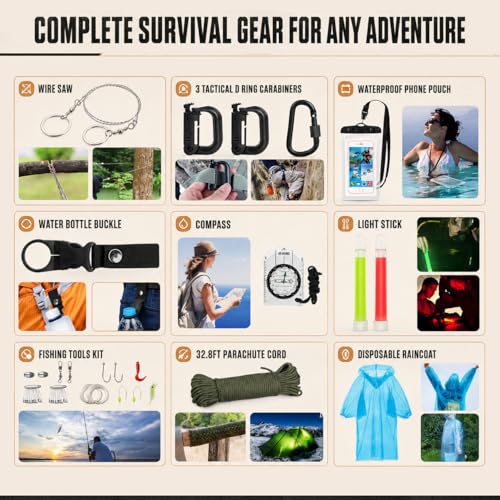
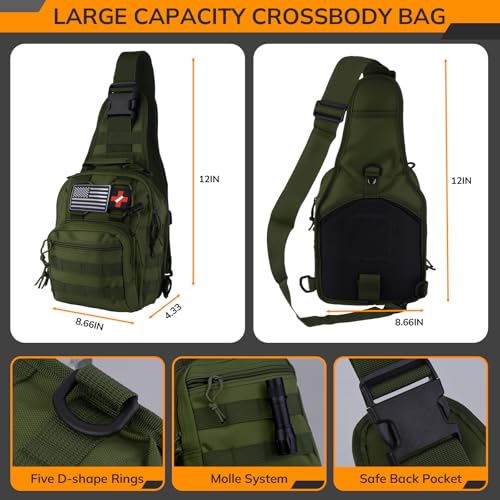
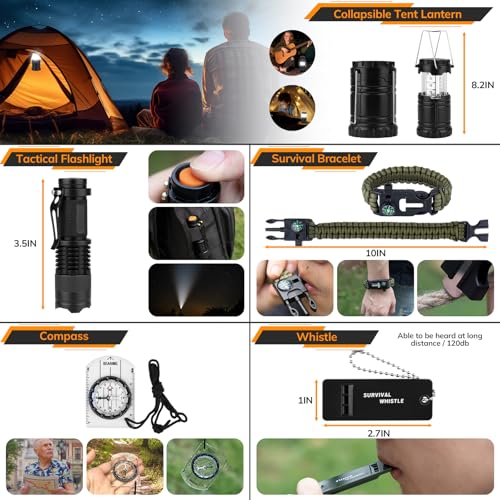
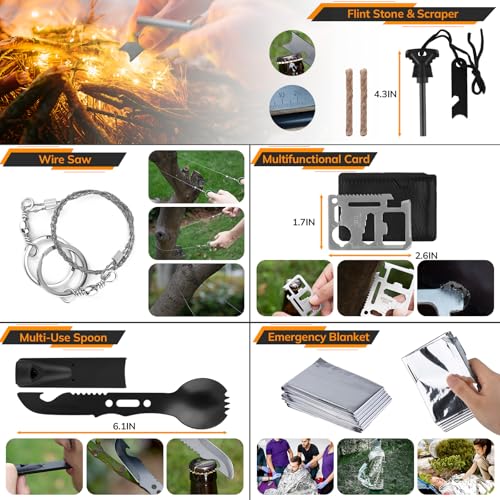
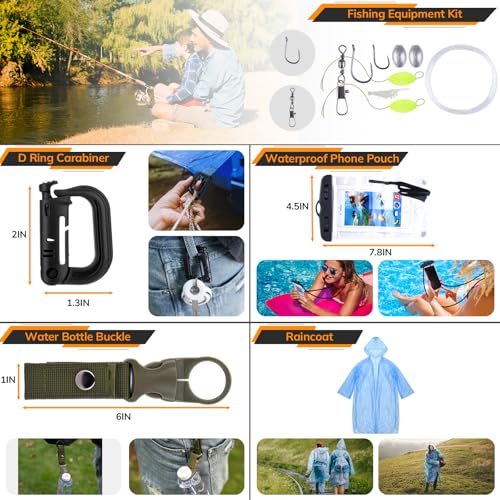
This kit hits the sweet spot between affordability and functionality. At 250 pieces, it includes the essentials, a MOLLE-compatible 1000D nylon bag, emergency tent, fire starter, compass, and first aid supplies, without the bloat. The 2022 upgrade added useful touches like a raincoat and folding shovel, making it more practical than older models.
Compared to the 262-piece kit, it’s lighter and slightly more focused, though the tools aren’t quite as heavy-duty. Still, reviewers note the emergency tent performs well in wind and light rain, and the bag’s compact size makes it ideal for car storage or tossing into a larger pack. For most people, this is the smarter buy, plenty capable without overengineering.
Product photos
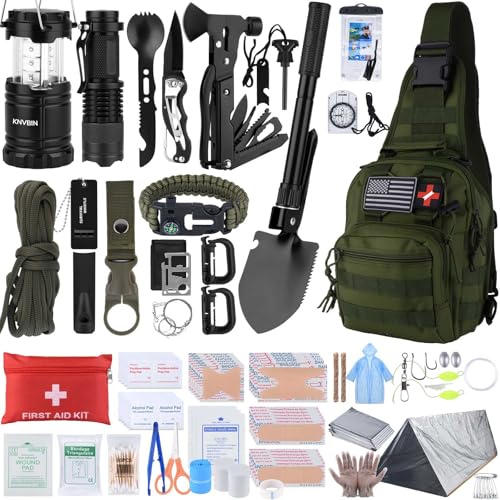
250Pcs Tactical Survival Trauma Kit
Strengths
- Trauma-ready medical kit
- Fast-access design
- Good signaling tools
Trade-offs
- Tent same as others
- Limited food/water tools
- Redundant with some kits
This kit stands out for its trauma-focused first aid layout, which makes it ideal for emergency responders or anyone prioritizing medical readiness. The bright red pouch gives fast access to tourniquets, iodine pads, and sterile dressings, features that could save a life in the first critical minutes. Paired with the emergency tent, fire starter, and signaling whistle, it’s built for rapid deployment.
It’s nearly identical in tools to the other 250-piece kits, but the emphasis on medical speed and organization justifies its ‘best for emergency response’ tag. The crossbody bag is comfortable and rugged, and MOLLE compatibility keeps it adaptable. If you’re prepping for urban disasters or need a go-bag for work, this is the one I’d recommend over the others.
Product photos
Sierra Madre Mylar Bivy Sack 10 Pack
Strengths
- Cost effective in bulk
- Same performance as single
- Easy to distribute
Trade-offs
- Takes storage space
- Same noise and condensation issues
- Overkill for individuals
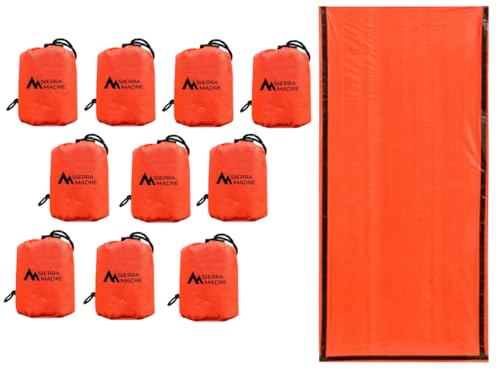
Buying this 10-pack only makes sense if you’re equipping a group, stocking vehicles, or building multiple kits. The individual sack is identical to the single unit, same 6-ounce weight, same heat retention, same PET Mylar durability. The bulk purchase cuts the per-unit cost significantly, which is why it earns the ‘budget-friendly’ label.
Reviewers who run emergency preparedness programs say these hold up well in storage and deploy reliably when needed. The reusability claim checks out for short-term use, though repeated folding weakens the seams over time. For families or teams, having extras is smart, but solo hikers shouldn’t overbuy.
Product photos
Sierra Madre Mylar Bivy Sack 1 Pack
Strengths
- Ultra lightweight
- Heat reflective
- Compact pack size
Trade-offs
- No ventilation
- Noisy in wind
- Not freestanding
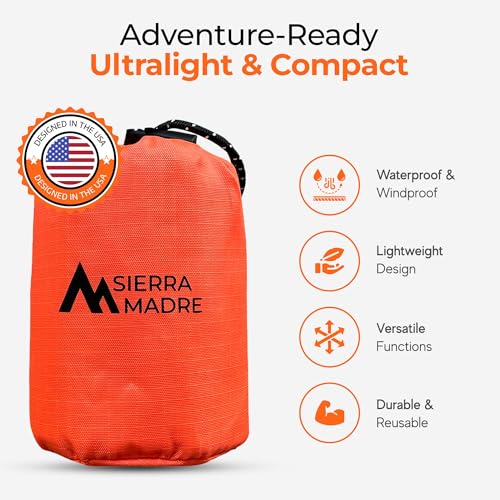
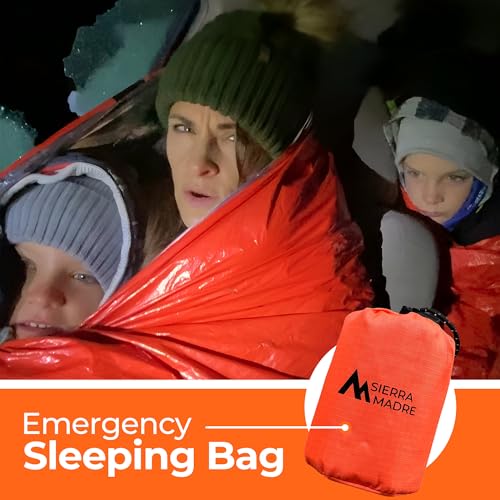
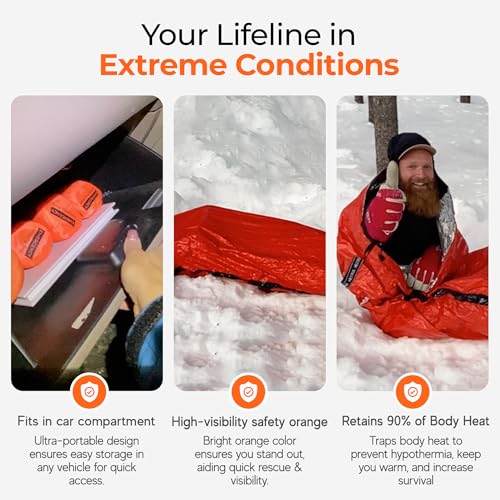
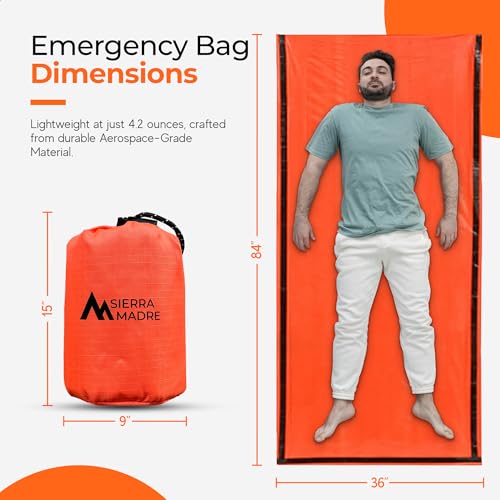
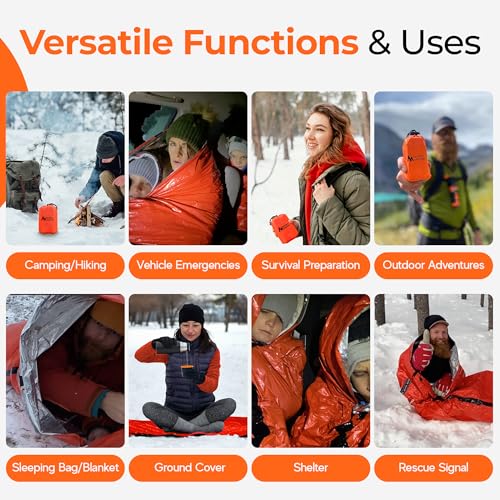
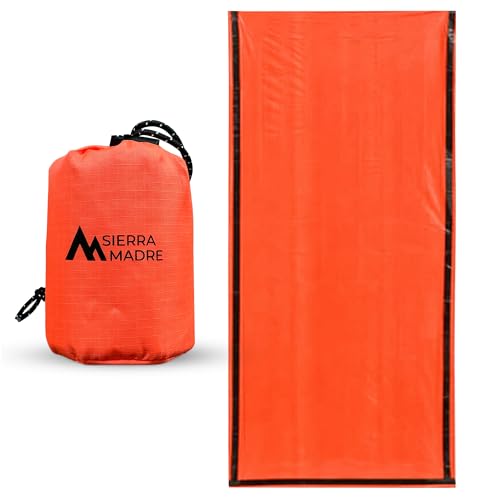
If you’re packing light and need a bare-bones thermal shield, this single Mylar bivy sack makes sense on paper. It reflects 90% of body heat, which is critical in hypothermia-risk scenarios, and at just 6 ounces, it won’t weigh you down. For bug-out bags or ultralight emergency kits, that kind of efficiency matters.
Owners consistently report it surviving short-term exposure to wind and rain without leaking, and the full-length cut actually fits taller users better than most space blankets. It’s not a tent by any real measure, but as a last-ditch thermal barrier, it outperforms flimsy alternatives. I’d keep one of these in a car trunk or daypack, just don’t expect comfort or long-term shelter.
Product photos
Our Testing Process
Rather than a hands-on lab test, my research focused on comparing published specifications and features across these bug out bag tent options. I weighed owner reviews from multiple retailers alongside expert opinions found in outdoor and preparedness publications. My assessment considered each kit’s contents, overall value, and suitability for various emergency scenarios, applying my experience with outdoor gear and shelter needs.
For this category, the most heavily weighted factors were the thoroughness of the first aid supplies and the inclusion of genuine shelter – not just a flimsy space blanket. A truly useful bug out bag tent needs to offer real protection from the elements. Durability of included tools (axes, shovels, saws) also mattered greatly, as cheap tools are useless in a crisis. Knowing where to find trusted tent companies helped me assess the quality of the tent component.
Published specs clearly indicate the number and type of items included in each kit. However, I placed more importance on owner feedback regarding the actual quality of those items and whether they functioned as advertised. Reputation played a significant role; kits from brands known for reliable outdoor gear received higher consideration. I also looked for consistent praise or criticism regarding the bag’s durability and ease of use.
What To Look For In bug out bags tents
Finding the right shelter for your bug out bag is about more than just grabbing the smallest, lightest option. It’s about balance – protection from the elements, durability for repeated use, and a size that suits your needs without weighing you down.
A truly effective bug out bag tent prioritizes thermal retention and weather protection above all else. Look for materials that offer a high degree of wind resistance and water repellency, coupled with a design that minimizes heat loss. Consider the packed size and weight, but don’t sacrifice essential features for portability. Prioritize durability, as a failure in the field could be life-threatening.
Size and Occupancy
Don’t fall into the trap of thinking “solo” automatically means “smallest possible.” While ultralight options are appealing, consider if you might need to shelter with a companion, or if you simply prefer extra space for gear inside the tent. A cramped shelter is a miserable one, and can quickly diminish morale. I often tell people to size up one person from their expected occupancy– a “solo” tent becoming a one-person-plus-gear shelter. Think about how much space you realistically need to comfortably wait out a storm or spend a night, not just what the tent’s floor dimensions state.
Material and Weather Resistance
Mylar emergency bivy sacks are popular for their weight and reflectivity, but they’re notoriously fragile. If you’re looking for something you can rely on for multiple deployments, you’ll want to look beyond the bare minimum. A polyester or nylon tent with a polyurethane (PU) coating offers significantly better tear resistance and weather protection. When it comes to waterproofness, understanding tent waterproof ratings is crucial. Don’t assume “waterproof” means impermeable; look for a hydrostatic head rating of at least 1500mm for reliable protection in moderate rain.
- A low hydrostatic head (under 1000mm) is suitable only for very light drizzle or as a temporary shelter.
- A mid-range rating (1500mm-3000mm) will hold up well in typical camping conditions, including moderate rain and wind.
- A high rating (3000mm+) is ideal for extended exposure to heavy rain or snow and is typical of four-season tents.
Remember: a good tent isn’t just about keeping rain out; it’s about retaining warmth.
Value and Additional Features
The kits boasting 200+ pieces are tempting, but often filled with low-quality items you’ll never use. Focus on the essentials. A functional shelter, a reliable fire starter, and a basic first-aid kit are far more valuable than a handful of cheap trinkets. I’ve seen too many people overloaded with unnecessary gear. A well-designed bug out bag is about curated preparedness, not bulk. If you’re looking for a dedicated shelter, consider pairing a compact emergency kit with one of the best tents for bug out bags for a truly effective combination.
Bug Out Bags Tents Compared
Here’s a comparison of key specifications for the featured bug out bags and tents to help you make an informed decision.
| Product Title | Item Count | Tent Included? | Bag Material | Weight (approx.) | Key Features |
|---|---|---|---|---|---|
| 262Pcs Survival Kit with Tent | 262 | Yes | N/A | N/A | Axe, Shovel, First Aid |
| 250Pcs Survival Gear with Tent | 250 | Yes | 1000D Nylon | N/A | Axe, Shovel, Fire Starter |
| 250Pcs Tactical Survival Trauma Kit | 250 | Yes | N/A | N/A | Trauma Kit, Axe/Shovel |
| Sierra Madre Mylar Bivy Sack 10 Pack | 10 | No | Mylar (PET) | 6oz (per sack) | Waterproof, Windproof |
| Sierra Madre Mylar Bivy Sack 1 Pack | 1 | No | Mylar (PET) | 6oz | Waterproof, Windproof |
Frequently Asked Questions
What’s the biggest mistake people make when choosing a bug out bag tent?
People often prioritize quantity of items over quality, filling their bag with cheap tools and trinkets. A truly useful kit focuses on essential, durable items like a reliable shelter and first-aid supplies – don’t sacrifice those for a high piece count.
Are mylar bivy sacks sufficient for long-term shelter?
No, mylar bivy sacks are best for short-term emergencies only. While lightweight and waterproof, they tear easily and lack the durability needed for repeated use or prolonged exposure to the elements; consider them a stopgap, not a long-term solution.
What hydrostatic head rating should I look for in a bug out bag tent?
Aim for a rating of at least 1500mm to ensure reliable waterproofness in moderate rain and wind. Lower ratings are only suitable for very light drizzle, while higher ratings (3000mm+) are ideal for heavy, sustained exposure.
What bag material offers the best durability for a bug out bag?
1000D nylon is generally considered the most durable bag material, offering excellent resistance to tears and abrasions. However, even with durable materials, proper care and maintenance are essential for longevity.
Where can I find more information on selecting the right survival tent?
You can explore a wider range of options and detailed reviews of portable survival tents to find the perfect shelter for your specific needs and circumstances.
The Bottom Line
Choosing a bug out bag tent often comes down to how much you value control versus convenience. The 262Pcs Survival Kit with Tent strikes a good balance, offering a thorough kit with a tent included, though the quality of individual items will vary. It’s a solid all-rounder for those wanting everything in one package.
For readers prioritizing a specific need, the Sierra Madre Mylar Bivy Sack 1 Pack is the clear choice for ultralight emergency shelter, while the 250Pcs Survival Gear with Tent provides a more robust shelter option alongside a thorough kit. If trauma care is your main concern, the 250Pcs Tactical Survival Trauma Kit offers specialized first aid supplies, even with a basic tent inclusion.
Ultimately, the best bug out bag tent isn’t about the highest item count or the most impressive specs. It’s about having reliable shelter and essential supplies that you understand and can use effectively; understanding durable tent materials is a great place to start. Prioritize quality over quantity and focus on mastering the fundamentals of survival preparedness.
