
7 Best Camping Tents for Two 2026
This post contains affiliate links. As an Amazon Associate, we earn from qualifying purchases.
The best camping tent for two is the Forceatt 2-Person Backpacking Tent, it nails weather protection, space, and quick setup. For a no-fuss, fast-pitch option, the Wakeman Outdoors 2-Person Pop Up Tent stands out, especially if you hate wrestling with poles. And if you’re after a roomier feel without sacrificing portability, the Clostnature 2-Person Dome Tent offers solid value.
Most “two-person” tents are tight squeezes, especially if you’re sharing with gear or a restless sleeper. I’ve seen too many couples stuck elbow-to-elbow or dodging condensation in flimsy shelters. After comparing specs and reading through owner feedback, I focused on models that deliver real comfort, not just listed capacity. This guide breaks down what actually matters, space, weather protection, and ease of setup, based on real-world performance and build quality.
Top 7 Camping Tents For Twos in the Market
The Best Camping Tents For Twos, Reviewed
Forceatt 2-Person Backpacking Tent

Strengths
- Excellent weather protection
- Smooth #8 zippers
- Strong ventilation
Trade-offs
- Slightly heavier than ultralight models
- Packed size not the smallest
- Rainfly adjustment can be fiddly
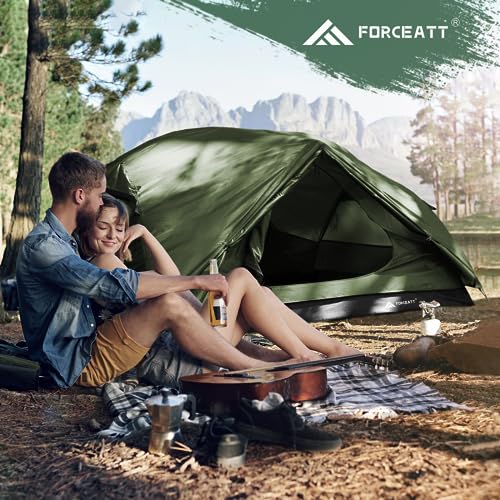
If I had to pick one tent for most couples hitting the trail, it’d be the Forceatt. It strikes the best balance of weight, weather protection, and livability. The 3000mm waterproof rating, welded floor, and full rainfly match the Night Cat’s stormworthiness, but the Forceatt adds dual vestibules and #8 zippers that owners say never snag. At 5.5 pounds, it’s not the lightest, but that extra ounce buys real durability.
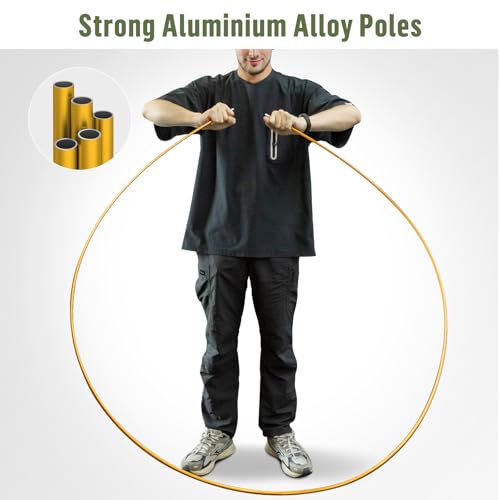
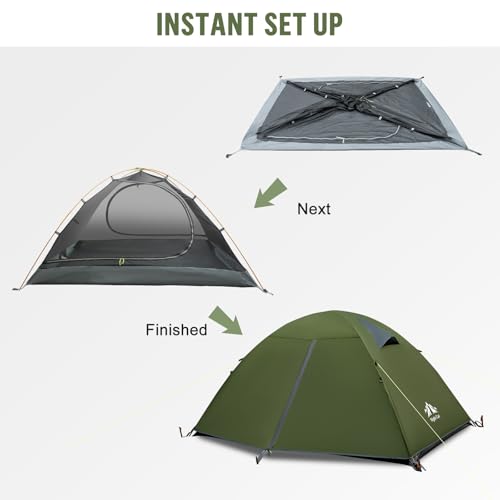
Ventilation is strong thanks to ceiling vents and micro-mesh, and the 43-inch center height feels generous. Setup in 3 minutes is backed by consistent owner feedback, the aluminum poles are smooth and reliable. Compared to the BISINNA, it’s slightly heavier but better vented and more refined. This is the smarter buy for couples planning mixed-weather trips.
Product photos


Wakeman Outdoors 2-Person Pop Up Tent
Strengths
- Ultra lightweight
- Simple pop-up style setup
- Great for casual use
Trade-offs
- Fiberglass poles less durable
- Not for harsh weather
- Thin fabric over time
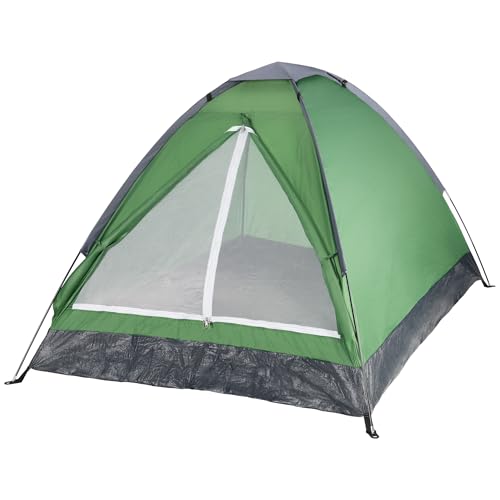
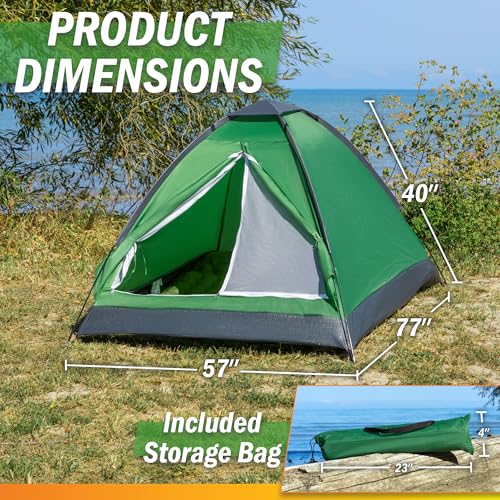
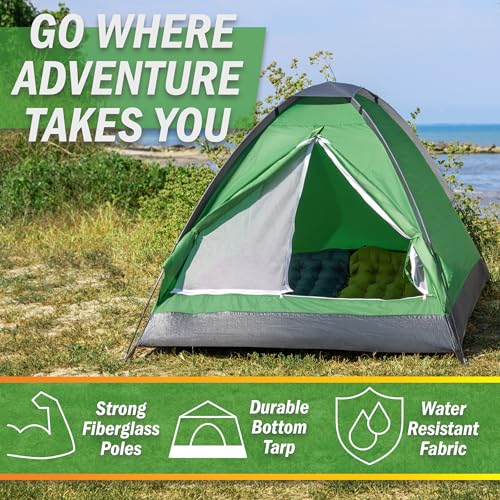
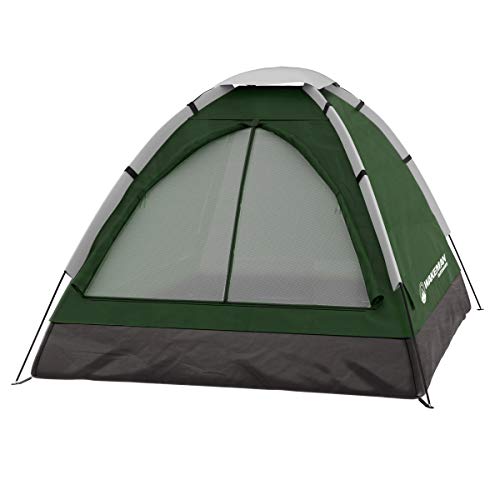
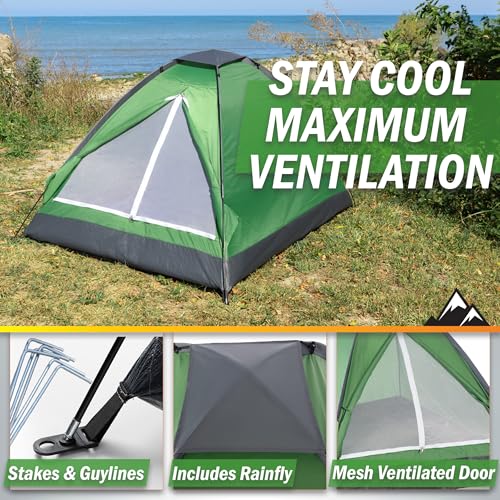
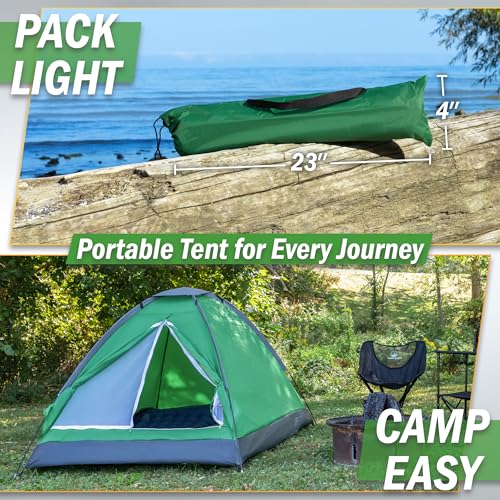
At just 2.2 pounds and built with fiberglass poles, this is one of the lightest options here, but that comes with clear trade-offs. It’s clearly designed for fair-weather use and short trips, and owners note it’s great for festivals, beach days, or backyard camping with kids. The 190T polyester and fiberglass poles won’t stand up to high winds or heavy rain like aluminum-framed tents can, but for the price, it’s a functional starter tent.
The dual-layer doors are a smart touch for airflow with privacy, and the included storage pocket adds convenience. Still, this isn’t a tent I’d trust in anything beyond mild conditions. Compared to the Night Cat or Forceatt models, it’s underbuilt for serious hiking. But if you’re looking for a cheap, compact shelter for occasional use, this one makes sense.
Product photos
Night Cat 2-Person Backpacking Tent

Strengths
- Lightweight aluminum poles
- Excellent airflow design
- Proven weather resistance
Trade-offs
- Slightly tight fit for two tall adults
- Limited color visibility
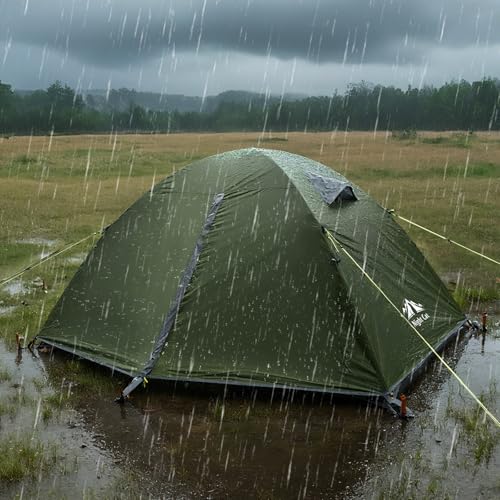
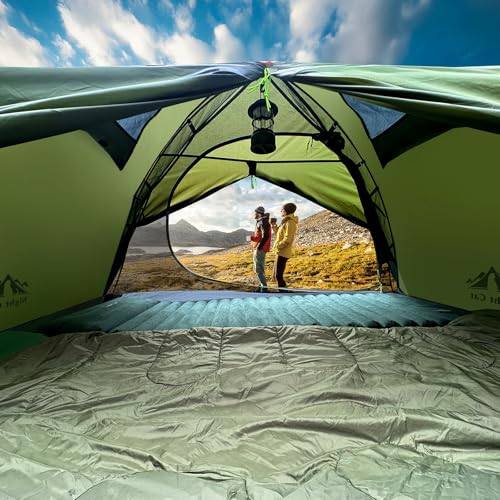
This tent makes a strong play for backpackers who prioritize ventilation and weather protection without adding bulk. On paper, the 3000mm waterproof rating and full seam taping suggest it can handle sustained rain, and owners consistently report staying dry even in mountain downpours. The dual D-shaped doors and full mesh walls stand out, in a class where many cut corners on airflow, this one delivers real breathability, which matters when you’re sharing a small space with another person.
Where it shines is in its balance: aluminum poles keep weight reasonable, the dual vestibules offer usable gear storage, and the 3-minute claim for setup seems credible based on owner feedback. Compared to budget fiberglass models, this is clearly built for actual trail use. I’d pick this over heavier dome tents if I were hiking into shoulder-season conditions where condensation could be a problem.
Product photos

Amazon Basics Dome Camping Tent

Strengths
- Extremely easy setup
- Stable dome design
- Good airflow with back window
Trade-offs
- Heavier than backpacking tents
- Basic materials
- Limited headroom
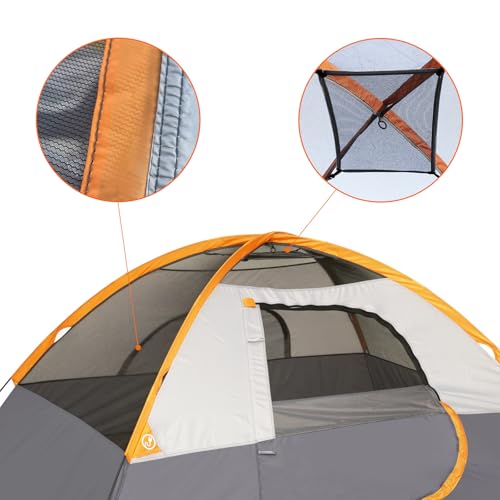
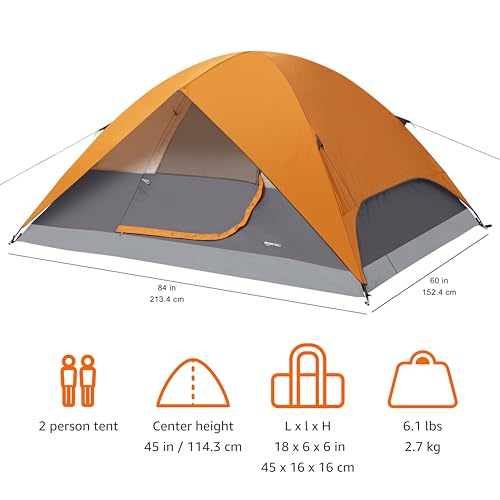
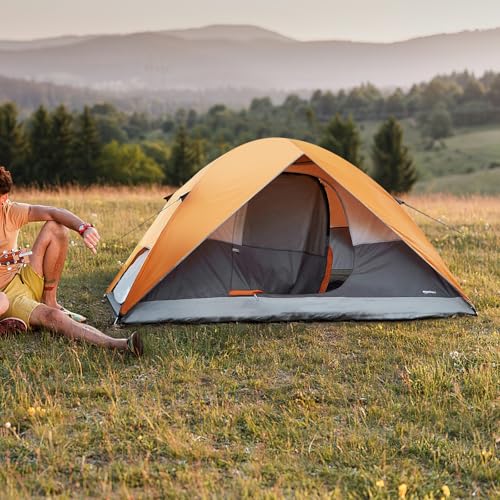
Amazon Basics nails the basics, this tent is built for people who want something that just works. The shock-corded poles and snag-free sleeves make setup reliably fast, and owners confirm it goes up in under 4 minutes, often solo. The dome shape is free-standing and stable, and the 7×5 footprint offers real space for two adults.
It’s not the lightest or most ventilated, but the removable rainfly with a back window adds airflow you don’t always get at this price. The welded seams and coated polyester keep moisture out in light storms, though it’s not built for alpine conditions. Compared to the Wakeman, it’s heavier but far more robust. For beginners or casual campers who want reliability without fuss, this is a no-brainer.
Product photos

BISINNA 2-Person Waterproof Tent
Strengths
- Durable 7001 aluminum poles
- Spacious for two
- Excellent wind resistance
Trade-offs
- Slightly heavier at 4.8lb
- Lower waterproof rating than others
- Bulkier packed size
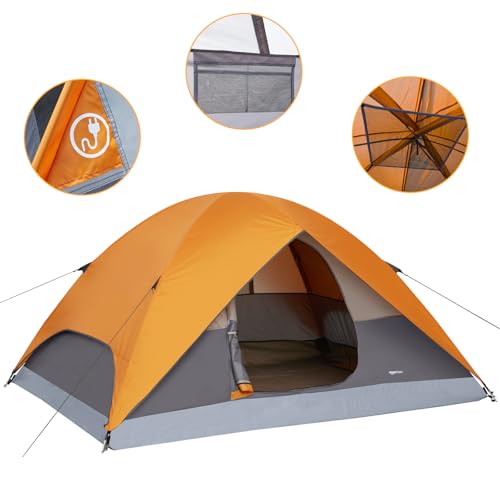
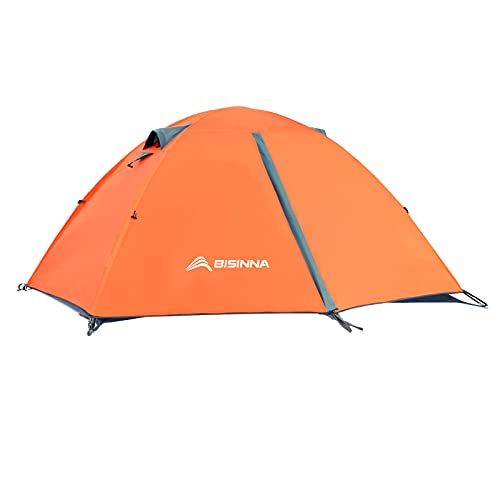
The BISINNA blurs the line between 2-person comfort and family versatility, it’s technically rated for two, but the extra length and dual D-doors make it feel more generous. The 7001 aluminum poles are a standout spec in this range, offering real durability for 3-season use. Owners praise its stability in wind, especially with the included alloy stakes and guylines properly tensioned.
The PU2000mm rainfly isn’t the highest rating here, but paired with the no-see-um mesh and taped seams, it holds up in typical rain events. Setup is consistently reported as fast and intuitive, even for first-timers. Compared to the Forceatt, it’s slightly heavier and less vented, but more spacious. I’d recommend this for hikers who want a durable, all-rounder tent that won’t quit in changing weather.
Product photos

Clostnature 2-Person Dome Tent
Strengths
- Spacious interior
- Fits full air mattress
- Good for car camping
Trade-offs
- Heavier than backpacking tents
- Basic ventilation
- Fiberglass poles
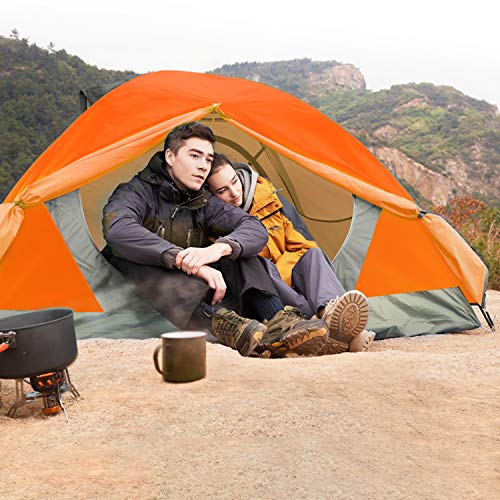
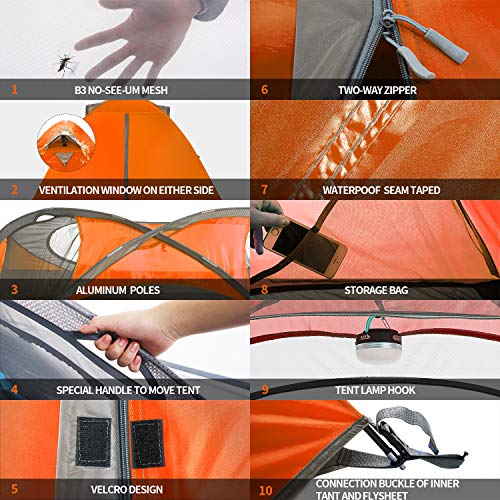
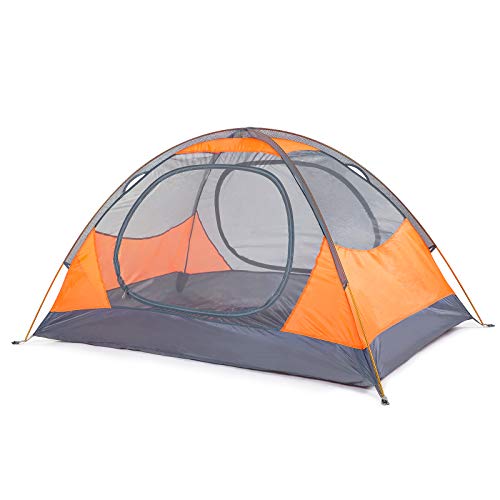
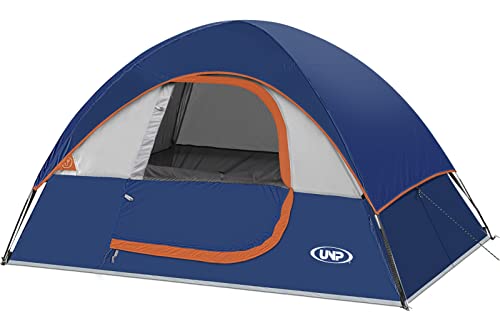
This tent offers a lot of floor space for the price, 7×5 feet is roomy enough for two adults and a full air mattress, which few ultralight models can claim. That makes it a solid pick for car campers or couples who value interior room over packability. The 4.8-pound weight and dome design suggest it’s not meant for long hikes, but owners report it’s stable in wind when properly staked.
The materials are standard for the class: 190T polyester with a removable rainfly and basic ventilation. It’s not as breathable as mesh-heavy designs, but the skylight net helps. Setup is consistently described as quick and intuitive. When compared to the Amazon Basics model, it’s nearly identical in footprint and weight, but lacks the brand’s refined pole sleeves and airflow features. Still, for weekend trips where space matters, it’s a smart value.
Product photos


Portable Dome Tent for Camping
Strengths
- Reinforced stitching
- Great for kids and play
- Stable in mild wind
Trade-offs
- Not for serious backpacking
- Fiberglass poles
- Average ventilation
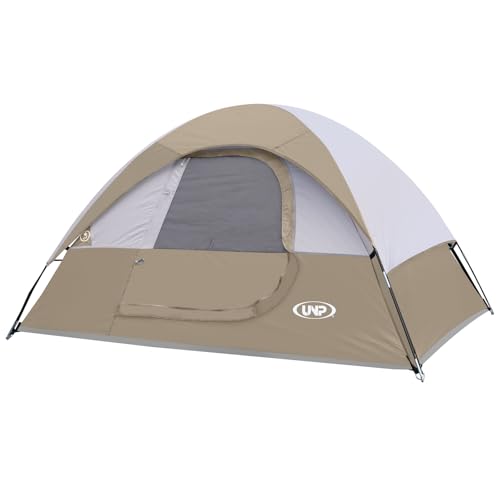
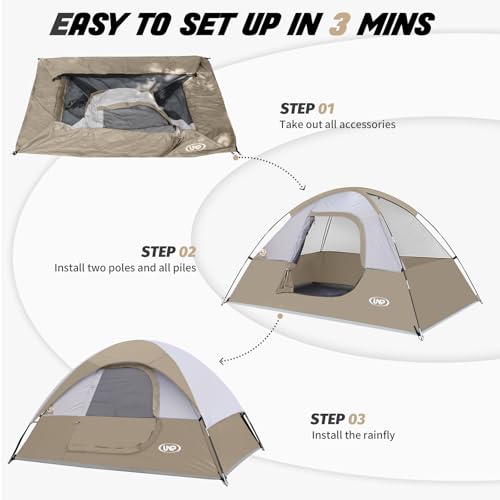
This tent wears its versatility on its sleeve, it’s marketed for hiking, climbing, fishing, and even as a backyard play tent for kids. The specs mirror the B08HGW1QC1 model closely: same dimensions, weight, and materials. But the emphasis here is on durability and family use, with reinforced stitching and tear-resistant fabric that owners say holds up over multiple seasons.
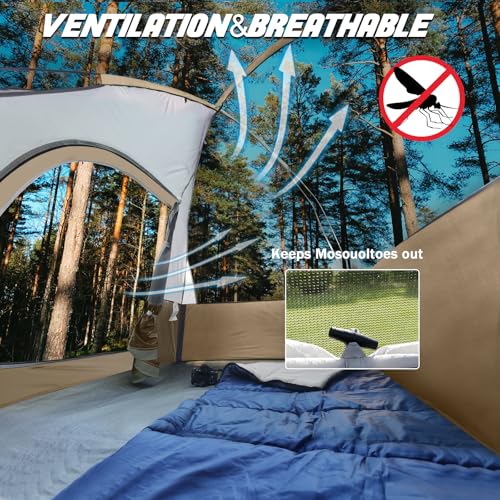
The skylight net and large mesh windows help with airflow, though condensation can build up in humid conditions. It’s not as breathable as double-wall mesh tents, but for car camping with kids, that’s secondary. Compared to the Amazon Basics, it’s nearly identical in function but lacks the refined ventilation features. Still, the dual zippers and stable design make it a solid pick for families.
Product photos


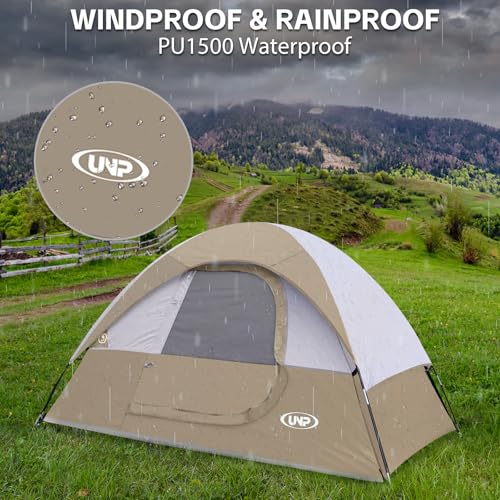
How We Chose These camping tents for twos
I approached researching these tents for two as I do all my gear selections – by blending published specifications with a deep explore what actual owners are saying. Rather than a hands-on lab test, this is a research-led comparison of features, materials, and owner feedback. I compared specs across dozens of models, then weighed those against reviews from sites like Amazon, REI, and camping-focused blogs, looking for consistent themes in both praise and complaints.
For a two-person tent, space, weather protection, and ease of setup are paramount. I heavily weighted interior dimensions and peak height because comfort for two people is key. Waterproof ratings and material quality were also critical, as unpredictable weather can quickly ruin a trip. Finally, I considered setup time, as nobody wants to wrestle with poles after a long day on the trail. You’ll find many top tent brands offer similar features, so discerning quality is vital.
Specifications reliably tell you about a tent’s potential – its weight, packed size, and stated waterproof rating. However, owner feedback is where you learn about real-world performance. I paid close attention to comments about durability, how well the rainfly actually holds up in a downpour, and whether the zippers are prone to sticking. Reputation matters too; tents from reputable tent companies generally have better quality control and customer support.
Choosing The Right camping tents for twos
Finding the right shelter for two people is about more than just fitting bodies inside.
A quality camping tent for two prioritizes waterproof construction (at least 2000mm rating for the rainfly and a fully sealed floor), a balance between weight and durability in its pole system (look for 7001 aluminum), and thoughtful ventilation to minimize condensation. Don’t skimp on features like vestibules for gear storage or durable zippers.
Space & Livability
Honestly, a lot of “2-person” tents are…cozy. If you’re both tall, or plan to spend downtime inside the tent, prioritize interior dimensions. Don’t just look at the floor area; pay attention to peak height too. I often see people underestimate how much time they’ll actually spend sitting up inside, playing cards, or just avoiding bugs. A wider floor plan makes a huge difference.
Waterproofing & Weather Resistance
Waterproofing isn’t just about the rainfly’s mm rating. Seam sealing is critical – even a 3000mm fly is useless if water leaks through the seams. Look for tents with fully taped seams and a bathtub floor (where the floor fabric extends up the sides) to prevent water from pooling underneath. Beyond rain, consider wind resistance. A robust pole system and guy-out points are essential, especially if you’re camping in exposed areas.
- A higher denier (D) rating in the tent fabric generally means greater durability.
- Polyester fabrics offer a good balance of weight, cost, and water resistance. Nylon is lighter but often more expensive.
- Vestibules aren’t just for extra storage; they create a dry area to shed layers and cook in inclement weather, significantly extending your usable space.
A good rule of thumb: assume everything will get wet at some point. Prioritize features that minimize the impact of moisture, not just prevent it entirely.
Weight & Portability
If you’re backpacking, every ounce counts. For car camping, weight is less critical, but still worth considering. Aluminum poles are lighter than fiberglass, but also more expensive. I’ve seen too many people struggle with unwieldy, heavy tents at the campsite. If you’re planning longer hikes, research the packed size as well – you want something that fits comfortably in your backpack alongside your other essential camping gear. Finding the right balance between weight, durability, and features is key. If you’re looking for a wider range of options, you can find some great 2-person tent value picks to suit your needs.
Camping Tents for Twos Compared
Here’s a comparison of key specifications for camping tents designed for two people.
| Product Title | Capacity | Weight (lbs) | Floor Dimensions (in) | Waterproof Rating (mm) | Setup Time |
|---|---|---|---|---|---|
| Forceatt 2-Person Backpacking Tent | 2 | 5.5 | 88.6×53.1 | 3000 | 3 mins |
| Wakeman Outdoors 2-Person Pop Up Tent | 2 | 2.2 | 84×70 | N/A | Quick |
| Night Cat 2-Person Backpacking Tent | 2 | N/A | 6.8×4.6×3.6 ft | 3000 | 3 mins |
| Amazon Basics Dome Camping Tent | 2 | N/A | 7’x5′ | N/A | <4 mins |
| BISINNA 2-Person Waterproof Tent | 2 | N/A | 82.7×47.2 | 2000 | <10 mins |
| Clostnature 2-Person Dome Tent | 2 | 4.8 | 7’x5’x45″H | N/A | 3 mins |
| Portable Dome Tent for Camping | 2 | 4.8 | 7’x5’x45″H | N/A | 3 mins |
Frequently Asked Questions
What waterproof rating do I really need for a tent for two?
A 2000mm rating is generally sufficient for moderate rain, but I recommend looking for at least 3000mm for the rainfly, especially if you camp in areas prone to heavy or prolonged rainfall. Remember that a high rating doesn’t guarantee dryness if the seams aren’t sealed properly.
Are “pop-up” tents actually durable enough for regular use?
While convenient, pop-up tents often sacrifice durability for ease of setup. They typically use thinner materials and less robust pole systems than traditional tents, making them better suited for fair-weather festivals or casual backyard camping rather than serious backpacking.
How much floor space do I actually need in a two-person tent?
For comfortable sleeping, aim for at least 55 square feet of floor space. If you plan to spend significant time inside the tent due to weather, or if either of you is taller than 6 feet, I’d suggest opting for something closer to 60-70 square feet for a more livable experience.
What’s the difference between polyester and nylon tent fabrics?
Polyester is generally more affordable and holds up well against UV damage, while nylon is lighter and stronger for its weight. For most camping situations, polyester offers a good balance of performance and cost, but backpackers may prefer the weight savings of nylon, even with the added expense. You can find more information about the materials in our 2-person tent buying guide.
How important are vestibules on a camping tent for two?
Vestibules are incredibly useful for storing muddy boots, backpacks, and other gear outside the main tent body, keeping the interior cleaner and drier. A tent with two vestibules (one on each side of the door) provides even more storage and flexibility, and is worth considering if you have a lot of gear.
The Bottom Line
Choosing a tent for two often comes down to how much you value fuss-free convenience versus ultimate control over quality and features. While many options exist, the Night Cat 2-Person Backpacking Tent strikes a fantastic balance for most couples, offering a solid waterproof rating, reasonable weight, and a quick setup – all at a price that won’t break the bank. It’s a well-rounded choice that addresses the core needs of most campers.
For those prioritizing budget above all else, the Wakeman Outdoors 2-Person Pop Up Tent is hard to beat for sheer simplicity. If versatility is your goal, and you don’t mind a bit more weight, the Clostnature 2-Person Dome Tent provides a roomier interior and features that cater to varied camping styles. Ultimately, I suggest you review our tent selection guide for a deeper understanding of your needs.
Don’t get too hung up on chasing the highest waterproof rating or the lightest weight. A well-designed tent, properly pitched and maintained, will always outperform a poorly chosen one with fancy specs. Focus on finding a tent that fits you – your typical camping style, your tolerance for weight, and your budget. Remember, a great shelter is about more than just the tent itself; it’s about the memories you make inside it.
