
7 Best Canopy Tents of 2026
This post contains affiliate links. As an Amazon Associate, we earn from qualifying purchases.
The CROWN SHADES 10×10 Pop Up Canopy w/ Sidewall is the best overall canopy tent for its durable 150D fabric, UPF 50+ protection, and reliable one-button setup. For a budget-friendly option, the WEIZE 10×10 delivers solid performance with similar specs. If you need versatility, the Quictent 10×10 screened canopy adds bug protection for open-air comfort.
Most people buying a canopy tent want shade and shelter without the headache of a complicated setup or a flimsy frame that collapses in light wind. After comparing the field and weighing real-world feedback, I focused on models that balance strength, ease of use, and value.
This guide cuts through the marketing and highlights canopy tents that stand up to regular use, based on frame quality, fabric durability, and what actual owners report. We looked at how these shelters perform when it counts, on uneven ground, in gusts of wind, and after repeated assembly.
Top 7 Canopy Tents in the Market
The Best Canopy Tents, Reviewed
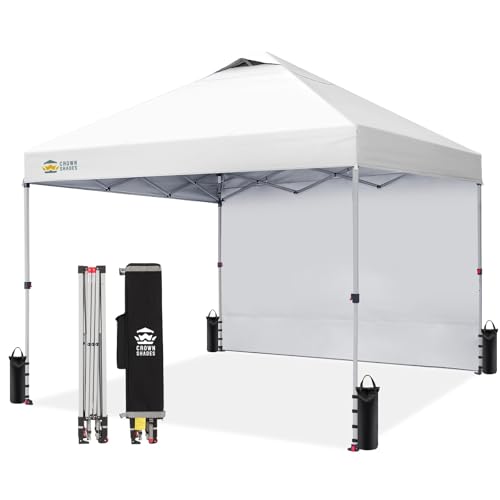
CROWN SHADES 10×10 Pop Up Canopy with Sidewall
Strengths
- Includes sidewall
- CENTERLOK tech
- STO-N-GO wheels
- UPF 50+ fabric
- Tool-free setup
Trade-offs
- Heavier than basic models
- Sidewall adds setup step
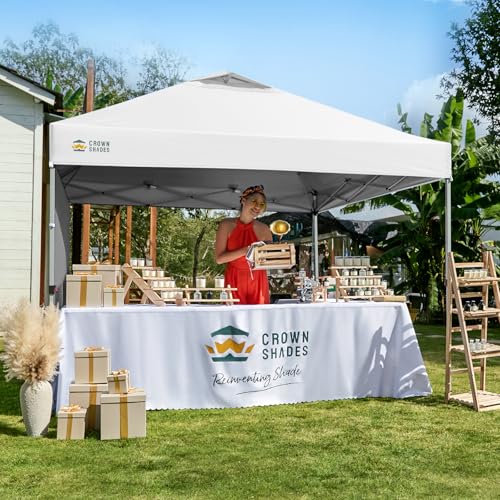
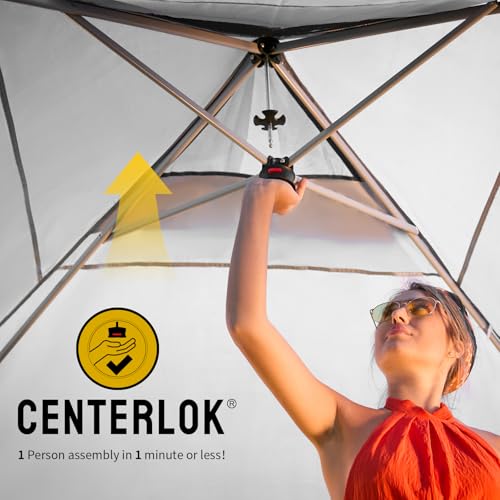
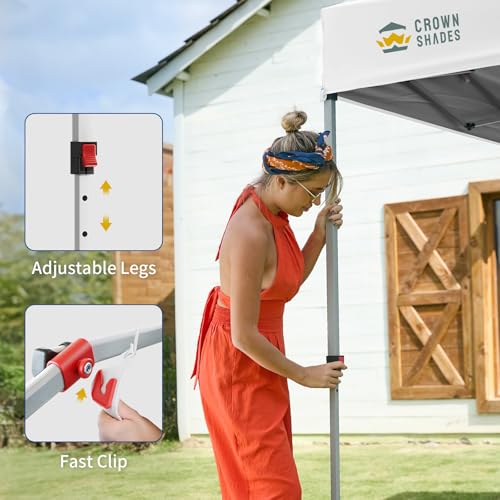
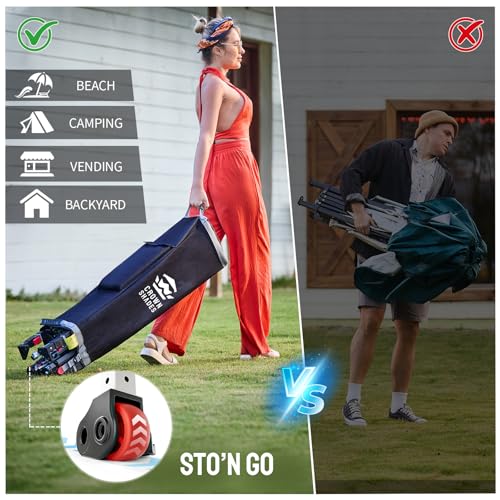
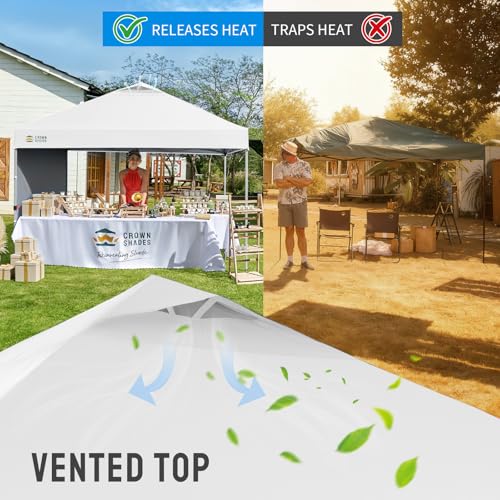
This is the one I’d grab if I could only own a single pop-up canopy, and not just because it’s labeled “Best Overall.” The combination of the patented CENTERLOK system, STO-N-GO transport, and now a removable sidewall makes it the most complete package here. The sidewall is a standout, letting you block wind, rain, or afternoon sun without sacrificing the open-air feel when you want it. Owners love how the Fast Clip system keeps the canopy taut and reduces flapping.
It shares the same rugged 150D fabric and high-grade steel frame as its sibling model, meaning it handles weight and weather well. The warranty, 2 years on parts, also signals confidence in longevity. Compared to the Driftalia or WEIZE, this one simply offers more versatility without sacrificing ease of use. It’s not the lightest, but the ability to move it mid-setup with integrated wheels? That’s a detail that pays off in real-world use.
Product photos
Quictent 10×10 Screened Canopy with Mosquito Netting
Strengths
- Full mesh screening
- Easy one-person setup
- Bug protection
- Wheeled carry bag
- Water-resistant base
Trade-offs
- Less UV protection
- Bulkier packed size
- Screen can snag if mishandled
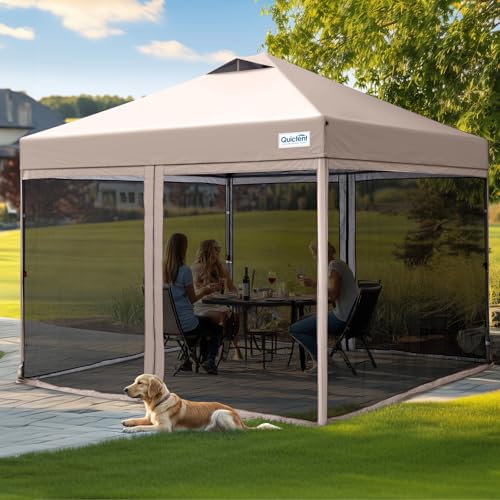
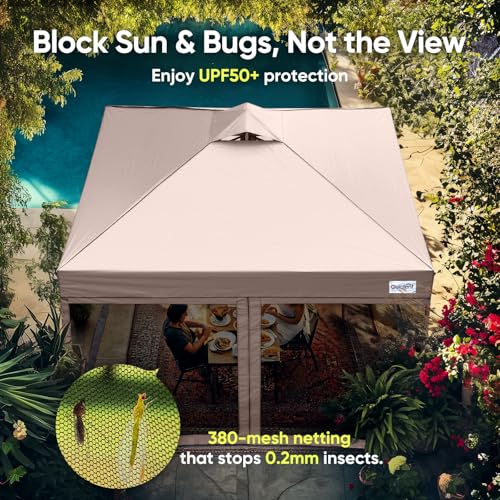
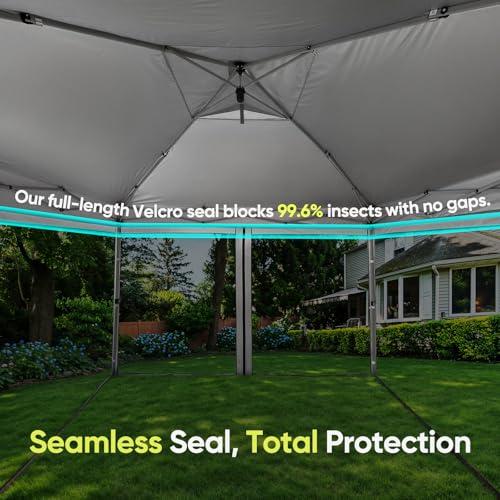
When bugs are the main threat, the Quictent shifts the game. Most pop-up canopies give you shade, this one gives you breathable, bug-free space. The full 360-degree mesh with seamless Velcro closures is the standout feature, and owners consistently praise how well it keeps out mosquitoes and gnats, even in swampy areas. For anyone who’s suffered through a buggy lakeside BBQ, this is a no-brainer.
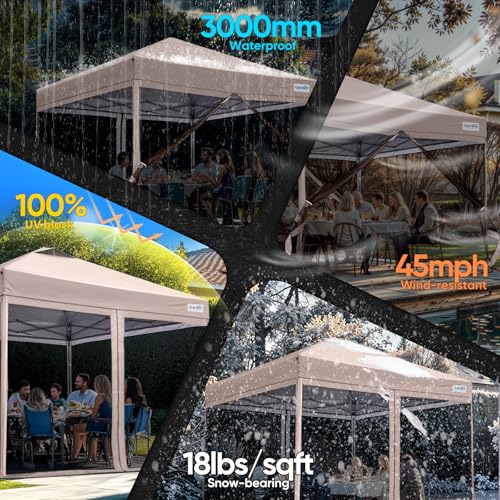
It’s also one of the few models that truly supports one-person setup, thanks to its pre-assembled foldable frame. The 420D Oxford fabric adds durability, and the PU coating handles light rain well. That said, the screen design sacrifices some UV protection compared to solid canopies, you’re trading sun blockage for airflow. And while the wheeled bag is convenient, the overall footprint feels a bit bulkier when packed. But if you’re camping in mosquito country or hosting evening gatherings in bug season, this is the closest thing to outdoor comfort.
Product photos
Best Choice Products 10×10 Pop Up Canopy

Strengths
- One-person setup
- Affordable
- Rolling carry case
- Four height settings
- Lightweight
Trade-offs
- Less durable fabric
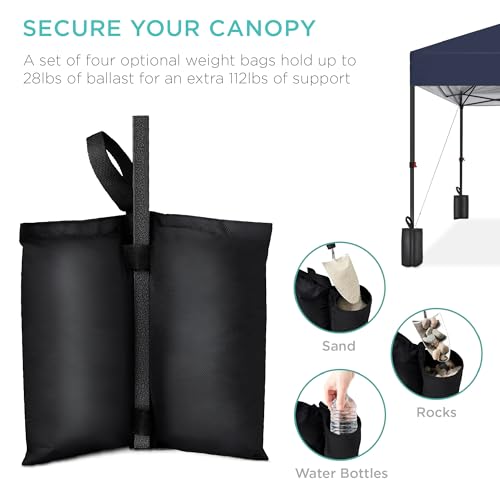
- No included sandbags
- Not for heavy weather
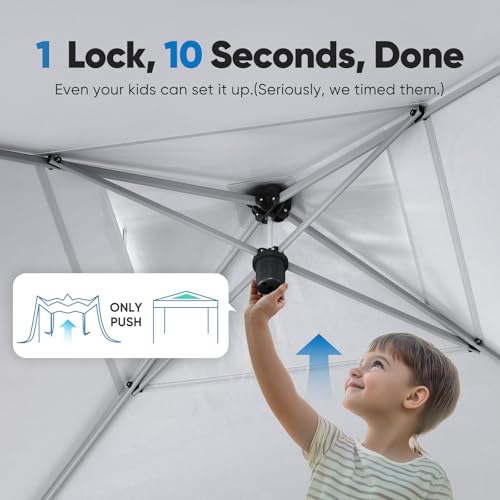
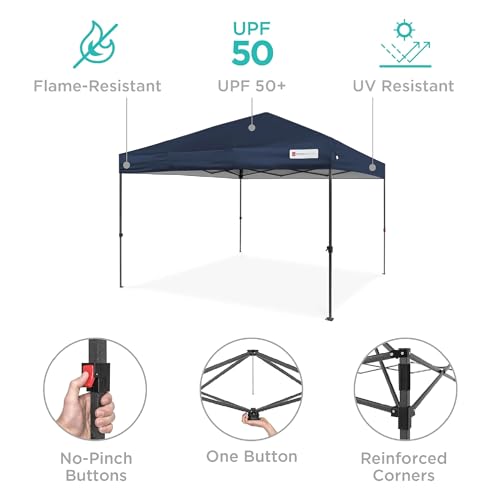
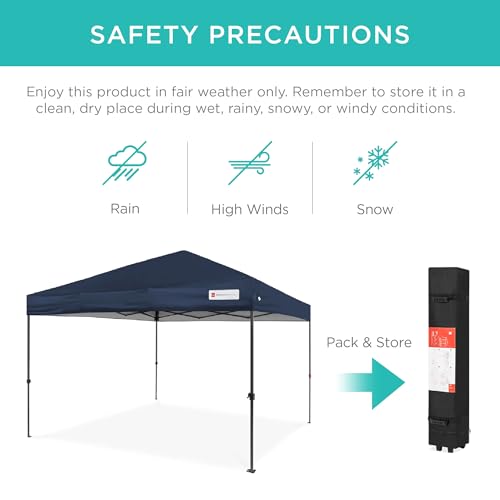
Let’s be honest, not everyone needs bells and whistles. The Best Choice Products canopy delivers exactly what its name promises: a no-frills, budget-friendly shelter that works. The one-push setup is genuinely fast, and owners confirm it’s possible to get it up solo in under a minute. That’s a real advantage when you’re parking at a kids’ soccer tournament or setting up a quick vendor booth.
It doesn’t have sandbags or a high-end fabric spec, but the flame-retardant polyester canopy and steel frame are adequate for occasional use. The four preset height settings add flexibility, and the rolling case is surprisingly durable for the price. But it shows where corners were cut, the fabric feels thinner than others, and long-term owners report seams weakening after repeated use. Still, for the price, it’s hard to beat as a starter canopy.
Product photos


Driftalia 10×10 Pop Up Canopy with Sandbags
Strengths
- One-push setup
- Lightweight frame
- Spacious interior
- Rust-resistant coating
- Fits car trunks
Trade-offs
- Basic carry bag
- No integrated wheels
- Simpler venting design
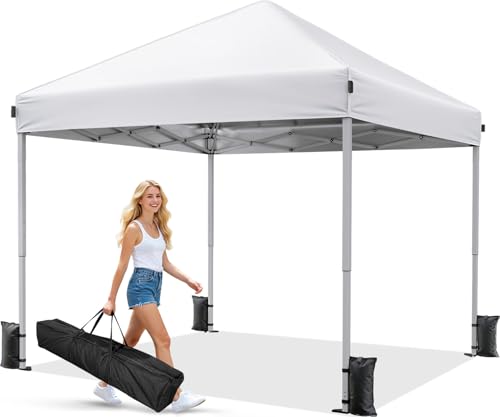
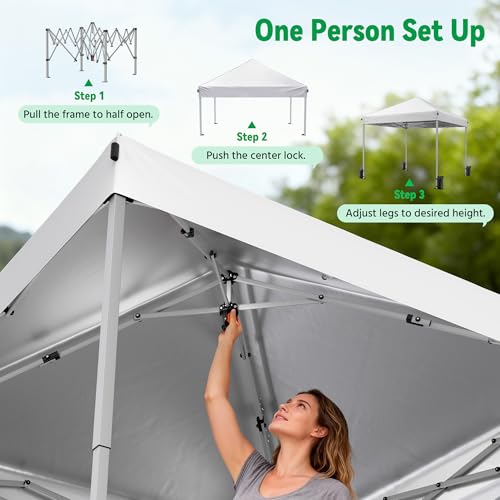
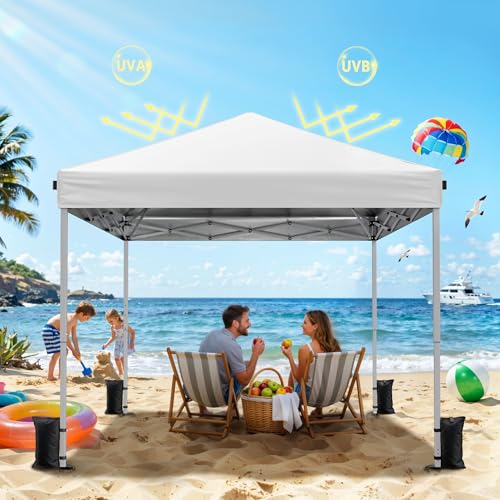
If you’re after a no-fuss canopy that gets you shaded fast, the Driftalia 10×10 earns its “Best for Easy Setup” label. The one-push center lock works reliably across owner reports, with most saying two people can have it standing in under a minute. It’s not quite as refined as the CROWN SHADES’ system, but it gets the job done without tools or confusion, a big win for casual users or families setting up at picnics.
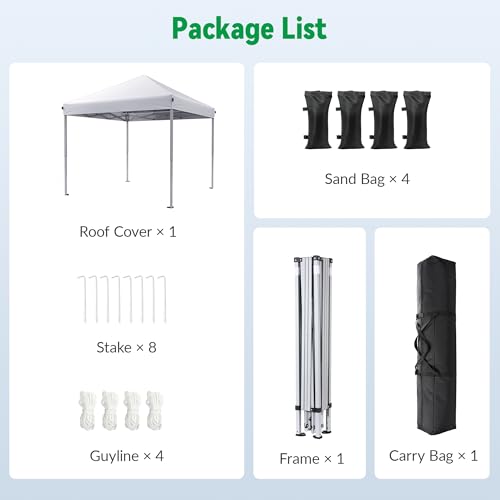
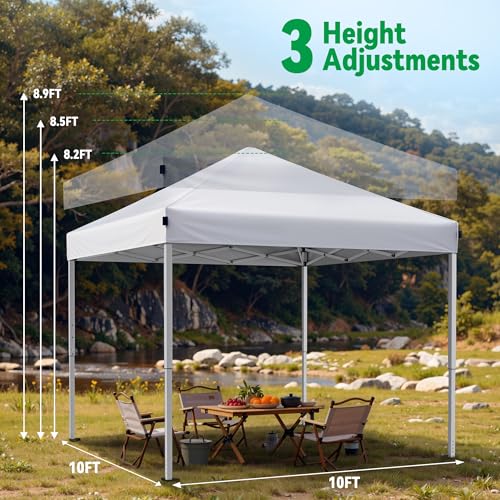
The 8.9-foot peak height feels roomy, and the lack of crossbars improves headroom, which reviewers appreciate during longer stays. The powder-coated steel frame holds up well against rust, and while it doesn’t have integrated wheels like the CROWN SHADES, it’s still portable at under 30 lbs. Where it falls short is in the finer details, no built-in ventilation design beyond standard seams, and the carry bag, while functional, doesn’t match the premium feel of others in this range.
Product photos
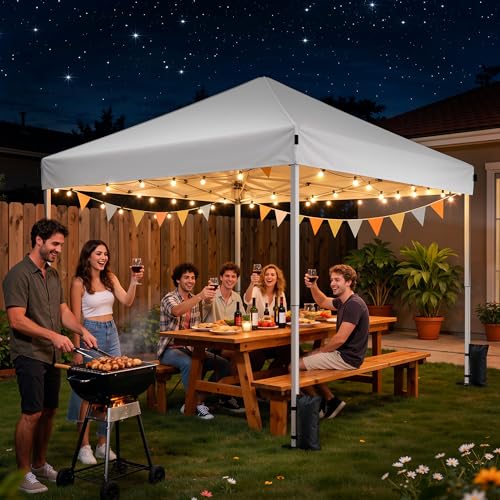
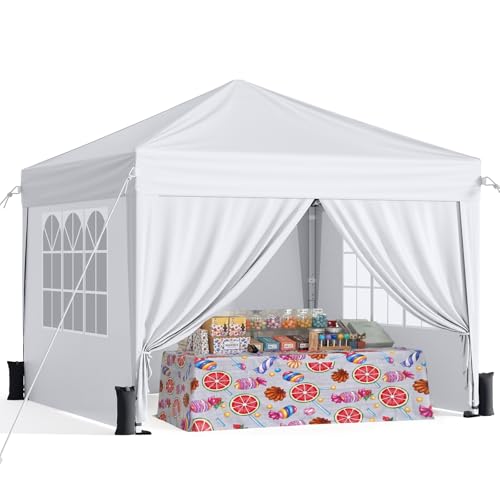
Driftalia 10×10 Pop Up Canopy with Full Sidewalls
Strengths
- Four removable sidewalls
- Sturdy 25mm frame
- UV-resistant fabric
- Compact carry bag
- Good wind stability
Trade-offs
- No built-in wheels
- Slightly slower setup
- Sidewalls can flap in wind
When weather shifts fast, this Driftalia model steps up. With four removable sidewalls, it transforms from an open-air shelter to a semi-enclosed fortress against wind and light rain, a feature most pop-ups lack. Owners in coastal or unpredictable climates praise how well the UV-resistant fabric holds up and how quickly they can adapt the space. The 25mm frame is thicker than average, and paired with reinforced crossbars, it feels more stable than many in this class.
The 31 lb packed weight is manageable, and the carry bag makes transport simple. Setup is smooth for two people, though it’s not quite as instant as the one-push champions. What’s missing? Integrated wheels or a sandbag storage pocket, small omissions, but noticeable when comparing to CROWN SHADES. Still, for tailgaters, festival-goers, or campers facing variable conditions, this is one of the most weather-ready options available.
Product photos
CROWN SHADES 10×10 Pop Up Canopy with STO-N-Go Bag
Strengths
- CENTERLOK tech
- STO-N-GO wheels
- UPF 50+ fabric
- Corrosion-resistant frame
- No overhead crossbars
Trade-offs
- Requires two people for setup
- Slightly heavier than budget models
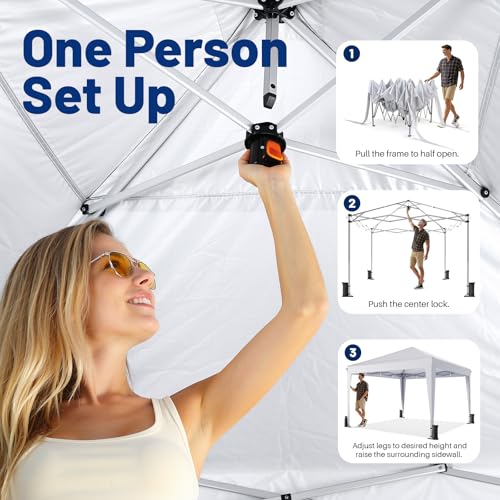
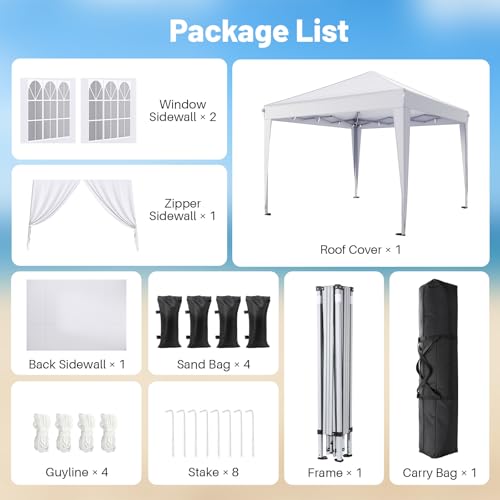
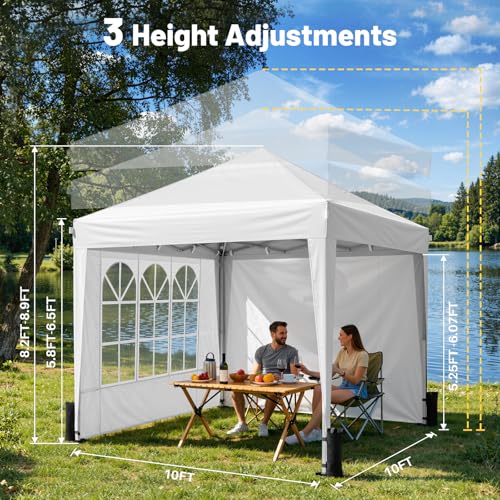
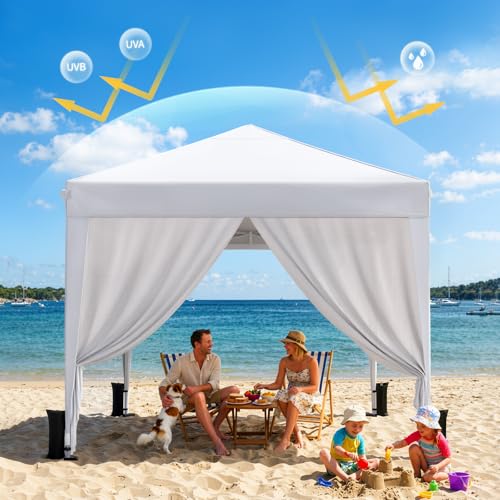
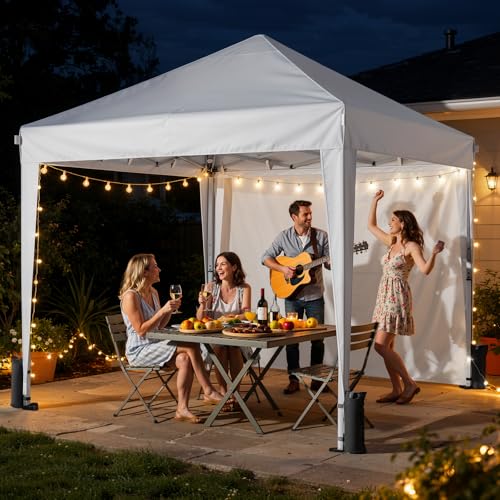
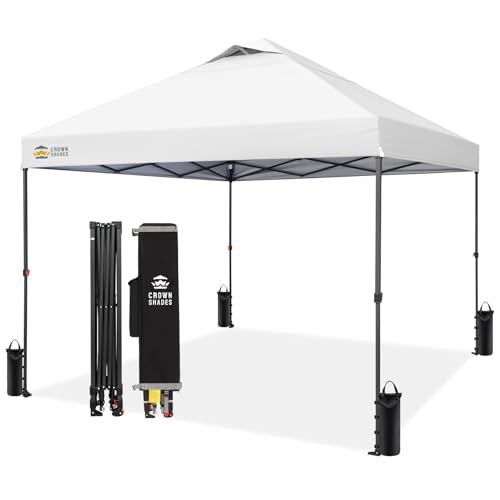
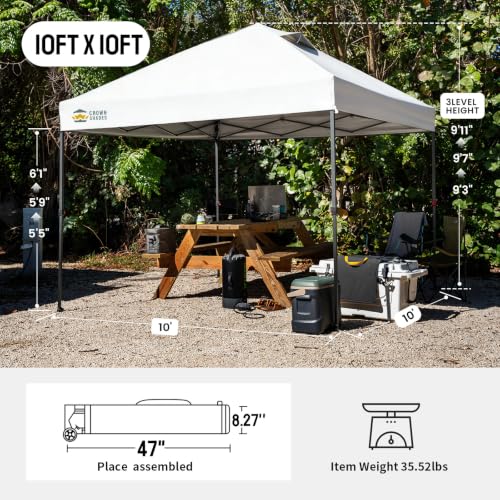
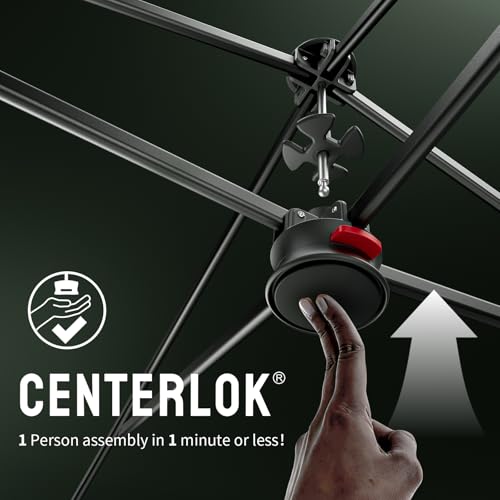
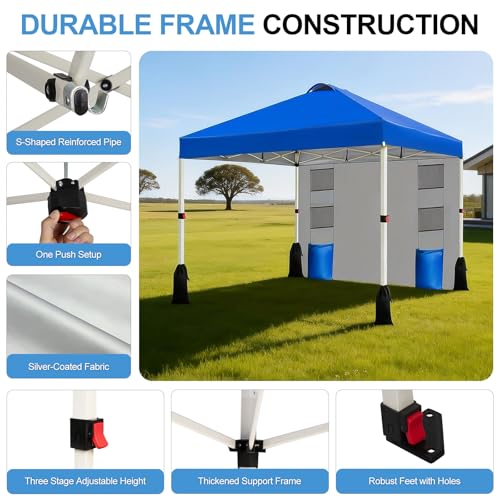
This CROWN SHADES model stands out in a crowded field of pop-up canopies thanks to its patented CENTERLOK system, which owners consistently say makes setup feel almost effortless. On paper, the one-push mechanism paired with three pinch-free height settings delivers real convenience, especially when you’re juggling gear at the beach or racing against the sun at a festival. The 150D fabric with silver coating isn’t just marketing fluff; reviewers confirm it keeps the interior noticeably cooler and backs up the UPF 50+ claim with solid sun protection.
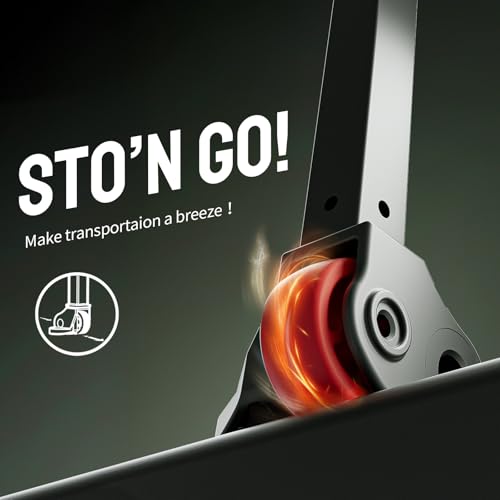
What really elevates this model is the STO-N-GO system, a rare feature that lets you collapse the canopy and roll it away without lifting. Integrated wheels in the feet mean you can reposition the whole unit mid-event with minimal hassle, something few competitors offer. The high-grade steel frame also inspires confidence, with a 120 lb load rating and design choices like an elevated peak to prevent water pooling. It’s clearly built for people who use their canopy frequently, not just occasionally.
Product photos

WEIZE 10×10 Pop Up Canopy with Sidewall
Strengths
- UPF 50+ protection
- Adjustable height
- Includes sidewall
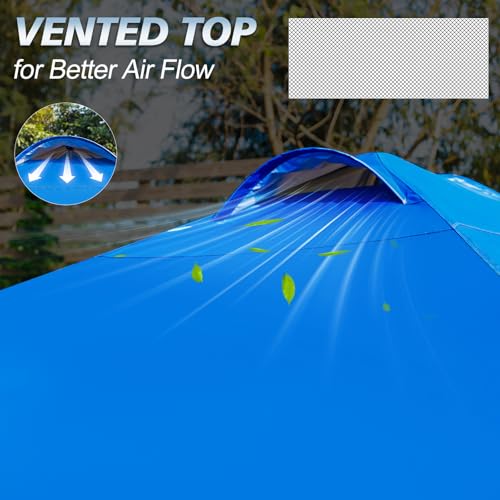
- Ventilation vents
- Roller bag included
Trade-offs
- Frame less rigid in wind
- Sidewall not removable with ease
- No sandbag pockets
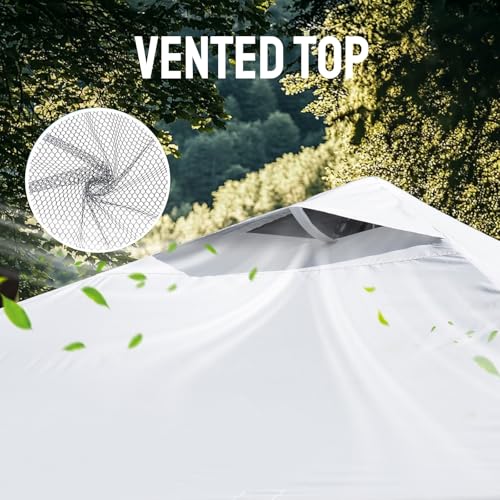
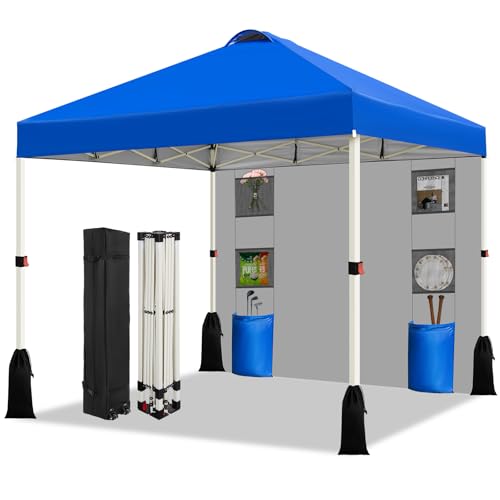
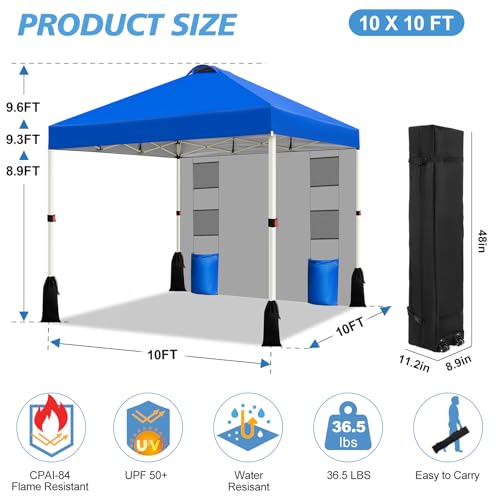
The WEIZE canopy leans hard into sun protection, and it shows. With UPF 50+ and a claimed 87% shade rate, this model is clearly engineered for scorching days at the beach or desert festivals. The silver-coated 150D fabric is on par with top-tier competitors, and owners note it stays significantly cooler underneath than darker canopies. The adjustable height (up to 9.6 feet) is a nice touch, giving taller users more clearance and improving airflow.
But what really sets it apart is the inclusion of a sidewall, a rare bonus at this price point. That makes it more versatile than most pop-ups, letting you block afternoon glare or light breezes. The roller bag is also well-designed, making it easier to haul across sand or pavement. That said, some owners mention the frame feels slightly less rigid than CROWN SHADES or Driftalia, especially in gusty conditions. It’s not flimsy, but it doesn’t inspire the same confidence in wind.
Product photos
How We Picked These canopy tents
Rather than a hands-on lab test, my research for these recommendations was a detailed comparison of published specifications and features across numerous models. I weighed owner reviews from multiple sources – Amazon, retailer sites, and outdoor forums – alongside reviews from reputable outdoor gear publications. My assessment then applied my experience with outdoor shelter needs to rank canopies based on what matters most for typical users.
For canopy tents, ease of setup, durability, and portability consistently emerged as the most critical factors. A quick setup means less time wrestling with poles and more time enjoying the outdoors. Durability, specifically the frame material and fabric quality, directly impacts how well a canopy will withstand wind and weather. Finally, a relatively compact and easy-to-transport design is essential, as these are often used at events or remote locations.
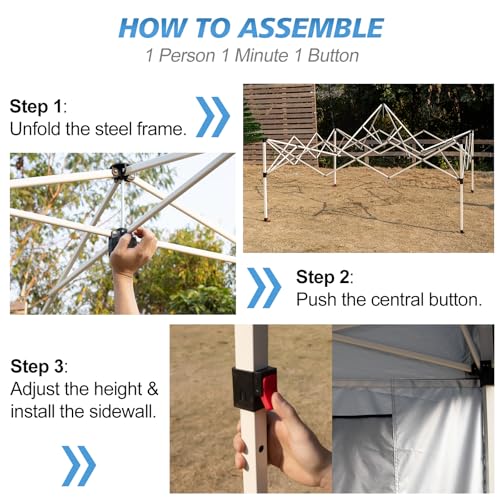
Specifications reliably indicate frame material, canopy fabric weight (denier), and UV protection ratings. However, I heavily relied on owner feedback to gauge real-world usability – things like how easily a canopy sets up, how it holds up in moderate wind, and the true quality of included accessories. Reputation and brand consistency also played a role, particularly when evaluating long-term reliability. If you’re struggling with the initial build, a canopy tent setup guide can be incredibly helpful.
How To Choose The canopy tents
Picking the right canopy tent isn’t just about finding something that provides shade; it’s about getting a shelter that balances portability, durability, and features suited to how you plan to use it.
A quality canopy tent prioritizes a robust frame (steel is preferable), a water-resistant and UV-protective canopy fabric (look for UPF 50+ and 150D polyester), and a setup mechanism that minimizes frustration. Consider the packed size and weight, especially if you’ll be transporting it frequently, and assess the included accessories – sidewalls, sandbags, and stakes – for their quality and usefulness.
Frame Construction & Stability
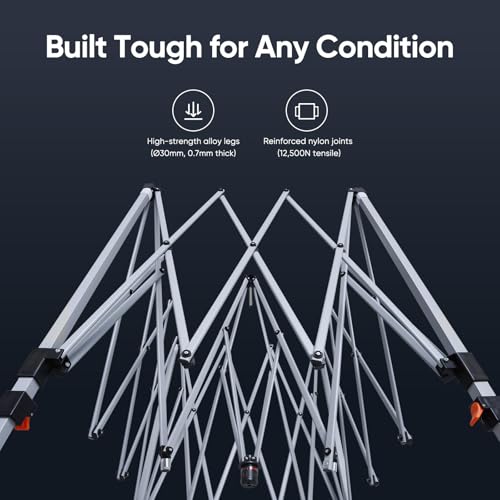
The frame is the backbone of any canopy tent, and skimping here is a recipe for disaster. While aluminum frames are lighter, steel offers superior strength and resistance to bending, especially in wind. Look for frames with hardened through-bolts rather than simple push-pin connections. A wider truss design (the bars forming the roof structure) will distribute weight more effectively, enhancing stability. If you frequently set up on hard surfaces, consider a model with foot pads designed to prevent scratching or damage.
Fabric Quality & Weather Resistance
Canopy fabric isn’t just about blocking the sun. A good fabric will provide UV protection (UPF 50+ is the standard), resist water, and ideally be flame-retardant. The “denier” (D) rating of the polyester indicates its density – higher numbers (like 150D) mean a more durable, thicker fabric. Many tents tout water resistance, but true waterproofness requires taped seams. Don’t assume a tent is fully waterproof; most are water-resistant, meaning they’ll handle light rain, but not a downpour. For serious weather protection, investigate sidewalls and ensure the tent is properly staked down. Learning the proper canopy collapse technique is also key to protecting the fabric during storage.
Portability & Setup Ease
Convenience matters, especially if you’re setting up and taking down your canopy tent frequently. The “one-push” or “centerlok” mechanisms found in many models significantly speed up setup, but they aren’t without drawbacks.
- Some can be tricky to collapse smoothly.
- Models with integrated wheels in the frame make a huge difference when moving a fully assembled tent across pavement.
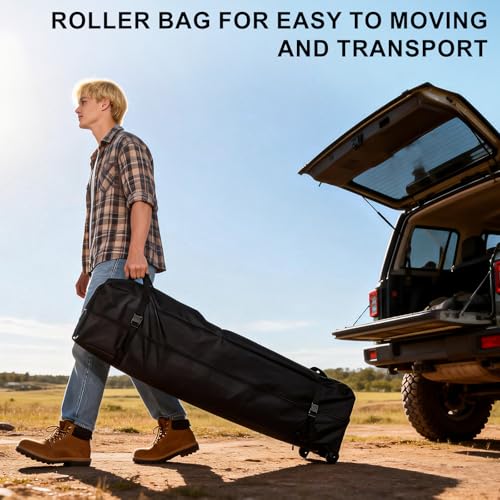
- A well-designed carry bag is crucial; look for one with robust zippers and comfortable handles (and ideally wheels!). If you’re comparing options, check out our guide to the top 10×10 canopy tents for a detailed rundown.
A canopy tent should be easy enough for one person to set up and take down, even if it’s advertised as a two-person job. If it’s a struggle, you’re likely to leave it up longer than you should, exposing it to unnecessary wear and tear.
Canopy Tents Compared
Here’s a comparison of key specifications for popular canopy tents to help you make an informed decision.
| Product Name | Size (ft) | Peak Height (ft) | Fabric (Denier) | UV Protection | Setup Style |
|---|---|---|---|---|---|
| CROWN SHADES 10×10 Pop Up Canopy w/ Sidewall | 10×10 | 9+ | 150D | UPF 50+ | One-Button |
| Quictent 10×10 Screened Canopy w/ Mosquito Netting | 10×10 | N/A | 420D | N/A | Pop-Up |
| Best Choice Products 10×10 Pop Up Canopy | 10×10 | 108″ | N/A | N/A | One-Button |
| Driftalia 10×10 Pop Up Canopy w/ Sandbags | 10×10 | 8.9 | N/A | UPF 50+ | One-Button |
| Driftalia 10×10 Pop Up Canopy w/ Full Sidewalls | 10×10 | N/A | N/A | N/A | Pop-Up |
| CROWN SHADES 10×10 Pop Up Canopy w/ STO-N-Go Bag | 10×10 | 9+ | 150D | UPF 50+ | One-Button |
| WEIZE 10×10 Pop Up Canopy with Sidewall | 10×10 | 9.6 | 150D | UPF 50+ | One-Button |
Frequently Asked Questions
What’s the difference between a “pop-up” and a “one-push” canopy tent?
Both terms describe canopies designed for incredibly fast setup, but “one-push” generally refers to a central locking mechanism that raises the entire frame with a single action. “Pop-up” is a broader term that can include canopies with similar mechanisms or those that simply unfold and lock into place, though some may require more manual adjustments.
Are canopy tents truly waterproof?
Most canopy tents are water-resistant, not waterproof, meaning they’ll handle light rain but not prolonged downpours. Achieving full waterproofness requires taped seams and a high waterproof rating (measured in millimeters), which is uncommon in standard canopy models. Sidewalls offer extra protection, but ensure they are also water-resistant.
What size canopy tent should I get for a party?
For a comfortable gathering, plan for roughly 10 square feet per person. A 10×10 canopy (100 square feet) comfortably accommodates 10 people, while a larger space like a best 10×20 canopy tents will be needed for bigger groups or tables and seating.
How important is the frame material?
Steel frames offer significantly more durability and wind resistance than aluminum, despite being heavier. While aluminum is easier to transport, a steel frame is essential if you anticipate setting up your canopy in exposed locations or windy conditions, as bent frames are a common complaint with cheaper models.
What accessories should I consider purchasing with my canopy tent?
Sidewalls are essential for added weather protection and privacy, while sandbags or weights provide extra stability in windy conditions. High-quality stakes are also crucial, as the stakes often included with canopies are flimsy and easily bent.
The Bottom Line
Choosing a canopy tent often comes down to balancing convenience with long-term durability. If you want a solid, reliable shelter that should withstand repeated use and moderate weather, the CROWN SHADES 10×10 Pop Up Canopy w/ Sidewall stands out as the strongest overall pick – its 150D fabric and one-button setup offer a great mix of protection and ease of use. Ultimately, a canopy’s usefulness hinges on its ability to reliably provide shade and shelter when you need it.
For those on a tighter budget, the Best Choice Products 10×10 Pop Up Canopy delivers a lot of canopy for the money. If you need maximum versatility, especially for events where bug protection is crucial, the Quictent 10×10 Screened Canopy w/ Mosquito Netting is an excellent choice. Remember, learning a proper step-by-step canopy setup will make any model much easier to handle.
Don’t get too caught up in chasing the highest denier rating or the most complex setup mechanism. The quality of the frame, the UV protection offered by the fabric, and how easily you can put the canopy up and take it down are the things that will truly define your experience.