
8 Best Clamshell Rooftop Tents (2026 Guide)
This post contains affiliate links. As an Amazon Associate, we earn from qualifying purchases.
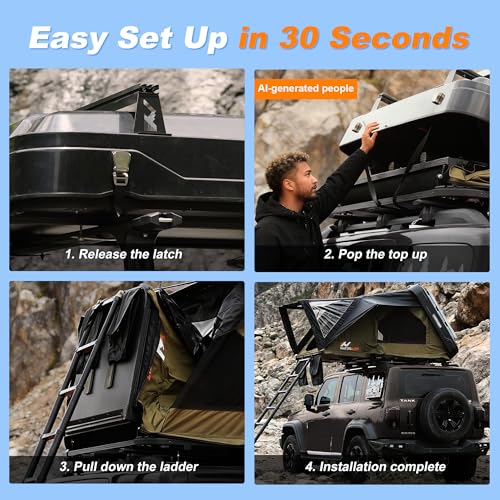
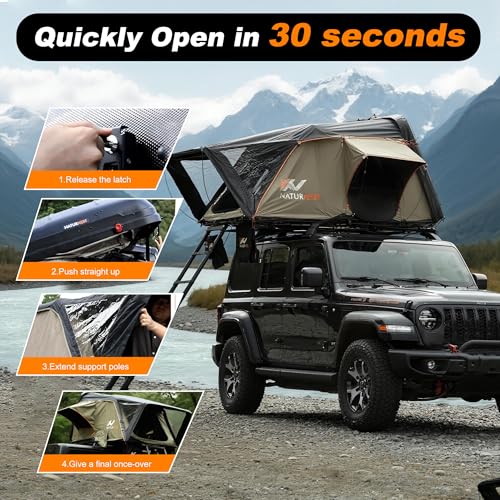
The Naturnest Sirius 2 Hard Shell Tent stands out as the best overall clamshell rooftop tent, thanks to its quick 30-second setup and solid ABS construction. For budget-conscious adventurers, the Naturnest Sirius 1 Clamshell Tent delivers strong value without sacrificing key features like a 5000mm waterproof rating. If you’re after something tougher, the Arctwonder Solar Panel Roof Tent offers excellent weather protection and a durable aluminum alloy shell.
Choosing the right clamshell rooftop tent shouldn’t mean guessing what’ll survive a sudden downpour or a bumpy backroad. Too many people buy on looks or price alone, only to face leaks, creaky hinges, or condensation nightmares later.
In this guide, I’ll walk you through the real differences that matter, based on specs, owner feedback, and years of digging into what actually holds up in the wild. These picks reflect what delivers in durability, weather resistance, and smart design, so you can camp with confidence.
Top 8 Clamshell Rooftop Tents in the Market
The Best Clamshell Rooftop Tents, Reviewed
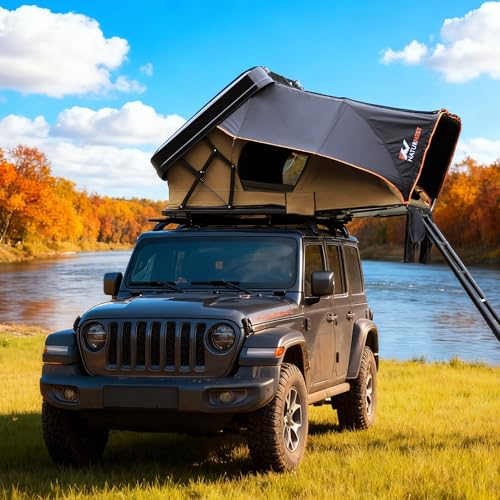
Naturnest Sirius 2 Hard Shell Tent
Strengths
- Raised roof design
- Fast 15-second setup
- Spacious interior
- Premium gas struts
- Excellent ventilation
Trade-offs
- No included crossbars
- Higher price point
- Slightly heavier
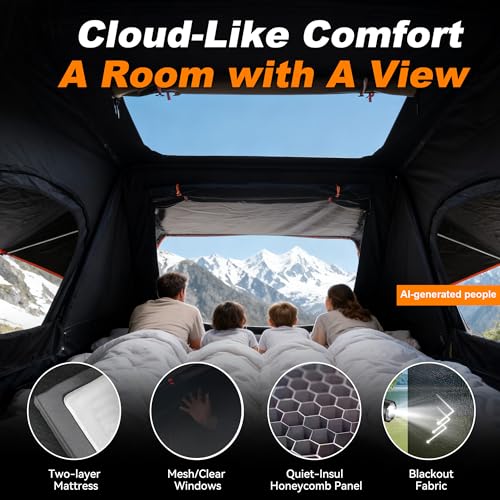
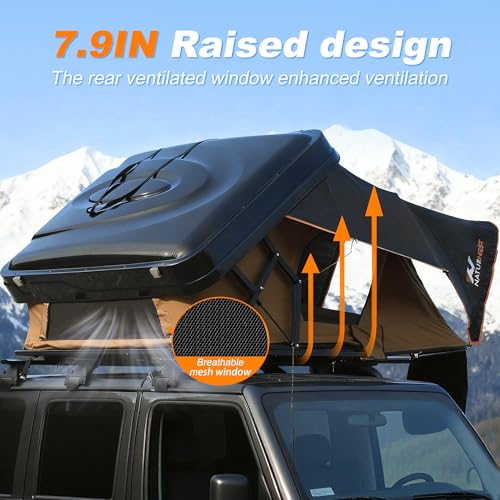
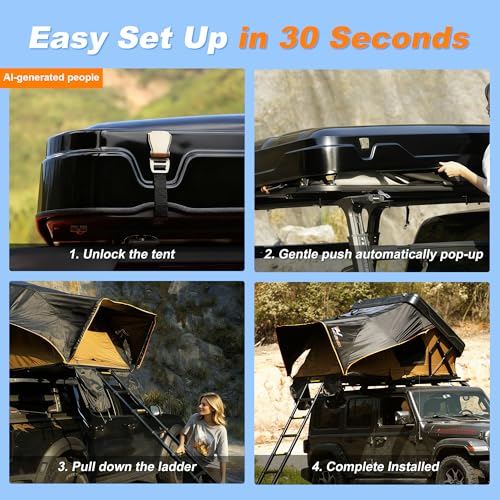
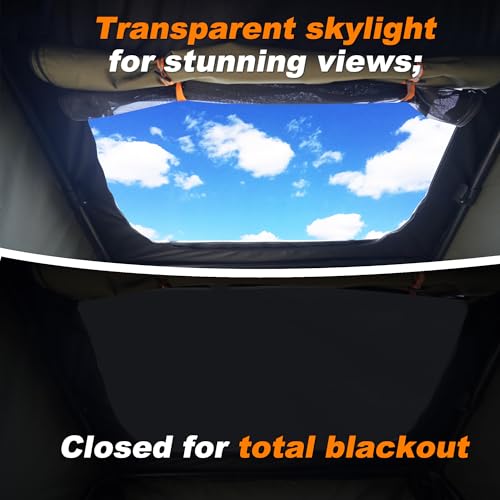
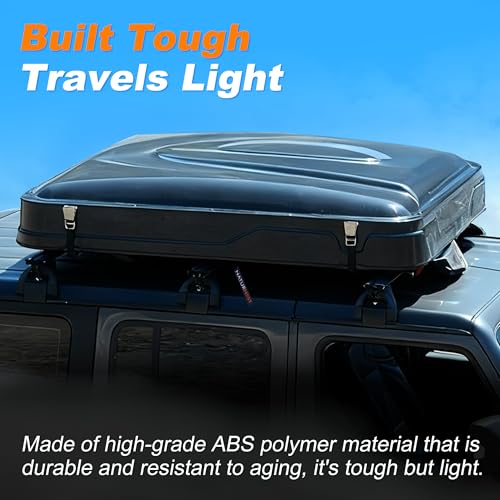
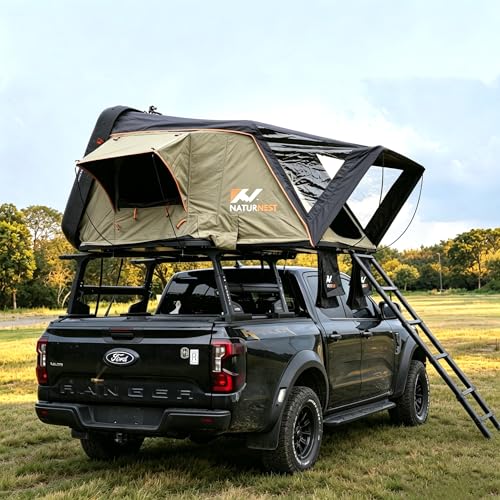
This is the one I’d lean toward if I were buying today. The Sirius 2 touts a 15-second setup and a patented raised roof design, and on paper, that’s a game-winning combo. The extra headroom changes how you live in the tent, sitting up without crouching is a small luxury that matters after a long hike. At 86.6 inches long, it’s also the roomiest of the Naturnest line, ideal for taller folks. The same high-strength ABS shell and honeycomb panels are here, so durability doesn’t take a hit.
What stands out is the consistency in owner feedback: fewer setup hiccups, better ventilation, and a smoother operation thanks to STABILUS gas struts. Compared to the Sirius 1 Plus, it trades the built-in crossbars for a sleeker profile and more interior volume. That might sting if you haul rooftop gear, but you can always add bars aftermarket. For most buyers, the comfort and ease of use win out.
Product photos
Overland Vehicle Systems LD TMON
Strengths
- Low price point
- Lightweight design
- Universal mounting
- Durable frame
- Easy setup
Trade-offs
- No insulation layer
- Basic interior features
- Limited weather protection
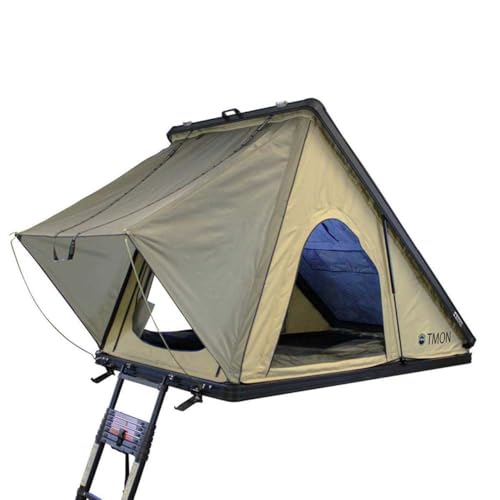
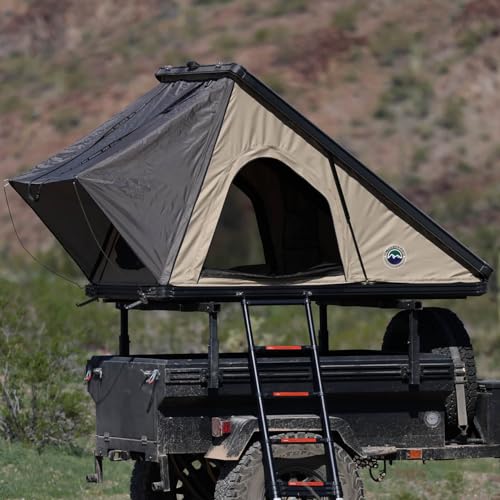
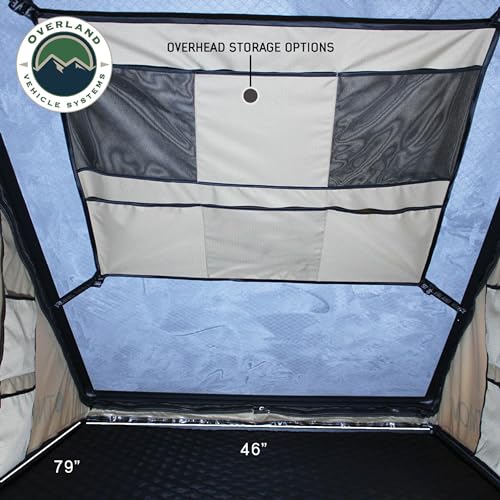
This is the budget king, and it shows. The 600D ripstop fabric and aircraft-grade aluminum frame are solid for the price, and the gas assist struts work smoothly. At 2-person capacity, it’s compact but livable, and the universal mounting system means it fits most racks without fuss. Owners love how lightweight it is, which matters if you’re running a smaller SUV or van.
But you feel the cost savings inside: the mattress is heavy-duty but not plush, and there’s no thermal liner or anti-condensation layer. It’s a fair-weather workhorse, not a four-season fortress. Compared to the Naturnest or WildFinder, it’s less refined, but also far less expensive. For newbies or occasional campers, it’s the smart entry point.
Product photos
Naturnest Sirius 1 Plus Tent
Strengths
- Spacious interior
- Integrated crossbars
- Thick mattress
- Durable ABS shell
- All-weather rated
Trade-offs
- No raised roof design
- Slightly taller profile
- Ladder clearance issues
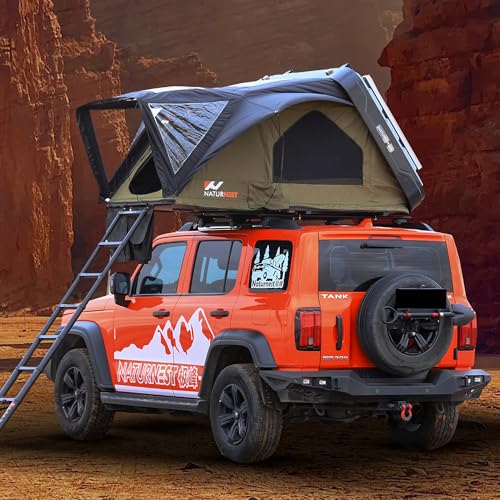
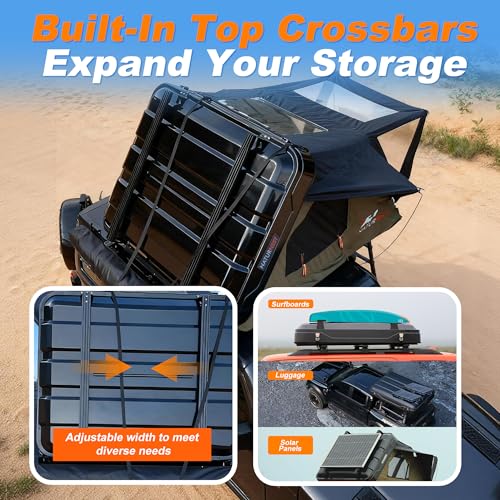
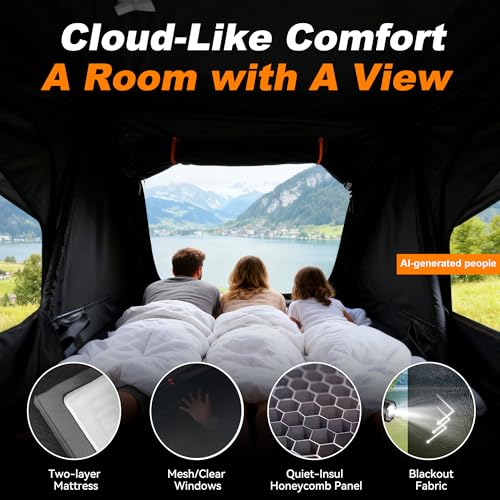
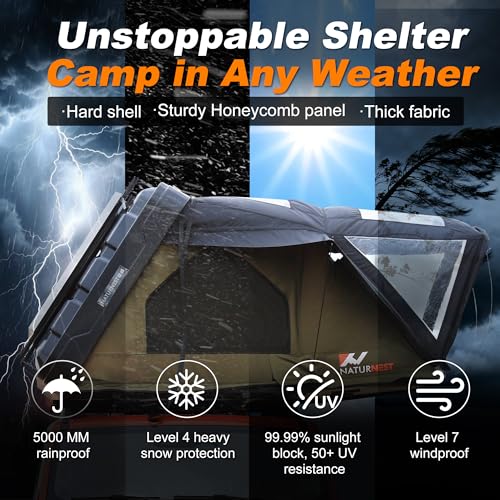
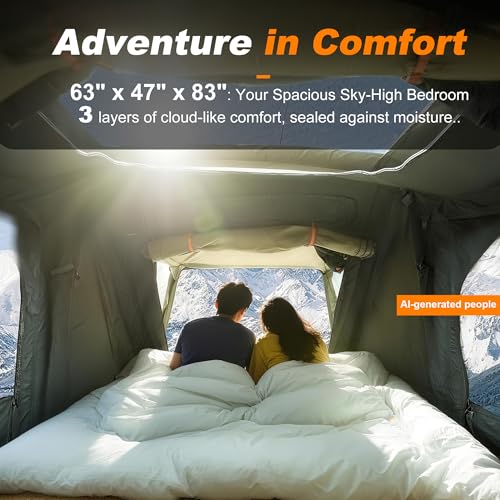
The Naturnest Sirius 1 Plus feels like a well-rounded step up from basic clamshell designs, especially if you’re hauling gear on top. The inclusion of roof crossbars out of the box is a rare perk, most competitors make you buy them separately, and that matters if you’re running solar panels or bikes. Owners consistently report solid performance in wind and rain, which makes sense given the 5000mm waterproof rating and honeycomb insulation. For a 2–3 person tent, the interior space is generous, and the 1.97-inch mattress is one of the thicker ones in class.
Still, while it promises 30-second setup, some users note the ladder positioning can be awkward depending on your roof rack layout. Compared to the Sirius 2, it lacks the patented raised roof, so headroom is tighter. But if you prioritize storage versatility and a durable shell over standing room, this model holds its own. The ABS hard shell and YKK zippers are legit upgrades you’ll appreciate over time.
Product photos
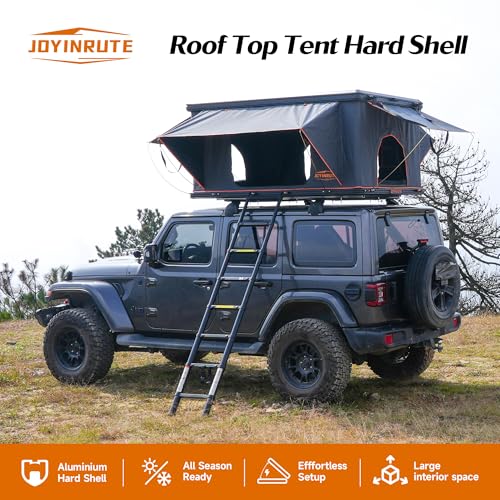
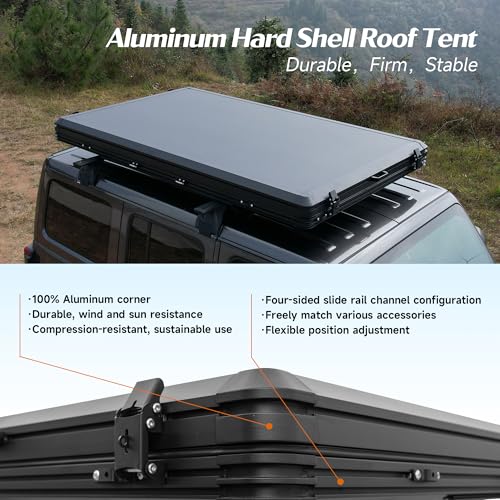
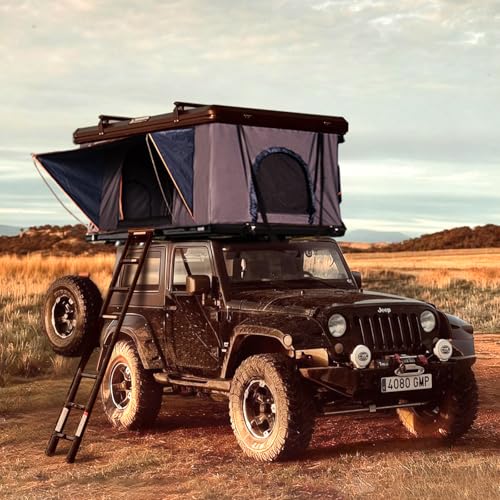
Joyinrute Aluminum Rooftop Tent

Strengths
- Superior insulation
- Flocked floor lining
- Strong weather rating
- Easy disassembly
- Good ventilation
Trade-offs
- No power features
- Basic interior lighting
- Limited tech integration
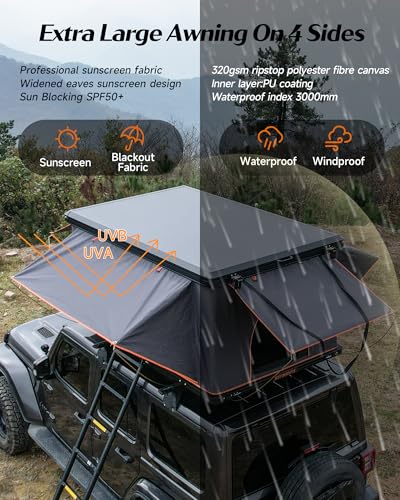
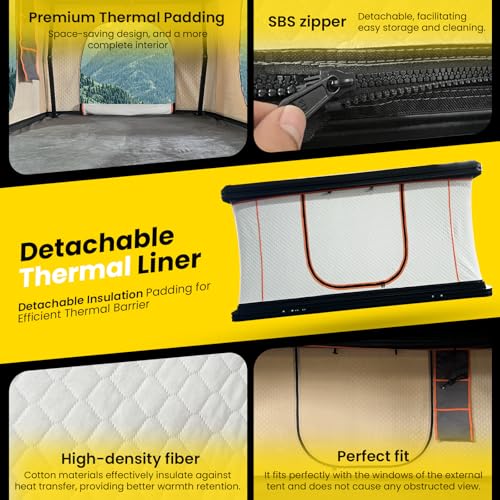
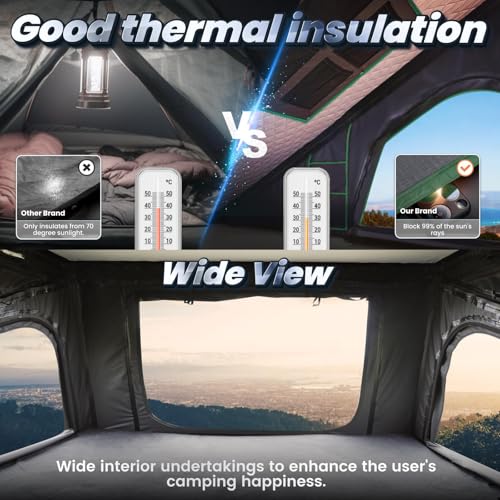
Joyinrute nails insulation. The detachable winter thermal liner is thicker than most, and owners in colder zones consistently praise how well it traps heat. Combined with the flocked lining floor, which cuts down on condensation, this tent feels like it was built for sub-freezing nights. The 5000mm waterproof rating and 99% UV protection keep it competitive in weather defense, and the four mesh windows offer solid airflow when things warm up.
It’s not the fanciest inside, no USB ports or power outlets, but it doesn’t pretend to be. The 4 hydraulic struts make opening smooth, and the included accessories cover the basics well. Compared to the Arctwonder, it’s better for cold but lacks solar integration. If you’re chasing winter camping or high-altitude stays, this is the sleeper pick.
Product photos

JIADROOE Hard Shell Tent
Strengths
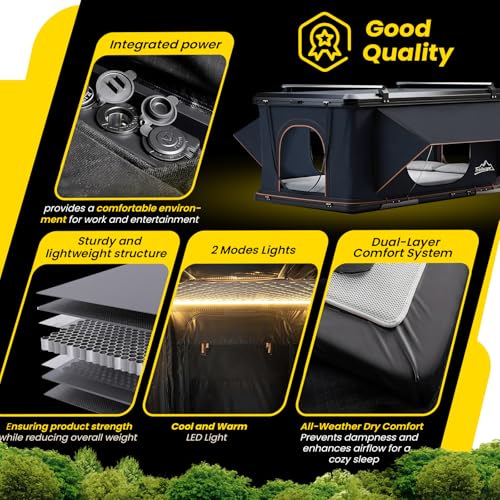
- Built-in USB power hub
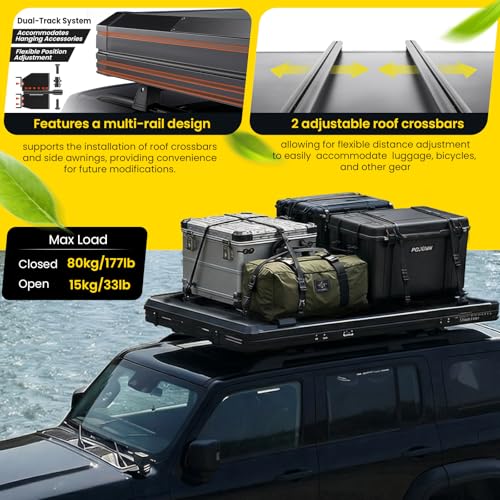
- Adjustable crossbars
- Thermal liner included
- Anti-condensation mat
- Dual LED lighting
Trade-offs
- Slower 60-second setup
- Lower waterproof rating
- Basic interior finish
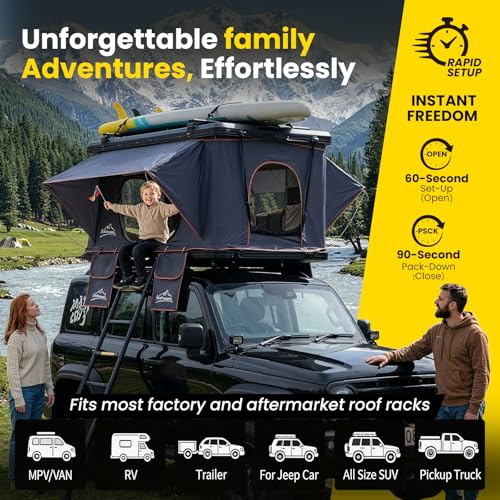
If you live plugged in, the JIADROOE makes sense. The built-in USB power hub and dual-mode LED lights are legit conveniences, no dangling cords or dead phones at dawn. The detachable thermal liner and anti-condensation mat are thoughtful touches, especially for winter campers. At 3000mm waterproof rating, it’s slightly behind others on paper, but owners don’t report leaks, likely thanks to the ripstop canvas and sealed seams.
It’s not the fastest to open, 60 seconds is on the slower end, but the hydraulic struts are smooth and reliable. Compared to the Naturnest models, it feels a bit more utilitarian, less premium. But the adjustable crossbars are a win, and the price-to-feature ratio is strong. For digital nomads or van-lifers who want power and comfort without overpaying, this is a quiet standout.
Product photos

Arctwonder Solar Panel Roof Tent
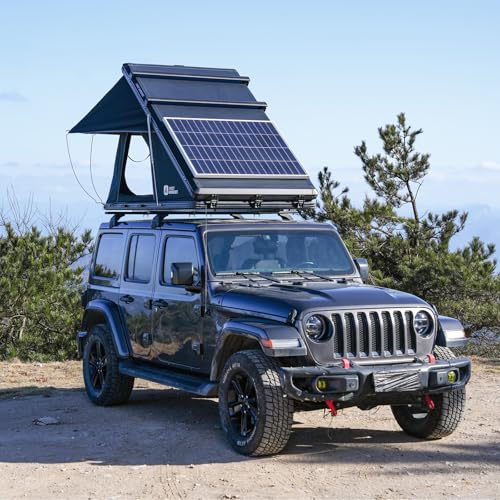
Strengths
- Integrated solar panel
- Detachable thermal liner
- Quick 10-second setup
- Aircraft-grade aluminum
- Good weather rating
Trade-offs
- Narrow interior
- No USB charging inside
- Ladder durability concerns
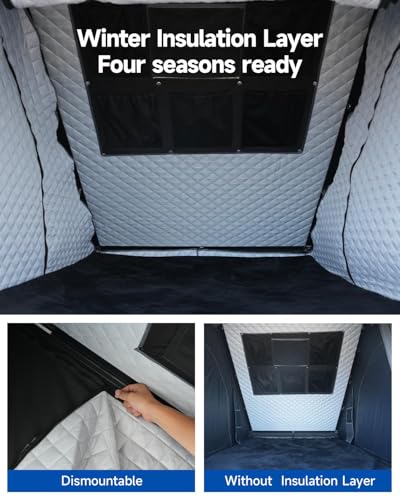
The Arctwonder tent stands out for one bold feature: the built-in solar panel. If you’re regularly off-grid and tired of juggling power banks, this is a smart play. The solar panel feeds into a 12V outlet, and owners say it reliably charges small devices, even after a full day of cloud cover. Pair that with the detachable winter thermal layer, and you’ve got a tent that genuinely works year-round, not just in theory. The aluminum construction is aircraft-grade, and the 5000mm waterproof rating matches top-tier models.
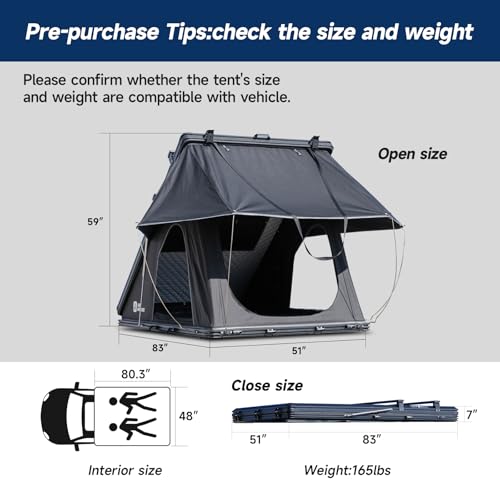
But it’s a 2-person tent with a 63-inch width, so it’s snug for couples who like space. The 10-second pop-up is impressive, but some reviewers mention the ladder feels flimsier than expected. Compared to the JIADROOE, it lacks an internal USB hub, which is ironic given the solar focus. Still, for solar-first campers, this fills a niche nothing else here does.
Product photos

WildFinder Hard Shell Rooftop Tent
Strengths
- Full aluminum construction
- Exceptional weather rating
- Condensation control
- Durable stainless steel struts
- Includes full accessory kit
Trade-offs
- No roof crossbars
- Heavier than average
- Basic lighting setup
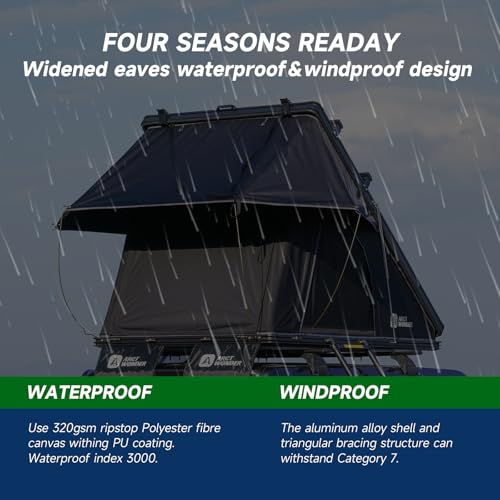
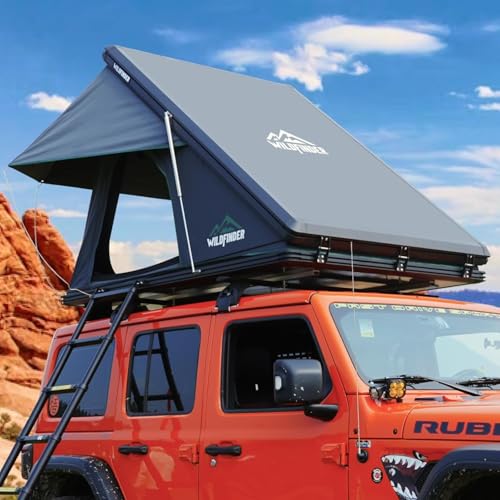
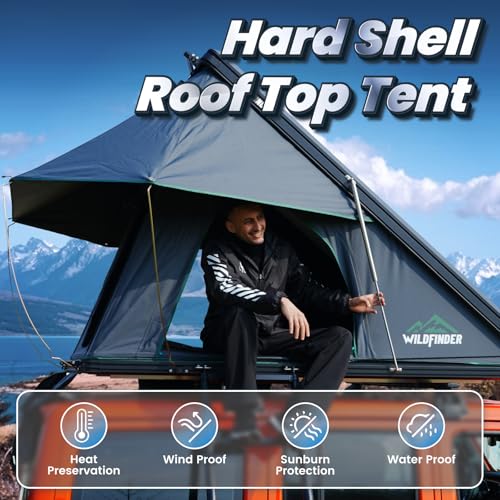
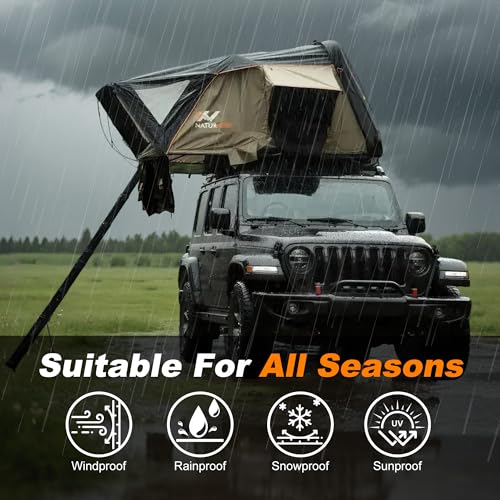
WildFinder doesn’t mess around with claims, they straight-up say it’s waterproof, sunproof, windproof, and snowproof, and the specs back it up. A 5000mm rating, level 6 windproofing, and 99.99% UV block? That’s top-tier protection. The all-aluminum alloy construction is a big reason why. Plastic shells can warp over time, but aircraft-grade aluminum resists thermal expansion, so this tent should age better in extreme climates.
The recessed marine pad and condensation pad are smart touches for humidity control, and the 5cm mattress is firm but supportive. Where it falls short is cargo, no crossbars included, which hurts compared to Naturnest or JIADROOE. But if you’re chasing blizzards or desert sun and want one shelter that handles both, this is a dark horse contender.
Product photos


Naturnest Sirius 1 Clamshell Tent
Strengths
- Aerodynamic design
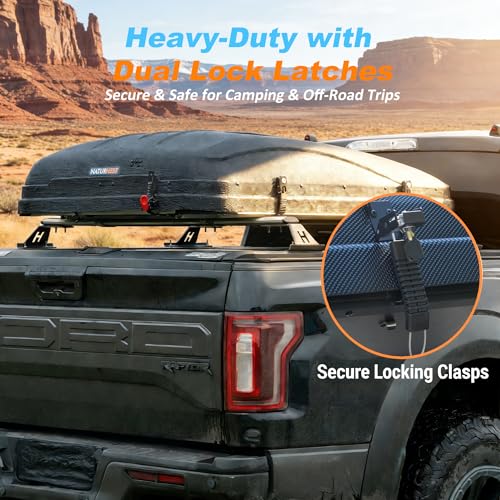
- Double locking system
- Quiet on highways
- High UV protection
- Pre-assembled setup
Trade-offs
- Thinner mattress
- Less interior length
- No crossbars included
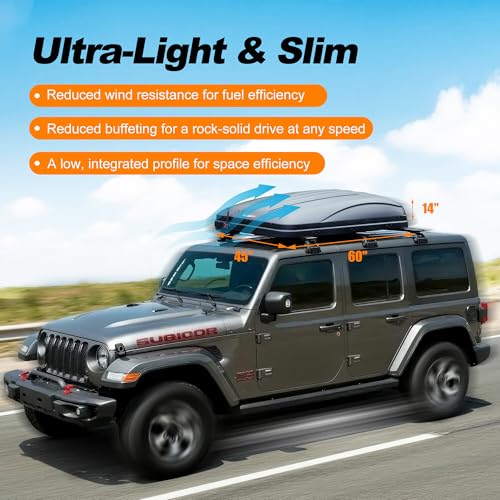
The Sirius 1 is all about aerodynamics and clean lines. Its slimline ABS shell cuts wind drag better than most, and that shows in owner reports of quieter highway drives and better fuel efficiency. The 30-second setup is standard for the class, but the double-locking system adds real peace of mind, especially if you’re leaving the tent mounted for weeks. With a 5000mm waterproof rating and UV 50+ fabric, it’s built to handle sun and storms.
But it’s the smallest in the Naturnest 2–3 person lineup at 82.6 inches long, so taller users may feel cramped. The mattress is also thinner at 1.2 inches compared to the 1.97-inch ones elsewhere. It’s a solid choice if you care about how the tent performs on the move, but not the best if you’re spending long nights inside. Compared to the Sirius 2, it’s a downgrade in comfort for a gain in stealth.
Product photos
How We Evaluated clamshell rooftop tents
As someone who’s pitched countless tents – and spent years researching the rooftop tent market – I approached this guide with a focus on practical performance. Rather than a hands-on lab test, this was a research-led comparison of published specifications and owner feedback across a range of models. I weighed features, materials, and reported real-world reliability to identify the tents offering the best combination of value and usability.
For clamshell rooftop tents specifically, I prioritized durability, weather protection, and ease of setup. A robust shell and quality materials are crucial for longevity and handling various conditions. Quick setup times are also key, as these tents are often used for spontaneous adventures. These factors ultimately determined which models rose to the top, as they directly impact the overall camping experience.
Specifications reliably indicate build quality – materials like aluminum alloy and ABS shell construction are strong indicators of durability. However, I heavily relied on owner feedback to understand long-term performance and identify potential issues like condensation or leaking. Reputation and expert reviews helped validate these insights, particularly when assessing weather resistance and the effectiveness of features like insulation. Before you get started, you’ll want to review guides on roof top tent installation to ensure a safe and secure setup.
How To Pick The Right clamshell rooftop tents
Picking the right clamshell rooftop tent can dramatically upgrade your overlanding experience, but with so many options, it’s easy to get overwhelmed.
A quality clamshell rooftop tent prioritizes durable construction with a robust shell material (typically ABS or aluminum), a reliable opening mechanism (hydraulic struts are common), and weatherproofing – look for high waterproof ratings and well-sealed seams. Interior comfort is also key, considering mattress thickness and ventilation. Don’t skimp on mounting hardware or ladder quality, as these impact safety and ease of use.
Shell Material & Durability
The shell is your tent’s first line of defense against the elements, so prioritizing a robust material is crucial. While ABS plastic is more common due to its lower cost, aluminum shells offer superior durability and resistance to cracking, especially in extreme temperatures. I’ve seen plenty of folks regret opting for a cheaper plastic shell after a few seasons of use. Beyond the material itself, pay attention to the shell’s thickness and the quality of the hinges and locking mechanisms. A flimsy shell won’t hold up to repeated use and exposure.
Weatherproofing & Insulation
Don’t assume all rooftop tents are created equal when it comes to keeping you dry and comfortable. You’ll want to carefully examine the fabric’s waterproof rating and construction. Finding a tent with a hydrostatic head rating of at least 3000mm is a good starting point, but 5000mm or higher is preferable, especially if you anticipate camping in consistently wet conditions. Understanding water resistance ratings is essential, as “waterproof” can mean different things to different manufacturers.
- A high waterproof rating alone isn’t enough; look for taped seams to prevent water from seeping through stitching.
- Consider the tent’s ventilation. Proper airflow helps to minimize condensation buildup inside the tent, which can leave you feeling damp and uncomfortable.
- For four-season use, prioritize a tent with a thermal liner or insulation to help retain heat in cold weather. Some models, like the Naturnest Sirius 1 Plus, even offer dedicated winter liners.
A well-sealed tent isn’t just about staying dry; it’s about protecting your investment. Water intrusion can lead to mold, mildew, and premature material degradation.
Value, Features & Mounting
Beyond the basics, consider the features that will enhance your camping experience. Some tents, like the JIADROOE Hard Shell Tent, include integrated power hubs and lighting, while others offer crossbars for carrying additional gear. These extras add convenience but also increase the price. Think about your specific needs and prioritize features accordingly. I often recommend checking out a variety of clamshell-style rooftop tents to see what’s available, then comparing them based on your budget and desired features. Also, carefully check the mounting system and ensure it’s compatible with your vehicle’s roof rack. Don’t assume a universal fit; verify weight capacity and crossbar spacing before committing to a purchase.
Clamshell Rooftop Tents Compared
Here’s a comparison of key specifications for popular clamshell rooftop tents to help you make an informed decision.
| Product Name | Capacity | Setup Time | Material (Shell) | Waterproof Rating (mm) | Weight (lbs) |
|---|---|---|---|---|---|
| Naturnest Sirius 2 Hard Shell Tent | 3 | 30 sec | ABS | N/A | N/A |
| Overland Vehicle Systems LD TMON | 2 | N/A | N/A | N/A | N/A |
| Naturnest Sirius 1 Plus Tent | 3 | 30 sec | ABS | N/A | N/A |
| Joyinrute Aluminum Rooftop Tent | N/A | N/A | Aluminum Alloy | 5000 | N/A |
| JIADROOE Hard Shell Tent | N/A | 60 sec | ABS | 3000 | N/A |
| Arctwonder Solar Panel Roof Tent | N/A | 10 sec | Aluminum Alloy | 5000 | N/A |
| WildFinder Hard Shell Rooftop Tent | N/A | N/A | Aluminum Alloy | 5000 | N/A |
| Naturnest Sirius 1 Clamshell Tent | 2-3 | 30 sec | ABS | 5000 | N/A |
Frequently Asked Questions
What’s the biggest benefit of a clamshell rooftop tent over a traditional soft-shell model?
Clamshell tents offer significantly faster setup and takedown times(typically under a minute) because the tent is pre-assembled within the hard shell. This is a huge advantage when you’re arriving late to a campsite or facing unpredictable weather.
Are aluminum shell tents really worth the extra cost?
Yes, aluminum shells are more durable and resistant to cracking than ABS plastic, especially in extreme temperatures. While a fiberglass or ABS shell is fine for fair-weather camping, an aluminum shell offers better long-term value and protection if you plan to camp in challenging conditions.
How do I know if a rooftop tent will fit my vehicle?
Always check the tent’s specifications for compatibility with your vehicle’s roof rack, specifically the weight capacity and crossbar spacing. It’s also crucial to measure the overall dimensions of the tent to ensure it doesn’t interfere with your vehicle’s operation or clearance.
What waterproof rating should I look for in a clamshell rooftop tent?
A hydrostatic head rating of at least 3000mm is a good baseline, but I recommend aiming for 5000mm or higher for reliable weather protection. Don’t forget to confirm that the seams are taped to prevent leaks, even with a high waterproof rating.
Where can I find more reviews of different rooftop tent brands and models?
You can explore a wide variety of rigid-shell rooftop tent options on my site, where I’ve compiled detailed comparisons and owner feedback to help you find the perfect fit for your adventures.
The Bottom Line
Choosing a clamshell rooftop tent often comes down to balancing initial cost with long-term durability. While ABS shells offer affordability, for those prioritizing a truly robust and long-lasting setup, the WildFinder Hard Shell Rooftop Tent stands out as a top pick thanks to its aluminum alloy construction and excellent weatherproofing. It represents an investment in years of comfortable camping, even in challenging conditions.
For readers seeking specific solutions, the Naturnest Sirius 1 Plus Tent is a fantastic choice for those needing a bit more space and potential for four-season camping. If you’re on a tighter budget, the JIADROOE Hard Shell Tent delivers a good set of features for the price, and is a solid entry point into the world of rooftop tents. And for those wanting an instant setup, explore what is a pop-up tent to see how it compares.
Ultimately, the specs matter less than understanding your typical camping style and environment. Prioritize a tent with a waterproof rating appropriate for your climate, a shell material suited to your travel habits, and a mounting system compatible with your vehicle. A well-chosen tent isn’t just about shelter; it’s about unlocking freedom and adventure on the road.
