
7 Best Extreme Cold Weather Tents for 2026
This post contains affiliate links. As an Amazon Associate, we earn from qualifying purchases.
The best extreme cold weather tent for most people is the ShinHye 2-Person Cold Weather Tent, it’s tough, well-ventilated, and built to handle heavy snow and wind. For a lighter option that doesn’t skimp on protection, the Underwood 1-Person Ultralight Winter Tent is a solid pick. If you need more space and versatility, the OneTigris Stella 4-Season Backpacking Tent offers smart design touches that work in brutal conditions.
Most people don’t realize how quickly a cheap tent can fail when the wind howls and snow piles up. A flimsy pole system or poor ventilation can turn a winter adventure into a dangerous situation.
This guide cuts through the marketing and focuses on what actually keeps you safe and dry in sub-zero temps. We ranked these picks based on specs, real-world owner feedback, and the design details that matter most, like waterproof ratings, snow skirts, and vent placement, so you can trust your shelter when it counts.
Top 7 Extreme Cold Weather Tent in the Market
The Best Extreme Cold Weather Tent, Reviewed
GEERTOP 2-Person Cold Weather Tent

Strengths
- Sturdy build
- Snow skirt included
- Easy two-person setup
Trade-offs
- Heavier than ultralight rivals
- Vestibules on the small side
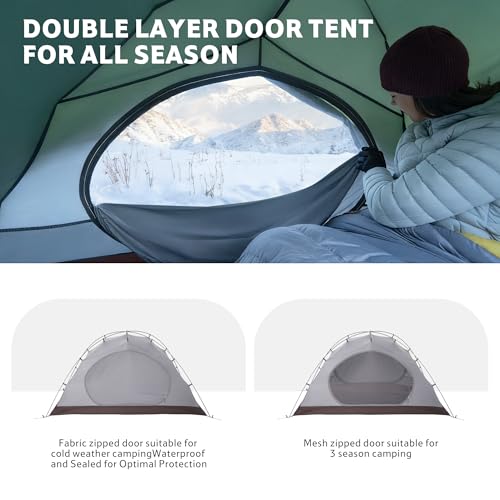
This tent hits a solid middle ground for couples or solo hikers needing real four-season performance without a massive weight penalty. At 6.8 pounds, it’s not ultralight, but the 210T polyester and PU 3000mm coating are dependable in snow and sustained rain, and owners consistently report it holding up well in mountain storms. The double-layer design with a snow skirt adds real protection, and the dual D-shaped doors with mesh zippers make ventilation manageable even in cold, damp conditions.
Where it really stands out is ease of setup, the free-standing design with two aluminum poles means even beginners can pitch it fast, and that matters when you’re fighting wind at dusk. Compared to the Clostnature model, it’s slightly heavier but feels more rugged in high winds. Still, it’s not the best for extreme alpine conditions, but for most backcountry winter trips, it’s a reliable shelter.
Product photos


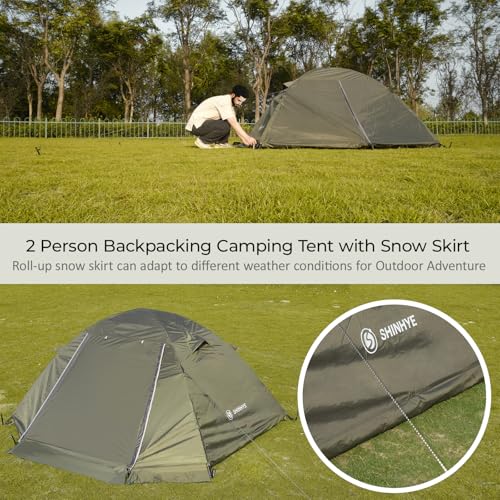
ShinHye 2-Person Cold Weather Tent

Strengths
- Superior ventilation
- High waterproof rating
- Thoughtful interior features
Trade-offs
- Slightly bulky pack size
- Zippers need careful handling
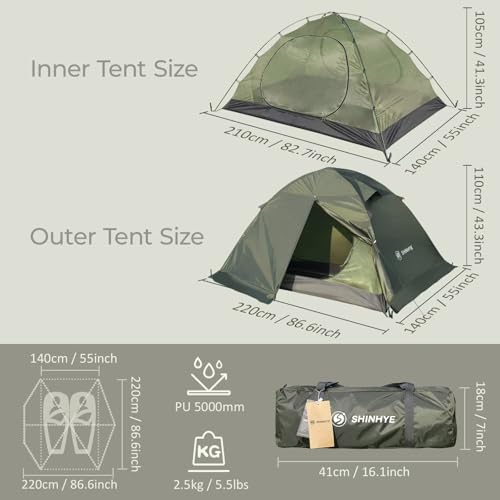
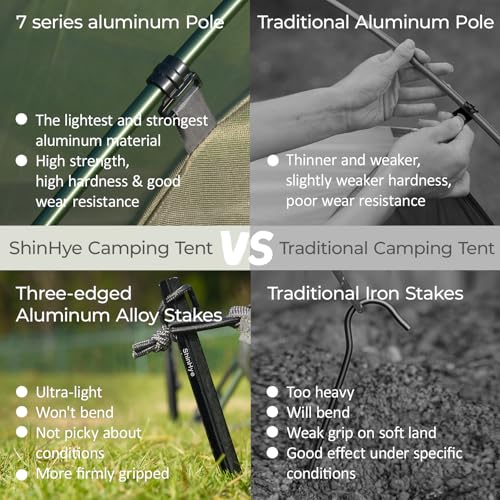
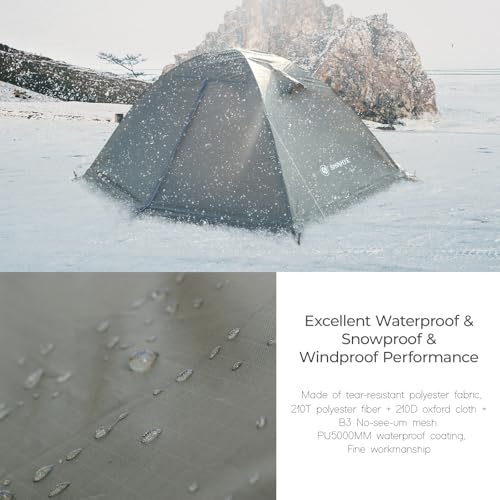
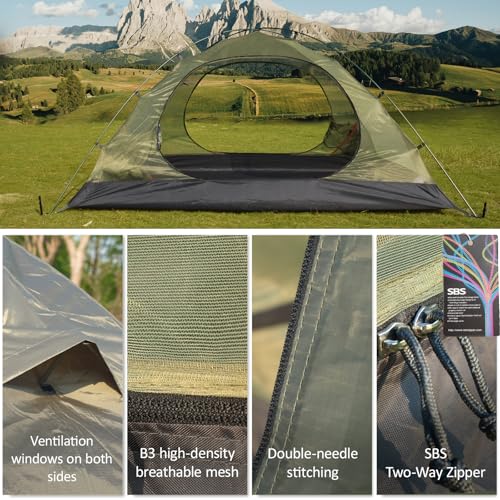
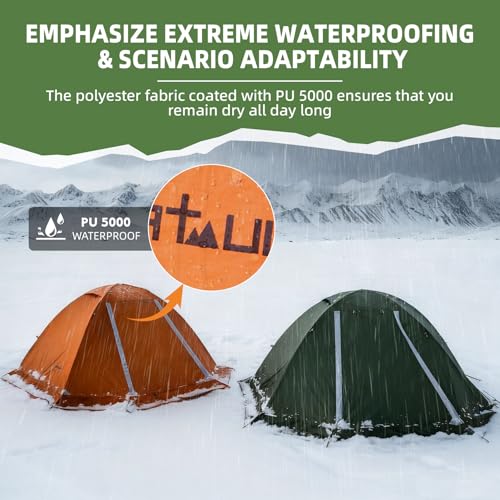
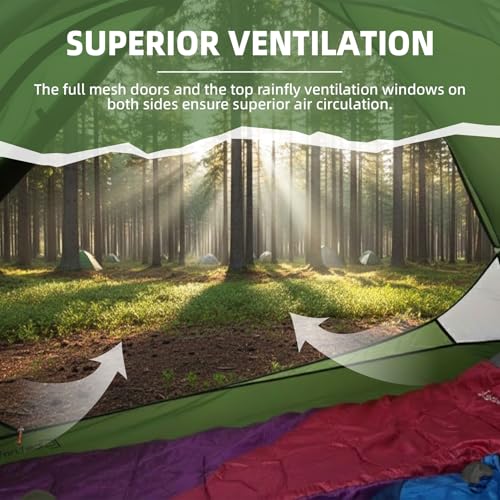
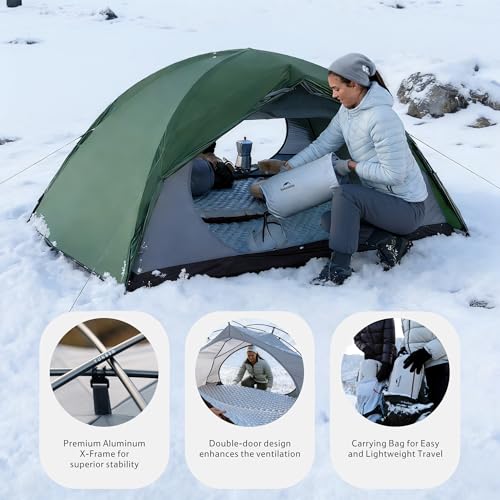
Ventilation is clearly the priority here, dual doors, two ventilation windows, and no-see-um mesh mean this tent breathes better than most in the class, which is critical in cold, humid conditions where condensation can ice up the interior. The PU5000mm coating and 7-series aluminum poles suggest serious build quality, and owners report staying dry even during snowstorms.
At 5.5 pounds, it’s not ultralight, but it’s roomy for two and packs down reasonably small. The snow skirt works well, and the interior light hook is a small but appreciated detail. Compared to the GEERTOP, it offers better airflow and similar protection, making it a smarter pick if you tend to run warm or camp in damp winter forests.
Product photos
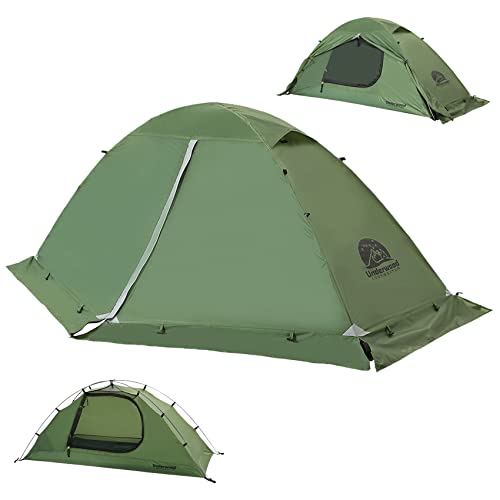
Underwood 1-Person Ultralight Winter Tent
Strengths
- High waterproof rating
- Aircraft-grade poles
- Smart interior details
Trade-offs
- Cramped floor space
- Limited headroom
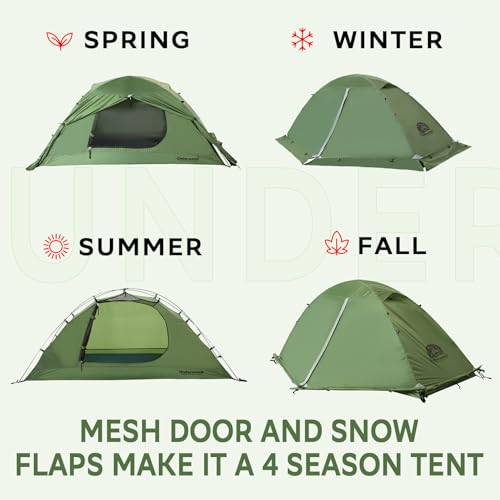
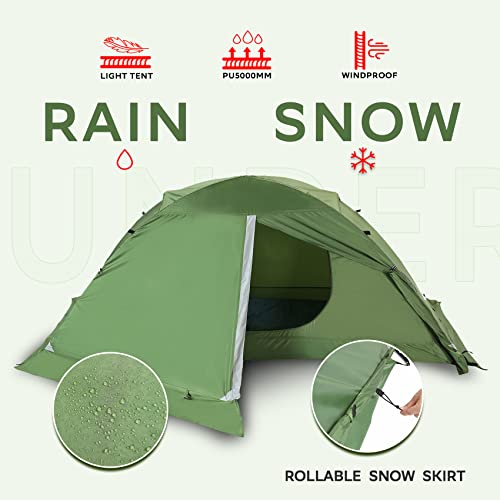
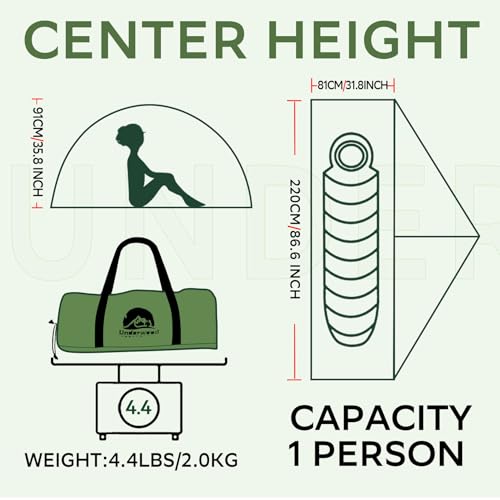
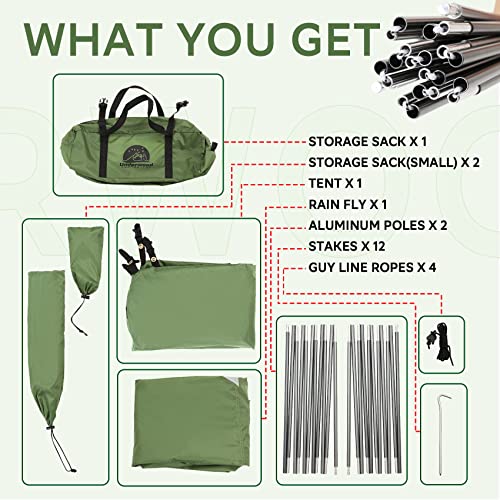
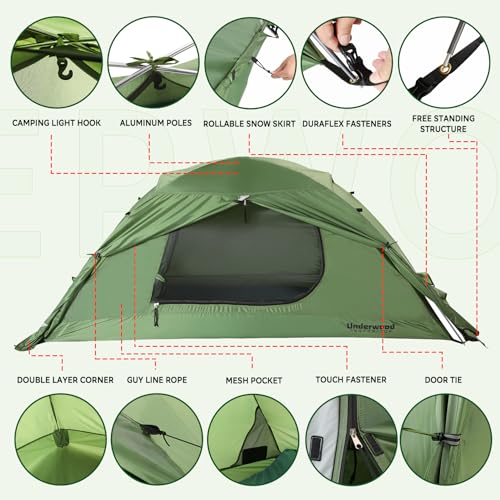
If you’re a solo hiker braving true winter conditions, this tent packs serious weatherproofing into a compact 4.4-pound package. The PU5000mm coating is a standout spec on paper, and owners confirm it keeps the interior dry even during prolonged snowfall. The rollable snow skirt and double-layered corners suggest thoughtful engineering for high winds, and the interior light hook and mesh pocket add practical touches you don’t always get at this weight.
It’s not the roomiest, 31.8 inches floor width is tight for gear, but for one person, it’s efficient. Compared to the Naturehike model, it’s slightly heavier but feels more robust thanks to the aircraft-grade poles and duraflex fasteners. I’d trust this more in a wind-loaded pass than the lighter domes, though it sacrifices some ventilation.
Product photos
OneTigris Stella 4-Season Backpacking Tent

Strengths
- Fastest setup
- Lightweight
- Removable blackout fly
Trade-offs
- Average weather resistance
- Minimal ventilation
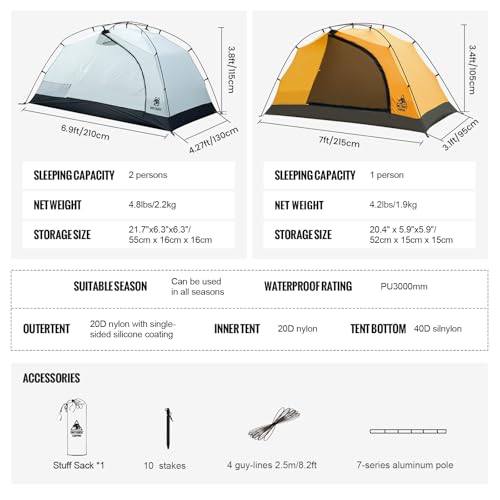
Setup speed is where this tent shines, the single-cross pole dome design lets you pitch it in under five minutes, even with gloves on. At 4.4 pounds, it matches the Naturehike in weight but uses a simpler build that some owners say feels less rugged in high winds. The 20D nylon body is light, but the 3000mm waterproof rating is the minimum for true winter use, and there are reports of beading issues in prolonged rain.
Still, the blackout removable fly is a neat feature, you can shed weight in fair weather or block light for daytime naps. It’s not the most ventilated tent, but for quick weekend trips or fast setups in changing conditions, it’s hard to beat. I’d lean toward the Clostnature for harsher trips, but for convenience, this is a strong contender.
Product photos




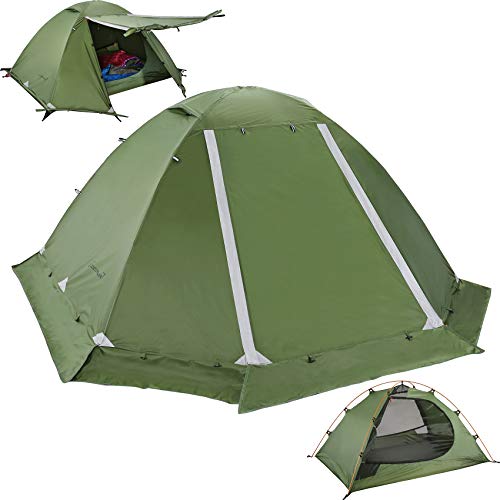
Clostnature 2-Person 4-Season Tent
Strengths
- Excellent value
- High waterproof rating
- Lightweight for size
Trade-offs
- Poles not as stiff as premium models
- Zippers can snag
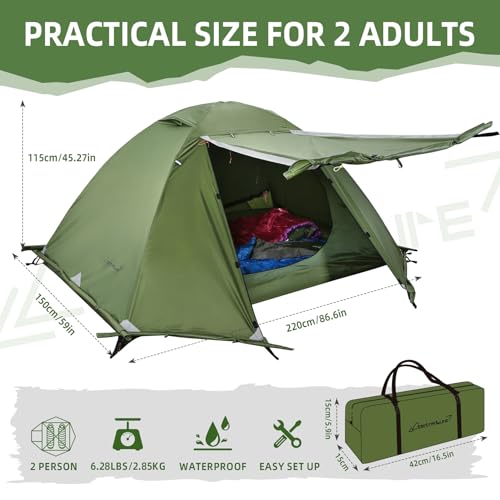
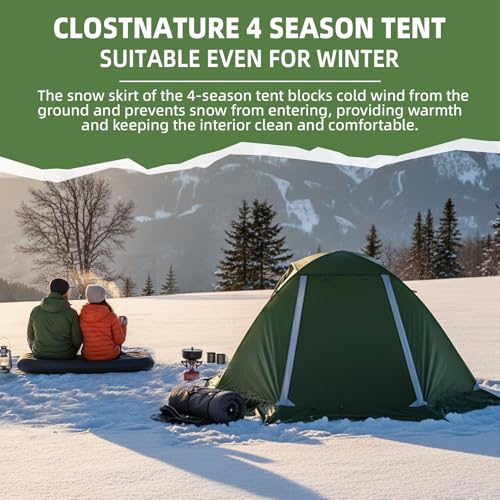
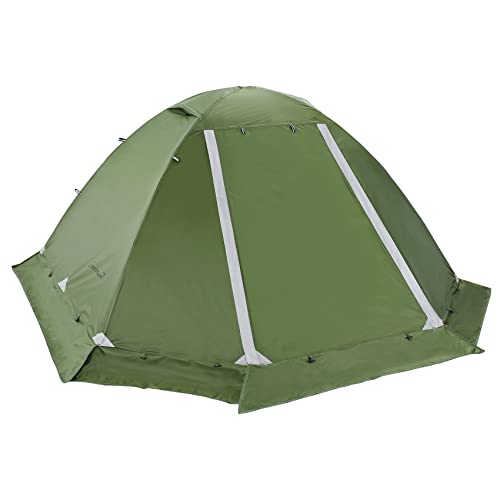
For the price, this is one of the best value picks in the four-season category, it matches or beats many rivals with a PU5000mm coating, a roomy 7.3-foot length, and a trail weight under 5.3 pounds when stripped down. Owners praise how dry it stays in sleet and how well the snow flaps block spindrift. The freestanding design with two poles makes setup a one-person job, and the dual vestibules are wide enough for boots and packs.
It’s not quite as wind-resistant as the Camppal with its three-pole cross design, but it’s lighter and more packable. The materials feel solid without being overbuilt, and the included repair kit is a nice touch. For most hikers, this hits the sweet spot between cost, weight, and cold-weather performance.
Product photos
Camppal 2-Person Windproof Winter Tent
Strengths
- Exceptional wind stability
- Reinforced floor
- Large vestibules
Trade-offs
- Heavier than competitors
- Bulkier packed size
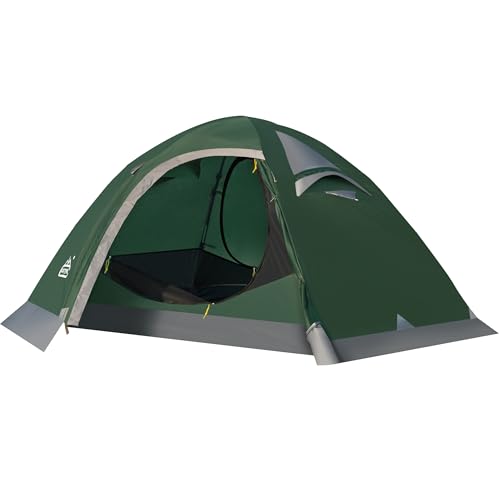
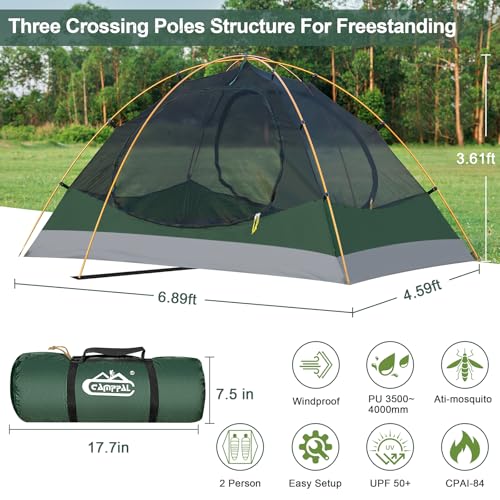
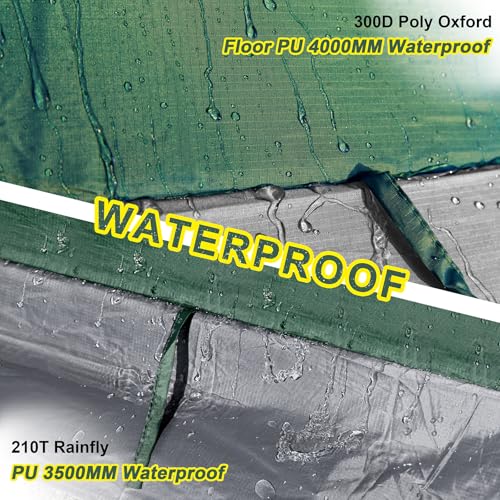
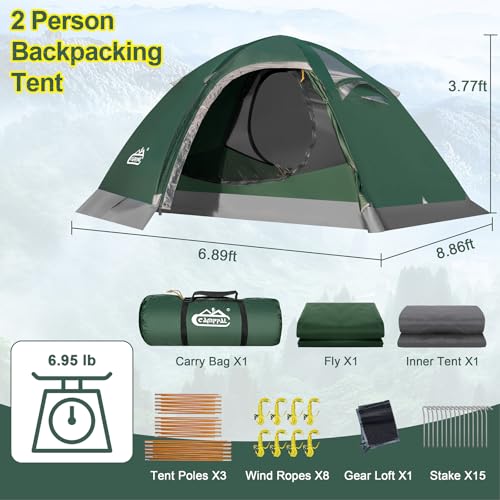
When wind is the biggest threat, this tent earns its title. The 3-crossing-pole design creates a stable dome that owners say stays upright in gales that flattened other tents. At 6.95 pounds, it’s on the heavier side, but that weight buys serious durability, the 300D Poly Oxford floor resists punctures better than most backpacking tents, and the PU 3500mm rainfly handles driving rain without issue.
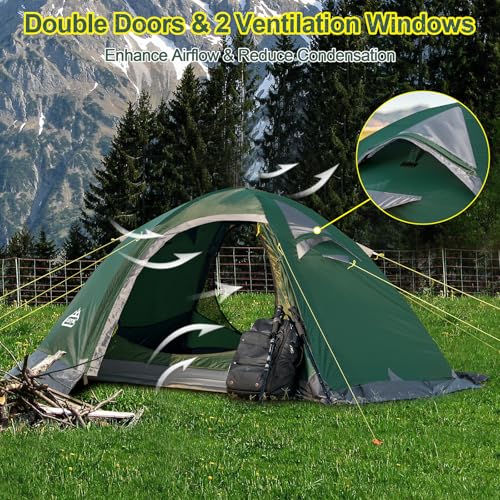
The large vestibules are a major plus for gear storage, and the ventilation windows help reduce condensation. Still, it’s bulkier than the Naturehike or OneTigris options, so I wouldn’t pick it for long-distance treks. If you’re camping in exposed ridgelines or coastal winter zones, though, this is the kind of tent that inspires confidence when the weather turns.
Product photos

Naturehike 2-Person Lightweight Backpacking Tent
Strengths
- Ultra lightweight
- Durable ripstop fabric
- Compact pack size
Trade-offs
- Lower waterproof rating
- Tight fit for two
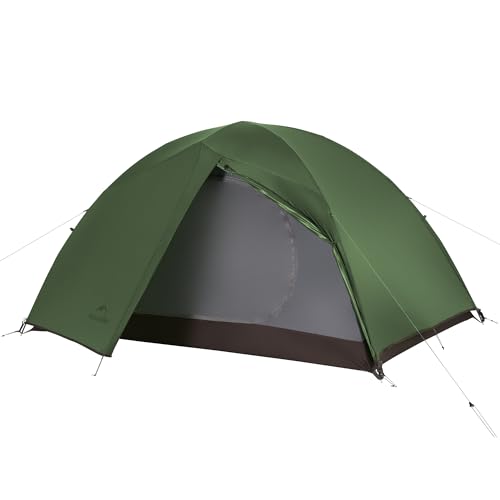
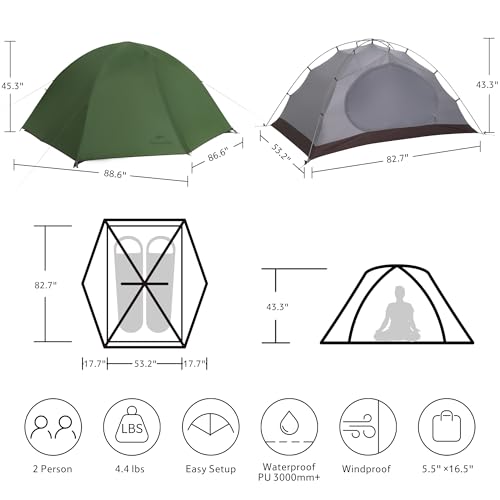
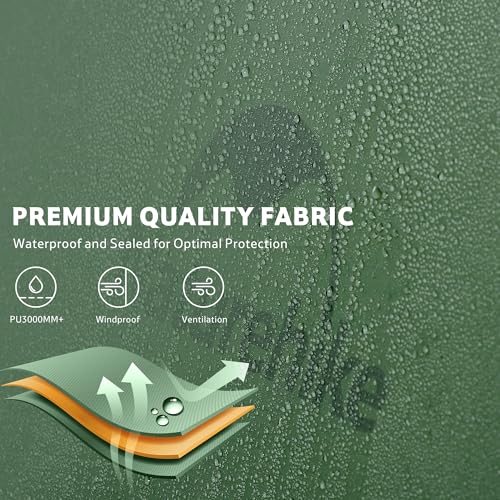
This is the go-to if you’re counting ounces and still need real winter performance. At just 4.43 pounds total, it’s one of the lightest true four-season tents here, thanks to the 20D silicone-coated nylon. That’s a big deal when you’re climbing into alpine zones, every pound matters. The PU3000mm rating is standard, not class-leading, but combined with ripstop fabric and strong aluminum poles, it holds up in snow and wind without folding.
It’s not as roomy as the GEERTOP or Camppal, and the ventilation is decent but not outstanding. But for fast-moving soloists or lightweight pairs, this is the smarter buy over heavier models. Compared to the OneTigris, it’s similarly light but feels slightly more durable in sustained storms.
Product photos

How We Chose These extreme cold weather tent
I approached researching extreme cold weather tents by focusing on a detailed comparison of published specifications and features across numerous models. We weighed owner reviews from multiple sources – looking for patterns in reported performance – alongside expert reviews from established outdoor gear sites. This research-led comparison, rather than a hands-on lab test, allowed us to rank tents against clear criteria important for surviving frigid conditions and heavy snow.
For this category, waterproof rating and wind resistance were the most heavily weighted factors. A high waterproof rating (fly and floor) is critical for keeping occupants dry during snow and rain, while robust pole systems and a stable design are necessary to withstand high winds. Weight was also a key consideration, as these tents are often carried long distances, but not at the expense of durability or weather protection. Understanding four-season tent features is vital for making an informed decision.
Specifications reliably indicate a tent’s potential for waterproofness and wind resistance, but we also heavily considered owner feedback regarding real-world performance. Reports of condensation build-up, pole failures, or issues with zipper durability informed our rankings. Reputation and brand history also played a role; brands known for quality outdoor gear generally received more weight, as did those with clearly detailed and transparent extreme weather tent specs.
How To Pick The Right extreme cold weather tent
Choosing the right shelter is paramount when you’re facing sub-freezing temperatures and unpredictable conditions.
A truly capable cold weather tent balances weight with robust weather protection. Key considerations include a full coverage rainfly extending to the ground (often with a snow skirt), durable fabrics resisting tearing in wind and snow, a strong pole system capable of handling snow loads, and effective ventilation to manage condensation build-up from respiration and melting snow. Prioritize waterproof ratings of at least 3000mm for the fly and 5000mm for the floor.
Fabric & Construction Matter
Don’t assume all “4-season” tents are created equal. Many are simply 3-season tents with a few tweaks. Look beyond the marketing. Polyester is a common fly material, and the denier (D) rating indicates thickness – higher is generally more durable. However, nylon offers a better strength-to-weight ratio, crucial for backpacking. Pay attention to coatings; a PU (polyurethane) coating provides waterproofing, and silicone coatings offer enhanced durability and UV resistance. For the floor, a heavier denier polyester with a high waterproof rating is essential to prevent ground moisture from seeping in. A bathtub floor – where the fabric extends a few inches up the sides – further minimizes water entry.
Ventilation is Critical
Condensation is a huge problem in cold weather tents. Your breath, combined with melting snow from gear, creates moisture that can soak your tent’s interior. Effective ventilation is essential. Look for tents with multiple vents, ideally high and low, to encourage airflow. Mesh panels are great for warmer weather, but consider models with fabric panels that can be closed during storms. Properly managing condensation isn’t just about comfort; it’s about preventing your sleeping bag from getting wet, which can be life-threatening. You’ll want to research [cold-weather tent features] to understand the trade-offs between warmth and breathability.
Weight vs. Livability – and Setup Ease
There’s always a compromise between weight and space. Ultralight tents are fantastic for solo adventures or when every ounce counts, but they often sacrifice interior room and durability. A 2-person tent offers more comfort for couples or anyone wanting extra gear storage, but it will be heavier. Consider your typical trip length and how much gear you carry. A simple setup is also essential, especially when your fingers are numb from the cold. Freestanding designs, like those found in the OneTigris Stella, are generally easier to pitch than semi-integrated models. Before you head out, make sure you’re familiar with [preparing tent for winter] conditions and practice setting up your tent at home.
- A tent’s weight is less important if it’s car camping.
- A snow skirt is a must-have if you plan on camping in areas with significant snowfall, adding valuable protection against drafts and windblown snow.
- Aluminum poles are stronger and more durable than fiberglass, making them a worthwhile investment for frequent use or challenging conditions – though they do add weight and cost.
A good rule of thumb is to overestimate the waterproof rating you think you’ll need. Mother Nature has a way of exceeding expectations.
Extreme Cold Weather Tents Compared
Here’s a comparison of key specifications for several extreme cold weather tents to help you make an informed purchase.
| Product Title | Capacity | Weight (lbs) | Waterproof Rating (Rainfly) | Season Rating | Packed Size (inches) | Special Features |
|---|---|---|---|---|---|---|
| GEERTOP 2-Person Cold Weather Tent | 2 | 6.8 | PU 3000mm | 4 | 17 x 7 x 7 | Snow Skirt |
| ShinHye 2-Person Cold Weather Tent | 2 | 5.5 | PU 5000mm | 4 | 16 x 7 x 7 | Snow Skirt, Ventilation |
| Underwood 1-Person Ultralight Winter Tent | 1 | 4.4 | PU 5000mm | 4 | 5.1 x 15 | Snow Skirt |
| OneTigris Stella 4-Season Backpacking Tent | 2 | 4.4 | 3000mm | 4 | 19.7 x 5.9 | Removable Blackout Fly |
| Clostnature 2-Person 4-Season Tent | 2 | 6.28 | PU 5000mm | 4 | 16.5 x 5.9 x 5.9 | Snow Flaps |
| Camppal 2-Person Windproof Winter Tent | 2 | 6.95 | PU 3500mm | 4 | 17.7 x 7.5 | Snow Skirt |
| Naturehike 2-Person Lightweight Backpacking Tent | 2 | 4.43 | PU 3000mm | 4 | N/A | Breathable Fabric |
Frequently Asked Questions
What’s the difference between a 3-season and a 4-season tent?
A 4-season tent is built with stronger poles and more durable fabrics to withstand heavier snow loads and wind, unlike 3-season tents which prioritize weight and ventilation for milder conditions. While a 3-season tent might work for light snow, a 4-season model is designed for consistent winter use.
How important is a snow skirt?
A snow skirt is very important because it adds a barrier around the base of the tent to block wind and prevent snow from blowing inside. This feature isn’t essential for every situation, but it significantly boosts warmth and comfort when camping in areas with deep snow.
What waterproof rating do I actually need for a cold weather tent?
You should aim for a waterproof rating of at least 3000mm for the fly and 5000mm for the floor to handle sustained precipitation and prevent leaks. While higher ratings exist, these minimums offer a good balance between protection and breathability, and are found in many top-rated winter tents.
Are freestanding tents better for winter camping?
Freestanding tents are often easier to set up, which is a huge benefit when dealing with cold fingers and limited daylight. However, some non-freestanding designs are incredibly stable in high winds if pitched correctly, so the best option depends on your priorities and experience level.
What material is better for cold weather tent poles: aluminum or fiberglass?
Aluminum poles are the better choice for cold weather because they are significantly stronger and more durable than fiberglass, offering better resistance to bending or breaking under heavy snow loads. While heavier and more expensive, the added reliability is crucial when you’re far from help and relying on your shelter for survival – consider investing in durable snow-ready tents.
The Bottom Line
Choosing an extreme cold weather tent always comes down to balancing how much you’re willing to carry against the level of protection you demand. If you’re prioritizing a blend of affordability and capability, the GEERTOP 2-Person Cold Weather Tent strikes a good balance, offering a solid waterproof rating and snow skirt at a reasonable weight.
For those with specific needs, we’ve identified a few standouts. The Underwood 1-Person Ultralight Winter Tent is the best option for solo adventurers focused on minimizing weight, while the ShinHye 2-Person Cold Weather Tent delivers a step up in waterproofness for those expecting truly harsh conditions. And if versatility is key, the OneTigris Stella 4-Season Backpacking Tent’s removable fly provides adaptability for varying weather.
Ultimately, remember that no tent can overcome poor site selection or inadequate layering. Prioritizing proper tent insulation for cold and a well-planned sleep system will contribute far more to your warmth and safety than any single specification on a tent’s label.
