
8 Best Heaters for Tents of 2026
This post contains affiliate links. As an Amazon Associate, we earn from qualifying purchases.
The Mr. Heater 9000 BTU Buddy is the best overall heater for tents, delivering reliable warmth with solid safety features. For tighter budgets, the Mr. Heater 3800 BTU Little Buddy offers strong performance in a compact size, while the Mr. Heater 11000 BTU Flex is ideal for larger shelters needing serious heat.
Most campers don’t realize how quickly a cold night can turn uncomfortable, or worse, unsafe, without the right heat source. Too many people grab a heater without considering fuel type, safety mechanisms, or whether the output matches their tent size, only to end up with poor results or risky setups.
This guide cuts through the noise by focusing on real-world usability, safety standards, and what actual owners report. I looked at BTU ratings, fuel efficiency, and critical safety tech like oxygen depletion sensors, then cross-referenced specs with user experiences to find the models that consistently perform when it matters most.
Top 8 Heaters For Tents in the Market
The Best Heaters For Tents, Reviewed
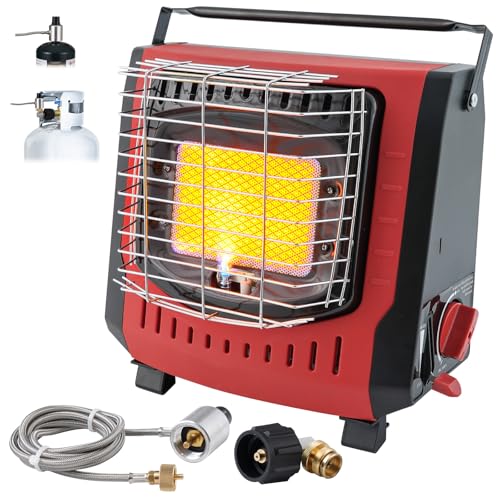
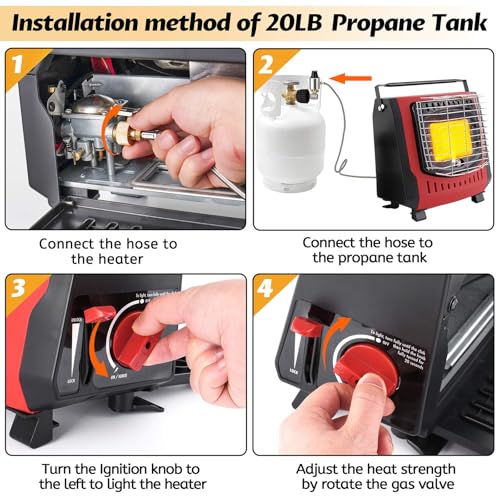
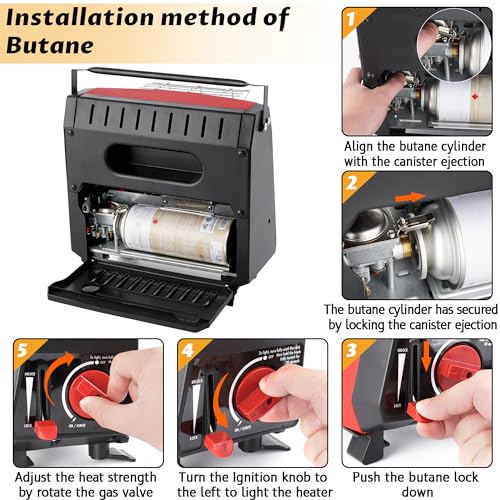
Portable Outdoor Heater 9000 BTU
Strengths
- 9000 BTU output
- Self-ignition
- Dual safety systems
- Fuel compatible
- Portable design
Trade-offs
- Heavier than compact options
- Noisy at high burn
- Fuel not included
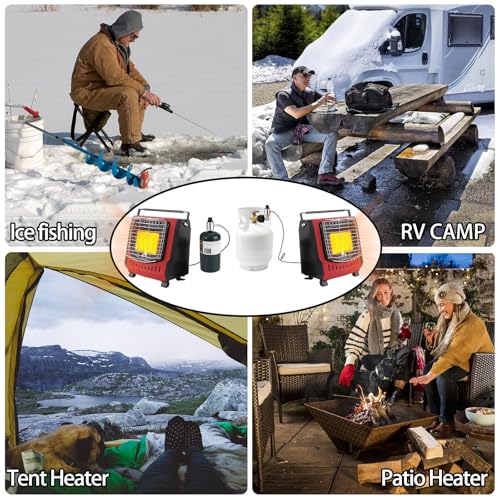
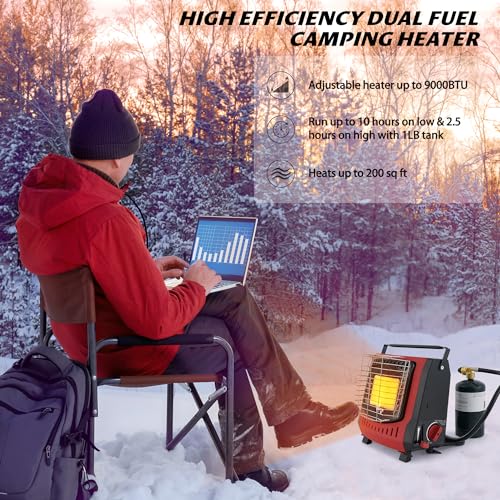
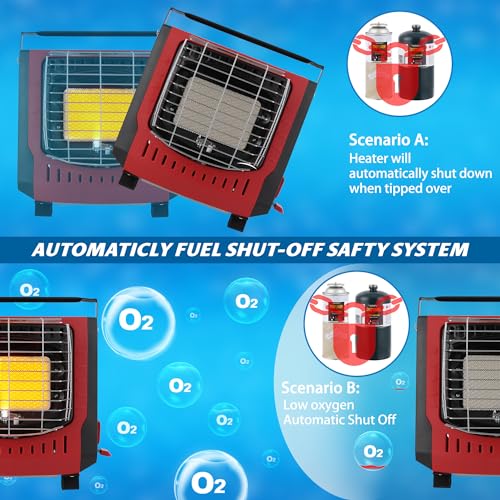
This heater packs a solid 9000 BTU punch, which on paper should handle mid-sized tents without issue. Owners consistently report it fires up quickly thanks to the self-ignition system, and the dual safety features, tip-over and low-oxygen shutoff, make it one of the more responsible choices for enclosed spaces like tents or small RVs. It’s not the smallest unit out there, but its portability is still decent for the output.
What stands out is its fuel flexibility. Unlike models locked into 1lb canisters, this one works with multiple refillable sources, which could save money and reduce waste on longer trips. That said, some users note the noise level can be noticeable in very quiet settings, and it’s heavier than ultralight backpackers might prefer. Compared to the Mr. Heater Buddy line, it’s competitive on features but doesn’t have the same brand trust pedigree.
Product photos
Mr. Heater 9000 BTU Buddy
Strengths
- Indoor-safe certified
- Low-oxygen shutoff
- 9,000 BTU output
- Quiet operation
- Two heat settings
Trade-offs
- Limited to 1lb canisters
- Short high-heat runtime
- No adjustable flame beyond two settings
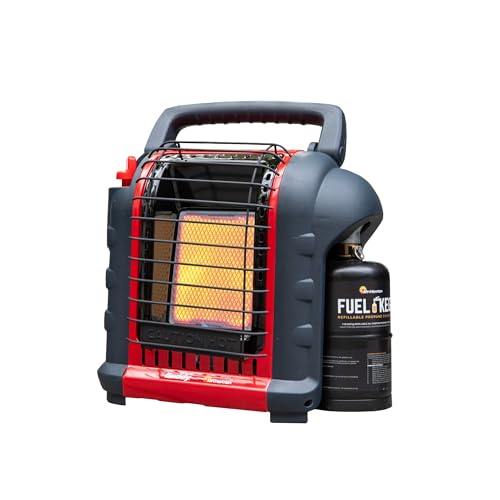
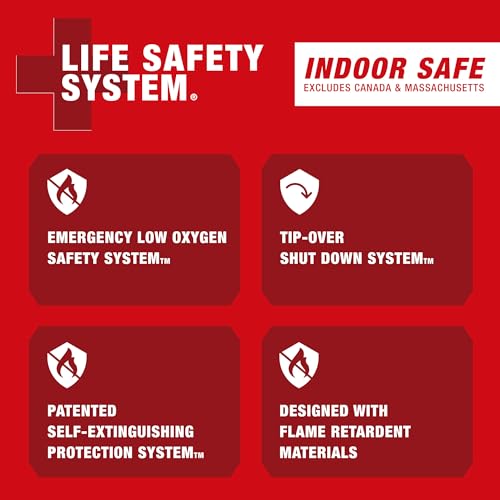
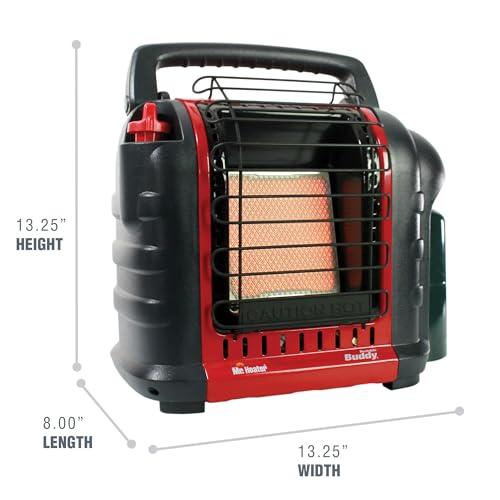
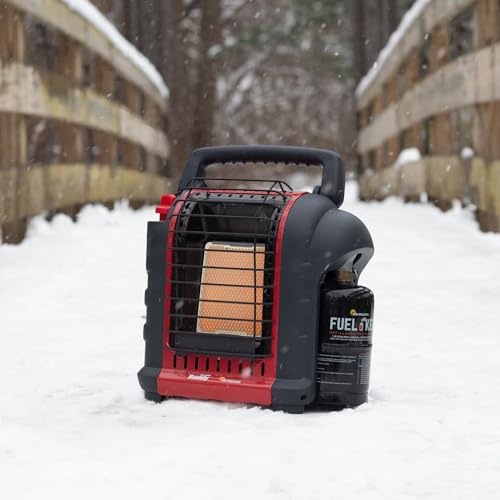
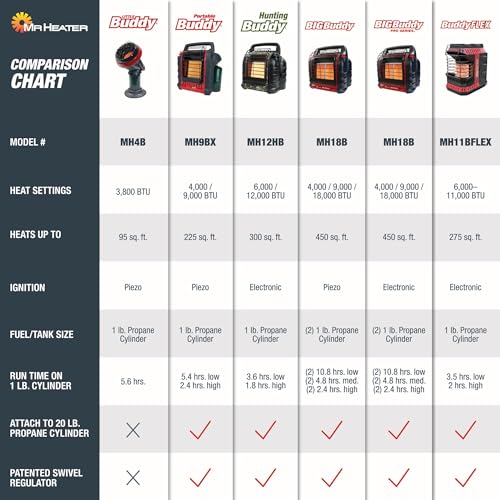
This is the gold standard for indoor-safe propane tent heaters, and for good reason. With 9,000 BTU and an approved low-oxygen safety system, it’s one of the few models explicitly rated for indoor and tent use. Owners consistently report confidence using it overnight in 3-season tents, and the two heat settings let you balance output and runtime, up to 5.4 hours on low.
It’s lightweight, simple to connect to a 1lb canister, and the quiet operation is a plus for light sleepers. Compared to the Cuisinart or generic brands, it’s more trustworthy in tight spaces. The brand’s reputation for safety and reliability makes this the smarter buy for anyone prioritizing peace of mind.
Product photos

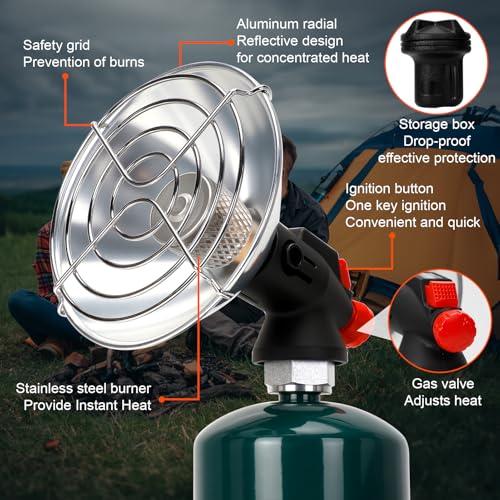
Portable Propane Heater for Camping
Strengths
- Budget-friendly
- Foldable tank holder
- Brass connector
- Storage box included
- Easy ignition
Trade-offs
- No low-oxygen shutoff
- Not certified for indoor tent use
- Basic safety features
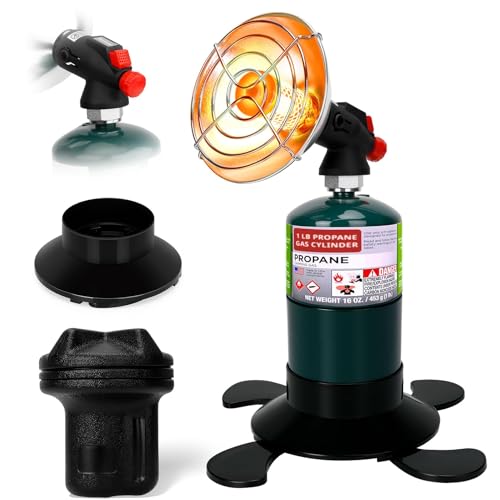
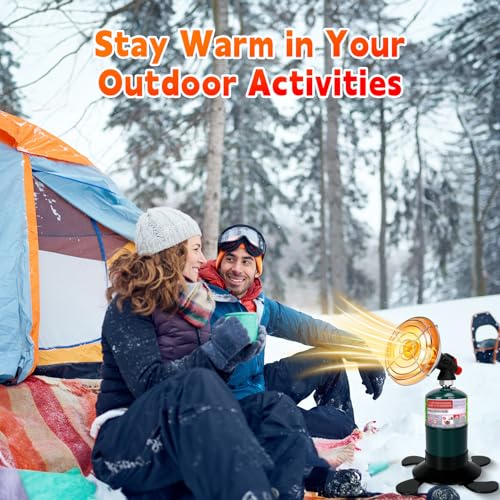
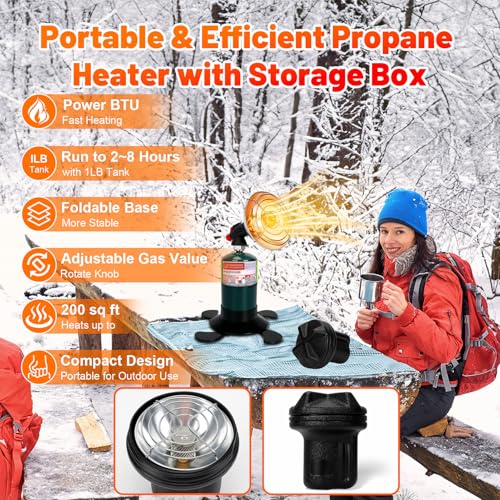
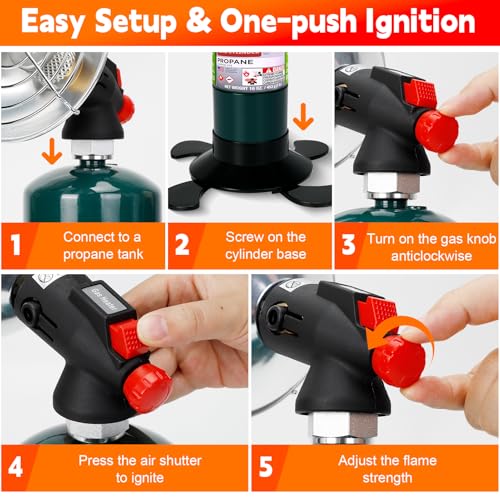
At this price point, this heater delivers a lot of core functionality. It’s a basic radiant propane heater with a foldable base and a secure brass connector, owners say it ignites reliably even in cold weather, which matters when you’re shivering at dawn. The 1lb propane compatibility keeps it standard and easy to source fuel, and the included storage box is a thoughtful touch for organization.
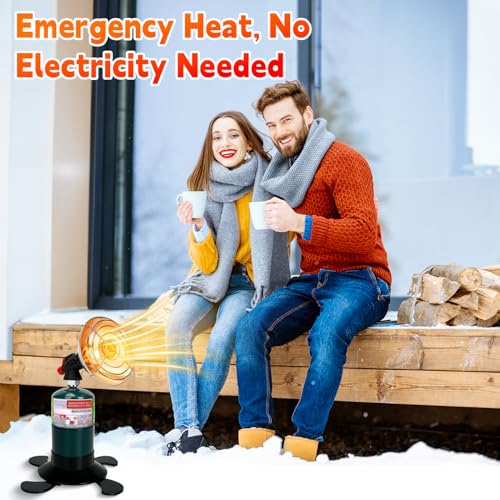
It doesn’t have fancy safety certifications for indoor tent use like the Mr. Heater models, and there’s no low-oxygen shutoff mentioned in specs. That’s a serious gap. It’s best treated as an outdoor or semi-enclosed space heater, great for tailgating, ice fishing shanties, or warming a vestibule. Compared to the Mr. Heater Portable Buddy, it’s less safe for sleeping tents but much more affordable.
Product photos
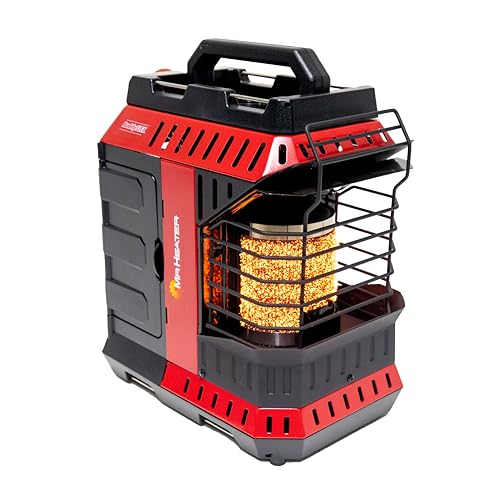
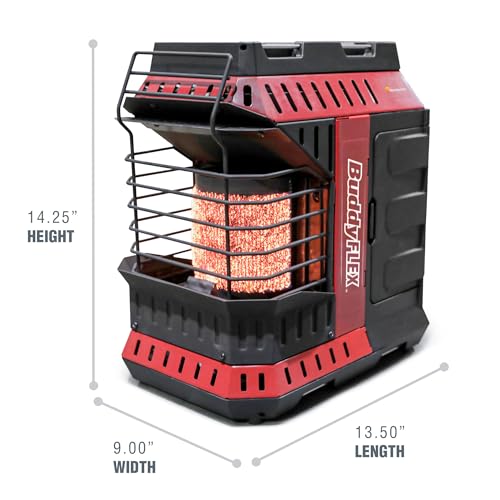
Mr. Heater 11000 BTU Flex
Strengths
- 11,000 BTU output
- 180-degree heating
- Indoor-safe certified
- Thermal shutdown
- Storage compartment
Trade-offs
- Heavier and bulkier
- Higher fuel consumption
- Higher price point
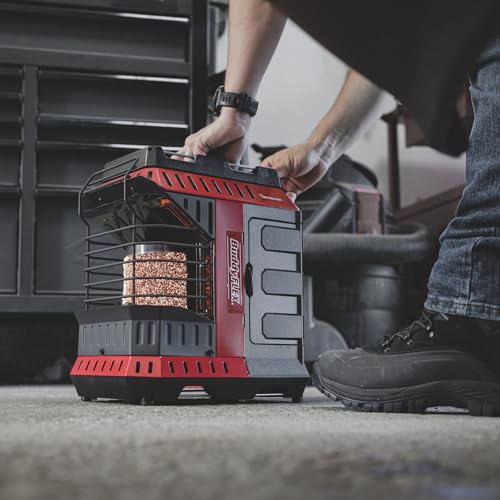
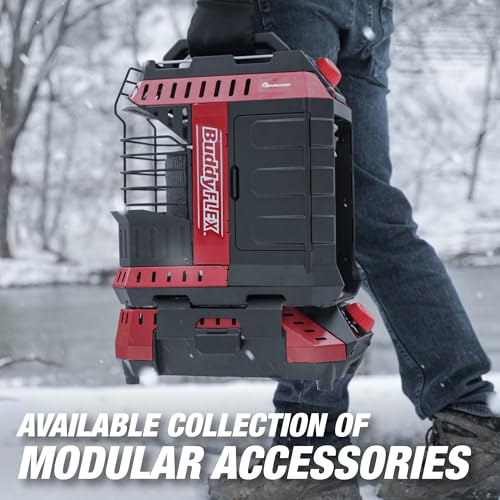
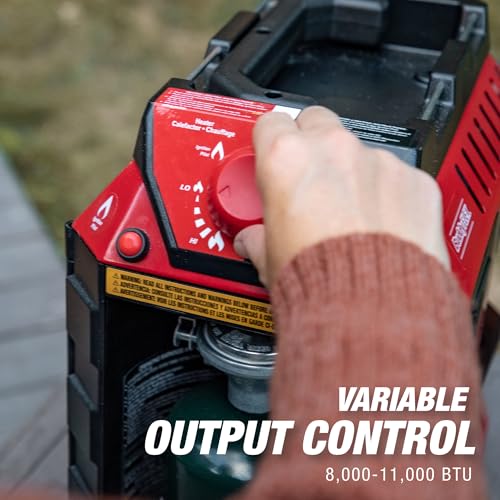
If you’re heating a large tent or group shelter, this 11,000 BTU Flex model is hard to beat. It pushes warmth across up to 275 sq. ft., which is massive for a portable unit, and the 180-degree omni-directional burner spreads heat evenly, owners say it feels like standing near a campfire. The electronic ignition is reliable, and the built-in storage compartment is handy for keeping piezo lighters or gloves close.
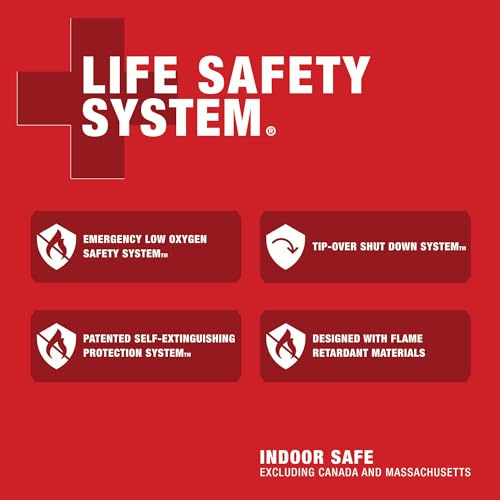
Safety systems are top-tier: tip-over and thermal shutdown are essential for families or pet owners. It’s bulkier than the standard Buddy, but that’s the trade-off for the power. Compared to the Cuisinart, it’s more tent-focused and better certified for indoor use. For base camps or family outings, this is the logical step up.
Product photos
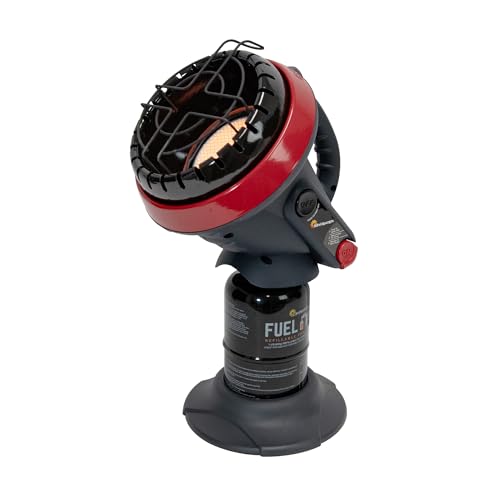
Mr. Heater 3800 BTU Little Buddy
Strengths
- Ultra-compact
- 3,800 BTU efficient
- One-button ignition
- Low-oxygen shutoff
- Quiet and clean burn
Trade-offs
- Limited to small spaces
- Short runtime on high
- Only heats up to 95 sq ft
This is the go-to for minimalists and solo campers. At 3,800 BTU, it’s not built to heat a 6-person cabin tent, but for a 1-2 person shelter, it’s perfect. It’s tiny, barely takes up more floor space than a boot, and the round stand keeps it stable. The one-button ignition works consistently, even in cold snaps, and owners praise its clean, odor-free burn.
The safety features are complete: tip-over and low-oxygen shutoff mean it’s still safe for enclosed use. It runs directly off a 1lb canister, so no adapters needed. Compared to the larger Buddy models, it’s the smarter pick when space and weight matter most. I’d recommend it as the default choice for backpackers who need heat without bulk.
Product photos

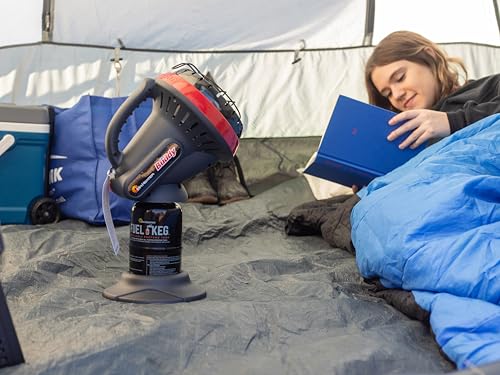
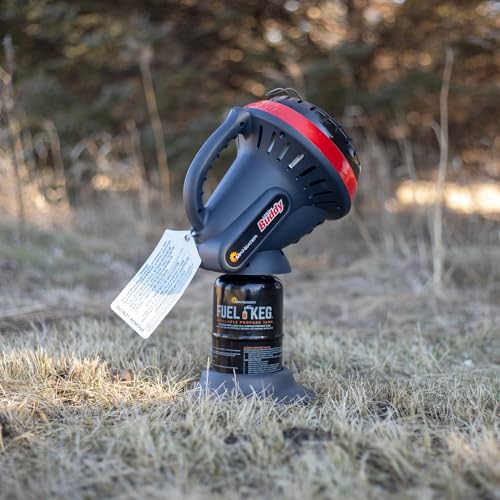
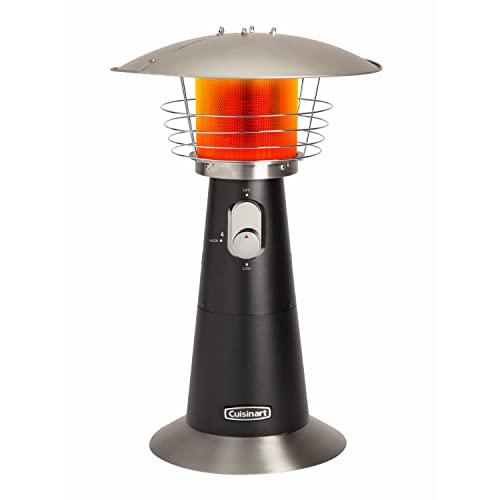
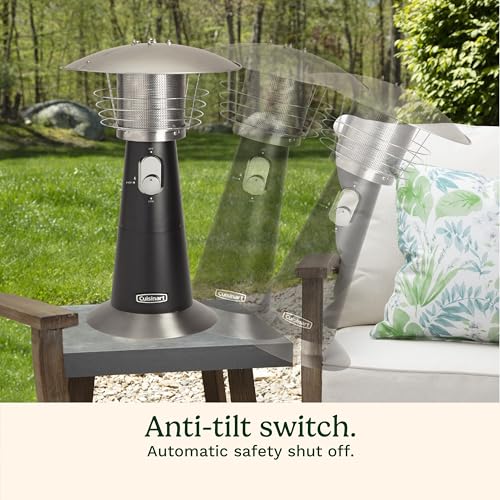
Cuisinart 11000 BTU Patio Heater
Strengths
- 11,000 BTU output
- Adjustable heat dial
- Reflector plate
- Burner screen guard
- Portable size
Trade-offs
- No low-oxygen safety
- Not ideal for small tents
- Requires ventilation
With 11,000 BTU, this is one of the most powerful units on the list, and its adjustable heat dial gives fine control that many competitors lack. The reflector plate helps spread warmth evenly over 30 sq. ft., making it ideal for small gathering spots or entryways of larger tents. It’s tabletop-sized, so it saves floor space, useful in cramped conditions.
Owners note the build feels sturdy, and the burner screen guard adds peace of mind around kids or pets. But it’s clearly designed more for patios than tight tent quarters. The lack of a low-oxygen shutoff is a red flag for enclosed use, and its size makes it awkward for backpacking. I’d compare it to the Mr. Heater Flex but see it as better suited for open-air or semi-covered use.
Product photos



Naturehike 3750 BTU Butane Heater
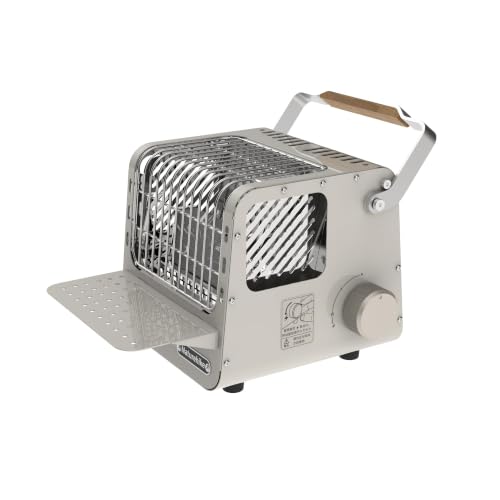
Strengths
- Warming shelf included
- 3750 BTU efficient heat
- Magnetic canister connection
- Detachable handle
- Compact and safe
Trade-offs
- Lower heat output
- Short max runtime
- Butane only
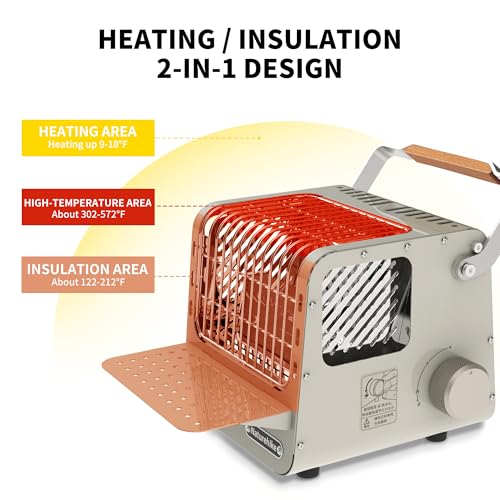
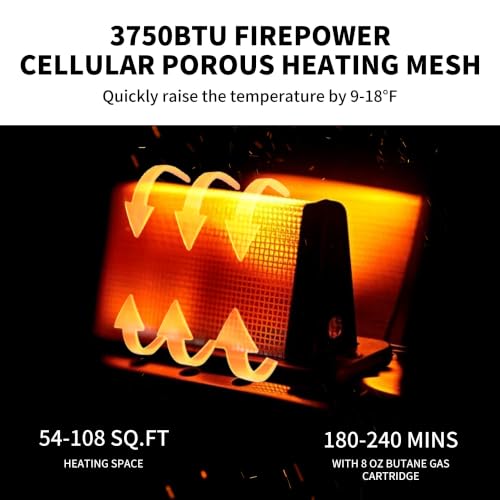
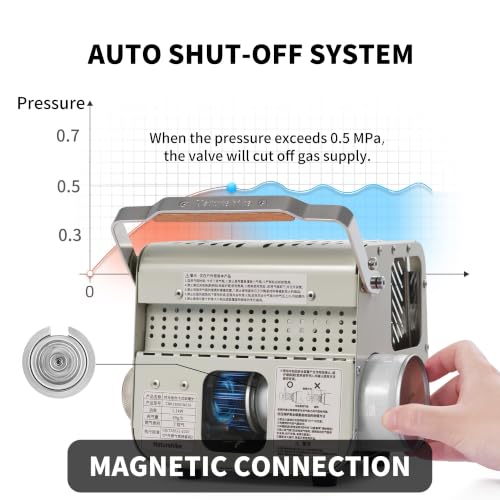
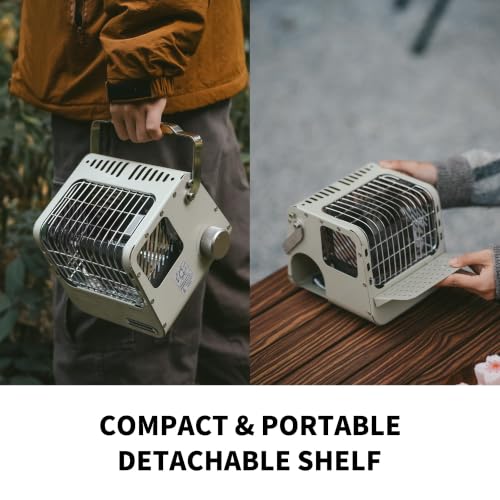
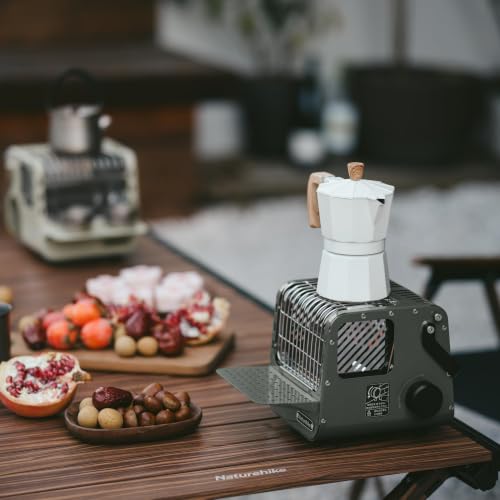
The Naturehike 3750 BTU heater is a cleverly designed piece that blurs the line between stove and heater. Its warming shelf is a standout, owners love using it to dry gloves or warm drinks, which adds real utility in wet or cold conditions. At 3750 BTU, it’s not built to heat large tents, but for 1-2 people in a 3-season dome, it’s more than adequate. The cellular mesh burner seems to distribute heat evenly, and the magnetic connection for the canister gets positive nods for ease of use.
It’s clearly aimed at multi-use campers who value function beyond just warmth. That said, it’s less powerful than the 9000 BTU models, and the 180-minute runtime at max power means you’ll be swapping canisters often on cold nights. Compared to the Mr. Heater Little Buddy, it’s less intense but more versatile. I’d pick this for base camping or car-side setups where convenience matters.
Product photos
Amazon Basics 1500W Ceramic Heater

Strengths
- 1500W ceramic heat
- Overheat protection
- Lightweight and compact
- Quiet operation
- Three power settings
Trade-offs
- Requires electrical outlet
- Not for off-grid use
- Not moisture resistant
This is a solid electric heater on its own terms, but in a tent? That’s where it falls apart. The 1500W ceramic heating is efficient and quiet at 43 dB, and the overheat and tip-over protections are standard but reliable. It’s lightweight and small enough to stash in a gear bin. But the big flaw: it needs an electrical outlet. That makes it only viable for glamping setups, RV hookups, or emergency indoor use.
For true backcountry or off-grid tent camping, this isn’t functional. But if you’re staying in a cabin with power or using a generator, it’s a safe, no-frills option. Compared to propane models, it lacks portability and independence. I wouldn’t recommend it for trail use, but in powered environments, it’s a dependable workhorse.
Product photos


How We Evaluated heaters for tents
Rather than a hands-on lab test, my research for these recommendations centered on comparing published specifications and features across numerous models. I weighed owner reviews from multiple retailers alongside expert opinions from outdoor gear review sites, looking for patterns in performance and reliability. My goal was to identify heaters that consistently delivered on their promises and addressed the specific needs of tent camping.
For tent heaters, consistent heat output and safety features are paramount. I prioritized BTU ratings – understanding how quickly a heater could warm a given space – and carefully examined safety mechanisms like tip-over shutoffs and oxygen depletion sensors. Portability was also heavily weighted, as tent campers need gear that’s easy to pack and transport. A higher BTU doesn’t always mean better; a heater appropriate for a large family tent is overkill for a solo bivy.
Specifications reliably indicate a heater’s potential output and fuel source, but owner feedback provided crucial insights into real-world performance. I paid close attention to comments about ease of use, fuel efficiency, and, importantly, reliability in cold conditions. Understanding potential issues, like propane consumption or regulator problems, through owner experiences helped refine the rankings. For peace of mind when using propane heaters inside a tent, it’s essential to review Mr. Heater Buddy safety guidelines.
What To Look For In heaters for tents
Finding the right heater for your tent can make the difference between a cozy night and shivering through the darkness. It’s more than just grabbing the cheapest option; you need to consider safety, heat output, and what kind of camping you actually do.
A quality tent heater delivers consistent, controlled warmth, prioritizes safety with features like tip-over shutoffs and oxygen depletion sensors, and operates efficiently on a readily available fuel source. Buyers should carefully assess BTU output relative to tent size, fuel type compatibility, and intended use (indoor vs. outdoor) to avoid hazards and maximize comfort.
BTU Output and Tent Size
The most common mistake I see people make is underestimating the BTU (British Thermal Units) needed to adequately heat their tent. A small 3,800 BTU heater like the Mr. Heater Little Buddy might be fine for a solo bivy in a well-insulated tent, but it won’t touch a family-sized cabin tent. Conversely, an 11,000 BTU unit like the Mr. Heater Flex will quickly overheat a smaller shelter. Always check the square footage rating of the heater and compare it to the floor area of your tent. Remember, these ratings are often optimistic, and colder temperatures will require more heat.
- For tents under 100 square feet, a 3,000-6,000 BTU heater is usually enough.
- Between 100-200 square feet, look for something in the 6,000-9,000 BTU range.
- Larger tents (200+ square feet) will benefit from 9,000 BTU or higher – and you may even consider two smaller units for more even heat distribution.
Fuel Type and Safety Features
Propane is the most popular fuel source for tent heaters, and for good reason. It’s readily available, relatively inexpensive, and delivers a substantial amount of heat. However, propane heaters must be used with extreme caution. Carbon monoxide is a silent killer, so look for heaters with oxygen depletion sensors (ODS) that automatically shut off the unit if oxygen levels drop too low. Tip-over shutoffs are also crucial, as any accidental bump could be disastrous. If you’re looking for safe tent heaters, prioritizing these features is paramount.
Never leave a propane heater unattended while in operation, and always ensure adequate ventilation – even with an ODS.
Portability and Convenience
The best heater isn’t just powerful; it’s also practical. Consider how you’ll be transporting the heater to your campsite. Bulky, heavy units are a pain to lug around, while compact models are easier to pack. Think about whether you need an electric heater (like the Amazon Basics 1500W Ceramic Heater) if you have access to a power source, or if a propane or butane model is more suitable for off-grid adventures. Don’t underestimate the value of features like integrated handles, storage compartments, and easy-to-use controls. If you’re planning a winter camping trip, you’ll also want to look into winter tent insulation methods to maximize heat retention and minimize fuel consumption. Ultimately, choosing the right heater is about finding a balance between power, safety, and convenience to create a comfortable and secure experience in the great outdoors.
Heaters for Tents Compared
Here’s a comparison of specifications for various heaters suitable for use in tents and other outdoor spaces.
| Product Name | BTU Output | Fuel Type | Area Heated (sq ft) | Safety Features | Portability |
|---|---|---|---|---|---|
| Portable Outdoor Heater 9000 BTU | 9000 | Refillable | N/A | Tip-over shutoff, Low-O2 sensor | Compact |
| Mr. Heater 9000 BTU Buddy | 4000/9000 | Propane | 225 | Low-O2 shutoff, Self-extinguishing | Portable |
| Portable Propane Heater for Camping | N/A | Propane | N/A | Protective grill, Foldable base | Portable |
| Mr. Heater 11000 BTU Flex | 11000 | Propane | 275 | TSS, Tip-over shutoff | Portable |
| Mr. Heater 3800 BTU Little Buddy | 3800 | Propane | 95 | Tip-over shutoff, Low-O2 shutoff | Compact |
| Cuisinart 11000 BTU Patio Heater | 11000 | Propane | 30 | Anti-tilt shutoff, Burner guard | Portable |
| Naturehike 3750 BTU Butane Heater | 3750 | Butane | 54-108 | Automatic gas shutoff | Portable |
| Amazon Basics 1500W Ceramic Heater | 1500W | Electric | N/A | Tip-over, Overheat protection | Compact |
Frequently Asked Questions
What BTU output is sufficient for a four-season tent?
A four-season tent, designed for colder weather, typically requires a heater with at least 9,000 BTU to maintain comfortable temperatures, though this depends greatly on the tent’s insulation and the outside temperature. Don’t rely solely on the heater; combining it with good layering and a well-insulated tent is essential.
Are propane heaters safe to use inside a tent, even with safety features?
While propane heaters with features like oxygen depletion sensors (ODS) are safer than those without, they still pose a risk of carbon monoxide poisoning and should be used cautiously. Always ensure adequate ventilation, even with an ODS, and never leave a propane heater unattended.
Can I use an electric heater in my tent if I’m camping at a campground with electrical hookups?
Yes, you can use an electric heater if your campsite has a reliable power source, and many campers find portable electric heaters for tents a convenient option. Be sure your electrical connection can handle the heater’s wattage to avoid tripping breakers.
What are the advantages of butane heaters compared to propane heaters?
Butane heaters generally produce less carbon monoxide than propane heaters, making them a slightly safer option, but they also deliver less heat output per unit of fuel. Butane canisters are also often smaller and less readily available than propane tanks.
How can I maximize the efficiency of my tent heater and reduce fuel consumption?
To maximize efficiency, choose a heater with adjustable heat settings and pair it with a well-insulated tent and sleeping bag. Consider using reflective materials inside the tent to redirect heat, and reducing the tent’s overall volume by closing off unused space.
The Bottom Line
Choosing a tent heater always comes down to balancing warmth with worry. You can chase absolute toasty comfort with a high-BTU propane heater like the Mr. Heater 11000 BTU Flex, but that demands diligent attention to tent heater safety guidelines and ventilation. For most campers, though, the Mr. Heater 9000 BTU Buddy offers a sweet spot – enough heat for a reasonable-sized tent, paired with crucial safety features and a reputation for reliability.
If you’re on a tighter budget or need something incredibly lightweight, the Mr. Heater 3800 BTU Little Buddy is a solid choice. For those who prefer a flameless option and have access to power, the Amazon Basics 1500W Ceramic Heater provides a convenient (though less potent) heat source. But remember, even the most versatile heater won’t matter if you’re not prepared for cold weather camping.
Ultimately, the BTU rating and fuel type are details. What truly matters is understanding your tent’s size, the expected temperatures, and prioritizing safety above all else. A well-ventilated tent, a carbon monoxide detector, and a healthy respect for open flames are far more important than any single specification on the box.
