
7 Best Hike Tents for 2026
This post contains affiliate links. As an Amazon Associate, we earn from qualifying purchases.
The Naturehike Cloud Up Pro 2 is the best overall hike tent for its lightweight build, strong 4000mm waterproof rating, and compact size, while the Naturehike Cloud-Up 1 stands out as a top budget pick for solo backpackers who don’t want to sacrifice weather protection. For those needing more space, the Naturehike Mongar 2 offers solid versatility in a slightly heavier package.
Hiking miles with a bulky or unreliable tent is a fast way to ruin a trip. You need something that won’t weigh you down, holds up when the weather turns, and goes up without frustration after a long day. Too many hikers learn the hard way that cheap materials or poor ventilation make for miserable nights.
This guide cuts through the noise by focusing on what actually matters: real-world feedback, verified specs, and the features that define a dependable shelter. I compared weight, waterproof ratings, build quality, and owner-reported issues to find the hike tents worth your trust, and your pack space.
Top 7 Hike Tents in the Market
The Best Hike Tents, Reviewed
Naturehike Cloud Up Pro 2 Person Tent

Strengths
- Excellent ventilation
- Ultralight yet tough
- Includes footprint
Trade-offs
- Premium price
- Limited elbow room for two tall hikers
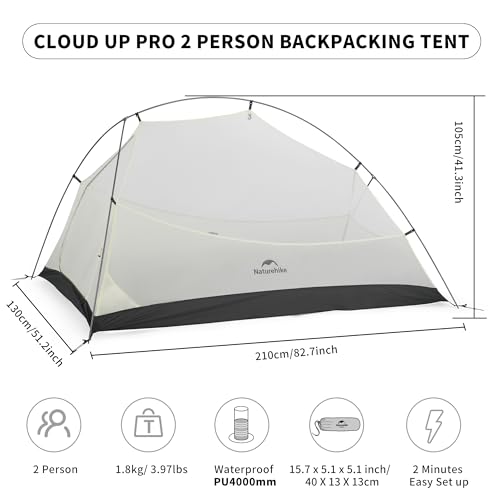
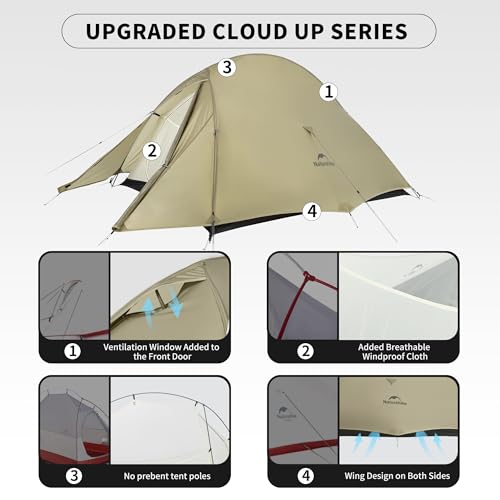
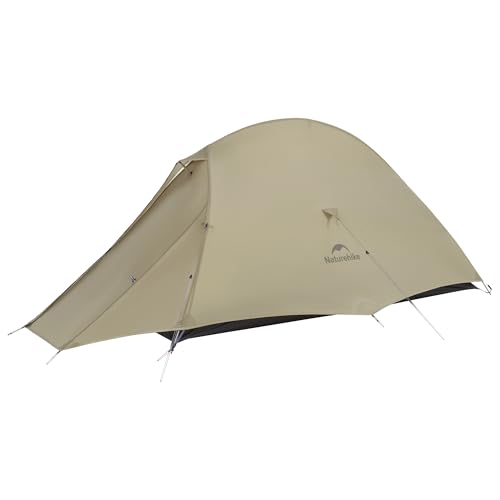
The Cloud Up Pro is the tent I’d recommend to most backpackers looking for a balanced, high-performance shelter. At 3.97lbs, it’s ultralight without feeling flimsy, thanks to the 20D silicone-coated nylon and 7001 aluminum poles. The 4000mm+ waterproof rating means it laughs off heavy rain, and the upgraded ventilation window above the door slashes condensation, owners consistently praise how dry and airy it stays.
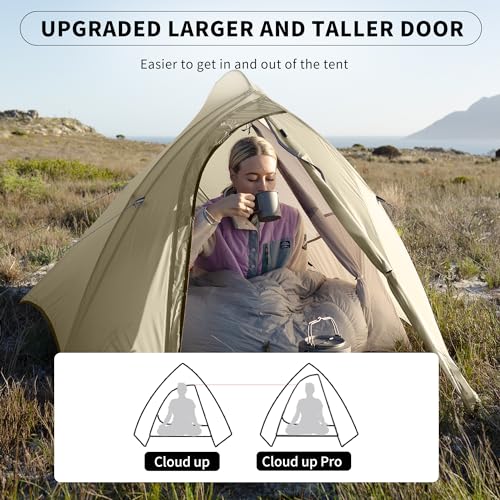
The larger door and dual vestibules make living in it easier, and the included footprint saves money and weight. Compared to the Forceatt and Mongar, it’s lighter, more breathable, and just as tough. It’s not the cheapest, but for long hikes where comfort and reliability matter, it’s the smarter buy. This is the one I’d pack for a week on the PCT.
Product photos


Naturehike Cloud-Up 1 Person Tent
Strengths
- Ultralight build
- Excellent weather resistance
- Includes footprint
Trade-offs
- Higher price
- Small interior for tall users
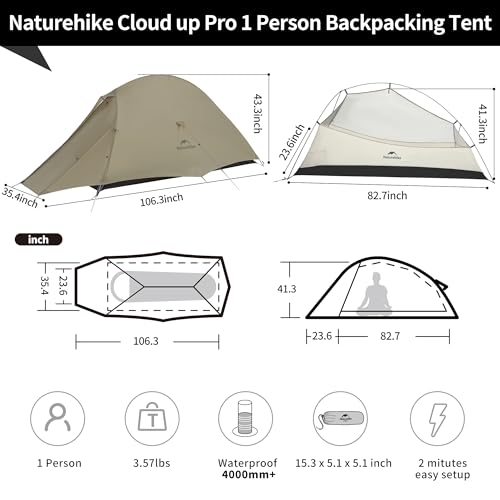
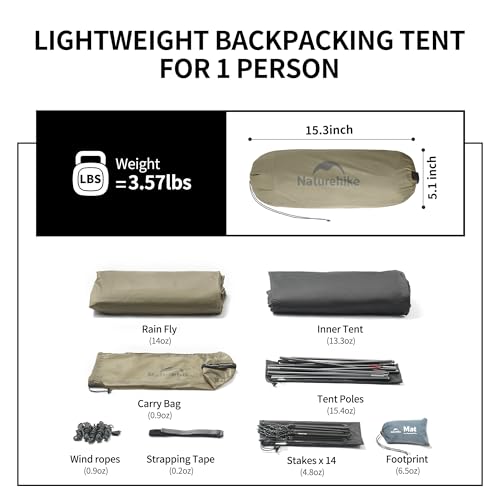
This is one of the lightest true 1-person backpacking tents on the market at just 3.57lbs, and it doesn’t cut corners to get there. The 20D nylon with silicone coating pushes the waterproof rating to 4000mm+, which is excellent for the weight. Paired with 7075 aluminum poles, stronger than the standard 7001, it’s built to handle alpine conditions without buckling.
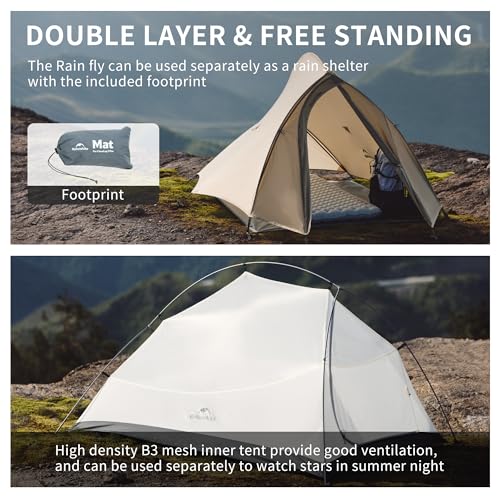
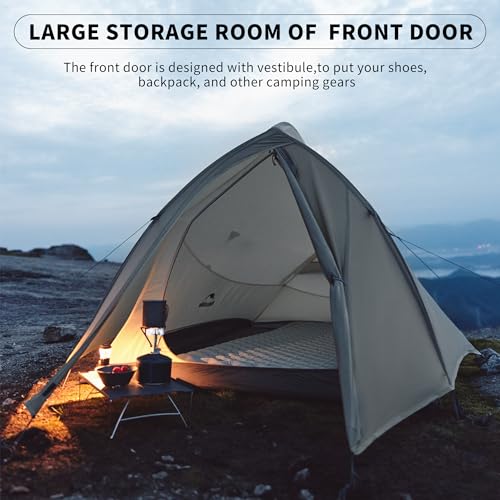
The double-layer design with a full mesh inner and high ventilation window makes it far more breathable than most ultralights. Owners report minimal condensation, even in cool, damp forests. It packs down tiny, and the included footprint means no extra cost. For solo thru-hikers or fastpackers, this is hard to beat. It’s pricier than budget picks, but the performance justifies it.
Product photos
Naturehike Mongar 2 Person Backpacking Tent

Strengths
- Good airflow
- Stable in wind
- Includes footprint
Trade-offs
- Heavier than ultralight rivals
- Slightly slower setup
The Naturehike Mongar hits a sweet spot for hikers who want solid weather protection without sacrificing packability. On paper, its 3000mm waterproof rating and full-coverage fly are standard for the class, but owners consistently report it holds up well in sustained rain, especially with the taped seams and durable 7001 aluminum poles. The Y-frame design isn’t the fastest to pitch, but it delivers good stability in wind, and the dual vestibules are a real win for gear storage.
What stands out more is the ventilation setup, dual doors and large mesh panels reduce condensation better than many competitors. It’s not the lightest at 5.3lbs, but that includes a footprint, which is a nice value boost. Compared to the Cloud Up Pro, it’s a bit bulkier but feels slightly more rugged in rough conditions.
Product photos
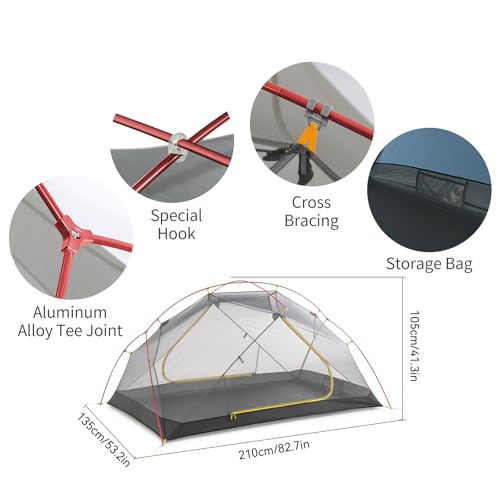

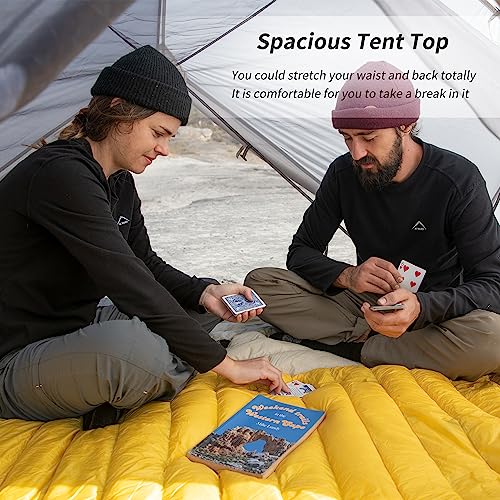
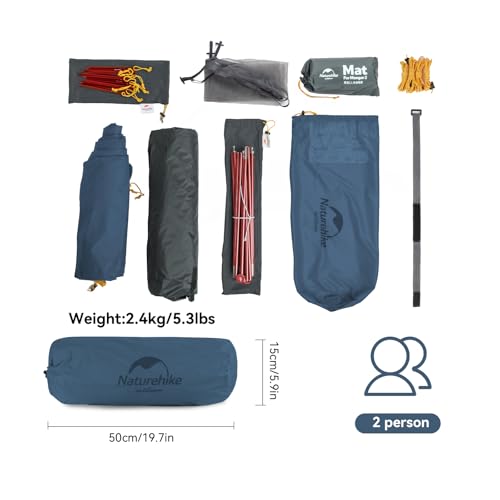
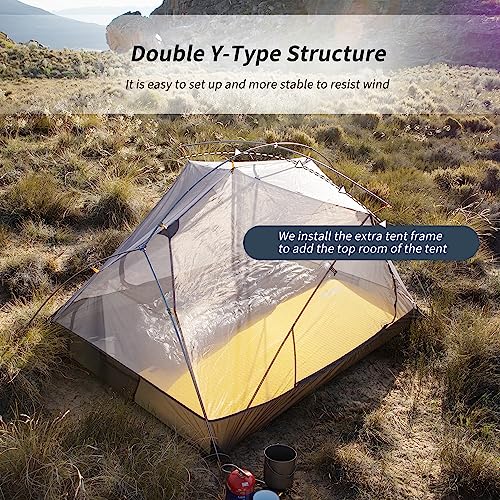
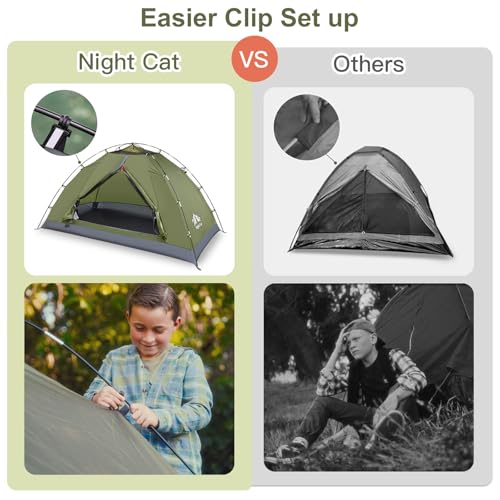
Night Cat Upgraded 1-2 Person Tent

Strengths
- Extremely fast setup
- Stormproof build
- Compact packed size
Trade-offs
- Fiberglass poles less durable
- Condensation issues
- Tight fit for two
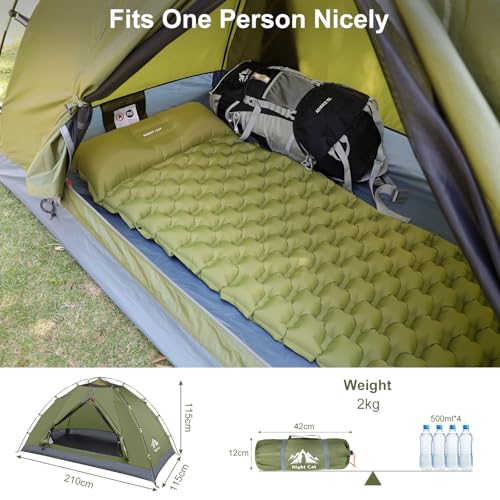
The Night Cat tent is built for speed, its clip-based setup lets you pitch it in about a minute, which is rare for a dome tent at this price. That makes it a strong contender for hikers who hate wrestling with poles or camp late after dark. At 4.4lbs, it’s reasonably light for a 1-person shelter, and the fiberglass poles keep costs down while still offering decent stability.
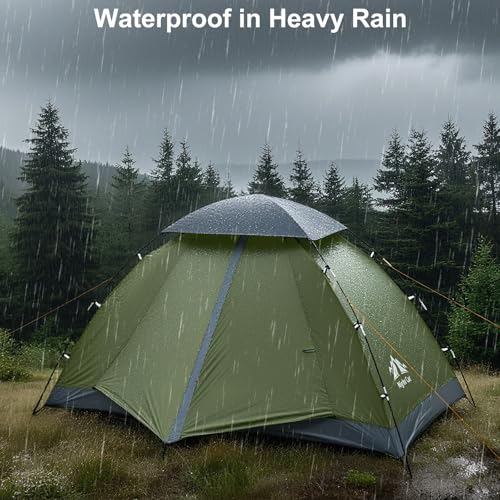
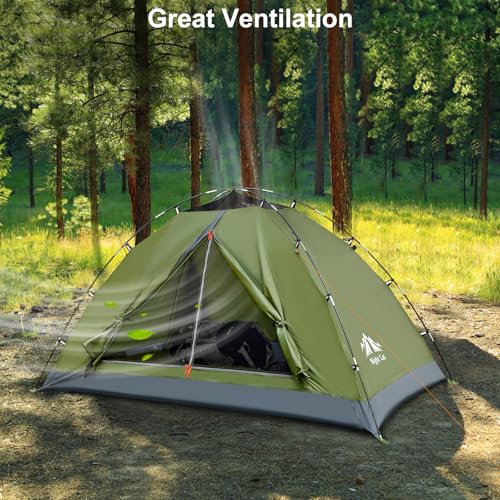
Owners praise its stormworthiness, with the 3000mm PU coating and taped seams holding up in heavy rain. But the trade-off is breathability, ventilation is limited compared to mesh-heavy designs, and condensation can build up in humid conditions. It’s also best for solo use; squeezing in two people means zero extra space. If quick pitch is your top priority, this delivers.
Product photos

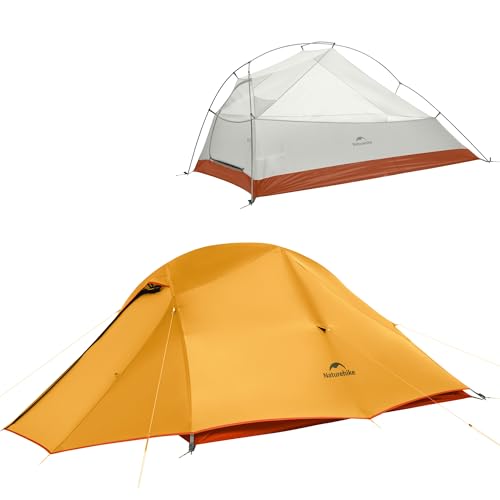
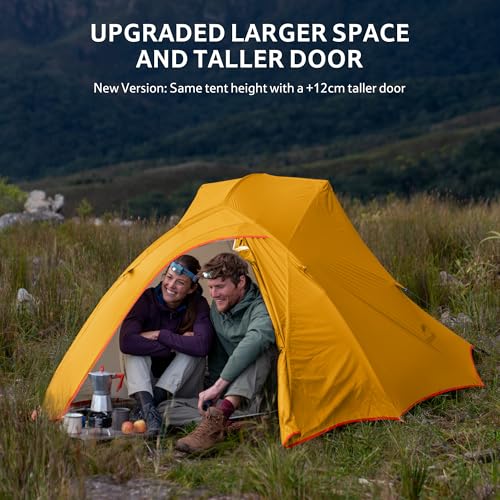
Naturehike Cloud Up 3 Person Tent
Strengths
- Spacious for three
- Light for size
- Includes footprint
Trade-offs
- Tight fit with three full-size sleepers
- Ventilation could be better
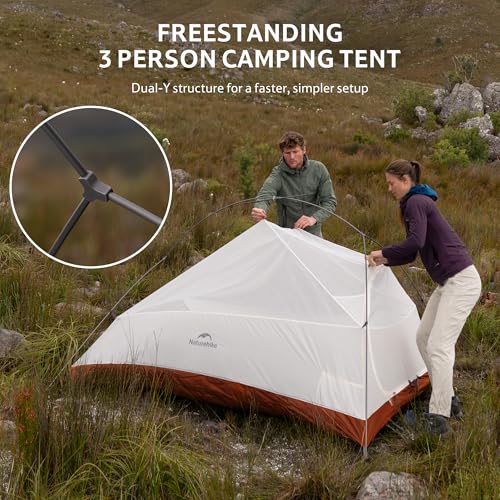
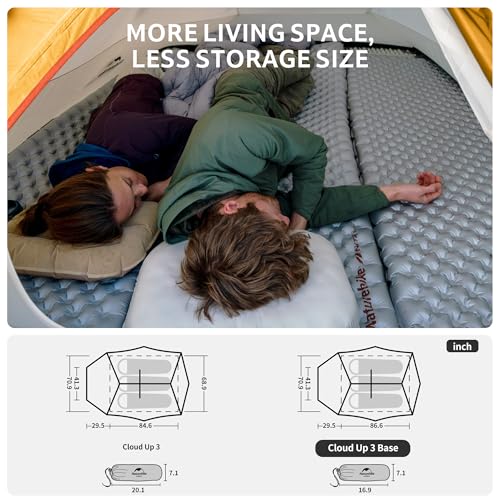
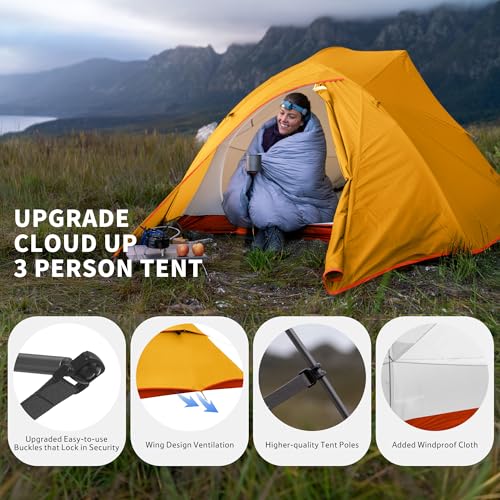
If you’re hauling a tent for three, space and weight are always at odds, but the Cloud Up 3 manages both well. At under 6.3lbs, it’s impressively light for a 3-person shelter, and the 116-inch length gives real legroom. The upgraded buckles instead of straps make setup smoother, and the dual-Y pole system ensures it stands firm in wind.
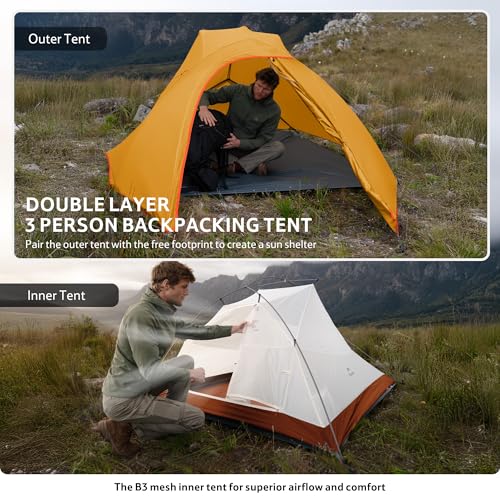
Owners love the breathable design, the gap between inner and fly is wider than most, cutting down on condensation. The included footprint is a big plus, and the ability to pitch the fly alone as a sun shelter adds versatility. It’s not as light as splitting two 1-person tents, but for groups or families, it’s the smarter choice. Beats the Mongar 2 in space, though not quite as storm-ready.
Product photos
Camppal 1 Person Tent

Strengths
- Great price
- Tall interior
- Strong warranty
Trade-offs
- Basic ventilation
- Single entry point
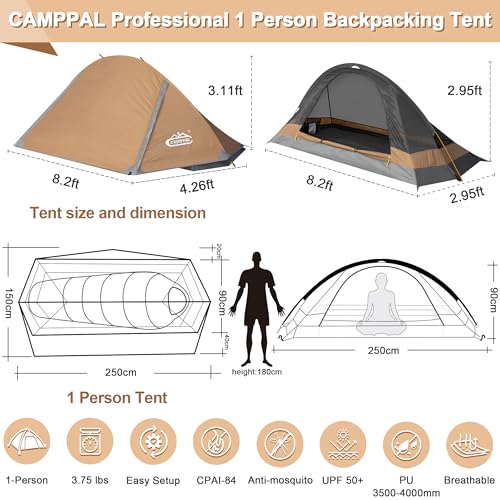
The camppal 1-person tent is a no-frills workhorse that delivers surprising performance for the price. At 3.75lbs and with a 3500-4000mm waterproof rating, it’s both light and seriously weather-resistant. The single ridge pole design makes it easy to pitch, most owners say under 3 minutes, and the extended 8.2-foot length is a huge plus for taller hikers who usually feel cramped in solo tents.
It’s not fancy: the ventilation is basic, and the single door limits airflow. But for the money, it’s rugged, roomy, and reliable in wind and rain. The included lifetime warranty adds peace of mind. Compared to the Night Cat, it’s slower to set up but offers better long-term durability with its aluminum poles. My pick for budget-conscious hikers who still want real backpacking performance.
Product photos



Forceatt 2 Person Backpacking Tent

Strengths
- Quick setup
- Smooth zippers
- Strong pole construction
Trade-offs
- Moderate breathability
- Heavier than ultralight options
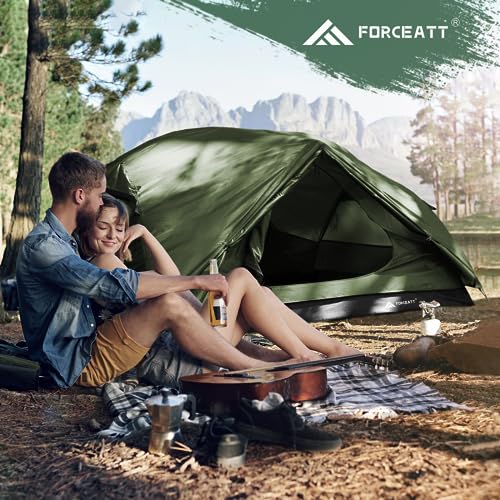
The Forceatt 2-person tent is a solid budget performer that punches above its price point in durability and ease of use. With a 3000mm waterproof rating, welded floor seams, and a full-coverage fly, it’s built to keep you dry, and reviewers confirm it handles downpours without issues. The dual D-shaped doors and vestibules make for convenient access and gear storage, and the 7001 aluminum poles add confidence in gusty conditions.
Where it really shines is setup: most owners say they had it up in under 3 minutes, even in the dark. It’s not the lightest or most breathable tent here, but for beginners or casual campers who want reliability without fuss, it’s a smart pick. I’d still give the nod to the Cloud Up Pro for long-term backpacking, but this is the better value for infrequent users.
Product photos


How We Evaluated hike tents
Rather than a hands-on lab test, this is a research-led comparison of published specifications and owner feedback. I weighed the features listed by manufacturers against what owners are actually saying about performance in the field. I examined tents across a range of price points and intended uses, focusing on those frequently discussed as options for backpacking and general hiking. My analysis considered owner reviews from major retailers, as well as insights from outdoor-focused publications.
For hike tents, weight, waterproof rating, and ease of setup were the biggest deciding factors. A lighter tent is crucial for backpacking, while reliable waterproofing is essential for comfortable adventures in unpredictable weather. Quick and simple setup is also a huge benefit, especially after a long day on the trail. I prioritized these elements as they directly affect the user experience and overall value.
Specifications reliably indicate a tent’s potential in terms of weight and dimensions. However, owner feedback provided critical insights into real-world durability, condensation issues, and the accuracy of advertised waterproof ratings. I also looked to top tent brands to see which manufacturers consistently receive positive reviews for quality and customer service, influencing my final ranking.
How To Choose The hike tents
Picking a tent can feel overwhelming, but focusing on a few key areas will help you find the right shelter for your adventures.
A quality tent balances weight, weather protection, and livability. Buyers should assess the denier (D) of the fabric (lower is lighter, but less durable), the waterproof rating (measured in mm – higher is better), pole material (aluminum is stronger and lighter than fiberglass), and overall packed size and weight. Don’t skimp on features like taped seams and a durable floor, as these are critical for staying dry.
Weight and Packability
For most of us, weight is a major concern. Every ounce adds up when you’re carrying a tent on your back. Look beyond the total weight, though. Consider the packed size. A smaller packed size means it takes up less room in your pack, leaving space for other essentials. Ultralight tents, like the Naturehike Cloud-Up 1 Person Tent, achieve impressive weights using thinner fabrics, but this comes with a trade-off in durability. If you’re a particularly rough sleeper or anticipate abrasive conditions, you might want to prioritize a slightly heavier, more robust model.
Waterproofing and Weather Resistance
Don’t assume all tents are created equal when it comes to keeping you dry. The waterproof rating (in millimeters) indicates how much water pressure the fabric can withstand before leaking. A rating of 1500mm is generally considered waterproof for light rain, but for serious downpours, you’ll want at least 2000mm, and ideally 3000mm or higher. Beyond the fabric itself, pay attention to details like taped seams – these prevent water from seeping through the needle holes. If you plan on camping in challenging conditions, investigate 4-season tent features to ensure adequate protection.
Features and Livability
Beyond the basics, think about the features that will enhance your camping experience. Vestibules (covered areas outside the tent door) provide valuable storage space for boots and gear, keeping the inside of your tent cleaner and drier. A larger door opening makes getting in and out easier, particularly for those with bulky packs. And consider ventilation. Good airflow minimizes condensation buildup inside the tent, which can be a real problem in humid conditions.
Here’s what I look for in terms of livability: * A full mesh top panel: Excellent for stargazing. * Multiple interior pockets: Keeps small items organized. * A roomy vestibule: Crucial for storing wet gear and cooking in a pinch, especially if you’re planning on tackling some top-rated two-person backpacking tents.
A tent’s footprint is just as important as the tent itself. Always use a footprint (or create one from a sheet of Tyvek) to protect the tent floor from abrasion and punctures.
Hike Tents Compared
Here’s a comparison of key specifications for various hike tents to help you choose the best option for your needs.
| Product Name | Capacity | Weight (lbs) | Waterproof (mm) | Packed Size | Material (Fly) |
|---|---|---|---|---|---|
| Naturehike Cloud Up Pro 2 | 2 | 3.97 | 4000 | 15.7″ x 5.1″ x 5.1″ | 20D Nylon |
| Naturehike Cloud-Up 1 | 1 | 3.57 | 4000+ | 15.3″ x 5.1″ x 5.1″ | 20D Nylon |
| Naturehike Mongar 2 | 2 | 5.3 | 3000 | 19.7” x φ5.9” | 210T Polyester |
| Night Cat Upgraded 1-2 | 1-2 | 4.4 | 3000 | 16.5×4.7×4.7 inches | 210T Polyester Taffeta |
| Naturehike Cloud Up 3 | 3 | 6.3 | 3000 | 16.9″ x 6.7″ | 210T Polyester |
| Camppal 1 Person | 1 | 3.75 | 3500-4000 | N/A | N/A |
| Forceatt 2 Person | 2 | 5.5 | 3000 | N/A | N/A |
Frequently Asked Questions
What waterproof rating is truly necessary for hike tents?
A 3000mm rating is generally sufficient for most hiking conditions, but if you frequently encounter heavy or prolonged rainfall, I recommend looking for a tent with a 4000mm rating or higher to provide extra peace of mind.
How much does tent material (denier) affect weight and durability?
Lower denier fabrics (like 20D nylon) are lighter, making them ideal for backpacking, but they are more susceptible to tears. Higher denier fabrics (like 75D polyester) are more durable, but add noticeable weight.
Are freestanding tents really easier to set up?
Yes, freestanding tents are significantly easier to pitch because they don’t require stakes for initial setup. This is especially helpful on rocky or windy terrain where staking can be difficult, or when you’re setting up camp quickly after a long day.
What’s the benefit of a tent footprint, and can I skip it?
A footprint protects your tent floor from abrasion and punctures, extending its lifespan. While you can skip it, risking damage to the floor, I strongly advise against it, especially on rough ground. A Tyvek sheet is a budget-friendly alternative.
What should I look for in a hike tent if I’m camping with a partner?
When choosing a hike tent for two people, prioritize models with enough space for both of you and your gear. Look for lightweight hiking tents for couples that offer comfortable headroom and a spacious vestibule for storing equipment.
The Bottom Line
Choosing a hike tent always involves balancing how much you’re willing to carry against how much protection and space you want. For the best overall combination of weight, weather protection, and livability, I recommend the Naturehike Cloud Up Pro 2. It strikes a sweet spot for most backpackers, offering a roomy interior and solid waterproofing without being overly heavy or expensive.
If budget is your biggest concern, the Camppal 1 Person is a fantastic choice. For those needing more space, or who often camp with a partner, the Naturehike Cloud Up 3 offers excellent roominess without a huge weight penalty. And for versatility – a tent you can reliably use solo or with a friend – the Night Cat Upgraded 1-2 is a solid performer.
Ultimately, remember that specifications aren’t everything. The most important thing is to find a tent that suits your hiking style and the conditions you’re likely to encounter. Paying attention to fabric quality, waterproof ratings, and a solid understanding of how to pick a tent will serve you far better than chasing the lowest weight or the highest number on a spec sheet.
