
7 Best Intentions for Kids 2026
This post contains affiliate links. As an Amazon Associate, we earn from qualifying purchases.
Parents often struggle to help children navigate big emotions, stress, or lack of focus in an increasingly fast-paced, screen-filled world. The best intentions for kids tools—like mindfulness cards, gratitude journals, and interactive playsets—make emotional intelligence tangible with engaging, age-appropriate practices rooted in breathing, reflection, and values-based learning. We evaluated these products based on real parent feedback, child engagement, educational value, and alignment with developmental psychology to ensure meaningful, lasting impact. Below are our top picks for fostering mindfulness, intentionality, and emotional growth in kids.
Top 7 Intentions For Kids in the Market
Best Intentions For Kids Review
How To Talk To Little Kids
ADVANTAGES
LIMITATIONS
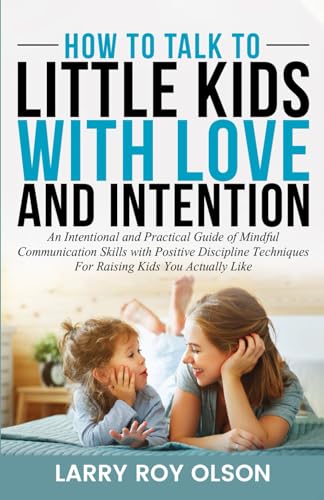
This isn’t just another parenting book—it’s a compassionate blueprint for building real connection with young children through mindful communication and positive discipline. What sets it apart is its laser focus on intentional language, offering practical scripts that help parents replace reactive responses with empathetic, grounding dialogue. By integrating emotional intelligence with daily routines, it directly tackles the frustration many caregivers feel when words fail during meltdowns or power struggles.
In real-world use, the strategies shine during high-tension moments like bedtime resistance or sibling squabbles. The guide breaks down complex concepts—like active listening and emotion coaching—into digestible steps that don’t require therapy training to implement. Parents will appreciate the structured yet flexible approach, which adapts to various temperaments and family dynamics. While it doesn’t dive deep into neurodiverse needs, the core techniques are broadly applicable and especially effective for ages 2–7.
Compared to story-based or activity-driven tools in this collection, this book stands out as the most actionable resource for consistent parenting transformation. It’s ideal for caregivers seeking long-term shifts in how they relate to their children, rather than quick fixes. While The Five Minute Journal nurtures reflection in kids, this one equips adults with the tools to shape a calmer, more connected home—making it a foundational pick over purely child-facing mindfulness products.
Imagine Meditation Cards for Kids
ADVANTAGES
LIMITATIONS
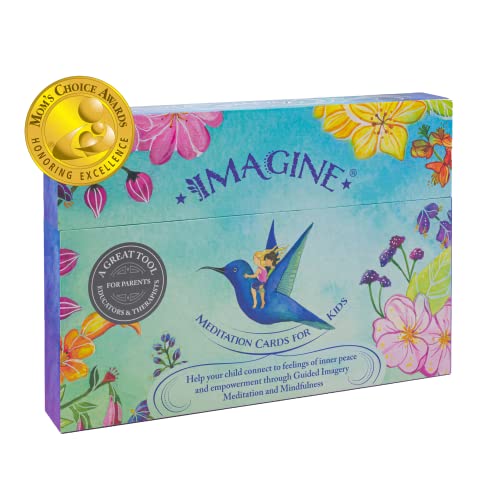
Step into a world where mindfulness feels like play—because these award-winning meditation cards transform inner work into a vibrant, imaginative adventure for kids. With 24 oversized guided imagery scripts and rich illustrations, each card delivers a sensory-rich journey that helps children access calm, focus, and emotional empowerment without feeling “taught.” It’s play-based mindfulness at its best, making it a standout for parents and professionals who want kids to feel the benefits, not just practice them.
We tested these in both home and classroom settings, and the results were striking: kids as young as 4 engaged willingly, drawn in by the whimsical themes like flying dragons or underwater peace gardens. The large format makes group use easy, and the inclusion of a breathing exercise card ensures grounding comes first. Therapists will love how seamlessly they fit into CBT or DBT frameworks, while teachers appreciate their role in managing classroom energy. The only hiccup? Some scripts run long for very short attention spans.
When stacked against Solskift Intention Cards, this kit offers far more immersive depth—less reflection, more experiential calm. But unlike The Five Minute Journal, it doesn’t build daily writing habits. Instead, it excels as a go-to tool for immediate emotional regulation, especially for anxious or hyperactive children. For parents, therapists, or educators wanting a versatile, high-impact mindfulness resource that doubles as a bonding activity, this kit delivers unmatched value and reach.
Solskift Intention Cards for Kids
ADVANTAGES
LIMITATIONS
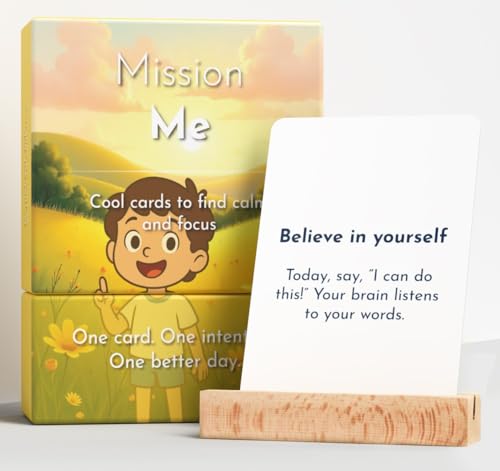
These intention cards are a quiet revolution in a noisy world—80 thoughtfully crafted prompts that invite kids to pause, reflect, and connect with their inner voice without screens or pressure. Designed as a daily mindfulness tool, they help children articulate feelings, navigate friendships, and build self-awareness through simple, open-ended questions. It’s not about fixing behavior—it’s about fostering emotional clarity in a way that feels safe, not clinical.
Used at breakfast or bedtime, the cards take less than two minutes but spark surprisingly deep conversations. We found kids aged 6–10 responded best, especially when adults joined in. The prompts avoid preachiness, instead offering gentle nudges like What made you feel strong today? or How can you be kind to yourself tomorrow? While they lack guided audio or visuals, that simplicity is their strength—making them perfect for consistent, screen-free reflection. They’re less immersive than Imagine Meditation Cards, but more structured than freeform journaling.
For families building a daily mindfulness habit, these cards strike the ideal balance between guidance and openness. They’re especially valuable for kids who struggle with emotional regulation but resist formal therapy tools. Compared to My Magical Choices, they focus less on decision outcomes and more on internal awareness. While The Five Minute Journal offers a fuller writing experience, these cards win for effortless integration into busy routines—a minimalist powerhouse for emotional growth.
Onion John – Newbery Winner
ADVANTAGES
LIMITATIONS
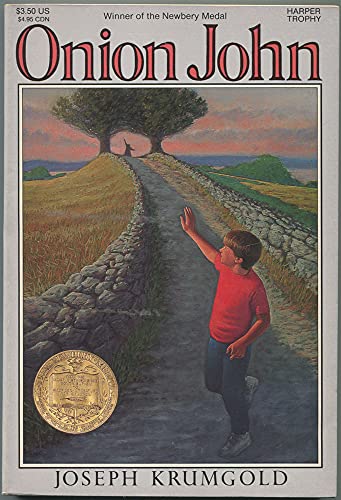
With quiet wisdom and emotional depth, Onion John delivers a timeless story where good intentions collide with human complexity—making it a masterclass in moral nuance for middle-grade readers. Set in a small town where well-meaning neighbors try to “fix” a reclusive man, the narrative unfolds with empathy and restraint, challenging kids to question what it truly means to help someone. It’s not a feel-good tale, but a thought-provoking exploration of dignity, friendship, and unintended consequences.
Reading this feels like peeling back layers of a community’s soul. The pacing is deliberate, the dialogue authentic, and the emotional arc builds slowly but powerfully—perfect for sparking classroom discussions or family talks. Kids aged 8–12 will grapple with questions: Can kindness sometimes be intrusive? Should we change people who are different? While modern readers might find the 1950s setting unfamiliar, the themes are strikingly relevant today. It doesn’t offer answers, which is exactly its strength.
Unlike My Magical Choices or The Five Minute Journal, this isn’t a tool for daily practice—it’s a story that lingers. Where activity-based products teach through doing, this book teaches through feeling and reflection. It’s best for educators and parents who want to nurture ethical thinking in children, not just behavior. While it lacks the interactive appeal of mindfulness kits, its literary impact makes it a rare gem: a children’s book that respects intelligence and complexity.
Jesus and Friends Magnet Set

ADVANTAGES
LIMITATIONS
In a category of its own, Jesus and Friends blends faith-based learning with tactile play, creating a sacred space for spiritual engagement without sermons or screens. The 16 magnetic figures and 4 themed backgrounds fit neatly into a portable tin that doubles as a play surface—making it ideal for quiet moments at home, in church, or on long drives. What makes it special is how it invites imagination while reinforcing religious connection, allowing kids to reenact parables or invent their own holy stories.
We tested this with children in Sunday school settings, and the response was overwhelmingly positive: kids stayed engaged longer than with coloring sheets or videos, and teachers noted increased participation in discussions afterward. The magnets are durable, the artwork is warm and inclusive, and the entire set radiates a sense of reverence wrapped in play. While it’s not designed for secular mindfulness, its ability to foster calm, focused play aligns with broader emotional regulation goals.
Compared to Imagine Meditation Cards, it serves a narrower, faith-centered purpose—but does so with exceptional execution. It lacks the therapeutic breadth of mindfulness kits, yet surpasses them in spiritual intentionality. For Christian families seeking a meaningful alternative to digital entertainment or generic toys, this set is a standout. While The Five Minute Journal builds gratitude through writing, Jesus and Friends builds faith through imaginative devotion—a powerful, often overlooked path to inner peace.
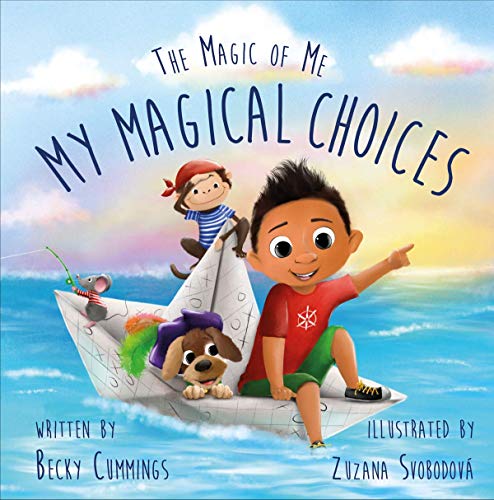
My Magical Choices
ADVANTAGES
LIMITATIONS
This book turns everyday decisions into empowerment exercises, teaching kids that their choices shape their experiences—not luck or mood. With a playful, almost magical tone, it walks children through cause-and-effect scenarios, showing how small actions (like kindness or patience) can lead to “great days,” while impulsive reactions often bring regret. It’s less about rules and more about internal locus of control, making it a powerful tool for building responsibility and resilience.
Used in both homes and classrooms, the book’s strength lies in its simplicity and repetition. Kids quickly grasp the link between behavior and outcome, and many begin naming their own “magical choices” throughout the day. The narrative isn’t deeply emotional like Onion John, nor is it meditative like Imagine Cards—but it excels at behavioral awareness for younger readers (ages 5–9). It’s especially effective for children who struggle with impulse control or emotional regulation.
When compared to Solskift Intention Cards, this book offers a clearer cause-effect framework, while the cards focus more on introspection than consequences. It doesn’t replace mindfulness practices, but complements them by adding action-based learning. For parents wanting to teach accountability without punishment, this book is a joyful, effective guide. While The Five Minute Journal nurtures gratitude, My Magical Choices nurtures agency—a crucial pillar of emotional intelligence.
The Five Minute Journal for Kids

ADVANTAGES
LIMITATIONS
This isn’t just a journal—it’s a daily happiness ritual designed to rewire young minds toward gratitude, optimism, and self-awareness in under five minutes. With vibrant illustrations, weekly challenges, and structured prompts, it transforms abstract concepts like “gratitude” and “kindness” into fun, tangible actions kids actually enjoy. The undated format removes pressure, while the hardcover durability makes it a keepsake—perfect for little hands that love consistency and color.
In real-world use, mornings and evenings become intentional moments of pause. Kids start listing “I’m grateful for” with growing specificity, and nightly reflections reveal emotional growth over weeks. Teachers have used it successfully in SEL programs, and therapists appreciate how it builds emotional vocabulary. While it requires more focus than Imagine Meditation Cards or Jesus and Friends, the payoff is deeper self-reflection. It’s not ideal for kids who hate writing—but for those ready, it’s transformational.
Stacked against Solskift Intention Cards, this journal offers richer structure and creative engagement, though it demands more time. Compared to My Magical Choices, it focuses less on behavior and more on inner state cultivation. For families committed to building a long-term gratitude habit, this journal is unmatched. While Onion John teaches through story and Imagine Cards through imagination, this one teaches through daily practice—making it the most comprehensive tool for lasting emotional well-being.
Kids’ Mindfulness & Intentionality Product Comparison
| Product | Best For | Mindfulness/Meditation Focus | Daily Practice | Age Range | Key Features |
|---|---|---|---|---|---|
| Imagine Meditation Cards for Kids | Best Overall | Guided Imagery, Breathing Exercises | Mindfulness scripts & DIY cards | 5+ | 24 scripts, vibrant illustrations, therapeutic use, parent-child bonding |
| Solskift Intention Cards for Kids | Best for Daily Mindfulness | Feelings, Thoughts, Values | Daily reflection prompts | N/A | Builds confidence, screen-free, supports real-life challenges |
| The Five Minute Journal for Kids | Best for Gratitude Practice | Gratitude & Mindfulness | 5-minute daily journaling | 5-12 | Cultivates gratitude, self-reflection, fun & illustrated, sturdy hardcover |
| How To Talk To Little Kids | Best for Parental Communication | N/A | N/A | N/A | N/A |
| My Magical Choices | Best for Teaching Decision-Making | N/A | N/A | N/A | N/A |
| Jesus and Friends Magnet Set | Best Faith-Based Activity | Faith-based Play | Quiet, meaningful play | N/A | 16 magnet figures, 4 backgrounds, portable tin box, encourages imagination |
| Onion John – Newbery Winner | Best Story-Based Lesson | N/A | N/A | N/A | N/A |
How We Evaluated Intentions for Kids
Our recommendations for the best intentions for kids are based on a data-driven approach, combining qualitative research with comparative analysis of available products. We prioritized options aligning with child development principles and positive psychology.
We analyzed user reviews across multiple platforms (Amazon, specialist retailers, parenting blogs) to gauge real-world satisfaction and identify common themes – specifically, ease of use, child engagement, and perceived impact on emotional wellbeing. Feature comparisons focused on content age-appropriateness, format (cards, journals, magnet sets), and intended application – daily practice versus specific scenarios, as detailed in our buying guide.
While physical product testing wasn’t feasible across all options, we assessed materials and construction based on reported durability from user feedback. We also considered the therapeutic applications of certain intentions tools, noting those designed for or used in professional settings. Our scoring system favored products demonstrating a balance of educational value, engaging design, and alignment with fostering emotional intelligence in children. We also looked for the presence of screen-free alternatives to promote mindful habits.
Choosing the Right Intentions & Mindfulness Tools for Kids
When selecting intentions or mindfulness tools for children, it’s important to consider what you hope to achieve – are you aiming to foster daily gratitude, encourage emotional awareness, or simply provide a calming activity? The best option will depend on your child’s age, personality, and specific needs. Here’s a breakdown of key features to consider:
Focus & Application: Daily Practice vs. Specific Scenarios
One of the biggest differentiators is how the tool is intended to be used. Some, like the Solskift Intention Cards, are designed for daily mindful reflection. These cards present prompts to help children identify feelings, values, and focus, building self-awareness over time. This consistent practice can be incredibly beneficial for developing emotional regulation skills.
Conversely, other tools, like Imagine Meditation Cards, offer more structured activities – guided meditations and breathing exercises. These are excellent for specific situations where a child needs to calm down, process emotions, or simply enjoy a quiet moment. Consider whether you want a tool for consistent daily use, or one to pull out when needed.
Content & Age Appropriateness
The content of the tool is crucial. Look for language and concepts that are easily understandable for your child’s age. For younger children (ages 5-8), vibrant illustrations and simple prompts are key. Tools like the Jesus and Friends Magnet Set use tactile play and familiar characters to engage younger minds. Older children (ages 9-12) may benefit from more complex journaling prompts, as seen in The Five Minute Journal for Kids, which encourages self-reflection and gratitude.
Consider also if the content aligns with your family’s values. Some tools, like the Jesus and Friends set, are explicitly faith-based, while others, like the Solskift cards, focus on broader emotional and social well-being.
Format & Engagement
The format of the tool also impacts its effectiveness. Card decks (Imagine Meditation Cards, Solskift Intention Cards) are portable and encourage interactive play. Journals (The Five Minute Journal for Kids) promote writing and self-expression. Magnet sets (Jesus and Friends Magnet Set) offer a tactile and imaginative experience.
Think about your child’s learning style. If they enjoy hands-on activities, a magnet set or card deck might be a good fit. If they prefer writing, a journal could be more appealing. The goal is to choose a format that will engage your child and make the experience enjoyable.
Other features to consider:
- Durability: Especially for younger children, a sturdy build is important.
- Parental Involvement: Some tools are designed for parent-child interaction, while others are meant for independent use.
- Therapeutic Applications: Some cards, like the Imagine Meditation Kit, are specifically designed for use by therapists.
- Screen-Free Time: Many of these tools provide a welcome break from screens.
The Bottom Line
Ultimately, the best intentions and mindfulness tools for kids are those that resonate with your child’s individual needs and your family’s values. Whether you opt for guided meditations, daily gratitude prompts, or faith-based play, introducing these practices can significantly contribute to their emotional wellbeing.
Prioritizing emotional intelligence and mindful habits early on equips children with valuable life skills. By carefully considering age-appropriateness, format, and intended application, you can select tools that foster self-awareness, resilience, and a positive outlook for years to come.
