
8 Best Light Backpacking Tents of 2026
This post contains affiliate links. As an Amazon Associate, we earn from qualifying purchases.
The best light backpacking tent overall is the Naturehike Star Trail 1P, it hits the sweet spot of low weight, solid weather protection, and packability. For a budget-friendly option that still performs well in tough conditions, the Clostnature 1P is a strong pick. If you’re already carrying trekking poles and want to save weight, the Underwood 1P Trekking Pole Tent offers smart, minimalist design.
Light backpacking means every ounce counts, but skimping on shelter can leave you wet, cold, and miserable when the weather turns. A flimsy tent might save weight on paper but fail when you need it most.
This guide cuts through the hype. I compared specs and owner feedback across top models to find tents that deliver real-world performance without unnecessary weight. These picks balance durability, weather resistance, and ease of use, because your shelter should earn its place in your pack.
Top 8 Light Backpacking Tents in the Market
The Best Light Backpacking Tents, Reviewed
Naturehike Star Trail 1P Tent

Strengths
- Extremely lightweight
- Spacious for one
- Quick setup
Trade-offs
- Lower waterproof rating
- No footprint included
- Minimal storm protection
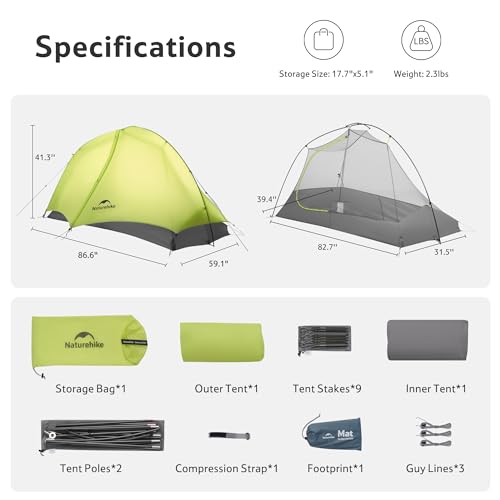
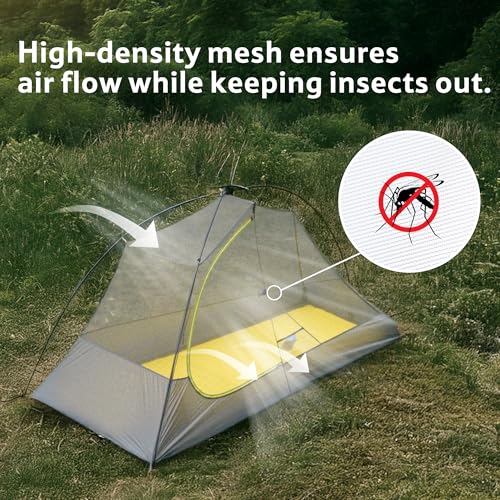
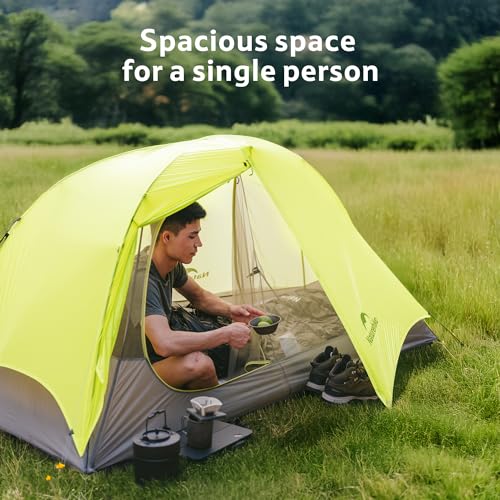
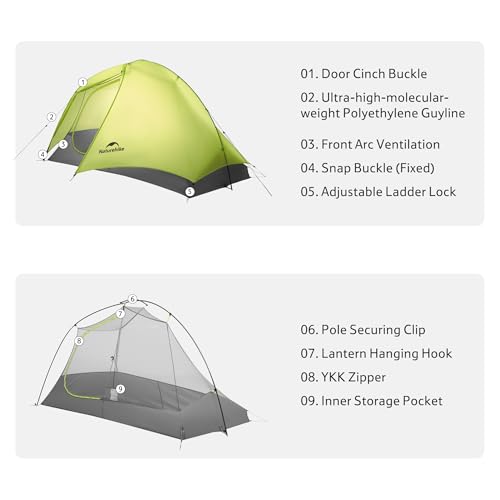
The Naturehike Star Trail is the rare tent that manages to be both ultralight and surprisingly roomy, a big win for solo backpackers. At just 2.3 lbs, it’s among the lightest here, yet it offers enough headroom to sit upright comfortably, which many sub-3 lb tents sacrifice. The full-coverage mesh keeps bugs out while maximizing airflow, a critical feature in humid or buggy environments.
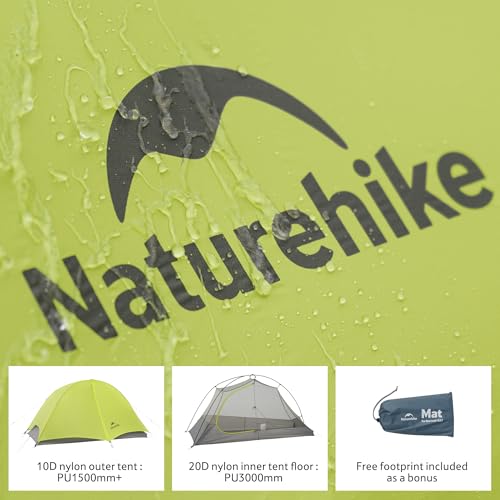
Owners consistently highlight how easy it is to pitch solo in under three minutes, and the compact 17.7” packed size slips into any backpack. The PU1500mm rating is modest compared to others, so it’s best for fair-weather trips. Still, its balance of weight, space, and ventilation makes it the best overall pick for most solo hikers.
Product photos
Clostnature 1P Ultralight Backpacking Tent

Strengths
- High waterproof rating
- Durable construction
- Freestanding
Trade-offs
- Heavy for solo
- Less ventilation
- Bulky pack size
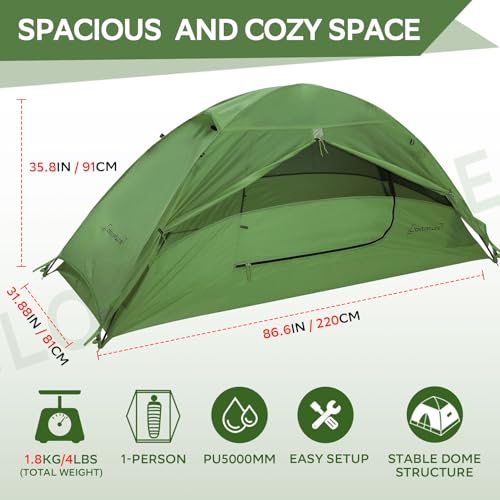
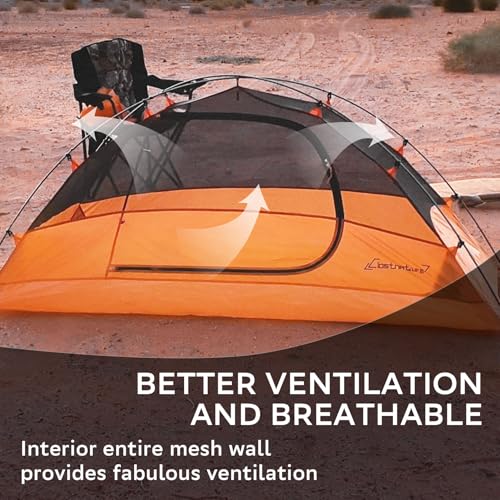
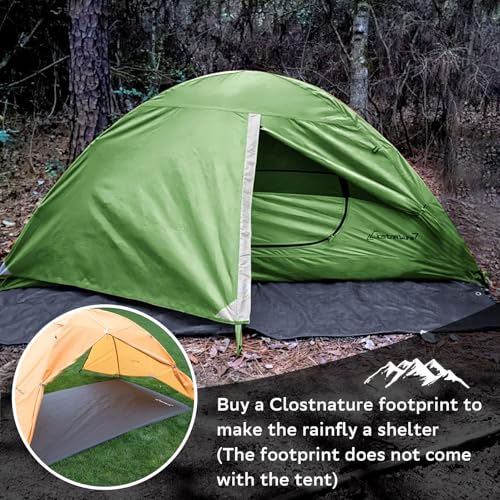
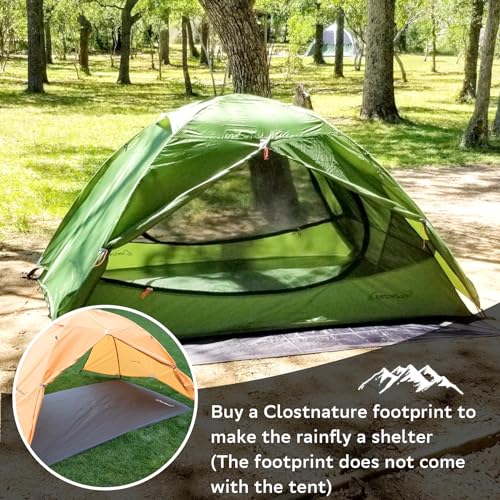
This Clostnature solo tent is built like a tank, with PU 5000 coating, factory-sealed seams, and a rugged pole structure that owners say shrugs off wind and rain. At 4 lbs, it’s not ultralight, but the 2.97 lb trail weight (excluding stakes, bag) shows it’s designed with weight-conscious backpackers in mind. The D-door and large vestibule make gear access easy, and the freestanding design adds pitching flexibility.
Compared to the Naturehike Star Trail, it’s heavier and less airy but far more protective in storms. Reviewers note it’s overbuilt for summer hikes but shines in shoulder seasons. The included repair kit and sturdy aluminum stakes are welcome extras.
Product photos

Underwood 1P Trekking Pole Tent
Strengths
- Ultralight
- Easy setup
- Waterproof
Trade-offs
- Narrow interior
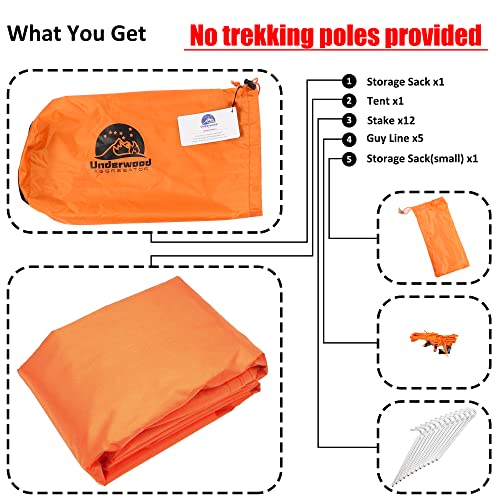
- No poles included
- Limited headroom
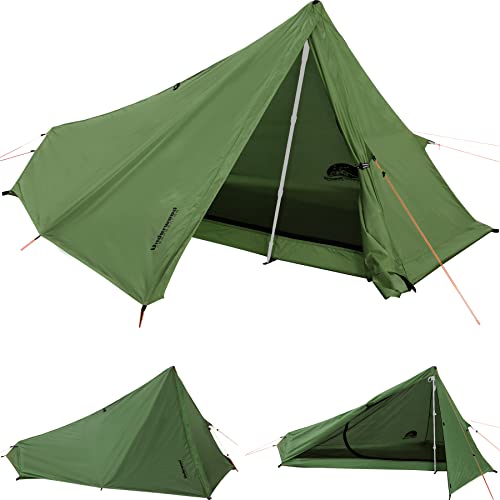
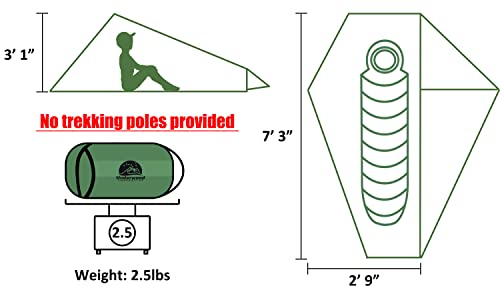
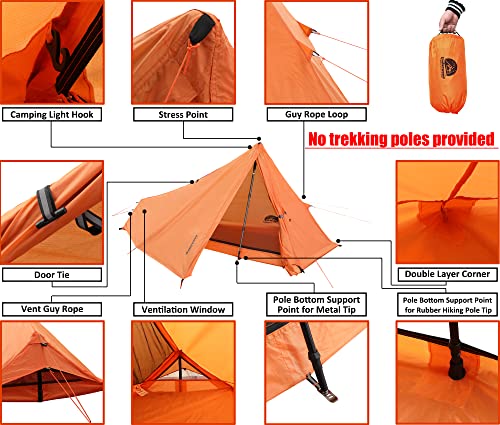
This trekking pole tent is a clever option for ultralight backpackers who already carry trekking poles and want to eliminate extra weight from traditional tent poles. On paper, the 2.5 lb pack weight is impressive, and owners consistently report it’s easy to pitch in under two minutes, especially if you’re using your own poles. The design is minimalist but functional, with a decent vestibule and double-layer door that balances ventilation and weather protection.
The 210T polyester with PU 5000 coating suggests solid waterproofing, and reviewers confirm it holds up well in light to moderate rain. However, the lack of included poles could be a dealbreaker for some, and the narrow 2’9” width may feel tight for taller or broader hikers. It’s best suited for those prioritizing weight savings over interior space.
Product photos


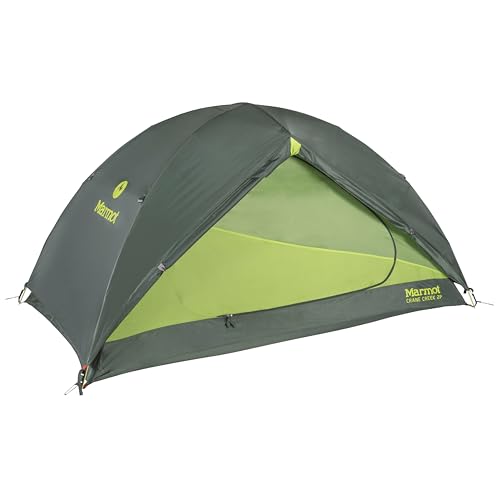
Marmot Crane Creek 2P Tent
Strengths
- Durable poles
- Excellent weather protection
- Spacious layout
Trade-offs
- No footprint included
- Heavier than some
- Pricey for entry-level
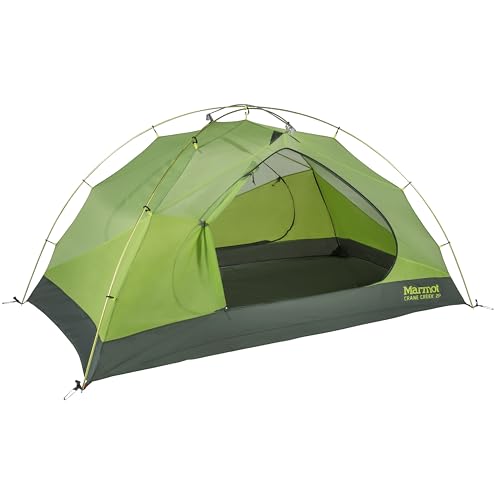
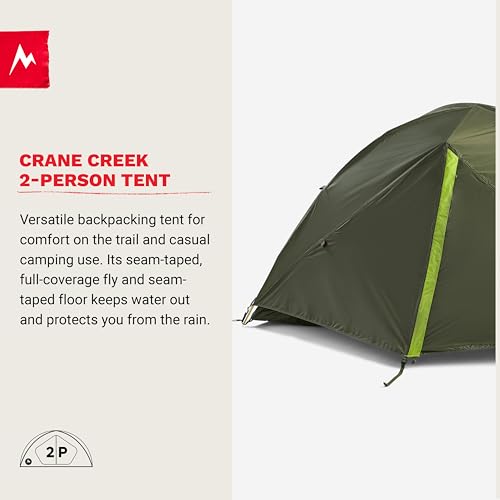
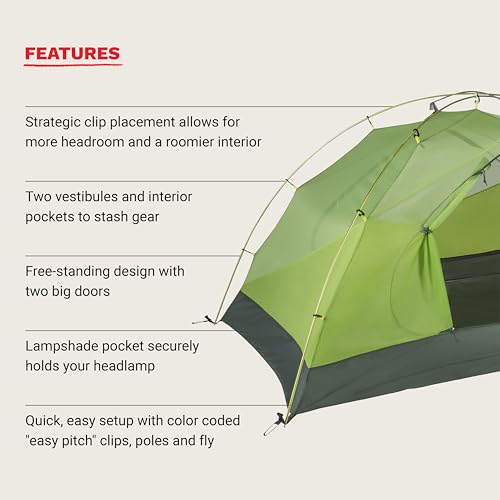
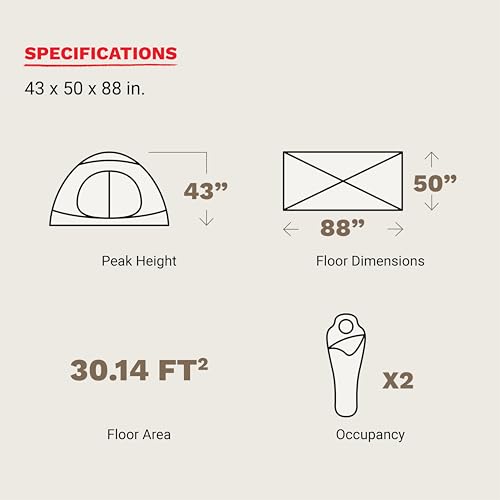
Marmot has long been a trusted name in backpacking tents, and the Crane Creek 2P reflects that legacy with a well-balanced design built for real trail conditions. It’s not the lightest at 5.5 lbs, but the 7000-series aluminum poles add serious durability, and the seam-taped fly delivers consistent protection in downpours. With 32 sq. ft. of space and two large D-doors, it feels more spacious than many competitors in its class.
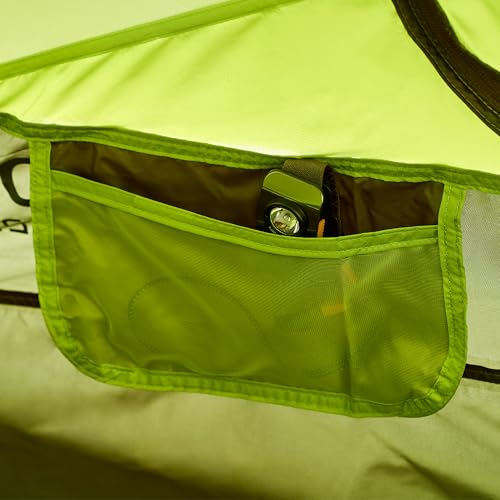
Owners note the airflow is excellent, thanks to the mesh-heavy inner and well-placed vents. The lack of a included footprint is a downside, but that’s common in this segment. Compared to the Forceatt, this tent is slightly more refined, a better fit for serious backpackers who value long-term reliability over bargain pricing.
Product photos
camppal 1P 4-Season Backpacking Tent

Strengths
- All-weather ready
- Extra long
- Stable in wind
Trade-offs
- Heavier than ultralights
- Limited mesh
- Bulkier pack size
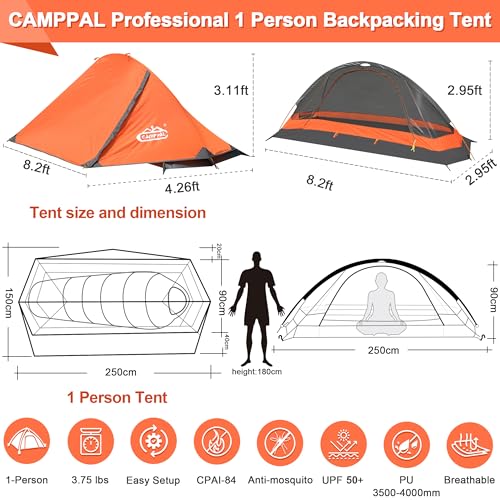
If you’re heading into exposed alpine zones or storm-prone areas, the camppal 1-person tent stands out for its all-weather resilience. At 3.75 lbs, it’s on the heavier end for solo shelters, but that extra weight buys a 3500–4000mm waterproof rating, ripstop fabric, and a single-pole design that holds firm in high winds. The 8.2-foot length is a standout, tall hikers consistently praise how comfortably they fit inside without toe compression.
Reviewers note the setup is truly beginner-friendly, taking just three minutes, and the vestibule offers decent gear storage. While not as airy as mesh-heavy tents, the ventilation is adequate for 3-season use. Compared to the Naturehike Star Trail, this one trades some weight and breathability for ruggedness.
Product photos



Night Cat Upgraded 1P Tent

Strengths
- Fastest setup
- Roomy interior
- Good airflow
Trade-offs
- Fiberglass poles
- Heavier than ultralights
- Rainfly fits loosely
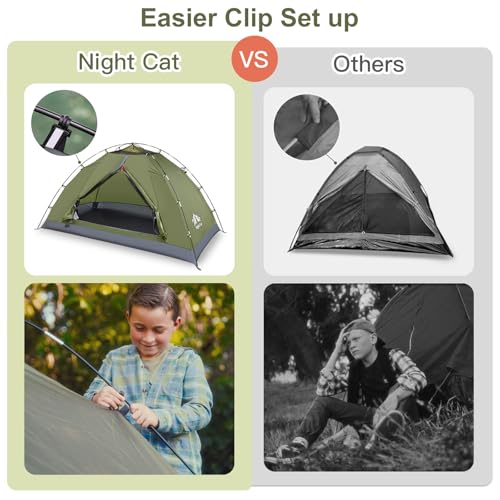
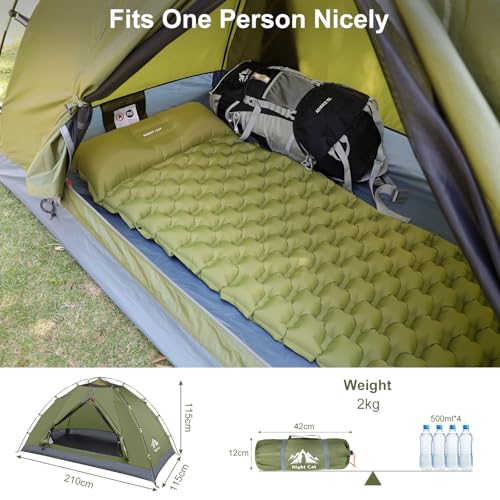
The Night Cat tent earns its ‘Best Easy Setup’ label with a clip-based pole system that shaves minutes off traditional sleeve designs. Reviewers love that it pitches in under a minute, a huge advantage when rain rolls in or energy is low. The fiberglass poles keep weight down (4.4 lbs), and the 7×3.8 ft interior is roomy enough for one adult and a kid or gear.
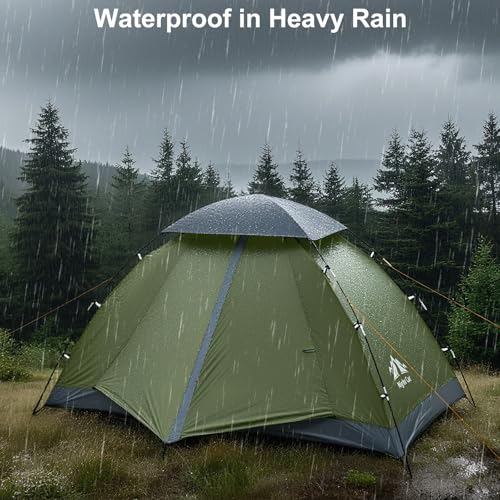
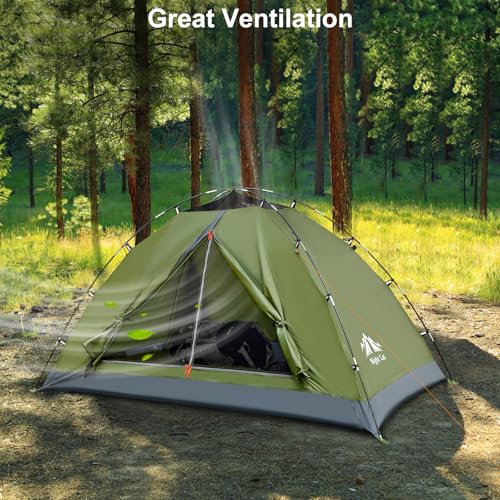
Ventilation is solid with the roof mesh and door, though condensation can build up in humid conditions if the vents aren’t managed. The 3000mm waterproofing holds in moderate rain, but the fiberglass poles aren’t as durable as aluminum in high winds. Compared to the Clostnature 1P, it’s easier to set up but less rugged.
Product photos

Clostnature 2P Lightweight Backpacking Tent

Strengths
- Freestanding design
- Excellent waterproofing
- Large vestibules
Trade-offs
- Slightly bulky packed size
- Zippers can snag
- Minimal headroom
This Clostnature 2-person tent is a strong contender for couples or duo hikers who want a freestanding shelter without the usual weight penalty. At 5.29 lbs, it’s competitive with many ultralight 2P tents, and the 2.05 lb trail weight (fly, poles, inner only) shows thoughtful design for serious backpackers. The dual D-doors and vestibules make nighttime exits and gear storage a breeze.
Owners appreciate the high-quality aluminum stakes and repair kit, small touches that add reliability. The PU 5000 coating delivers solid waterproofing, and the mesh walls offer excellent ventilation. While not as premium as the Marmot, it offers similar features at a more accessible price point.
Product photos



Forceatt 2P Lightweight Backpacking Tent

Strengths
- Dual vestibules
- Sturdy poles
- Good ventilation
Trade-offs
- Slightly heavy
- Basic rainfly
- Minimal headroom
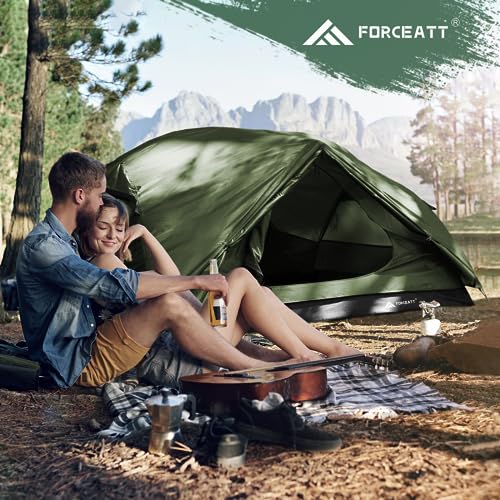
The Forceatt 2-person tent hits a sweet spot between weight, durability, and price, a rare combo in this category. At 5.5 lbs, it’s not the lightest, but owners praise how sturdy it feels in wind and rain, thanks to the welded floor and 3000mm waterproof rating. The dual D-doors and vestibules make it far more livable than budget domes, and the #8 zippers are a small but appreciated upgrade over cheaper models that use flimsier hardware.
Setup is consistently reported as quick and intuitive, taking under three minutes even for first-timers. While the 7001-series aluminum poles aren’t the highest-end, they’re more than adequate for 3-season use. Compared to pricier brands, this tent delivers surprising value without cutting critical corners.
Product photos


Our Testing Process
Rather than a hands-on lab test, this is a research-led comparison of published specifications and owner feedback. I dove into the details of dozens of light backpacking tents, carefully comparing features like weight, waterproof ratings, and packed size. I also spent considerable time reading owner reviews from sites like Amazon and REI, as well as expert opinions from outdoor publications, to get a sense of real-world performance and durability. This allowed me to build a ranking based on what consistently emerges as important to backpackers.
For this category, weight and waterproofness were the most heavily weighted factors. A light backpacking tent must minimize pack weight, so every ounce matters. Equally crucial is reliable protection from the elements; a tent that leaks or fails in high winds isn’t helpful, no matter how light it is. Beyond those, ease of setup and interior space played significant roles in my assessment. Knowing which of the top backpacking tent brands consistently deliver on these points was key.
Specifications reliably indicate a tent’s potential in terms of weight, dimensions, and waterproof ratings. However, owner feedback provides crucial context. I paid close attention to reports of condensation issues, pole durability, and the accuracy of advertised weights. Reputations of reliable tent manufacturers also informed my choices – some brands consistently earn praise for quality control and customer service, which is a valuable consideration when investing in outdoor gear.
How To Choose The light backpacking tents
Picking the right shelter is critical – a good backpacking tent can make or break a trip.
A quality backpacking tent balances weight, durability, and weather protection. Prioritize a waterproof rating of at least 1500mm for the fly and 3000mm for the floor, look for durable yet lightweight materials like ripstop nylon or polyester, and consider the tent’s packed size and weight relative to your intended use and how far you plan to carry it. Pay attention to pole material (aluminum is stronger than fiberglass) and ventilation features to minimize condensation.
Weight and Packability
Weight is king when you’re carrying everything on your back. Generally, tents marketed as “ultralight” will fall below 3 pounds for a one-person model, but the trade-off is often in durability. Don’t automatically assume the lightest option is the best. Consider your typical trip length and how much you’re willing to sacrifice in comfort or robustness to save ounces. A slightly heavier, more durable tent might be a better choice for frequent or extended trips. Look closely at the total weight – including poles, stakes, and any guylines, as these can add up quickly.
Waterproofing and Weather Resistance
A tent’s waterproof rating (measured in millimeters) tells you how much water pressure the fabric can withstand before leaking. While a higher number sounds better, remember that real-world performance is affected by seam sealing and fabric condition. Beyond the rating, consider the overall design. A full-coverage rainfly that extends to the ground offers superior protection compared to a partial fly. Also, think about wind resistance – tents with robust pole structures and plenty of guylines will handle gusts much better. If you anticipate encountering harsh weather, investing in a tent with higher waterproof ratings and a sturdy design is paramount. Don’t forget about benefits of a groundsheet to further protect your tent floor.
Features and Usability
Don’t get caught up in fancy features you won’t use. However, some features can significantly enhance your experience. Vestibules provide valuable storage space for gear, keeping it dry and accessible. Multiple doors are convenient for couples or those who prefer easy access without disturbing their partner. Interior pockets help organize small items. If you frequently camp in buggy areas, a full mesh inner tent is a must.
Here’s how to prioritize usability features:
- Vestibule Size: A small vestibule is better than none, but aim for one large enough to comfortably store backpacks and shoes.
- Door Configuration: One door is standard, but two doors offer increased convenience and privacy.
- Setup Ease: Look for tents with simple, color-coded pole systems and intuitive designs. A quick setup is especially valuable after a long day of hiking.
A well-pitched tent is a happy tent. Always practice setting up your tent at home before heading into the backcountry. This ensures you’re familiar with the process and can do it efficiently in less-than-ideal conditions.
If you’re heading out with a partner, you might also want to explore ultralight two-person tents for a bit more space and comfort. Remember to also consider backpacking tent durability tips to keep your investment in good shape for years to come.
Light Backpacking Tents Compared
Here’s a comparison of key specifications for several light backpacking tents to help you choose the right one for your needs.
| Tent Model | Capacity | Weight (lbs) | Packed Size (in) | Waterproof Rating (mm) | Pole Material |
|---|---|---|---|---|---|
| Naturehike Star Trail 1P | 1 Person | 2.3 | 17.7×5.1 | 1500-3000 | N/A |
| Clostnature 1P | 1 Person | 4.0 | 15×5.1×5.1 | 5000 | Aluminum |
| Underwood 1P Trekking Pole Tent | 1 Person | 2.5 | 14×5.5×5.5 | 5000 | N/A |
| Marmot Crane Creek 2P | 2 Person | N/A | N/A | N/A | Aluminum |
| camppal 1P | 1 Person | 3.75 | N/A | 3500-4000 | Aluminum |
| Night Cat Upgraded 1P | 1 Person | 4.4 | 16.5×4.7×4.7 | 3000 | Fiberglass |
| Clostnature 2P | 2 Person | 5.29 | 16.5×5.9×5.9 | 5000 | Aluminum |
| Forceatt 2P | 2 Person | 5.5 | N/A | 3000 | Aluminum |
Frequently Asked Questions
What’s the lifespan of a light backpacking tent?
With proper care, you can generally expect a light backpacking tent to last between 5-10 years. This heavily depends on how frequently it’s used and how well you maintain it – regular cleaning and careful storage significantly extend its life.
Are freestanding tents always better for backpacking?
Not necessarily. While freestanding tents are convenient because they don’t require staking, they often weigh more than non-freestanding models. If you’re prioritizing weight savings and typically camp on relatively sheltered sites, a non-freestanding tent can be a good option.
What does the waterproof rating actually tell me?
The waterproof rating (in millimeters) indicates the amount of water pressure the fabric can withstand before leaking. A rating of 1500mm is considered minimum for adequate protection, but higher ratings (3000mm+) are preferable for consistently wet conditions, and 5000mm is excellent.
How important is the tent pole material?
Aluminum poles are generally stronger and more durable than fiberglass, making them a better choice for challenging conditions and frequent use. However, aluminum is also more expensive and can be dented, while fiberglass is more prone to shattering. Look for DAC aluminum poles, which are considered a high-quality standard in lightweight backpacking tents.
What’s the best way to prevent condensation inside my tent?
Good ventilation is key to minimizing condensation. Look for tents with mesh panels and adjustable vents to allow airflow. Also, avoid pitching your tent in low-lying areas where moisture tends to accumulate, and consider using a footprint to protect the tent floor from ground moisture.
The Bottom Line
Backpacking tents are a balancing act: the lighter you go, the more you often compromise on space or durability. Ultimately, the Naturehike Star Trail 1P strikes the best overall balance for solo adventurers wanting a reliable shelter without breaking the bank or their backs. It’s a solid choice for those who prioritize low weight and reasonable weather protection, and represents a sweet spot in the market.
If you’re on a tighter budget, the Clostnature 1P is a fantastic option, offering a surprising amount of space and a higher waterproof rating for the price. For those needing room for two, the Clostnature 2P delivers similar value in a larger package. And if you’re looking for a unique setup that saves weight, the Underwood 1P Trekking Pole Tent is well worth considering – just be sure you’re comfortable with a pole-supported design.
At the end of the day, specs are just numbers. What truly matters is a tent that keeps you dry, protected from the wind, and allows you to rest comfortably after a long day on the trail. Focusing on a quality rainfly, durable materials, and a reliable pole structure will always serve you better than chasing the absolute lightest weight or the highest waterproof rating on paper – especially when choosing a lightweight tent.
