
7 Best Lightweight 3 Person Tents 2026, Analyzed
This post contains affiliate links. As an Amazon Associate, we earn from qualifying purchases.
The Naturehike Cloud Up 3 Person Tent stands out as the best overall lightweight 3-person tent, balancing low weight, solid weather protection, and sensible design. For those on a tighter budget, the Forceatt 3 Person Ultralight Backpack Tent delivers surprising performance at a fraction of the cost, while the Clostnature Lightweight 3 Person Backpacking Tent offers excellent versatility with high waterproof ratings and strong owner feedback.
Picking the wrong tent can turn a dream backpacking trip into a soggy, cramped mess. You need something light enough to carry all day but tough enough to handle wind, rain, and rough terrain.
After comparing the field and digging into specs and owner experiences, I focused on weight, durability, weather resistance, and real-world usability. This guide cuts through the marketing to show you which models actually deliver where it matters most.
Top 7 Lightweight 3 Person Tents in the Market
The Best Lightweight 3 Person Tents, Reviewed
Naturehike Cloud Up 3 Person Tent
Strengths
- Footprint included
- Excellent ventilation
- Freestanding design
Trade-offs
- Rainfly could be more robust
- Slight weight penalty
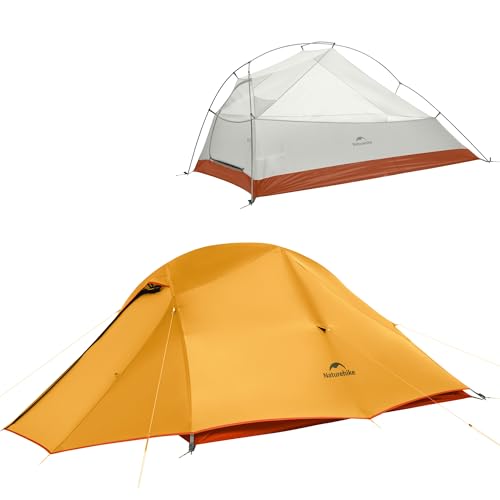
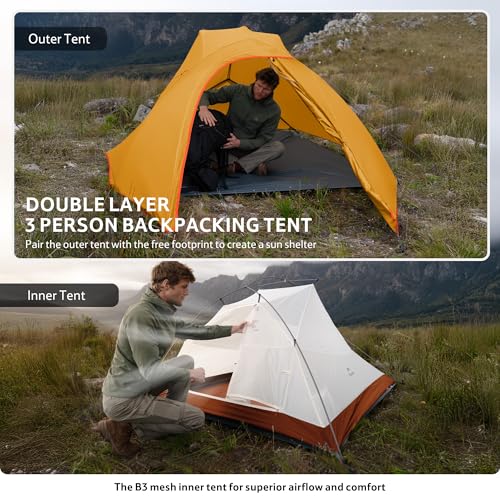
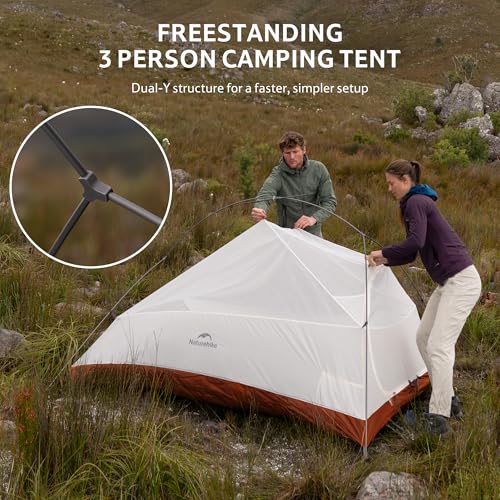
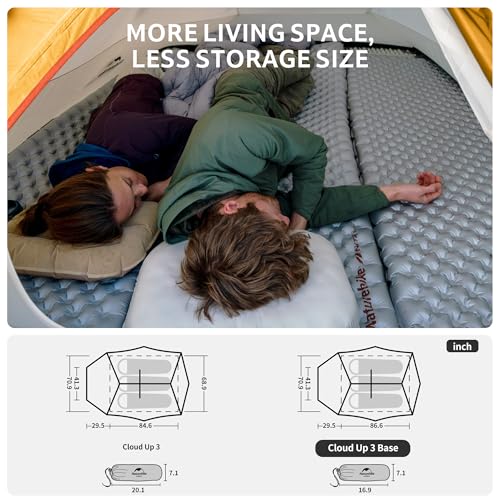
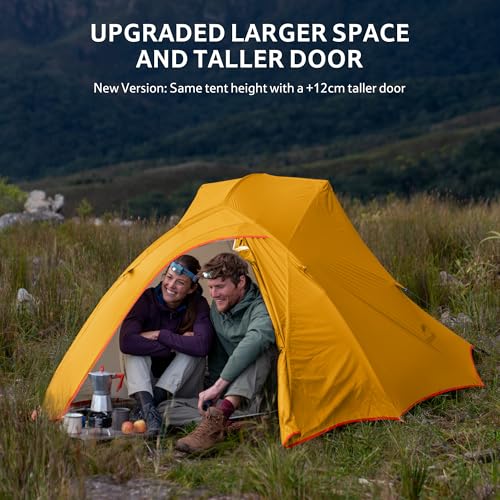
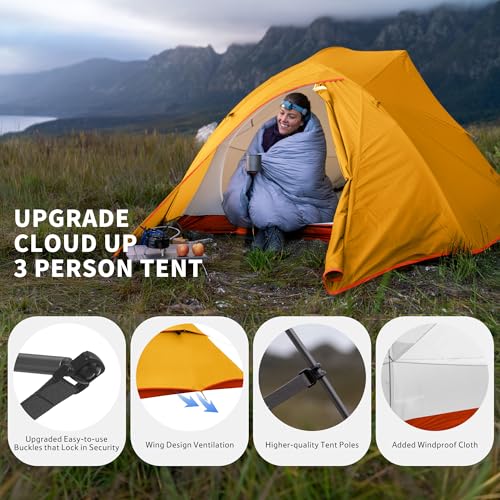
This is the tent I’d recommend to most people looking for a balanced, all-around performer. The Cloud Up offers a smart mix of space, weight, and weather resistance, with an upgraded dual-Y pole system that boosts stability. At under 6.3 lbs and packing down to just 16.9 inches, it’s compact and trail-friendly. The increased door height and wing design improve airflow, and owners report noticeably less condensation than in older models.
The inclusion of a footprint is a major win, most competitors charge extra. The 3000mm PU coating is solid for 3-season use, and the ability to pitch the fly alone as a sun shelter adds versatility. Reviewers love how easy it is to set up solo, and the freestanding design works on rocky or uneven ground. For me, this hits the sweet spot between performance and practicality.
Product photos
Clostnature Lightweight 3 Person Backpacking Tent

Strengths
- Great value
- Lightweight
- Easy setup
Trade-offs
- Poles less durable
- Zippers could be sturdier
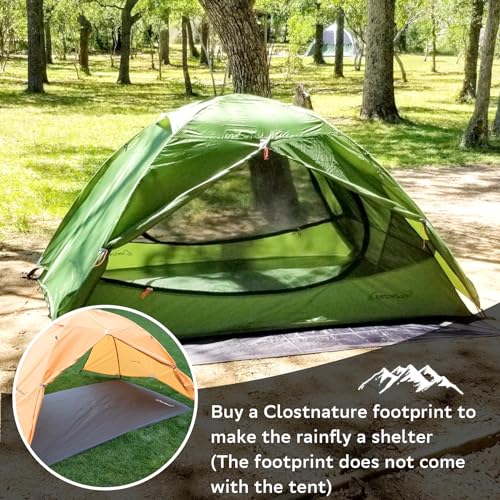
If you’re on a budget but still want a full-featured 3-person tent, this is the one to watch. At just 2.8 kg and with a 5.29 lb trail weight, it’s genuinely lightweight, and the freestanding design with two aluminum poles makes setup a breeze, owners say even first-timers can pitch it solo in under 5 minutes. The PU 5000 coating on the rainfly is a standout spec, offering better waterproofing than many competitors in this range.
Ventilation is solid thanks to full mesh walls and two vestibules, and the compact packed size slips easily into a backpack. Some long-term reviewers note the poles aren’t as robust as high-end brands, but for the price, it’s hard to complain. This is the kind of tent that punches above its weight class, especially for casual backpackers or beginners who don’t want to overspend. My recommendation: pair it with a footprint to extend floor life.
Product photos



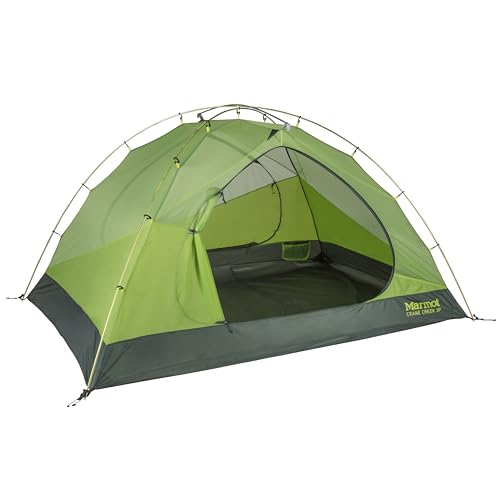
Marmot Crane Creek 3P Tent
Strengths
- Extremely durable
- Strong pole system
- PFAS-free materials
Trade-offs
- No footprint included
- Heavier than ultralights
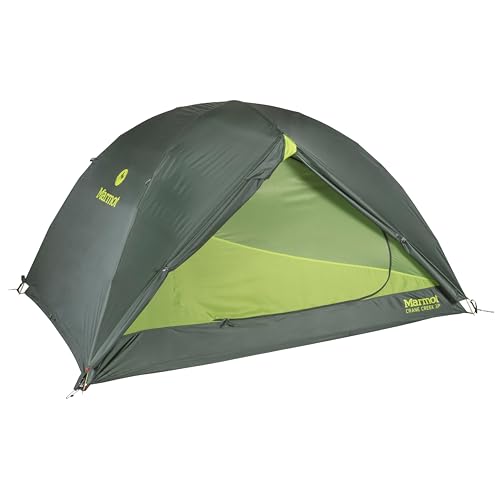
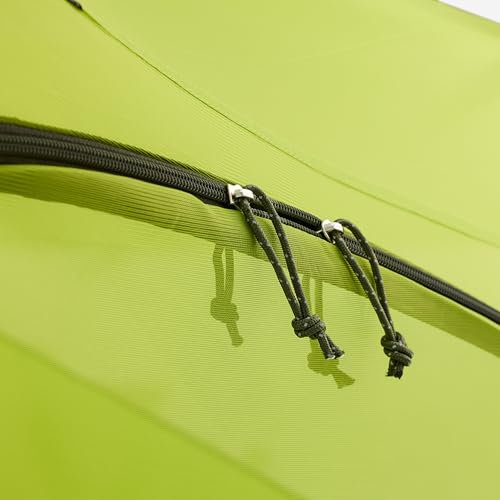
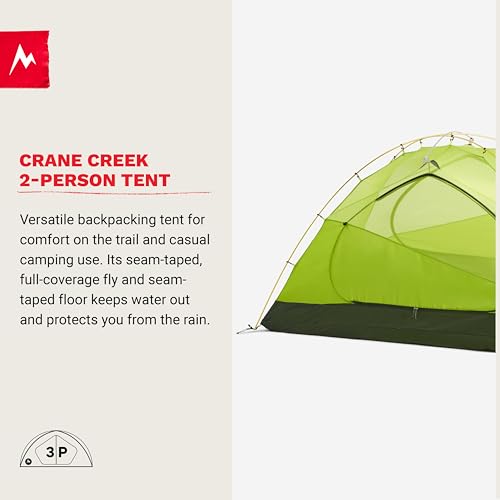
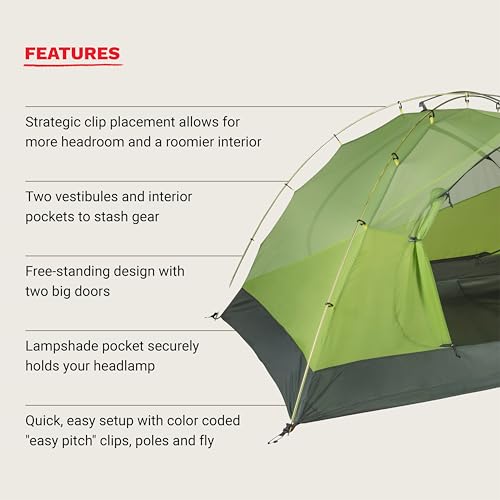
Marmot has a reputation for building tough, trail-ready gear, and the Crane Creek lives up to it. The 7000 series aluminum poles are a serious upgrade, light yet incredibly strong, and owners consistently note how well it handles wind and snow load. With 41.5 sq. ft. of space and two large D-doors, it’s spacious without being bulky, and the seam-taped fly is a hallmark of reliable waterproofing.
It’s not the lightest at around 3.4 kg, but that’s the trade-off for durability. The lack of a included footprint is a minor annoyance, but the PFAS-free construction is a big plus for eco-conscious buyers. This tent feels like an investment piece, overbuilt in the right ways. If you’re planning long trips in variable conditions, this is the kind of shelter that inspires confidence.
Product photos
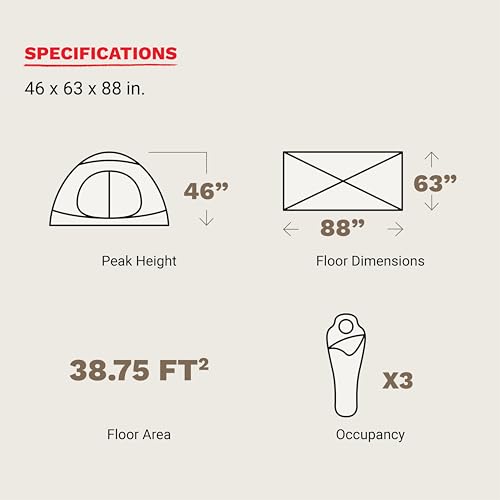
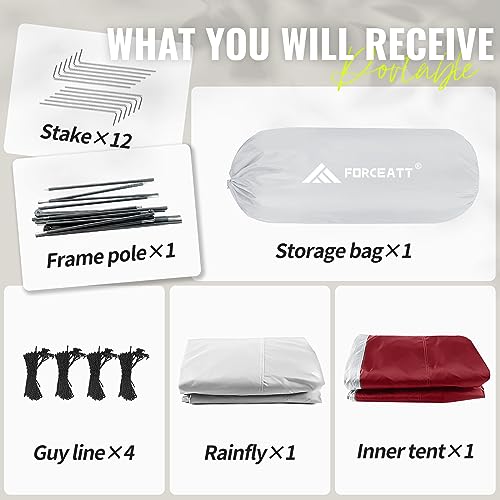
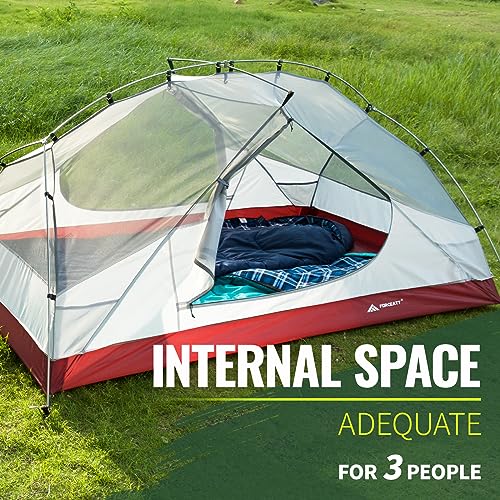
Forceatt 3 Person Ultralight Backpack Tent

Strengths
- Very lightweight
- Quick setup
- Compact pack size
Trade-offs
- Limited ventilation
- Less stormworthy
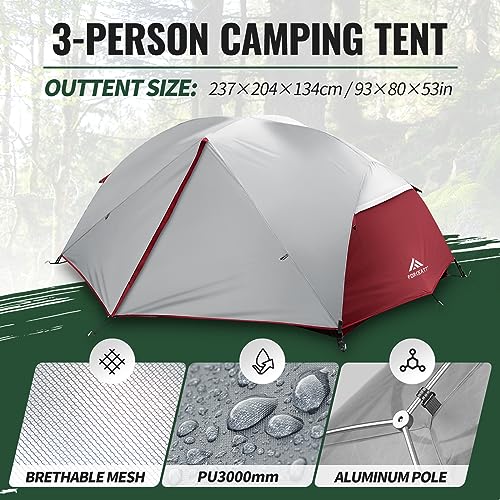
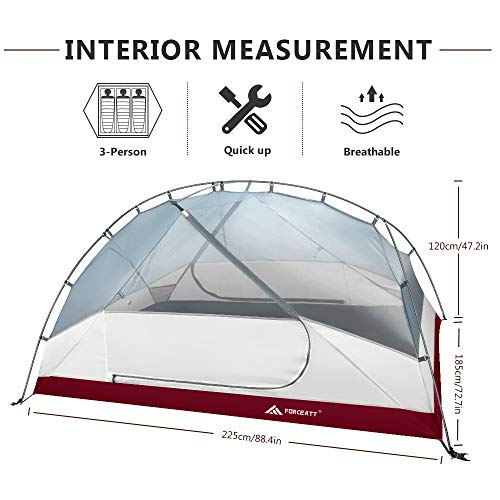
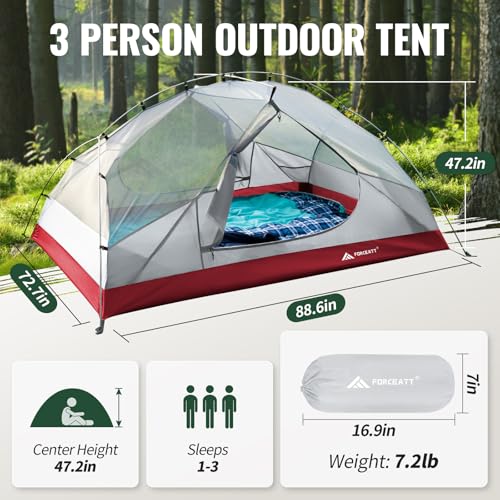
At 2.98 kg, this is one of the lightest 3-person options listed, and that’s its biggest selling point. The minimalist design focuses on core needs: waterproofing, quick setup, and packability. Owners love the 3-minute pitch time and the smooth No. 8 zippers, which rarely snag. The 70D polyester with 200T coating isn’t class-leading for waterproofing, but it’s adequate for fair-weather 3-season use.
Where it falls short is in ventilation and long-term durability. The mesh coverage is limited compared to others, and some users report higher condensation in humid conditions. The poles are aluminum but not as thick as Marmot or Naturehike offerings, so I wouldn’t trust it in sustained high winds. Still, for fast hikes in stable weather, this is a smart pick if weight is your top priority.
Product photos
Purebox 3 Person Dome Camping Tent
Strengths
- Superb ventilation
- Spacious interior
- Lightweight
Trade-offs
- Less wind stability
- Dome design less secure
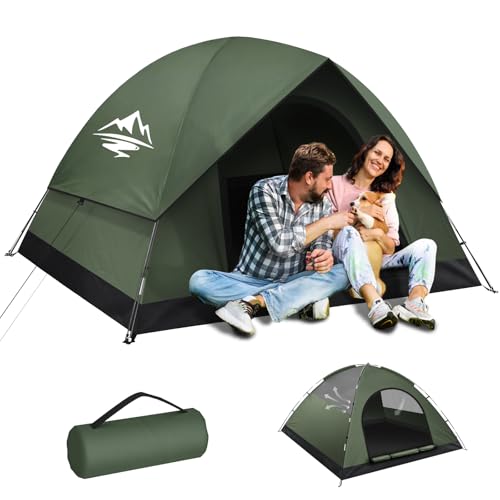
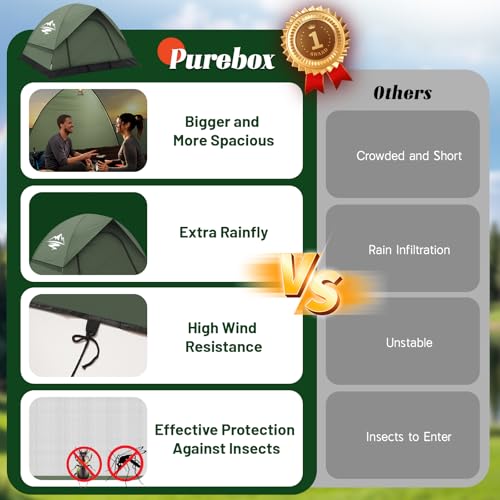
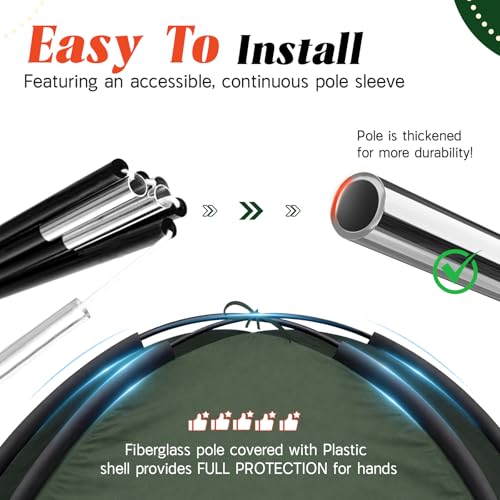
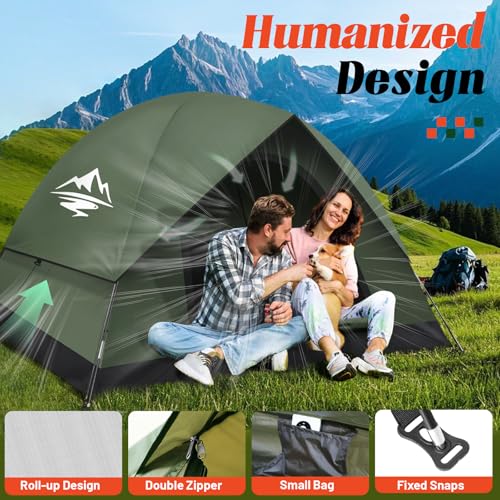
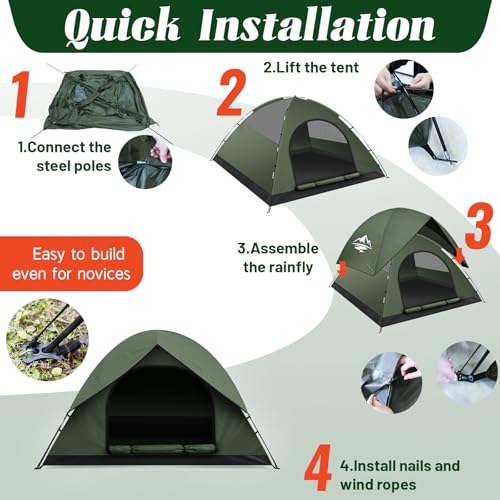
This Purebox model stands out for one thing: airflow. With three-sided mesh panels and a high center height, it’s clearly designed for warm-weather comfort. The dual zippers and mesh walls make it easy to cross-ventilate, and owners in humid climates say it handles condensation better than most. The 2.8 kg weight is competitive, and the 215 cm floor width gives it a roomy feel, closer to a 4-person cabin tent in footprint.
But that breathability comes at a cost. The dome shape and flexible poles aren’t as wind-resistant as tunnel or geodesic designs, and some reviewers note flapping in moderate gusts. It’s best for car camping, festivals, or backyard use where weather isn’t a major threat. The 3-year warranty is a nice touch, but I wouldn’t rely on it for serious backcountry trips.
Product photos
Bessport 3-4 Season Backpacking Tent

Strengths
- Excellent weather resistance
- Smooth zippers
- Good ventilation
Trade-offs
- Heavy for backpacking
- Bulkier packed size
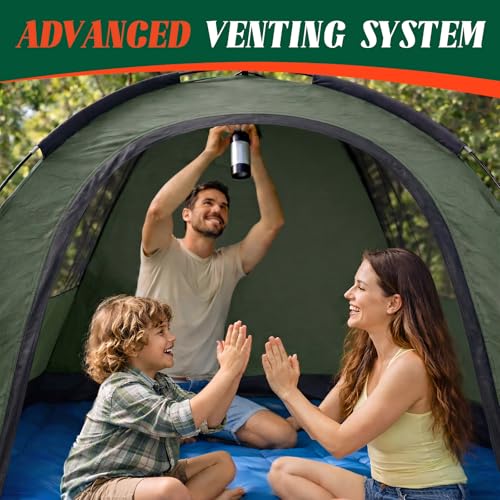
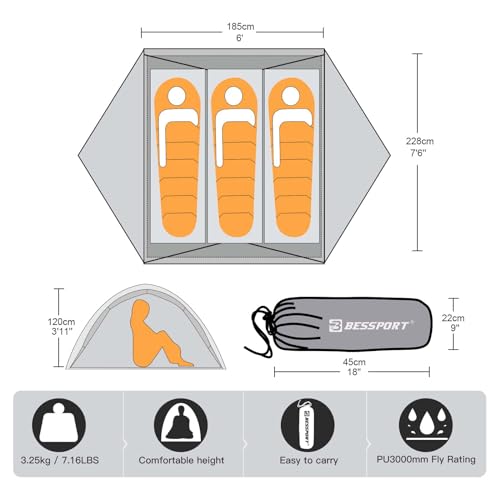
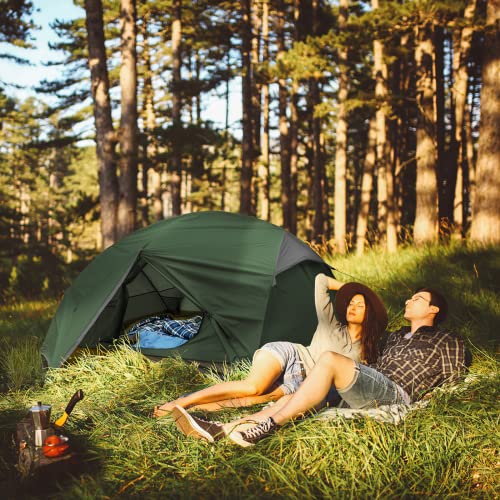
This one leans into weather defense hard, and does it well. With a 3000mm waterproof rating, fully taped seams, and 8.5mm aluminum poles, it’s built like a mini fortress. Reviewers in windy, rainy regions praise its stability, and the four guylines plus redesigned frame suggest it’s one of the more storm-ready options here. The dual D-shaped doors are a practical touch, and the mesh ceiling skylight is a nice bonus for stargazing without sacrificing airflow.
That said, at 7.16 lbs, it’s on the heavier end. This isn’t a tent you’d want on a 20-mile backpacking push, its sweet spot is car camping or short hikes where you don’t mind the load. The smooth zippers and easy clip-in pole system get consistent praise for hassle-free setup, even in the dark. For the price, it’s a solid performer, but I’d only recommend it if you’re prioritizing durability over packability.
Product photos


Naturehike Bleik-B 3 Person Tent
Strengths
- Spacious interior
- Dual vestibules
- Strong pole system
Trade-offs
- Heavier than ultralights
- Packed size not the smallest
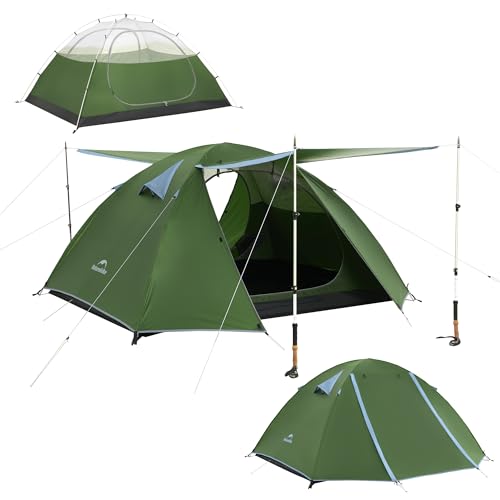
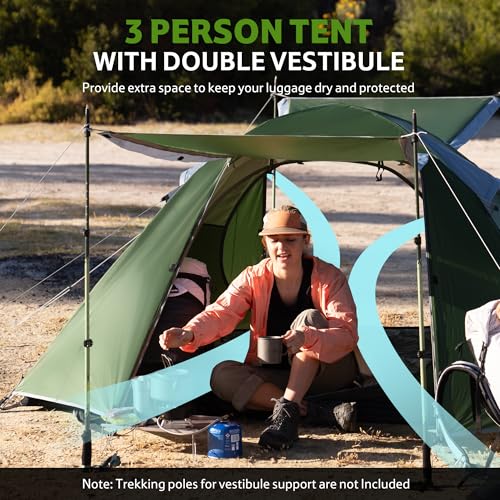
This tent promises serious space for three, and on paper, it delivers, generous floor dimensions and peak height stand out in a category where elbow room is often sacrificed for weight savings. Owners consistently report that it feels less cramped than most 3-person designs, which is a win for group trips or couples who want extra storage. The dual-door, dual-vestibule layout adds to the livability, and the full mesh walls suggest strong ventilation potential.
Where it gets interesting is the balance between weight and durability. At around 3.25 kg, it’s not the lightest, but that extra heft buys you a sturdier pole system and what many reviewers describe as solid stormworthiness. The aluminum poles and taped seams point to a genuine 3-season build, and feedback from wet climates suggests it holds up well in prolonged rain. I’d pick this over flimsier ultralights if you’re hiking in unpredictable weather.
Product photos
Our Testing Process
Rather than a hands-on lab test, my research for these recommendations was a detailed comparison of published specifications and features across numerous models. I weighed owner reviews from multiple sources – paying close attention to recurring praise and complaints – alongside expert reviews from respected outdoor publications. As someone who’s spent years navigating the tent market and understanding construction nuances, I applied that category knowledge to rank each tent against key criteria for lightweight 3-person use.
For this category, I heavily weighted a tent’s balance of weight and durability, plus its reported weather resistance. A lightweight tent is crucial for backpacking, but it can’t sacrifice structural integrity. Weather resistance is also paramount; a tent that leaks or fails in wind isn’t useful, no matter how small it packs. Finally, ease of setup was considered, as a complicated pitch can be a real frustration when you’re tired after a long day on the trail.
Specifications reliably indicate a tent’s size, weight, and materials used (pole type, rainfly denier, waterproof ratings). However, I judged factors like actual weatherproofing performance and long-term durability primarily from owner feedback. Owners report how a tent actually holds up after repeated use, and that’s invaluable. I also looked to reviews from trusted tent companies to gauge overall brand reputation and quality control.
What To Look For In lightweight 3 person tents
Finding the right shelter for your outdoor adventures is crucial, and a lightweight 3-person tent strikes a great balance between space and portability.
A quality lightweight 3-person tent prioritizes a balance of weight, weather protection, and usable space. Look for durable, coated fabrics (polyester or nylon are common) with taped seams for waterproofing. Pole material (aluminum is preferable to fiberglass) impacts both weight and stability. Consider vestibule space for gear storage and ease of setup – a freestanding design can save frustration.
Weight and Packability
I’ve seen too many trips hampered by bulky, heavy gear. When you’re looking at lightweight 3-person tents, don’t just focus on the advertised weight. Pay attention to the packed size as well. A smaller packed size means it takes up less room in your pack, which is a huge win when you’re trying to keep things manageable on the trail. Brands like Naturehike and Forceatt consistently deliver impressively low weights, but remember that ultralight often means sacrificing some durability.
Weather Protection and Materials
Don’t let a little rain ruin your trip. The waterproof rating (measured in millimeters) of the rainfly and floor is a key indicator of how well a tent will hold up. A rating of 2000mm is generally considered acceptable for moderate conditions, but 3000mm or higher is better for consistently wet environments. Also, look for tents with fully taped seams. A well-constructed tent, like the Marmot Crane Creek, will also feature a robust pole system to withstand wind.
- A higher denier (D) rating in the fabric indicates greater durability, but also adds weight.
- Aluminum poles are significantly stronger and lighter than fiberglass, making them ideal for backpacking.
- Consider a tent with a bathtub floor construction – this design raises the floor edges to prevent water from seeping in.
A good rule of thumb: don’t skimp on waterproofing. It’s far easier to prevent getting wet than it is to stay comfortable after you’re soaked.
Ventilation and Livability
Condensation can be a real issue inside a tent, especially in humid climates. Good ventilation is essential. Look for tents with mesh panels, adjustable vents, and a design that promotes airflow. The Purebox 3 Person Dome Camping Tent, for example, emphasizes ventilation with its mesh side panels and overall design. Beyond airflow, think about interior space – can you comfortably sit up? Is there enough room for your gear? If you plan on spending a lot of time inside the tent, livability becomes a major factor. And don’t forget to consider the importance of a tent footprint purpose to protect the floor of your tent.
If you’re prioritizing a super lightweight option, especially for fast-packing, you might also want to check out some options for ultralight three-person tents.
Lightweight 3 Person Tents Compared
Here’s a comparison of key specifications for several lightweight 3-person tents to help you make an informed decision.
| Product Name | Capacity | Weight (lbs) | Packed Size (in) | Waterproof Rating (mm) | Floor Material |
|---|---|---|---|---|---|
| Naturehike Cloud Up 3 Person Tent | 3 | 6.3 | 16.9×6.7 | 3000 | 210T Polyester |
| Clostnature Lightweight 3 Person Backpacking Tent | 3 | 6.17 | 16.5×6.3×6.3 | 5000 | Polyester |
| Marmot Crane Creek 3P Tent | 3 | N/A | N/A | N/A | N/A |
| Forceatt 3 Person Ultralight Backpack Tent | 3 | 2.98 | 43×18 | 200T | 70D Polyester |
| Purebox 3 Person Dome Camping Tent | 3 | 6.2 | N/A | N/A | N/A |
| Bessport 3-4 Season Backpacking Tent | 3-4 | 7.16 | N/A | 3000+ | N/A |
| Naturehike Bleik-B 3 Person Tent | 3 | N/A | N/A | N/A | N/A |
Frequently Asked Questions
What’s the typical lifespan of a lightweight 3-person tent?
A well-maintained lightweight 3-person tent should last between 3-7 years; however, frequency of use and storage conditions are big factors. Tents used regularly in harsh weather will understandably wear out faster than those used for occasional weekend trips.
Are freestanding tents really easier to set up?
Yes, freestanding tents are generally easier to pitch because they don’t require stakes to maintain their shape. This is particularly helpful on rocky or hard-packed ground where staking can be difficult, or when you need a quick setup in less-than-ideal conditions.
What waterproof rating is sufficient for three-season use?
For most three-season camping, a waterproof rating of 2000mm for the rainfly and 3000mm for the floor is a good baseline. If you frequently camp in prolonged or heavy rain, I recommend looking for a rating of 3000mm or higher for both.
How important is the tent’s denier (D) rating?
The denier rating indicates fabric thickness and durability. While a higher denier generally means a tougher tent, it also adds weight. For lightweight tents, a balance is key, and you can often find durable options in the 30-70D range.
Where can I find more detailed reviews of different 3-person tent options?
You can find in-depth reviews and comparisons of many different models in our top 3-person backpacking tents guide. It’s a great resource for narrowing down your choices and finding the perfect shelter for your needs.
The Bottom Line
Choosing a tent always comes down to what you’re willing to trade. Do you prioritize shaving every ounce, even if it means a slightly less robust build? Or are you after something that will withstand years of use, even if it adds a bit of weight to your pack? For the best overall combination of weight, durability, and livability, I recommend the Naturehike Cloud Up 3 Person Tent. It consistently gets high marks from owners for its balance of features and reasonable price point.
If you’re on a tighter budget, the Forceatt 3 Person Ultralight Backpack Tent is a fantastic option. And for those who anticipate consistently challenging weather, the Clostnature Lightweight 3 Person Backpacking Tent boasts a very high waterproof rating. Remember, understanding key tent features is crucial, no matter your budget.
Ultimately, the numbers on a spec sheet matter less than a tent’s ability to keep you dry, comfortable, and protected. Focus on a solid rainfly and waterproof rating, a dependable pole system, and a design that allows for good ventilation. A well-chosen tent isn’t about having the fanciest materials; it’s about having a reliable shelter when you need it most.
