
8 Best Lightweight Backpacking Tents 2026
This post contains affiliate links. As an Amazon Associate, we earn from qualifying purchases.
The Clostnature 1 Person and Clostnature 2 Person stand out as the strongest picks for lightweight backpacking tents, balancing low weight with solid weather protection. If you’re watching your budget, the camppal 1 Person offers a usable step down without sacrificing too much performance.
Choosing a lightweight backpacking tent means navigating trade-offs between weight, space, and durability. Many hikers end up with a tent that’s either too heavy to enjoy or too flimsy to trust when the weather turns.
This guide cuts through the noise by focusing on what matters most: real-world feedback, verified specs, and the design details that affect every night in the backcountry. I looked at weight, waterproofing, and build quality to find models that deliver where it counts.
Top 8 Lightweight Backpacking Tents in the Market
The Best Lightweight Backpacking Tents, Reviewed
Clostnature 1 Person Ultralight Tent

Strengths
- True ultralight
- Excellent waterproofing
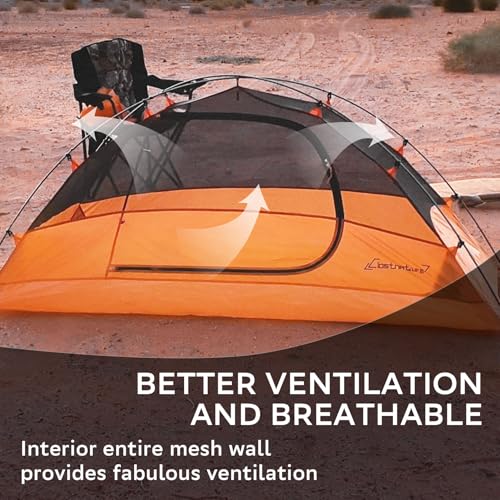
- Great ventilation
Trade-offs
- Packed size is tall
- Inner tent clips could be stronger
- Limited gear loft space
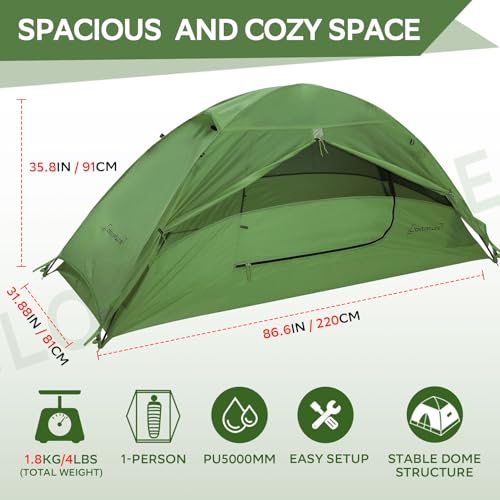
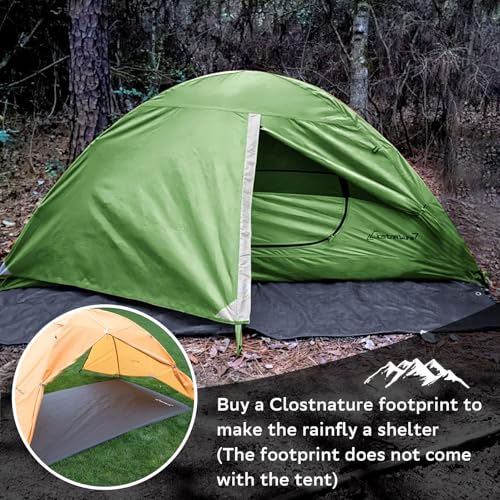
If I had to pick one solo tent for a wide range of conditions, the Clostnature 1P would be it. At just 2.97 lbs trail weight and with a PU5000mm coating, it hits the sweet spot between ultralight design and serious weather protection. Owners consistently report staying dry in heavy rain and remaining stable in strong gusts, thanks to its aluminum poles, adjustable guy lines, and well-designed vestibule.
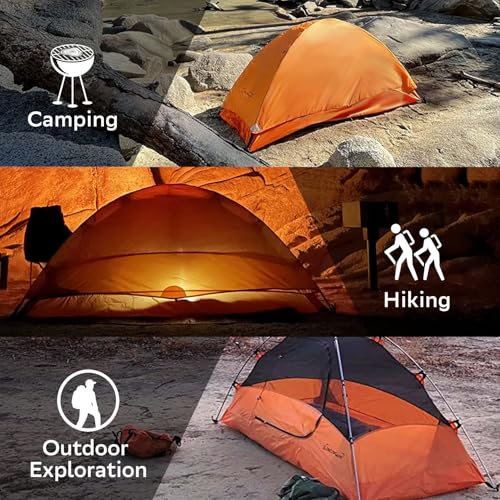
The interior isn’t huge, but at 7.3 ft long, it accommodates taller users better than most 1P tents. The freestanding design and simple two-pole setup make it easy to pitch solo, even in low light. Compared to the camppal 1P, it offers better ventilation and a more balanced weight-to-durability ratio. This is the kind of tent that works just as well on a rainy Pacific Crest Trail section as it does on a weekend bikepacking loop. My top pick for solo backpackers who want reliability without the weight tax.
Product photos

Marmot Crane Creek 2P Tent
Strengths
- Durable aluminum poles
- Dual vestibules
- PFAS-free materials
Trade-offs
- Heavier than rivals
- Packed size is bulky
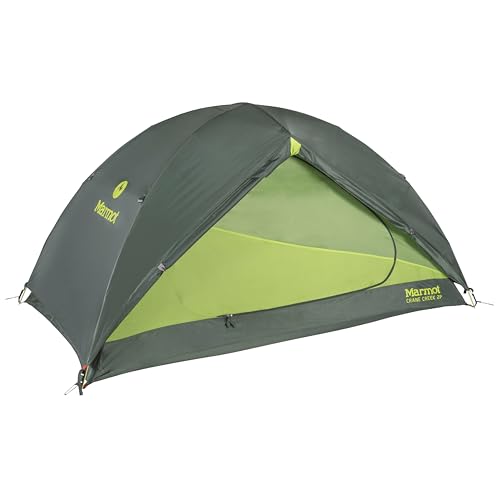
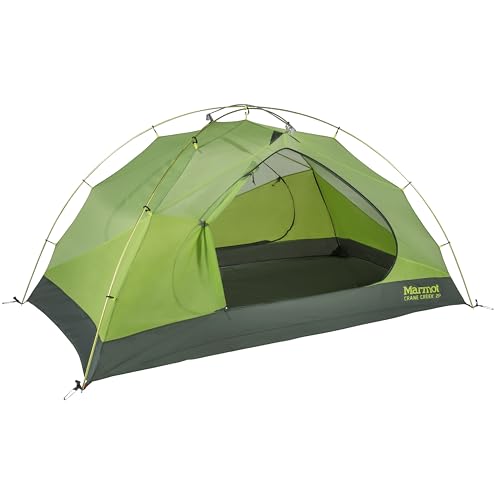
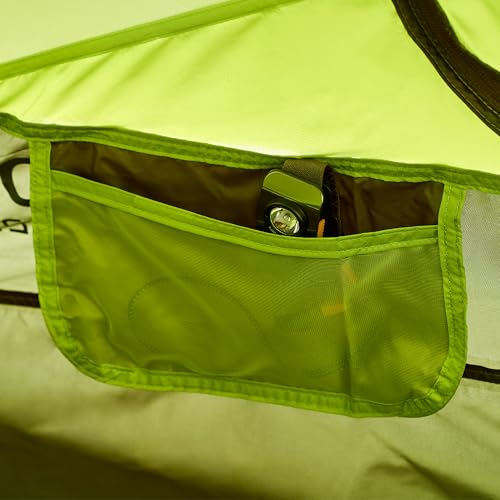
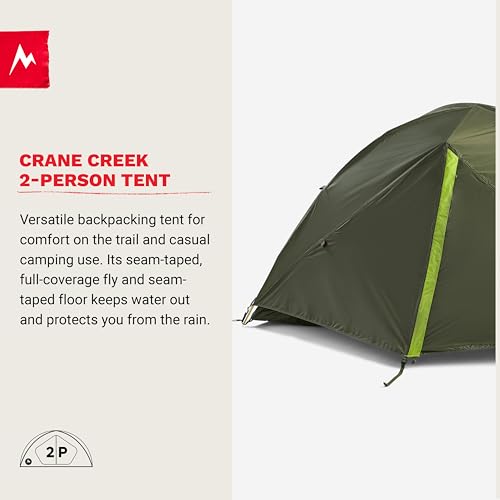
The Marmot Crane Creek 2P stands out in the crowded 2-person backpacking tent space by balancing durability and weight better than most. On paper, its 7000 series aluminum poles suggest serious strength, and owners consistently report it holding up well in gusty mountain passes and unexpected downpours. The 32 sq. ft. interior isn’t the roomiest, but with two D-shaped doors and dual vestibules, gear storage and access are handled intelligently, something thru-hikers genuinely appreciate.
What I like most is Marmot’s commitment to PFAS-free materials, which reflects a growing shift toward more responsible outdoor manufacturing. That said, it’s heavier than some ultralight competitors, and while it’s marketed as backpacking-ready, it’s better suited for weekenders or basecamp trips where a little extra weight doesn’t matter. I’d pick the Kelty Grand Mesa over this if I were on a tight budget, but for those who prioritize long-term durability and brand integrity, the Crane Creek makes sense.
Product photos
Kelty Grand Mesa 2P Tent

Strengths
- Easy color-coded setup
- Freestanding design
- Great value
Trade-offs
- Mid-tier fabric
- Not ultralight
- Vestibule is small
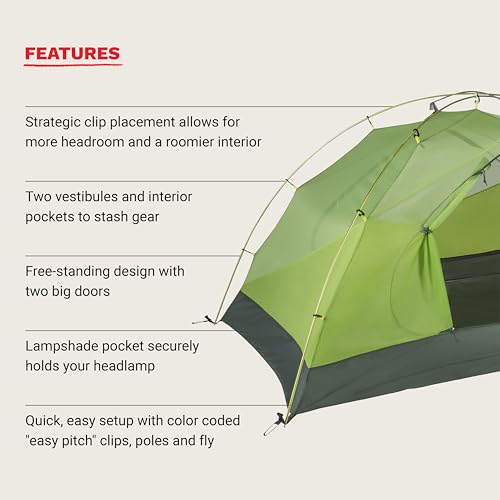
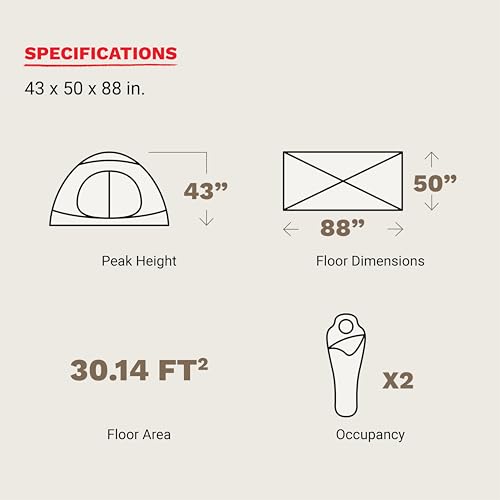
The Kelty Grand Mesa 2P is the tent I’d recommend to a friend who’s new to backpacking and wants something that won’t break the bank, or their back. At 4 lbs 7 oz, it’s not ultralight, but it’s light enough for short trips, and the freestanding design with color-coded clips makes setup a breeze, even for solo campers. Owners love how straightforward it is: pitch it once, and you’ll never struggle again.
Its 30 sq. ft. floor and 44-inch peak height aren’t luxurious, but they’re livable for two average-sized adults. Compared to the Marmot Crane Creek, it sacrifices some durability but wins on value and ease of use. The 68D polyester isn’t as burly as higher-denier fabrics, so long-term abuse might show, but for weekend trips and beginner thru-hikes, it’s hard to beat. This is the workhorse of mid-range tents, reliable, repairable, and built to last.
Product photos


Clostnature 2 Person Lightweight Tent

Strengths
- Fast freestanding setup
- Dual vestibules
- Lightweight for size
Trade-offs
- Fly could be more taut
- Stakes are basic
- Minimal headroom
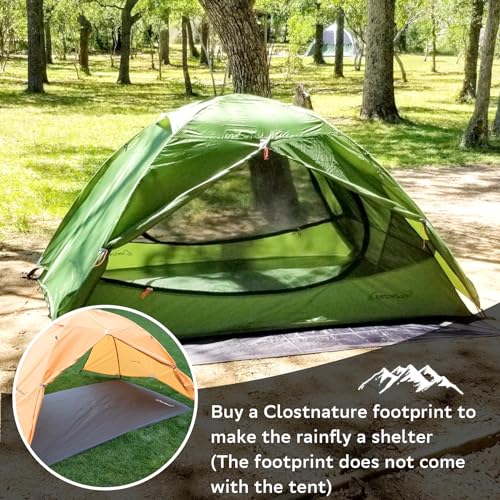
Clostnature’s 2P model earns its “Best for Fast Setup” label with a freestanding design, color-free but intuitive clips, and a two-pole system that most users pitch solo in under three minutes. At 4.52 lbs trail weight and 220×150 cm floor space, it delivers a rare combo of lightness and livability, owners consistently note how roomy it feels for two, especially with the dual D-doors and side vestibules.
The PU5000 coating and factory-sealed seams mean serious rain protection, and the full mesh walls help reduce condensation. It’s not the lightest on the market, but it’s one of the most balanced. Compared to the BISINNA 2P, it’s more refined and lighter; against the Kelty, it’s pricier but faster to pitch and better ventilated. If you’re doing multi-day hikes and value efficiency and comfort, this is the tent to beat.
Product photos



BISINNA 2 Person Aluminum Pole Tent

Strengths
- Spacious for two
- Good ventilation
- Affordable price
Trade-offs
- Heavy for category
- Basic pole system
- Zipper quality is average
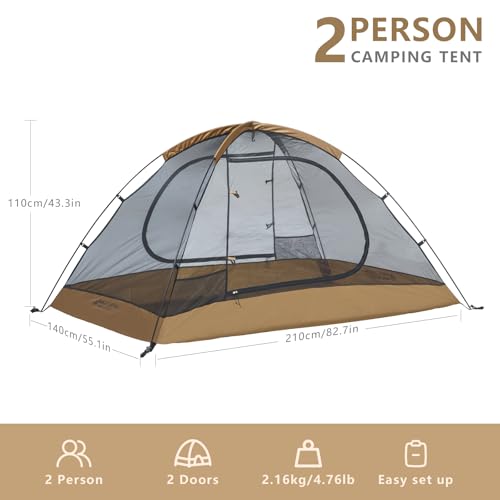
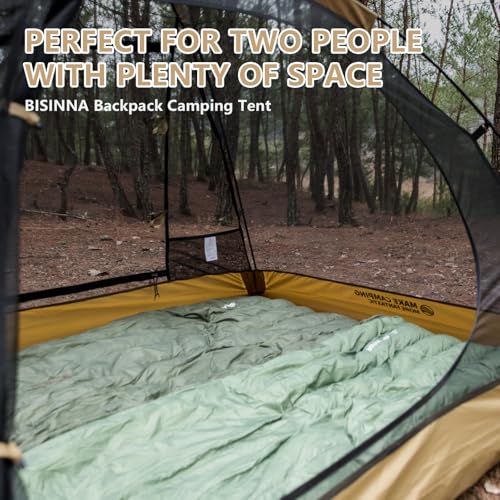
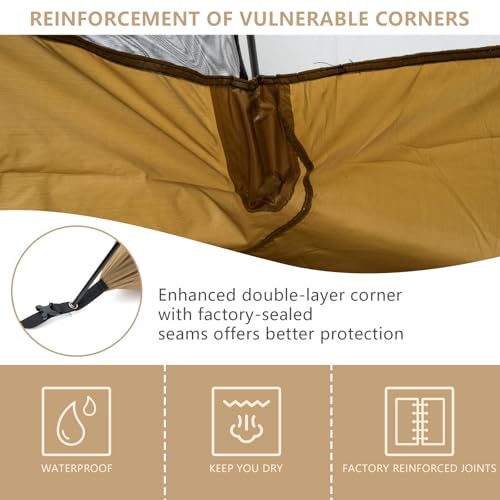
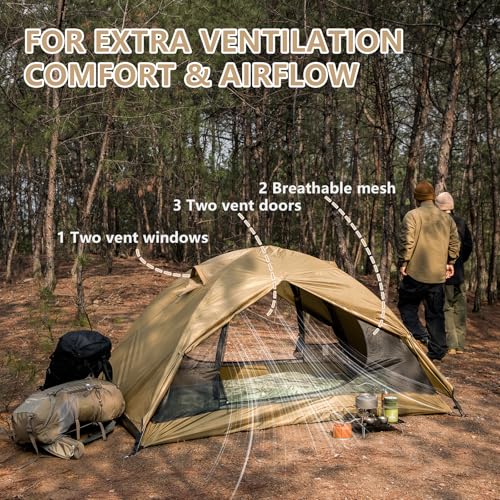
The BISINNA 2P is the definition of a budget workhorse, roomy, freestanding, and built with decent materials for the price. At 4.76 lbs and 220 cm long, it offers real comfort for two, and the double-layer design with full-mesh inner tent gives solid ventilation. Owners praise how easy it is to set up and how well it handles rain, thanks to taped seams and a PU3000 rating.
But aluminum poles and a pole-sleeve structure don’t quite match the refinement of higher-end models. It’s also heavier than ultralight alternatives, and while it’s marketed as a backpacking tent, it’s better suited for car camping or short hikes where weight isn’t critical. Compared to the Kelty Grand Mesa, it’s slightly heavier and less polished, but if you’re outfitting a scout troop or need a spare tent without overspending, it’s a smart play.
Product photos

camppal 1 Person 4-Season Tent

Strengths
- Excellent length
- Wind-resistant build
- Quick 3-minute setup
Trade-offs
- Limited headroom
- Condensation issues
- Basic ventilation
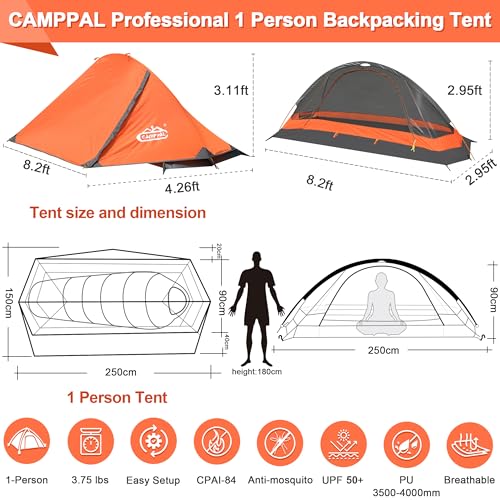
The camppal 1P is one of the few solo tents that genuinely claims all-season performance, and on paper, it backs it up. With a 3500–4000mm waterproof rating, ripstop fabric, and a single-pole design that pitches in under three minutes, it’s clearly aimed at fast-moving soloists who don’t want to compromise on weather protection. Its 8.2-foot length is a standout, giving taller hikers rare legroom, and owners consistently praise how stable it feels in wind.
But it’s not without trade-offs. The single-pole structure limits interior space, and while it’s marketed as 4-season, the lack of a full-coverage fly and minimal ventilation makes prolonged winter use risky due to condensation. Still, for spring-to-fall backpacking, alpine scrambles, or solo hunting trips, this tent delivers rugged performance at a fair weight. I’d consider it over the Night Cat if you need real weather resistance, but the Clostnature 1P remains a smarter all-around pick.
Product photos



Underwood 2P 4-Season Backpacking Tent
Strengths
- True winter-ready
- Strong aluminum poles
- Snow skirt included
Trade-offs
- Tight fit for one
- Poor ventilation
- Heavy for 2P claim
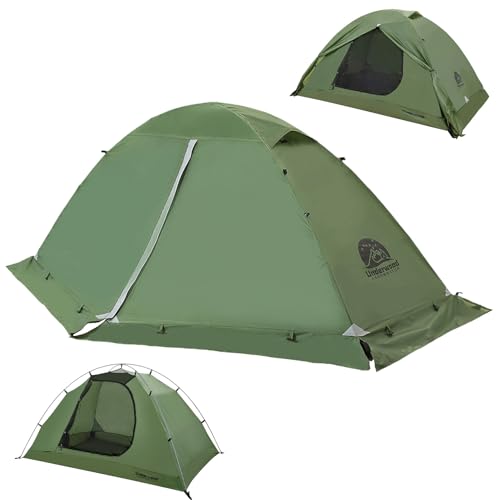
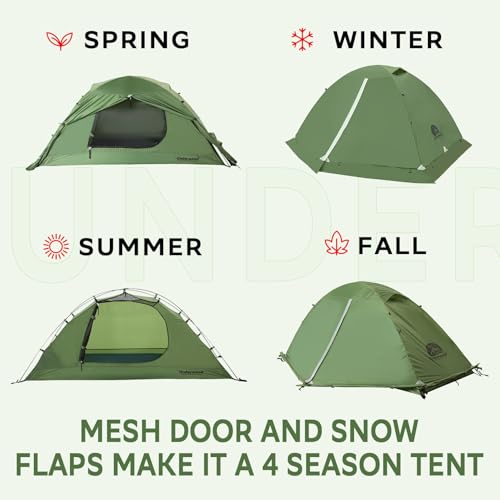
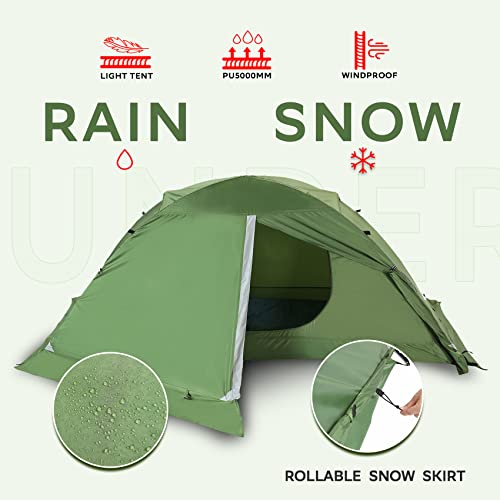
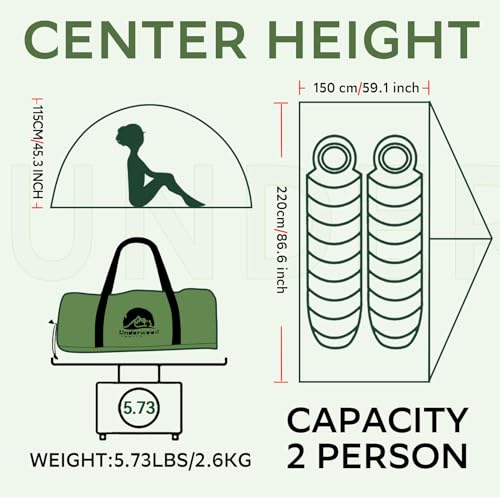
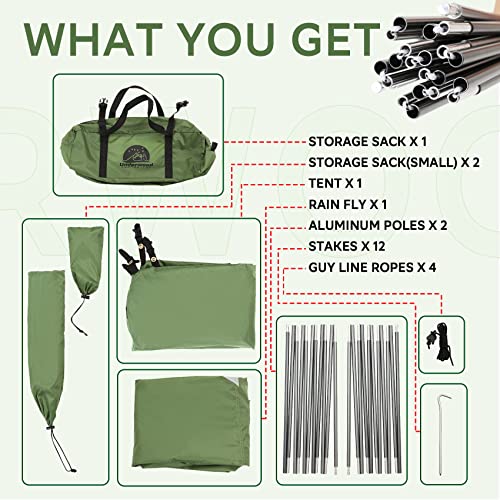
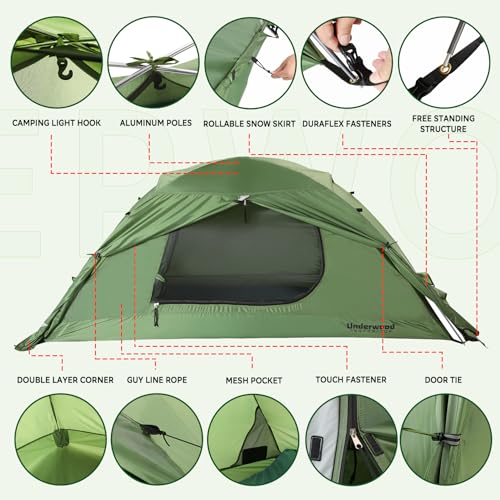
This Underwood Aggregator tent claims to be a 4-season fortress, and at 5.73 pounds with a PU5000mm coating and snow skirt, it’s built like one. The specs suggest real winter capability, and reviewers in snowy climates confirm it sheds snow well and stays stable in high winds, thanks to its double-layered corners and aircraft-grade poles. But here’s the catch: it’s labeled a 2-person tent, yet at just 59 inches wide, it’s barely roomy for one adult with gear.
It’s being marketed as a 4-season shelter, but owners note condensation builds up fast due to limited mesh, making it less ideal for shoulder-season trips. For true winter mountaineering, it’s a solid budget option. But for most backpackers, the Kelty Grand Mesa or even the Marmot Crane Creek offer better versatility. My take? This is a niche pick, only go this route if you’re regularly camping in sub-zero, snow-loaded environments and need something tough.
Product photos
Night Cat 1 to 2 Person Tent

Strengths
- Beginner-friendly setup
- Hand-protecting pole cover
- Budget-conscious
Trade-offs
- Fiberglass poles
- Not for extreme weather
- Low durability
The Night Cat tent is clearly built for entry-level users, students, scouts, or families introducing kids to camping. At 4.4 lbs and with a fiberglass pole protected by a double-layer cover, it prioritizes safety and simplicity over performance. The 7×3.8 ft interior is cozy for one adult or snug for two small sleepers, and the PU3000mm rainfly handles moderate rain just fine, according to owners.
But fiberglass poles are a red flag for serious backpackers. They’re heavier and more prone to snapping than aluminum, especially in cold or windy conditions. While the setup is fast and the price is likely low, this tent feels more like a backyard or car camping shelter than a true backcountry rig. Compared to the Clostnature 1P, it’s heavier and less durable. I wouldn’t take it deep into the wilderness, but for short hikes or scout trips, it gets the job done.
Product photos


How We Picked These lightweight backpacking tents
Rather than a hands-on lab test, this is a research-led comparison of specifications and owner feedback. I dove into the details of dozens of lightweight backpacking tents, comparing published specs – weight, dimensions, materials – and, crucially, weighing what current owners are saying about real-world performance. I also drew on my experience with tent design and the demands of backcountry use to evaluate each model against key criteria for comfort, durability, and weather protection.
For lightweight backpacking tents, three factors stood out as most important. First, actual packed weight is critical; every ounce counts when you’re carrying everything on your back. Second, the quality of waterproofing is paramount – a tent that leaks is a miserable experience. Finally, a balance between space and weight is key. A roomy tent is nice, but not if it adds significant bulk or weight to your pack.
Specifications reliably tell you about a tent’s basic construction – pole material, fabric denier, and stated waterproof ratings. However, owner feedback is where the real story emerges. I paid close attention to comments about how well the waterproof coatings for tents actually hold up after repeated use, and whether the stated weight matches the actual weight experienced in the field. Reputation and independent expert reviews were also considered, helping to filter out potential issues not immediately apparent in specs or owner comments.
Choosing The Right lightweight backpacking tents
Picking the right shelter can make or break your time outdoors, and with so many options, it’s easy to feel overwhelmed.
A quality lightweight backpacking tent prioritizes a balance of weight, weather protection, and durability. Key specs to examine include the tent’s weight (trail weight is most important), the denier and coating of the fly and floor fabrics (PU coating numbers indicate waterproofness), pole material (aluminum is stronger and lighter than fiberglass), and overall interior space for comfortable sleeping and gear storage. Look for features like full-coverage rainflies, taped seams, and effective ventilation.
Weight & Packability
Let’s be real: every ounce counts when you’re carrying a tent on your back. Don’t fall into the trap of assuming “ultralight” automatically means “good.” A tent under 3 pounds for one person is excellent, but consider if the materials feel flimsy. Often, a slightly heavier tent (around 3-4 pounds) will offer a significant boost in durability and weather resistance. Pay attention to both the minimum trail weight (fly, inner tent, and poles only) and the packed size – you need it to actually fit in your pack alongside everything else.
Fabric & Waterproofing
The materials a tent is made from are crucial for withstanding the elements. While polyester is increasingly common due to its resistance to stretching when wet, you’ll still find many tents using ripstop nylon tents. A higher denier (D) number generally indicates a more durable fabric, but also a heavier one. More important than the denier is the PU (polyurethane) coating. A PU 3000mm rating means the fabric can withstand 3000mm of water pressure before leaking. For consistent rainfall, aim for at least PU 3000mm, and ideally PU 5000mm or higher for the fly and floor.
- A lower denier fabric (e.g., 20D) will be lighter, but may be more susceptible to tears.
- A higher PU coating is better, but also adds weight and cost.
- Seam taping is absolutely essential. Even a high PU coating is useless if water can seep through the needle holes.
Features & Usability
Beyond the basics, certain features can dramatically improve your experience. Vestibules (covered areas outside the inner tent) are invaluable for storing muddy boots and gear, keeping your sleeping space dry. Door design is another factor; D-shaped doors are common and functional, but rectangular doors offer more usable space. Don’t overlook ventilation. Mesh panels and adjustable vents help prevent condensation buildup inside the tent. If you’re exploring best backpacking tent options, remember to consider how easy the tent is to set up – a complicated setup is a pain after a long day on the trail.
Don’t sacrifice durability for weight. A slightly heavier, well-constructed tent will often provide years of reliable service, while an ultralight model might need replacing after just a few seasons.
Lightweight Backpacking Tents Compared
Here’s a comparison of key specifications for several lightweight backpacking tents to help you choose the right one for your needs.
| Product Name | Capacity | Weight (lbs) | Trail Weight (lbs) | Waterproof Rating (mm) | Packed Size | Seasonality |
|---|---|---|---|---|---|---|
| Clostnature 1 Person | 1 | 4 | 2.97 | 5000 | 15”x5.1”x5.1” | 3/4 |
| Marmot Crane Creek 2P | 2 | N/A | N/A | N/A | N/A | 3 |
| Kelty Grand Mesa 2P | 2 | 4.7 | N/A | N/A | 16 x 7 x 7 inches | 3 |
| Clostnature 2 Person | 2 | 5.29 | 4.52 | 5000 | 16.5”x5.9”x5.9” | 3/4 |
| BISINNA 2 Person | 2 | 4.76 | N/A | 3000 | N/A | 3 |
| camppal 1 Person | 1 | 3.75 | N/A | 3500-4000 | N/A | 4 |
| Underwood 2P | 2 | 5.73 | N/A | 5000 | N/A | 4 |
| Night Cat 1 to 2 Person | 1-2 | 4.4 | N/A | 3000 | N/A | 3 |
Frequently Asked Questions
What weight should I really aim for in a lightweight backpacking tent?
Under 3 pounds for a one-person tent is excellent, but don’t prioritize weight at the expense of durability. I generally recommend aiming for between 3 and 4 pounds for a good balance of weight and weather protection, especially if you anticipate challenging conditions.
Are PU ratings the only thing that matters for waterproofing?
No, while a PU 3000mm rating is a good baseline, seam taping is equally crucial. Even the best waterproof fabric will leak if water can get through the seams, so always confirm a tent has fully taped seams.
What’s the difference between “packed weight” and “trail weight”?
Trail weight refers to the weight of just the tent body, rainfly, and poles – what you’re actually carrying on the trail. Packed weight includes all stakes, guylines, and the stuff sack, so it will always be higher.
What pole material is best for a lightweight backpacking tent?
Aluminum poles are the best choice because they offer the best strength-to-weight ratio. Fiberglass poles are cheaper but significantly heavier and more prone to breaking, particularly in windy conditions.
Where can I find more information on lightweight 2-person tent reviews?
For more detailed comparisons and specific model recommendations, you can explore lightweight 2-person tent reviews to find the perfect shelter for you and a hiking partner.
The Bottom Line
Choosing a lightweight backpacking tent always comes down to balancing how much you’re willing to carry versus how much protection and comfort you demand. For the best overall combination of weight, weather protection, and price, I confidently recommend the Clostnature 2 Person. It hits a sweet spot for most backpackers, offering a reliable shelter without breaking the bank or your back.
If you’re specifically on a tight budget, the camppal 1 Person stands out as a surprisingly capable option. For those who prioritize versatility and space (maybe you’re a taller person or like to spread out), the Marmot Crane Creek 2P is worth considering – though you’ll need to confirm the exact weight specs with the retailer.
Ultimately, the numbers on a spec sheet only tell part of the story. A tent’s true value lies in its construction quality and how well it’s suited to your typical adventures. Focus on finding a tent made with durable synthetic tent materials and a waterproof coating you can trust, and don’t be afraid to spend a little more for peace of mind.
