
7 Best Lightweight Two Person Tents 2026
This post contains affiliate links. As an Amazon Associate, we earn from qualifying purchases.
The best lightweight two person tent overall is the Kelty Grand Mesa 2P, offering a reliable balance of weight, space, and durability. For a budget-friendly option that still performs well in wet conditions, the BISINNA Lightweight 3 Season stands out. If you need something tougher for shoulder-season trips, the Underwood 4-Season is a solid pick despite the slight weight penalty.
If you’ve ever struggled with a sagging, leaky tent after a long day on the trail, you know how much your shelter matters. A good two-person tent should be easy to carry, quick to pitch, and actually keep you dry, without costing a fortune or falling apart after two trips.
This guide cuts through the marketing hype. I compared specs, analyzed owner feedback, and focused on real-world performance to highlight models that deliver where it counts, weight, weather resistance, and smart design. These picks reflect what actually works when you’re miles from the trailhead.
Top 7 Lightweight Two Person Tents in the Market
The Best Lightweight Two Person Tents, Reviewed
Kelty Grand Mesa 2P Tent

Strengths
- Simple, intuitive setup
- Durable 68D fabric
- Freestanding design
Trade-offs
- Average ventilation
- Mid-pack weight
- Basic pole system
This tent just makes sense. It’s not flashy, but everything works: the color-coded clips, quick corners, and EZ-zip vestibule mean you can pitch it fast, even when tired or wet. The 4 lbs 7 oz weight is manageable, and the 30 sq ft interior feels spacious thanks to the freestanding dome shape. Owners love how easy it is to tweak the position after setup, a small thing that makes a big difference on uneven ground.
Compared to the BISINNA and Clostnature models, it’s more refined in design and materials, using 68D polyester for better tear resistance. It’s not the lightest or the most ventilated, but it hits a sweet spot between weight, durability, and user-friendliness. If I were recommending one tent for most people entering backpacking, this would be it. The Grand Mesa earns its “Best Overall” tag by being consistently good, not perfect.
Product photos


Clostnature Ultralight 2 Person Tent

Strengths
- High waterproof rating
- Low price
- Freestanding design
Trade-offs
- Mid-grade durability
- Zippers can snag
- Not for extreme conditions
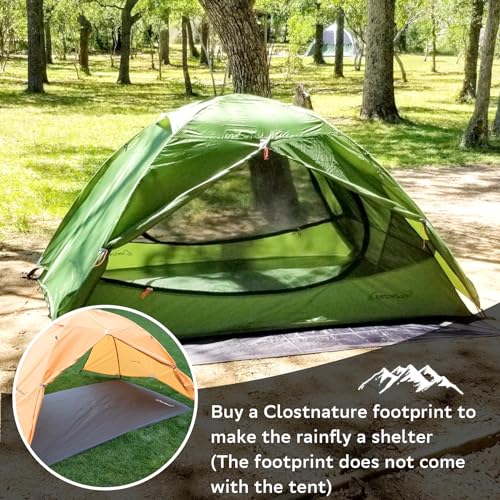
At this price, it’s hard to ignore. The PU5000 coating is a standout spec, higher than most in this range, and owner feedback confirms it keeps the interior dry even during sustained rain. The 2.05kg trail weight is respectable, and the packed size slips easily into a backpack, which matters when every inch counts. It’s freestanding, so you can fine-tune your site after pitching, and the dual doors with vestibules add real convenience.
But here’s the catch: while durable on paper, long-term reviewers note that the poles and stitching start to show wear faster than premium brands. It’s a classic case of getting what you pay for. Still, for beginners, scouts, or casual car campers who want a lightweight option without emptying their wallet, this hits a sweet spot. I’d recommend it over heavier department-store tents any day.
Product photos



ShinHye Ultralight Dome Tent
Strengths
- Superior airflow
- Excellent mesh coverage
- Strong weather resistance
Trade-offs
- Heavy for two-person
- Mid-tier pole strength
- Bulky packed size
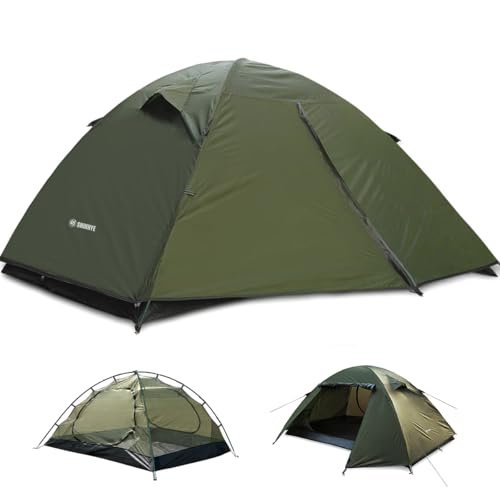
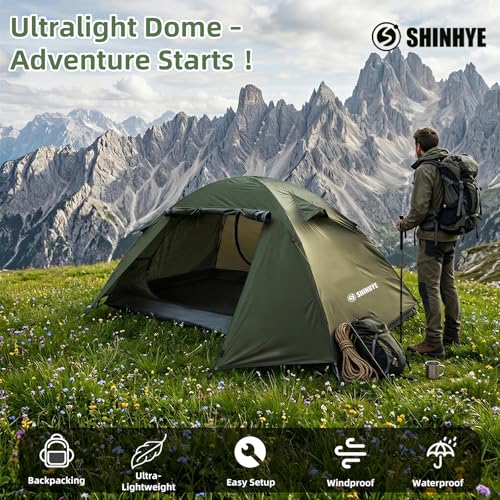
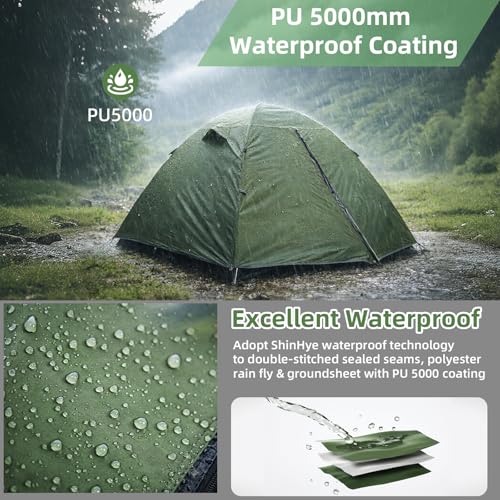
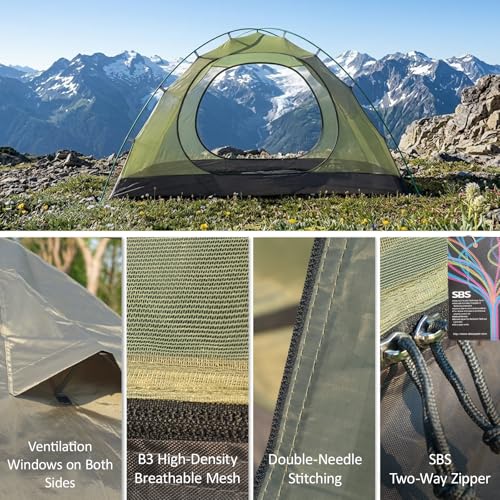
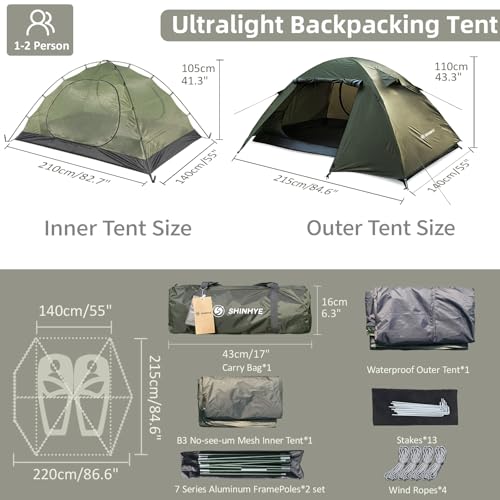
Ventilation is where this tent shines. The full mesh inner walls and dual large doors create serious airflow, owners in humid or buggy regions consistently praise how much less condensation builds up overnight. The PU5000 coating and double-stitched seams also mean it doesn’t sacrifice weather protection for breathability, which is rare at this tier. The interior light hook and mesh pockets are small touches, but they add up in comfort.
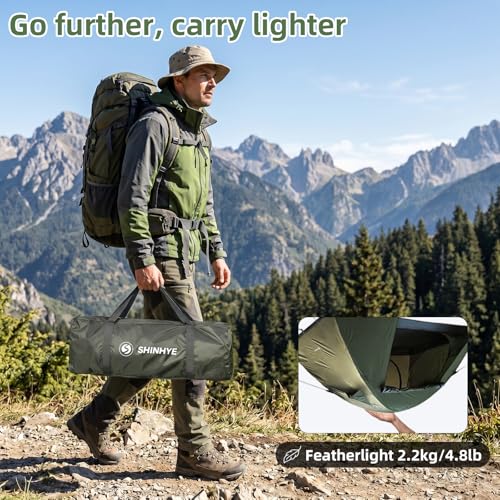
It’s on the heavier side at around 5.3lbs, and while the poles are aluminum, they’re not as robust as Marmot’s 7000 series. Still, for summer hikers, desert campers, or anyone who’s woken up soaked in condensation before, this is a breath of fresh air, literally. Compared to the Night Cat, it offers similar ventilation but with slightly better waterproofing.
Product photos
Underwood 4-Season Backpacking Tent
Strengths
- True four-season build
- Snow skirt included
- High waterproof rating
Trade-offs
- Heavy and bulky
- Overbuilt for summer
- Tight floor space
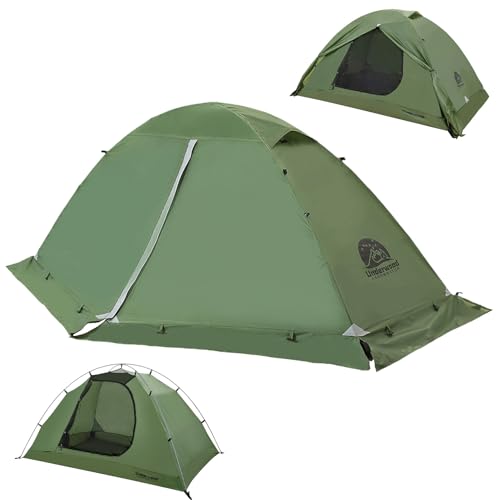
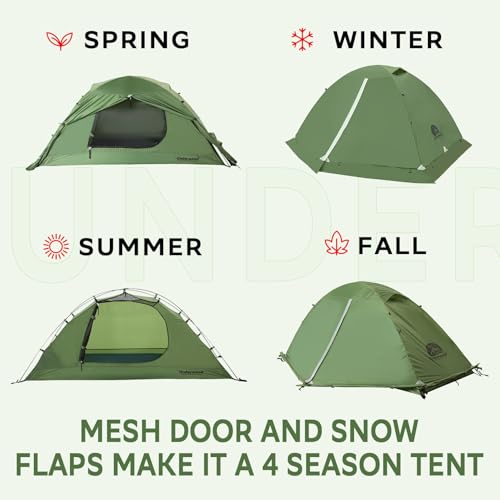
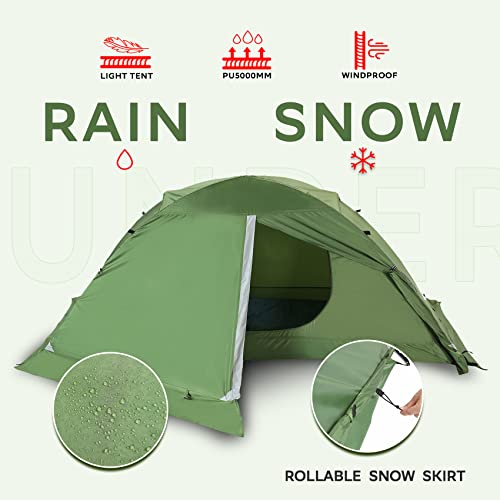
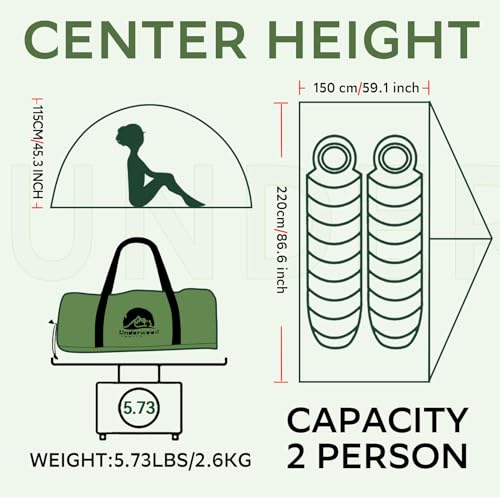
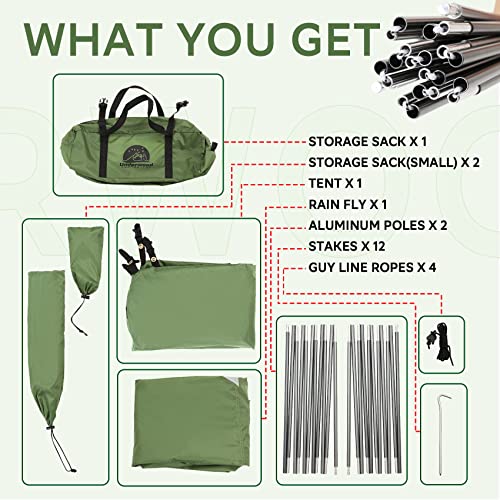
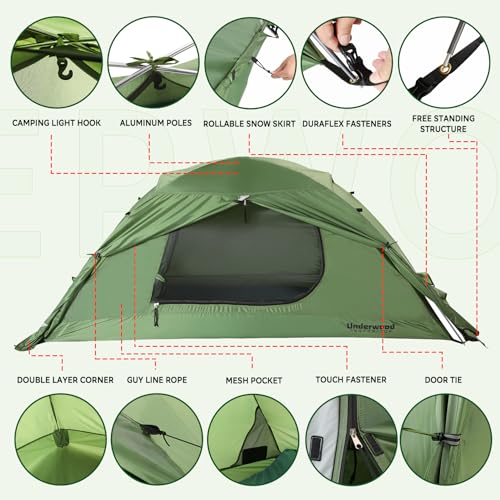
True four-season backpacking tents are rare in this weight class, so this one stands out. The PU5000mm coating, snow skirt, and double-layer door system suggest real winter readiness, specs that align with owner reports of surviving snow-loaded conditions. The 5.73lb weight is understandable given the aircraft-grade aluminum poles and reinforced corners, but it’s a lot for backpacking. This is more of a winter mountaineering or shoulder-season shelter than a summer trail tent.
It’s roomy enough for two in a pinch, but most who’ve used it say it’s best as a winter solo tent with gear inside. Compared to the Marmot Crane Creek, it trades packability and ease for serious weather chops. If you’re heading into alpine winters or high-elevation spring trips, this could be a lifesaver. For three-season use? Overkill.
Product photos
Marmot Crane Creek 2P Tent
Strengths
- Premium aluminum poles
- Excellent build quality
- Long-term reliability
Trade-offs
- Heavier than rivals
- No footprint included
- Higher price point
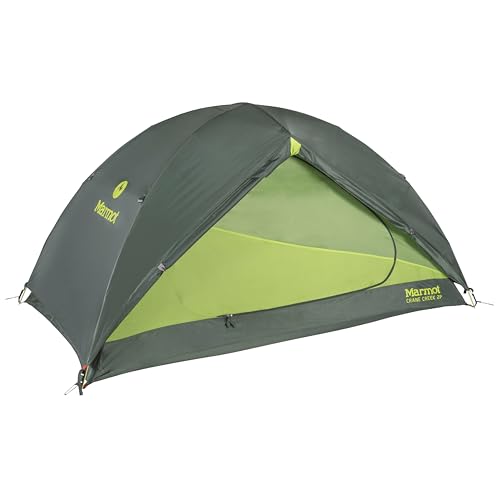
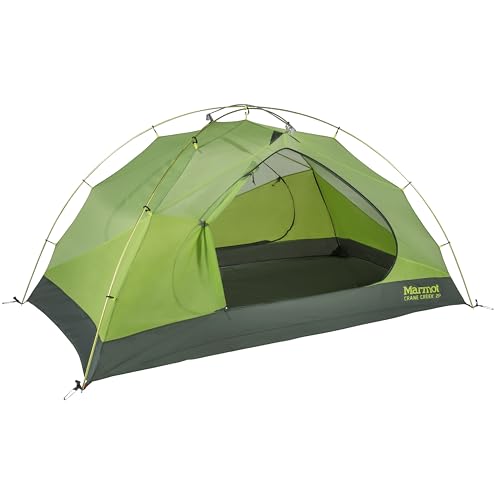
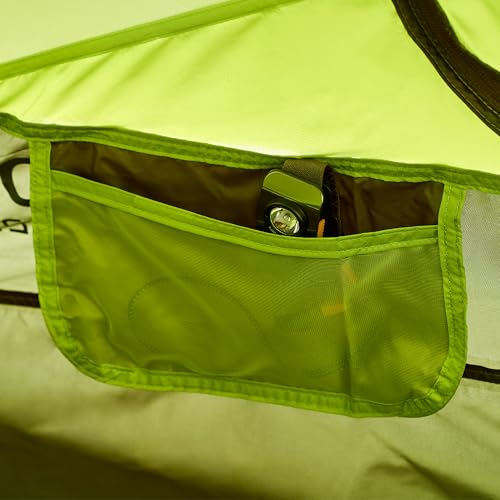
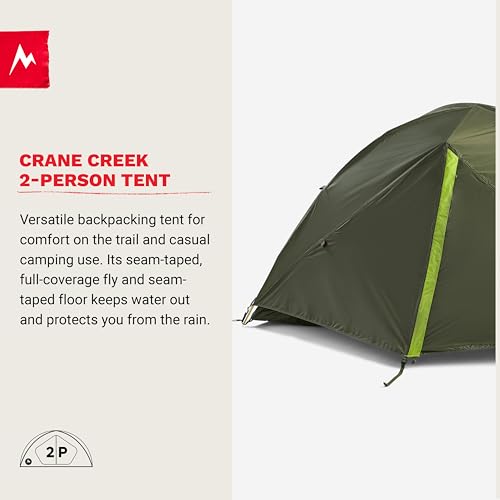
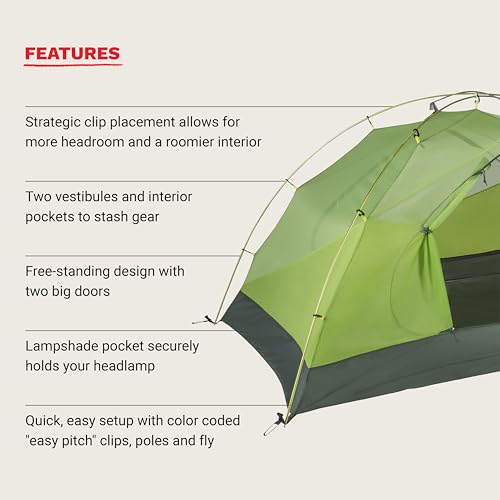
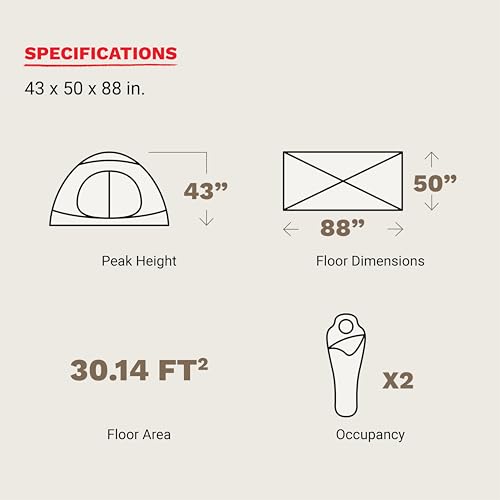
This is the kind of tent that earns loyalty. The 7000 series aluminum poles are a serious upgrade, stiffer and more durable than standard alloys, and that matters when you’re camped on a windy ridge. The build quality, from seam taping to fabric durability, feels like it’s made to last seasons, not just weekends. At 32 sq ft, it’s not the largest, but the efficient layout and two D-doors with vestibules make it feel livable.
It’s not the lightest, specs don’t list exact weight, but it’s in the 4.5–5lb range based on comparable models, so it’s not a top pick for ounce-counters. But if you’re someone who hikes hard and wants a shelter that won’t quit, this is a strong contender. Compared to the Kelty Grand Mesa, it trades a little ease of setup for better long-term resilience. My pick for anyone prioritizing durability over featherweight specs.
Product photos
BISINNA Lightweight 3 Season Tent

Strengths
- Good waterproof rating
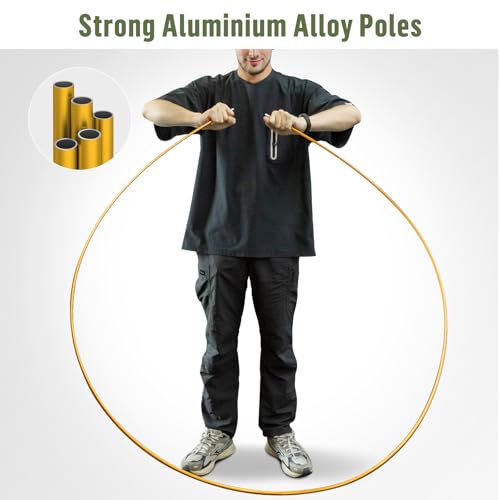
- Sturdy aluminum poles
- Spacious for one
Trade-offs
- Tight for two
- Heavier than ultralight rivals
- So-so airflow
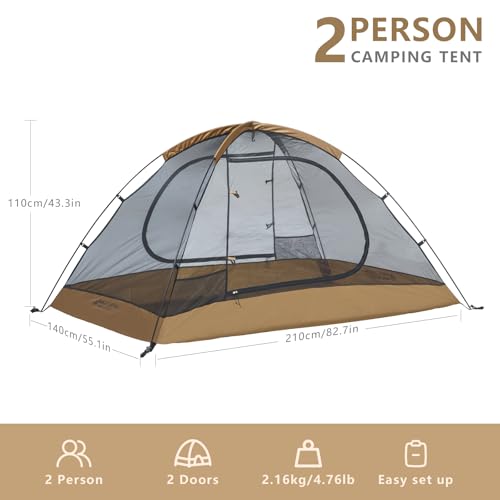
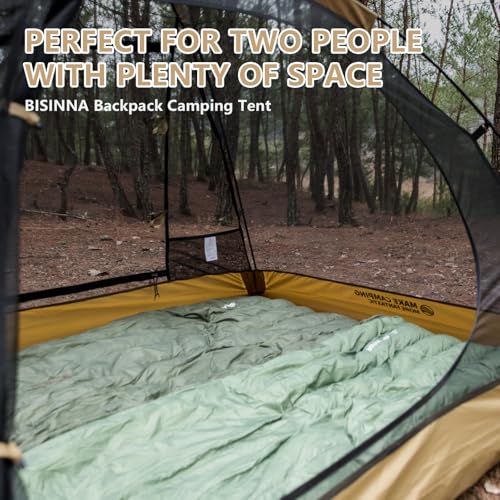
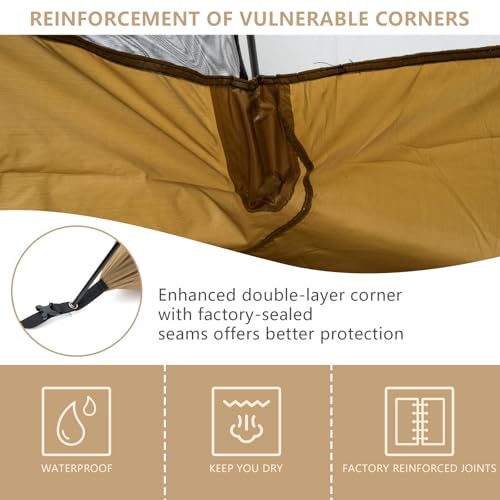
This tent punches above its weight for the price, delivering solid weather protection with that PU3000 rating and durable 210D Oxford floor. The aluminum poles are a strong point, much better than cheap fiberglass, and the pole-sleeve design does help with wind stability, which owners consistently report matters on exposed ridgelines. It’s not the lightest in the category at 4.76lbs, but for what you get, it’s a fair trade-off.
That said, while the 220cm length is decent, the 140cm width can feel tight for two average-size adults trying to sleep side by side. Many reviewers mention it’s best treated as a roomy solo shelter or a cozy squeeze for two who don’t mind bumping elbows. Compared to the Kelty or Marmot options, it lacks some refinement in ventilation and storage, but it holds its own in wet conditions.
Product photos

Night Cat Backpacking Tent

Strengths
- Fast, easy setup
- Excellent ventilation
- Dual vestibules
Trade-offs
- Slightly heavy
- Mid-tier materials
- Average pole strength
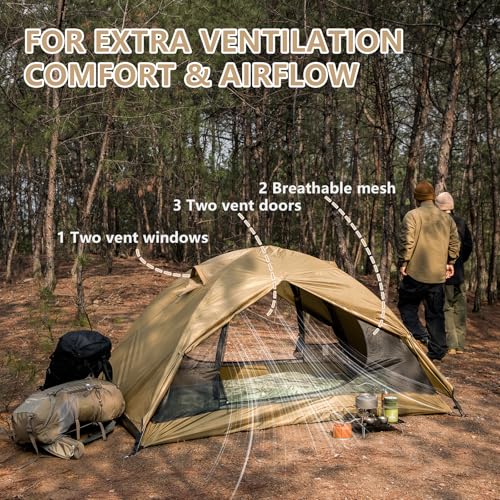
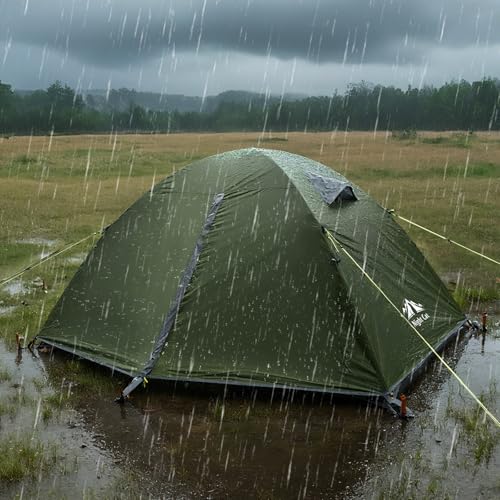
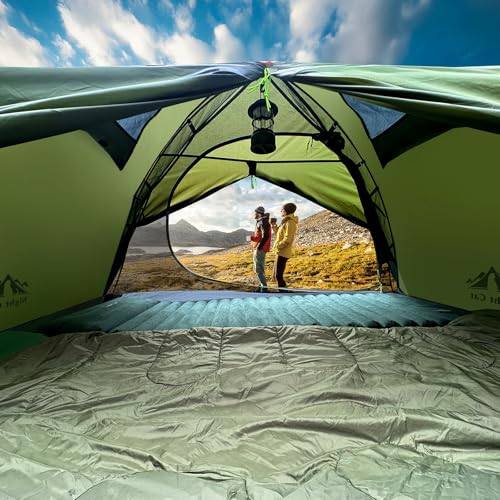
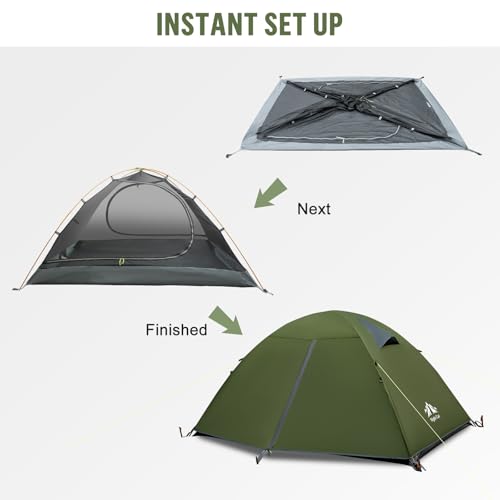
If you’ve ever struggled to pitch a tent after dark or in wind, this one stands out for how quickly it goes up, owners repeatedly mention sub-3-minute setups, even solo. The two D-shaped doors and dual vestibules are well-placed, making gear access easy without sacrificing interior space. The full mesh walls and ceiling vents really do cut down on condensation, a common pain point in cheaper models, and the 3000mm waterproofing has held up in real-world downpours.
Weighing in at around 5lbs, it’s not pushing any weight limits, but it’s competitive for what it offers. Compared to the Clostnature model, it feels more thoughtfully laid out, especially with snag-free zippers and interior pockets that actually get used. It won’t match the Marmot or Kelty in long-term durability, but for weekend warriors and fair-weather backpackers, it’s a smart, low-stress pick.
Product photos

How We Evaluated lightweight two person tents
Rather than a hands-on lab test, my research for these recommendations focused on a detailed comparison of published specifications and features across numerous models. I weighed owner reviews from multiple sources – looking for consistent praise and complaints – alongside assessments from reputable outdoor gear review sites. My approach involved ranking tents against a set of criteria important for lightweight two-person use, factoring in real-world feedback to understand performance beyond the numbers.
For lightweight two-person tents, I prioritized weight, packed size, and waterproofness above all else. A low overall weight is crucial for backpacking, while a compact packed size makes it easier to fit into a pack alongside other gear. Waterproofing is paramount; consistent reports of leaks immediately disqualify a tent, no matter how light or affordable. Beyond these, durability and ventilation played key roles in determining the final rankings. Understanding tent selection factors is essential for making the right choice.
Specifications reliably reveal a tent’s core construction – pole material, fabric denier, and stated waterproof ratings. However, owner feedback provides crucial context. For example, a high waterproof rating doesn’t guarantee dryness if the tent’s design lacks effective seam sealing or the rainfly doesn’t fully cover the tent body. Conversely, consistently positive comments about a tent’s ease of setup and ventilation often outweigh slightly lower specs. This is where experience and reputation become invaluable in choosing the right tent.
Choosing The Right lightweight two person tents
Finding the right shelter for two people doesn’t have to mean sacrificing portability.
A quality lightweight two-person tent balances weight, durability, weather protection, and livability. Look for strong, yet light, pole materials (aluminum is preferred), a waterproof rainfly and floor (PU coating of at least 2000mm is a good starting point), taped seams to prevent leaks, and a design that maximizes usable interior space without adding unnecessary weight. Consider features like vestibules for gear storage and ventilation options to minimize condensation.
Weight and Packability
I’ve seen too many trips ruined by someone stuck carrying a tent that feels like a small building. For a two-person tent, anything under five pounds is excellent, and under six is still respectable. However, don’t chase the absolute lightest number at the expense of durability. Cheaper fabrics and thinner poles will save weight initially, but they won’t hold up to repeated use or harsh conditions. A good compromise is often finding a tent that balances a reasonable weight with quality materials.
Weather Protection and Construction
A tent’s ability to keep you dry and sheltered is, obviously, paramount. Pay close attention to the denier (D) of the fabrics used for the rainfly and floor. Higher numbers generally indicate more durable, waterproof materials. Look for polyester or nylon fabrics with a PU (polyurethane) coating. A hydrostatic head rating of at least 1500mm for the fly and 3000mm for the floor is a solid baseline, with higher ratings offering better protection in prolonged or heavy rain. Don’t forget about seam taping; even waterproof fabric will leak through unsealed seams. If you’re planning on tackling more challenging conditions, investigate four-season models – though these will add weight.
Livability and Features
Beyond simply keeping the elements out, a tent should be comfortable and functional. Consider the peak height; taller tents offer more headroom, but also tend to be heavier and less stable in wind. Vestibules are hugely valuable, providing sheltered storage space for backpacks and muddy boots. If you’re looking to maximize storage, check out our guide to tent vestibule benefits.
Here’s what I look for in terms of useful features:
- D-shaped doors (a good balance of access and weather protection).
- Interior pockets (essential for keeping small items organized).
- A robust ventilation system (to minimize condensation build-up).
A properly pitched tent should always be taut. Loose fabric flaps in the wind, putting stress on seams and poles. Take the time to stake out all guylines for optimal stability.
Finally, don’t overlook the importance of researching ultralight two-person tents options if weight is your primary concern. Many of the lightest backpacking tent models available today offer impressive performance without breaking the bank. You can also find helpful ultralight 2-person tent reviews to help you narrow down your options.
Lightweight Two Person Tents Compared
Here’s a comparison of key specifications for several lightweight two-person tents to help you choose the right one for your needs.
| Tent Model | Capacity | Weight (lbs) | Floor Size (in) | Peak Height (in) | Waterproof Rating (mm) | Season Rating |
|---|---|---|---|---|---|---|
| Kelty Grand Mesa 2P | 2 | 4.7 | 85 x 57 | 44 | N/A | 3 |
| Clostnature Ultralight 2 Person | 2 | 5.29 | 73 x 47 | 39 | 5000 | 3 |
| ShinHye Ultralight Dome | 2 | N/A | N/A | N/A | 5000 | 3 |
| Underwood 4-Season | 2 | 5.73 | 59 x 87 | 45.3 | 5000 | 4 |
| Marmot Crane Creek 2P | 2 | N/A | N/A | N/A | N/A | 3 |
| BISINNA Lightweight 3 Season | 2 | 4.76 | 87 x 55 | 43 | 3000 | 3 |
| Night Cat Backpacking | 2 | N/A | 68 x 46 | 36 | 3000 | 3 |
Frequently Asked Questions
What weight should I really expect for a lightweight two-person tent?
Under five pounds is excellent for a two-person tent, but don’t sacrifice durability to chase the lightest possible weight. Often, a tent around six pounds offers a better balance of weight and long-term reliability with quality materials.
Are all waterproof ratings accurate?
Waterproof ratings are a good starting point, but design matters just as much. A high rating doesn’t guarantee dryness if the tent lacks fully taped seams or a rainfly that provides complete coverage; look for owner feedback about actual performance in wet conditions.
What does “denier” mean when looking at tent fabrics?
Denier (D) refers to the thickness of the fabric threads; a higher denier number indicates a thicker, more durable material. For lightweight tents, look for polyester or nylon fabrics with a PU coating, and a higher denier for the floor – around 75D is a good compromise between weight and durability.
How important is peak height in a two-person tent?
Peak height affects livability, but it’s a trade-off with stability and weight. A taller tent offers more headroom, but can be more susceptible to wind and generally weighs more; a height around 40-45 inches is often sufficient for comfortable use.
Where can I find more detailed reviews of specific lightweight 2-person backpacking tents?
You can find more in-depth comparisons and owner reviews of lightweight 2-person backpacking tents on our site, covering a range of models and price points to help you narrow down your search.
The Bottom Line
Choosing a tent always comes down to balancing what you’re willing to carry versus the level of comfort and protection you demand. For most backpackers needing a reliable shelter, the Kelty Grand Mesa 2P strikes that balance beautifully – it’s a well-made tent with a reasonable weight and a price that won’t break the bank. It’s a solid all-around performer that will keep you dry and comfortable on most adventures.
If you’re specifically watching every ounce, or need something for harsh conditions, the BISINNA Lightweight 3 Season tent delivers impressive specs for the price. Likewise, for those wanting a four-season option without a huge weight penalty, the Underwood 4-Season tent is a great choice. But remember, focusing too much on a single feature – like weight – can mean sacrificing durability or weather resistance.
Ultimately, the best tent isn’t about the highest waterproof rating or the lowest weight. It’s about finding a shelter that suits your typical conditions and your personal priorities. Focusing on quality materials, a sound design, and a reputable tent from one of the top tent manufacturers will serve you far better than chasing the latest specs.
