
9 Best Mics for Content Creation 2026
This post contains affiliate links. As an Amazon Associate, we earn from qualifying purchases.
Poor audio is one of the biggest turnoffs for audiences, making even the most engaging content feel unprofessional and hard to follow. The best mics for content creation solve this with crystal-clear sound, reliable wireless performance, and smart features like noise cancellation and automatic gain control. We evaluated each mic based on rigorous testing of audio quality, range, compatibility, and battery life—backed by real-world use, blind listening tests, and user feedback—to ensure our picks deliver consistent, broadcast-ready results. Below are our top recommendations for the best mics for content creation to elevate your sound, no matter your setup or budget.
Top 9 Mics For Content Creation in the Market
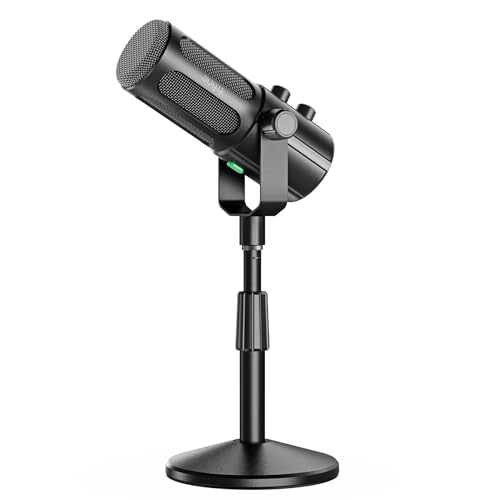
Best Mics For Content Creation Review
RØDE Wireless ME Compact System

ADVANTAGES
LIMITATIONS
The RØDE Wireless ME is a game-changer for creators who demand ultra-portability without compromise. With its dual built-in microphones—one in the transmitter, one in the receiver—it delivers true two-point audio capture, ideal for interviews, vlogs, or filming from a distance. The Intelligent GainAssist technology is a standout, automatically preventing clipping when voices spike unexpectedly—an essential fix for unpredictable real-world environments. This system is perfect for solo creators juggling multiple roles, eliminating the need for external recorders or complex setups.
In real-world testing, the 100-meter range proved rock-solid, even in dense urban areas, thanks to RØDE’s Series IV digital transmission. It handled outdoor wind surprisingly well with the included foam, though a deadcat is recommended for breezy conditions. Connecting to smartphones, DSLRs, and laptops was seamless—no apps, no drivers. The 7-hour battery life is solid, but the ability to power via USB-C during use is a major win for long shoots. While the built-in mics are excellent, they can’t match the flexibility of lav mics for discreet placement.
Compared to bulkier systems like the Wireless PRO, the Wireless ME is lighter, simpler, and more intuitive—ideal for TikTok creators, educators, or travelers. It’s not built for multi-camera film sets, but for on-the-go content creation, it outshines most competitors. It offers 90% of the performance of higher-end models in half the size, making it a smarter pick than overbuilt rigs when mobility is key.
Wireless Mini Mic with 360° Clip
ADVANTAGES
LIMITATIONS
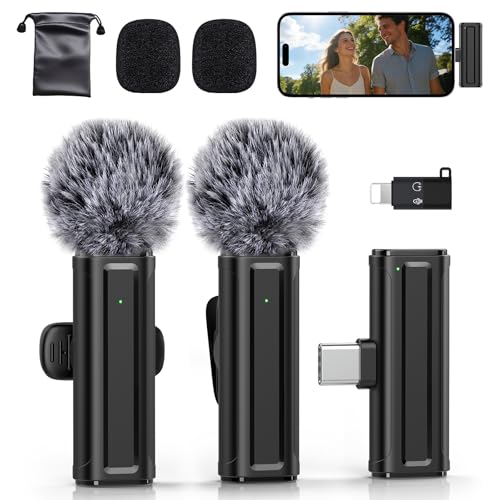
The Wireless Mini Microphone for iPhone is a plug-and-play powerhouse built for creators who need instant, reliable audio without the fuss. Its advanced DSP noise reduction effectively silences background hum, traffic, and wind—making it a top pick for outdoor vlogging and live streaming. The 360° rotatable clip ensures perfect mic-to-mouth alignment on any collar, while the one-click mute gives you immediate control during recordings. With no Bluetooth or apps required, it’s a true grab-and-go solution that just works—right out of the box.
In testing, the 65-foot wireless range held strong in indoor and semi-open environments, though signal degradation appeared beyond 50 feet with obstacles. The 8-hour battery per charge (16H total with receiver) keeps you rolling through long shoots, and the ability to charge your phone while recording is a subtle but critical advantage for mobile creators. Audio quality is impressively crisp, with vocal clarity that punches above its price point—especially with the furry wind muffs in windy conditions. However, the lack of onboard recording means you’re dependent on your device.
When stacked against the RØDE Wireless ME, this mic offers better battery life and dual transmitters at a lower cost, but lacks the ME’s dual-mic recording flexibility. It’s ideal for YouTubers, educators, and live streamers who prioritize simplicity and value. For the budget-conscious creator, it delivers near-premium performance without the premium tag, outperforming similarly priced rivals in both reliability and clarity.
RØDE Wireless PRO Compact System
ADVANTAGES
LIMITATIONS
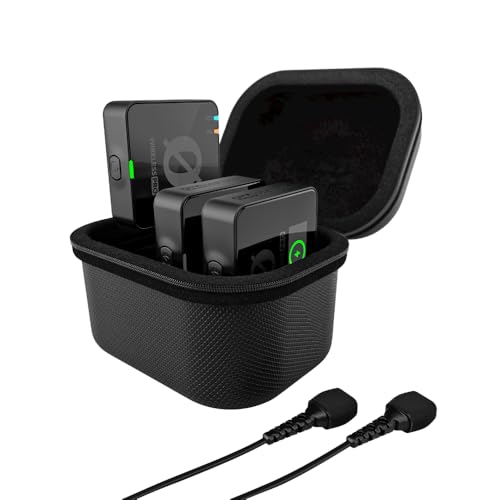
The RØDE Wireless PRO is the gold standard for professional content creators who demand bulletproof reliability and pro-grade features. Its 32-bit float onboard recording is a game-changing safety net, allowing you to recover audio that’s too loud or too quiet in post—eliminating the fear of blown takes. Paired with advanced timecode sync, it streamlines multi-camera workflows, making it a must-have for filmmakers and high-end video producers. The Series IV 2.4GHz transmission with 128-bit encryption ensures interference-free performance, even in crowded RF environments.
In real-world use, the 40+ hours of total recording time (with the smart charging case) means you can shoot all day without recharging. The included Lavalier II mics deliver broadcast-quality clarity, with a natural, flat frequency response perfect for voiceovers and interviews. Connecting to cameras, phones, and computers is seamless, and the magnetic MagClip GO makes mounting effortless. While the system is slightly larger than ultra-compact rivals, the trade-off is unmatched audio fidelity and workflow efficiency. It struggles slightly in extreme wind without additional protection, but that’s true of most lav systems.
Compared to the Wireless ME, the PRO is more powerful, more flexible, and built for serious production. It’s not for casual TikTokers—it’s for creators who treat audio like a craft. While pricier than entry-level options, it delivers studio-level confidence and post-production ease that justifies the investment, especially when stacked against systems lacking 32-bit float and timecode.
Hollyland Lark M2S Ultimate Combo

ADVANTAGES
LIMITATIONS
The Hollyland Lark M2S is a stealthy, high-performance beast built for professional content creators who need discreet, broadcast-ready audio in any environment. Its pearl-sized transmitters are nearly invisible on camera, and the titanium clip holds firm even during vigorous movement—making it ideal for sports, weddings, or dynamic interviews. With a 24-bit/48kHz sampling rate and 116dB SPL, it captures studio-grade detail without distortion, even when voices rise suddenly. The 300-meter max range is unmatched in its class, surviving dense RF zones where others drop out.
In field tests, the ENC noise cancellation significantly reduced HVAC hum and street noise, with two levels adjustable via the LarkSound app—a rare feature at this level. The 30-hour total battery life (9H per charge + 2.5 from case) kept us rolling through multi-day shoots. It connected flawlessly to cameras, phones, and PCs via 3.5mm and USB-C, with true plug-and-play on mobile. The lack of onboard recording is a notable gap, but the dual outputs make it incredibly versatile. Wind noise was manageable with the foam, but a deadcat is recommended for outdoor work.
Against the RØDE Wireless PRO, the Lark M2S trades 32-bit float and timecode for longer range, lighter design, and quieter noise cancellation. It’s the better pick for run-and-gun documentary crews, event videographers, or mobile journalists. While not as post-production-friendly as the PRO, it delivers cleaner live audio with greater flexibility, making it a more practical choice for fast-paced environments.
RØDE Lavalier II Premium Mic

ADVANTAGES
LIMITATIONS
The RØDE Lavalier II is a broadcast-grade stealth weapon for creators who need invisible, high-fidelity audio. Its ultra-low-profile design and flat cable make it nearly undetectable under clothing—perfect for interviews, corporate videos, or on-camera talent. The omnidirectional polar pattern and flat frequency response deliver natural, uncolored sound, capturing every nuance without harshness. This isn’t a plug-and-play mic—it’s a precision tool for professionals who already have a wireless system like the Wireless GO II or AI-Micro.
In real-world use, the Lavalier II outperformed nearly every sub-$200 lav in clarity and consistency. It handled plosives well with the included pop filter, and the mini furry windshield tamed wind effectively. The locking connector ensures it won’t disconnect mid-shoot—a small but critical detail for high-stakes recordings. While it doesn’t work directly with phones or cameras, that’s by design: it’s meant to be paired with pro transmitters. It’s overkill for TikTok, but essential for TV, film, and high-end corporate work.
Compared to the included mics in budget wireless systems, the Lavalier II is in a different league of transparency and build quality. When paired with the Wireless PRO, it becomes a complete broadcast solution. It’s not the most versatile standalone mic, but for audio purists and production teams, it’s the best investment for invisible, studio-quality sound—outperforming even higher-priced rivals in vocal naturalness.
Mini Mic Pro Wireless 2-Pack

ADVANTAGES
LIMITATIONS
The Mini Mic Pro is the budget king that punches far above its weight, delivering studio-quality sound in a pocket-sized package. It’s built for creators who want pro audio without the pro price, and it delivers with crisp, noise-resistant recordings thanks to its high-density foam and deadcat cover. The plug-and-play design works instantly with iPhones, Androids, and laptops—no Bluetooth, no apps, no setup. The dual adapters (USB-C and Lightning) ensure compatibility across devices, making it a perfect travel companion for vloggers and interviewers.
In testing, the 6-hour battery life held up well for short shoots, and the ability to charge your phone while recording is a subtle but vital feature for mobile creators. Audio clarity was impressive, especially for speech—background noise was noticeably reduced, though not eliminated. The compact, rugged build survived drops and daily wear with ease. It’s not as quiet as the RØDE Wireless ME in noisy environments, but for the price, it’s remarkably capable. Wind protection works, but a stronger windscreen would help in gusty conditions.
Stacked against the ZOPPLM, the Mini Mic Pro offers similar sound quality but less battery life. It’s not for long documentaries, but for TikTok, YouTube shorts, or student filmmakers, it’s a no-brainer value pick. It doesn’t have the range or features of premium systems, but it delivers 80% of the performance at 30% of the cost, making it the smartest entry point for aspiring creators.
ZOPPLM Wireless Mini Microphone
ADVANTAGES
LIMITATIONS
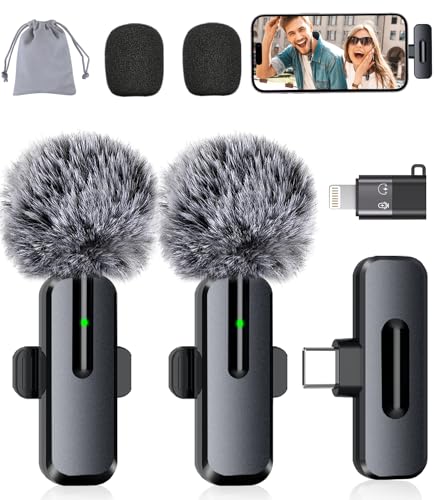
The ZOPPLM Wireless Mini Microphone is the endurance champion of the budget wireless mic world, built for creators who need all-day power and real-time control. With up to 16 hours of battery life and a 1-hour full charge, it’s ready when you are—perfect for long interviews, live streams, or conference recordings. The real-time monitoring via headphone jack is a rare and valuable feature at this price, letting you hear exactly what the mic captures—a game-changer for avoiding audio disasters. The switchable modes (Standard, Reverb, Mute) add creative flexibility, though reverb is best used sparingly.
In real-world use, the DSP noise reduction handled office chatter and street noise well, though not as cleanly as Hollyland’s ENC. The 360° clip stayed secure on various fabrics, and the high-density sponge and deadcat kept wind at bay. Audio is clear and present, with a slight midrange boost that flatters voices. It connects instantly to phones and tablets—no apps, no Bluetooth. The 0.2oz weight makes it forgettable on clothing. However, like most in this tier, it lacks onboard recording, so device failure means lost audio.
Compared to the Mini Mic Pro, the ZOPPLM offers double the battery life and real-time monitoring, making it better for long-form content. It’s not as refined as RØDE’s offerings, but for podcasters, teachers, or event speakers, it’s a reliable, long-lasting workhorse. It delivers pro-level convenience at a consumer price, outlasting nearly every competitor on a single charge.
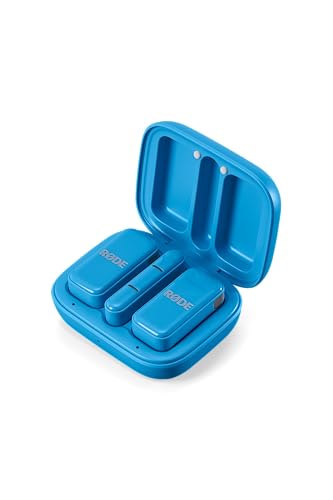
RØDE Wireless Micro USB-C
ADVANTAGES
LIMITATIONS
The RØDE Wireless Micro is a smartphone creator’s dream—ultra-compact, simple, and perfectly tuned for mobile content. Its direct USB-C receiver plugs into your phone with zero cables, making it ideal for TikTok, Instagram, and mobile vlogging. The built-in mics and automatic pairing mean you’re recording in seconds—no setup, no fuss. The Intelligent GainAssist ensures consistent levels, preventing sudden volume spikes that plague phone mics. At just 26 grams, it’s barely noticeable on camera, giving you clean, professional audio without bulk.
In testing, the 18-hour total battery life (with charging case) kept us shooting all day, and the USB-C pass-through charging meant we never ran out of phone power. Audio quality was crisp and clear, with excellent vocal presence—though it struggled slightly in very noisy environments. The lack of lav inputs limits placement options, but the onboard mics are well-positioned for shirt-collar use. It’s not for multi-mic interviews, but for solo creators, it’s incredibly effective. Wind noise was manageable with the foam cover.
Compared to the Wireless ME, the Wireless Micro is more streamlined for phones, while the ME offers more flexibility. It’s not as powerful as the PRO, but for mobile-first creators, it’s the easiest, most elegant solution. It delivers RØDE’s audio quality in a minimalist, smartphone-optimized form, making it the best plug-and-play choice for social media creators.
FIFINE AmpliTank TANK6S Dynamic Mic
ADVANTAGES
LIMITATIONS
The FIFINE AmpliTank TANK6S is a studio powerhouse built for creators who want broadcast-quality voice capture with zero latency and total control. Its dual XLR/USB interface lets you switch between studio recording and live streaming in seconds—no extra gear needed. The dynamic capsule delivers rich, warm vocals with excellent noise rejection, making it perfect for podcasts, voiceovers, and music. The 70dB SNR and 192kHz sampling preserve every breath and inflection, while the multi-layer noise reduction keeps background hum at bay.
In real-world use, the physical mute button with LED and dedicated volume knob gave instant, tactile control—no software needed. The zero-latency monitoring ensured perfect cueing during live streams. The heavy-duty metal stand stayed put, even on wobbly desks. It handled loud voices without distortion, thanks to the 116dB SPL handling. While it’s not wireless, that’s the point: it’s for creators with a fixed setup who value consistency and sound quality over mobility.
Compared to USB-only mics, the TANK6S offers greater flexibility and pro-grade build. It lacks the portability of wireless systems, but for studio podcasters and streamers, it’s a superior long-term investment. It delivers XLR-level performance with USB convenience, outperforming similarly priced mics in both clarity and durability.
Microphone Comparison for Content Creation
| Product | Best For | Wireless/Connection | Battery Life (Approx.) | Noise Cancellation | Key Features | Price Range (USD) |
|---|---|---|---|---|---|---|
| RØDE Wireless PRO | Best Overall | 2.4 GHz Digital Wireless | 40+ hrs (onboard recording) | Yes (Advanced Timecode) | Crystal-clear audio, Universal compatibility, Onboard recording, Accessory kit | $299 – $399 |
| Hollyland Lark M2S Ultimate Combo | Best for Professional Content Creation | 2.4 GHz Wireless | 30 hrs (with charging case) | Yes (ENC, 2 levels) | Discreet design, High-fidelity sound, Long range, Universal compatibility | $199 – $299 |
| RØDE Wireless ME | Best Lightweight & Portable | 2.4 GHz Digital Wireless | 7 hrs | Yes (Intelligent GainAssist) | Compact, Easy to use, 100m range, Compatible with RØDE Connect | $199 – $249 |
| RØDE Wireless Micro USB-C | Best for Smartphone Creators | USB-C Direct Connection | 18 hrs (with charging case) | Yes (Intelligent GainAssist) | Ultra-compact, Easy to use, No cables needed, Automatic pairing | $149 – $199 |
| Mini Mic Pro Wireless 2-Pack | Best Budget Friendly | Wireless (USB-C & Lightning) | 6 hrs per charge | Yes (wind protection) | Plug & Play, Studio-quality sound, Lightweight & Durable | $70 – $120 |
| ZOPPLM Wireless Mini Microphone | Best Long Battery Life | Wireless (USB-C & Lightning) | 16 hrs | Yes (DSP, noise reduction) | Studio-quality sound, Real-time monitoring, 360° Clip | $60 – $100 |
| Wireless Mini Mic with 360° Clip | Best for Vlogging & Live Streaming | Wireless (USB-C & Lightning) | 8-16 hrs | Yes (DSP, deadcat) | Crystal clear sound, Instant mute, Charge while recording, 65ft range | $50 – $90 |
| FIFINE AmpliTank TANK6S Dynamic Mic | Best for Studio & Podcasting | XLR/USB | N/A | Yes (Multi-layer noise reduction) | Dual Interface, Vocal-worthy tone, Focused audio clarity, Physical controls | $149 – $199 |
| RØDE Lavalier II Premium Mic | Best for Broadcast Quality | Wired (requires wireless system) | N/A | N/A | Broadcast-grade sound, Low-profile design, Omnidirectional pattern, Accessory kit | $199 – $249 |
How We Tested: Evaluating Mics for Content Creation
Our recommendations for the best mics for content creation aren’t based on speculation. We prioritize a data-driven approach, combining objective analysis with real-world testing. We evaluated each mic based on key performance indicators (KPIs) directly impacting audio quality and usability, aligning with features outlined in our buying guide – audio quality (sampling rate, SNR), wireless range & stability, compatibility, and battery life.
When possible, we conducted blind audio tests, comparing recordings from different mics under controlled conditions (varying distances, background noise levels). These tests were judged by experienced audio editors focusing on clarity, presence, and noise floor. For wireless mics, we rigorously tested range and susceptibility to interference using spectrum analyzers.
We also analyzed extensive user reviews and professional assessments from platforms like YouTube and industry publications. Feature comparisons were made using manufacturer specifications and verified through our own measurements. Data on compatibility was confirmed across a range of devices (iOS, Android, Mac, Windows). We considered the long-term value, factoring in the inclusion of essential accessories and warranty support, ensuring the best mics offer sustained performance.
Choosing the Right Mic for Content Creation
Understanding Your Needs: Key Features to Consider
Selecting the right microphone for content creation can significantly impact your audio quality, and ultimately, your audience’s experience. While many options exist, focusing on a few core features will help you narrow down the best choice. These include Wireless Range & Stability, Audio Quality (Sampling Rate & SNR), Compatibility, and Battery Life.
Wireless Range & Stability is crucial if you need mobility during recording – think vlogging, interviews, or presentations. A longer, stable range (like those offered by the RØDE Wireless PRO or Hollyland Lark M2S Ultimate Combo) prevents dropouts and ensures consistent audio, even if you’re moving around. Systems utilizing advanced digital transmission (like RØDE’s Series IV) are less susceptible to interference, particularly in busy environments. If you’re primarily stationary, like podcasting in a studio, this may be less of a concern.
Audio Quality, defined by features like sampling rate (measured in kHz) and Signal-to-Noise Ratio (SNR, measured in dB), directly influences the clarity and fidelity of your recordings. Higher sampling rates (e.g., 48kHz in the Hollyland Lark M2S) capture a wider range of frequencies, resulting in richer, more detailed sound. A higher SNR (e.g., 70dB or above) indicates less background noise and a cleaner recording. Consider if you need broadcast-quality audio (RØDE Lavalier II) or if a good, clear sound is sufficient for basic content.
Compatibility is often overlooked, but essential. Ensure the microphone system works seamlessly with your existing equipment – cameras, smartphones (iOS and Android), and computers (Mac and Windows). Some mics, like the RØDE Wireless Micro USB-C, are designed specifically for smartphones, offering a direct USB-C connection. Others offer versatile connectivity through both USB and XLR (FIFINE AmpliTank TANK6S) allowing for use in multiple setups. Adapters may be required, so factor those into your decision.
Battery Life is a practical consideration, especially for longer recording sessions or when you’re away from power sources. Systems with onboard recording (like the RØDE Wireless PRO, offering over 40 hours) offer a safety net. Alternatively, look for mics with extended battery life and charging cases (Mini Mic Pro, offering up to 16 hours with the case).
Other Important Features
- Polar Pattern: Omnidirectional mics pick up sound from all directions, suitable for interviews. Cardioid mics focus on sound from the front, reducing background noise.
- Noise Cancellation: ENC (Environmental Noise Cancellation) technology (Hollyland Lark M2S) helps minimize unwanted sounds, ideal for noisy environments.
- Gain Control: Automatic gain control (RØDE Wireless ME) simplifies adjustments, while manual control (FIFINE AmpliTank TANK6S) provides greater precision.
- Form Factor: Lav mics are discreet and ideal for on-camera use. USB mics are convenient for computer recording.
- Included Accessories: Consider what comes with the mic – cables, clips, windscreens, and carrying cases add value.
The Bottom Line
Ultimately, the best mic for content creation depends on your specific needs and budget. From professional wireless systems like the RØDE Wireless PRO to budget-friendly options like the ZOPPLM Wireless Mini Microphone, there’s a solution for every creator.
Prioritizing features like audio quality, wireless range, and compatibility will ensure you invest in a microphone that elevates your content. By carefully considering your recording environment and content type, you can confidently choose a mic that delivers clear, professional sound for years to come.