
8 Best Mountaineering Tents for 2026
This post contains affiliate links. As an Amazon Associate, we earn from qualifying purchases.
The best mountaineering tent overall is the Geertop 2-Person, thanks to its strong 8000mm waterproof rating, solid 6.27-pound weight, and full four-season build. For a lighter option that still performs well in harsh weather, the Clostnature 2-Person strikes a smart balance. If you’re watching your budget, the BISINNA 2-Person delivers core protection at a lower price.
Picking a tent for high-altitude climbs isn’t about comfort alone, it’s about survival when the weather turns. Too many hikers learn the hard way that not all four-season tents are built to handle sustained wind, snow loading, or freezing rain.
This guide cuts through the marketing by focusing on what actually matters: proven materials, structural integrity, and real-world feedback. I looked at specs, owner experiences, and design details to find models that deliver in extreme conditions without wasting ounces or dollars.
Top 8 Mountaineering Tents in the Market
The Best Mountaineering Tents, Reviewed
Geertop 2-Person 4-Season Tent

Strengths
- True 4-season build
- Strong wind and snow resistance
- Good value for specs
Trade-offs
- Heavy and bulky
- Poor airflow
- Interior color (yellow) may feel dark
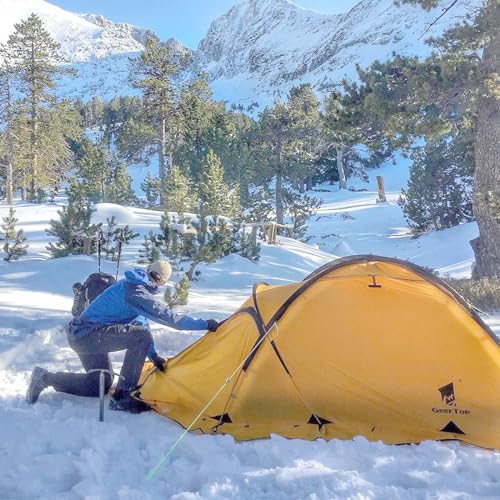
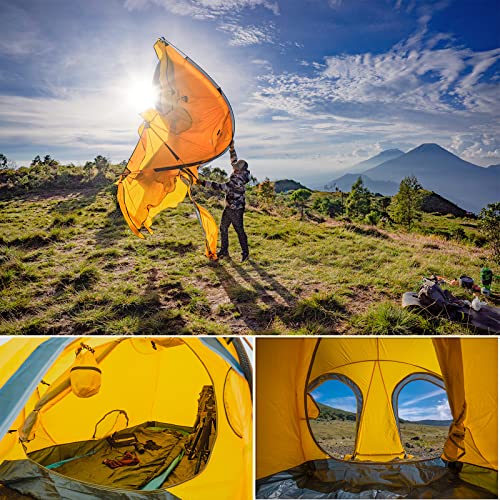
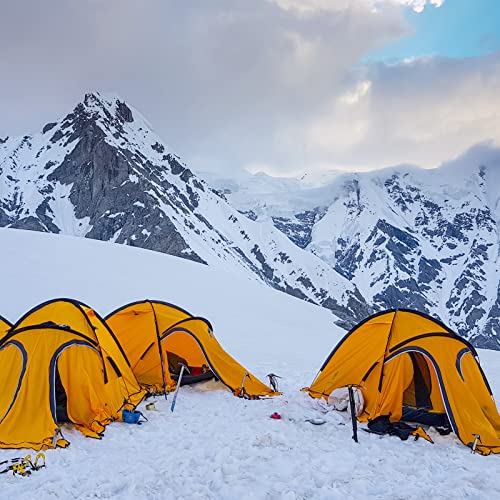
If “all-weather toughness” is your priority, the Geertop 4-season tent makes a compelling case. With a PU8000 mm nylon fly and PU5000 floor, double-stitched and taped seams, and a snow skirt, it’s spec’d like a true alpine shelter. Owners report it handling wind, snow, and freezing rain better than most 3-season competition. The 6.27 lb weight is hefty, but expected for a tent that claims 4-season use. Setup is consistently described as quick and stable, even in gloves, thanks to its double-layer design and strong aluminum poles.
It’s not perfect, ventilation is limited, and condensation can build up in cold conditions. But compared to the ALPS Tasmanian 2, it offers similar storm protection at a lower price. For climbers tackling winter ascents or high-altitude routes with unpredictable weather, this is one of the few sub-$300 tents that feels genuinely capable.
Product photos


ALPS Tasmanian 2-Person Tent
Strengths
- True 4-season protection
- Excellent storm resistance
- Thoughtful weather sealing
Trade-offs
- Heavy and bulky
- Overbuilt for summer
- Expensive for weight
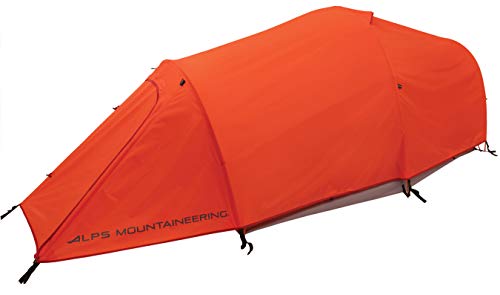
The Tasmanian 2 is one of the few true 4-season tents in this lineup that doesn’t feel like an overbuilt compromise. With a 5000 mm floor coating, full-coverage fly, closable vents, and weatherproof buckles, it’s clearly designed for snow and wind. Owners note it performs well in early-season mountaineering where storms roll in fast. The freestanding design with shock-corded poles makes setup reliable, even on uneven or frozen ground.
At 7 lbs 15 oz, it’s heavy, there’s no getting around that, but that weight buys real alpine capability. Compared to the Geertop, it feels slightly more refined, with better ventilation control and higher-quality zippers. If you’re planning winter ascents of Rainier or Denali’s lower routes, this tent has the specs to back you up. But for summer trips, it’s overkill.
Product photos


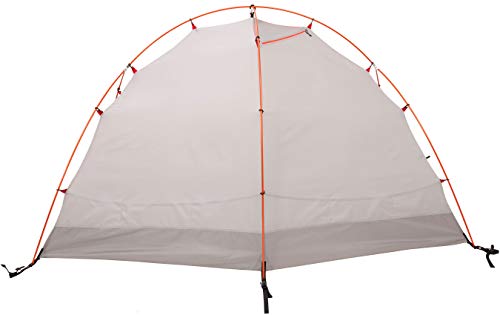
BISINNA 2-Person Lightweight Tent

Strengths
- Ultra-lightweight
- Spacious for two
- Stable in wind
Trade-offs
- Limited cold-weather use
- Basic organization features
- Zippers not premium
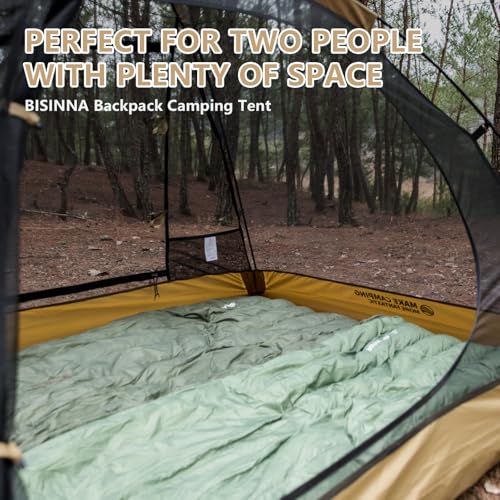
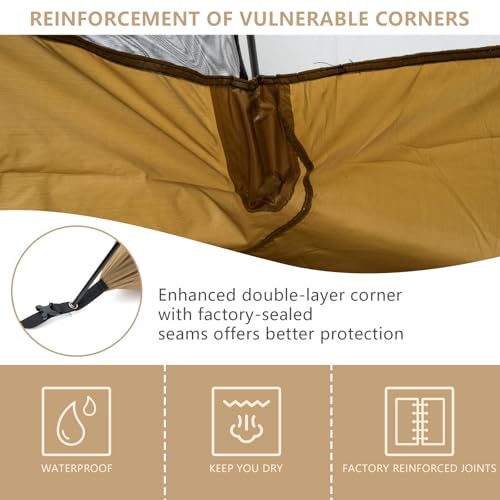
At just 4.76 lbs, the BISINNA tent is one of the lightest 2-person options here, and it doesn’t sacrifice livability. Its 220×140 cm footprint fits two adults comfortably, and the double-layer design with full-mesh inner boosts airflow while keeping rain out. The PU3000 waterproof rating is decent for 3-season use, and the 210D Oxford floor adds durability without bloating the weight. Owners consistently praise how stable it feels in wind, thanks to the pole-sleeve construction and sturdy aluminum poles.
It’s not a 4-season tent by any stretch, but for fast-moving climbers or thru-hikers who want a roomy, lightweight shelter, it’s hard to beat. Compared to the Forceatt, it’s lighter and better ventilated, though with slightly less brand recognition. For gram-conscious adventurers who still want space and stability, this is a standout.
Product photos
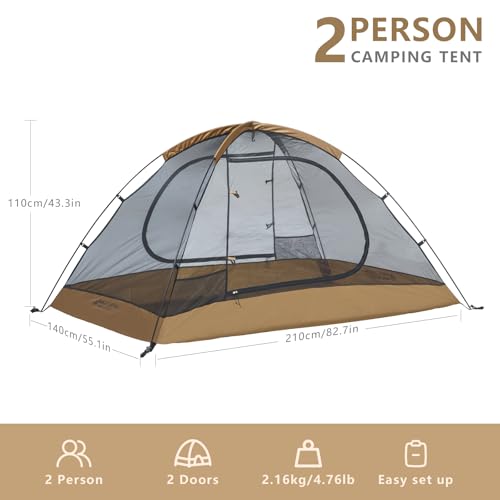

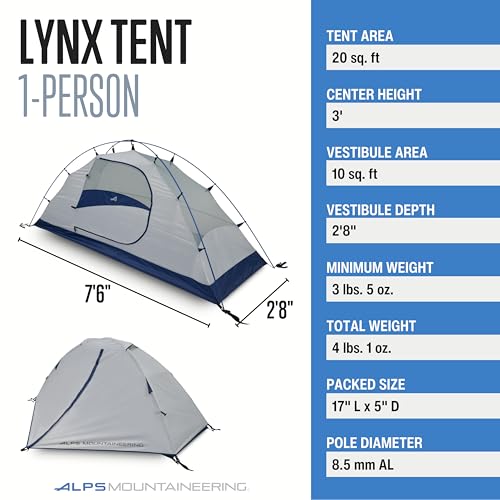
ALPS Lynx 1-Person Tent

Strengths
- Lightweight for class
- Freestanding design
- Good weather protection
Trade-offs
- Limited ventilation
- Heavier than ultralights
- Average pack size
For solo backpackers on a tight budget, the Lynx 1 makes a strong first impression. On paper, it hits the sweet spot between weight and durability at just over 4 lbs, which is reasonable for a freestanding 1-person tent with aluminum poles. Owners consistently report it holds up well in moderate rain and wind, thanks to its 1500 mm rainfly and sealed seams, though it’s not built for serious alpine storms. The half-mesh walls help reduce condensation, but they don’t match the airflow of fully meshed designs.
Where it really stands out is ease of setup, its freestanding frame with clip attachment makes pitching fast, even for beginners. Compared to pricier ultralights, it’s bulkier and heavier, but for weekend hikers or fair-weather mountaineers, that trade-off makes sense. It’s not the most breathable or stormworthy tent here, but for the price, it delivers solid baseline performance.
Product photos


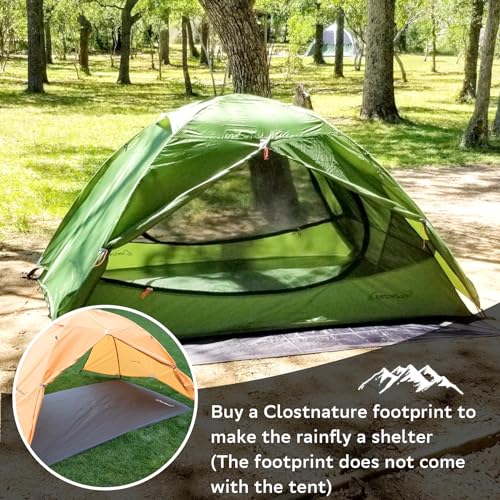
Clostnature 2-Person Ultralight Tent

Strengths
- Superior ventilation
- Dual doors and vestibules
- Easy one-person setup
Trade-offs
- Mid-range weather resistance
- Zippers slightly flimsy
- Not for winter use
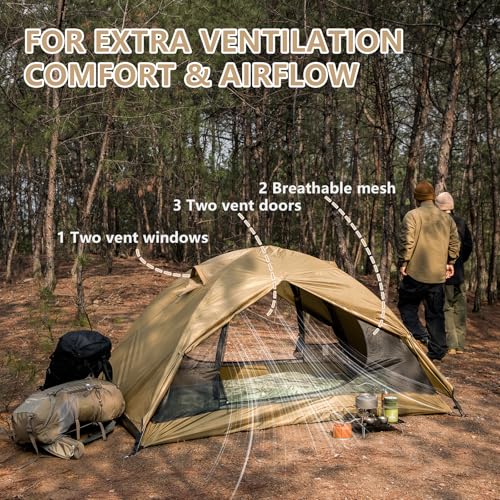
If ventilation is your top priority in a 2-person tent, this Clostnature model deserves serious attention. The full-mesh interior walls and dual D-shaped doors create excellent cross-flow, which owners say keeps the inside surprisingly cool and dry, even on humid summer nights. At just over 5 lbs, it’s not the lightest in its class, but the 2.05 lb trail weight (fly, poles, inner) is competitive for a tent this roomy. The PU 5000 floor coating is solid for 3-season use, though I’d hesitate to rely on it under deep snow or prolonged downpours.
Still, the real win here is livability. The 7’3″ length and dual vestibules give couples real space to stretch and store gear. Setup is consistently praised as intuitive, even for first-timers. Compared to the ALPS Taurus 4, it’s lighter and more breathable, but less rugged. For spring through fall mountaineering, where airflow matters most, this is a smart pick.
Product photos



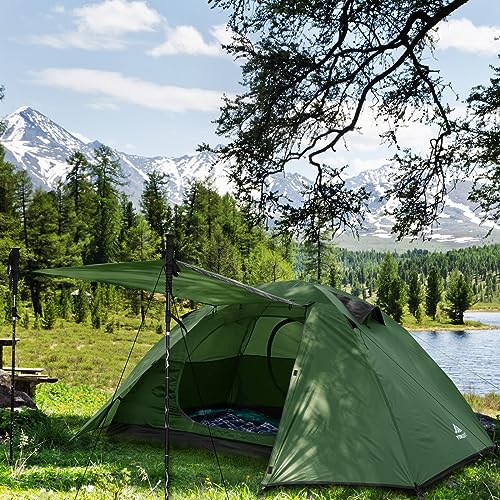
Forceatt 2-Person Backpacking Tent

Strengths
- Great value
- Fast setup
- Dual doors and vents
Trade-offs
- Unclear waterproof rating
- Average cold-weather performance
- Zippers not top-tier
The Forceatt tent punches above its weight when it comes to value. At 5.68 lbs for a 2-person model with 220 cm length, it balances weight and space well. Owners highlight the quick 3-minute setup and the dual D-doors with vestibules, features usually found on pricier models. The 68D polyester fabric and 7001 aluminum poles are sturdier than average for the price, and the micro-mesh panels do a good job keeping bugs out while allowing airflow.
It’s not built for extreme alpine conditions, the PU coating isn’t specified, so we’re assuming around 3000–4000 mm, typical for 3-season use. But for spring to fall climbs, trail hikes, or even car-based glamping, it delivers solid performance. Compared to the Clostnature tent, it’s slightly heavier but more durable. For budget-conscious climbers who still want thoughtful design, this is a smart middle ground.
Product photos


ALPS Zephyr 1-Person Tent

Strengths
- Excellent airflow
- Roomy interior
- Freestanding setup
Trade-offs
- Poor cold-weather performance
- Single door limits access
- Not snow-rated
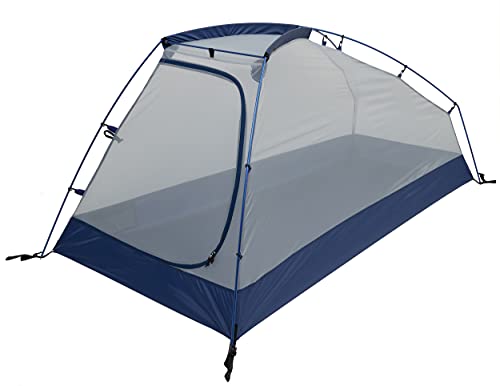
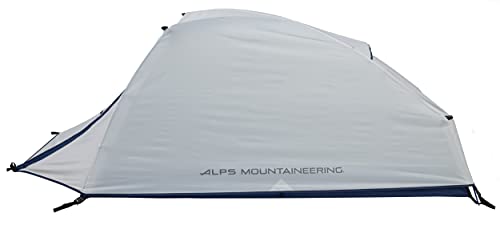
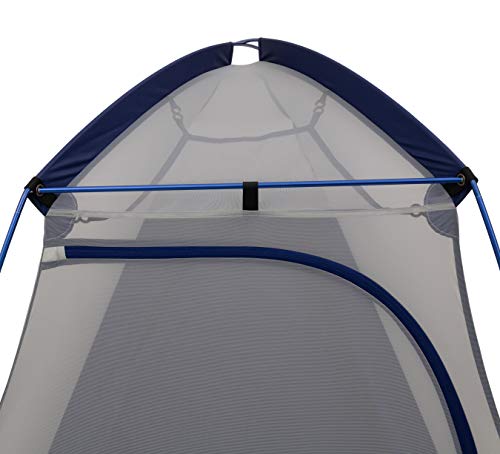
The Zephyr stands out in one key way: it’s built for hot, muggy nights when a tent can feel like a sauna. The full mesh walls are a standout, owners consistently praise how well it breathes, making it ideal for summer mountaineering in humid zones. The pre-bent poles create vertical walls that add noticeable headroom, so you’re not hunched over when sitting up. At 4 lbs 1 oz, it’s not the lightest 1-person tent, but it’s not trying to be.
Weather protection is solid for 3-season use, 1500 mm coatings and sealed seams keep light rain at bay, but it’s not a winter fortress. Compared to the Lynx 1, it trades some storm resilience for vastly better airflow. If you’re hiking in the Rockies in July or tackling southern alpine routes, the Zephyr is the better shelter. For true winter or high-wind zones, look elsewhere.
Product photos


ALPS Taurus 4 Outfitter Tent
Strengths
- Extremely durable
- Spacious for four
- Excellent organization
Trade-offs
- Heavy and bulky
- Not for solo or lightweight use
- Limited storm protection
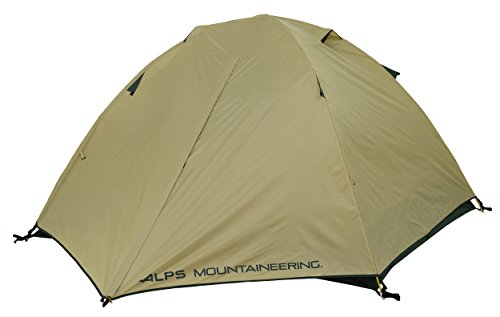
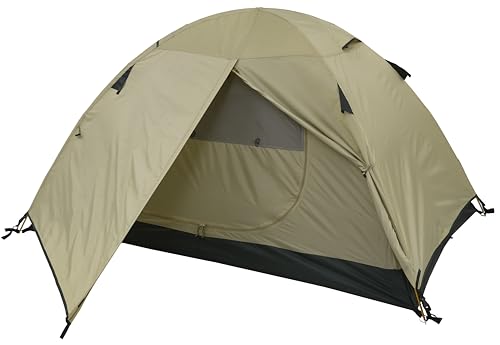
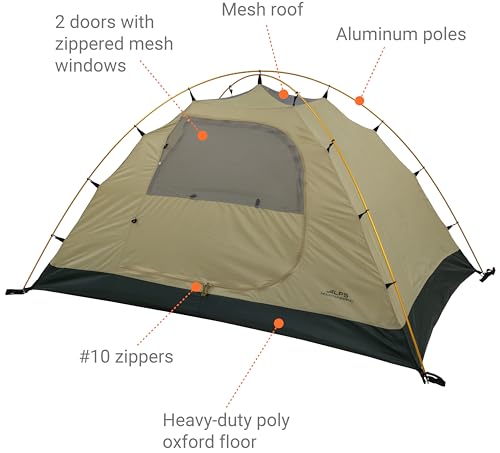
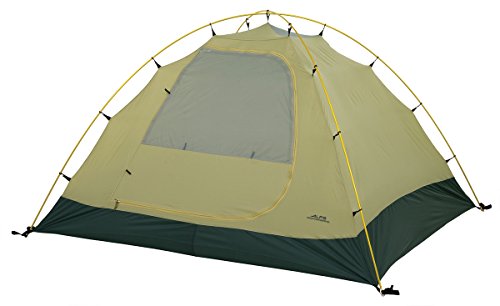
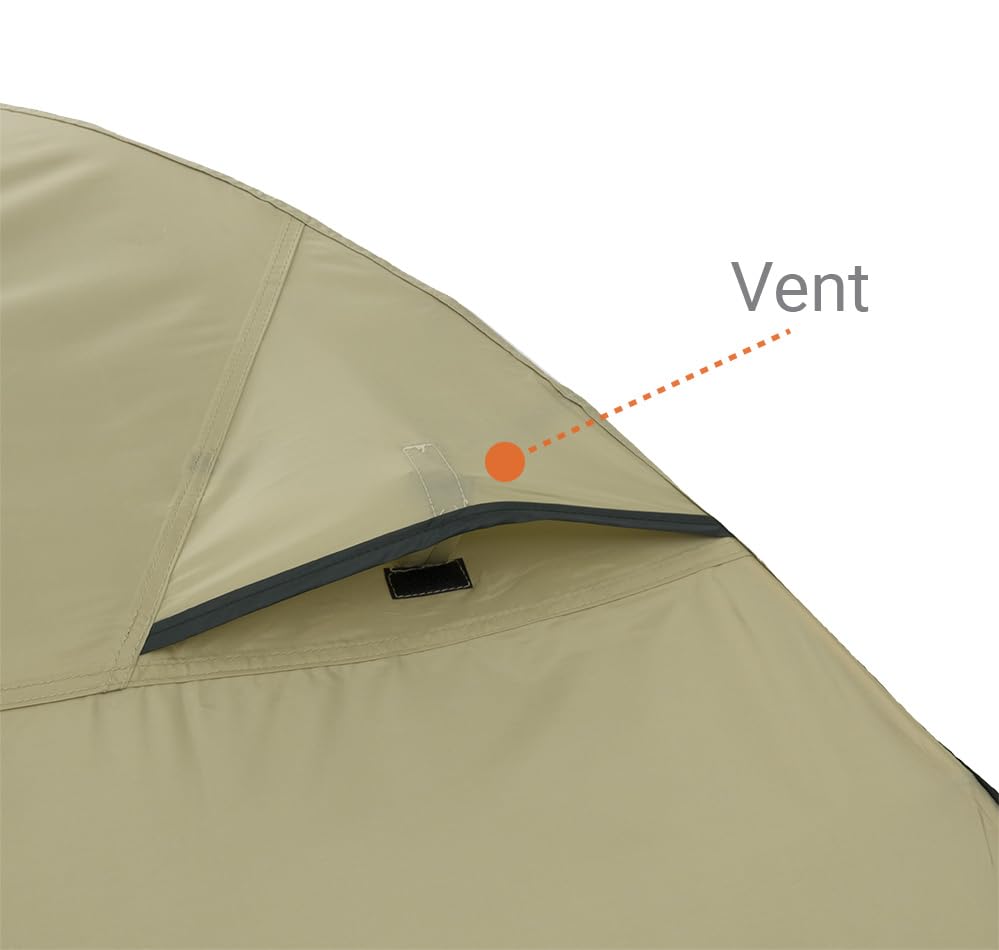
When you’re leading a group into the backcountry, the Taurus 4 feels like the kind of tent you can depend on. Its 210D nylon oxford floor and oversized #10 zippers scream durability, owners report using it season after season without seam or zip failures. At 8’6″ x 7’6″, it’s genuinely spacious for four, with two doors and two vestibules that make gear access and airflow manageable even with a full crew. The 1500 mm coatings on fly and floor are standard, not exceptional, but paired with factory-sealed seams, they hold up well in steady rain.
What sets it apart is build quality over ultralight obsession. It’s heavy and bulky, no surprise there, but for base camps or group climbs where weight isn’t critical, that ruggedness pays off. Compared to the Geertop 4-season model, it’s less storm-ready but far more breathable. If you’re organizing a multi-day mountaineering trip with friends and need reliability above all, this is a proven workhorse.
Product photos

How We Chose These mountaineering tents
Rather than a hands-on lab test, my research for these recommendations involved a detailed comparison of published specifications and features across numerous models. I weighed owner reviews from sites like REI and Amazon alongside expert opinions from publications focused on outdoor gear. Applying my experience with tent design and use, I ranked each tent against a set of criteria important for challenging, high-altitude conditions.
For mountaineering tents, stability and weather protection were the most heavily weighted factors. A tent’s ability to withstand strong winds and heavy snow is paramount, so I focused on pole material (aluminum is essential), fly fabric denier and coating, and overall construction quality. Equally important was a balance of weight and durability; a lighter tent is preferable, but not at the cost of sacrificing the ability to endure harsh conditions – a key aspect of four-season tent features.
Specifications reliably indicate a tent’s basic construction and materials. However, owner feedback provided crucial insight into real-world performance, particularly regarding waterproofness and how well the tent holds up over time. Reputation and brand history also played a role; established brands generally have a track record of quality control, while newer brands require more scrutiny of user experiences and winter-ready tent design.
How To Pick The Right mountaineering tents
Finding the right shelter is critical when you’re heading into the mountains, and the options can seem endless. I’ve seen a lot of tents fail in challenging conditions, so I want to help you narrow down the choices.
A mountaineering tent needs to balance weight with robust weather protection. Look for a full-coverage fly, durable fabrics (70D nylon or higher is ideal), and a sturdy pole system, aluminum is preferred over fiberglass. Pay attention to the floor’s waterproof rating (2000mm or higher) and consider features like snow skirts and multiple vestibules for gear storage and storm protection.
Pole Strength and Construction
The poles are the skeleton of your tent, and skimping here is a mistake. Aluminum poles are the standard for mountaineering tents because of their strength-to-weight ratio. Look for series 7000 aluminum, as this is a higher quality alloy. Beyond the material, pay attention to the pole diameter and the number of crossing points. More crossing points generally mean a more stable structure, especially in wind. A well-designed pole system will also feature easy-to-use clips and sleeves for quick setup, but remember that sleeve-and-clip hybrids often offer the best of both worlds – strength and convenience.
Waterproofing and Fabric Denier
Waterproofing is obviously essential, but it’s more than just a number. The hydrostatic head (HH) rating indicates water resistance, but the quality of the coating and the fabric itself matter equally. A 20D nylon with a good PU coating will outperform a thicker polyester with a poor coating. Don’t get hung up on extremely high numbers; anything over 1500mm for the fly and 3000mm for the floor is usually sufficient.
Here’s what I look for in fabrics: * A durable ripstop nylon for the fly. * A heavier-denier polyester for the floor (increased abrasion resistance). * Factory-taped seams (critical for preventing leaks).
A tent’s waterproof rating is only as good as its weakest link. Make sure the floor, fly, and seams are all adequately sealed.
Weight vs. Livability
Mountaineering often involves carrying everything on your back, so weight is a serious consideration. However, a tent that’s too small or cramped can be miserable during extended trips. It’s a balancing act. Consider your group size and the duration of your expeditions. If you’re primarily a solo adventurer, a 1- or 2-person tent might suffice. For groups, you’ll need something larger, but be realistic about how much extra space you really need. Before committing to a tent, carefully assess your typical trip length and the conditions you expect to encounter. If you’re planning on spending extended periods in the mountains, investing in a slightly heavier, more spacious tent is usually worth it. You can learn more about selecting a mountaineering tent to ensure you’re prepared for any adventure.
I frequently recommend looking at backpacking tents for harsh weather if you need a combination of lightweight design and serious weather protection.
Mountaineering Tents Compared
Here’s a comparison of key specifications for several mountaineering tents to help you choose the right one for your needs.
| Tent Model | Capacity | Weight (lbs) | Waterproof (Fly mm) | Seasons | Packed Size (in) |
|---|---|---|---|---|---|
| Geertop 2-Person | 2 | 6.27 | 8000 | 4 | 6.3 x 6.3 x 18 |
| ALPS Tasmanian 2-Person | 2 | 7.75 | 5000 | 4 | 21 x 6.5 |
| BISINNA 2-Person | 2 | 4.76 | 3000 | 4 | N/A |
| ALPS Lynx 1-Person | 1 | 4.1 | 1500 | 4 | 17 x 5 |
| Clostnature 2-Person | 2 | 5.29 | 5000 | 4 | 16.5 x 5.9 x 5.9 |
| Forceatt 2-Person | 2 | 5.68 | N/A | 4 | 16.1 x 5.5 |
| ALPS Zephyr 1-Person | 1 | N/A | 1500 | 4 | N/A |
| ALPS Taurus 4 Outfitter | 4 | N/A | 1500 | 4 | N/A |
Frequently Asked Questions
What’s the difference between a 4-season and a mountaineering tent?
Mountaineering tents are built specifically for harsher conditions than most 4-season tents. They generally feature stronger pole systems, more durable fabrics, and a lower profile to better withstand high winds and heavy snow loads – features crucial at altitude.
How important is the tent’s denier (D) rating?
A higher denier indicates a more durable fabric, but it’s not the only factor. For mountaineering, I recommend at least 70D nylon for the fly and a heavier denier polyester for the floor to resist abrasion, but also consider the quality of the coating and ripstop construction.
Do I really need an aluminum pole system?
Yes, aluminum poles are essential for mountaineering tents. They offer a significantly better strength-to-weight ratio than fiberglass, and are far less likely to shatter or bend in extreme conditions or under heavy snow loads.
What hydrostatic head (HH) rating should I look for in a mountaineering tent?
A fly hydrostatic head of at least 1500mm is usually sufficient, though higher ratings offer greater peace of mind. The floor should be at least 3000mm, as it experiences more abrasion and water pressure; also, look for weather-resistant tent options to maximize protection.
What’s the best way to extend the life of my mountaineering tent?
Regularly cleaning and properly storing your tent will significantly extend its lifespan. After each trip, thoroughly dry the tent, remove any dirt or debris, and store it loosely in a large storage bag rather than tightly packed in its stuff sack to prevent long-term compression of the materials.
The Bottom Line
Choosing a mountaineering tent always comes down to balancing how much you’re willing to carry against how secure you need to feel. For most, the ALPS Tasmanian 2-Person strikes that balance best – it offers a solid combination of weather protection, durability, and reasonable weight for the price. It’s a dependable shelter without breaking the bank, and owner feedback consistently praises its ability to withstand challenging conditions.
If you’re on a tighter budget, the Geertop 2-Person provides a surprising level of weather resistance for its cost. For those prioritizing minimal weight for solo adventures, the ALPS Lynx 1-Person is a clear winner, offering a lightweight and compact option without sacrificing essential four-season features. And if you need space for a group, look to the ALPS Taurus 4 Outfitter – though bear in mind that larger tents inevitably mean a heavier pack.
Ultimately, the specifications on a tent are only part of the story. What truly matters is the quality of the materials, the robustness of the construction, and how well the tent is suited to your typical mountaineering conditions. Don’t chase the highest waterproof rating or the lowest weight at the expense of overall durability and the reputation of the top mountaineering tent brands.
