
7 Best One Man Tents for Backpacking 2026
This post contains affiliate links. As an Amazon Associate, we earn from qualifying purchases.
The Naturehike Bikepacking 1 Person Tent is the best overall one-man backpacking tent for its durable build, strong weather resistance, and thoughtful design, while the Night Cat Pop-up 1 Person Tent stands out as a surprisingly livable budget pick despite some compromises. For those needing maximum versatility in harsh conditions, the Underwood 4-Season Backpacking Tent offers rugged performance.
Solo backpackers face a real challenge: finding a tent that’s light enough to carry for miles but tough enough to trust when the weather turns. Too many ultralight models sacrifice durability or ventilation, leaving you damp or cramped at the end of a long day.
This guide cuts through the noise by focusing on what actually matters, real-world reliability, not just specs on paper. I researched each tent based on owner feedback, material quality, and design logic, prioritizing models that deliver consistent performance across rain, wind, and rough terrain.
Top 7 One Man Tents For Backpacking in the Market
The Best One Man Tents For Backpacking, Reviewed
Naturehike Bikepacking 1 Person Tent

Strengths
- Ultralight design
- Footprint included
- Excellent ventilation
- Freestanding setup
Trade-offs
- Slightly less waterproof than top tier
- Floor width on the narrow side
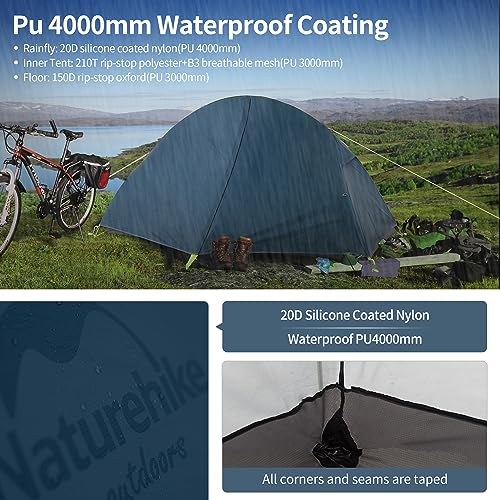
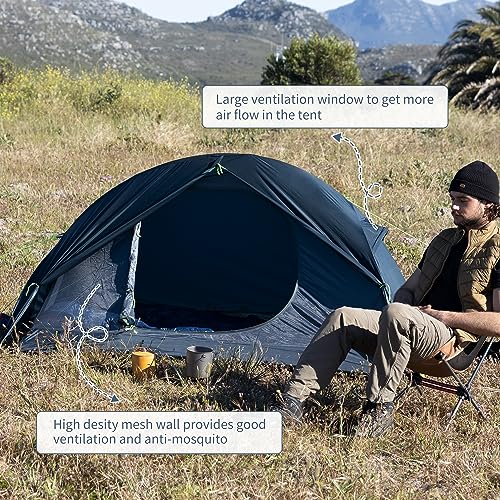
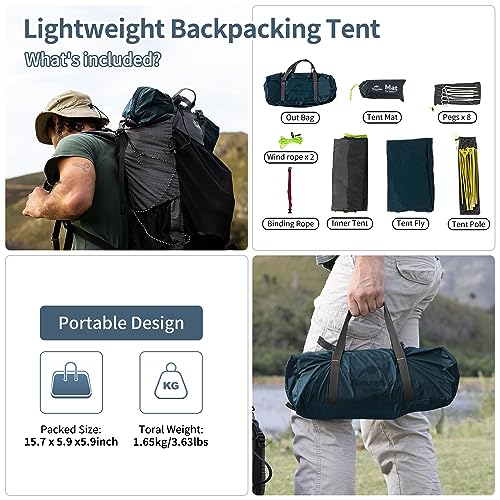
This one keeps coming up in owner reviews as a reliable, well-balanced shelter, and the specs back that up. At 3.63 lbs, it’s genuinely ultralight, and the included footprint is a rare perk that adds real value. The freestanding design with aluminum poles makes setup a breeze, even for newbies, and the 43.3-inch center height lets you sit up comfortably, which most solo tents don’t allow.
Ventilation is strong thanks to the double-layer design and B3 mesh, and the PU4000mm rating handles rain well. It’s not quite as weatherproof as the Clostnature’s 5000mm coating, but it’s close, and lighter. For most backpackers, this is the smarter buy over the heavier options unless you’re facing extreme storms.
Product photos


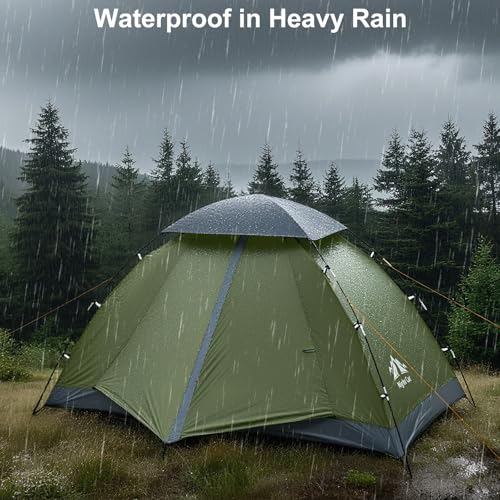
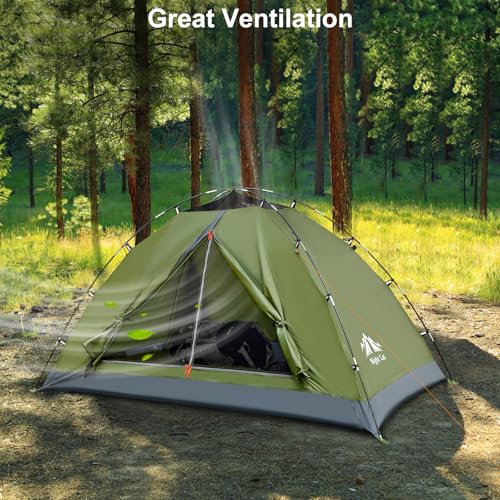
Night Cat Pop-up 1 Person Tent

Strengths
- Instant setup
- Ultra compact
- Lightweight
Trade-offs
- Low waterproof rating
- Flimsy poles
- Missing key stakes and lines
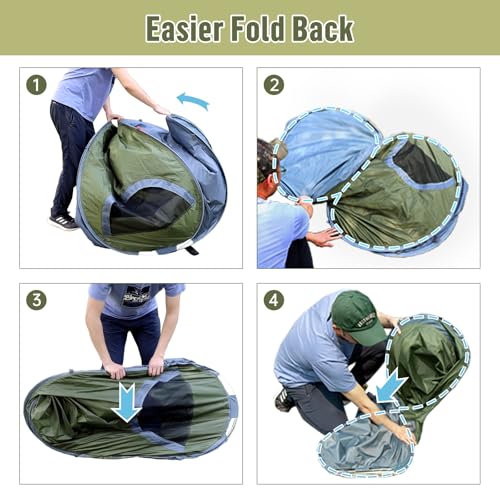
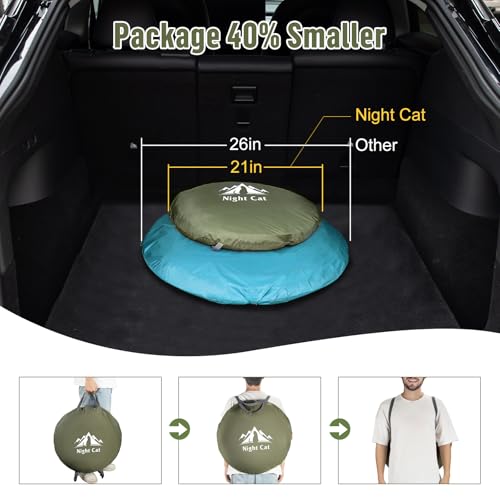
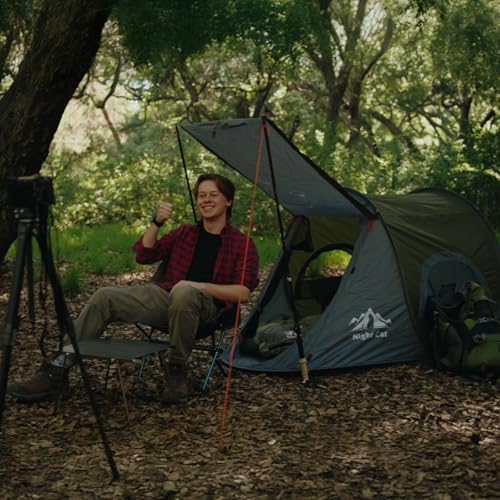
The 3-second pop-up is real, and it’s a joy for car campers or beach trips where setup speed trumps everything. At just 1.5 kg (3.3 lbs), it’s one of the lightest here, and the 40% smaller pack size makes it easy to stash in a trunk or overhead bin. The interior is roomy enough for a twin air mattress, and the porch option with trekking poles is a clever touch for shade.
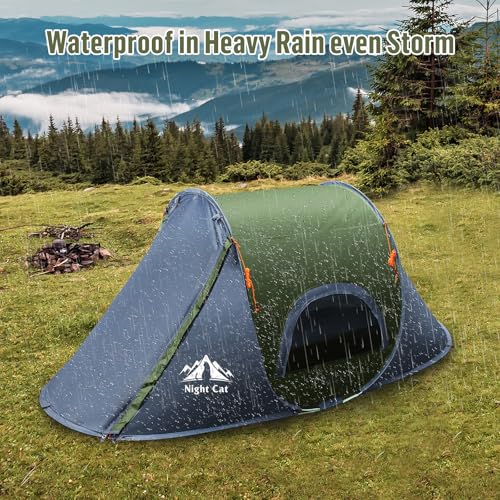
But the PU2000mm rating is the weakest in this group, and the 6mm poles won’t handle strong winds like aluminum ones. This isn’t a tent for serious backpacking, no stakes or guylines in the package? That’s a red flag. It’s a solid pick for fair-weather convenience, but not for backcountry reliability.
Product photos

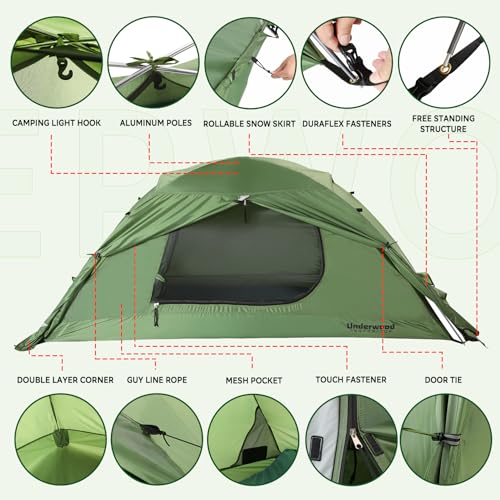
Underwood 4-Season Backpacking Tent
Strengths
- Four-season ready
- Strong aluminum poles
- Excellent waterproof rating
Trade-offs
- Heavy for solo use
- Poor airflow
- Bulky packed size
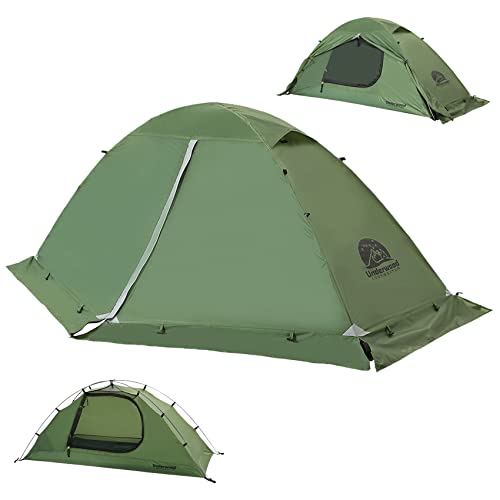
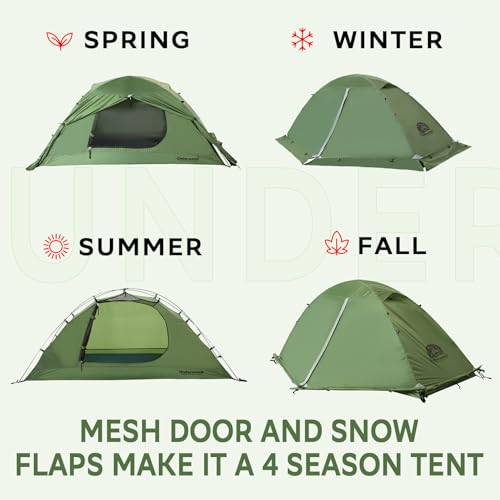
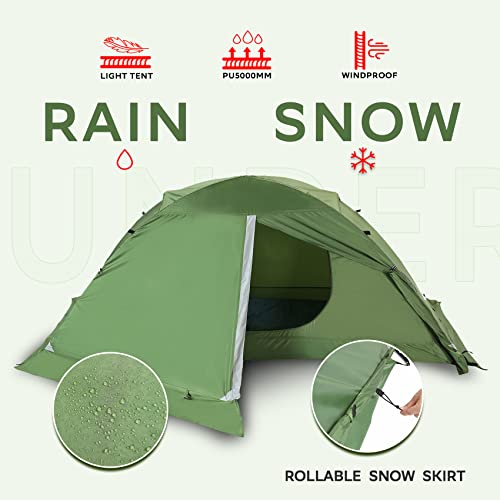
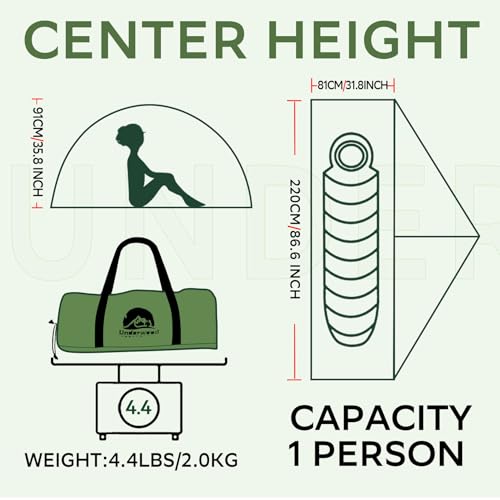
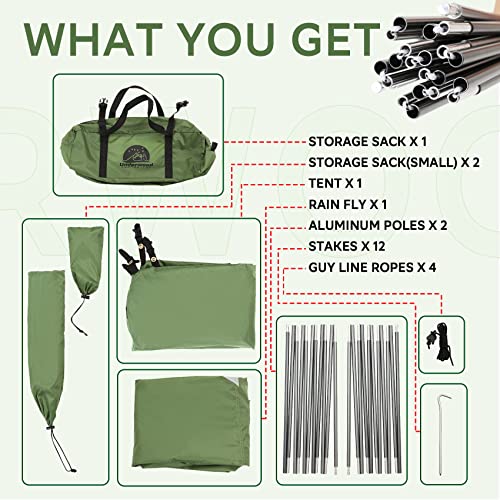
This is clearly built for winter abuse, and that shows in both its strengths and trade-offs. The PU5000mm coating and snow skirt suggest serious cold-weather chops, and owners in alpine zones consistently report staying dry even during prolonged snow events. The 4.4-pound weight is steep for a solo backpacker, but for someone tackling high-elevation winter trips, that durability might be worth the load.
Still, the specs hint at poor ventilation in milder seasons, the mesh is limited, and in humid conditions, condensation could become a real issue. Compared to the ALPS Lynx or Naturehike, this one leans so hard into winter performance that it’s overkill for most three-season use. I’d only recommend it if you’re regularly camping in snow or exposed, windy environments.
Product photos
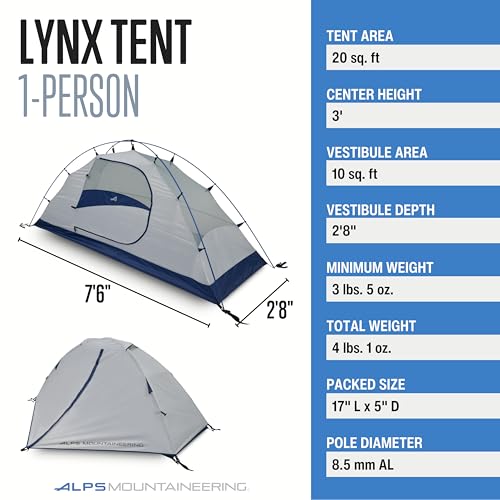
ALPS Lynx 1-Person Tent

Strengths
- Superior ventilation
- Durable materials
- Good vestibule space
Trade-offs
- Low interior height
- Moderate waterproof rating
- Slightly heavier
If you hate waking up to a damp sleeping bag, this tent deserves your attention. The half-mesh walls are a standout for airflow, and owners in humid climates consistently praise how well it manages condensation. At 4 lbs 1 oz, it’s not the lightest, but the 75D fabrics and durable aluminum poles make it feel tough enough for extended use.
The trade-off? The 3-foot center height means you can’t sit up straight, a real limitation compared to the Naturehike. And the 1500mm rainfly is adequate but not exceptional. Still, for warm-weather trips or summer thru-hikes where ventilation matters most, this is the tent I’d lean toward. It’s not built for storms, but it shines where airflow is king.
Product photos


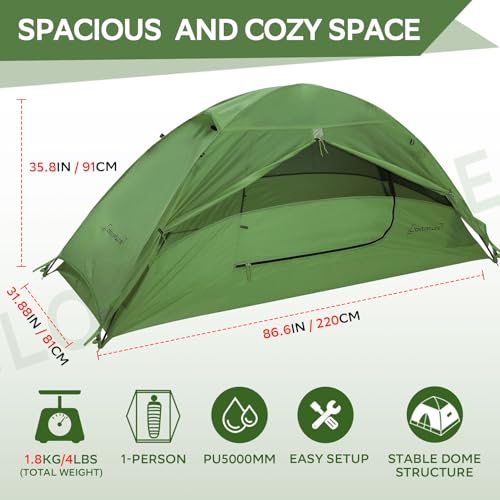
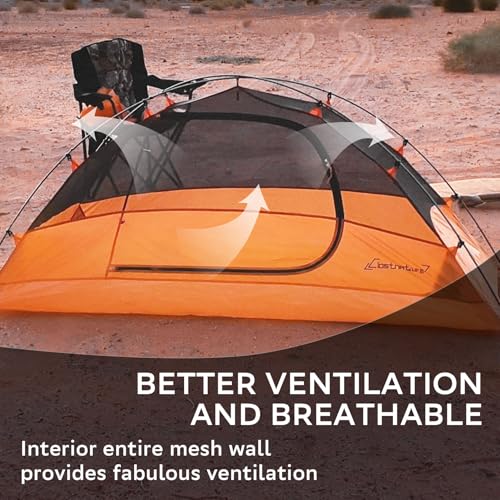
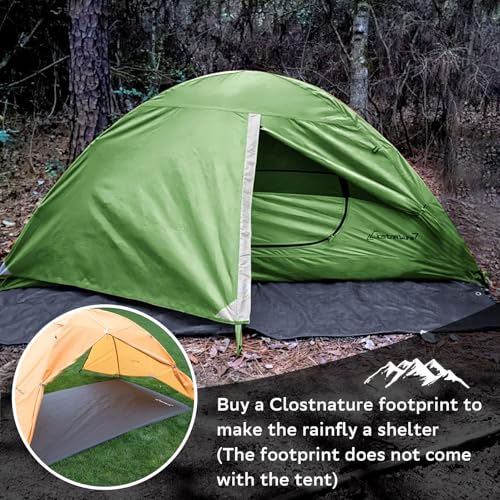
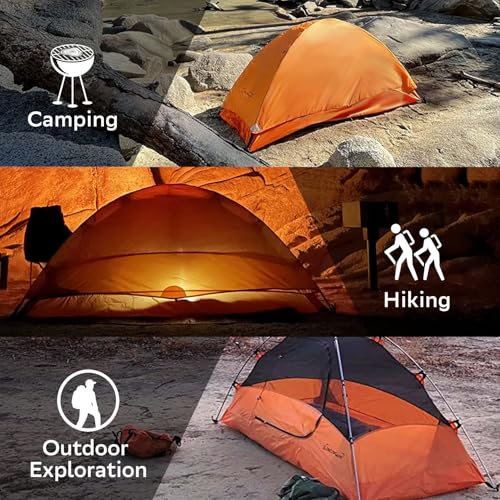
Clostnature Ultralight Backpacking Tent

Strengths
- Exceptional waterproofing
- Light trail weight
- Spacious vestibule
Trade-offs
- Low headroom
- Moderate airflow
- Slightly bulky
When it comes to keeping you dry, this tent is built like a fortress. The PU5000 coating matches the Underwood Aggregator, and the taped seams and storm-ready design mean owners are staying dry even in sustained downpours. The 2.97 lb trail weight, fly, inner, poles only, is impressive for this level of protection, making it a rare blend of durability and packability.
It’s freestanding, sets up quickly, and the D-door and large vestibule add real usability. But the 3-foot height again limits interior comfort, and the ventilation isn’t quite as strong as the ALPS Lynx. If you’re hiking in persistently wet climates, think Pacific Northwest or Scottish Highlands, this is the one I’d trust most. For dry or warm trips, it’s overkill.
Product photos

Night Cat Upgraded Clip Tent

Strengths
- Extremely fast setup
- Roomy interior
- Good storm resistance
Trade-offs
- Fiberglass poles less durable
- Heavier than ultralight options
- Not ideal for long thru-hikes
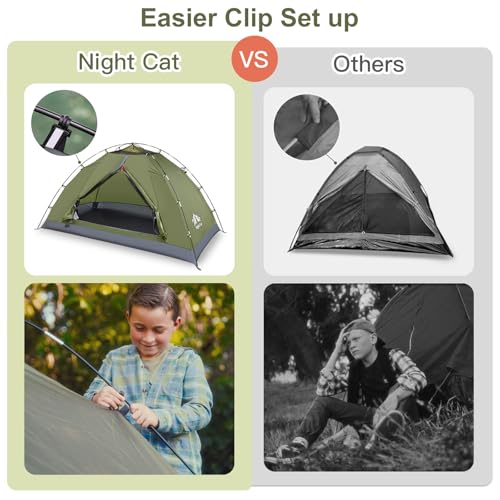
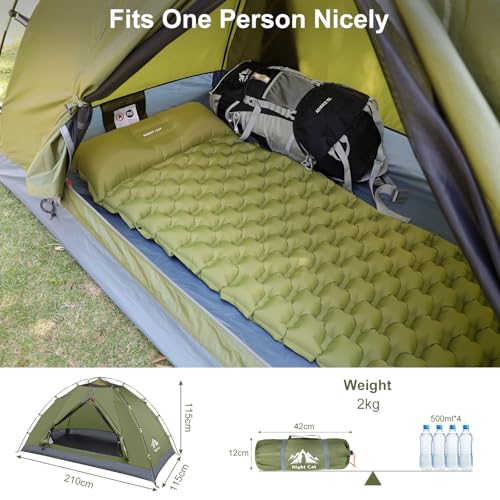
The clip-based pole system stands out, it’s the kind of small upgrade that makes setup dramatically easier, and owners confirm they’re getting this tent up in under a minute. That’s a real win for tired hikers at dusk. At 4.4 lbs, it’s not the lightest, but the 7×3.8×3.8 ft interior offers generous elbow room for one adult, with space for a small vestibule to stash shoes.
The 3000mm PU rating and taped seams deliver solid rain protection, and the fiberglass poles add stability without breaking the bank. Still, fiberglass isn’t as resilient as aluminum in high winds over time. For weekend backpackers or scouts who value speed and simplicity, this hits a sweet spot, but thru-hikers might want something lighter and more durable.
Product photos

Sutekus Camouflage Single Tent
Strengths
- Low cost
- Durable fabric
- Lightweight
Trade-offs
- No waterproof rating
- Poor ventilation
- Minimal features
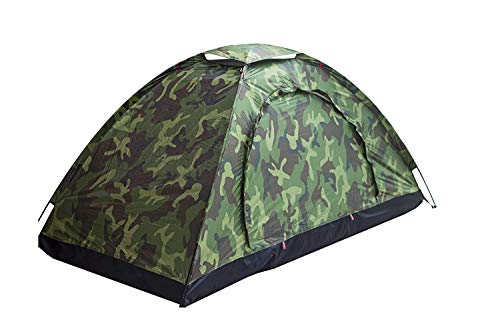
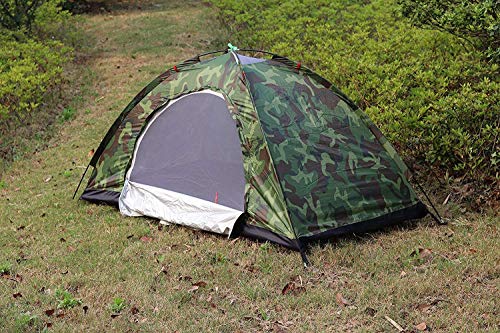
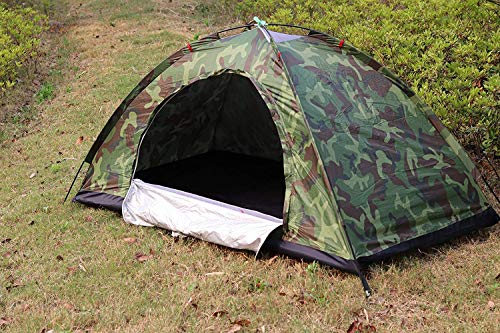
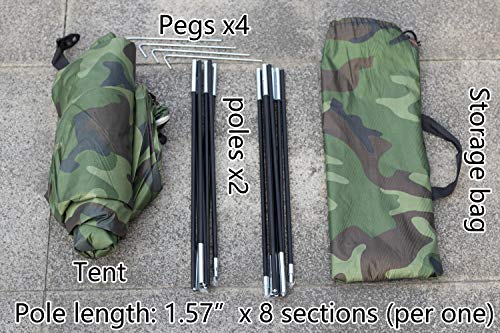
At 3 lbs and a low price point, this tent grabs attention, but the specs reveal why. The 180D Oxford fabric is durable but heavy for its class, and the 33.5-inch height means almost no headroom. There’s only one entrance, minimal ventilation, and no mention of waterproof coating or taped seams. Owners report it holds up in light rain but leaks under pressure.
It’s a bare-bones shelter, and for weekend hikers on a tight budget, that might be enough. But compared to even the Night Cat or Naturehike, it’s a step down in almost every category. I’d only recommend it as a fair-weather backup or for very short, dry trips.
Product photos


How We Evaluated one man tents for backpacking
Rather than a hands-on lab test, my research for these recommendations focused on a detailed comparison of published specifications and features across numerous models. I weighed owner reviews from major retailers alongside expert opinions found in outdoor publications and blogs. My evaluation considered the practical needs of a solo backpacker – weight, pack size, weather protection, and ease of setup – applying my experience with tent design and use to rank each option.
For one-man backpacking tents, I prioritized waterproofness, weight, and setup speed. A tent’s ability to keep you dry in unpredictable conditions is paramount, so PU coating ratings and seam sealing details were crucial. Equally important is minimizing pack weight; every ounce counts when you’re carrying everything on your back. Finally, a quick and easy setup means more time enjoying the trail and less wrestling with poles at dusk.
Specifications reliably indicate a tent’s potential for weather protection (denier of fabric, PU coating, pole material) and weight. However, I heavily considered owner feedback to gauge real-world performance – how well the waterproofing actually holds up, how easy the setup is in practice, and the tent’s overall durability. I also looked to reviews to identify any recurring issues or design flaws, and cross-referenced brands with trusted backpacking gear brands to assess overall reputation.
How To Choose The one man tents for backpacking
Picking the right shelter for solo adventures requires a bit more thought than just grabbing the smallest, lightest option.
A quality one man tent balances weight, weather protection, and livability. Crucially, look for durable fabrics (ripstop nylon or polyester with a high waterproof rating), a robust pole system (aluminum is preferable to fiberglass), and a design that maximizes usable space without adding excessive weight. Pay attention to details like vestibule size, ventilation options, and ease of setup.
Weight and Packability
For solo backpacking, every ounce counts. Don’t fall into the trap of thinking lighter always means better, though. Ultralight tents often use thinner fabrics and minimalist designs, which can compromise durability. I generally recommend aiming for a tent under 4 pounds, but consider the trade-offs. A slightly heavier tent made with more robust materials might be a wiser choice if you anticipate challenging conditions. The packed size is equally important; you want something that fits comfortably in your pack alongside your other gear.
Weather Protection and Construction
A tent’s ability to withstand the elements is paramount. Look beyond the headline waterproof rating (like PU3000mm) and consider the entire system. A fully taped fly and a bathtub floor (where the floor fabric extends up the sides) are essential for keeping you dry in heavy rain. The pole structure is also critical; aluminum poles are significantly stronger and more durable than fiberglass, especially in windy conditions. Some tents, like the Underwood 4-Season Backpacking Tent, are specifically designed for year-round use and include features like a snow skirt for added protection. When researching, check owner feedback on how well the tent holds up in real-world conditions.
Livability and Features
Don’t underestimate the importance of comfort, even on a solo trip. A cramped tent can quickly become miserable. Pay attention to the tent’s dimensions – headroom and floor space are key. A vestibule provides valuable storage space for wet gear and keeps your tent interior cleaner. Ventilation is also crucial to minimize condensation. If you’re prone to overheating, look for tents with mesh panels and adjustable vents. Many models, like the ALPS Lynx 1-Person Tent, prioritize ventilation. Finally, think about ease of setup.
- A freestanding design makes setup much easier, especially in challenging terrain.
- Clip-pole attachment systems (as seen on the Night Cat Upgraded Clip Tent) are often faster than sleeve-style setups.
- A well-designed door and vestibule can significantly improve usability, providing easy access and sheltered storage.
A practical rule of thumb: always add a tent footprint to your kit. It protects the tent floor from abrasion and extends its lifespan.
Ultimately, finding the perfect one man tent involves balancing these factors to suit your specific needs and preferences. If you’re new to backpacking, exploring backpacking tent buying guide can help you understand all the key tent selection factors. For more options, check out our round-up of the best solo backpacking tents. You’ll also want to think about important tent features for backpackers before making your final decision.
One Man Tents for Backpacking Compared
Here’s a comparison of key specifications for popular one-person backpacking tents to help you make an informed decision.
| Product Title | Weight (lbs) | Packed Size (in) | Waterproof Rating (mm) | Capacity | Season |
|---|---|---|---|---|---|
| Naturehike Bikepacking 1 Person Tent | 3.63 | 15.7×5.9×5.9 | 4000 | 1 Person | 3 |
| Night Cat Pop-up 1 Person Tent | 1.5 | 21x21x2 | 2000 | 1 Person | 3 |
| Underwood 4-Season Backpacking Tent | 4.4 | 5.1×15 | 5000 | 1 Person | 4 |
| ALPS Lynx 1-Person Tent | 4.1 | 17×5 | 1500 | 1 Person | 3 |
| Clostnature Ultralight Backpacking Tent | 4 | 15×5.1×5.1 | 5000 | 1 Person | 3 |
| Night Cat Upgraded Clip Tent | 4.4 | 16.5×4.7×4.7 | 3000 | 1 Person | 3 |
| Sutekus Camouflage Single Tent | 3 | N/A | N/A | 1 Person | N/A |
Frequently Asked Questions
What waterproof rating is truly sufficient for backpacking?
A PU3000mm waterproof rating is generally considered adequate for most three-season backpacking conditions, but I suggest looking for tents with 4000mm or higher if you frequently camp in areas prone to heavy rainfall or extended periods of wet weather. Higher ratings offer better protection and peace of mind.
Are freestanding tents really easier to set up?
Yes, freestanding tents are noticeably easier to pitch because they don’t rely on stakes for structural integrity. This is especially helpful on rocky or windy terrain where staking can be difficult or impossible, and it saves time when you’re trying to set up camp quickly.
What’s the benefit of an aluminum pole system over fiberglass?
Aluminum poles are significantly lighter and stronger than fiberglass, making them a better choice for backpacking where weight and durability are critical. While more expensive, they’re less prone to breaking in strong winds or under the weight of snow.
How important is vestibule space in a one-person tent?
Vestibule space is incredibly important, as it provides a covered area to store wet gear, muddy boots, and backpacks, keeping the inside of your tent cleaner and drier. A larger vestibule offers more convenience and can significantly improve your overall camping experience.
Where can I find more information about choosing the right backpacking tent?
You can find more detailed information and reviews of various one-person tents for backpacking on sites dedicated to outdoor gear. For a wide range of options and detailed comparisons, consider checking out reviews of backpacking tents for one person.
The Bottom Line
Choosing a one-person backpacking tent often comes down to how much you value control over weight versus durability and space. While ultralight options are tempting, the Naturehike Bikepacking 1 Person Tent strikes a fantastic balance – offering a respectable weight with a solid waterproof rating and a reasonable price point, making it our overall pick. It’s a good starting point for most solo adventurers.
For those prioritizing a budget-friendly entry point, the Night Cat Pop-up 1 Person Tent is hard to beat. If you’re looking for a ready-made shelter for fair-weather trips and don’t want to fuss with a complicated setup, this is a great choice. Alternatively, if you anticipate consistently harsh conditions or plan to backpack in the shoulder seasons, the Underwood 4-Season Backpacking Tent provides the robust protection you’ll need. For those exploring a minimalist backpacking shelter, it’s worth considering a ultralight bivy tent option.
Ultimately, the specs on a tent are just numbers. What really matters is finding a shelter that fits your specific needs and the types of trips you’ll be taking. Prioritize a solid waterproof rating, a dependable pole system, and a design that maximizes usable space, those fundamentals will serve you far better than chasing the lightest possible weight at the expense of everything else.
