
7 Best One Person Tents for Backpacking 2026
This post contains affiliate links. As an Amazon Associate, we earn from qualifying purchases.
The best one person tent for backpacking is the Clostnature Ultralight, it nails the balance of low weight, serious weather protection, and livable space. If you’re watching your budget, the ALPS Mountaineering Lynx offers solid performance for less. For instant setup in fair weather, the Night Cat Pop-up is surprisingly capable.
Picking a solo backpacking tent is tougher than it looks. You want something light enough to carry all day, but tough enough to survive unexpected storms and cramped enough to pack small, but not so tight you can’t sit up or store gear. Too many hikers end up with a tent that leaks, collapses in wind, or weighs a ton.
This guide cuts through the noise. I compared specs, owner feedback, and real-world performance to find the top options across different needs and budgets. These picks reflect what actually works on the trail, not just what looks good on paper.
Top 7 One Person Tents For Backpacking in the Market
The Best One Person Tents For Backpacking, Reviewed
Clostnature Ultralight Backpacking Tent

Strengths
- Excellent weather protection
- Large gear vestibule
- Freestanding easy setup
Trade-offs
- Not true ultralight
- Slightly bulky packed size
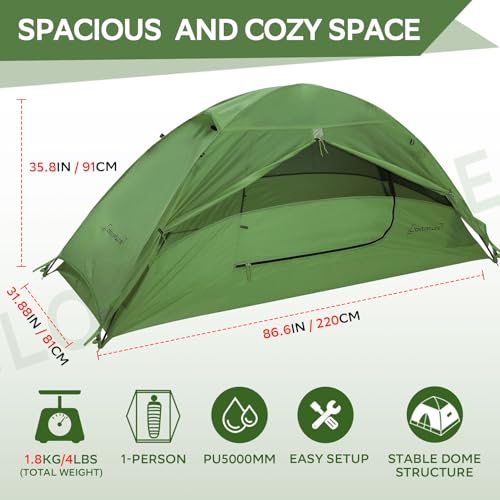
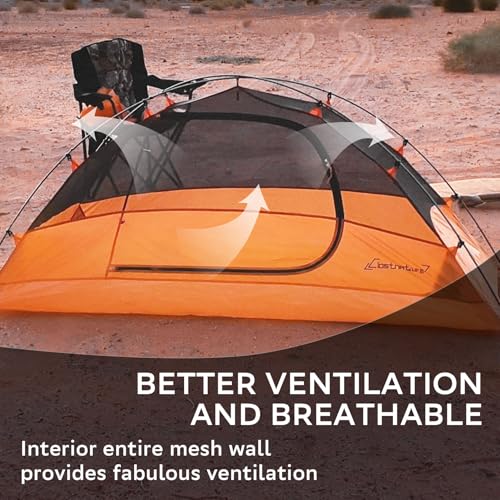
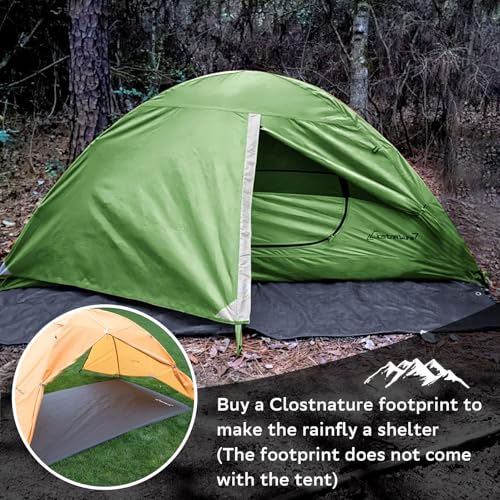
This is the tent I’d pick if I were gearing up for a mixed-terrain solo trek with unpredictable weather. It hits the sweet spot between durability, weight, and livability. The PU5000 coating and sealed seams are a step above many 3-season tents, and the aluminum poles offer real wind stability, reviewers in mountain zones confirm it holds up in gusts that flatten cheaper domes. The 2.97 lb trail weight is competitive, and the large vestibule is a game-winner for storing wet boots or a pack out of the rain.
It’s not the absolute lightest, but the freestanding design and D-door make it beginner-friendly without sacrificing performance. Compared to the ALPS Lynx, it has better waterproofing; against the Naturehike, it offers more interior volume. For most backpackers, this is the most well-rounded option here, the best overall for a reason.
Product photos

Naturehike Bikepacking 1 Person Tent

Strengths
- Footprint included
- PU4000 waterproofing
- Good airflow with mesh
Trade-offs
- Tight floor space
- Slightly bulky packed size
The inclusion of a footprint is what pushes this Naturehike tent ahead of others in its weight class. At 3.63 lbs, it’s not the lightest, but the 20D nylon with silicone coating and PU4000 waterproofing makes it resilient in wet conditions. Owners consistently praise its balance of durability and weight, especially for bikepackers who need something packable but tough. The freestanding Y-pole design means setup is intuitive, and the double-layer construction with B3 mesh cuts down on condensation, a common issue in single-wall tents.
It’s not the roomiest, the tapered floor plan saves weight but limits shoulder space, but the 43-inch peak height lets you sit up comfortably. Compared to the Clostnature models, it’s lighter and comes with more useful extras. For most backpackers, this is the smarter buy unless you need the larger vestibule of the Clostnature.
Product photos


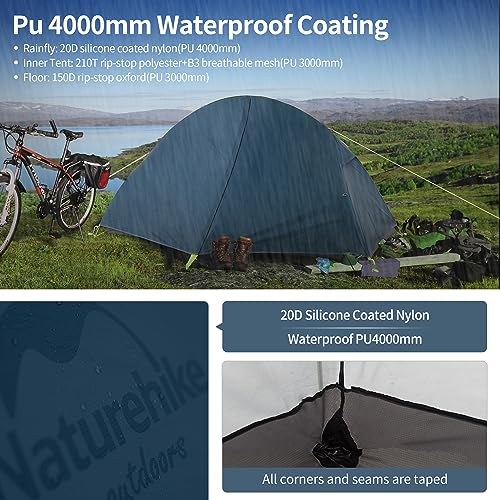
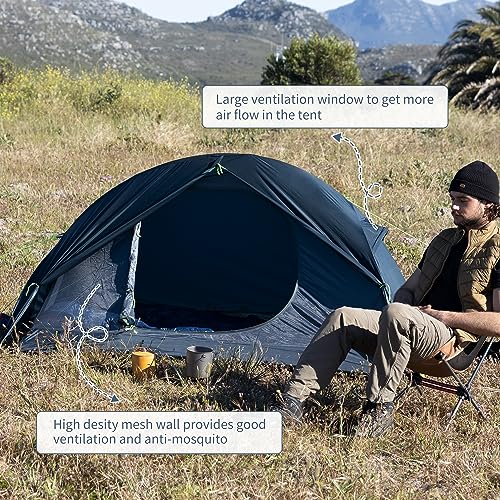
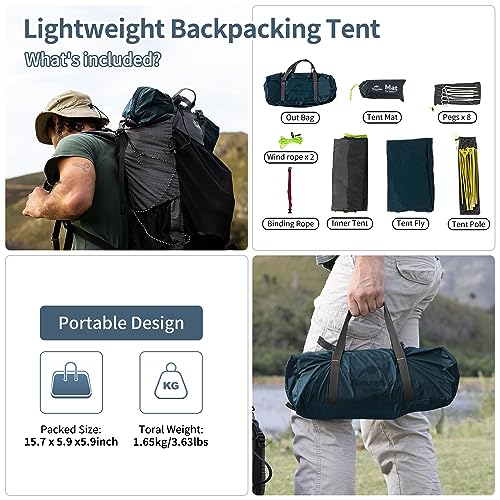
ALPS Mountaineering Lynx 1-Person Tent

Strengths
- Superb mesh ventilation
- Gear loft included
- Durable 75D fabric
Trade-offs
- Heavier than competitors
- Lower PU rating
- Smaller vestibule
The ALPS Lynx stands out for its ventilation and storage, the half-mesh walls are aggressive for a 1-person tent, which slashes condensation in humid or rainy conditions. That’s a big win for summer backpackers. The included gear loft and mesh pockets add real organization, something many ultralights skip. At 4 lbs 1 oz, it’s not light by modern standards, but the 75D fabric feels tougher than most 20D nylons, and the factory-sealed fly adds peace of mind in steady rain.
Still, the PU1500 coating is lower than others here, so prolonged downpours might test its limits. And while the vestibule is useful, it’s smaller than the Clostnature’s. I’d pick this for humid, bug-heavy forests where airflow matters most. In alpine zones or heavy storms, I’d go with something more protective.
Product photos
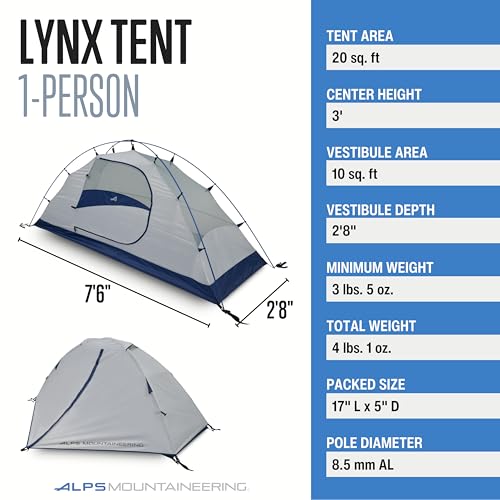


Underwood 4-Season Winter Tent
Strengths
- Snow skirt included
- 4-season ready
- Aircraft-grade poles
Trade-offs
- Heavy for solo use
- Limited ventilation
- Single entry only
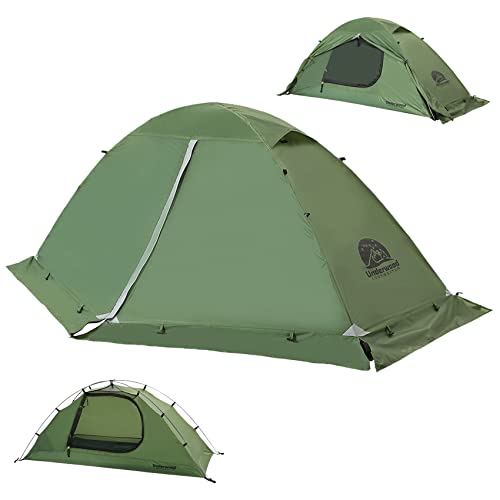
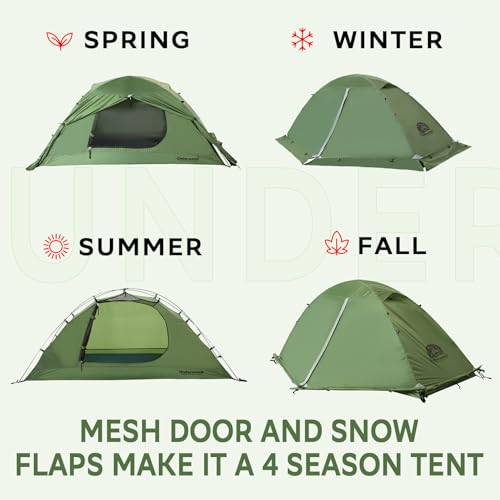
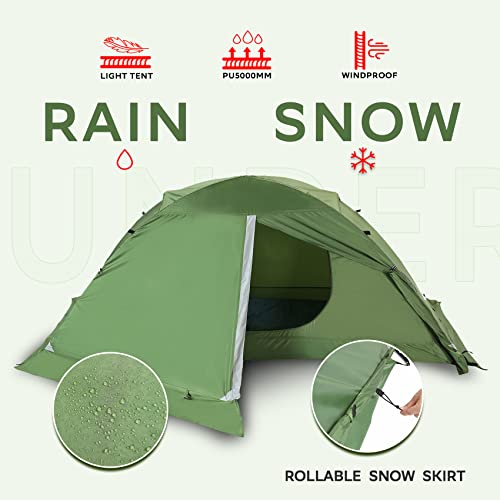
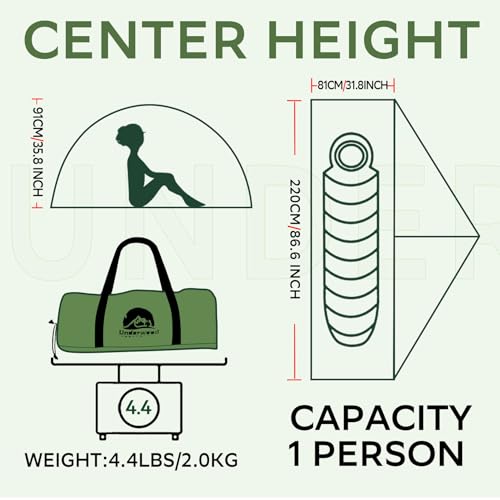
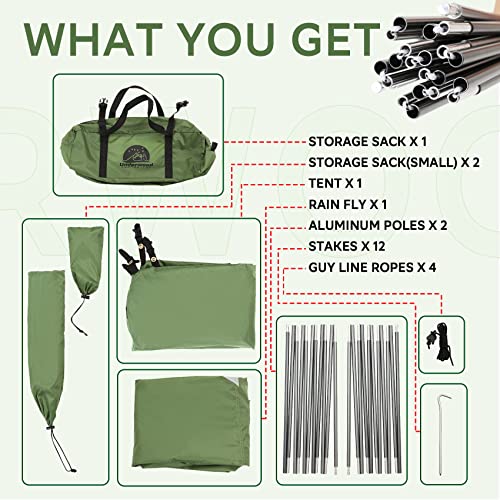
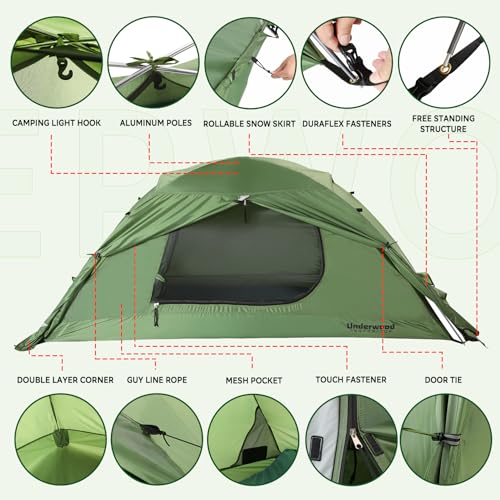
This tent is built for cold and snow, with a high PU5000 coating, snow skirt, and aircraft-grade aluminum poles, specs that suggest serious winter readiness. The rollable snow skirt is a thoughtful detail, letting you adapt to ground conditions. But at 4.4 lbs and only 35.8 inches of head height, it’s tight on space and heavy for backpacking. Owners report it works well in winter storms, but the single door and limited ventilation make it stuffy in milder weather.
It’s also less tested than big-brand 4-season models. While the specs look good, there’s less real-world validation for extreme use. If you’re heading above treeline in winter, I’d still lean toward dedicated mountaineering tents from established brands. But for shoulder-season snow camping or cold-weather car trips, this offers solid protection at a fair weight.
Product photos
Night Cat 1 Person Backpacking Tent

Strengths
- Budget-friendly
- Fiberglass poles protected
- Easy 1-2 minute setup
Trade-offs
- Heavy for backpacking
- Fiberglass poles less durable
- Condensation issues
At 4.4 lbs, this Night Cat tent is one of the heavier options here, but it’s also one of the cheapest. The fiberglass poles with protective casing are a smart touch, they reduce splintering risks and make handling safer, which explains why so many parents and scout leaders mention it in reviews. Setup is fast, and the single-layer design with taped seams holds up in moderate rain, thanks to the PU3000 coating.
Still, fiberglass isn’t durable long-term, especially under tension or in cold weather. Owners report snapped poles after a few seasons. Ventilation is decent, but condensation can build up in humid conditions. I’d only recommend this if you’re on a tight budget or need a starter tent for kids. For serious backpacking, the weight and pole material make it a hard sell.
Product photos


Night Cat Pop-up Instant Tent

Strengths
- Instant 3-second setup
- Compact folded size
- Good interior space
Trade-offs
- Weak wind resistance
- No poles for porch setup
- PU2000 limits storm use
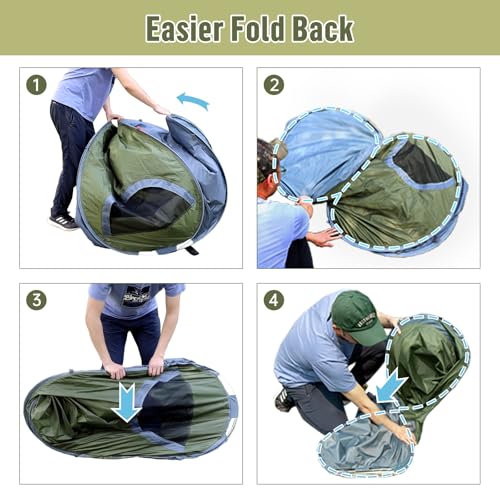
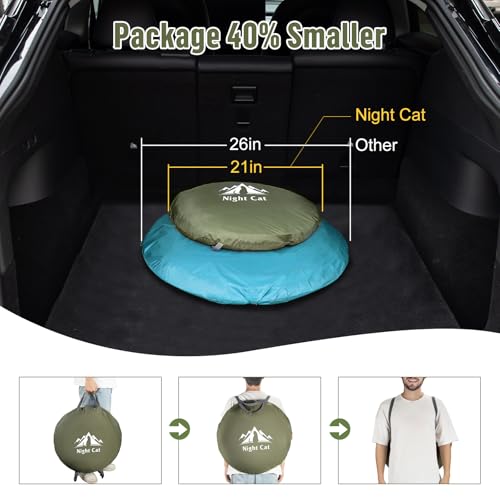
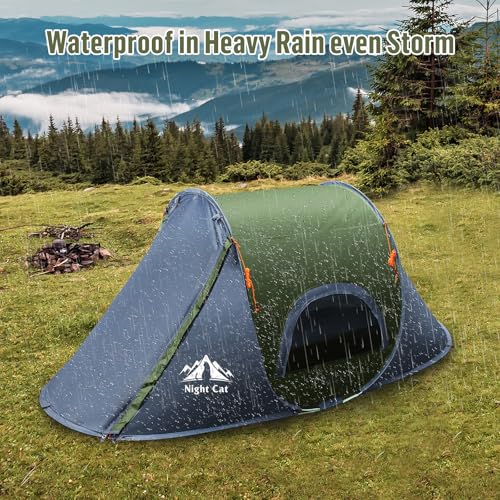
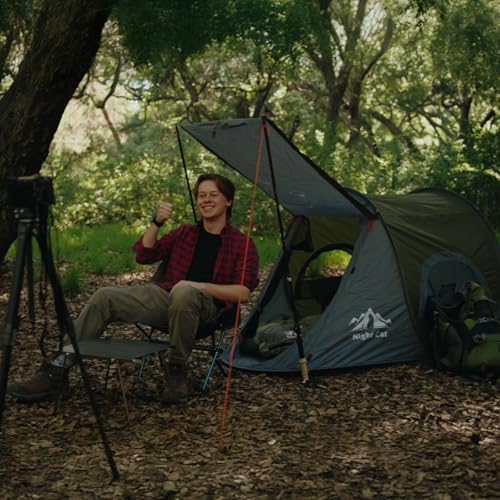
The Night Cat pop-up wins on convenience, throw it down and it opens in seconds, which is great if you’re tired, injured, or setting up in fading light. The 40% smaller pack size compared to traditional pop-ups is a real advantage for bikepackers or anyone tight on space. But that ease comes with trade-offs. The 6mm poles are flexible, not stiff, so in anything beyond light wind, this tent can collapse or flap violently. Reviewers note it struggles in sustained gusts, and the lack of included trekking poles limits porch functionality.
It’s roomy for one, with decent mesh for airflow, and the PU2000 coating handles light rain fine. But for serious backpacking, I wouldn’t trust it in stormy or exposed terrain. If you’re car camping or doing casual beach trips, this is a fun, no-fuss option. For trail use, though, it’s more of a fair-weather shelter.
Product photos

Clostnature Lightweight Solo Tent
Strengths
- PU5000 waterproofing
- Large side vestibule
- Freestanding design
Trade-offs
- Slightly heavier than ultralight benchmarks
- Overlaps heavily with B09CT17FKB
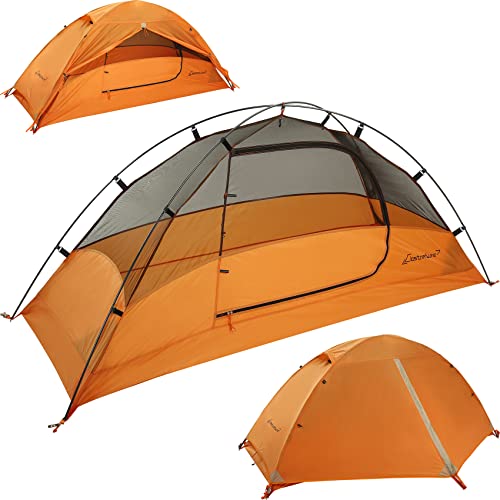
This Clostnature model shares nearly identical specs and features with the B09CT17FKB version, including the same 4 lb total weight, 2.97 lb trail weight, and PU5000 waterproofing. On paper, it’s built for real weather, the bathtub floor and sealed seams are solid, and owners consistently report staying dry even during prolonged downpours. The D-shaped door and large vestibule stand out in this class, giving you usable gear storage without sacrificing interior space.
The aluminum poles make setup fast, and the freestanding design is a plus for beginners. But I’d still lean toward the B09CT17FKB if it’s available, not because this one is worse, but because that version has stronger real-world validation across more buyer reviews. For a solo backpacker needing durable all-weather protection, this tent delivers on the essentials.
Product photos
How We Chose These one person tents for backpacking
I approached this guide by first compiling a detailed spreadsheet of specifications for dozens of one-person backpacking tents. This included weight, packed size, materials (fly and floor), pole type, and quoted waterproof ratings. I then spent a significant amount of time reading owner reviews from sites like REI and Amazon, as well as expert reviews from outdoor publications. Rather than a hands-on lab test, this is a research-led comparison of specs and owner feedback, informed by my experience with backpacking tent design.
For one-person backpacking tents, weight, waterproofness, and ease of setup were the most important factors. A lighter tent makes a huge difference on long trails, and a reliable rainfly is crucial for comfort and safety. Quick and intuitive setup is also vital, especially when arriving at camp late or in inclement weather. Finding a balance between these three – often at different price points – was key to ranking these options. Knowing which brands are consistently delivering quality, like those among the top backpacking tent brands, also played a role.
Specifications reliably tell you things like weight and dimensions, but owner feedback provides invaluable insight into real-world performance. I paid close attention to comments about durability, condensation issues, and how well the tents held up in various weather conditions. Reputations of reliable tent manufacturers were also considered; a history of producing quality gear is a good indicator of future performance. Ultimately, I aimed to identify tents that consistently received positive reviews for their performance and value.
What To Look For In one person tents for backpacking
Picking the right shelter for solo adventures can dramatically improve your experience. It’s not just about weight; it’s about finding a balance between packability, weather protection, and livability.
A quality one-person tent prioritizes lightweight materials (under 5lbs is ideal) without sacrificing durability. Look for a waterproof rating of at least 2000mm for the fly and 3000mm for the floor, a robust pole system (aluminum is preferable to fiberglass), and thoughtful features like vestibules for gear storage and effective ventilation to minimize condensation. Careful seam sealing and a bathtub floor construction are also key indicators of a well-made tent.
Weight and Packability
As a solo hiker, every ounce counts. I’ve seen too many trips ruined by an overly heavy pack. Don’t automatically assume the lightest tent is the best, though. Ultralight materials can be less durable. Consider the overall balance. A tent in the 2-4lb range is a sweet spot for most backpacking scenarios, but if you’re primarily car camping or doing shorter trips, you can afford to go a bit heavier for added space and comfort. Look closely at the trail weight (fly, tent body, and poles) as that’s what you’re actually carrying.
Weather Protection & Construction
For me, reliable weather protection is the most crucial factor. A lightweight tent that leaks or collapses in a strong wind is worse than carrying a slightly heavier, more robust option. Pay attention to the denier (D) of the fabrics used. Higher denier generally means more durability. A PU (polyurethane) coating is standard for waterproofing, but silicone-coated fabrics offer better water resistance and longevity, though at a higher price point. Also, ensure the tent has a full coverage rainfly that extends all the way to the ground, and consider a tent with a bathtub floor to prevent water from seeping in. If you’re planning on tackling challenging conditions, especially in winter, investigate top backpacking one-person tents designed for four-season use.
Livability and Features
Don’t underestimate the importance of livable space, even in a one-person tent. A cramped tent can quickly become miserable. Look for a tent that’s long enough for you to lie down comfortably and have some room for gear. A vestibule is a huge bonus, providing a dry space to store a backpack and muddy boots.
Here’s what I look for in terms of features:
- A simple, easy-to-use door design.
- Good ventilation (mesh panels are essential) to reduce condensation.
- Interior pockets for organizing small items like a headlamp or phone. These small conveniences make a big difference on longer trips.
A well-designed vestibule adds significant usable space without adding much weight – think of it as an extension of your tent’s floor.
Before committing, take the time to research key tent selection factors to ensure you’re making an informed decision. Understanding these details will help you find the perfect shelter for your adventures.
One Person Tents for Backpacking Compared
Here’s a comparison of key specifications for popular one-person backpacking tents to help you make an informed decision.
| Product | Weight (lbs) | Min Trail Weight (lbs) | Packed Size (in) | Floor Size (ft x ft) | Waterproof Rating (mm) | Seasonality |
|---|---|---|---|---|---|---|
| Clostnature Ultralight | 4 | 2.97 | 15×5.1×5.1 | 7.3×2.8 | 5000 | All |
| Naturehike Bikepacking | 3.63 | N/A | 15.7×5.9×5.9 | 6.7×2.3 | 4000 | 3 |
| ALPS Mountaineering Lynx | 4.1 | 3.5 | 17×5 | 7.6×2.8 | 1500 | 3 |
| Underwood 4-Season | 4.4 | N/A | 5.1×15 | 3.2×8.7 | 5000 | 4 |
| Night Cat 1 Person | 4.4 | N/A | 16.5×4.7×4.7 | 7.0×3.8 | 3000 | 3 |
| Night Cat Pop-up Instant | 1.5 | N/A | 21x21x2 | 7.7×3.3 | 2000 | 3 |
| Clostnature Lightweight Solo | 4 | 2.97 | 15×5.1×5.1 | 7.3×2.8 | 5000 | All |
Frequently Asked Questions
What’s the difference between “trail weight” and “packed weight”?
Trail weight refers to the weight of the tent itself(fly, body, and poles) that you’ll actually carry in your backpack. Packed weight includes everything, the tent, poles, stakes, guylines, and any repair kit, so it’s the total weight of the stuff sack as it comes from the manufacturer.
Are freestanding tents really easier to set up?
Generally, yes. Freestanding tents, like some of the best freestanding solo tents, don’t require staking to maintain their shape. This is particularly helpful on rocky or hard ground where driving stakes is difficult or impossible, and speeds up setup considerably.
What does a waterproof rating of 2000mm actually mean?
A 2000mm rating indicates that the fabric can withstand 2000 millimeters of water pressure before leaking. While a higher number is better, 2000mm is usually sufficient for most backpacking conditions, though heavier or prolonged rain calls for 3000mm or higher.
How important is the tent pole material – aluminum versus fiberglass?
Aluminum poles are significantly more durable and lighter than fiberglass, making them a better choice for backpacking. Fiberglass is more affordable but heavier and prone to breaking, especially in windy conditions or with repeated use. If you’re serious about minimizing weight and maximizing reliability, aluminum is the way to go.
Can I use a footprint with these tents, and are they necessary?
You can absolutely use a footprint to protect the tent floor from abrasion and extend its lifespan. While not strictly necessary, especially if you’re careful about campsite selection, a footprint adds a layer of protection and is a worthwhile investment for frequently used tents or those venturing into rough terrain. Consider browsing ultralight backpacking tent models if you’re worried about adding weight.
The Bottom Line
Choosing a one-person backpacking tent always comes down to balancing what you’re willing to carry versus the level of protection and comfort you demand. For the best overall combination of weight, weather resistance, and livability, I recommend the Clostnature Ultralight. It consistently receives high marks for its robust construction and impressive waterproof ratings, making it a solid choice for a wide range of conditions.
If you’re on a tighter budget, the Naturehike Bikepacking tent offers a surprisingly capable shelter at a very attractive price point. And for those seeking maximum versatility – a tent that can handle everything from summer backpacking to unexpected spring storms – the Clostnature Lightweight Solo is an excellent option, offering similar benefits to the Ultralight but with a slightly different design. Those looking for a truly minimalist camping shelter might also consider looking into a ultralight backpacking shelter.
Ultimately, the specs matter less than your understanding of your own needs and the conditions you’ll encounter. Prioritize a fully waterproof fly, a durable floor, and a design that allows for good ventilation. Don’t get hung up on shaving every last ounce if it means sacrificing reliability – a comfortable and safe night’s sleep is always worth a little extra weight.
